BlueLine Rental: How a Regional Player Competes Against the National Giants
With 45 locations across seven Midwest states, BlueLine Rental has carved out a successful niche between local independents and national consolidators.
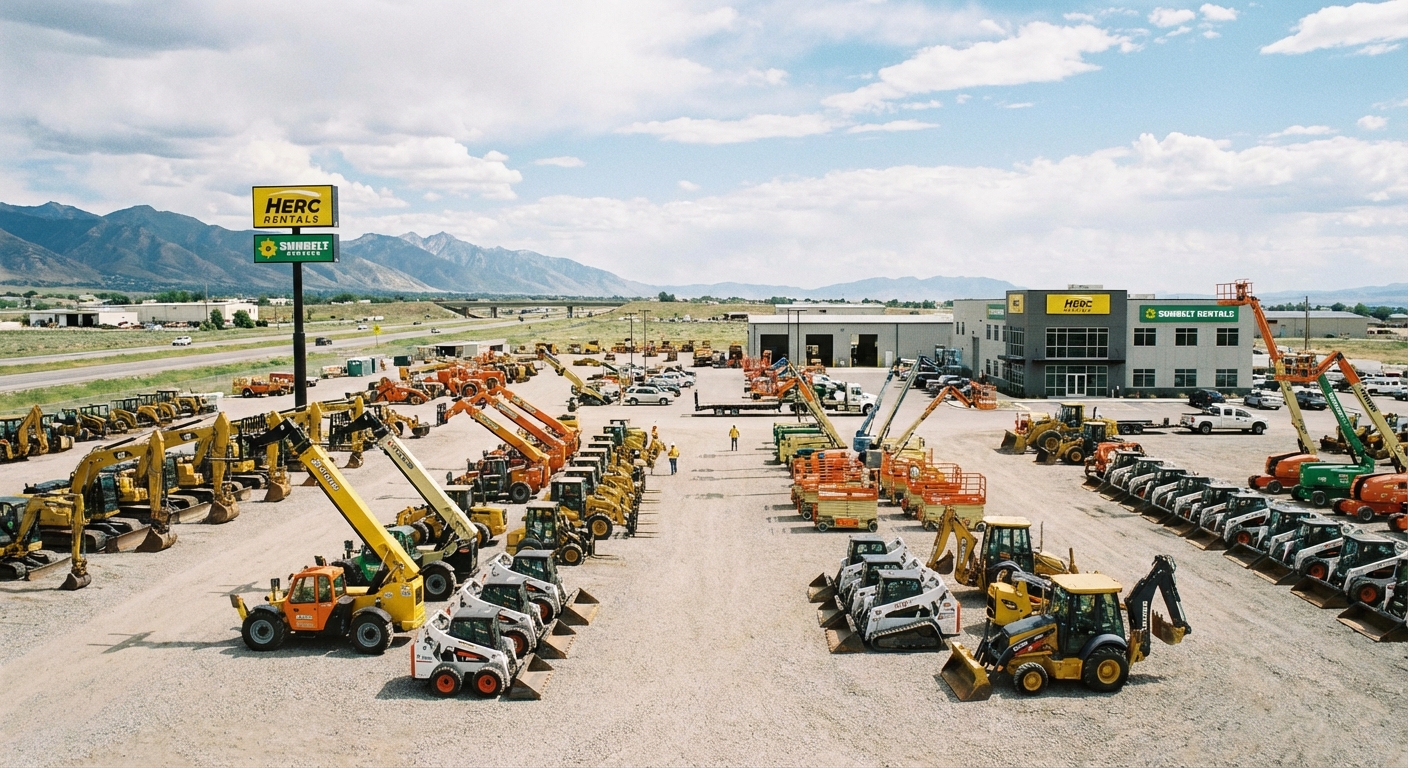
The equipment rental industry has undergone dramatic consolidation over the past decade. United Rentals, Sunbelt, and Herc dominate the landscape with thousands of locations and tens of billions in fleet value. Against this backdrop, regional rental companies might seem endangered—squeezed between national scale and local flexibility.
BlueLine Rental tells a different story. Operating 45 locations across Wisconsin, Minnesota, Illinois, Iowa, Missouri, Indiana, and Michigan, this regional rental company has not only survived consolidation but thrived. Equipment Insider visited BlueLine’s Milwaukee headquarters to understand how regional rental companies compete and succeed.
Company History
BlueLine Rental traces its origins to 1978 when Richard Brennan started Milwaukee Equipment Rental with a modest fleet of compressors, generators, and small earthmoving equipment. The company grew steadily through the 1980s and 1990s, expanding into adjacent Wisconsin markets and eventually crossing state lines.
The “BlueLine” brand emerged in 2003 when Milwaukee Equipment Rental merged with two other Midwest rental companies to create a regional network. The consolidation provided scale advantages while maintaining the local market knowledge that had made each component company successful.
Today, BlueLine operates a fleet valued at approximately $400 million, employing over 600 people across its network. The company generates annual revenue exceeding $200 million, ranking it among the top 20 equipment rental companies in North America.
“We’re big enough to matter but small enough to care,” says CEO Thomas Brennan, son of the founder. “That positioning gives us advantages against both larger and smaller competitors.”
Business Model
BlueLine’s approach combines elements of both national and local rental models:
Fleet Strategy
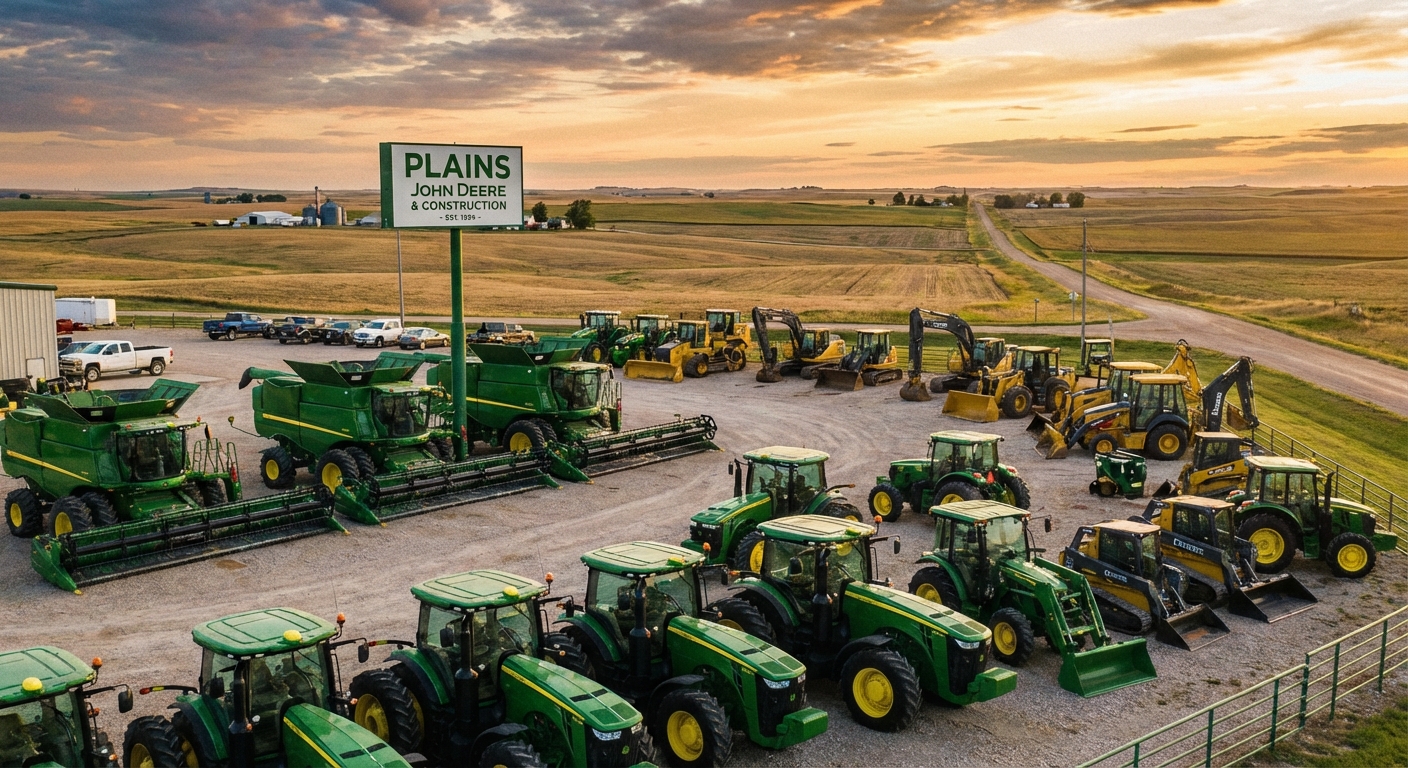
BlueLine maintains a diverse equipment fleet spanning:
- Earthmoving: Excavators, dozers, loaders, compact equipment
- Aerial: Boom lifts, scissor lifts, telehandlers
- Compaction: Rollers, plate compactors, rammers
- Power and HVAC: Generators, air compressors, climate control
- General construction: Concrete equipment, welding, pumps
The fleet emphasizes late-model equipment from major manufacturers. BlueLine’s purchasing scale enables competitive acquisition costs, while regional focus ensures equipment matches local market preferences.
“Our fleet reflects what Midwest contractors actually need,” explains Fleet Director Amanda Chen. “We don’t carry exotic equipment that rents twice a year. We focus on bread-and-butter machines that stay busy.”
BlueLine replaces equipment on a disciplined schedule, typically selling units at 5-7 years depending on category. This ensures reliability while capturing residual value before equipment becomes maintenance-intensive.
Pricing Philosophy
BlueLine positions pricing slightly below national competitors while commanding premium over most local independents:
“We’re not the cheapest option—companies running older equipment with lower overhead can undercut us on price,” Brennan acknowledges. “But we’re consistently less expensive than the nationals while providing comparable or better equipment and service.”
The pricing strategy reflects BlueLine’s cost structure. Regional scale provides purchasing advantages over local independents, while focused geography eliminates the overhead of maintaining national presence.
Service Emphasis
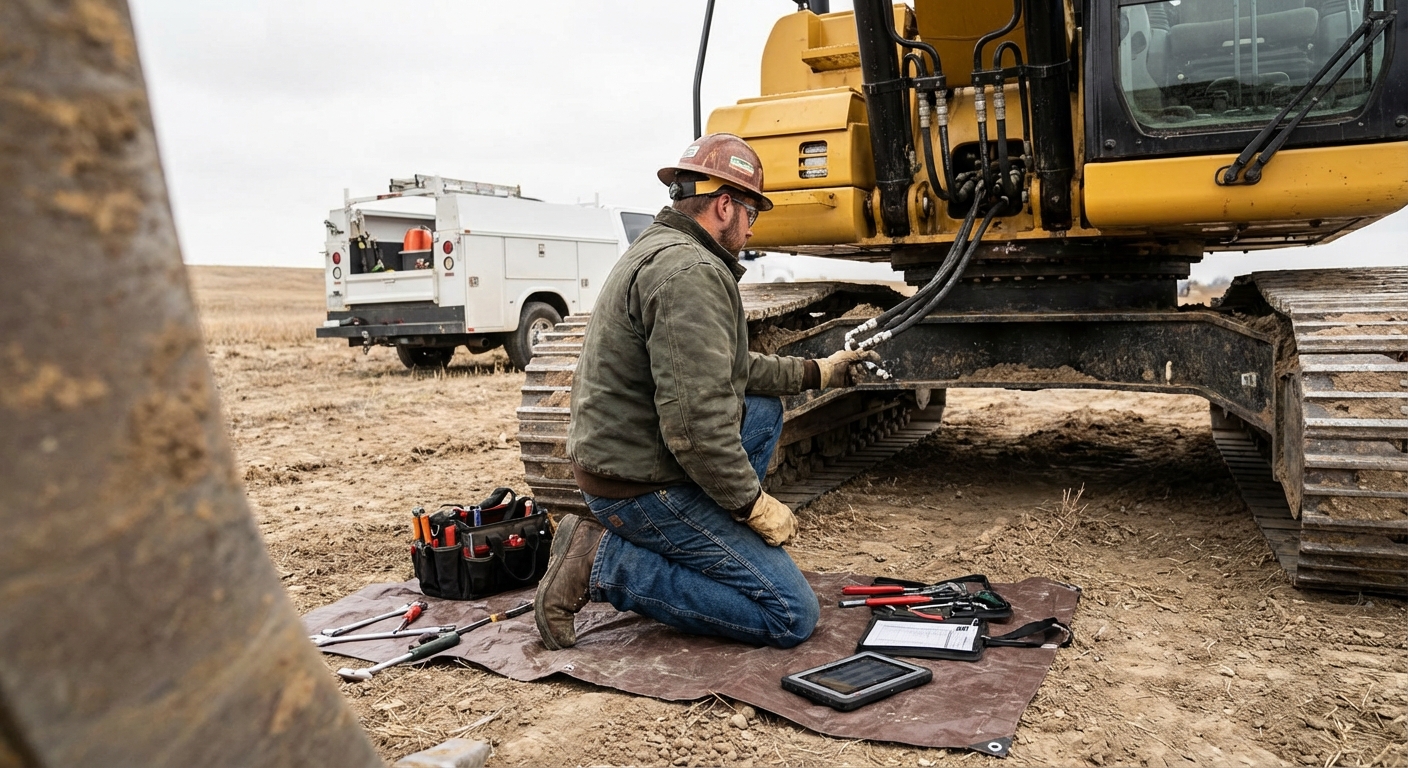
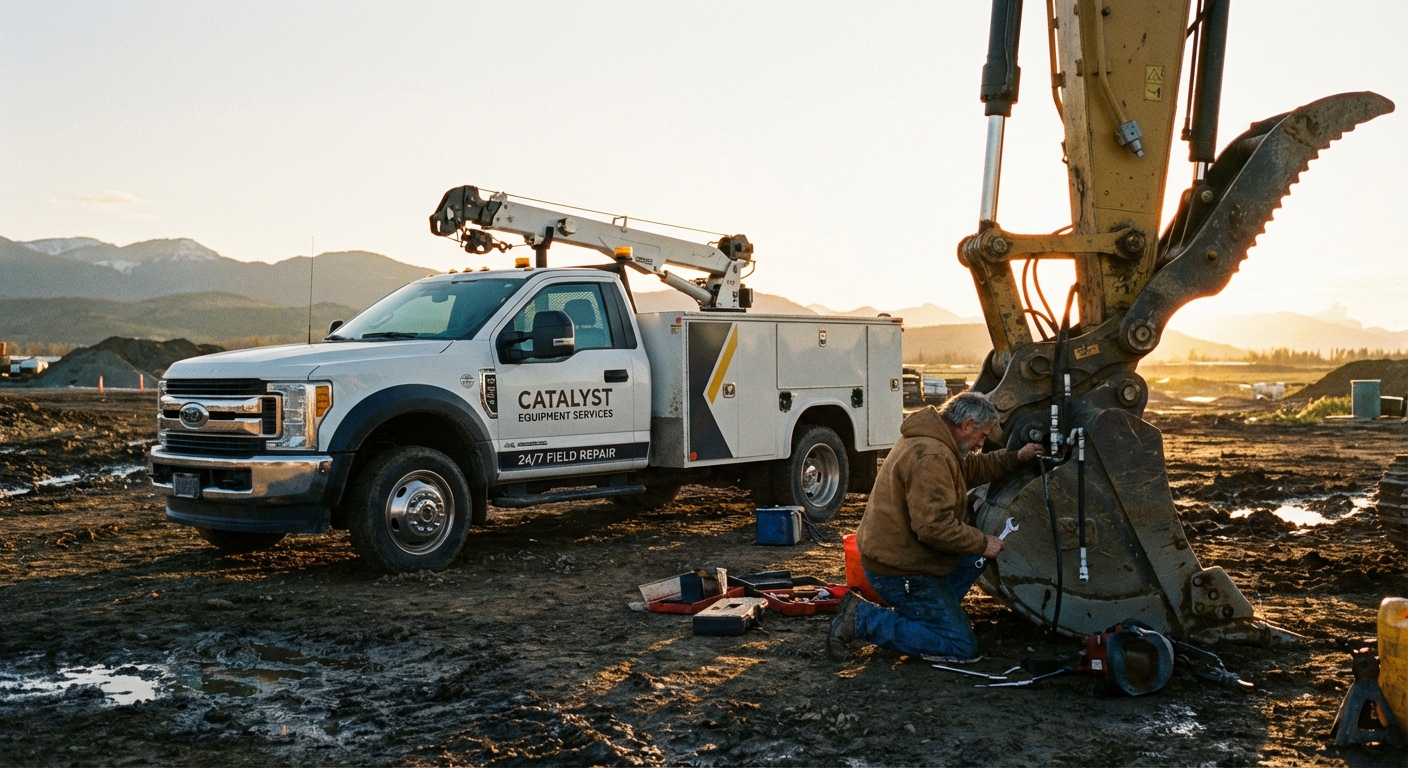
Service responsiveness is BlueLine’s primary competitive differentiator. The company guarantees four-hour delivery within its core service areas and commits to same-day service response for equipment issues.
“Rental is a service business, not just an equipment business,” emphasizes Operations VP Mark Thompson. “When a contractor calls with a problem, our response determines whether they call us next time.”
BlueLine’s regional density enables service levels that national companies struggle to match. Technicians are never far from customer job sites, and parts inventory is positioned for rapid deployment.
Market Strategy
BlueLine focuses on several customer segments where its regional model provides competitive advantages:
Commercial Contractors
General and specialty contractors represent BlueLine’s largest customer segment. These customers rent equipment for project-specific needs, valuing availability, reliability, and service responsiveness.
“Commercial contractors can’t wait for equipment,” Thompson notes. “When they need a machine, they need it today. Our delivery capability and inventory depth wins this business.”
BlueLine maintains rental coordinators dedicated to contractor accounts, providing single points of contact for rental needs across equipment categories.
Industrial and Manufacturing
Midwest manufacturing facilities require equipment for plant maintenance, expansion projects, and special applications. BlueLine serves this segment with dedicated industrial sales staff who understand manufacturing environments.
“Industrial customers have specific requirements—confined space equipment, intrinsically safe options, particular lift capacities for specific applications,” explains Industrial Sales Manager Janet Rodriguez. “We configure equipment for their exact needs.”
Municipal and Government
BlueLine holds numerous municipal contracts across its territory, providing equipment for road maintenance, utility work, and seasonal needs. Government business is typically lower-margin but predictable, providing base utilization for fleet assets.
Event and Seasonal
Power, HVAC, and material handling equipment support event and seasonal applications. BlueLine maintains dedicated event rental coordinators who manage complex multi-equipment installations for festivals, construction warming, and temporary facilities.
Technology Investment
BlueLine has invested heavily in technology that enhances both operational efficiency and customer experience:
Fleet Telematics
Every significant asset in BlueLine’s fleet is telematics-enabled, providing:
- Real-time location tracking
- Operating hours monitoring
- Fault code alerting
- Utilization analysis
- Maintenance scheduling integration
“Telematics transformed our business,” Chen says. “We know exactly where our equipment is, how it’s being used, and when it needs attention. That visibility enables proactive service and informed fleet decisions.”
Customer Portal
BlueLine’s online platform enables customers to:
- View available equipment and specifications
- Request quotes and place orders
- Track deliveries and returns
- Access invoices and contracts
- View equipment documentation and operating information
“Customers expect digital convenience,” notes Marketing Director Steve Phillips. “Our portal doesn’t replace personal relationships, but it adds a service channel that some customers prefer.”
Operational Systems
Behind the scenes, BlueLine operates modern rental management software that integrates:
- Inventory and availability management
- Delivery routing and scheduling
- Maintenance tracking and scheduling
- Financial and billing systems
- Customer relationship management
“Our systems enable operational efficiency that wouldn’t be possible manually,” Thompson explains. “When a customer calls, we know their history, their preferences, and what equipment we have available nearby. That information enables responsive service.”
Competitive Dynamics
BlueLine competes against both national consolidators and local independents:
Versus National Companies
United Rentals and Sunbelt offer massive fleet depth, national account capabilities, and extensive service infrastructure. BlueLine counters with:
- Local knowledge: Understanding Midwest markets, customers, and conditions
- Service responsiveness: Faster delivery and service response in core territory
- Relationship depth: Account managers who know customers personally
- Pricing flexibility: Ability to customize deals without corporate approval processes
“The nationals have advantages we can’t match—fleet size, purchasing power, geographic reach,” Brennan acknowledges. “But they also have bureaucracy, turnover, and distance from customers. We compete on what they can’t easily replicate.”
Versus Local Independents
Local rental companies offer aggressive pricing and intimate market knowledge but often lack equipment depth and service capability. BlueLine positions against locals by emphasizing:
- Fleet quality: Late-model equipment with comprehensive maintenance
- Equipment depth: Ability to supply multiple units or specialized configurations
- Geographic coverage: Multi-state capability for contractors working across markets
- Financial stability: Long-term reliability as a rental partner
“Small operators can underprice us on individual transactions,” Thompson notes. “But contractors who need reliable partners for significant projects often prefer our stability and capability.”
Challenges
BlueLine faces several ongoing challenges:
Consolidation Pressure
National consolidators continuously seek acquisition targets. BlueLine has received multiple acquisition inquiries but has remained independent.
“Selling would be the easy path,” Brennan admits. “But we believe our model has long-term viability, and we value independence. As long as we compete effectively, we’ll stay independent.”
Talent Competition
Recruiting and retaining skilled technicians, drivers, and sales professionals is challenging in tight labor markets. BlueLine offers competitive compensation and career development, but competes with both rental competitors and other industries for talent.
Economic Cyclicality
Equipment rental is sensitive to construction cycles. BlueLine manages cyclicality through conservative financial policies, fleet flexibility, and diversification across customer segments.
Looking Forward
BlueLine sees continued opportunity for regional rental success:
“The market is big enough for multiple models,” Brennan observes. “Nationals will continue consolidating, but there will always be customers who value local responsiveness and relationships. We’ll serve those customers.”
The company plans measured geographic expansion into adjacent markets where its model can replicate successfully. Technology investment continues to enhance both operations and customer experience.
For other regional rental companies, BlueLine demonstrates that effective competition against national scale is possible. The keys—customer focus, operational excellence, and strategic clarity—don’t require national presence to execute.
For broader industry context, see our analysis of rent vs. buy decisions in current market conditions.