Precision Equipment Services: The Mobile Repair Specialists Keeping Fleets Running
This Indianapolis-based mobile repair company has built a regional reputation by bringing the shop to the equipment—and doing it right the first time.
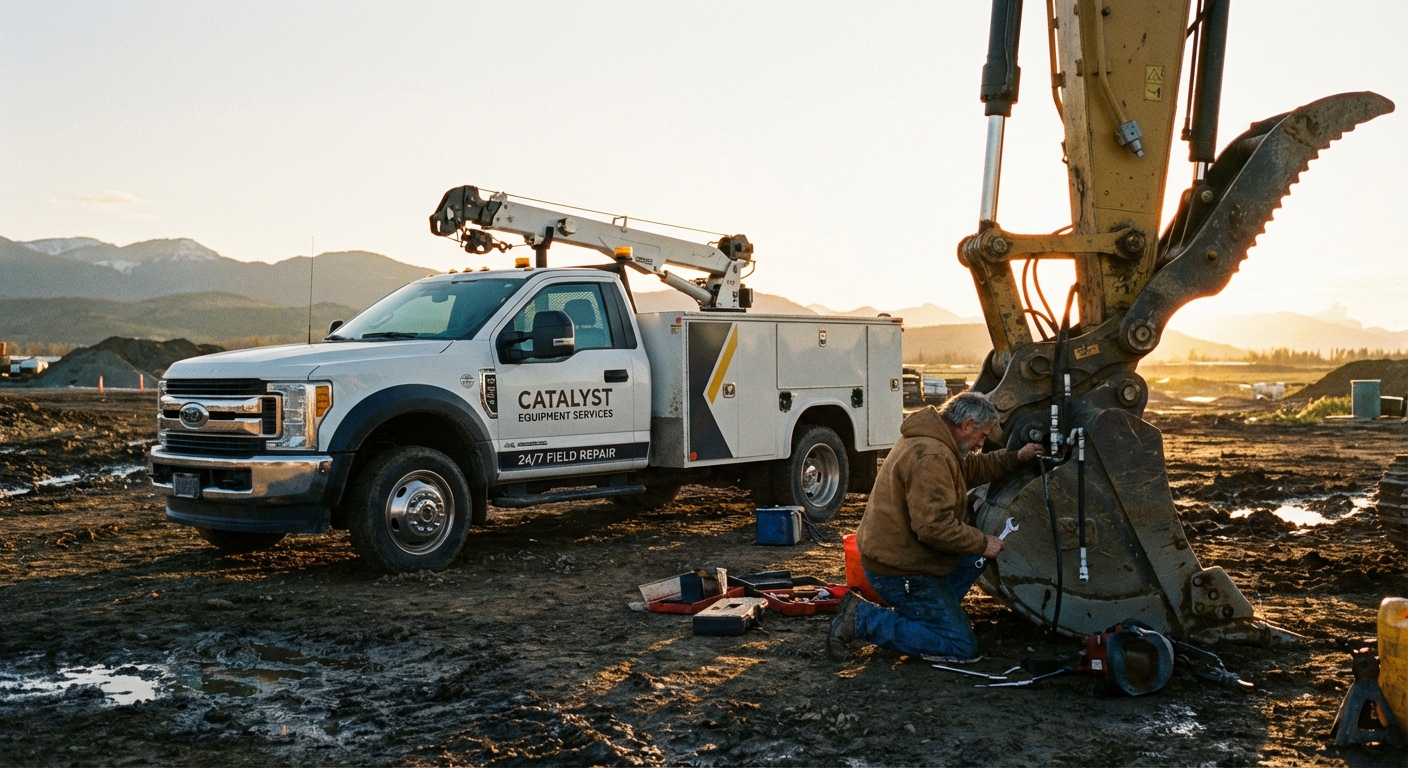
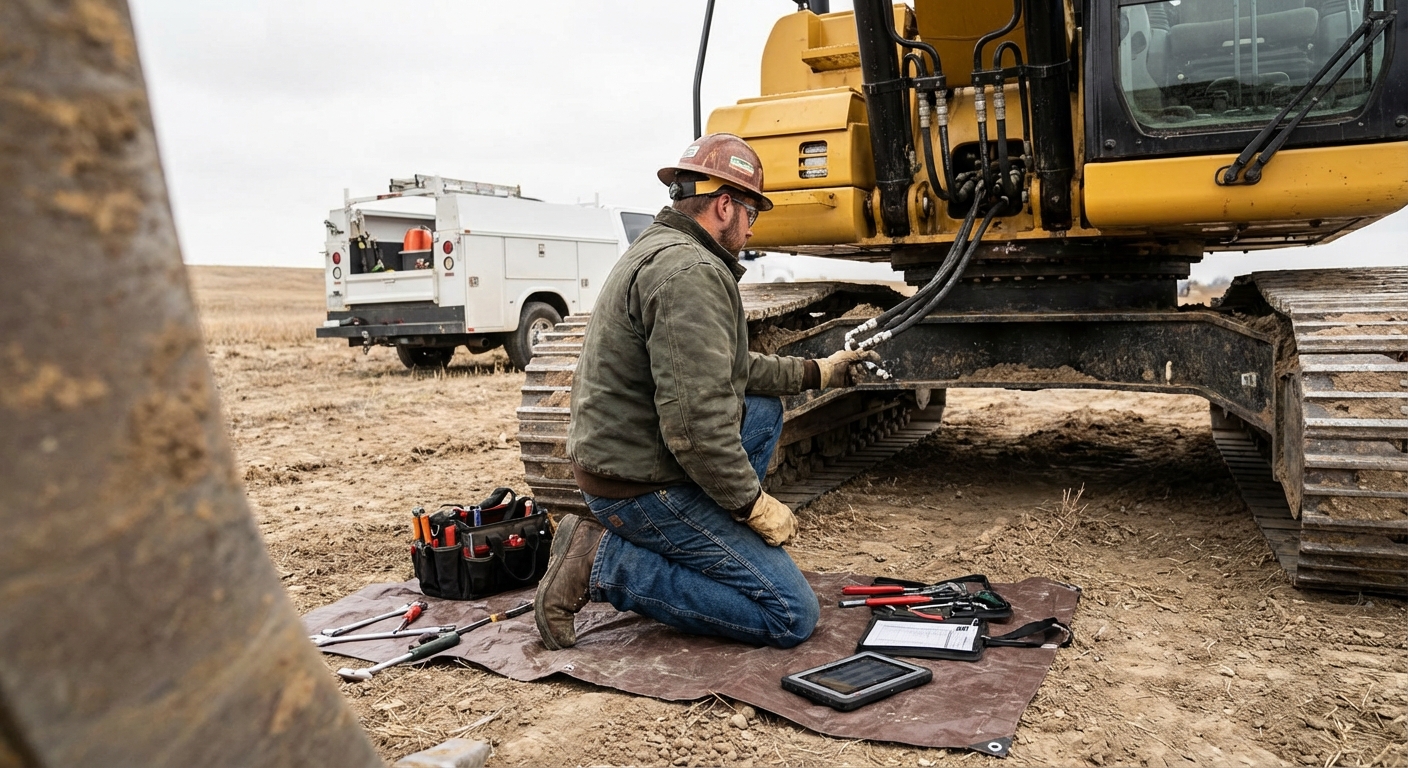
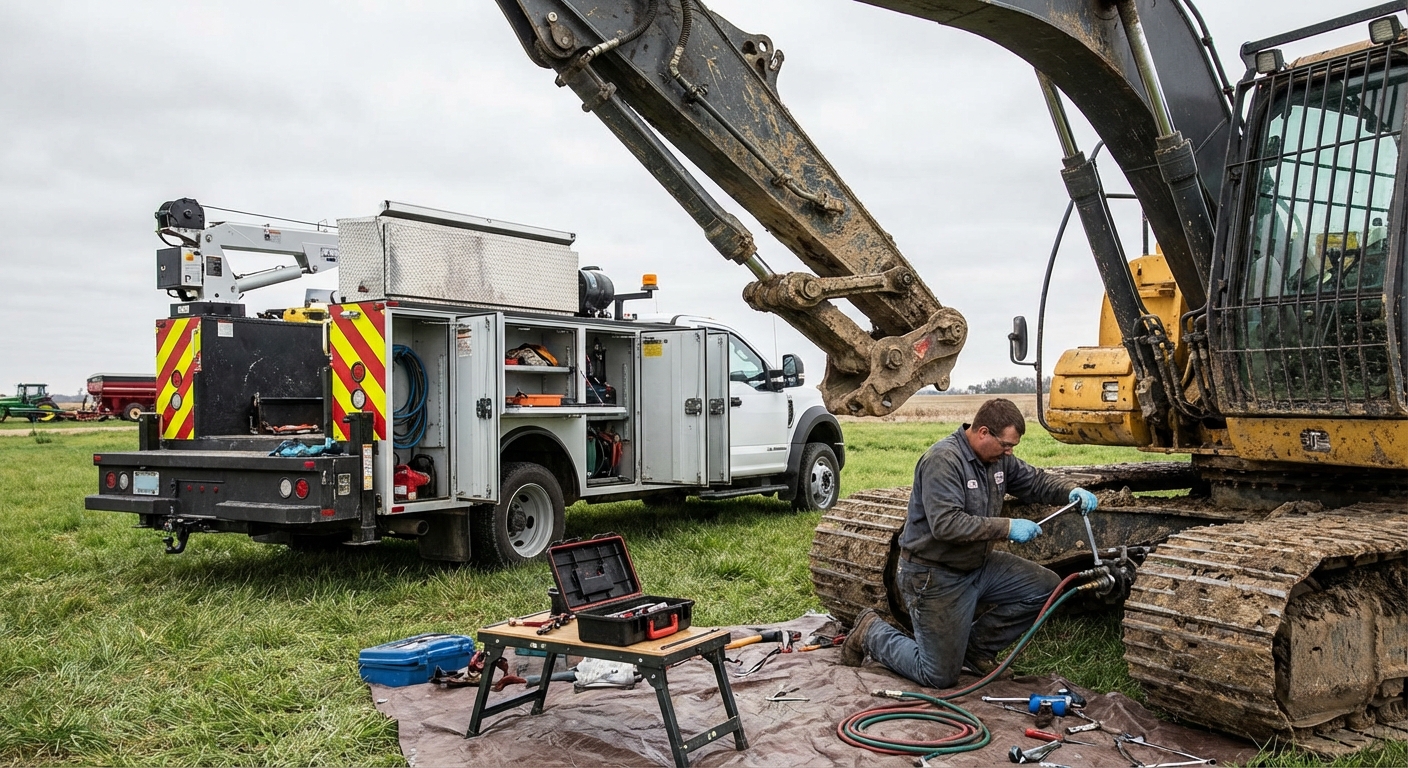
When a contractor’s excavator goes down on a Friday afternoon at a remote job site, the traditional options aren’t great: wait until Monday for dealer service, attempt a field repair with limited tools, or arrange costly transportation to a shop. Precision Equipment Services has built a business around a better option—bringing comprehensive repair capability directly to wherever equipment breaks down.
Based in Indianapolis with technicians deployed across Indiana and into adjacent states, Precision Equipment Services represents a growing segment of the equipment service industry: independent mobile repair specialists who compete on responsiveness, capability, and customer focus.
Company Overview
Founded in 2011 by veteran equipment technician Marcus Williams, Precision Equipment Services has grown from a single service truck to a fleet of 18 fully-equipped mobile repair units. The company employs 24 technicians and support staff, generating approximately $8 million in annual revenue from mobile repair, preventive maintenance, and fleet management services.
“I spent fifteen years working at dealerships, and I saw what frustrated customers,” Williams recalls. “They’d wait days for service appointments. They’d have equipment down while parts were ordered. They’d get charged for transportation and shop time on top of the actual repair. I knew there was a better way.”
That better way starts with a simple premise: equipment downtime costs contractors money. Every hour a machine sits idle represents lost productivity, delayed schedules, and frustrated customers. Minimizing downtime requires rapid response, proper diagnosis, and first-time repair success.
“We measure ourselves on first-time fix rate,” Williams explains. “If a technician goes to a job site and has to come back because they didn’t have the right part or misdiagnosed the problem, we’ve failed. Our customers need their equipment fixed now, not eventually.”
Service Model
Precision Equipment Services operates exclusively as a mobile service provider—the company has no traditional repair shop. This focus enables specialization in field repair that would be difficult for diversified service businesses to match.
Mobile Unit Configuration
Each service truck is a fully-equipped mobile workshop carrying:
- Comprehensive tool sets for hydraulic, electrical, and mechanical systems
- Diagnostic equipment compatible with major equipment brands
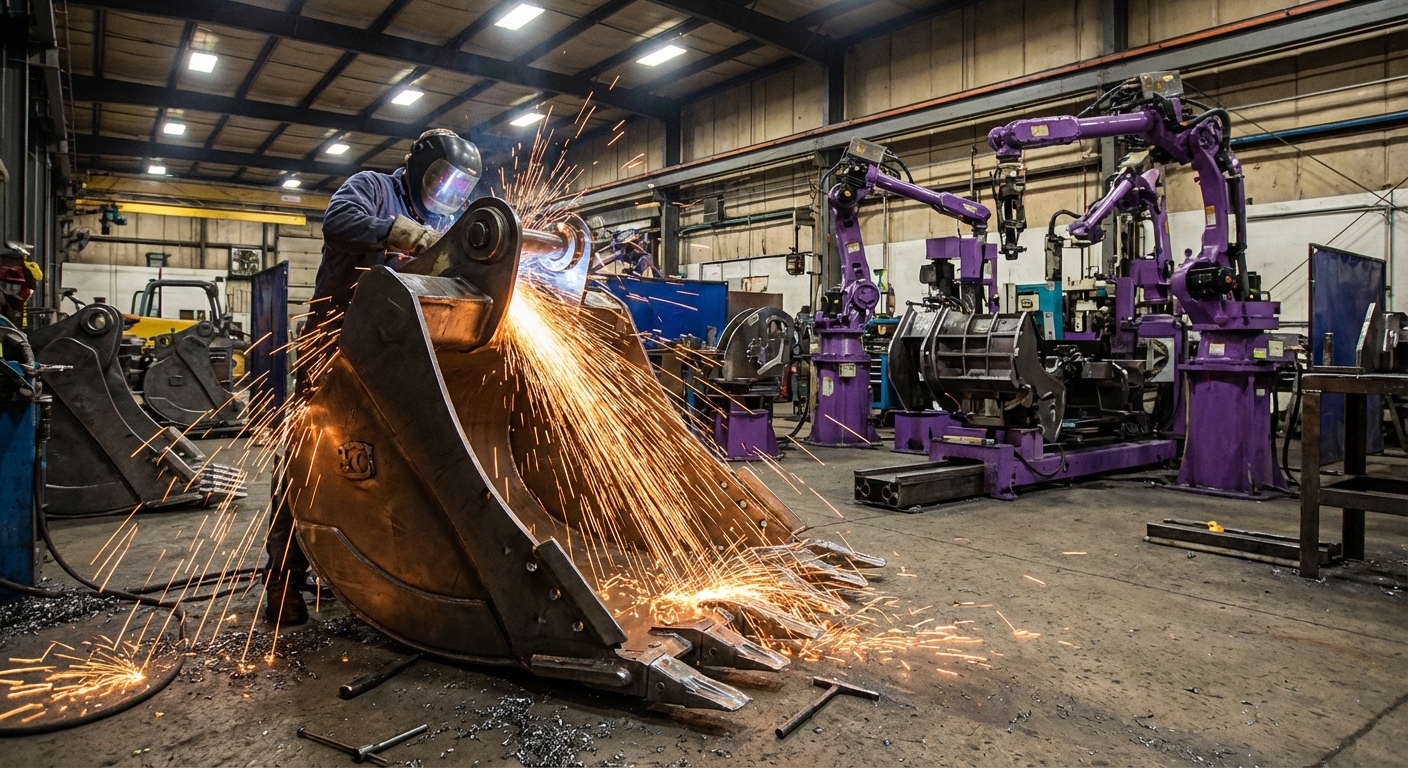
- Welding and fabrication equipment for field repairs
- Common repair parts inventory ($15,000-$25,000 per truck)
- Fluid handling equipment for oil, coolant, and hydraulic fluid
Trucks are configured for specific service types. Heavy repair units carry additional equipment for major component work. Preventive maintenance units are optimized for efficient fluid and filter services. Specialized units handle welding and fabrication work.
“We invest heavily in truck configuration,” notes Operations Manager Jennifer Torres. “A well-equipped truck means our technicians can complete repairs in the field that other providers would have to bring to a shop.”
Response Time
Precision Equipment Services commits to four-hour response time for emergency calls within its core territory. Most calls are answered within two hours. After-hours emergency service is available 24/7 with a modest premium.
“Response time is why customers call us,” Torres observes. “Dealers often can’t respond same-day. We can usually be there before lunch.”
The rapid response requires careful dispatch management and technician deployment. Precision Equipment Services uses fleet tracking and scheduling software to optimize technician locations and minimize travel time.
Diagnostic Capability
Accurate diagnosis is essential for efficient repair. Misdiagnosis leads to unnecessary parts purchases, multiple service visits, and customer frustration. Precision Equipment Services has invested in diagnostic capability that rivals dealer service operations:
- Multi-brand diagnostic software covering Caterpillar, John Deere, Komatsu, Hitachi, and most other major manufacturers
- Hydraulic testing equipment for precise system diagnosis
- Electrical diagnostic tools including oscilloscopes and amp clamps
- Computerized engine diagnostic interfaces
“Our technicians are trained to diagnose before they repair,” Williams emphasizes. “It’s tempting to throw parts at a problem, but that’s expensive and often doesn’t fix the underlying issue. We take the time to understand what’s actually wrong.”
This diagnostic capability has become more important as equipment has become more sophisticated. Modern construction equipment incorporates complex electronic controls, telematics systems, and computer-managed hydraulics. Field diagnosis requires specialized knowledge and equipment.
Customer Relationships
Precision Equipment Services serves approximately 200 active customers ranging from single-machine owner-operators to regional contractors with 50+ units. Customer retention exceeds 90% annually.
Preventive Maintenance Programs
While emergency repair is the most visible service, preventive maintenance contracts provide stable revenue and strengthen customer relationships. Precision Equipment Services manages maintenance for approximately 600 machines on scheduled programs.
“Preventive maintenance is where we add the most value,” Torres explains. “We track service intervals, schedule visits proactively, and identify developing problems before they become breakdowns. Customers avoid surprises.”
Maintenance programs include oil and filter services, inspection protocols, and documentation that protects equipment warranties and supports resale value. The company provides detailed service records that customers can share with buyers when selling equipment.
Fleet Management Support
For larger customers, Precision Equipment Services offers fleet management assistance including:
- Maintenance scheduling and tracking
- Repair history documentation
- Operating cost analysis
- Equipment condition assessment
- Replacement timing recommendations
“Customers often know their equipment needs attention but don’t have time to manage it systematically,” Williams notes. “We become their equipment department. They can focus on running their business.”
This fleet management role has grown as customers recognize the value of systematic equipment care. The data accumulated through maintenance and repair services enables informed decisions about equipment replacement, utilization optimization, and cost management.
Multi-Brand Capability
Unlike manufacturer dealers limited to single brands, Precision Equipment Services works on equipment from all major manufacturers. This multi-brand capability is particularly valuable for contractors operating mixed fleets.
“Most contractors have equipment from multiple manufacturers,” Williams observes. “Calling three different dealers for three different brands is inefficient. We handle everything with one relationship.”
The multi-brand approach requires ongoing investment in technician training, diagnostic equipment, and parts sourcing relationships. Precision Equipment Services maintains training agreements with several equipment manufacturers and parts suppliers to ensure technicians stay current.
Competitive Position
Precision Equipment Services competes primarily against manufacturer dealers and other independent service providers:
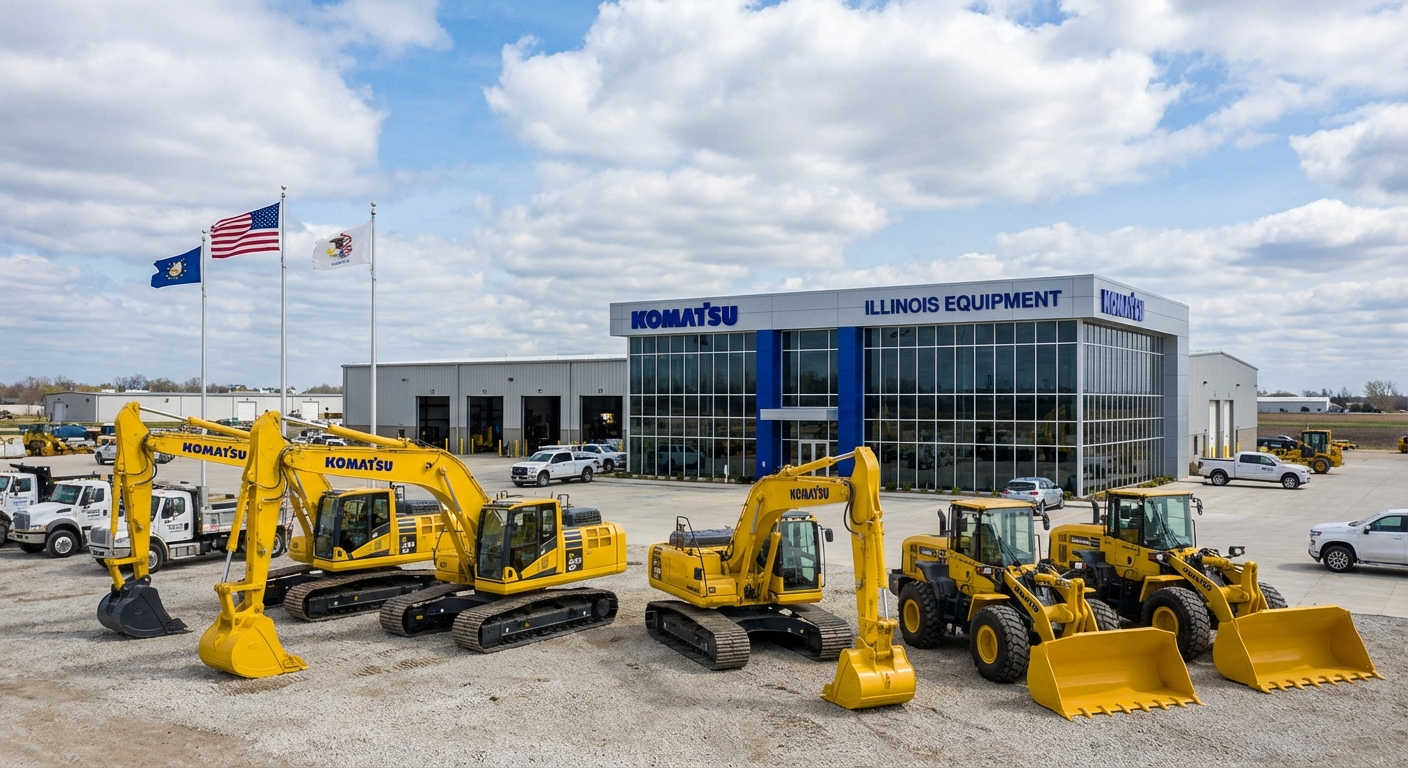
Versus dealers: Precision Equipment Services offers faster response, more flexible scheduling, and often lower prices. Dealers counter with manufacturer backing, warranty work, and parts availability.
“We don’t try to compete on warranty work—dealers own that,” Williams acknowledges. “But for everything outside warranty, we offer compelling value. Customers compare our response time and pricing to dealer alternatives, and we usually win.”
Versus independents: In the fragmented independent service market, Precision Equipment Services competes on capability and reliability. The company’s investment in diagnostic equipment, parts inventory, and technician training exceeds many smaller operators.
“Some independent guys work out of pickup trucks with basic tools,” Torres notes. “That’s fine for simple repairs, but customers with serious equipment problems need more capability. We provide shop-level service in the field.”
Challenges and Opportunities
Technician Recruitment
Like every equipment service provider, Precision Equipment Services struggles to find qualified technicians. The company has developed relationships with vocational programs and offers apprenticeships, but demand for skilled technicians exceeds supply.
“We compete with dealers, mines, and every other industry that needs diesel technicians,” Williams says. “Our advantage is the variety—our technicians work on different equipment every day instead of the same models repeatedly. That appeals to some people.”
The company has also invested in technology that makes technicians more productive, partially offsetting the technician shortage through efficiency gains.
Technology Evolution
As equipment becomes more complex, service requirements evolve. Electric equipment will require new skills and equipment. Advanced telematics enable remote diagnostics that could change service models.
“Technology is both a challenge and opportunity,” Williams observes. “Dealers will have advantages in specialized equipment and manufacturer training. But complexity also means more things can go wrong, and customers will need responsive service. We’re preparing for that future.”
Geographic Expansion
Precision Equipment Services has evaluated expansion into adjacent markets, but growth requires replication of the systems and culture that drive success. The company has grown deliberately rather than rapidly.
“We could put trucks in more cities, but service quality would suffer until we built local capability,” Torres explains. “We expand only when we can maintain our standards.”
Looking Forward
Precision Equipment Services represents the opportunity in mobile equipment service—a market segment that addresses real customer needs with focused capability. For equipment owners frustrated by dealer response times or seeking alternatives for non-warranty work, companies like Precision Equipment Services offer compelling options.
For the industry, the success of independent mobile service specialists signals that dealer networks don’t fully serve customer needs. The gap between what customers want—rapid, capable, fairly-priced service—and what traditional channels provide creates space for specialists to thrive.
For more on service company innovations, see our profile of Heavy Metal Equipment Services.
Editor’s Note: Contractors managing maintenance across multiple service providers may benefit from centralized record-keeping. Tools like FieldFix help track service history, schedule preventive maintenance, and maintain documentation regardless of which provider performs the work. Learn more at fieldfix.pro.