Heavy Metal Equipment Services: Mobile Repair Done Right
How a Kentucky-based mobile repair operation built a reputation for keeping equipment running when dealer service can't respond fast enough.
When a hydraulic excavator goes down at 6 AM on a job site thirty miles from the nearest dealer, the math is simple: every hour of downtime costs money. For contractors facing this reality daily, mobile equipment service providers have become essential partners—and few do it better than Heavy Metal Equipment Services.
Based in Louisville, Kentucky, Heavy Metal has built a regional reputation for fast response, quality repairs, and the kind of customer service that creates loyal customers for life.
The Heavy Metal Difference
Owner and founder Derek Simmons spent fifteen years as a dealership service manager before launching Heavy Metal in 2016. He’d watched countless contractors wait for dealer service while jobs fell behind schedule, and he saw an opportunity.
“Dealers do great work, but they’re set up for shop repairs,” Simmons explains. “When your equipment is down in the field and you need someone now, the dealership model doesn’t always work. That’s the gap we fill.”
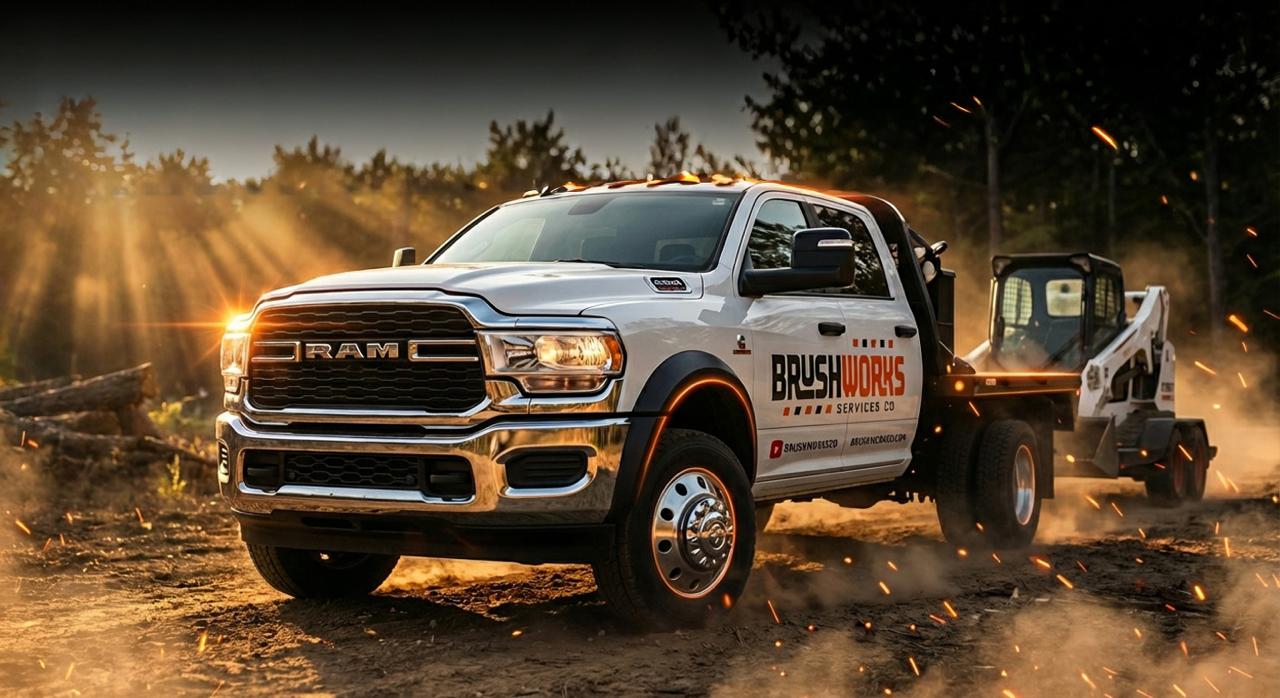
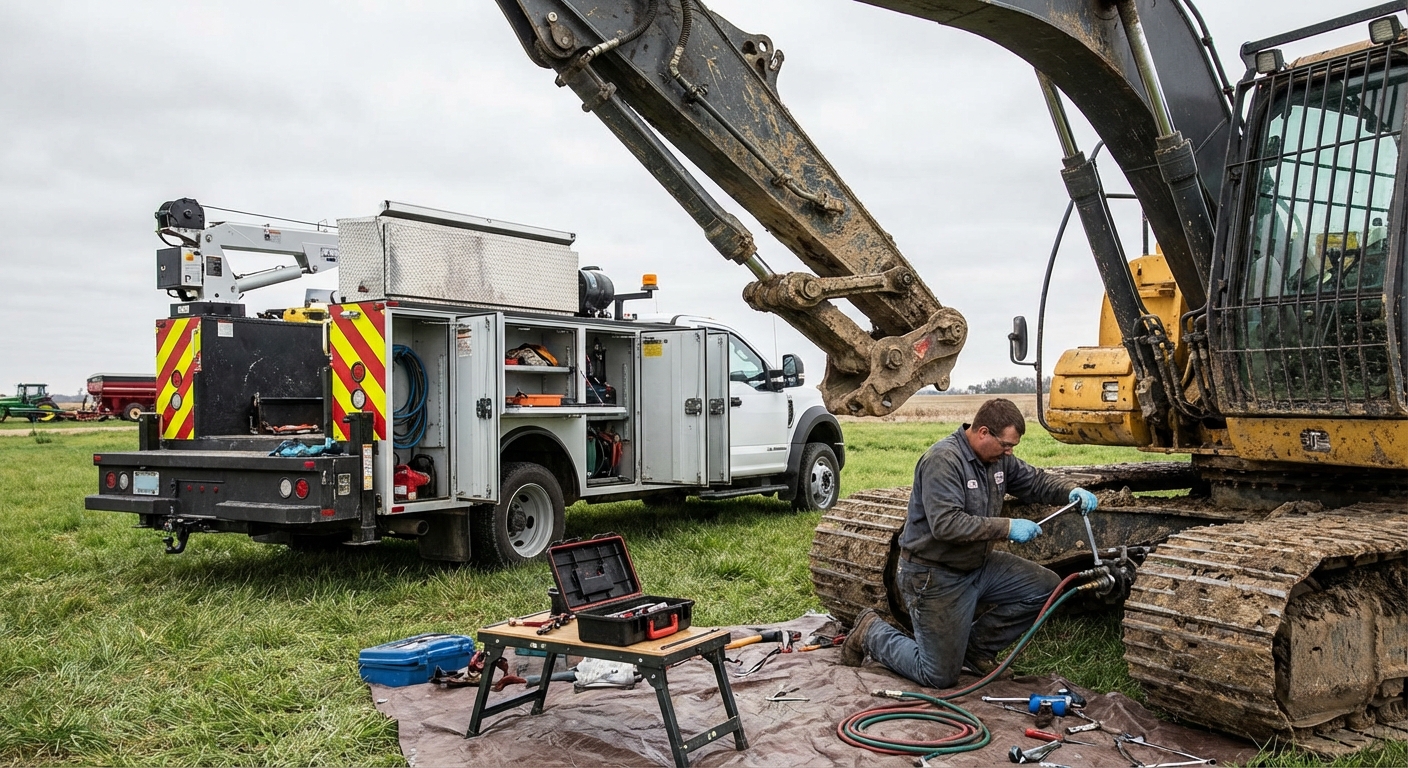
Heavy Metal operates seven fully-equipped service trucks staffed by experienced technicians. Each truck carries diagnostic equipment for major brands, common repair parts, hydraulic hoses and fittings, and the tools needed to handle most field repairs.
The company’s service territory covers Kentucky, southern Indiana, and parts of Tennessee and Ohio—an area with dense construction activity but limited dealer service coverage.
Response Time Focus
Heavy Metal’s core promise is simple: two-hour response time for emergency calls within their service territory. They’ve built their entire operation around delivering on that commitment.
“Response time is everything in this business,” notes operations manager Karen Whitfield. “We track every call—when it came in, when we dispatched, when the tech arrived, when the machine was running again. If we’re not meeting our commitment, we know about it the same day.”
The company maintains rolling parts inventory in each service truck, resupplied daily based on common failure patterns and technician requests. A parts warehouse in Louisville enables rapid delivery of items not stocked on trucks.
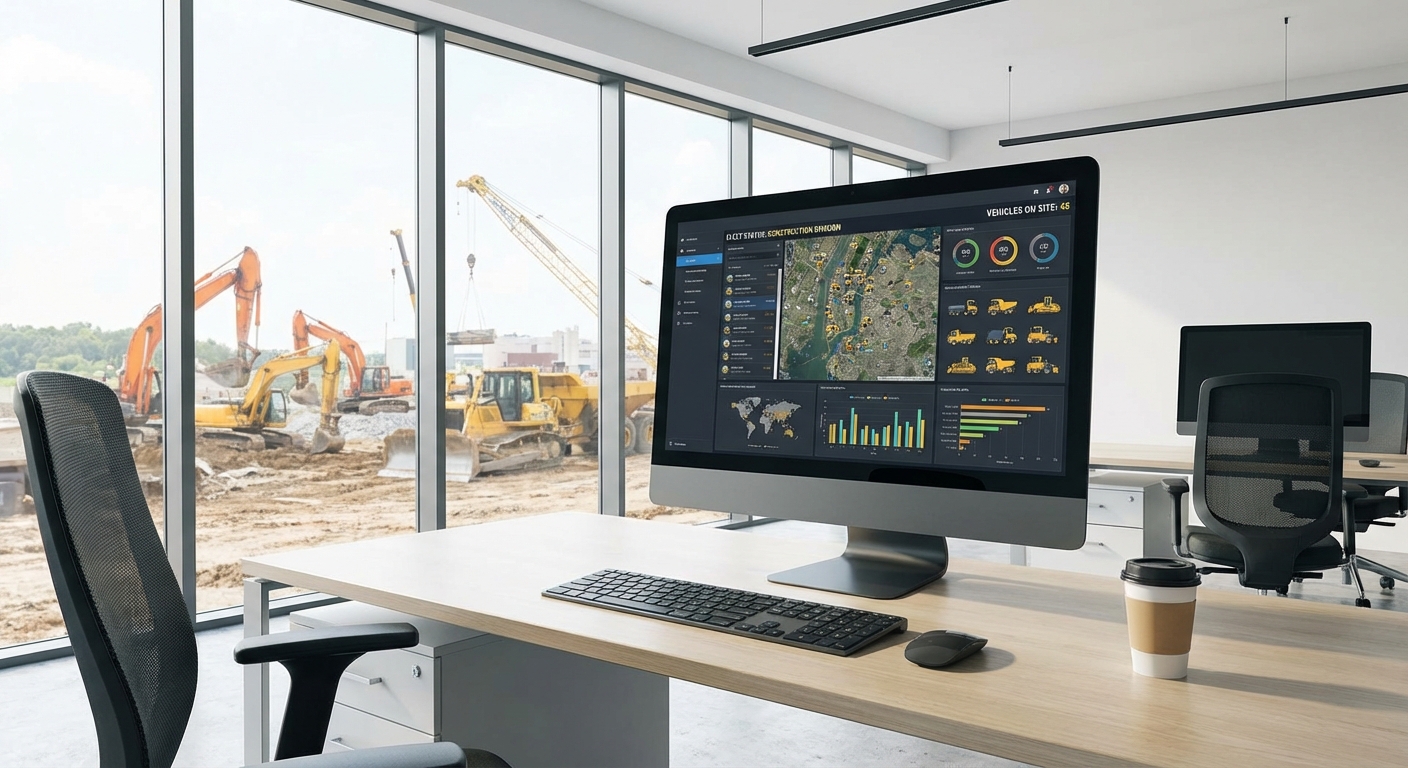
GPS tracking and dispatch software optimize technician routing, ensuring the closest available tech responds to each call. Technicians communicate with customers throughout the repair process, providing updates and estimated completion times.
Technical Capability
Mobile repair operations sometimes carry a reputation for handling only basic work, but Heavy Metal has invested in capabilities that enable comprehensive field service:
Diagnostic Equipment
Each truck carries laptop-based diagnostic systems capable of interfacing with equipment from Caterpillar, John Deere, Komatsu, Hitachi, and other major manufacturers. Technicians can read fault codes, view system parameters, and perform calibrations that once required dealer-specific equipment.
“We’ve invested heavily in diagnostic capability,” Simmons notes. “The equipment has gotten more complex, and you can’t troubleshoot modern machines with just a wrench and a multimeter. Our techs have the same diagnostic access as dealer technicians.”
Hydraulic Service
Hydraulic system repairs represent a significant portion of Heavy Metal’s work. The company maintains mobile hydraulic hose fabrication capability, allowing technicians to make custom hoses on-site rather than waiting for fabricated components.
A hydraulic fluid analysis partnership provides rapid results that guide repair decisions and maintenance recommendations.
Engine and Powertrain
While major engine overhauls typically require shop facilities, Heavy Metal handles many engine repairs in the field, including fuel system work, cooling system repairs, and turbocharger replacement. The company maintains relationships with engine manufacturers’ mobile service programs for specialized work.
Undercarriage
Undercarriage maintenance and repair is a Heavy Metal specialty. The company can perform track adjustments, replace track components, and handle most undercarriage work without moving equipment.
Customer Base
Heavy Metal serves a diverse customer mix:
General contractors represent the largest customer segment, relying on Heavy Metal for emergency repairs and scheduled maintenance support.
Equipment rental companies value rapid response that minimizes rental downtime and customer complaints.
Municipalities and government agencies often lack internal maintenance capability for specialized equipment.
Landscaping and site work contractors typically operate smaller fleets without dedicated maintenance staff.
The company deliberately maintains a diversified customer base, avoiding over-dependence on any single contractor. This diversity provides stability through economic cycles and protects against the loss of any individual account.
Beyond Emergency Repair
While emergency response drives Heavy Metal’s reputation, the company has expanded into planned maintenance services:
Preventive Maintenance Programs
Contractors can schedule regular PM service performed at their yards or job sites. Heavy Metal technicians perform oil and filter services, inspect equipment for emerging issues, and document machine condition.
“Preventing breakdowns is better than fixing them,” Whitfield observes. “We encourage customers to let us do regular PM work. It reduces their emergency calls and gives us steadier work flow. Everyone wins.”
Equipment Inspection
Pre-purchase inspections for used equipment buyers and condition assessments for fleet managers have become growing service lines. Heavy Metal’s technicians provide detailed reports on equipment condition, remaining component life, and estimated repair requirements.
Operator Training
Basic operator training helps customers’ equipment operators identify early warning signs and avoid practices that accelerate wear. This training typically covers fluid checks, visual inspections, and proper operating techniques.
Technology Integration
Heavy Metal has embraced technology that improves service delivery and customer communication:
The company’s customer portal allows contractors to request service, view repair history, access invoices, and track technician arrival times. Integration with customer fleet management systems enables automatic service requests triggered by fault codes or maintenance intervals.
Technicians use tablet-based systems to document repairs, photograph conditions, and capture customer signatures. This documentation flows directly to billing and customer records, reducing administrative delays.
“Technology has transformed how we operate,” Simmons explains. “Ten years ago, service tickets were paper forms that got lost. Now everything is digital, searchable, and available instantly. It’s better for us and better for customers.”
The Economics of Mobile Service
Mobile service typically costs more per hour than shop-based work—Heavy Metal’s rates run 15-25% above regional dealer shop rates. But the total cost calculation often favors mobile service:
No transport costs. Moving a disabled machine to a shop and back can easily cost $1,000 or more. Mobile service eliminates this expense.
Reduced downtime. Faster response means less lost productivity. A machine earning $150/hour that’s down for four fewer hours generates $600 in additional revenue.
Scheduling flexibility. Mobile service can be scheduled during non-productive hours, avoiding work interruption entirely.
For contractors who understand the full cost picture, Heavy Metal’s pricing represents value despite higher hourly rates.
Challenges and Growth
Running a mobile service operation presents unique challenges:
Technician recruitment remains difficult in a tight labor market. Heavy Metal competes with dealers and other employers for qualified technicians, investing in training programs and competitive compensation.
Parts availability requires sophisticated inventory management. Stocking the right parts on trucks without excessive inventory investment demands continuous optimization.
Geographic expansion must be managed carefully. Service territory growth requires adding technicians and trucks while maintaining response time commitments.
Despite these challenges, Heavy Metal has grown consistently since founding. The company plans to add two service trucks in 2026 and is evaluating expansion into adjacent territories.
Contractor Perspective
For contractors evaluating mobile service partnerships, Heavy Metal’s model offers a template for what to expect from quality mobile service providers:
Response commitments should be specific and measurable. Vague promises of “fast service” mean little without defined metrics.
Technical capability should match equipment complexity. Verify that mobile services can handle diagnostic and repair requirements for your fleet.
Communication throughout the repair process reduces uncertainty and enables project planning adjustments.
Transparent pricing eliminates surprises. Quality mobile services provide estimates before work begins and explain any variations.
Mobile service providers like Heavy Metal have become essential infrastructure for equipment-intensive contractors. Finding the right partner can mean the difference between project success and costly delays.
Editor’s Note: Coordinating field service efficiently requires robust work order management. Solutions like FieldFix help service operations dispatch technicians, track repairs, and maintain equipment history—capabilities that benefit both service providers and their customers.