Paladin Attachments: Engineering Innovation for Modern Equipment Fleets
From humble beginnings to industry leadership—how Paladin Attachments built a reputation for durability and innovation in the competitive attachment market.
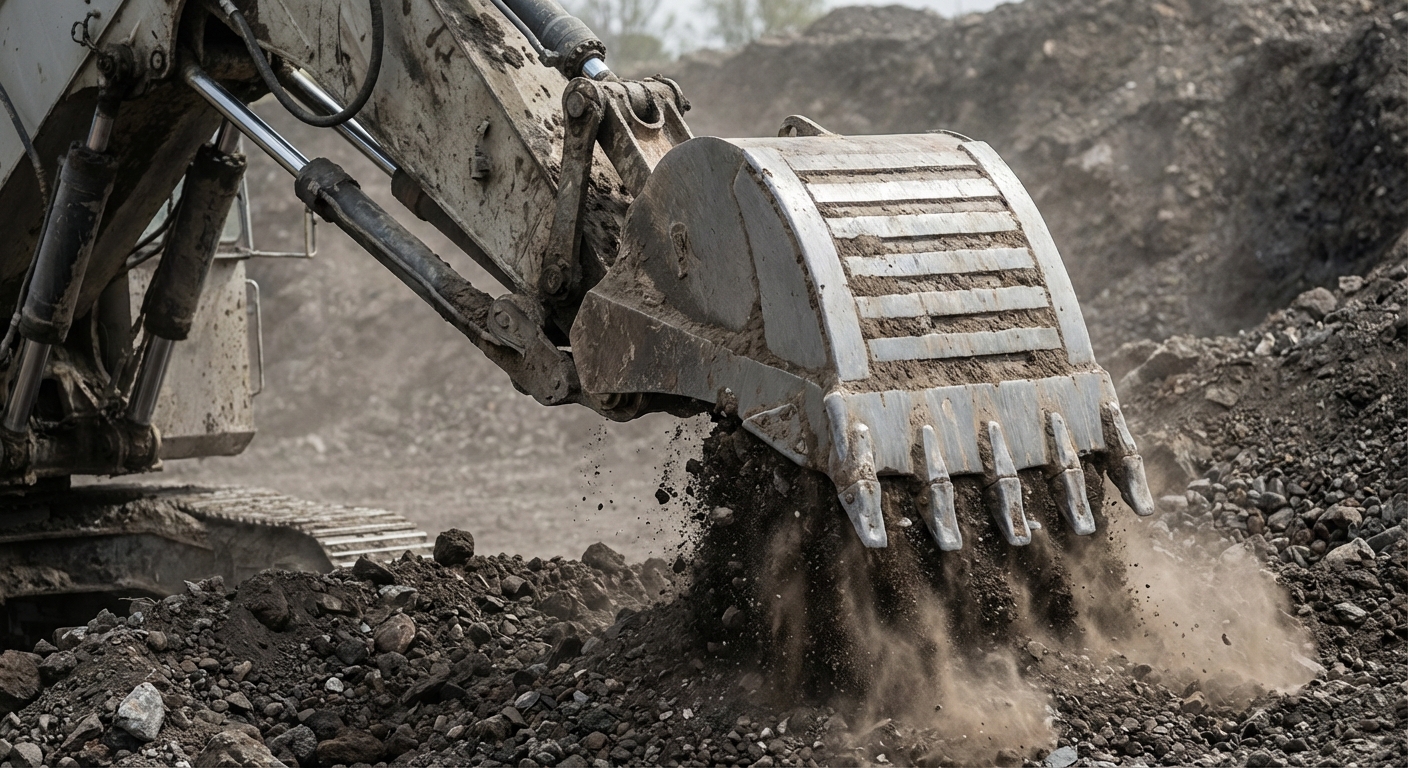
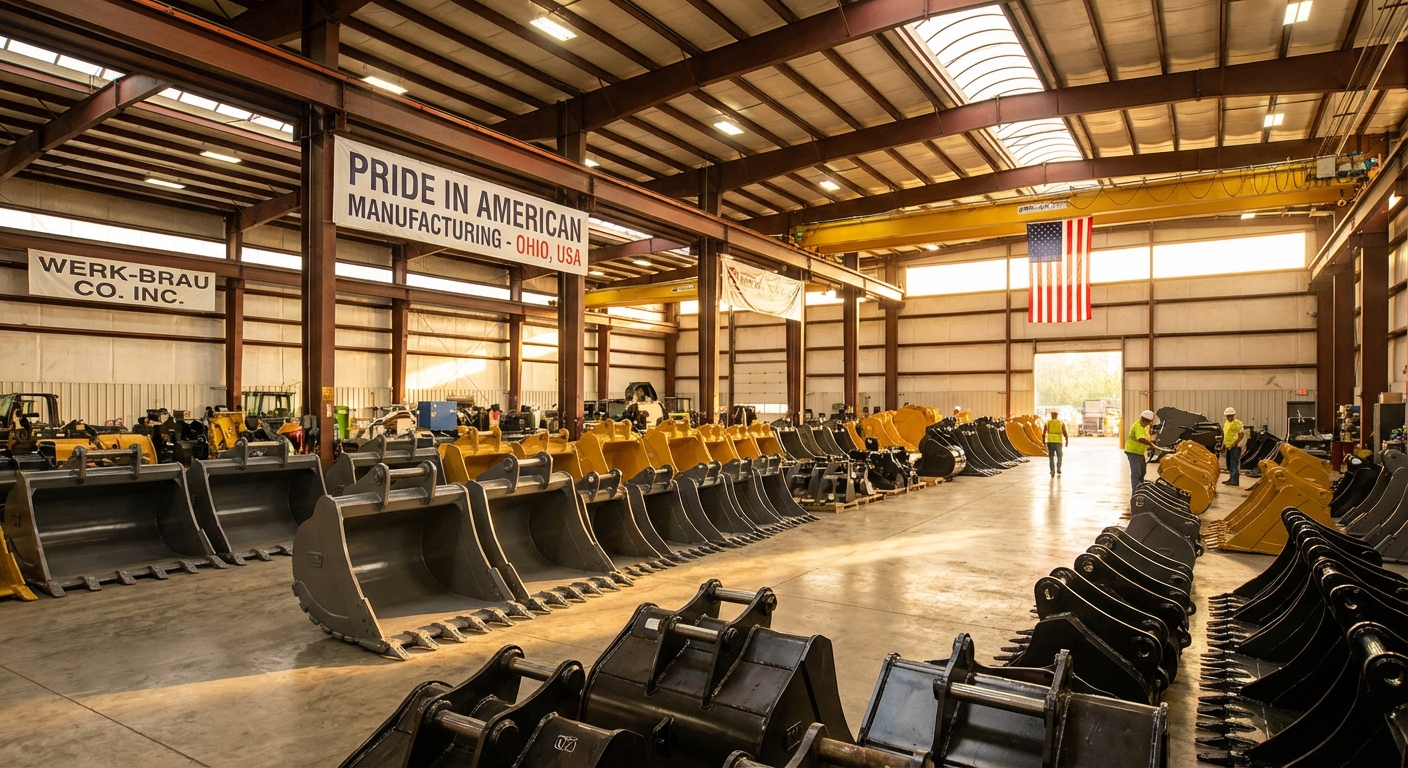
In the heavy equipment industry, attachments often represent the difference between a versatile, productive machine and an expensive underutilized asset. The right bucket, hammer, or grapple can transform a standard excavator into a specialized tool capable of tackling projects that would otherwise require dedicated equipment.
Few companies understand this dynamic better than Paladin Attachments, whose products have become synonymous with durability and engineering excellence across construction sites nationwide.
Building an Attachment Empire
Paladin’s story began in 1972 when founder Robert Devine recognized an emerging opportunity in the construction equipment market. As hydraulic excavators began replacing cable-operated machines, there was growing demand for hydraulic-powered attachments that could expand equipment capabilities.
Starting with a small line of excavator buckets, Devine built a company that would eventually grow to become one of North America’s largest attachment manufacturers. The formula was straightforward: engineer products that worked better and lasted longer than competitors, then stand behind them with service and support.
Today, Paladin operates under the Stanley Infrastructure umbrella, with manufacturing facilities in Mississippi, Wisconsin, and several international locations. The company’s product portfolio includes thousands of models across multiple brands:
- Paladin - The flagship brand covering buckets, couplers, and general-purpose attachments
- JRB - Wheel loader and backhoe attachments
- CP (Consolidated Pneumatic) - Hydraulic breakers and demolition tools
- Pengo - Auger systems and drilling attachments
- PSM - Hydraulic hammers and compactors
Engineering Philosophy
What distinguishes Paladin from commodity attachment manufacturers is an engineering-first approach that prioritizes performance over cost minimization.
“We could make attachments cheaper,” explains engineering director Thomas Holden. “We could use thinner steel, simpler wear systems, and less sophisticated hydraulics. And for about six months, nobody would notice the difference. Then our phone would start ringing with warranty claims and unhappy customers.”
Instead, Paladin invests in:
Material Selection
Paladin’s high-wear components use proprietary steel alloys and heat treatments designed for specific applications. Their excavator bucket cutting edges, for example, use a through-hardened steel that maintains sharpness longer than surface-hardened alternatives.
Simulation and Testing
Modern attachment development relies heavily on finite element analysis (FEA) and computational modeling. Paladin’s engineers simulate stress patterns, wear characteristics, and failure modes before physical prototypes are built, reducing development time while improving final product quality.
But simulation doesn’t replace real-world testing. New attachment designs undergo extensive field trials, often running hundreds of hours in controlled conditions before release.
Manufacturing Quality
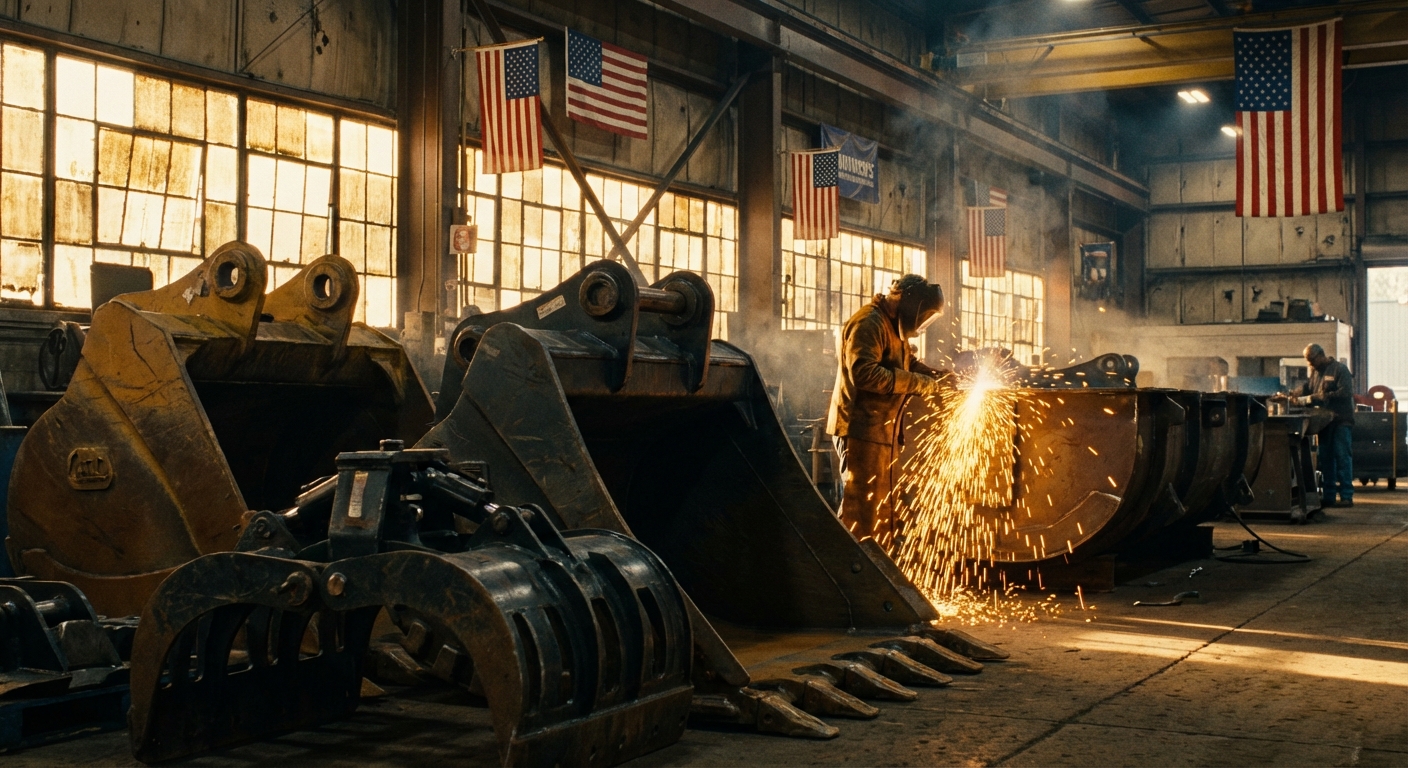
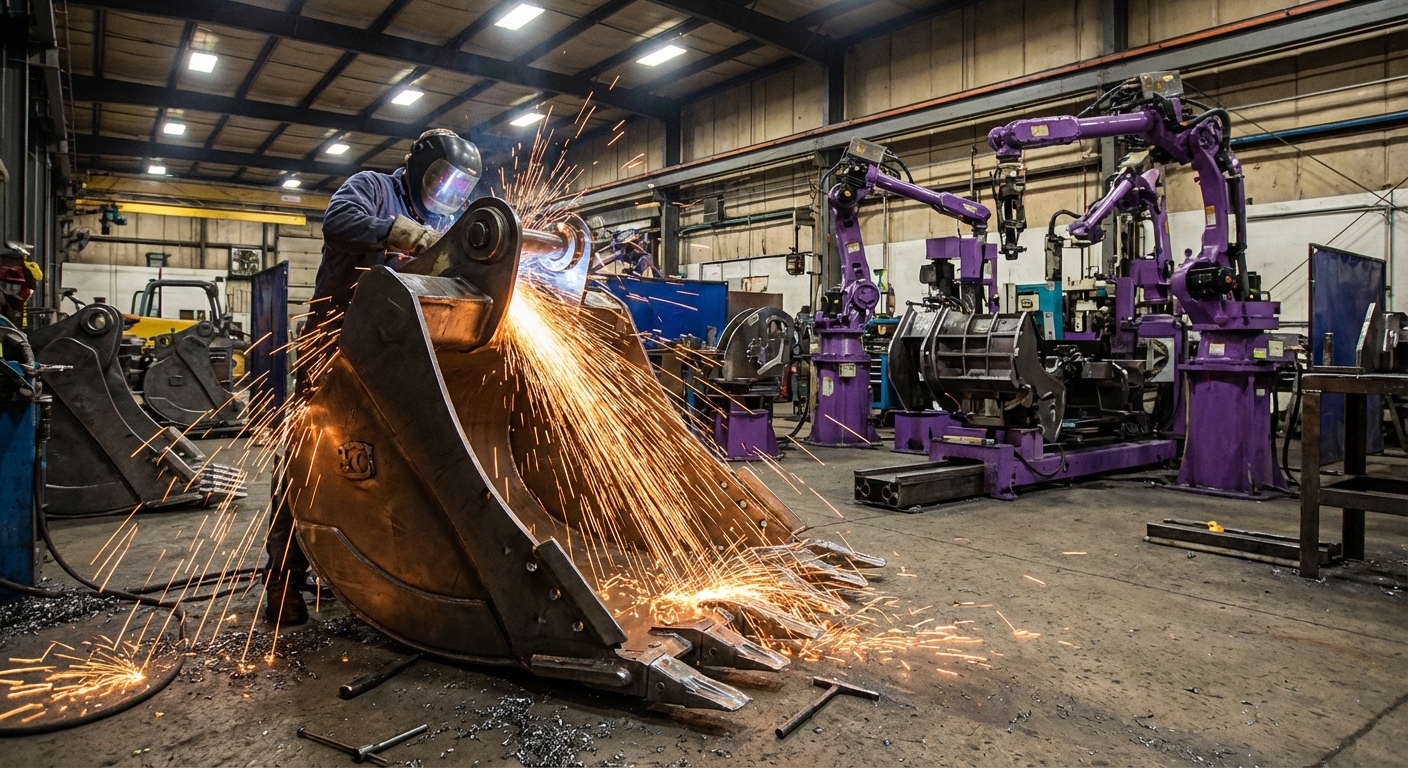
Automated welding, precision machining, and rigorous quality control ensure consistency across production runs. Attachments that will be subjected to enormous stresses require manufacturing precision that prevents weak points and premature failure.
Product Innovation
Paladin’s continued market leadership depends on ongoing innovation. Several recent developments illustrate their approach:
Quick Coupler Systems
The company’s coupler systems have evolved from simple mechanical designs to sophisticated hydraulic and pin-grabber systems that allow operators to switch attachments without leaving the cab. Their latest generation couplers include electronic verification systems that confirm proper engagement before allowing machine operation.
Tiltrotator Integration
As tiltrotators become more common in North American markets (following European adoption trends), Paladin has developed attachment lines specifically designed for tiltrotator operation. These designs account for the unique stress patterns and operational requirements that tiltrotators create.
Demolition Innovations
The company’s demolition attachments incorporate features like dust suppression integration, vibration dampening, and smart hydraulic controls that optimize breaking force based on material resistance.
Serving the Modern Fleet
Paladin’s business model has evolved alongside fleet management practices. The company works increasingly with fleet management platforms to track attachment utilization and maintenance requirements.
Larger fleet operators can access Paladin’s equipment management tools that monitor attachment hours, schedule maintenance intervals, and track attachment assignments across equipment fleets. This capability is particularly valuable for rental companies and large contractors managing diverse attachment inventories.
“Attachments used to be an afterthought in fleet management,” notes Holden. “Now we’re seeing sophisticated operators treat attachments with the same analytical rigor they apply to their base equipment. That’s been good for our business because it highlights the total cost of ownership advantages of quality attachments.”
Distribution and Support
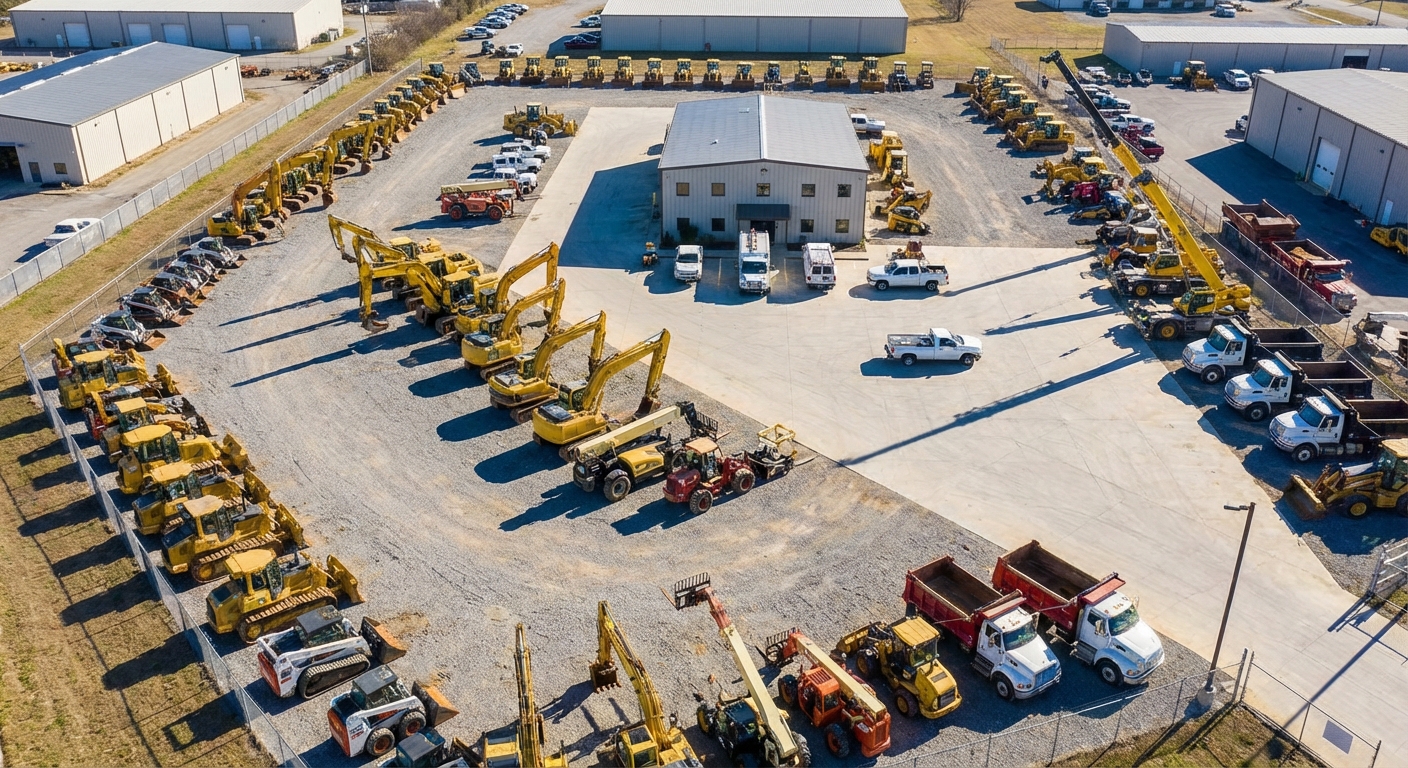
Paladin maintains relationships with equipment dealers, attachment specialists, and rental companies across North America. This multi-channel distribution approach ensures product availability while providing access to local service support.
The company’s parts distribution network aims to put critical wear items within 24-hour delivery of any job site in the continental United States. For contractors in remote locations, this parts availability can be the difference between a brief equipment delay and an extended project interruption.
Training programs help dealer technicians and contractor maintenance staff properly maintain Paladin attachments, extending useful life and maintaining performance characteristics.
Market Position
The attachment industry has experienced significant consolidation, with recent deals like Volvo CE’s acquisition of Allied Construction Products reshaping the competitive landscape.
Paladin, through its Stanley Infrastructure ownership, benefits from corporate resources while maintaining the agility to serve specialized market segments. The company’s brand portfolio allows targeted approaches to different customer types and applications.
Competition comes from multiple directions:
- OEM attachment lines from major equipment manufacturers offer integration advantages but often at premium prices
- Import manufacturers compete on price for commodity attachment categories
- Regional specialists serve specific applications with focused expertise
Paladin’s strategy positions the company in the quality tier above imports while offering value compared to OEM alternatives.
Challenges and Opportunities
The attachment industry faces several evolving challenges:
Electric Equipment Transition
As equipment fleets transition toward electric power, attachment manufacturers must ensure compatibility. Paladin has invested in testing and certification for attachments operating on electric equipment platforms where hydraulic characteristics may differ from diesel-powered machines.
Material Costs
Steel prices and availability continue fluctuating, challenging manufacturers to maintain quality while managing costs. Paladin’s scale provides purchasing advantages, but material costs remain a significant factor in attachment pricing.
Workforce Development
Like many manufacturers, Paladin faces challenges finding skilled welders, machinists, and engineers. The company has invested in apprenticeship programs and partnerships with technical schools to develop talent pipelines.
Looking Forward
Paladin’s product roadmap includes continued innovation in smart attachments with embedded sensors and connectivity. Future attachments may report their own operating conditions, wear status, and maintenance requirements directly to fleet management systems.
Sustainability considerations are also shaping development priorities. Longer-lasting attachments reduce material consumption and replacement frequency, while recycling programs recover materials from worn-out attachments.
For contractors and fleet operators, Paladin represents a reliable attachment partner with the engineering depth to solve challenging application requirements. While premium attachments require greater initial investment, the total cost of ownership often favors quality products that perform consistently and last longer.
As one Paladin customer summarized: “I’ve tried cheaper buckets. They cost less for about two weeks, then they cost more. Now I just buy Paladin and don’t think about it.”
For more equipment manufacturer profiles, see our coverage of regional dealers and other industry leaders.