United Rentals Regional Report: How the Rental Giant Serves Local Markets
Inside the strategy of North America's largest equipment rental company and how national scale translates to local service delivery.
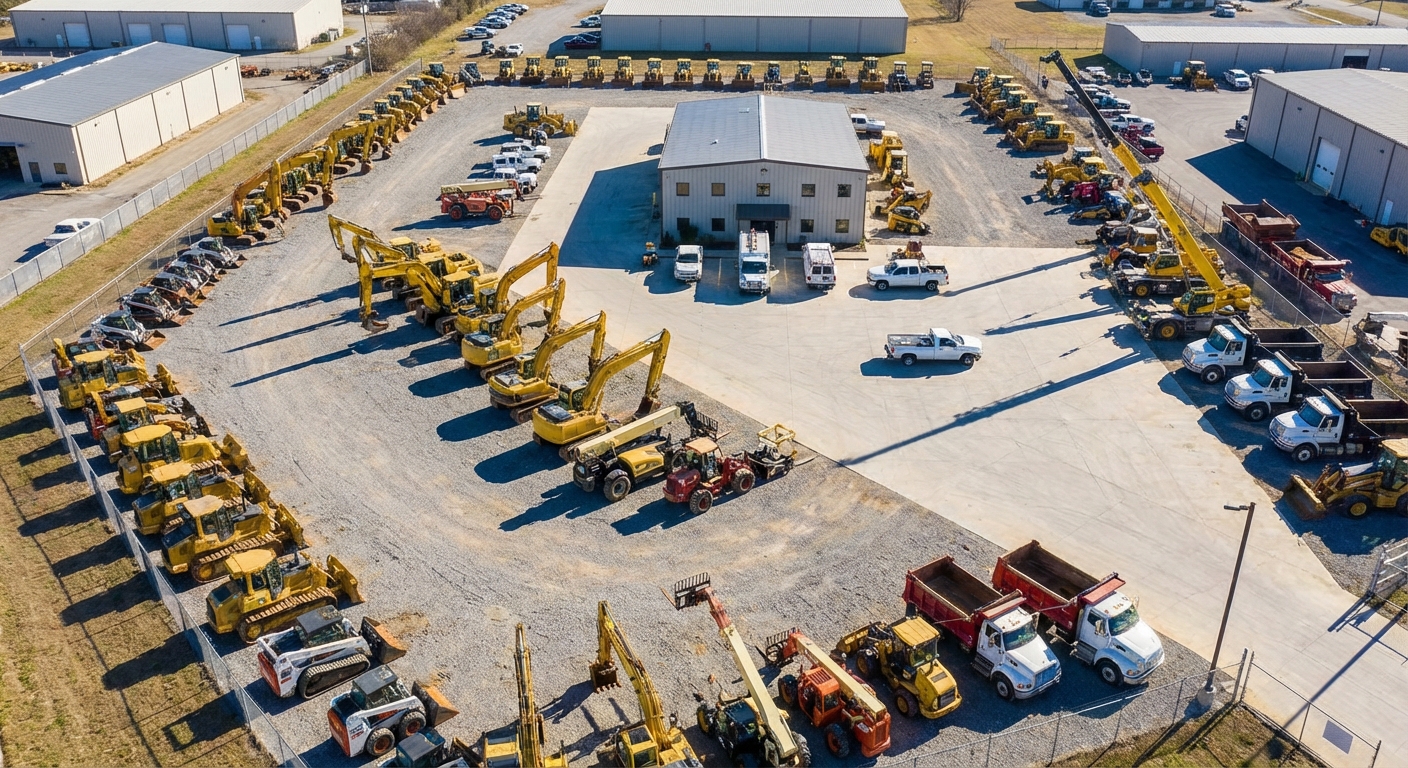
United Rentals didn’t become North America’s largest equipment rental company by accident. Through three decades of organic growth, strategic acquisitions, and relentless operational improvement, the company has built a network of over 1,500 locations serving contractors from Alaska to Florida.
But national scale creates its own challenges. How does a company managing over 900,000 equipment units maintain the local relationships and responsive service that contractors demand? The answer lies in a carefully balanced operating model that combines centralized resources with decentralized customer service.
The United Rentals Scale
To understand United Rentals’ market position, consider the numbers:
- $14+ billion in annual revenue
- 1,500+ locations across North America
- 900,000+ equipment units in the rental fleet
- 25,000+ employees serving customers
- 250,000+ customers annually
This scale creates advantages no regional competitor can match: purchasing power that secures favorable equipment pricing, technology investments that would crush smaller players, and geographic coverage that serves national contractors wherever they work.
The Hub-and-Spoke Model
United Rentals organizes its network around hub-and-spoke logistics. Regional distribution centers maintain large equipment inventories, while local branches handle customer relationships and routine rental transactions.
This structure enables:
Equipment mobility. A specialty attachment needed in Tampa can be sourced from Miami or Atlanta and delivered within 24 hours. Customers access equipment inventories far larger than what any single location could maintain.
Specialized resources. Technical specialists, training staff, and complex equipment can be concentrated at hub locations while serving multiple branch territories.
Efficient utilization. Equipment moves to markets with demand rather than sitting idle at locations with temporary slowdowns. Centralized fleet management optimizes asset positioning.
Local Relationships
Despite the corporate scale, United Rentals emphasizes local relationships. Branch managers have significant autonomy in customer decisions and are often long-tenured employees with deep community connections.
“The person answering the phone at your local United Rentals branch probably isn’t reading from a script in a call center,” explains regional manager David Kowalski. “They know the local contractors, they understand the local market, and they have authority to solve problems without escalation.”
This local empowerment is deliberate strategy. Equipment rental is inherently a relationship business—contractors need partners who understand their specific requirements and can respond quickly when plans change.
Fleet Composition
United Rentals maintains one of the industry’s most diverse equipment fleets, organized into several categories:
General equipment includes the bread-and-butter items: excavators, loaders, skid steers, and dirt-moving equipment that forms the backbone of construction operations.
Aerial work platforms represent a major specialty, including boom lifts, scissor lifts, and telehandlers. The company is a dominant player in aerial equipment rental.
Specialty equipment covers niche categories: HVAC equipment, pump and power systems, trench shoring, and specialized industrial tools.
Tools and small equipment encompasses hand tools, small compressors, and portable equipment that contractors often prefer to rent rather than own and maintain.
Fluid solutions is a growing segment including pumps, tanks, and filtration systems for industrial and construction applications.
This breadth means contractors can source most equipment needs from a single vendor relationship, simplifying procurement and potentially improving pricing through volume considerations.
Technology Investment
United Rentals has invested heavily in technology platforms that differentiate their service:
Total Control Platform
The company’s digital platform allows customers to manage their rental portfolios online. Contractors can request equipment, view rental history, access invoices, and track equipment delivery—capabilities that were unavailable a decade ago.
Integration with contractor systems enables automated equipment requests tied to project schedules, reducing administrative overhead for large customers.
Telematics Integration
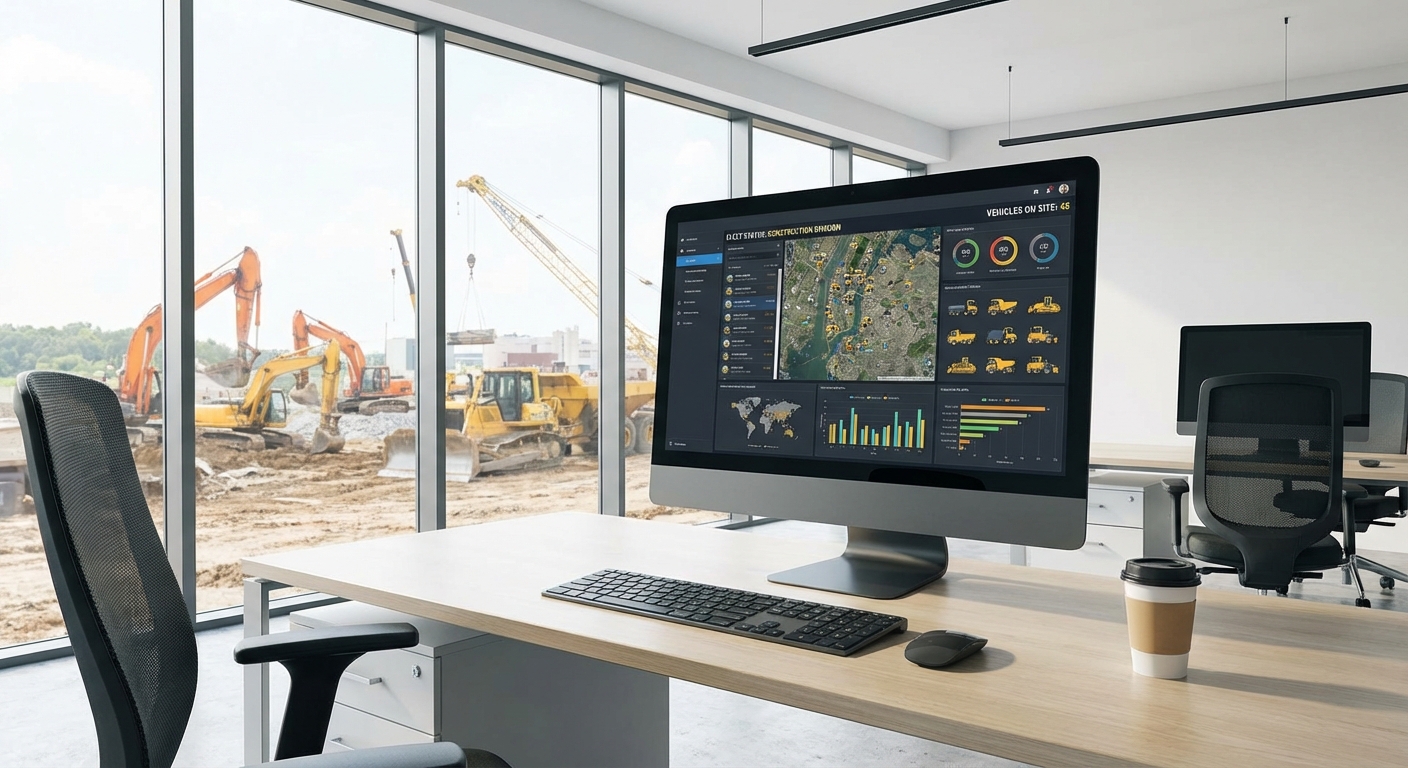
United Rentals has equipped a significant portion of its fleet with telematics devices. This connectivity enables:
- Real-time equipment location tracking
- Usage monitoring and utilization optimization
- Preventive maintenance scheduling
- Billing accuracy improvements
For customers who manage their own telematics systems, United Rentals can integrate rental equipment data into existing fleet management platforms.
Logistics Optimization
Sophisticated logistics systems route delivery trucks efficiently, manage equipment transfers between locations, and predict demand patterns to optimize equipment positioning. These systems reduce costs that can be passed to customers through competitive pricing.
Serving Different Customer Segments
United Rentals serves remarkably diverse customers, from homeowners renting a single piece of equipment for weekend projects to national contractors managing multi-million-dollar rental spends across dozens of projects.
National Accounts
Major contractors benefit from centralized account management that provides consistent service and pricing across all locations. A national contractor can negotiate terms once and access equipment anywhere in the network under those terms.
National account managers serve as single points of contact for large customers, coordinating service delivery and resolving issues across geographic boundaries.
Regional Contractors
Mid-sized contractors often represent the most complex customer relationships. These companies need more sophisticated service than homeowners but lack the leverage of national accounts.
United Rentals addresses this segment through tiered service programs that provide benefits scaling with customer volume—not quite national account treatment, but better than walk-in pricing.
Local and Small Customers
Walk-in customers and small contractors access equipment through branch relationships. While these customers may pay higher rates than large accounts, they benefit from equipment availability and service quality that smaller rental companies often can’t match.
Acquisition Strategy
Much of United Rentals’ growth has come through acquisition. The company has systematically acquired regional rental companies, specialty equipment providers, and complementary service businesses.
Recent years have seen particularly aggressive acquisition activity, including the landmark purchase of BlueLine Rental and numerous smaller deals. This consolidation has concentrated the rental market, with United Rentals now commanding estimated market share exceeding 15% of the North American rental market.
The strategy creates both opportunities and concerns:
Benefits include expanded geographic coverage, enhanced specialty capabilities, and operational synergies that improve efficiency.
Concerns center on reduced competition, particularly in markets where United Rentals acquisitions have eliminated meaningful alternatives. Some contractors worry about pricing power and service quality when competitive pressure diminishes.
Market Position and Competition
While United Rentals is the clear market leader, competition remains vigorous:
Sunbelt Rentals is the primary national competitor, operating a similar hub-and-spoke model at slightly smaller scale.
Herc Holdings and other national players compete in specific regions and equipment categories.
Regional and local independents maintain strong positions in many markets, often competing on service quality and relationship depth.
OEM rental programs from manufacturers like Caterpillar and John Deere provide another competitive option.
For contractors, this competitive environment means United Rentals must continuously earn business through service quality—scale alone doesn’t guarantee customer loyalty.
Considerations for Contractors
Contractors evaluating United Rentals relationships should consider:
Volume leverage. Larger rental spends unlock better pricing and service terms. Consolidating rental needs with fewer vendors can improve overall economics.
National coverage. Contractors operating across multiple regions benefit from single-vendor relationships that simplify administration.
Equipment diversity. The broad fleet reduces the need for multiple vendor relationships.
Technology capabilities. Digital tools and telematics integration may provide value beyond basic equipment rental.
Local alternatives. In some markets, regional competitors may offer better service or pricing. Rental economics vary and should be evaluated case by case.
Looking Forward
United Rentals continues expanding through both acquisition and organic growth. The company has announced investments in electric equipment, carbon-reduction initiatives, and expanded specialty capabilities.
Industry analysts expect continued rental market consolidation, with United Rentals likely participating as both acquirer and beneficiary of market concentration. For contractors, this means evaluating rental relationships with attention to both current service quality and long-term market dynamics.
The rental industry’s largest player has earned that position through consistent execution of a clear strategy. Whether that model continues delivering value for contractors will depend on maintaining service quality as scale continues to grow.
For analysis of rental market trends and rent-versus-buy considerations, see our financial analysis guide.