Great Lakes Equipment: Serving the Upper Midwest Since 1985
How a Wisconsin dealer built lasting success through customer relationships, service excellence, and strategic brand partnerships.
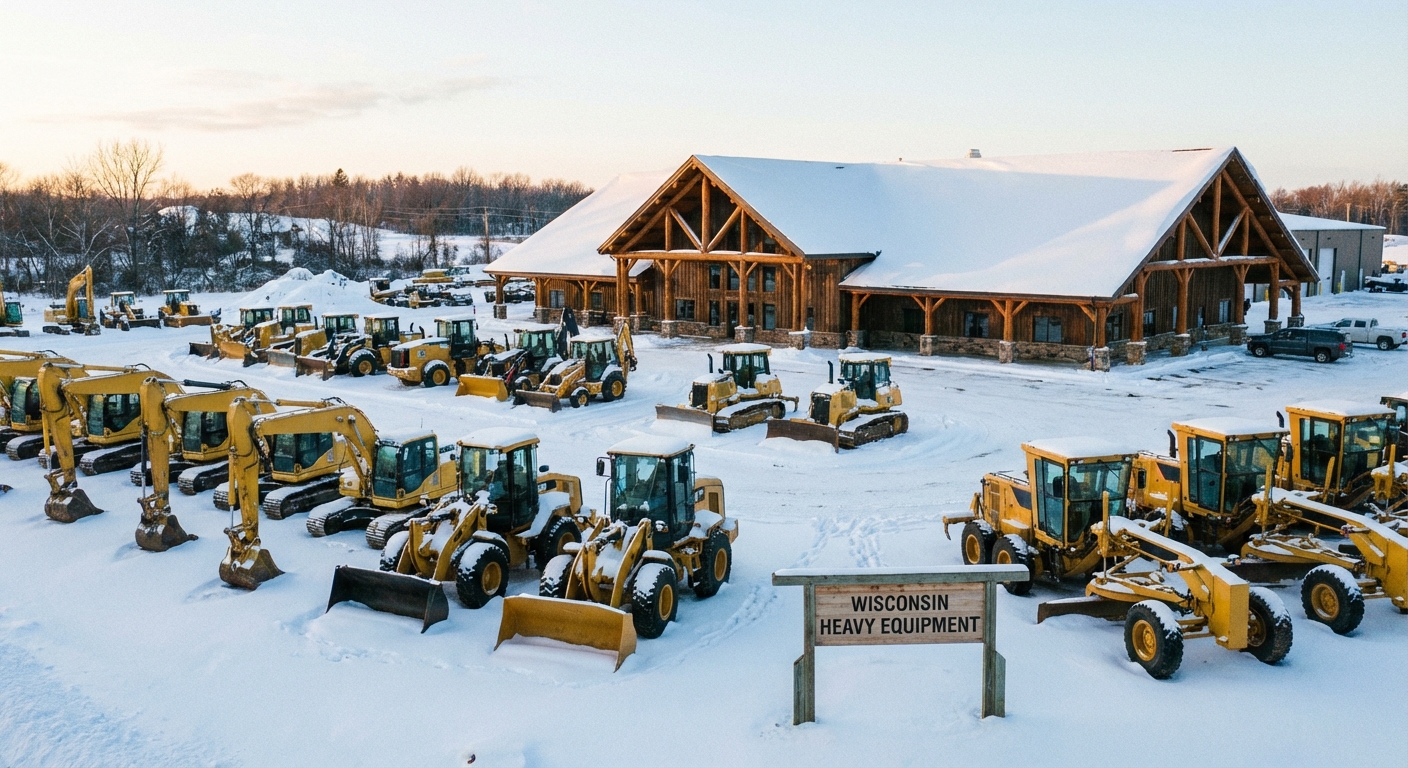
Forty years in the equipment business teaches lessons that can’t be learned any other way. Great Lakes Equipment of Green Bay, Wisconsin has accumulated four decades of experience serving contractors across the Upper Midwest—and that experience shows in how they approach every customer interaction.
The company has evolved from a small rental operation to a full-service dealership with locations across Wisconsin and Michigan’s Upper Peninsula, representing multiple equipment lines and providing the complete lifecycle support that keeps customers coming back.
Origins and Evolution
Great Lakes Equipment began in 1985 when founders Paul and Margaret Olsen saw an opportunity to serve northern Wisconsin contractors who were underserved by equipment dealers concentrated in Milwaukee and Minneapolis. Starting with a small rental fleet and a service truck, they built relationships one customer at a time.
“My parents believed that if you took care of customers, the business would take care of itself,” explains current president Erik Olsen. “That sounds simple, but it’s harder than it looks. Taking care of customers means investing in service capability, maintaining parts inventory, and being available when they need you—not just when it’s convenient for you.”
That philosophy guided expansion from rental into equipment sales, from a single location into multiple branches, and from serving local contractors to supporting operations across a multi-state region.
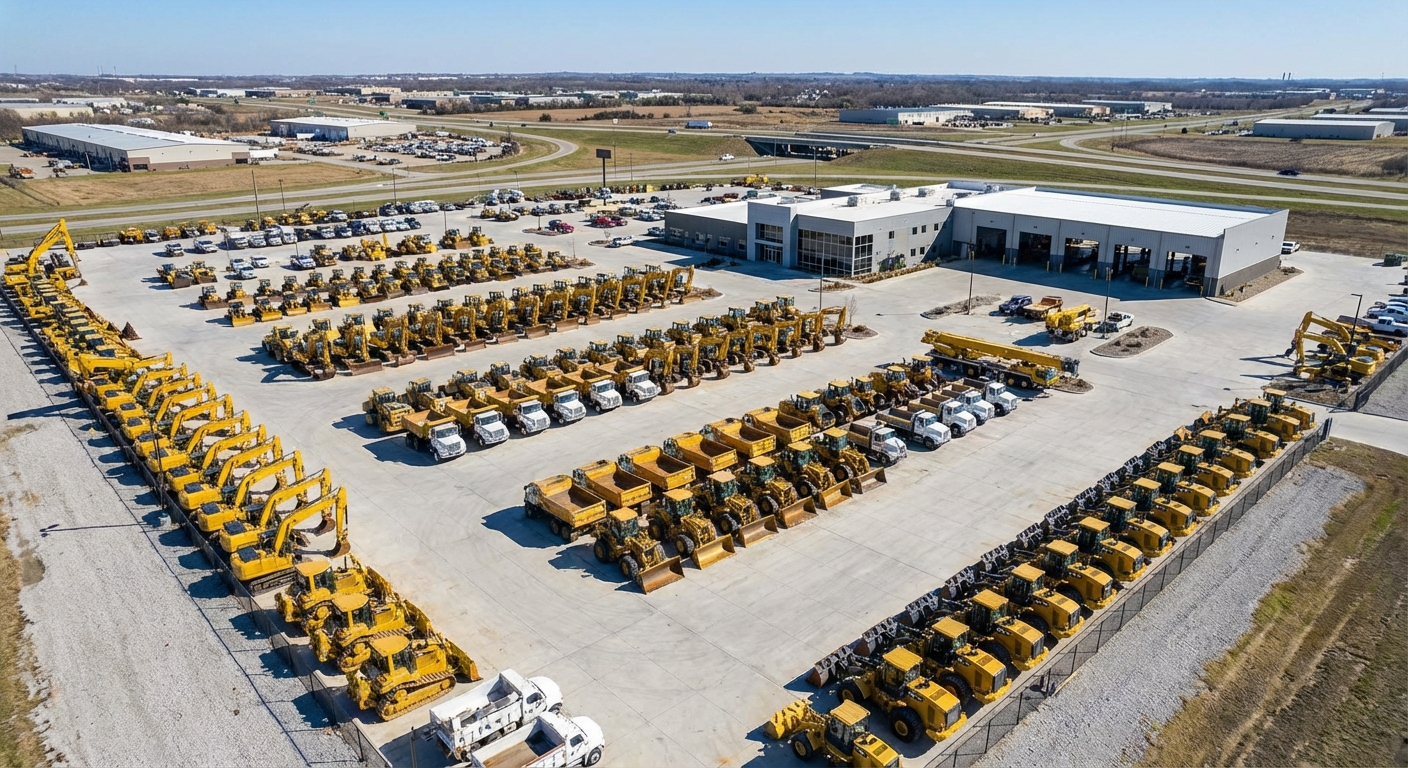
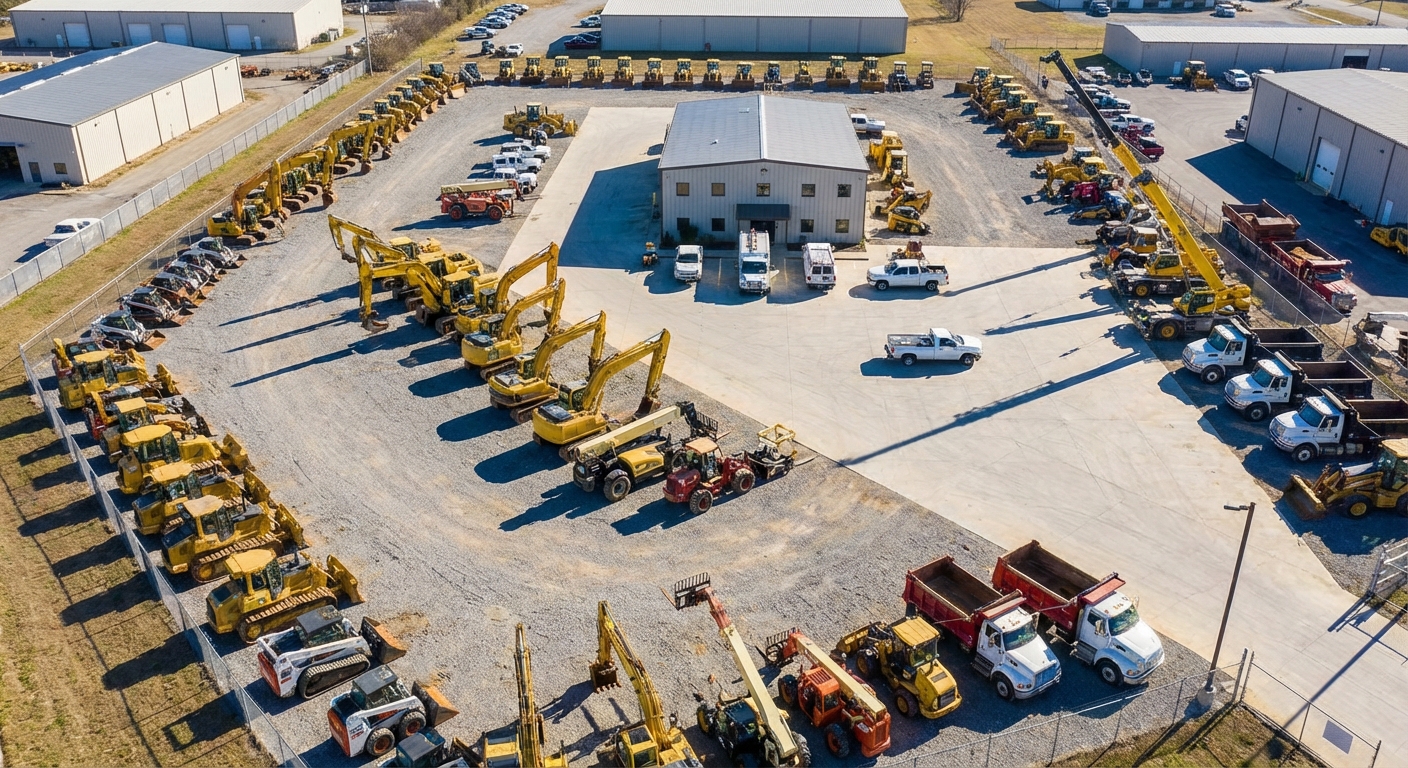
Today, Great Lakes Equipment operates four locations: Green Bay and Wausau in Wisconsin, plus Marquette and Escanaba in Michigan’s Upper Peninsula. The company employs 85 people and maintains relationships with contractors ranging from one-truck landscapers to regional civil contractors running multi-million-dollar highway projects.
Market Position
The Upper Midwest presents unique challenges for equipment dealers and contractors alike:
Seasonal extremes: Winter conditions limit construction activity and challenge equipment operation. Dealers must manage cash flow through slow months while remaining ready for intense spring and summer seasons.
Geographic dispersion: Population density is lower than in major metro markets, meaning customers are spread across large territories. Service response requires significant travel.
Diverse needs: The customer base includes construction, logging, agricultural, and municipal operations—each with different equipment requirements and buying patterns.
Great Lakes Equipment has adapted to these conditions:
Broad product lines spanning construction equipment, forestry machinery, and grounds maintenance cover the diverse needs of regional customers.
Service investment ensures technicians can reach customers across the territory quickly enough to minimize downtime.
Rental fleet provides options for seasonal contractors who can’t justify year-round equipment ownership.
Parts inventory keeps common components available despite the logistical challenges of serving dispersed customers.
Brand Partnerships
The dealer’s equipment offerings reflect strategic brand partnerships built over decades:
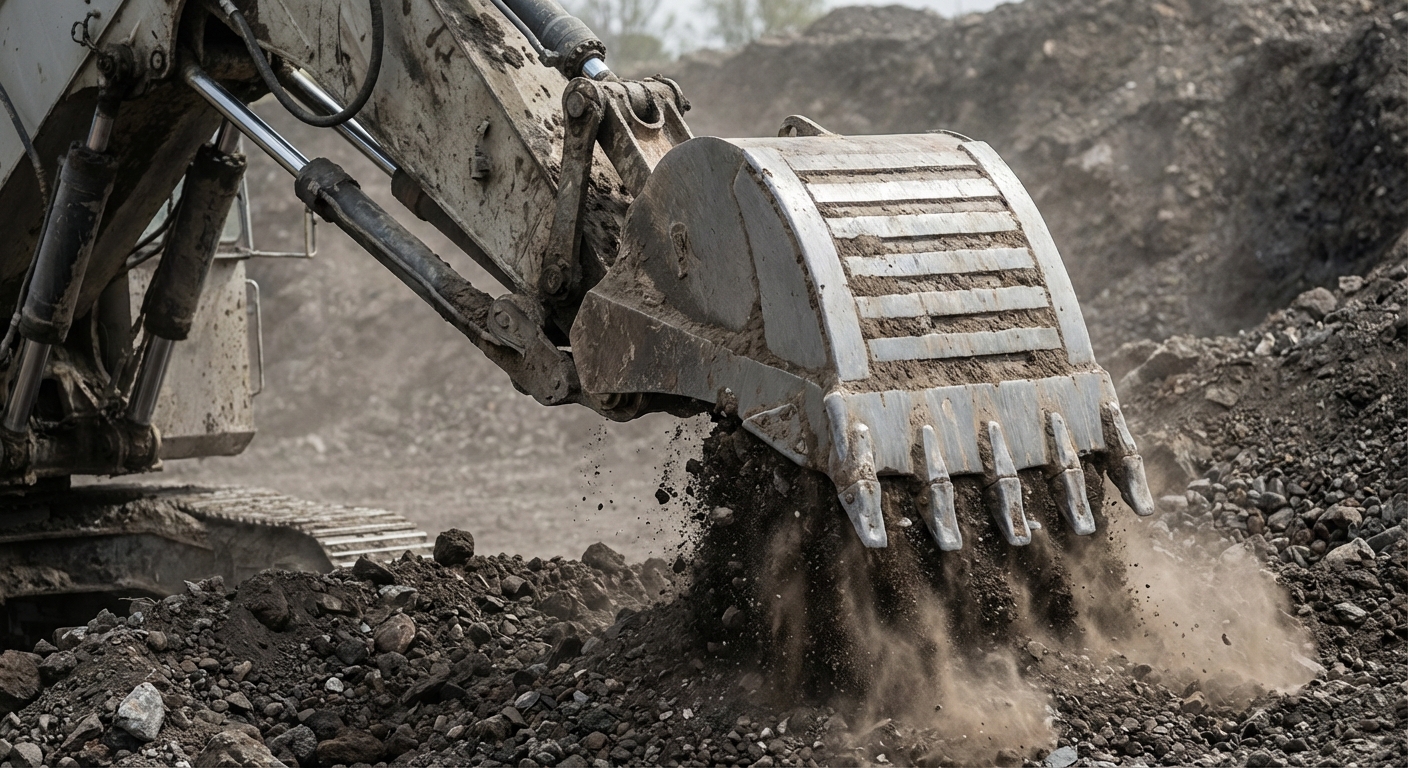
Kobelco excavators form the core of construction equipment offerings. The Japanese manufacturer’s reputation for durability resonates with contractors who demand reliability in demanding conditions.
Fecon forestry mulchers and land clearing equipment serve the region’s significant logging and land management market.
Takeuchi compact equipment provides the compact excavators and track loaders that dominate landscape, utility, and small contractor applications.
Alamo industrial equipment including mowers and brush cutters serves municipal and highway maintenance customers.
These partnerships have been maintained across decades, creating depth of expertise that newer dealers struggle to match.
“We’ve been selling and servicing Kobelco for over twenty years,” notes sales manager Jennifer Brennan. “Our technicians know those machines inside and out. Our parts department knows what breaks and what doesn’t. That knowledge takes time to develop—it can’t be acquired overnight.”
Service Philosophy
Like other successful regional dealers, Great Lakes Equipment treats service as a strategic priority rather than a cost center:
Technician investment: The company employs more service technicians per sales dollar than industry averages, ensuring capacity to respond promptly.
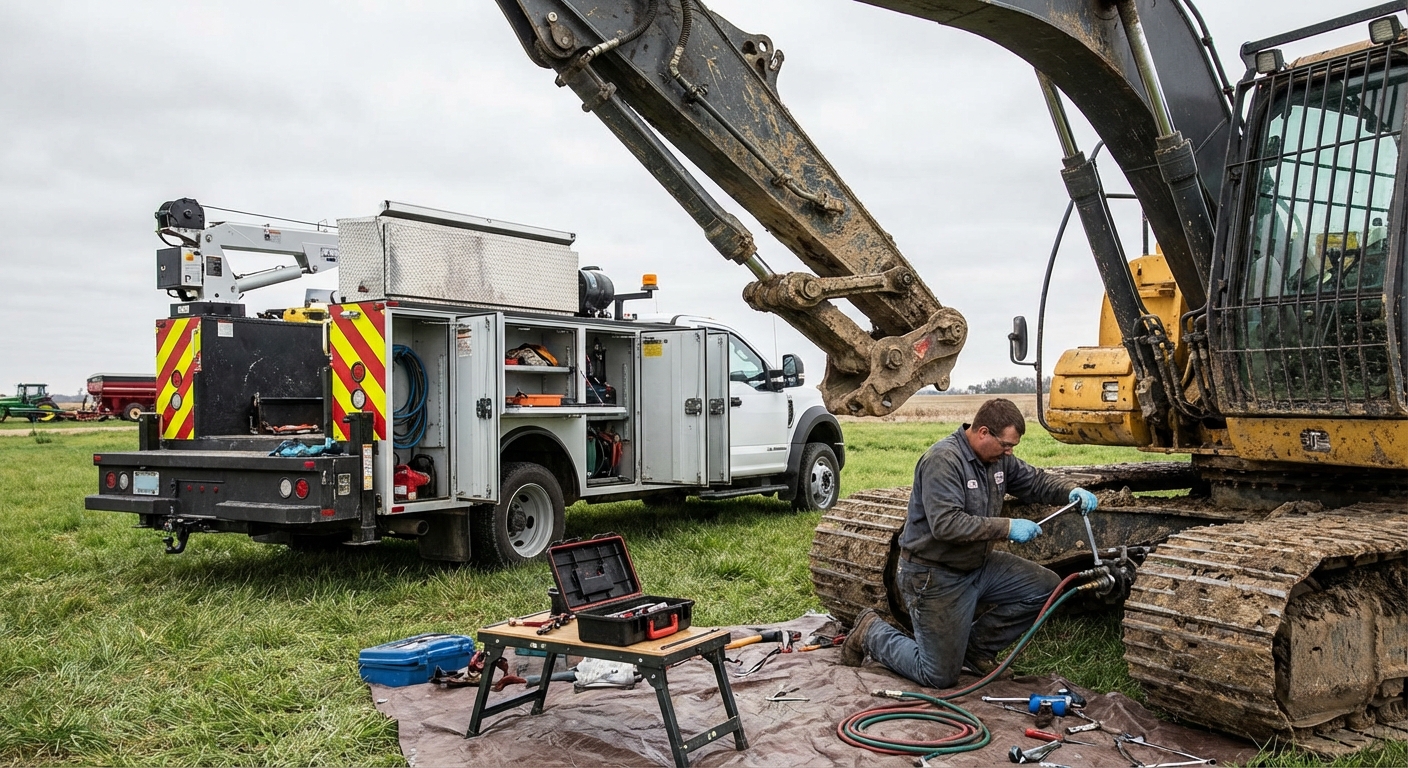
Mobile capability: Field service trucks can handle most repairs on-site, reducing the need to transport equipment to shop facilities.
Parts availability: Inventory investment ensures common parts are available locally rather than requiring overnight shipment.
Extended hours: During peak season, service availability extends beyond standard business hours to accommodate customers facing project deadlines.
“Service is where relationships are built or broken,” Erik Olsen observes. “Anyone can sell you a machine when you’re standing in the showroom. What happens when that machine breaks down in the middle of a project—that’s what defines a dealer.”
The company’s service capabilities extend to equipment from other manufacturers, serving customers who need maintenance support regardless of where they purchased.
Technology Adoption
Great Lakes Equipment has invested in technology that improves customer service:
Online parts ordering allows customers to identify and order parts outside business hours.
Service scheduling enables customers to request and track service through digital channels.
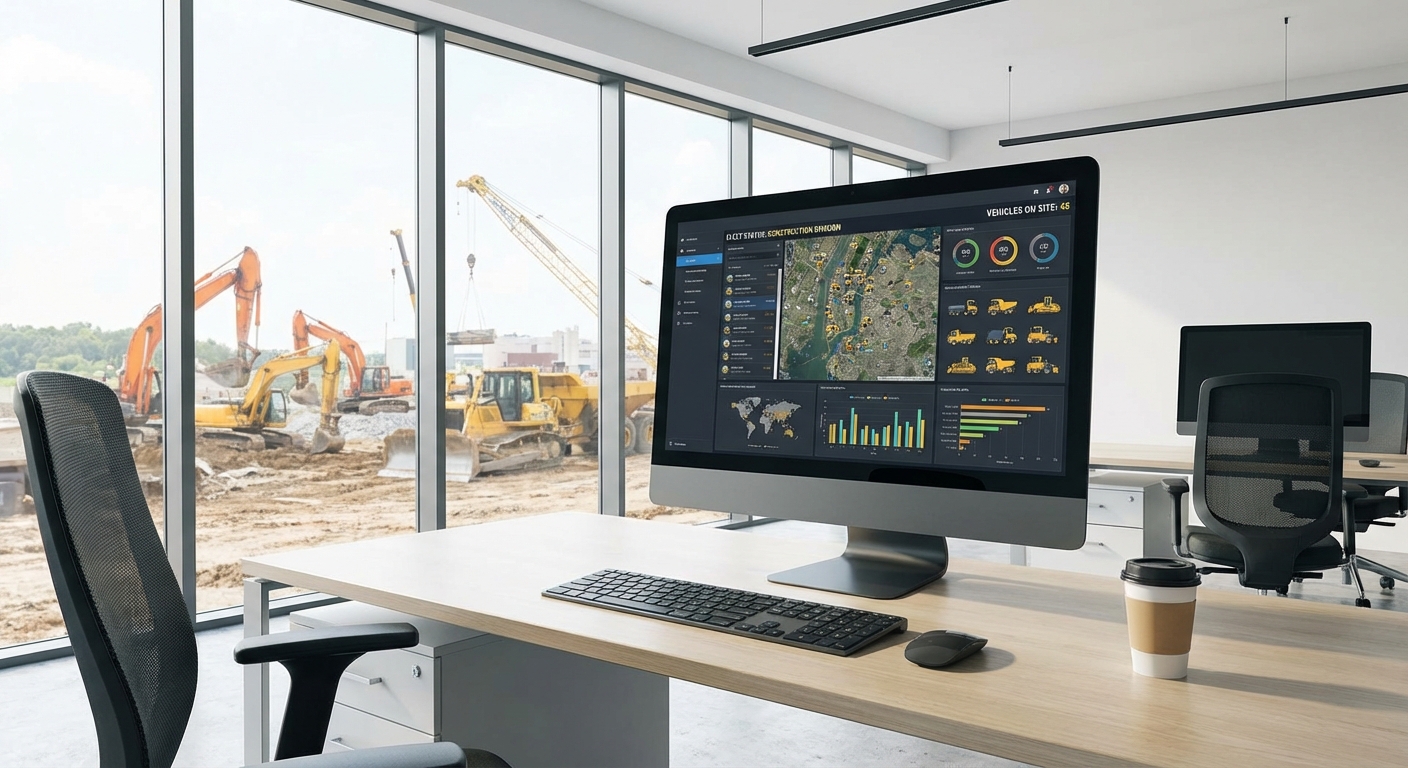
Telematics integration helps the dealer monitor customer equipment and identify service needs proactively.
Equipment locator shows real-time inventory across all locations, ensuring sales staff can identify available units quickly.
“Technology should make doing business with us easier,” explains operations director Mark Thompson. “If a customer can check parts availability at 10 PM and have their order ready for pickup the next morning, that’s better for them and more efficient for us.”
Customer Relationships
The company’s customer base reflects the region’s economic diversity:
Highway contractors performing DOT work represent significant equipment purchasers and rental customers.
Site work contractors doing residential and commercial development provide steady demand across equipment categories.
Loggers and land clearers require specialized forestry equipment and support services.
Municipalities maintain equipment fleets for road maintenance, parks, and utility operations.
Agricultural operations increasingly use construction equipment for farm improvements and land management.
Great Lakes Equipment maintains dedicated personnel focusing on larger accounts while ensuring smaller customers receive appropriate attention.
“We can’t survive without the big accounts, but we can’t survive on them alone either,” Brennan notes. “The landscape contractor buying their first machine today might be running a ten-truck operation in five years. We want that relationship from the start.”
Challenges and Opportunities
The regional dealer model faces ongoing challenges:
Competition from national dealers, manufacturer-direct sales, and online equipment sales continues intensifying.
Technology costs for maintaining modern dealer capabilities require ongoing investment.
Workforce challenges affect dealers as much as contractors—finding qualified technicians and sales staff is difficult.
Manufacturer relationships can be disrupted by OEM decisions about dealer territory, product availability, and margin structures.
Yet opportunities exist for dealers willing to invest:
Infrastructure spending is flowing to the region, creating equipment demand.
Retirement of competing dealers creates territory opportunities for well-positioned survivors.
Technology services including telematics and equipment management create new revenue streams.
Loyal customer base provides foundation for continued growth if service quality is maintained.
Looking Forward
Great Lakes Equipment is preparing for leadership transition as the Olsen family considers the next chapter. Third-generation family members are being prepared for potential leadership roles, while professional management capabilities have been strengthened.
“We’re building an organization that can succeed whether family members lead it or not,” Erik Olsen explains. “The principles don’t change—take care of customers, invest in service, maintain strong manufacturer relationships. Those work regardless of who’s in charge.”
Geographic expansion remains possible in adjacent territories. Product line additions are evaluated regularly. Technology investments continue.
For customers across the Upper Midwest, Great Lakes Equipment represents the dealer model at its best: local relationships backed by real capability, with commitment that extends across economic cycles and generations.
For more dealer profiles, see our coverage of Midwest Machinery and Columbus Equipment.