Murphy Tractor & Equipment: Building Agricultural Equipment Relationships Across the Plains
How this Nebraska-based John Deere dealer has expanded from farm equipment roots to become a construction equipment powerhouse across six states.
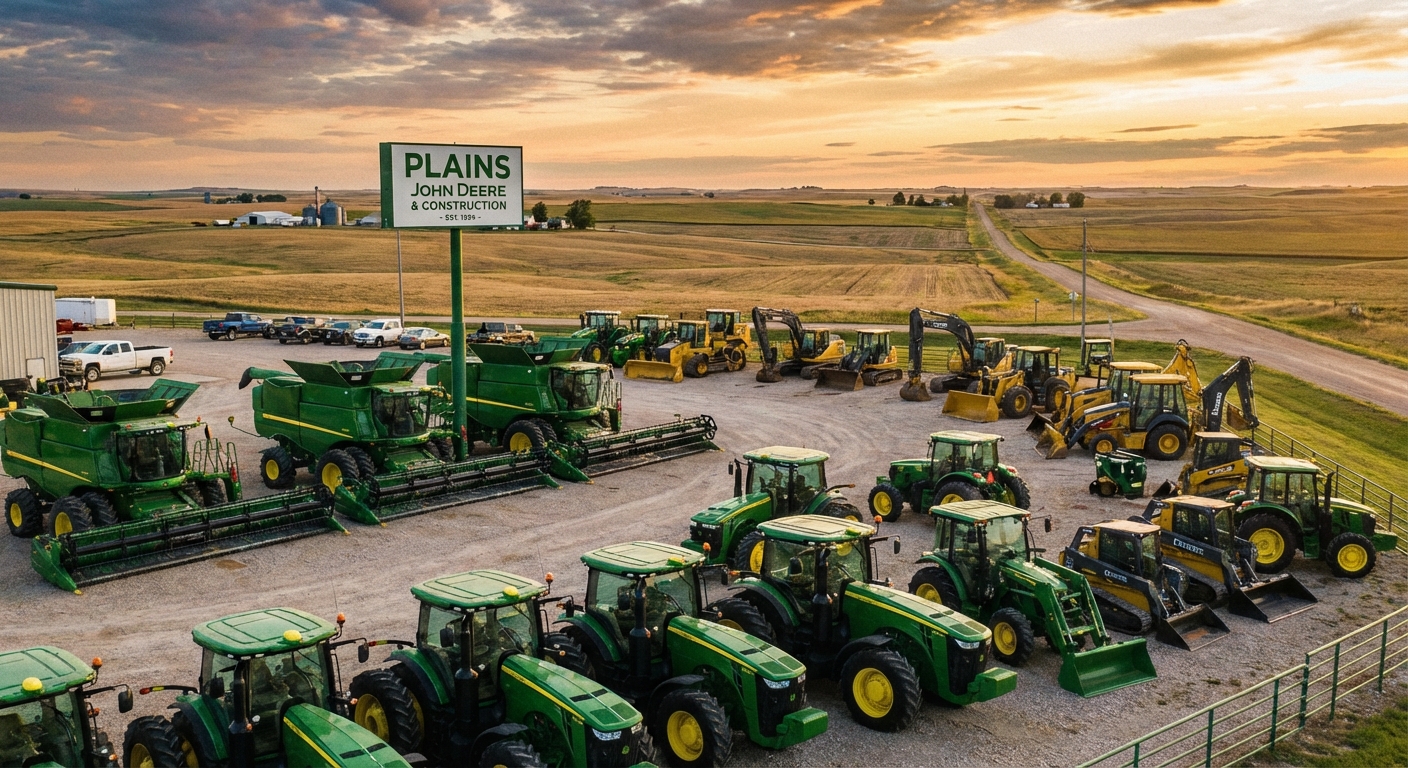
In a region where agriculture and construction have always been intertwined, Murphy Tractor & Equipment Company has built a thriving business serving both markets. The Nebraska-based John Deere dealer has grown from a single agricultural equipment location to a six-state construction and agricultural powerhouse, demonstrating how regional dealers can compete effectively against national consolidators by understanding their markets intimately.
Equipment Insider spent two days at Murphy Tractor facilities to understand how this family-influenced dealership approaches the equipment business in the American heartland.
Company Foundations
Murphy Tractor’s story begins in 1982 when Bob Murphy, a former John Deere district representative, purchased a struggling dealership in Grand Island, Nebraska. The company initially focused on agricultural equipment—tractors, combines, planters—serving the farmers who were the economic backbone of central Nebraska.
“My father understood that farmers needed partners, not just vendors,” recalls Kevin Murphy, current President and CEO. “He built relationships that lasted decades. Customers knew they could call at 2 AM during harvest and get help. That culture still defines us.”
The pivot toward construction equipment came gradually through the 1990s. Many Murphy Tractor customers operated both farming and excavating businesses—digging ponds, building terraces, doing custom grading. They asked their trusted agricultural equipment dealer to source construction machines.
“It was customer-driven,” Murphy explains. “Our farm customers kept asking us to help them with construction equipment needs. Eventually, we formalized that business rather than just doing favors.”
Today, Murphy Tractor operates 28 locations across Nebraska, Kansas, Iowa, Missouri, South Dakota, and Minnesota. Construction equipment now represents approximately 55% of revenue, though many customers still buy both agricultural and construction products.
Geographic Strategy
Murphy Tractor’s expansion has followed a deliberate geographic strategy focused on markets where agriculture and construction intersect:
Core territory (Nebraska, Kansas): Dominant presence with comprehensive coverage. Full-service facilities in major markets, satellite locations in agricultural communities.
Growth markets (Iowa, Missouri): Selective expansion into contiguous territory. Focus on markets where Murphy’s agricultural relationships provide competitive advantage.
Extended territory (South Dakota, Minnesota): Recent expansion following acquisition of smaller dealers. Building presence while maintaining service standards.
“We grow by rings,” Murphy describes. “We don’t jump into distant markets. We expand where we can maintain service levels and where our existing relationships create opportunities.”
This approach contrasts with national consolidators who often acquire geographically dispersed operations and struggle to integrate them effectively. Murphy Tractor’s contiguous footprint enables efficient parts distribution, technician deployment, and management oversight.
Customer Base
Murphy Tractor serves a diverse customer base, but several segments stand out:
Agricultural Contractors
Farmers operating construction equipment for their own use or providing custom services remain a core customer segment. These customers often operate seasonally—moving dirt in spring and fall, farming in summer—and require equipment flexibility.
“Agricultural contractors want machines that can do multiple tasks,” notes Sales Manager Tom Hendricks. “A compact track loader that handles grain bins and does site prep. An excavator that digs ponds and cleans drainage ditches. We spec equipment for versatility.”
Many agricultural contractors maintain long-term relationships spanning decades. Second-generation customers whose fathers bought from Murphy Tractor are common.
Infrastructure and Utility
Regional infrastructure work—road maintenance, utility installation, water system projects—provides steady construction equipment demand. Murphy Tractor serves numerous municipalities, rural electric cooperatives, and utility contractors.
“Infrastructure customers value parts availability and service response,” Hendricks observes. “When a utility needs to restore power after a storm, they need their equipment working. Our service network provides that assurance.”
Commercial Contractors
General and specialty contractors working in Murphy Tractor’s territory represent growing business. This segment requires more sophisticated support—financing packages, fleet management, equipment rental during peak demand.
“Commercial contractors are more transactional than our agricultural customers,” admits Murphy. “But we compete by providing better local support than national competitors can match.”
Service Capabilities
Service excellence has always been Murphy Tractor’s primary competitive differentiation. The company has invested heavily in capabilities that support customer uptime:
Technician Development
Murphy Tractor employs over 200 service technicians across its locations, with an aggressive training and certification program. New technicians enter a structured apprenticeship that combines classroom training with supervised field work.
“We grow our own technicians because you can’t hire them,” explains Service Director Sarah Williamson. “Young people who want to work with machinery but don’t want to farm—we recruit them out of high school and FFA programs.”
The technician retention rate exceeds 85% annually, well above industry averages. Competitive compensation, clear advancement paths, and investment in continuing education contribute to retention.
Parts Inventory
Murphy Tractor maintains over $15 million in parts inventory distributed across its locations, with a central distribution center in Grand Island enabling overnight delivery throughout the territory. The company tracks parts velocity carefully, positioning fast-moving items at local branches while centralizing slower-moving parts.
“Parts availability separates dealers from parts suppliers,” Williamson notes. “Anyone can get a part in two days from the manufacturer. We get parts to customers in hours.”
For critical applications, Murphy Tractor maintains consignment inventory at customer sites, eliminating even hours of downtime for wear items and common service parts.
Mobile Service
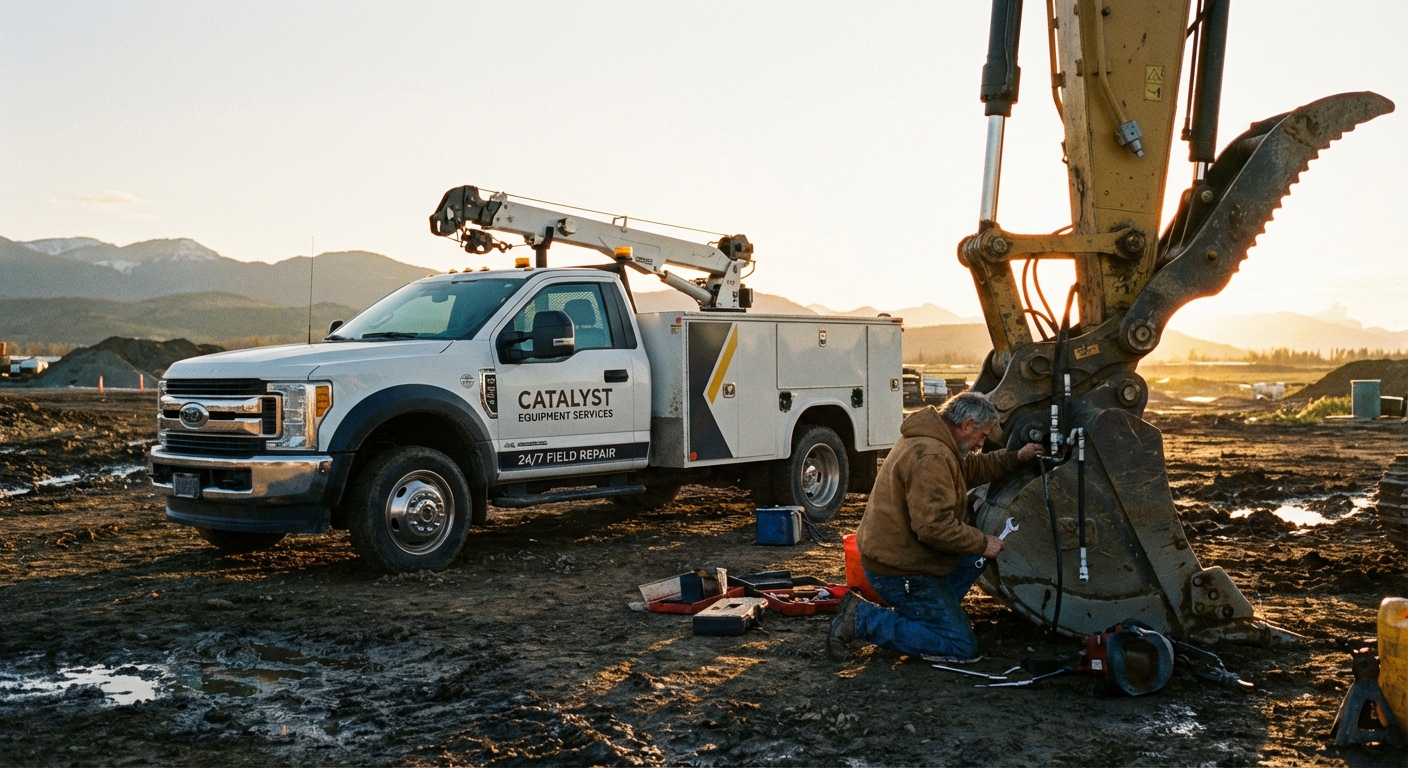
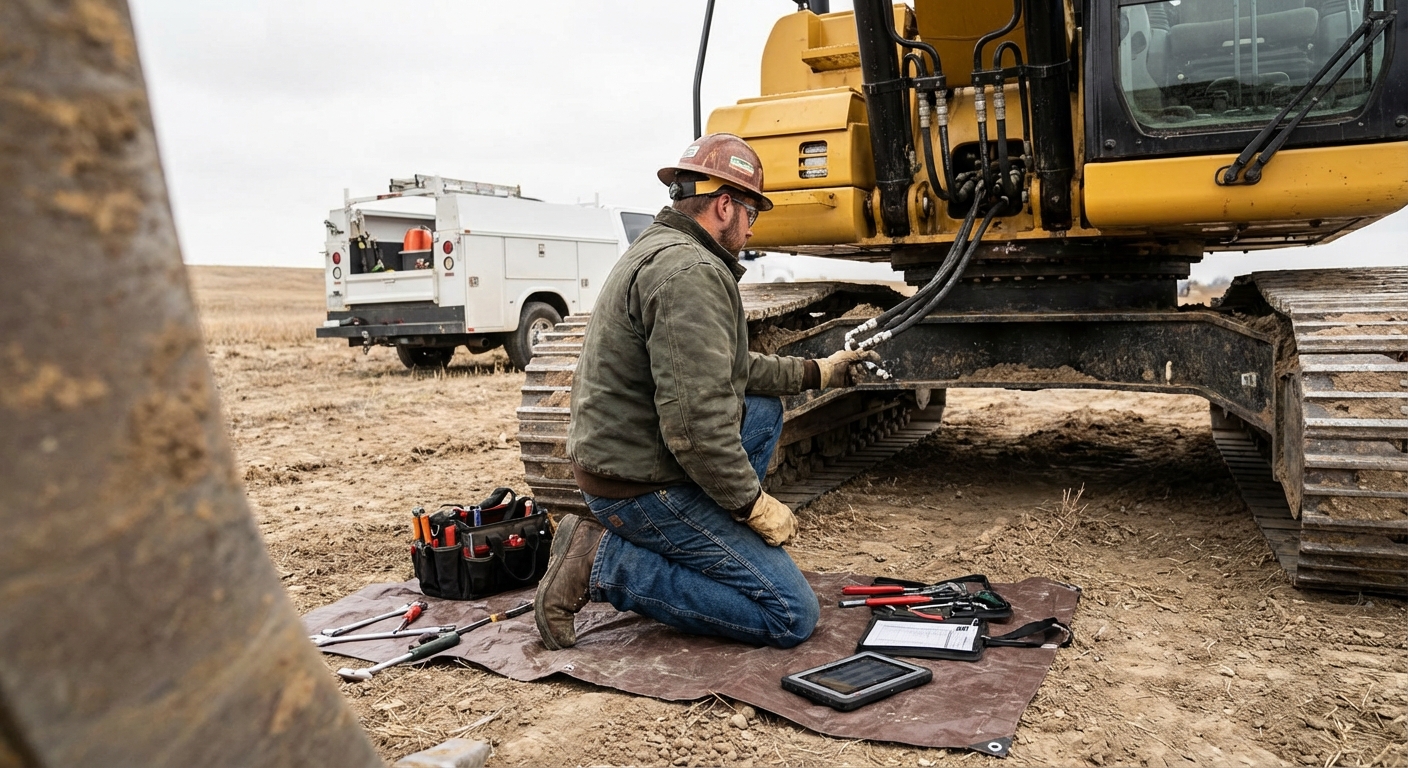
A fleet of 65 service trucks enables Murphy Tractor to bring repair capabilities to customer job sites. Mobile service trucks are equipped for most repairs that don’t require heavy lifting or specialized facilities.
“Equipment doesn’t break in convenient locations,” Williamson observes. “Our mobile fleet means customers don’t have to transport broken equipment to a shop. We go to them.”
Mobile service is particularly valuable for agricultural contractors scattered across rural areas, where transportation to a dealership might involve significant time and expense.
Technology Adoption
Murphy Tractor has embraced technology to enhance customer relationships and operational efficiency:
Fleet Management Integration
The company offers integration services helping customers connect John Deere’s JDLink telematics platform with their business operations. This includes equipment monitoring dashboards, automated maintenance alerts, and utilization reporting.
“Customers have the data—we help them use it,” explains Technology Manager Chris Patterson. “A contractor who sees their excavator sitting idle can make better deployment decisions. We provide that visibility.”
Online Parts Ordering
Murphy Tractor’s customer portal enables online parts ordering with real-time inventory visibility, automated order tracking, and delivery scheduling. The system integrates with customer equipment records to suggest maintenance parts based on usage.
Rental Integration
The company’s rental fleet is fully integrated with sales operations, enabling seamless rent-to-own transitions and ensuring that rental customers receive the same service priority as purchase customers.
Competitive Position
Murphy Tractor faces competition from multiple directions:
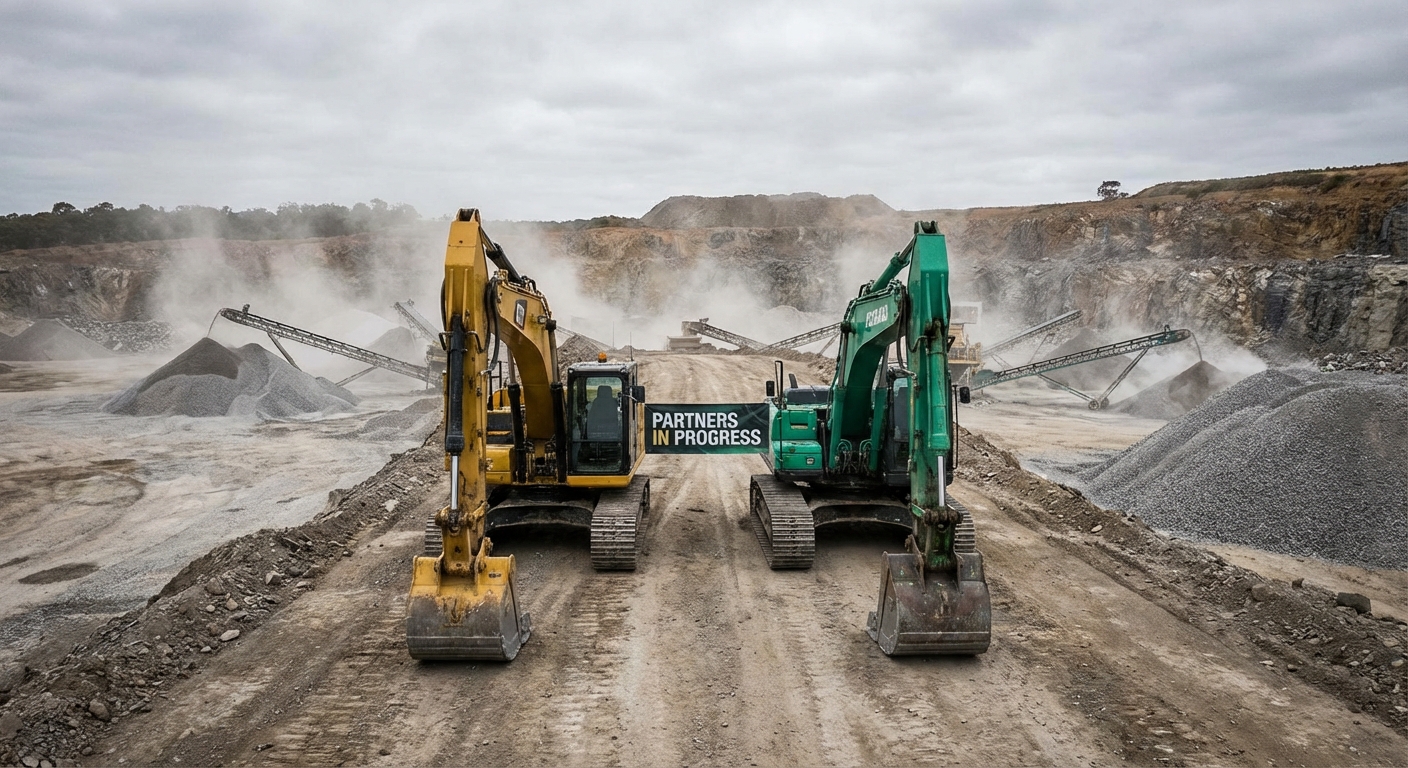
National consolidators offer scale advantages in equipment procurement and fleet rental. Murphy Tractor counters with service responsiveness and customer relationship depth.
Local independents sometimes offer aggressive pricing on equipment sales. Murphy Tractor emphasizes lifetime value including service, parts, and trade-in support.
Manufacturer direct operations are expanding in some markets. Murphy Tractor’s established customer relationships and geographic coverage provide defensive advantages.
“We can’t be the cheapest—our cost structure doesn’t allow it,” Murphy acknowledges. “We compete by being the best partner. When a customer’s equipment breaks at 7 PM on a Friday, they call us because they know we’ll respond. That relationship has value.”
The strategy has proven successful. Murphy Tractor has maintained market share even as some regional dealers have sold to consolidators or struggled with succession challenges.
Looking Forward
Murphy Tractor’s leadership sees continued opportunity in its territory:
Electric equipment: As electric construction equipment becomes practical for more applications, Murphy Tractor is preparing to support these new technologies. Investment in technician training and charging infrastructure is underway.
Precision technology: Integration of GPS grade control, machine automation, and data analytics creates service opportunities that favor dealers with technical capabilities.
Market consolidation: Each dealer acquisition by a national player creates customers who discover that their local relationships have disappeared. Some become Murphy Tractor customers.
“We’re optimistic about our future,” Murphy concludes. “Equipment is becoming more complex, which favors dealers who invest in capabilities. Customers value relationships, which favors dealers who prioritize service. Those trends support our model.”
For other regional dealers evaluating their strategies, Murphy Tractor demonstrates that focused geographic presence, service excellence, and customer relationship depth can compete effectively against scale-focused competitors.
For more regional dealer profiles, see our coverage of Midwest Machinery and Great Lakes Equipment.