Rental Growth Is Back, But Fleet Discipline Matters More
The 2026 rental forecast looks better than it did earlier this year. That does not mean rental yards can buy their way out of a mixed construction market.
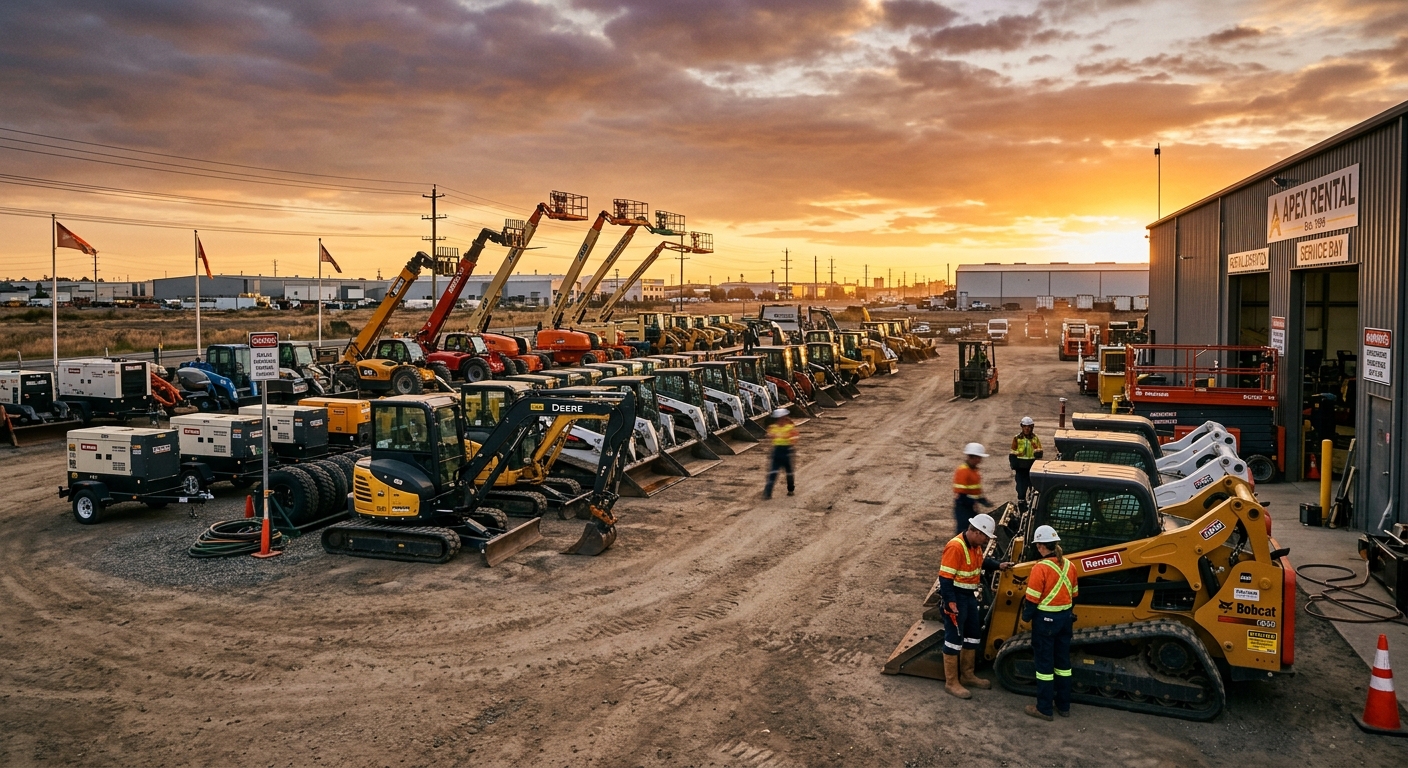
The equipment rental market has a better 2026 outlook than it did a few months ago. That is good news, but it is not the kind of market where rental companies can get loose with fleet decisions.
The American Rental Association’s latest forecast, reported by Construction Business Owner, projects combined U.S. construction and industrial equipment and general tool rental revenue at $83.5 billion in 2026. That would be 3.6% growth, up from the prior forecast of 2.8% growth and $82.9 billion. ARA also expects 3.8% growth in 2027 and 4.4% growth in 2028.
That is a healthier number, but the shape of demand matters more than the headline. Construction starts are being pulled by megaprojects, utilities, data centers, healthcare, manufacturing, and large infrastructure work. Residential construction is still soft. Warehouses are uneven. Institutional work is not broad enough to make every local market feel busy.
For rental operators, that makes 2026 a utilization test. The companies that win are not simply the ones with the most machines. They are the ones with the right machines in the right yards, clean service histories, realistic replacement timing, and enough pricing discipline to avoid chasing revenue that does not leave margin behind.
FieldFix Editor’s Note: Rental fleets live and die by utilization, downtime, and repair cost. FieldFix helps equipment owners track service history, maintenance spend, downtime, and cost per hour by machine, so replacement decisions are based on numbers instead of gut feel.
Rental demand is improving, but it is uneven
The ARA forecast is useful because it points to steady rental demand without pretending the market is ripping everywhere. A 3.6% growth year is not a boom. It is a market that can reward disciplined operators and punish sloppy ones.
The demand story lines up with construction starts data. Dodge Construction Network’s May report, also carried by Construction Business Owner, said total construction starts improved 34.1% in May to a seasonally adjusted annual rate of $1.78 trillion. Through May, total starts were up 12.7% year to date. Nonbuilding starts were up 32.9% year to date, while residential starts were down 4.9%.
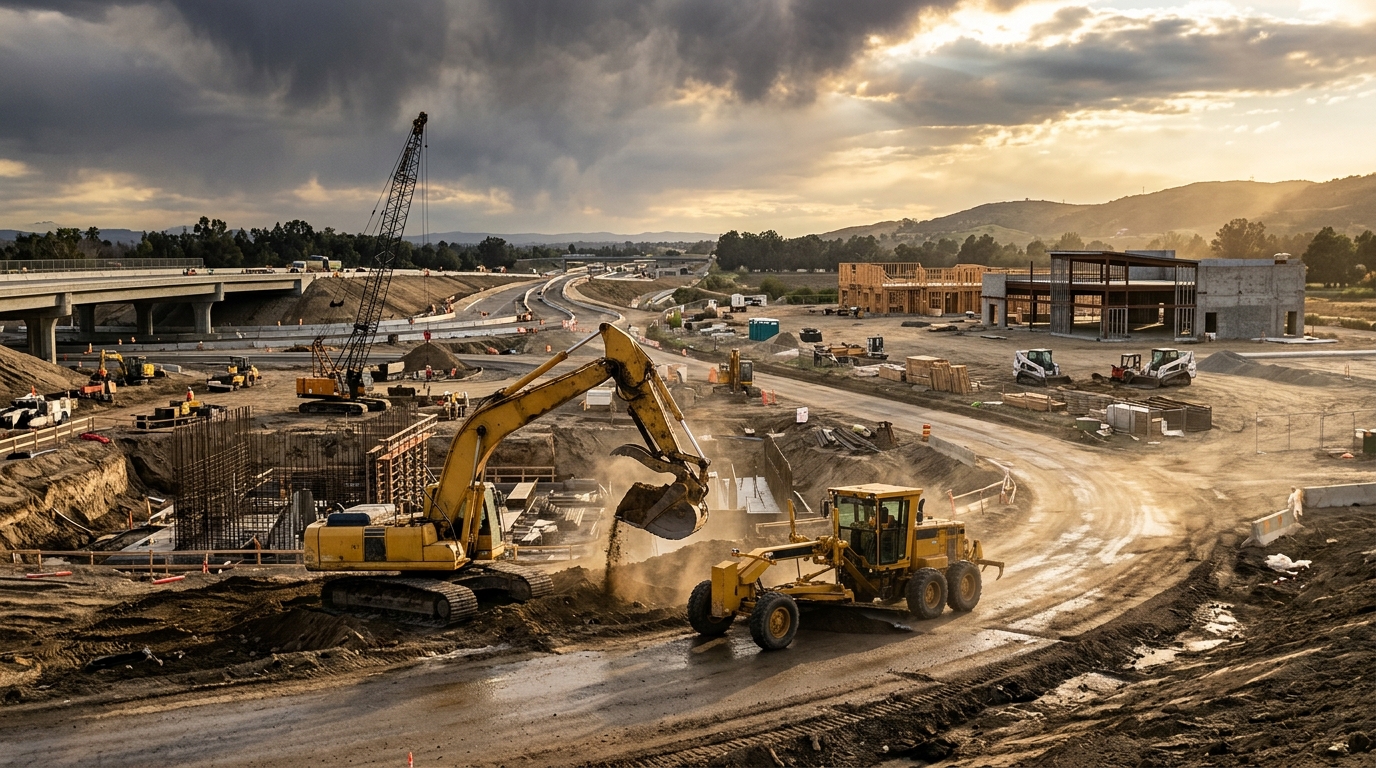
That split matters on the ground. Big nonbuilding and nonresidential work can be strong while local light construction still feels choppy. A rental branch near utility work, power projects, major road work, healthcare builds, or data center construction may see solid demand for aerial lifts, earthmoving machines, compaction, generators, light towers, pumps, and support equipment. A branch tied heavily to single-family builders may have a very different year.
The market is not saying “buy everything.” It is saying “know exactly where your demand is coming from.”
The megaproject effect can fool fleet buyers
Megaprojects create a tempting signal. A huge project breaks ground, rental demand spikes, and suddenly every supplier in the region wants more machines on the ground. Sometimes that is the right move. Sometimes it is a trap.
Large jobs can absorb a lot of fleet, but they can also distort local planning. A data center campus, bridge project, LNG facility, or manufacturing plant may create intense demand for a defined period. If a rental company over-buys to serve that work, it has to answer a hard question when the project slows: where does that fleet go next?
This is where utilization discipline beats excitement. If the same class of machine can move into normal recurring demand after the megaproject work cools, the purchase may pencil out. If the machine only makes sense for one customer, one location, or one job phase, the risk is higher.
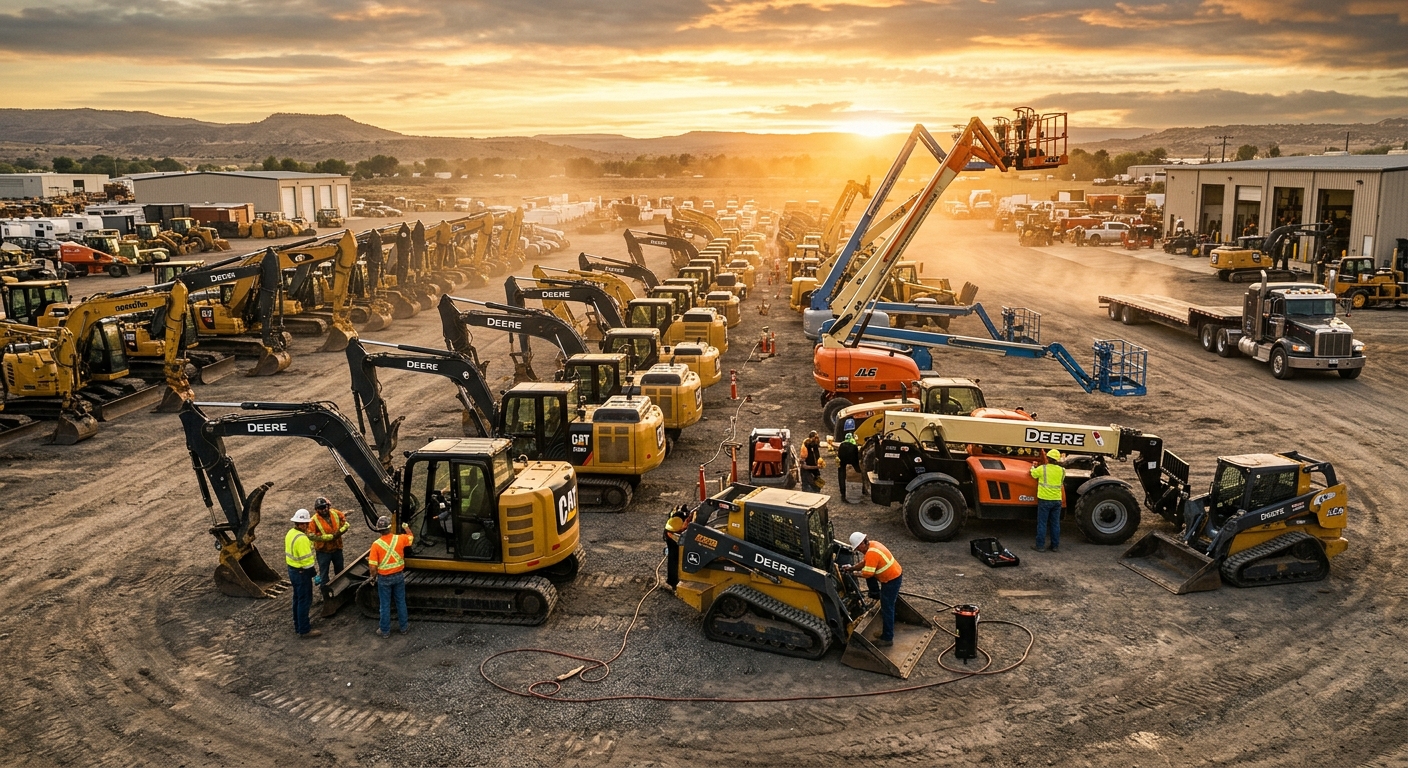
Specialized fleet deserves extra caution. Big generators, large telehandlers, high-reach lifts, pumps, trench safety, large compressors, and heavy compaction equipment can be profitable when demand is real. They can also sit expensively when the local market shifts. The math has to include transport cost, service cost, expected rental rate, resale value, likely downtime, and how many customers can realistically use the asset.
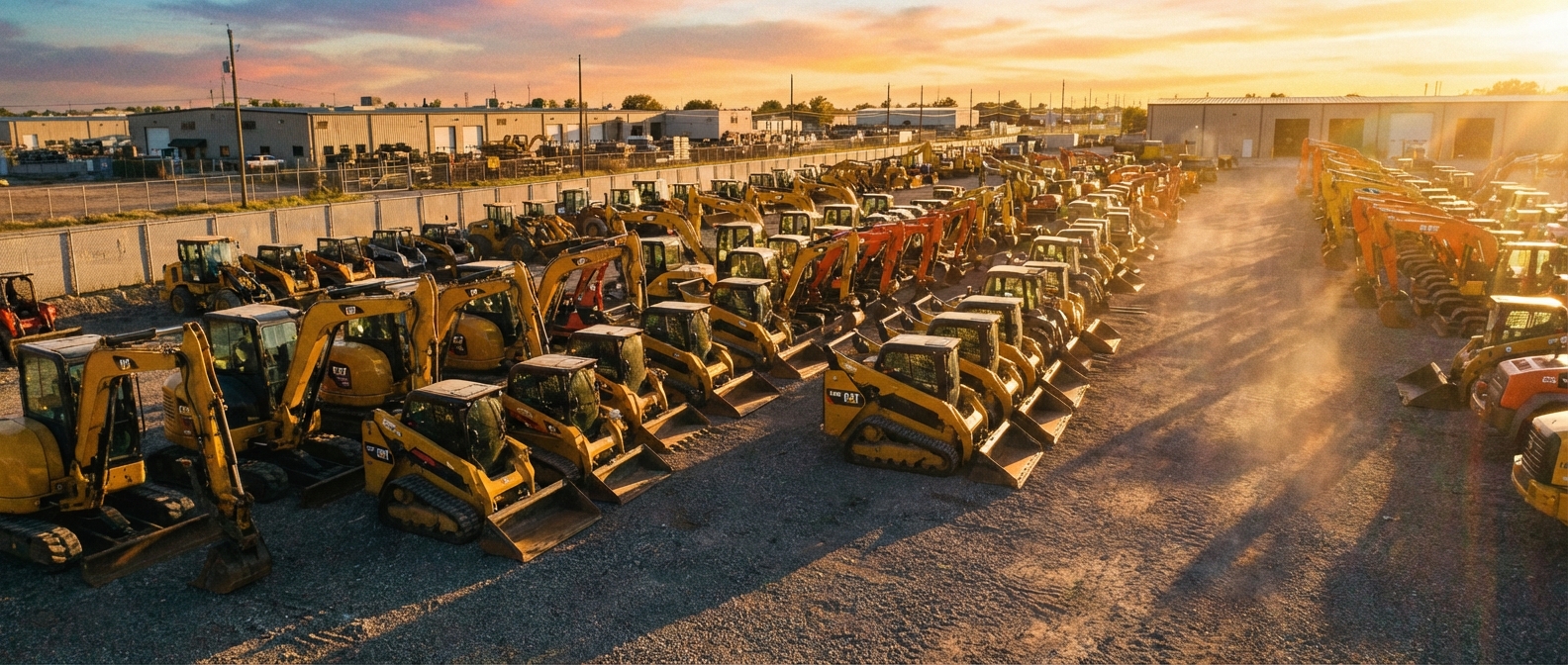
The same logic applies to compact equipment, but with a different wrinkle. Compact track loaders, mini excavators, small wheel loaders, skid steers, and attachments are easier to move across customers. That flexibility is valuable. The danger is that everyone knows it, so local fleets can get crowded fast. If too many yards pile into the same size classes, pricing gets soft even while unit demand looks healthy.
Contractors are renting for flexibility, not just cost
Rental keeps gaining ground because ownership has become harder to justify for a lot of equipment categories. Interest rates, purchase prices, emissions systems, electronics, parts availability, technician shortages, and uncertain backlogs all raise the cost of owning.
That does not mean contractors are giving up on ownership. Core production machines still make sense for many companies. A contractor that runs the same excavator, dozer, loader, or CTL every week may still want that machine on the balance sheet. Ownership gives control, availability, operator familiarity, and equity if the machine is managed well.
Rental makes sense around the edges of that core fleet. Contractors rent when the job calls for a machine they do not use often enough to own. They rent when the schedule is uncertain. They rent when they need backup capacity during peak season. They rent when a project spec changes. They rent when a machine is down and a crew is already mobilized.
That is why the rental market can grow even when contractors are cautious. Rental is not only a cheaper alternative to ownership. It is a way to keep options open.
For rental companies, that creates an opportunity and a warning. The opportunity is obvious: uncertainty sends work toward rental yards. The warning is that uncertain customers can cancel, shift dates, return early, or grind down rates if too much supply is available. A full yard is not a business plan. A profitable yard is.
Service will decide who keeps the good customers
In a mixed market, service quality shows up fast. Contractors may tolerate a lot when every yard is sold out. They get pickier when more options are available.
The basics matter: clean machines, accurate availability, responsive dispatch, realistic delivery windows, quick field service, and invoices that do not turn into a detective story. None of that sounds glamorous. It is still what keeps repeat customers.
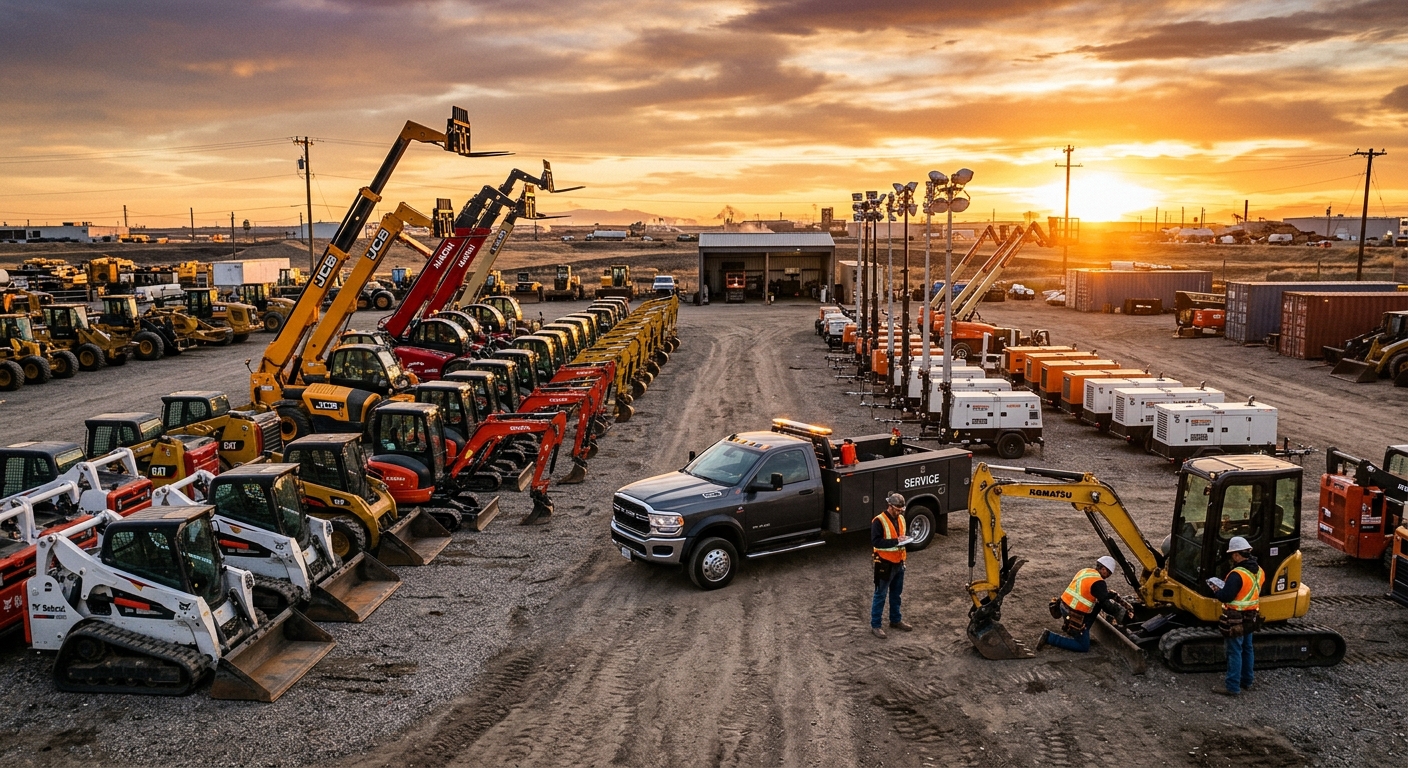
Fleet condition is part of that service promise. A rental company can have the right machine on paper and still lose the customer if the unit arrives with worn tracks, weak batteries, fault codes, loose pins, missing attachments, bad tires, dirty filters, broken lights, or half-fixed hydraulic leaks. The customer does not care that the machine technically left the yard. They care whether the crew can work.
That puts pressure on maintenance planning. Rental fleets get abused. Operators change constantly. Machines move between jobsite conditions. Hour meters stack up unevenly. Some units are rented hard and returned dirty. Others sit long enough for batteries, seals, tires, and fluids to become problems before the next rental.
Good rental operations catch that before dispatch. Better ones know which assets are quietly becoming bad bets.
Cost per hour is the cleanest way to see it. A machine with high utilization can still be a loser if repairs are eating the margin. A lower-utilization unit can still earn its place if it fills a high-rate niche and stays reliable. Without the service history tied to the asset, fleet managers are left arguing from memory.
That is a bad way to buy machines.
Pricing discipline will be harder than demand generation
The 2026 rental story is not only about getting machines rented. It is about getting paid properly for the risk, service burden, and capital tied up in those machines.
When demand is uneven, pricing pressure gets weird. A branch can be tight on one category and soft on another. Aerial lifts may be strong near commercial work while compact equipment gets crowded. Generators may be pulled into utility and data center demand while small tools move with local remodeling and maintenance work. Earthmoving may depend heavily on sitework schedules, weather, and permitting.
That kind of market punishes blanket pricing. Raising rates across the board may push away good customers in soft categories. Cutting rates across the board may give away margin in categories that are already tight.
Rental companies need category-level discipline. Which assets are supply constrained? Which ones are sitting? Which ones are rented often but returning damaged? Which customers create the most service burden? Which jobs require delivery, pickup, standby support, attachments, cleaning, or after-hours work that is not being recovered in the rate?
The best operators will treat rate as part of fleet management, not a separate sales decision. If a machine is expensive to own, hard to service, or critical to a customer’s production, the rate should reflect that. If a class is over-supplied in the market, the answer may be fleet rotation rather than discounting forever.
Replacement timing is getting more important
The used equipment market has been choppy enough that replacement timing deserves more attention. Holding a machine too long can feel smart because it avoids new capital spend. It can also backfire if the unit starts piling up repairs, missing rentals, or losing resale value faster than expected.
Selling too early has its own cost. If the machine is reliable, paid down, and still renting at a healthy rate, pushing it out of the fleet may just create a new payment and reset depreciation without improving customer service.
That is why 2026 is a good year to separate emotional fleet decisions from actual numbers. Rental operators should know the service cost trend, downtime history, utilization rate, rental revenue, repair type, and resale window for each major asset. Not by category. By serial number.
A 5,000-hour compact track loader that has been maintained well may be a keeper. Another unit with the same hours may be a problem if it has chronic emissions faults, undercarriage spend, electrical issues, and customer complaints. A boom lift with steady utilization and predictable service cost may earn longer than expected. Another one may need to go before one more expensive repair wipes out the season.
The machine does not care what the spreadsheet average says. The individual asset tells the truth.
What rental operators should do now
The next six months should be about precision.
Start with utilization by category and branch. Do not stop at company-wide averages. A strong regional number can hide a weak yard, and a strong category can hide individual units that are dragging margin down.
Then match utilization to maintenance cost. The most dangerous assets are the ones that look busy but do not make money after repairs, delivery problems, downtime, and customer credits. Those machines create activity without profit.
Next, look at demand source. If growth is tied to one megaproject, treat it differently than broad recurring demand across many customers. Both can be valuable. They are not the same risk.
Finally, tighten the connection between sales, service, dispatch, and fleet buying. Sales knows what customers are asking for. Dispatch knows what is actually available. Service knows which machines are fragile. Fleet managers need all three views before buying more iron.
The rental forecast is better than it was earlier this year. That is worth noting. But the better takeaway is more practical: the market is giving disciplined rental companies room to grow without giving them permission to be careless.
In 2026, rental growth is real. The margin will belong to the operators who can prove which machines deserve a spot in the yard.