BREAKING: EPA Launches Investigation into Diesel Exhaust Fluid System Failures
The EPA announces its first major action on DEF system problems, demanding data from manufacturers as equipment operators across industries report widespread failures.
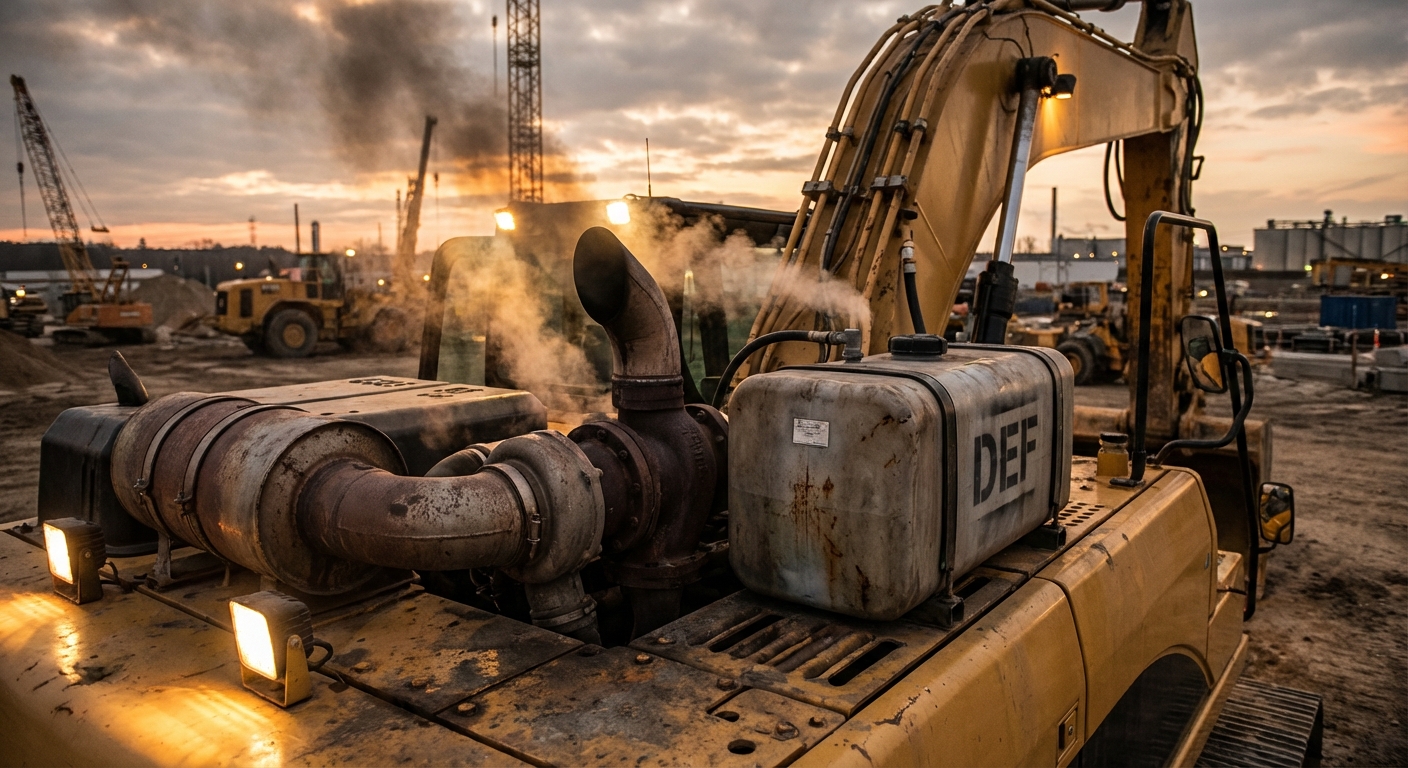
The U.S. Environmental Protection Agency announced today that it is launching an investigation into Diesel Exhaust Fluid (DEF) system failures—a move that acknowledges what equipment operators, truckers, and farmers have been saying for years: these systems are causing massive headaches across the industry.
In a statement released this afternoon, the EPA said it is “actively working to address this issue” and has taken action to demand critical failure data from manufacturers.
Editor’s Note: Tracking equipment issues and maintenance patterns is crucial for fleet operators dealing with DEF problems. Tools like FieldFix help contractors document system failures and maintenance history—data that could prove valuable if the EPA’s investigation leads to recalls or warranty actions.
What the EPA Announced
The agency acknowledged that DEF system failures are a “MASSIVE issue” affecting farmers, truckers, and diesel equipment operators across the country. Today’s action compels manufacturers to provide data on:
- DEF system failure rates
- Common failure modes and patterns
- Warranty claims related to DEF components
- Design changes made to address known issues
The EPA stated this is “the first, not the last, action” it will take on DEF systems in 2026, signaling that more regulatory scrutiny is coming.
Why DEF Systems Fail
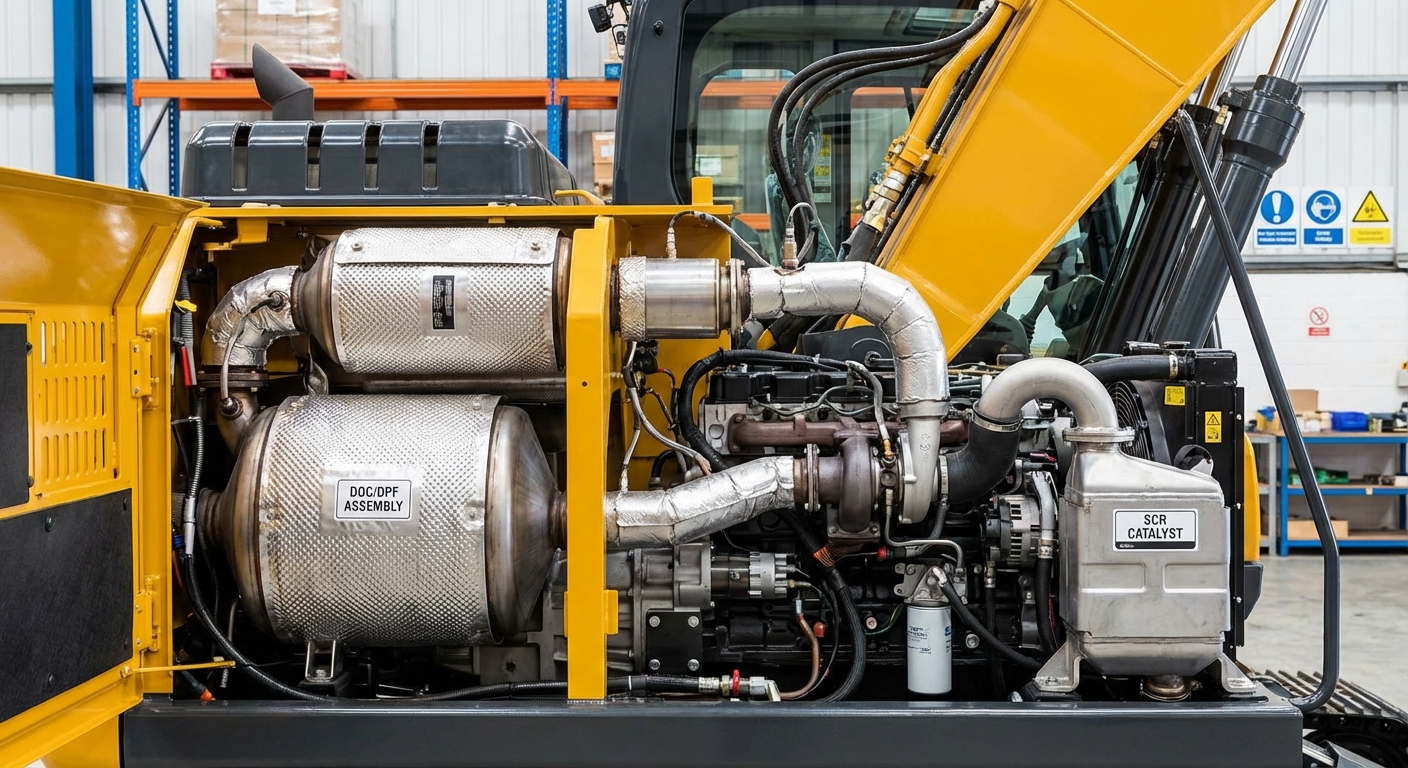
For those unfamiliar with the technology, DEF (Diesel Exhaust Fluid) is a urea-based solution injected into diesel exhaust streams to reduce nitrogen oxide (NOx) emissions. The system became mandatory on most diesel equipment and vehicles starting with EPA Tier 4 Final emissions standards.
Common failure points include:
DEF Quality Sensors — These sensors frequently trigger false readings, putting equipment into “limp mode” even when the fluid is within spec. Operators report sensors failing within 500-1,000 hours on some machines.
Injector Clogging — DEF crystallizes when exposed to air or contaminated fluid, clogging injectors and requiring expensive replacements.
Tank Heaters — In cold climates, DEF freezes at 12°F (-11°C). Heater failures leave operators stranded or force them to idle equipment to prevent freezing.
SCR Catalyst Degradation — The Selective Catalytic Reduction system itself can degrade over time, triggering derating or shutdown even when other components function properly.
Software Glitches — Many operators report false fault codes that require dealer-level diagnostics to clear, resulting in costly downtime.
The Real-World Impact
For equipment operators, DEF system failures aren’t just an inconvenience—they’re a business crisis. When a system triggers a fault code, most modern equipment enters a “derate” mode that limits power output, sometimes to as little as 5 mph. If the code isn’t cleared within a set timeframe, the machine shuts down entirely.
Consider the scenarios:
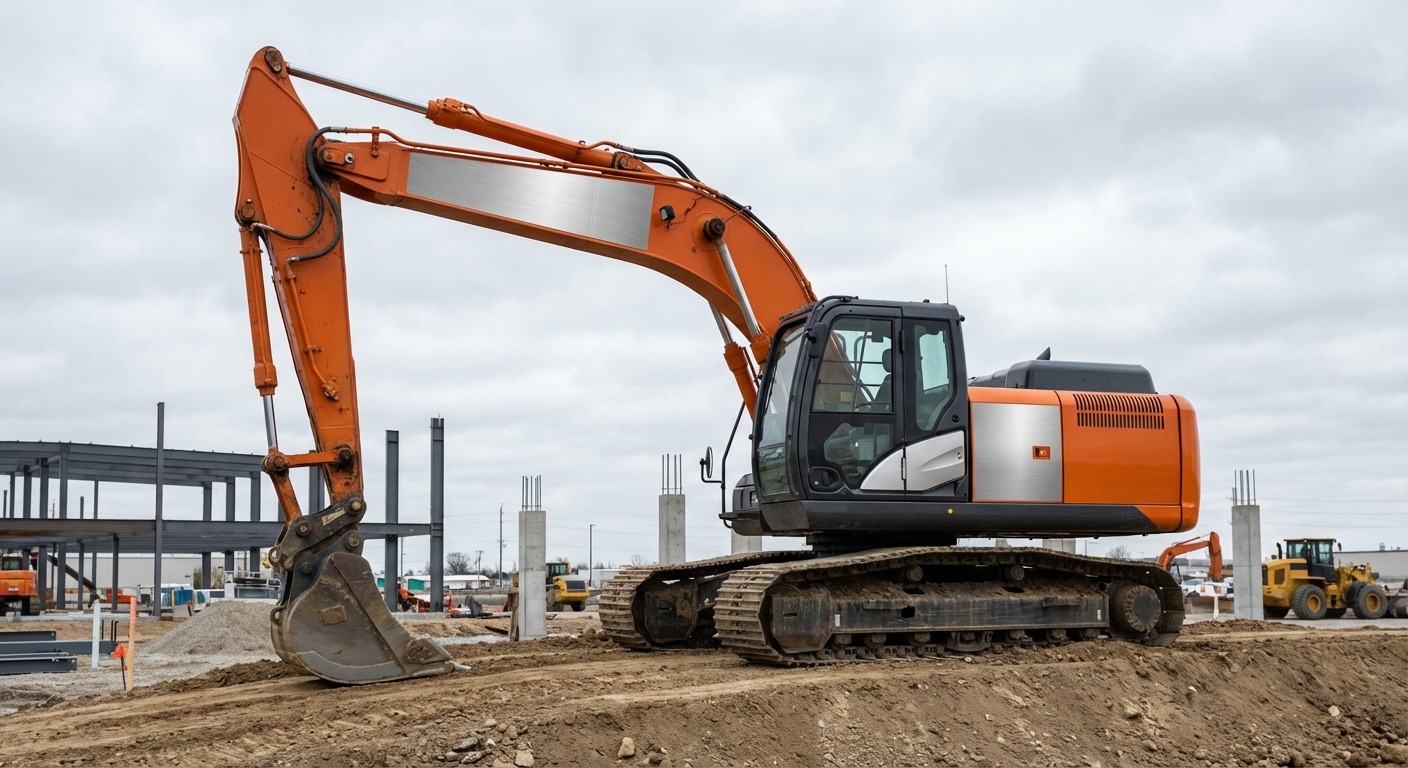
- A contractor’s excavator goes into limp mode mid-dig on a deadline project
- A trucker’s rig derates on the highway, 200 miles from the nearest dealer
- A farmer’s combine shuts down during harvest when every hour counts
The costs extend beyond the repair itself. Towing fees, rental equipment, missed deadlines, and lost productivity compound quickly. Some operators estimate DEF-related downtime costs them $1,000-$5,000 per incident when accounting for all factors.
Industry Response
Equipment manufacturers have gradually improved DEF system reliability since the technology’s widespread introduction, but problems persist across brands. The investigation could force manufacturers to:
- Issue technical service bulletins for known issues
- Extend warranties on problematic components
- Redesign failure-prone parts
- Provide better diagnostic tools to dealers and operators
Several industry groups have been lobbying for regulatory relief on DEF requirements, arguing that the reliability issues undermine the environmental benefits. Today’s EPA action suggests the agency is listening—though whether relief comes in the form of relaxed standards or forced improvements remains to be seen.
What Operators Should Do Now
If you’re experiencing DEF system issues, now is the time to document everything:
- Keep detailed records of all DEF-related fault codes, repairs, and downtime
- Save receipts for DEF fluid purchases, repairs, and towing
- Photograph fault codes when they appear on your display
- Note patterns — Does the problem occur in certain temperatures? After certain hours of operation?
- Report issues to both your dealer and the manufacturer’s customer service
This documentation could prove valuable if the EPA’s investigation leads to recalls, class-action settlements, or extended warranty programs.
What Comes Next
The EPA indicated this is just the beginning of its 2026 focus on DEF systems. Possible next steps could include:
- Mandatory reporting requirements for manufacturers
- New reliability standards for emissions control systems
- Guidance on acceptable failure rates
- Coordination with state-level regulators
We’ll continue tracking this story as it develops. For equipment operators who’ve been frustrated by DEF problems for years, today’s announcement offers the first real hope that regulators are taking the issue seriously.
Have you experienced DEF system failures? We want to hear your story. Contact us at editor@equipmentinsiderhq.com with your experiences.