EPA Finalizes Tier 5 Emission Standards: What Contractors Need to Know
New emission regulations will reshape diesel equipment over the next decade. Here's the timeline, requirements, and implications for equipment buyers.
The Environmental Protection Agency has finalized new emission standards for off-road diesel engines that will significantly impact heavy equipment design and costs over the coming decade. Known informally as “Tier 5,” these regulations mandate substantial reductions in nitrogen oxide (NOx) and particulate matter (PM) emissions beyond current Tier 4 Final requirements.
For contractors and fleet operators, understanding the timeline and implications is essential for equipment acquisition planning.
Key Requirements
The finalized Tier 5 standards require:
NOx reductions of 80-90% beyond current Tier 4 Final levels, depending on engine power category. This represents the most significant aspect of the new standards.
PM reductions of approximately 50% beyond Tier 4 Final for most engine categories.
Extended useful life requirements that mandate emission control systems maintain effectiveness for longer periods than current regulations require.
On-board diagnostic (OBD) requirements for monitoring emission system performance and alerting operators to malfunctions.
Implementation Timeline
The EPA has established a phased implementation schedule:
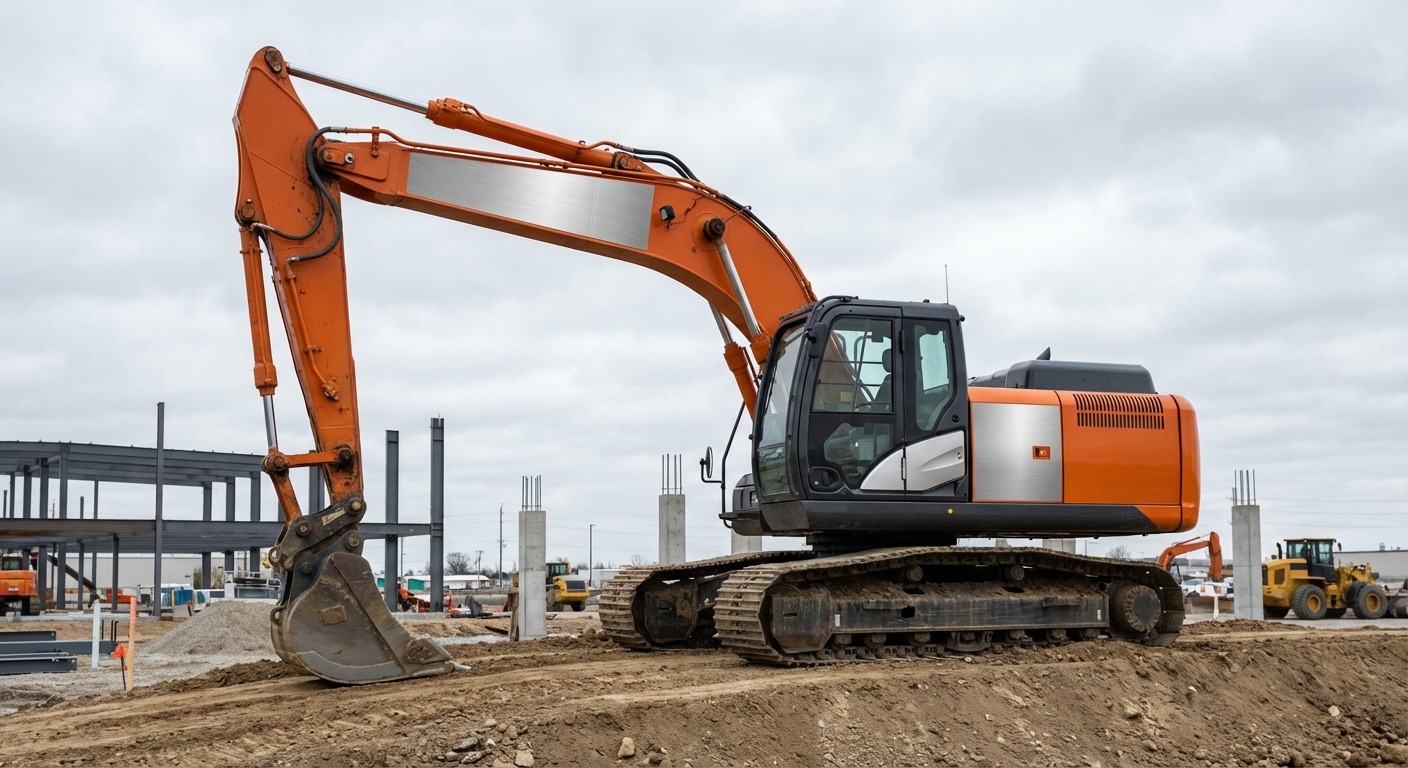
2028: New standards apply to engines above 560 kW (750 hp)—affecting large excavators, mining trucks, and heavy dozers.
2029: Standards extend to engines 56-560 kW (75-750 hp)—the most common construction equipment power range.
2030: Standards apply to engines 19-56 kW (25-75 hp)—compact equipment including skid steers and mini excavators.
2031: All remaining engine categories including smallest equipment.
This phased approach gives manufacturers time to develop compliant engine technologies while allowing the supply chain to adapt.
Technology Implications
Meeting Tier 5 requirements will require significant engine technology changes:
Enhanced Aftertreatment
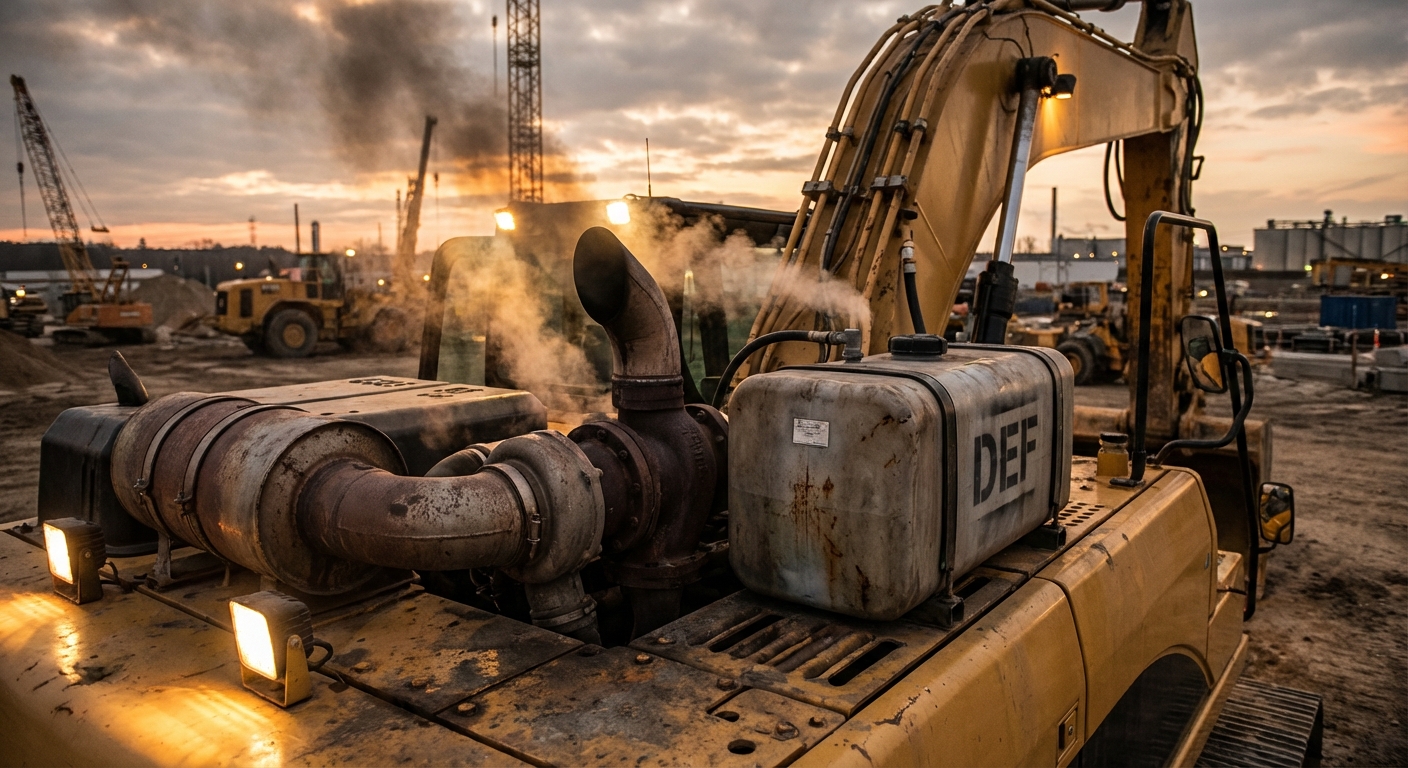
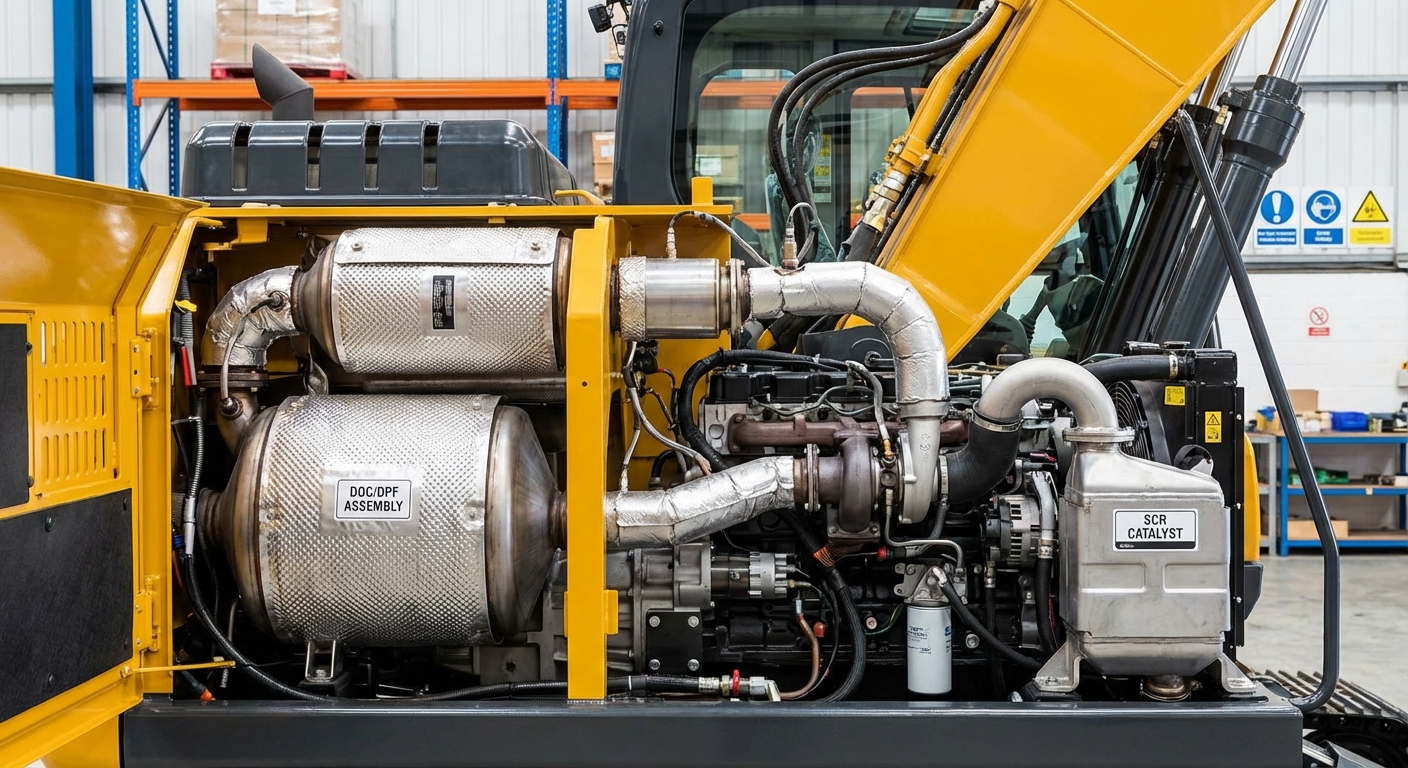
Current Tier 4 engines use diesel particulate filters (DPF) and selective catalytic reduction (SCR) to control emissions. Tier 5 will require more sophisticated aftertreatment systems, potentially including:
- Larger catalyst volumes
- Additional aftertreatment stages
- More precise urea injection systems
- Improved thermal management
Advanced Combustion
Some manufacturers are developing advanced combustion technologies that reduce engine-out emissions before aftertreatment. These may include:
- Higher injection pressures
- Advanced turbocharging
- Improved air handling
- Combustion chamber redesign
Electrification Acceleration
The stringent requirements may accelerate electric equipment development as manufacturers evaluate whether electrification is more practical than Tier 5 diesel compliance for certain equipment categories.
Cost Impact
Industry analysts project Tier 5 compliance will add 8-15% to diesel engine costs compared to Tier 4 Final. This cost will flow through to equipment pricing, though the exact impact depends on manufacturer pricing decisions and competitive dynamics.
Aftertreatment system costs will increase due to larger, more complex components.
Operating costs may increase due to higher urea consumption and potentially more frequent aftertreatment maintenance.
Fuel economy impacts are uncertain. Some technologies may improve efficiency while others may impose penalties.
Fleet Planning Implications
The Tier 5 timeline creates planning considerations for equipment buyers:
Pre-Regulation Purchases
Some contractors may accelerate equipment purchases before Tier 5 requirements take effect to avoid higher prices. This approach carries risks if Tier 5 equipment proves meaningfully better, but can provide cost savings for operations where the latest technology isn’t required.
Used Equipment Values
Tier 4 Final equipment may see residual value impacts as Tier 5 becomes standard. However, the used equipment market has historically absorbed regulatory transitions without dramatic value disruptions.
Technology Hedging
Given uncertainty about how manufacturers will achieve Tier 5 compliance, some contractors may prefer shorter ownership cycles that avoid committing to early-generation Tier 5 technology.
Industry Response
Equipment manufacturers have expressed mixed reactions to the final standards:
Association of Equipment Manufacturers (AEM) stated the timeline is “aggressive but achievable,” while advocating for flexibility in certain categories.
Major OEMs have indicated confidence in meeting requirements, though some have raised concerns about cost impacts and infrastructure requirements (particularly regarding urea availability in remote locations).
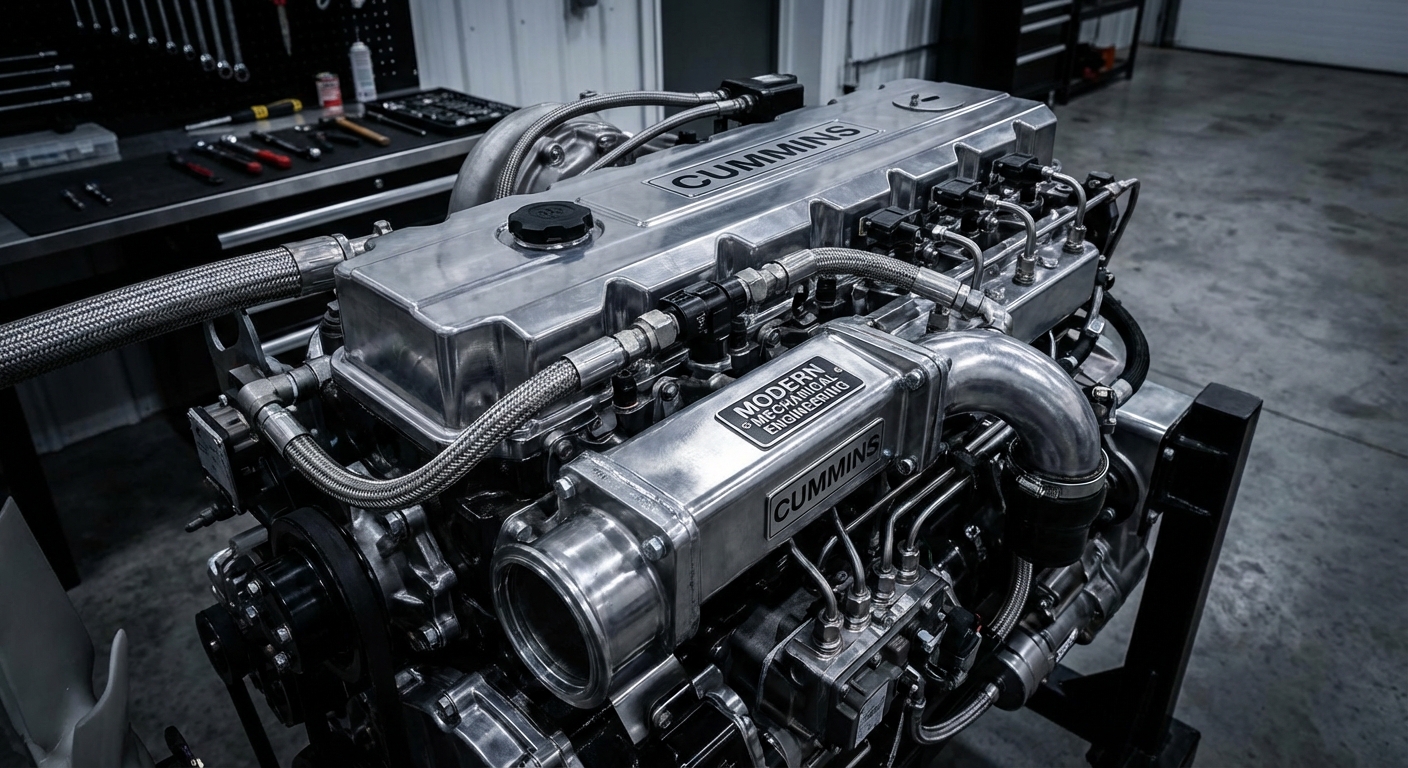
Engine manufacturers like Cummins and Caterpillar have announced development programs targeting Tier 5 compliance.
Maintenance Considerations
Tier 5 equipment will require attention to maintenance practices:
Aftertreatment maintenance will become more critical. Neglected emission systems can trigger derating or engine shutdowns, affecting productivity.
Fuel quality requirements may become more stringent, as some Tier 5 technologies are more sensitive to fuel contamination.
Telematics monitoring of emission system health will become standard, providing early warning of developing problems.
Technician training will be required to service more complex systems. Dealer service capabilities will need to expand.
State-Level Considerations
California’s Air Resources Board (CARB) is developing regulations that may exceed EPA Tier 5 requirements. Contractors operating in California should monitor CARB developments, as state regulations may require earlier compliance or more stringent standards.
Other states with clean air challenges may adopt CARB standards or develop their own requirements, creating a patchwork of compliance obligations for multi-state operators.
Looking Ahead
Tier 5 represents the latest chapter in the long-running tightening of off-road emission standards. The trajectory is clear: diesel engines will continue getting cleaner, and the technology required to achieve emission levels will continue adding cost and complexity.
For some equipment categories, electrification may ultimately prove more practical than continued diesel emission reduction. The competitive dynamics between cleaner diesel and electric alternatives will play out over the coming decade, influenced by both regulatory requirements and customer preferences.
Contractors should follow Tier 5 developments closely, engage with equipment dealers about technology timelines, and factor regulatory considerations into equipment acquisition strategies.
Equipment Insider will continue covering Tier 5 developments as manufacturers announce compliance strategies and equipment becomes available.