
OPINION: Stop Buying Attachments for Work You Haven't Sold
Too many contractors buy the grinder, planer, mulcher, or specialty head first and then pray the work shows up. That is not growth. That is trapping cash in iron and calling it a plan.
I see this mistake all the time.
A contractor gets one good call for a specialty job. Maybe it is stump grinding. Maybe cold planing. Maybe forestry mulching. Maybe brush cutting on a steep bank. He does one estimate, starts watching videos, calls a dealer, and three days later he is shopping attachments like the work is already lined up for the rest of the year.
That is backwards.
I run a land clearing company in Ohio. We use specialty equipment. I like specialty equipment. The right attachment in the right market can change a business fast. But there is a big difference between buying capability to serve steady demand and buying capability because you got excited for a week.
A lot of guys are doing the second one.
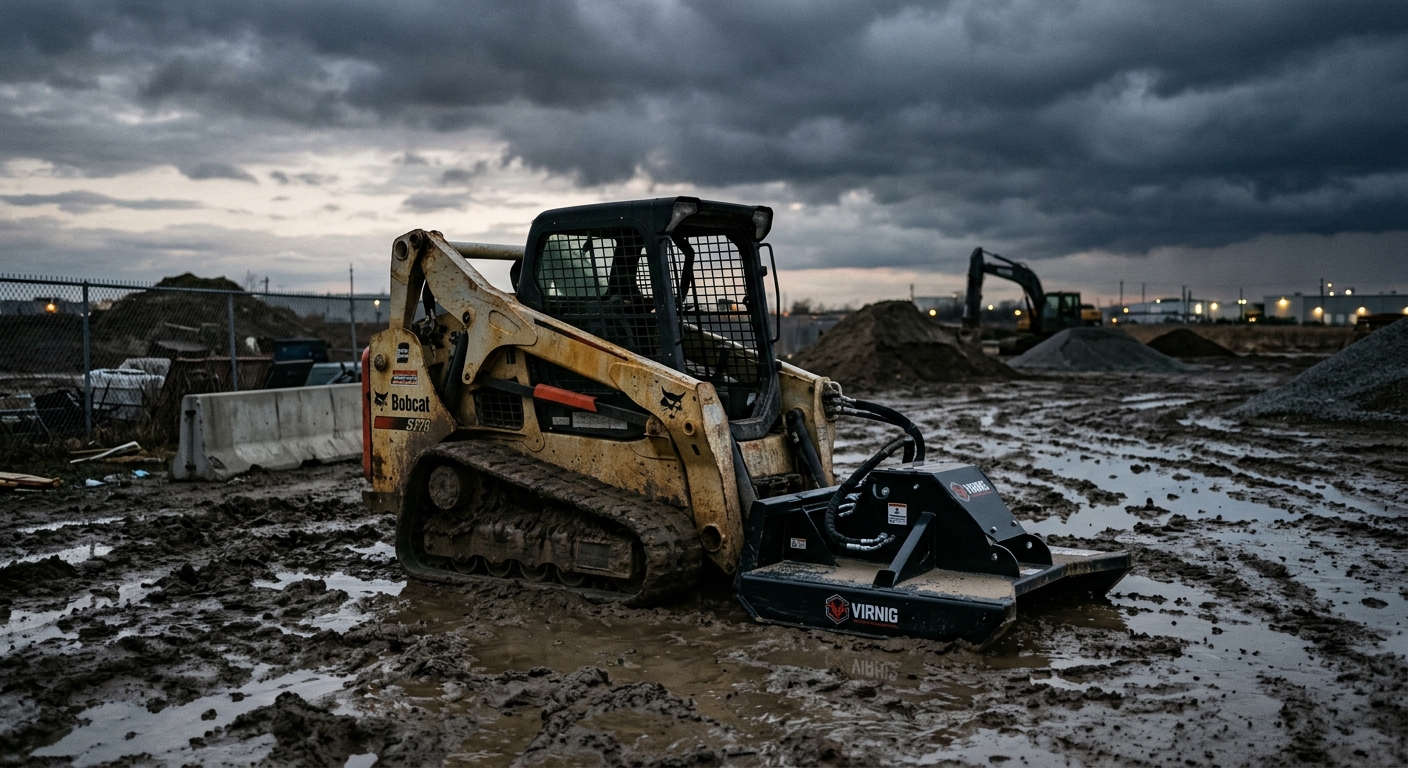
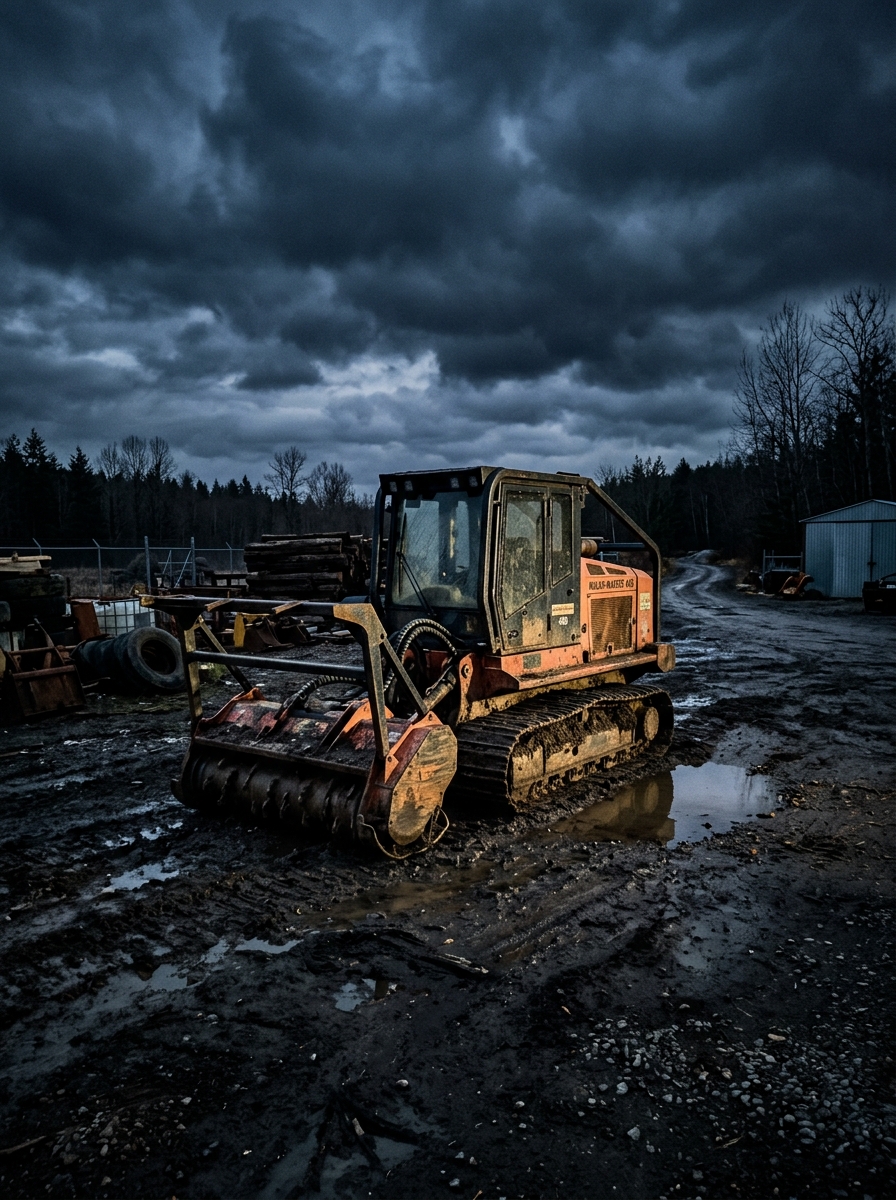
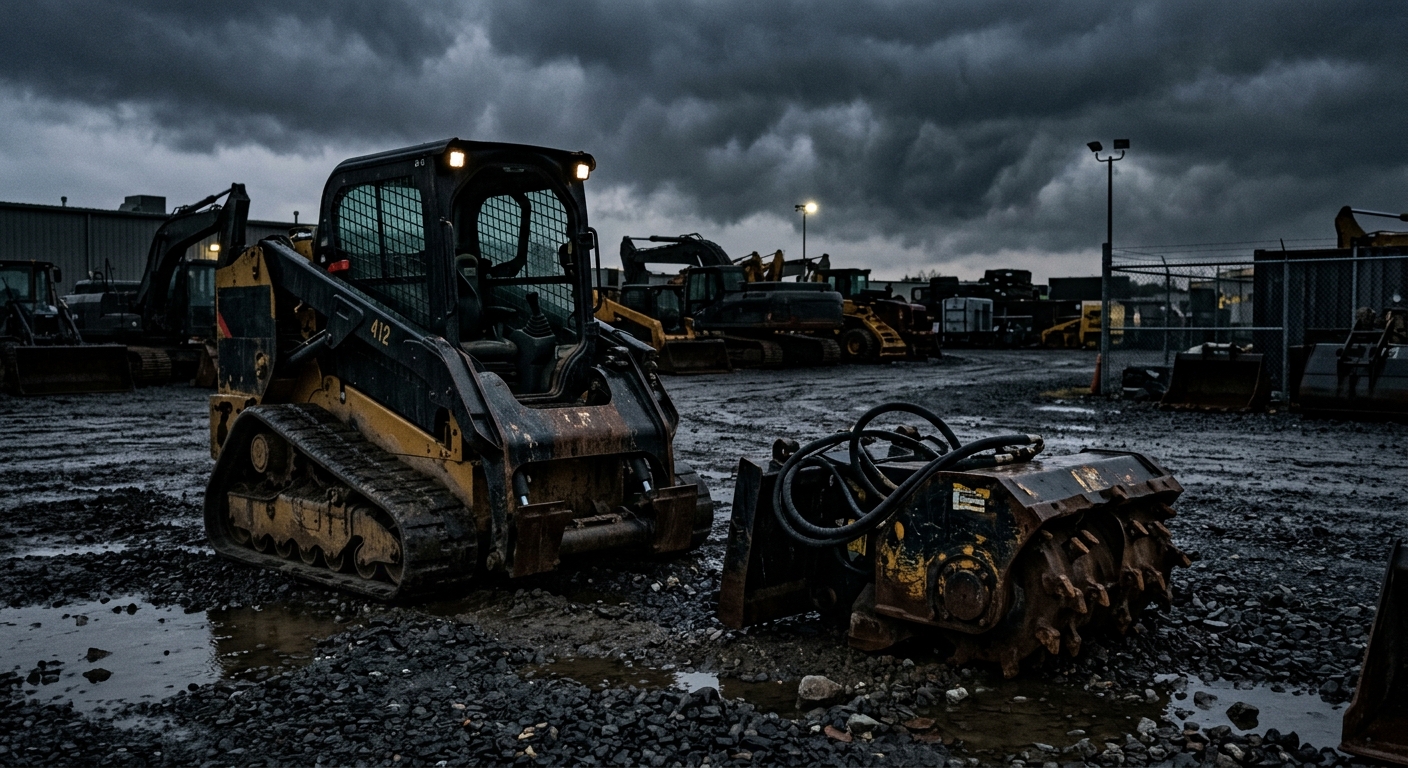
They buy the attachment first and go looking for the work after. Then six months later the thing is parked behind the shop, the payment is still hitting, and they are telling themselves it is an “investment.” No. It is proof that hope is not a sales system.
one job is not a market
This is where people get themselves in trouble.
They confuse interest with demand.
A homeowner asking if you can grind stumps is not demand. A builder asking about site cleanup once is not demand. A municipality wanting one weird roadside project is not demand. That is a lead. Maybe a useful one. Maybe not. But it is not enough to justify tying up twenty, forty, or eighty grand in iron.
I think a lot of contractors want the attachment to be the plan because it feels tangible. You can point to it, finance it, and post a photo of it. It feels like progress.
Actual demand is less fun. Demand means repeatable work. It means the phone keeps ringing without you having to explain the service from scratch every single time. It means you know who the buyer is, what problem you solve, how often they buy, what they are willing to pay, and how you are going to stay busy when the first wave of excitement wears off.
That work is slower and more boring, so people skip it.
Then they wonder why the new attachment is mostly a yard decoration.
contractors love buying optional overhead
I am convinced half this industry would rather buy something than build something.
Buying feels decisive. Building demand feels uncertain.
If you buy a mulching head, you get to tell yourself you are now in the mulching business. If you buy a planer, suddenly you are “expanding services.” If you buy a grinder, you are “opening a new revenue stream.”
Maybe.
Or maybe you just added fixed cost for work you have not earned yet.
That is what attachments really are when they are bought too early: optional overhead. You do not need them to keep current revenue alive. You bought them because you want future revenue. Fine. But future revenue needs to be a lot more than a vibe.
Optional overhead sneaks up on you. People look at the payment and stop there.
Let’s say you buy a used specialty attachment for $38,000. Monthly note is $780. Does not sound insane. Now add freight, couplers, hoses, teeth, extra wear parts, insurance, interest, and the fact that your crew runs slower while learning it. Now add the days it sits while you keep making the same old money with the same old services.
That attachment is not costing $780. It is costing attention, cash, and shop space.
And all of that stuff is scarcer than most owners think.
I have watched guys buy themselves into confusion
One of the fastest ways to screw up a small equipment business is to add too many service lines before the first ones are dialed in.
Now your website says you do clearing, grading, drainage, mulching, demolition, tree work, brush cutting, concrete removal, stump grinding, and maybe underwater welding by next Tuesday. Your marketing is muddy. Your operators are switching setups constantly. Your trailers are packed for five different versions of the business. Your maintenance list gets longer. Your sales calls get sloppier because you are talking about everything instead of the thing you actually do well.
This is how a lot of companies end up looking busy while making no money.
I would rather see a contractor do two services extremely well and sell them hard than own seven ways to be average.
Specialty attachments make this temptation worse because they create the illusion of competence. If the machine can run it, we start assuming the business can support it.
Those are not the same thing.
the social media version of this industry is part of the problem
A lot of people are buying attachments because the internet makes every niche look hot.
You see one guy on Instagram posting stump grinding clips. Another guy on YouTube is milling asphalt. Somebody else is clearing fence rows with a drum mulcher and talking about day rates like they print money. Everything looks clean and profitable because nobody posts the slow months, the dead leads, the bad teeth bill, or the fact that they only did eight of those jobs last quarter.
The camera always catches the attachment working.
It never catches the attachment waiting.
That waiting is what kills the math.
A specialty attachment can be a great tool when you have a line of sight to repeatable work. It is a terrible business model when the plan is basically, “Once people know I have it, they will call.”
No they won’t.
Customers do not buy because you own a thing. They buy because you solve a painful problem better, faster, or cheaper than the alternatives.
Owning the thing is the easy part.
rent first, then buy with your eyes open
This is my favorite filter because it cuts through a lot of ego.
Rent it first.
If you think a new attachment is going to unlock a service line, prove it with rental houses, sub-rentals, or a short-term deal with a dealer. Yes, that eats margin. Good. That is the point.
If the demand is real, you can survive thinner margin for a bit while you validate the work. If the demand is fake, renting lets you learn the lesson cheap.
I would much rather make a little less on the first five or ten jobs than buy an attachment based on confidence and find out the market barely exists.
Renting also forces cleaner math. When you rent, you feel the direct cost on each job. You price harder. You pay attention. You see very quickly whether customers actually accept the rates required to make the work make sense.
Buying too early hides that. Once the attachment is yours, people start playing accounting games with themselves.
“Well, we already have it, so we might as well do the job.”
That sentence has probably justified a lot of garbage work.
the real question is not “can I run it?”
Of course you can run it. Most contractors fixate on the wrong question.
Can the machine handle it? Can the flow handle it? Can the operator learn it? Can we transport it? Can we mount it?
Fine. Those matter.
But the bigger question is this: can your market keep it busy at a rate that actually improves the business?
Not gross revenue. Real improvement.
Does it give you better customers?
Does it smooth seasonality?
Does it increase average ticket size on jobs you already sell?
Does it make your current crew more productive?
Does it create enough margin to cover the purchase, maintenance, training, and downtime risk?
Can you point to at least a handful of likely buyers right now, by name, not in theory?
If the answers are vague, the purchase is probably emotional.
That does not mean the attachment is bad. It means the timing is bad.
bundling beats branching
In my experience, the smartest attachment buys usually do one of two things.
They either deepen a service you already sell all the time, or they bundle naturally into jobs you already win.
That is a lot different than branching into a whole new identity.
For example, if you already clear land every week and adding a specific head helps you handle a larger percentage of the vegetation on those same jobs, that can make sense. If you already do site prep and a grading attachment shortens the finish work on projects you already own, that can make sense.
But if you are mostly a grading contractor and now you want to buy a specialty mulcher because one person asked about cedar clearing, slow down.
You are not buying efficiency. You are buying a new sales problem.
And new sales problems are usually more expensive than attachments.
cash trapped in iron is still cash gone
A lot of owners talk themselves into attachment purchases because they think they are building assets.
Sometimes they are.
A lot of times they are just turning working capital into parked steel.
That matters more than people admit.
Cash in the bank can cover payroll, float receivables, grab a good used machine when one pops up, fix a truck, survive weather, or let you say no to a desperate low-margin job. Cash trapped in a specialty attachment that works twice a month cannot do any of that.
And when you need the cash back, selling used attachments is not always quick or painless. Everybody thinks their attachment is worth top dollar because it has “low hours.” Meanwhile the market is thin, freight is annoying, and buyers only show up when they smell blood.
So now the same purchase that was supposed to create flexibility actually made you less flexible.
That mistake does not look fatal in one decision. It becomes fatal when you stack three or four of them.
what I would do before buying
If I were looking at a specialty attachment tomorrow, this is the checklist I would use.
First, I would ask how many times I lost a job in the last twelve months because I did not own this attachment.
Not how many times I could imagine using it. How many times I actually lost profitable work.
Second, I would ask how many current customers would buy this service again in the next year.
Third, I would rent or subcontract the work first until I had enough real jobs to see a pattern.
Fourth, I would figure out whether the attachment helps the core business or distracts from it.
Fifth, I would ask whether that same cash would create a better return somewhere less exciting. Better marketing. Another operator. A cleaner website. More direct mail. Faster turnaround in the shop. Most of the time, the boring answer wins.
That is the part people hate.
The boring answer usually makes more money than the sexy attachment.
the takeaway
I am not anti-attachment. I am anti-buying things just because you are tired of hearing no.
If the work is there, if you know the buyers, if you have tested the pricing, and if the attachment strengthens what your business already does well, go get it.
But if the plan is basically, “I will buy it and then figure out how to keep it busy,” that is not a plan. That is a gamble with hydraulics.
Sell the work first.
Then buy the tool.
In this industry, that order matters a lot more than people want to admit.