
OPINION: The Insurance Racket Is Eating Your Margins
Insurance costs for equipment operators are out of control and nobody talks about it. Between GL, equipment, auto, workers comp, and umbrella policies, you're paying more to be insured than to run your machines.
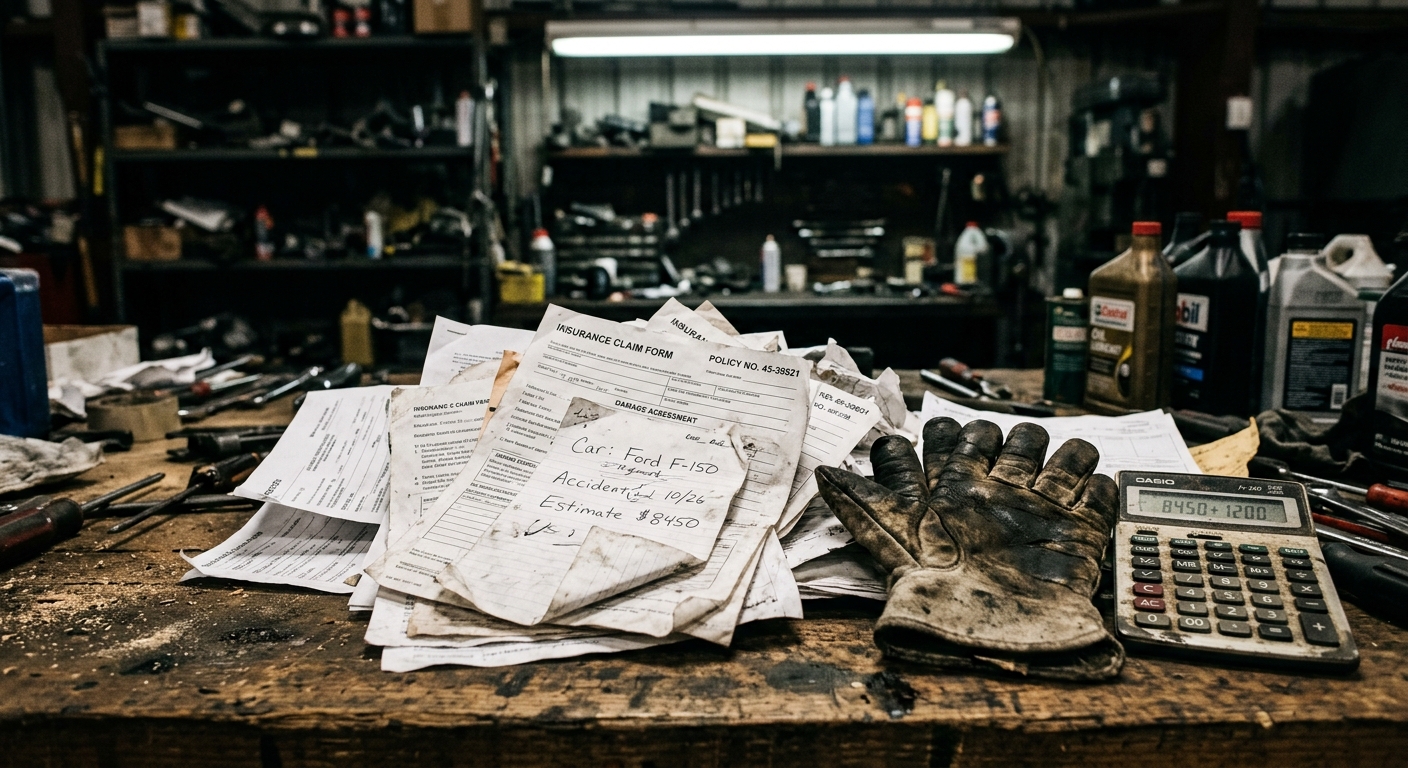
I grew up baling hay and learning how to push a root rake through stubborn soils. I started a land-clearing company with more grit than cash and learned early that margins aren’t saved in the bush hog, they’re saved in how you handle risk. Today, running two crews across Ohio while juggling a parts shelf that looks like a small hospital, I’ve learned this: insurance isn’t a shield, it’s a leak with a bad mood. And if you don’t treat it like a cost of doing business, it will eat your margins from the inside out.
Let me start with the obvious. If you’re running equipment operators, you know the word“insurance” is not a single line item on your P&L. It’s a multi-headed monster that grows with every mile of road, every hour of machine time, every employee you bring on, and every claim you could potentially face. The most maddening part isn’t the monthly bill—it’s the lack of transparency about what you’re actually paying for and why it costs what it does.
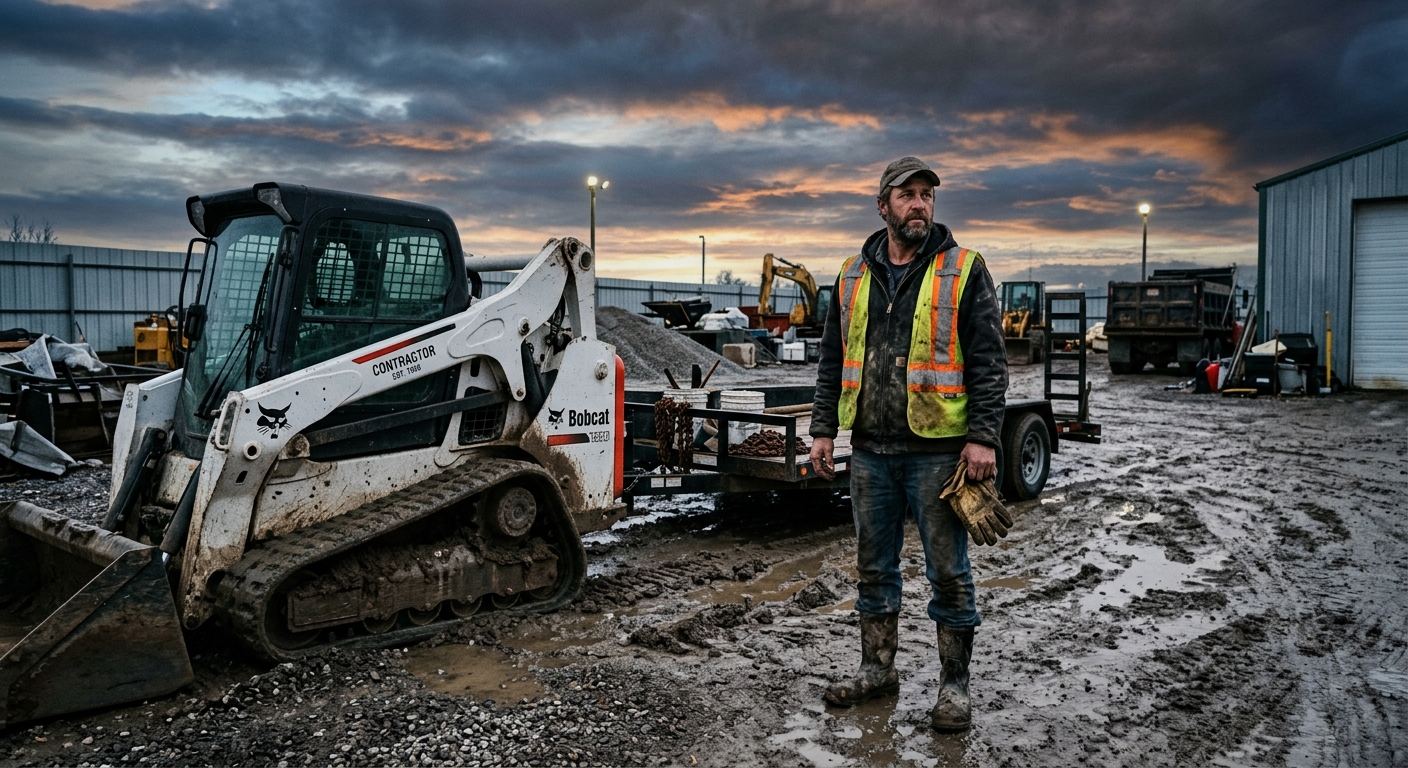
I speak from the trenches. We’ve watched GL, workers comp, auto, and umbrella policies all crawl up in a single calendar year. Our fleet has four machines at peak season: a Takeuchi TL12 V2, a couple Bobcat T770s, and a compact skid-steer that runs more hours than a nightclub bartender during spring, summer, and fall. Each machine wears a different risk profile: a hydraulic line snags on a tree, a rock slips, a blade catches a root and yanks a shoulder out of alignment. It’s not fun to count the cost after it happens; it’s worse to realize you should have locked in a better rate before the numbers started to bite.
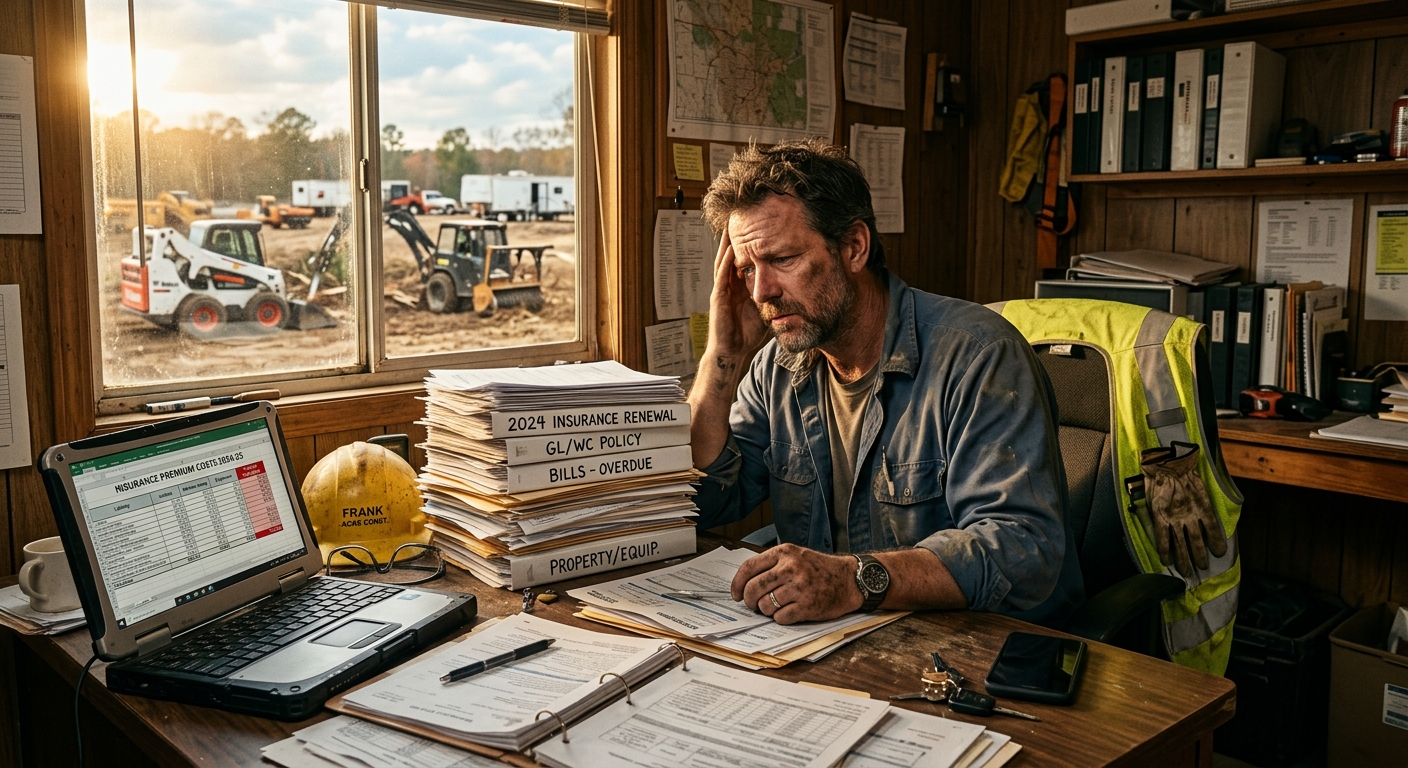
The problem is not just the numbers; it’s the predictability. Insurance pricing for our industry isn’t just about blanket risk. It’s about a patchwork quilt of underwriters who know nothing about how we actually work, and a broker who can’t explain why the premium went up by 14% this year with no clear justification. The experience mod, the GL rating, the workers comp class codes—the entire system feels elastic, squirting around a budget that’s already stretched thin by fuel, maintenance, and parts.
I’m not here to villainize insurers. I’m here to tell you what to demand and how to restructure your thinking so insurance stops being a perpetual drag on profits.
First, quantify the true cost of risk, not the cost of coverage. This is not a philosophical exercise. It’s a math problem with real consequences. We started by mapping every hour we run, every machine, every crew, and every site with a risk profile. We asked: what would it cost us if a claim happened on a good dirt road with a clean operator who’s trained but still human? What if it happens on a steep hillside with a chain-link guard and a weather event we can’t control? Once you put those scenarios on a spreadsheet, the insurance numbers stop feeling mystical. They become a lever you can pull with decisions—like maintenance, training, and yard discipline—that can push your premium down because you’re actively reducing risk.
Second, invest in training as a cost-control measure, not a checkbox. We built a Saturday-morning training cadence with our crews where we simulate missteps that lead to severed lines, pinball bounces off guard rails, and sudden machine stalls. We don’t just say “be careful.” We walk through the cost of an avoidable claim: the premium spike the next year, the deductibles you’re responsible for, the downtime when a machine is immobilized, and the cascade of overtime that cuts your margins. The ROI isn’t in invented safety anecdotes; it’s in numbers. If a well-structured program reduces claims by even 1 or 2 per year, you’ve paid for training several times over. And it’s not just the underwriter who notices—your foremen start bragging about low incident rates, your crews sleep better, and clients notice your reliability.
Third, push for coverage that actually aligns with your operations. You’re not a manufacturing plant with a single product line; you’re a mobile service that moves from site to site, often in rural or semi-rural settings where terrain is unpredictable and access is challenging. Sky-high premiums for garaged, warehouse-style risk models don’t fit. Work with a broker who understands heavy equipment, the state of Ohio’s terrain, and the realities of the jobs you quote. Seek policies that reward mitigations you can prove: regular maintenance logs, telematics that show your routes aren’t reckless, and documented safety training. These aren’t fluff extras—they’re the difference between a premium you can live with and a premium that ruins cash flow during your busiest months.
Fourth, implement a risk-adjusted pricing strategy with your customers. It sounds cynical, but if you’re fighting the insurance monster, you need to bake risk into your bids in a transparent way. I’ve found that customers respect a well-explained price that includes a line item for “risk mitigation and insurance resilience.” It communicates professionalism and a clear understanding that you’re not simply turning wrenches for a paycheck—you’re managing a multi-faceted business where risk is baked into the project from day one. It also prevents the dreaded “surprise” add-ons when the job is already underway.
We’re not living in a world where insurance costs are going to drop dramatically. The carriers have their reasons, the regulators are involved, and the overall risk environment is not going to magically become cheap. But there are patterns that can help you protect margins without cutting corners on safety or coverage.
Let me give you a few concrete examples from our own shop, because numbers don’t lie, and they’re what keeps us honest:
- Example 1: Our GL policy increased by 9% year over year. The driver isn’t the trend alone; it’s the combination of rising medical costs, higher containerized cargo exposure along our routes, and a general market tightening. We responded not by crying about it but by tightening up preventive maintenance, tracking near-miss incidents, and pushing for cost-sharing measures with our customers when risk is elevated. The net effect: we shaved a point or two off the rate by showing we’re controlling what we can control.
- Example 2: Workers’ comp premiums jumped because of a few “glorious” slips where a guardrail got damaged and the operator bruised a shoulder. We didn’t pretend the incident didn’t matter; we addressed root causes: better PPE, a closer on-site supervisor, and a mandatory pre-shift huddle that addresses site-specific hazards. Result: a modest but real improvement in mod rating and a lower tier for the next renewal.
- Example 3: A customer’s project required a longer-haul move over rough terrain. Insurers flagged it as high risk. We negotiated a clause that required a dedicated safety escort, staged loading, and a maximum speed on certain roads. The premium didn’t disappear, but the incremental risk was mitigated, and the project still penciled out because we could demonstrate disciplined risk management.
We also learned a hard truth about the insurance world: you don’t win by out-pricing the other guy on a single bid. You win by building a business that is boringly consistent. Boring is the enemy of volatility in pricing. If you can show a history of safe operation, consistent maintenance, and disciplined scheduling, you’ll protect margins better than any clever bid strategy. Oversimplified: it’s not a lottery; it’s a system, and you can influence the odds.
What would I do differently if I started over today, given everything I’ve learned about insuring a fleets of machines and teams in this space?
First, I’d insist on in-house risk auditing. The broker is a great ally, but you can’t outsource your own risk awareness to someone with a spreadsheet and a phone. We built a quarterly risk audit that looks at maintenance logs, incident reports, telematics, driver training, and job-site risk registers. If something looks off, you fix it before it becomes a deductible hit or a claim event.
Second, I’d work with customers to align expectations from the start. If you’re quoting a project that carries elevated risk, you should be explicit about that risk and how it’s mitigated. You’ll build trust and you’ll avoid the post-hoc blame game when something goes wrong.
Third, I’d push for coverage innovations that reflect reality. No more “one size fits all” policies that treat your fleet like a single unit. You need tiered coverage that scales with risk and a policy structure that rewards proactive maintenance and training. If your broker can’t offer that, you’re probably talking to the wrong broker.
And a practical bottom line: you can do all this without becoming uninsurable. You don’t have to cannibalize your margins with six-figure premiums to stay compliant with state laws and lender requirements. You just have to be deliberate about how you run your business, how you present risk, and how you negotiate with both clients and underwriters.
The takeaway for operators is simple: own your numbers, own your risk, and own your pricing. Insurance is not a passive cost; it’s a negotiation point in your overall business model. If you treat it that way, the margins you protect won’t just survive the next renewal season—they’ll thrive because you’re running a disciplined operation with transparent risk management.
If you’re an operator who’s tired of insurance eating your margins, here’s the practical playbook I’d give you today:
- Create a real-time risk dashboard that captures maintenance, incidents, and telematics. Make it visible during bidding and in pre-job planning meetings.
- Build a robust pre-job risk assessment that identifies site-specific hazards and documents mitigations. Tie this to a measurable reduction in risk scores.
- Negotiate with insurers for discounts tied to demonstrated risk reductions. Don’t accept blanket rate increases; push for rate reduction when you reduce claims.
- Offer clients a risk-adjusted bid that doesn’t apologize for the price but explains the logic behind risk mitigation and safety investments.
- Invest in training and equipment maintenance. It’s not optional; it’s a strategic lever to protect your margins.
This isn’t a sermon about doom and gloom. It’s a practical field guide for operators who want to stay in business, keep families fed, and build something that lasts beyond the next boom cycle. Insurance is a battle you can win, but only if you’re willing to do the dirty work of risk management and honest pricing.