The Great Reshoring: How Equipment Manufacturers Are Bringing Production Back to American Soil
A wave of domestic manufacturing investments is reshaping the heavy equipment supply chain, with billions flowing into U.S. facilities as companies seek to reduce vulnerabilities and meet surging demand.
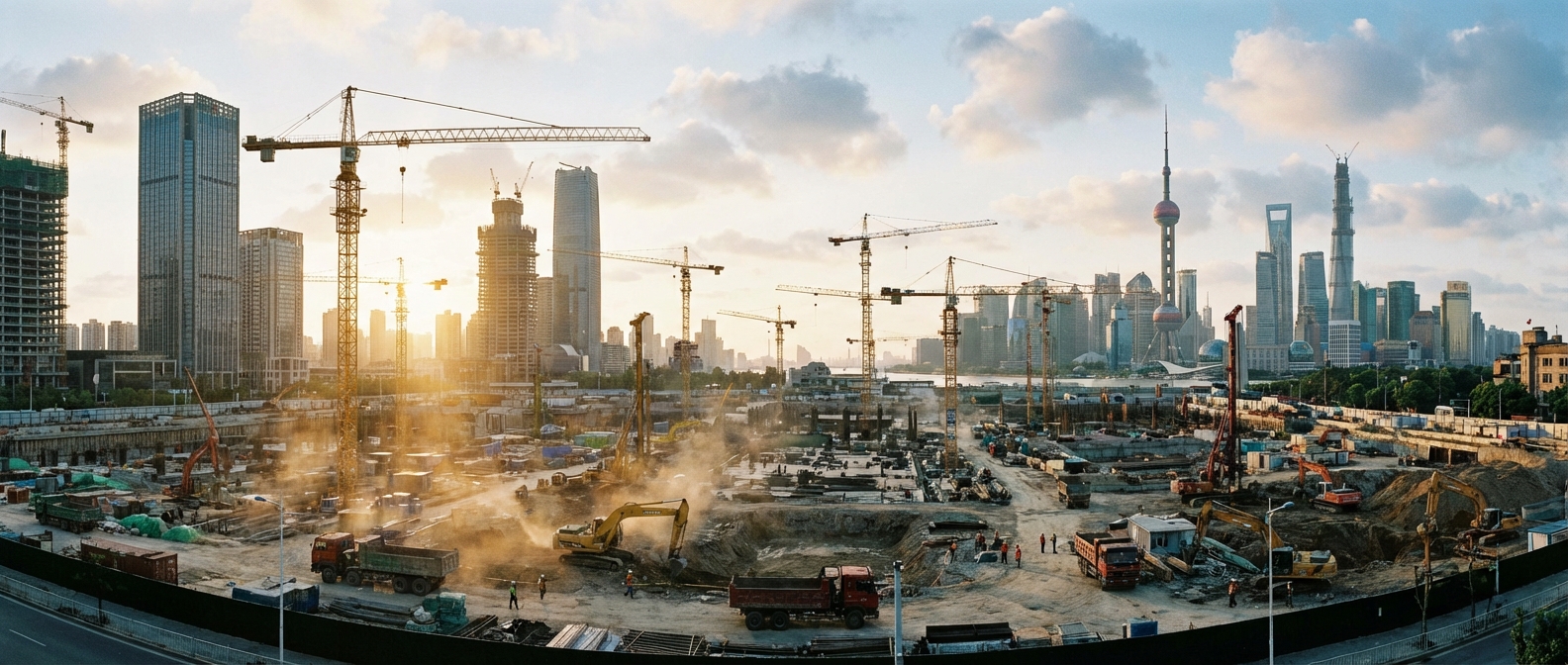
The heavy equipment industry is experiencing a seismic shift in manufacturing strategy. After decades of offshoring production to Asia and other low-cost regions, major manufacturers are pouring billions into American facilities. This trend—known as reshoring—represents more than a simple change of address. It signals a fundamental reimagining of how construction and agricultural equipment reaches the operators who depend on it.
Editor’s Note: Track Your Equipment ROI
Whether your machines were built in Tokyo, Tennessee, or Toronto, understanding their true cost-per-hour is essential for making smart business decisions. FieldFix helps equipment owners track maintenance, log service history, and calculate real operating costs—giving you the data you need to maximize ROI on every piece of iron in your fleet.
The Numbers Tell the Story
The scale of domestic manufacturing investment is staggering. Industry leaders have committed over $25 billion to U.S. production facilities over the next decade, with completion dates clustering around 2026 and 2027. These aren’t minor expansions or cosmetic upgrades—they’re ground-up factories equipped with advanced robotics, artificial intelligence, and next-generation assembly lines.
The heavy construction equipment market is projected to grow from $215.46 billion in 2025 to $229.82 billion in 2026, representing a compound annual growth rate of 6.7%. Manufacturers are positioning themselves to capture this growth with production capabilities closer to their largest customer base.
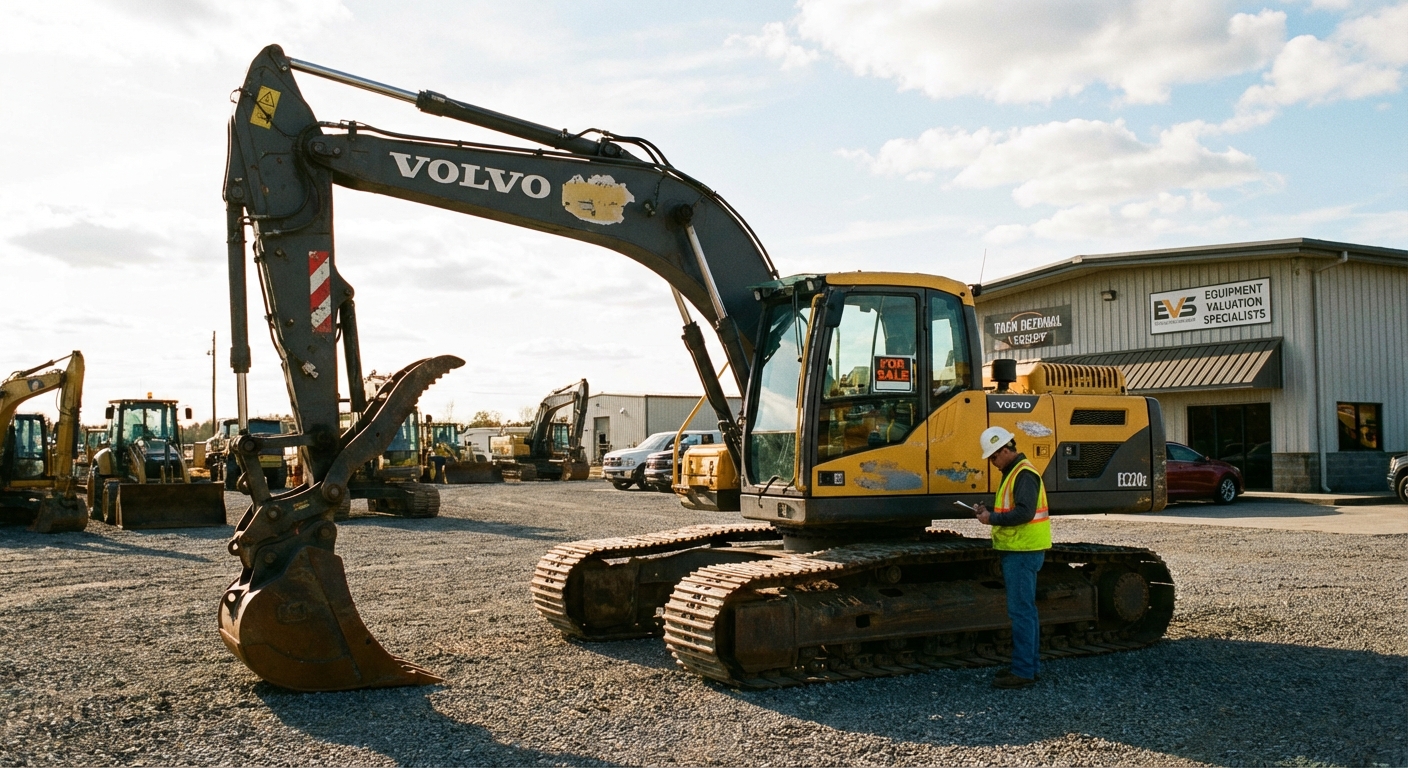
One particularly striking example: a major equipment manufacturer recently announced a $70 million investment in a North Carolina facility that will shift excavator production from Japan to American soil. The factory, expected to employ more than 150 workers, represents a classic case of repatriation driven by supply chain necessity rather than mere patriotism.
Why Now? The Forces Driving Reshoring
Supply Chain Vulnerability
The pandemic years exposed critical weaknesses in global supply chains. Equipment dealers watched helplessly as ships sat anchored outside ports, container costs quadrupled, and lead times stretched from weeks to months. A excavator that previously took 90 days to arrive from overseas suddenly required nine months or more.
These weren’t theoretical concerns—they were existential threats to dealer relationships and contractor schedules. Projects stalled. Relationships frayed. The true cost of geographic distance became impossible to ignore.
Currency and Trade Dynamics
Currency fluctuations have always complicated international manufacturing, but recent volatility has amplified the risk. A machine priced competitively when the yen trades at one level becomes either unprofitable or overpriced when exchange rates shift. Domestic production eliminates this variable entirely.
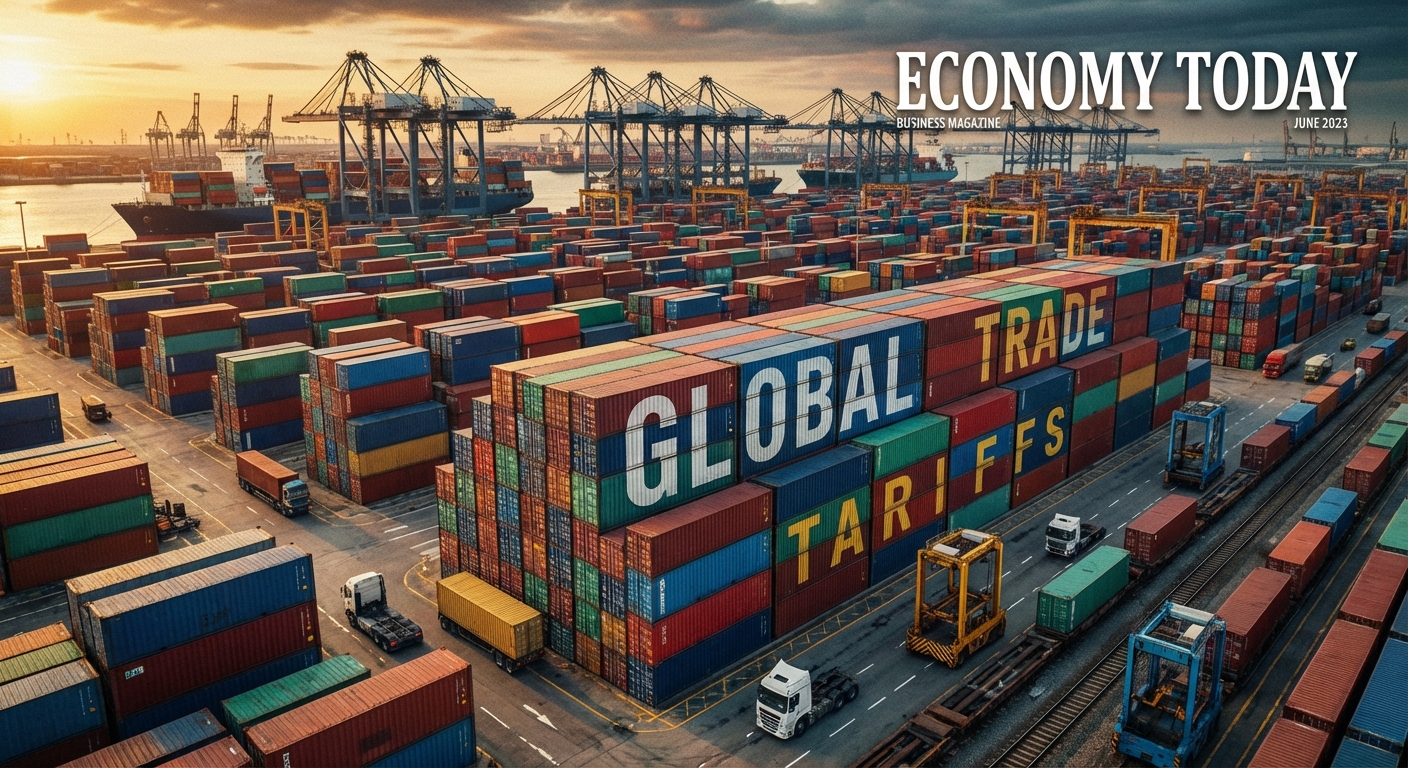
Trade tensions add another layer of uncertainty. Tariffs—both existing and threatened—create planning nightmares for manufacturers trying to forecast costs five or ten years into the future. Building in America provides a hedge against policy changes that no one can predict.
The Data Center Explosion
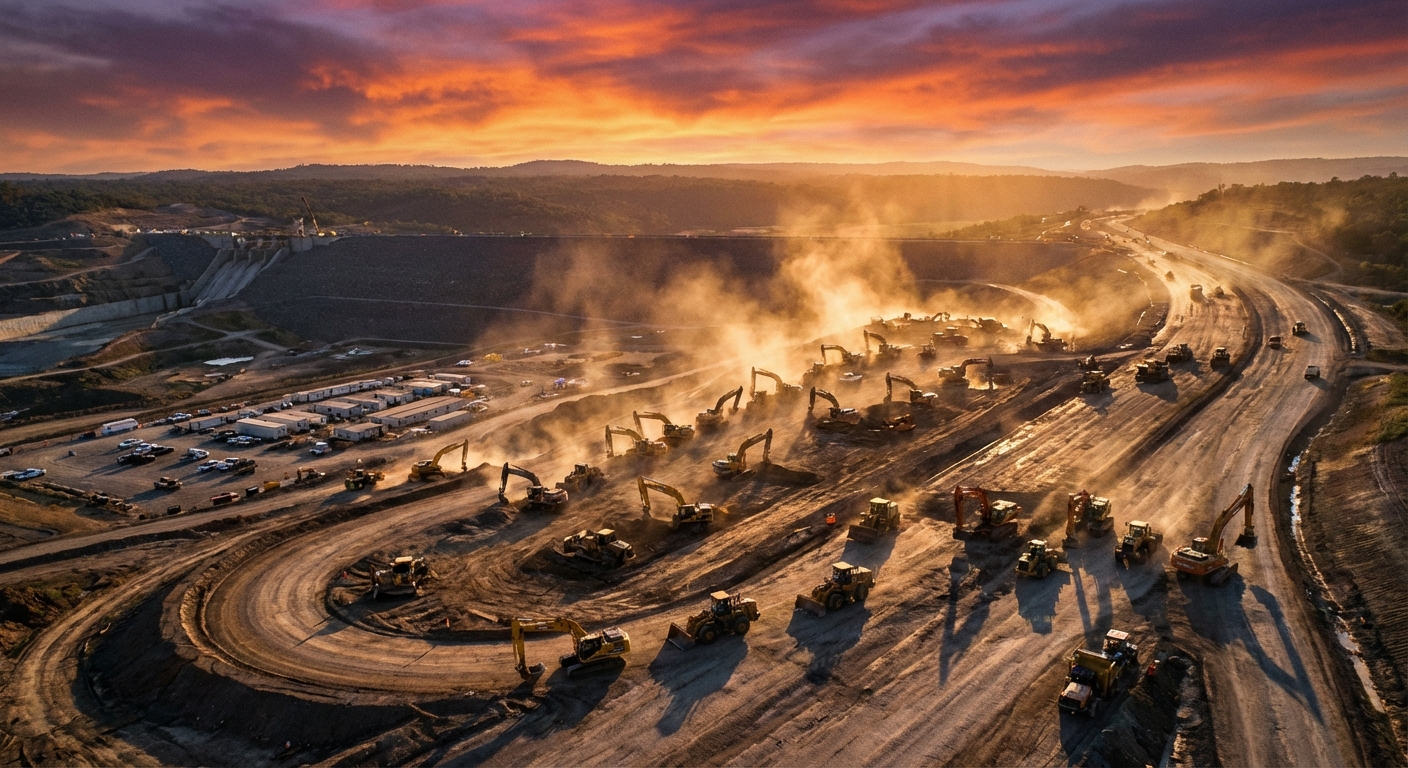
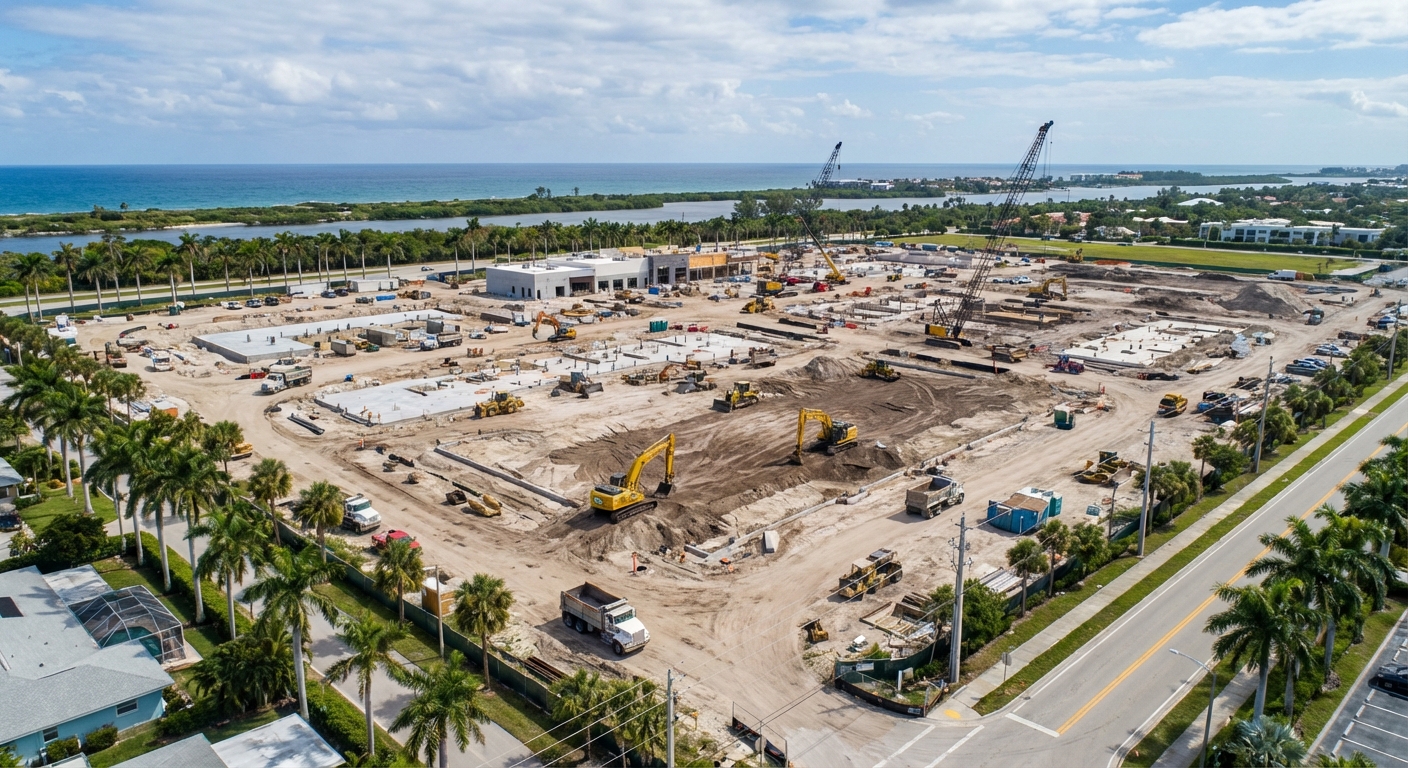
Perhaps no factor has accelerated reshoring more than the explosive growth in data center construction. Hyperscale facilities require massive earthmoving operations, and they require them fast. Cloud computing giants aren’t known for patience.
Data center projects have emerged as a dominant force in equipment demand, with some of the largest technology companies committing hundreds of billions to new facilities over the coming decade. When a single project might require dozens of excavators, wheel loaders, and articulated haulers, proximity to production becomes a competitive advantage.
A machine built in Indiana can reach a data center construction site in Virginia within days. A machine built overseas might not arrive for months—if shipping capacity is even available.
What Reshored Facilities Look Like
These aren’t your grandfather’s equipment factories. The new generation of American manufacturing facilities bears little resemblance to the plants of previous decades.
Advanced Automation
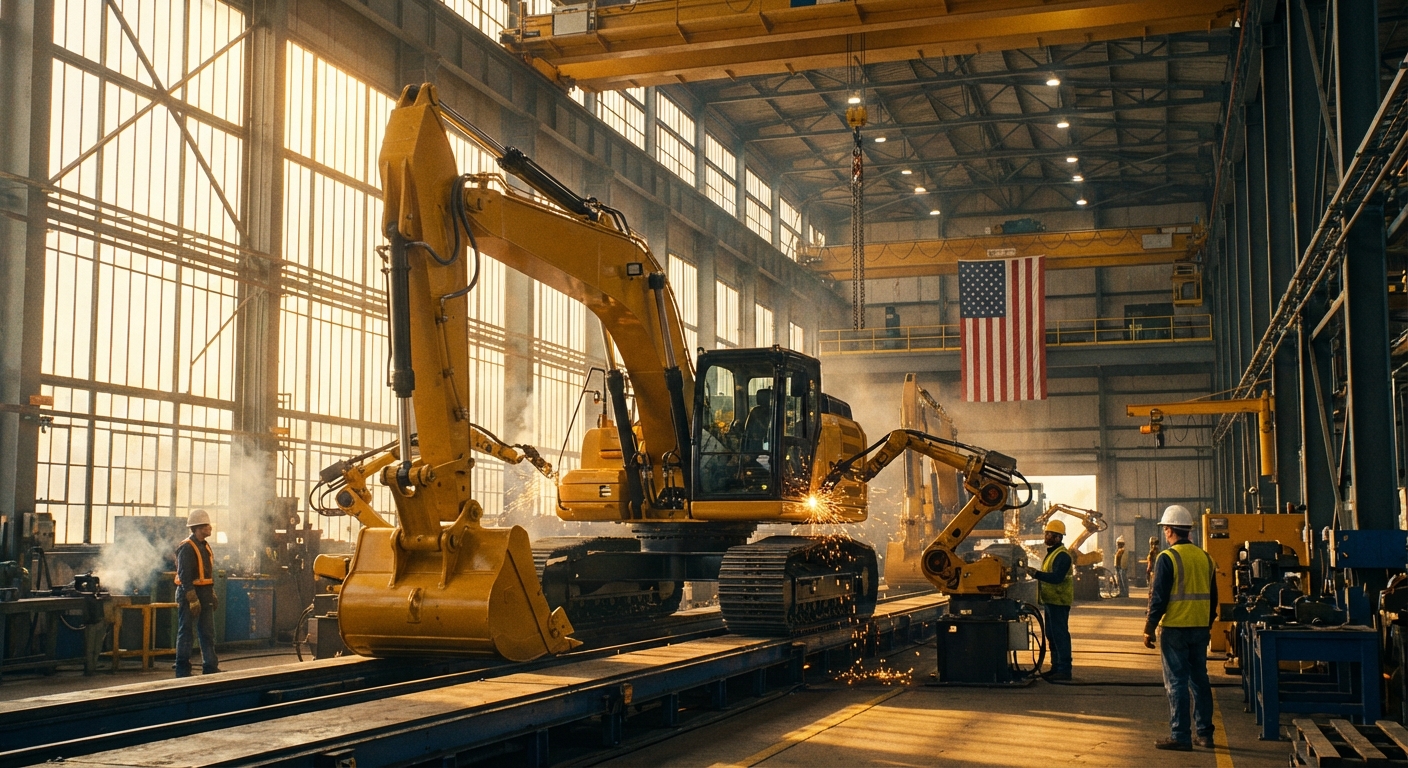
Modern equipment factories rely heavily on robotic welding, automated material handling, and computer-controlled machining. This technology reduces labor requirements per unit produced while dramatically improving consistency and quality. A welding robot doesn’t get tired at the end of a shift. It doesn’t have a bad day that results in substandard welds.
Digital Twin Integration
Manufacturers are increasingly using digital twins—virtual replicas of physical production lines—to optimize operations before a single piece of steel is cut. These simulations identify bottlenecks, test layout changes, and predict maintenance needs with remarkable accuracy.
The same technology extends to the equipment itself. Machines designed with digital twin support can be monitored throughout their operational lives, with performance data feeding back to improve future designs.
Flexible Production Lines
Unlike traditional assembly lines designed for single models, modern facilities can switch between product configurations with minimal downtime. This flexibility allows manufacturers to respond quickly to market shifts without maintaining separate production lines for every variant.
When demand for compact excavators spikes while full-size units slow, a flexible facility can adjust. A traditional factory might be stuck producing machines nobody wants to buy.
The Workforce Challenge
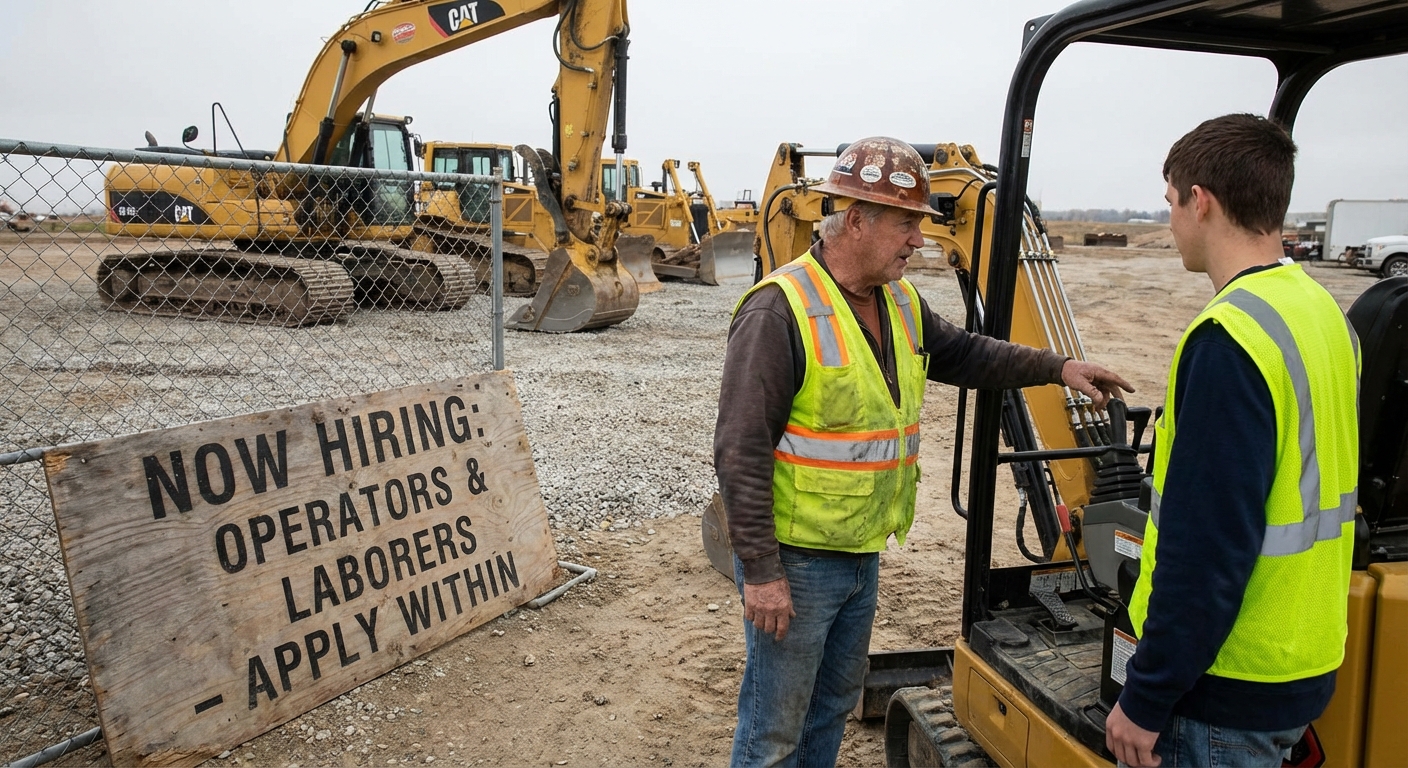
Reshoring creates jobs—that much is certain. But filling those positions presents its own challenges. The manufacturing workforce of 2026 requires different skills than the workforce of 1986.
Technical Training
Operating a robotic welding cell isn’t like running a manual welding torch. Programming CNC machines requires computer literacy that previous generations of factory workers never needed. The skills gap is real, and manufacturers are investing heavily in training programs to bridge it.
Community college partnerships have become essential. Some manufacturers are funding entire programs at local technical schools, creating pipelines of trained workers ready to step into positions as soon as facilities open.
Competing for Talent
The same workers who can run advanced manufacturing equipment are also courted by aerospace companies, automotive plants, and technology manufacturers. Heavy equipment makers can’t assume qualified workers will simply show up—they have to compete for talent with compensation packages, career development opportunities, and quality of life considerations.
Location matters more than ever. A factory in a region with affordable housing, good schools, and recreational opportunities has advantages that a facility in an expensive metro area might lack.
Implications for Equipment Buyers
What does reshoring mean for the contractors, land clearers, and earthmovers who actually operate this equipment?
Potentially Shorter Lead Times
Domestic production should eventually translate to faster delivery once facilities reach full capacity. When your next excavator is built 500 miles away instead of 5,000 miles away, the logistics simplify dramatically.
This benefit won’t appear overnight. New factories take time to ramp up, and supply chain adjustments ripple through systems gradually. But the long-term trajectory points toward more predictable availability.
Parts and Service Improvements
Domestic manufacturing often brings domestic parts production along with it. Components previously sourced from overseas suppliers may increasingly come from American plants, reducing the lag when something breaks.
Service networks can also improve when technical expertise doesn’t have to cross oceans. Training programs, technical bulletins, and specialized tools all flow more easily when production happens locally.
Price Stability
While domestic production doesn’t necessarily mean lower prices—American labor costs more than labor in many manufacturing regions—it can mean more stable prices. Eliminating currency risk and reducing shipping cost volatility should translate to more predictable equipment pricing over time.
Regional Manufacturing Hubs
Reshoring isn’t spreading evenly across the country. Certain regions are emerging as equipment manufacturing centers, building on existing industrial infrastructure and workforce capabilities.
The Southeast Surge
States like North Carolina, Tennessee, and Georgia are attracting significant investment. These regions offer relatively lower costs than traditional manufacturing centers in the Midwest, strong logistics networks, and growing populations of skilled workers.
The presence of automotive manufacturing has created a foundation of precision manufacturing expertise that translates well to equipment production. Workers who know how to build trucks often adapt quickly to building excavators.
Midwest Resilience
Traditional equipment manufacturing regions in Illinois, Iowa, and Wisconsin aren’t giving up their positions without a fight. These areas retain deep institutional knowledge, established supplier networks, and workforces with generations of equipment building experience.
Investment in existing facilities often makes more economic sense than building from scratch, and several major manufacturers are choosing to expand current operations rather than relocate.
Texas Expansion
The sheer scale of construction activity in Texas—combined with favorable business conditions—is drawing manufacturing attention. Equipment built in Texas can serve not only the massive local market but also reach customers across the southern United States efficiently.
The Global Picture
Reshoring doesn’t mean abandoning international markets. Equipment manufacturers remain global companies selling to customers on every continent. But the balance is shifting.
Production for the North American market increasingly happens in North America. European facilities serve European customers. Asian factories focus on Asian demand. This regionalization represents a middle path between full globalization and pure nationalism.
Some components will continue crossing borders regardless. Specialized electronics, certain hydraulic components, and rare earth materials required for modern equipment don’t exist in sufficient quantities everywhere. Complete supply chain independence remains more aspiration than reality.
What Comes Next
The reshoring trend shows no signs of slowing. If anything, each new investment announcement seems to prompt competitors to accelerate their own plans. No manufacturer wants to be caught dependent on overseas production while rivals can deliver from domestic plants.
Industry analysts project that the share of heavy equipment sold in North America that’s also manufactured in North America will increase significantly over the coming decade. The exact percentages vary by equipment category—some types are easier to produce domestically than others—but the direction is consistent.
For equipment operators, the transformation happening in factories they’ll never see will eventually reach their jobsites in the form of better availability, more responsive service, and potentially more stable pricing. The machines themselves may look identical to previous generations built overseas, but the story of how they reached American soil will be fundamentally different.
The great reshoring isn’t just a manufacturing story. It’s a supply chain story, a workforce story, and ultimately a story about how the equipment industry is adapting to a world that looks very different than it did a decade ago. The companies that navigate this transition successfully will shape the industry for decades to come.
Equipment Insider provides independent analysis of trends affecting the heavy equipment industry. Our coverage focuses on helping operators and fleet managers make informed decisions about the machines they depend on.