
The Technician Shortage Is Becoming a Fleet Strategy Problem
Heavy equipment owners are used to thinking about machine availability, financing, fuel, and resale. The harder constraint in 2026 may be simpler: who is qualified to keep the iron working.
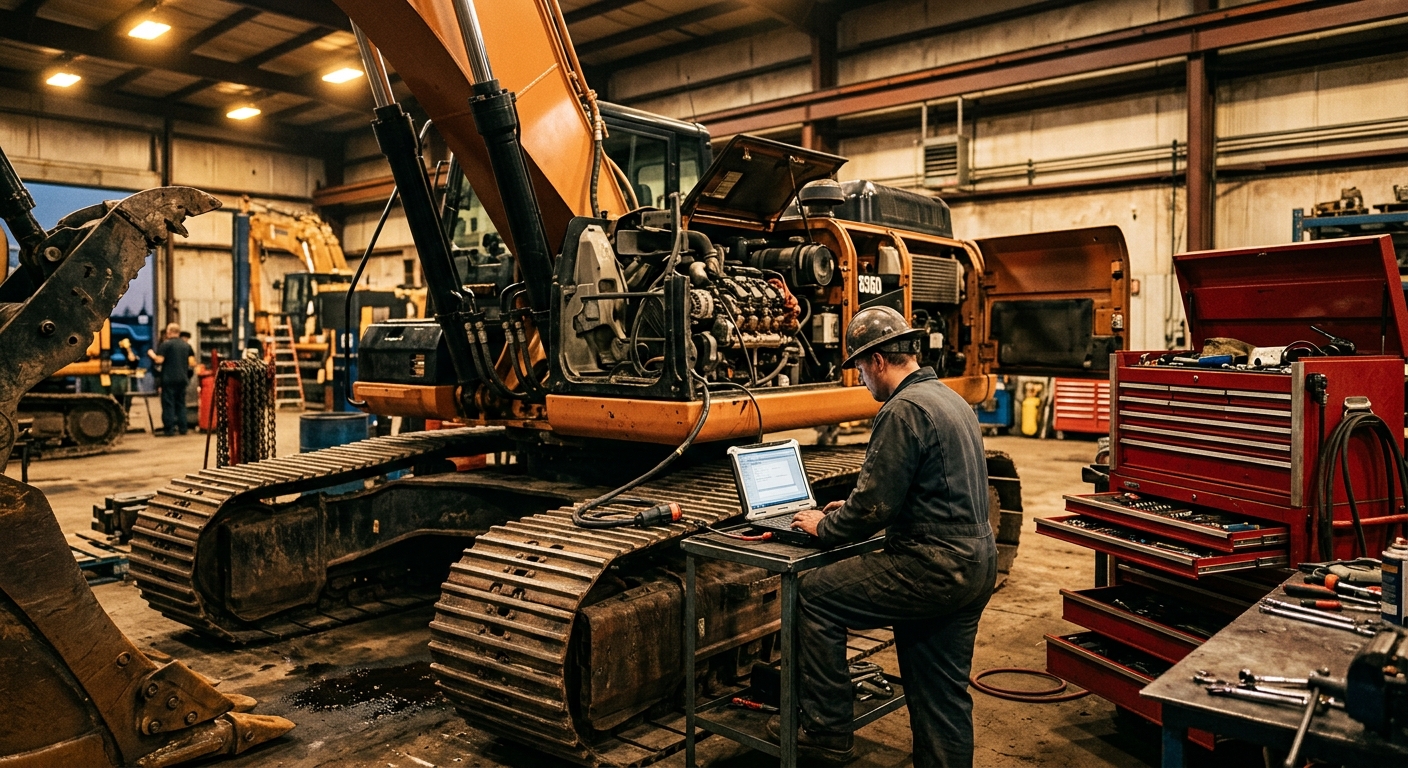
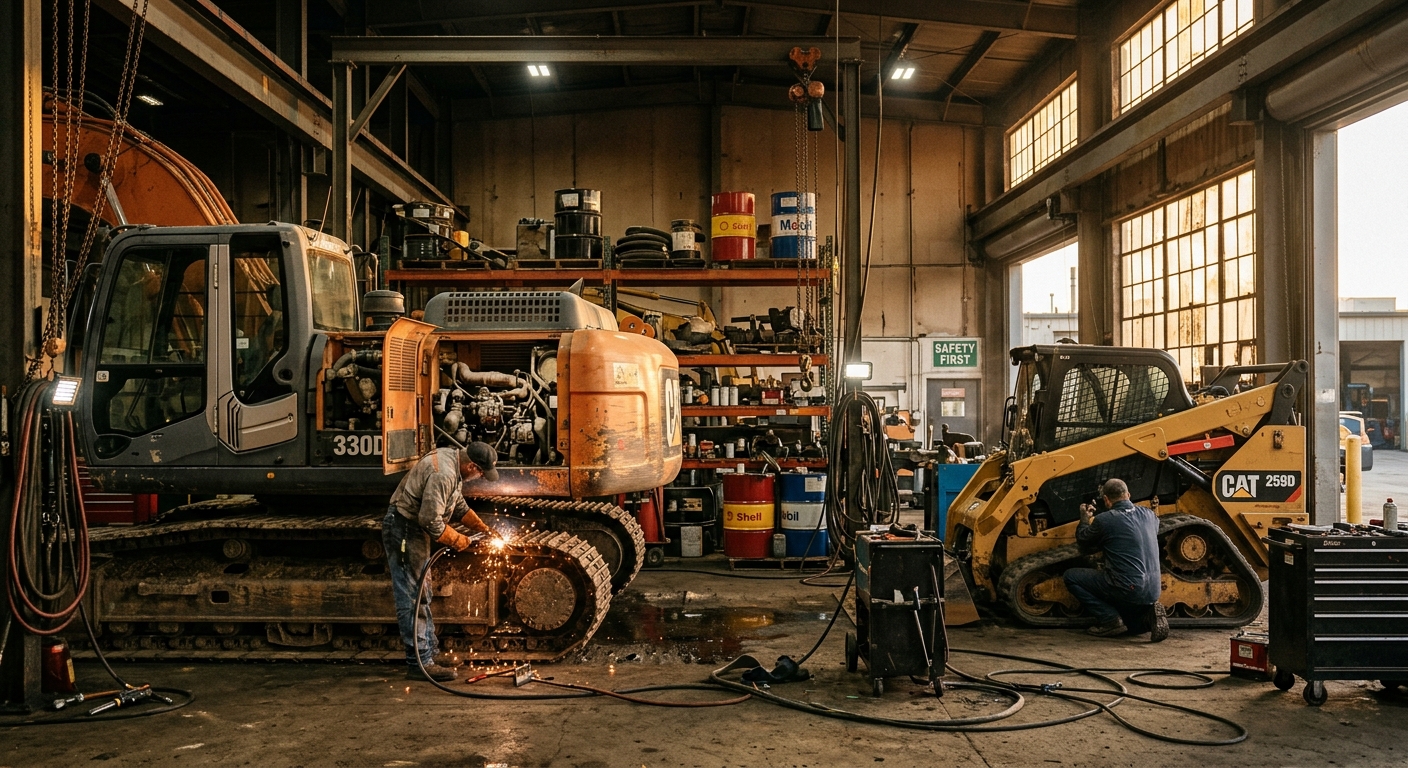
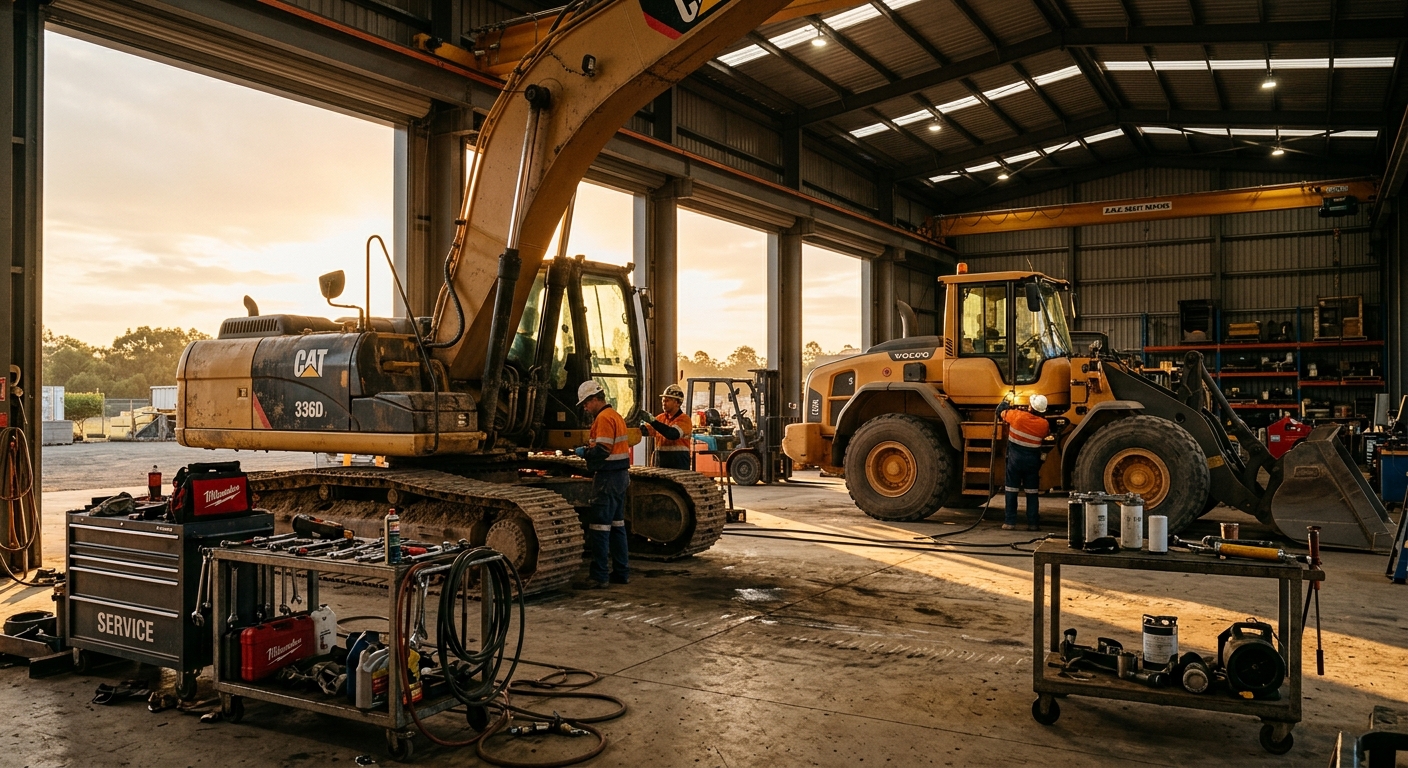
The heavy equipment technician shortage is usually framed as a hiring problem. Dealers need more techs. Independent shops need more techs. Fleets need more people who can diagnose hydraulics, emissions systems, electronics, undercarriages, drivetrains, and attachments without turning every repair into a weeklong guessing game.
That framing is too narrow now. The shortage is becoming a fleet strategy problem.
If a contractor can buy a machine but cannot get it serviced quickly, that machine is not fully available. If a dealer can sell a unit but cannot support the service load behind it, the sale carries more risk. If an independent shop is booked out because every fleet around it is stretching older iron, downtime starts shaping which jobs contractors can take, which brands they trust, and how much backup capacity they need.
The data keeps pointing in the same direction. The AED Foundation’s 2025 workforce report says the technician shortage is expected to cause $2.2 billion in annual losses for the heavy equipment industry between 2023 and 2025, and cites Department of Labor projections that the U.S. will need more than 150,000 new heavy equipment technicians over the next decade. The Foundation’s earlier technician shortage research also describes the shortage as a problem felt by dealers, manufacturers, and customers, not just by HR departments.
That is the part equipment owners should pay attention to. The labor problem sits inside the maintenance problem now.
FieldFix Editor’s Note: A tighter technician market makes sloppy maintenance more expensive. FieldFix gives equipment owners a simple way to track service records, repairs, machine hours, downtime, parts, and cost per hour, so owners can make better calls before a small issue becomes a parked machine.
Service capacity is becoming part of machine availability
Fleet owners already know that purchase price is only the opening number. The real cost of a machine includes financing, insurance, fuel, wear parts, repairs, transport, depreciation, and idle time. What is changing is the weight of service access inside that equation.
A machine that needs a dealer laptop, a trained diagnostic tech, or a specific part can be a very good machine on paper and still become a problem if support is slow. That is not an argument against modern equipment. Newer machines are cleaner, safer, more productive, and often easier to operate. But they also push more value into electronics, sensors, software, emissions hardware, and factory diagnostics.
That changes the buying question. It is no longer enough to ask whether a dealer has the right machine in stock. Buyers need to ask how deep the service bench is, how field service is scheduled, how emergency calls are triaged, how parts availability looks on common failures, and how much of the work can be handled by the owner before a dealer visit is unavoidable.
For small and mid-size contractors, this is not theory. A one-machine excavation company with a compact track loader down for four days does not have a fleet problem. It has a revenue problem. A land clearing company with a mulcher waiting on hydraulic diagnosis does not just lose repair money. It loses production days, crew hours, customer trust, and sometimes the next job on the schedule.
The smartest fleet owners are starting to treat service support the way they treat lift capacity or horsepower. It is part of the spec.
Older iron is not a free escape hatch
One common answer is to keep older machines longer. That can be the right move, especially when new equipment prices are high and financing is not cheap. Older machines can be simpler, familiar, and easier for a good mechanic to keep alive. A well-owned older excavator, dozer, loader, or skid steer can still make a lot of money.
But older iron does not remove the technician problem. It changes the shape of it.
Older machines usually need more frequent attention. They may need hoses, pins, bushings, seals, pumps, injectors, wiring repairs, cooling system work, undercarriage work, and structural fixes. Some of that is straightforward. Some of it is not. Parts can be easy on popular models and painful on orphans. The owner may avoid some emissions complexity, but the machine may demand more wrenching hours overall.
That matters when wrenching hours are the scarce resource.
The heavy-duty repair market is seeing the same pressure. Fullbay’s 2026 State of Heavy-Duty Repair coverage, as summarized by trade press, points to a market where many shops report understaffing, technician wages are rising, and shop labor rates are moving higher. Truck repair is not the same as construction equipment repair, but the signal is relevant. When fleets keep assets longer, repair demand does not disappear. It moves into shops, dealer service departments, field trucks, and the calendars of every independent mechanic within driving distance.
For equipment owners, the real question is not old versus new. It is whether the fleet is built around service reality. A mixed fleet with five brands, scattered attachments, weak records, and no preventive maintenance discipline is harder to support in any labor market. In a tight labor market, it becomes expensive fast.
Dealer strength matters more than spec-sheet wins
The technician shortage gives strong dealers more leverage. That is uncomfortable for buyers, but it is true.
A contractor can compare machines by breakout force, operating weight, hydraulic flow, lift height, fuel burn, cab comfort, warranty, and price. Those numbers matter. But the dealer’s service operation can decide the ownership experience after the excitement wears off.
A dealer with enough trained technicians, organized parts inventory, reliable field service, and clear communication can make a slightly less impressive machine easier to own. A dealer with thin service capacity can make a great machine feel risky. Buyers remember who answered the phone when the machine went down. They remember who had the part. They remember who sent a tech who actually fixed the problem.
This is why dealer consolidation and service investment matter beyond corporate finance headlines. Bigger dealer groups often have more service infrastructure, more training resources, and more ability to move technicians across branches. That does not automatically make them better for every customer. Local relationships still matter. Independent shops still carry huge value. But the service department is becoming a competitive weapon.
OEMs know this. Dealers know this. Contractors should know it too.
The practical move for buyers is simple: interview the service department before buying the machine. Ask about average response times. Ask how many mobile techs cover your area. Ask what happens during peak season. Ask which common repairs are handled in the field and which require hauling the machine in. Ask how warranty work is scheduled. Ask whether telematics alerts are actually monitored or just displayed in a portal nobody uses.
If the answers are vague, price the risk accordingly.
Preventive maintenance is becoming less optional
Preventive maintenance has always been cheaper than emergency repair. The difference now is that emergency repair may also mean waiting on labor.
That makes basic discipline more valuable. Grease schedules, fluid checks, filter changes, inspections, undercarriage cleaning, hydraulic leak notes, attachment inspections, oil sampling, and hour-based service intervals are not glamorous. They are also the cheapest way to reduce avoidable service calls.
Good records help in three ways. First, they prevent missed service. Second, they help a technician diagnose faster because the repair history is visible. Third, they help the owner decide when a machine is becoming too expensive to keep.
That last point is underused. Contractors often keep machines because the payment is gone, but no payment does not mean no cost. If a paid-off loader is down twice a month, eating parts, tying up operators, and forcing rental backups, its cost per productive hour may be worse than a newer machine with a payment. Without records, owners argue from gut feel. With records, they can see the pattern.
The shortage changes what a balanced fleet looks like
A balanced fleet used to mean having the right mix of machine sizes and attachments for the work. That is still true. But a balanced fleet now also means having enough standardization, backup capacity, internal maintenance ability, and dealer support to survive service delays.
Standardization helps because operators and mechanics learn patterns. A fleet with several machines from the same brand or platform can often share filters, fluids, attachments, diagnostic familiarity, and preventive routines. That does not mean every contractor should be brand loyal at all costs. It means variety has a cost, and that cost rises when technical labor is tight.
Backup capacity helps, but only if it is intentional. Keeping one older skid steer as a backup can make sense. Keeping three unreliable machines because nobody wants to sell them is different. Rental backup can also be smart, especially for seasonal spikes, but rental availability tightens when everyone else has the same problem.
Internal maintenance ability may be the biggest divider. Contractors do not need a full dealer shop to get better. They need operators who report problems early, a foreman who takes inspections seriously, and someone responsible for basic service. The goal is not to replace trained technicians. The goal is to stop wasting their time on preventable failures and messy information.
The best fleets will use outside technicians for the work that truly needs them. They will not call a scarce field tech because nobody checked coolant, ignored a small leak, lost service notes, or ran an attachment until a cheap wear item turned into a major repair.
Technology helps, but it does not replace the wrench
There is plenty of interest in remote diagnostics, telematics, AI-assisted troubleshooting, predictive maintenance, and digital service records. That interest is justified. Better data can shorten diagnosis, flag issues earlier, and help owners decide whether to keep running, repair now, or park a machine before the damage gets worse.
But technology is not magic. A fault code still needs context. A telematics alert still needs someone to care. Predictive maintenance still depends on accurate hours, service history, operating conditions, and follow-through. AI can help organize information and suggest likely causes, but somebody still has to inspect the machine, test the system, turn the wrench, and verify the repair.
The mistake is treating software as a replacement for skilled labor. The better view is that software should protect skilled labor from waste. If a technician arrives with machine history, recent symptoms, fault codes, oil sample notes, photos, and a clear timeline, the repair has a better chance of moving quickly. If the technician arrives to hear, “It started acting weird last week,” everyone loses time.
The ownership lesson for 2026
The technician shortage is not a distant workforce issue. It is already baked into downtime, service rates, dealer relationships, resale decisions, and fleet planning.
Equipment owners do not control the national labor pipeline. They do control how hard their own fleet is to support. They can buy from dealers with real service capacity. They can avoid unnecessary fleet complexity. They can keep better records. They can train operators to catch problems early. They can stop treating maintenance as something to remember when there is a rainy day.
The contractors who adjust first will not eliminate breakdowns. Nobody does. But they will lose fewer days to preventable chaos, make cleaner buy-or-repair decisions, and get more value from the technicians they can access.
In a market short on skilled hands, that may be the difference between owning iron and actually keeping it earning.