The $160 Billion Question: Why Equipment Rental Is Eating Ownership Alive
The equipment rental market is on track to hit $160 billion this year. That's not a blip — it's a structural shift in how contractors think about iron.
Five years ago, renting a machine was what you did when your excavator broke down and the job couldn’t wait. It was a stopgap. Plan B. The contractor who rented long-term was the one who couldn’t afford to buy.
That stigma is dead.
The global construction equipment rental market is projected to hit $159 billion in 2026, according to GM Insights. That number has been climbing steadily, and analysts expect it to push past $179 billion by 2031. What’s driving it isn’t some sudden shift in contractor philosophy — it’s math. The numbers just stopped making sense for ownership in a lot of scenarios.
FieldFix Editor’s Note: Whether you own or rent, knowing your true cost-per-hour is what separates profitable operators from the rest. FieldFix tracks maintenance, fuel, and operating costs so you can make the own-vs-rent decision with real data, not gut feeling.
The Ownership Math Is Broken
Here’s the problem with buying equipment in 2026: everything costs more, takes longer to get, and depreciates into a market that’s getting more competitive by the quarter.
New equipment prices have climbed steadily over the past three years. A mid-size excavator that ran $250,000 in 2022 is pushing $300,000 or more today. Insurance premiums are up. Interest rates, while down from their 2024 peak, are still elevated compared to the near-zero era that fueled the last buying spree. And lead times — while better than the 12-to-18-month nightmares of 2022 — still aren’t what anyone would call predictable.
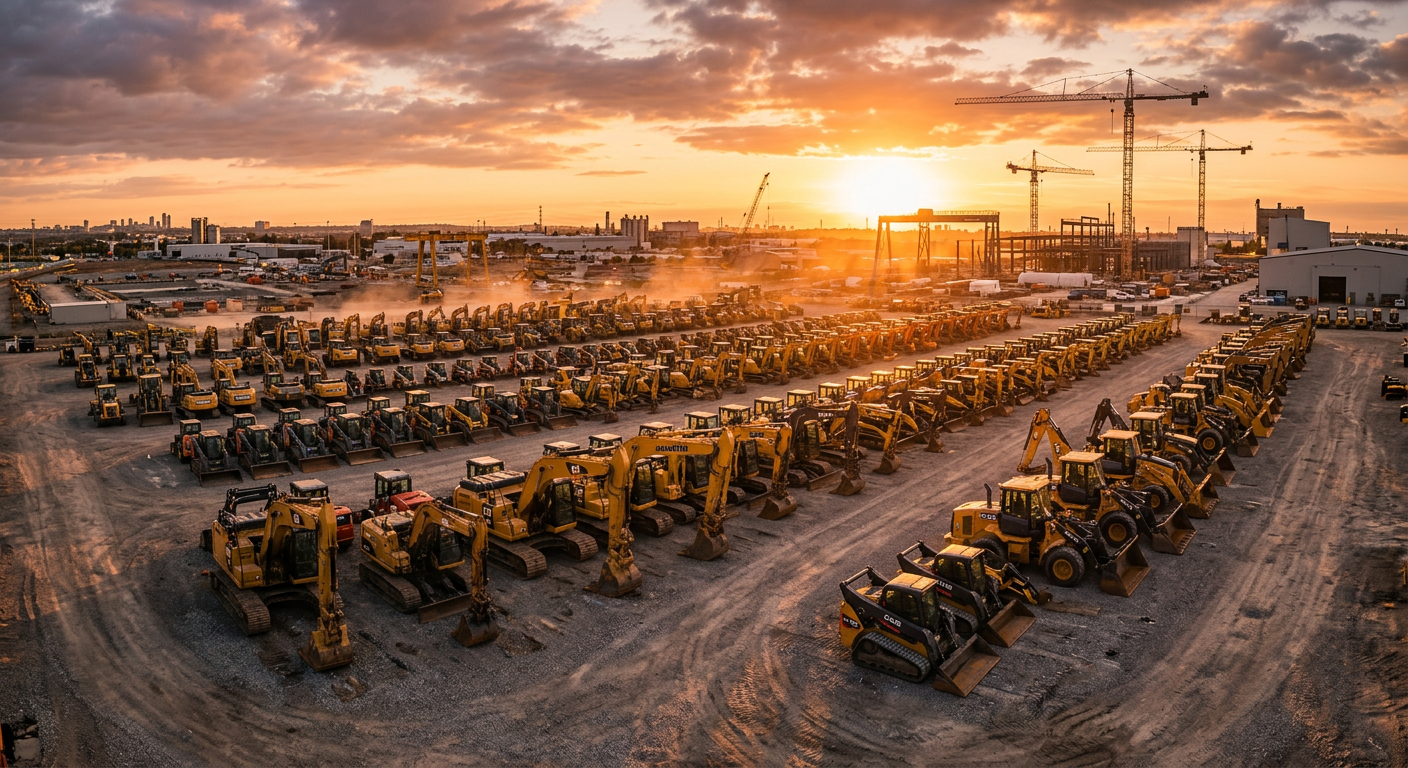
For a contractor running three or four machines, those costs are manageable. For a fleet of 20 or 30? The capital tied up in iron is staggering. And that’s before you factor in maintenance, storage, and the reality that machines sitting in the yard between jobs are just burning money.
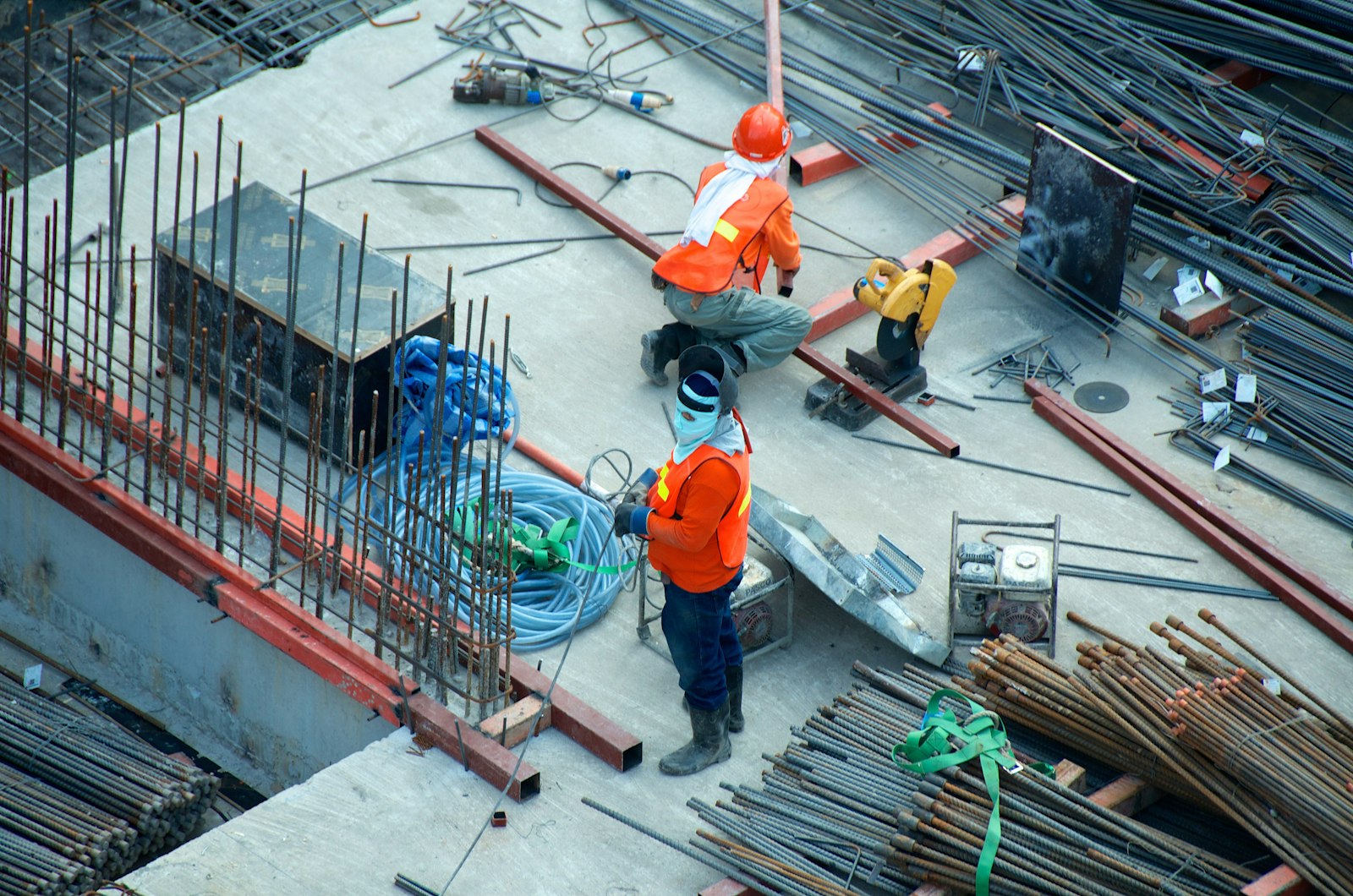
Rental flips that equation. You pay for what you use. When the job ends, the machine goes back. No depreciation. No insurance on idle equipment. No parts inventory. No mechanic on payroll for a machine you run six months out of twelve.
The Big Players Are Betting Billions on This
United Rentals isn’t hedging. The company is projecting $16.8 to $17.3 billion in revenue for 2026, up from an already massive 2025. They’ve been on an acquisition tear, buying up regional rental companies and investing heavily in specialty equipment — power generation, climate control, trench safety — that commands higher margins than general earthmoving.
Sunbelt Rentals recently moved its primary listing to the New York Stock Exchange, a signal that the company sees its growth story as distinctly American. Their fleet value keeps climbing, and they’re expanding into markets that were previously dominated by local independents.
These aren’t companies making cautious bets. They’re pouring capital into rental infrastructure because they see a market that’s still consolidating and still growing.
Cat Just Told You Where This Is Going
At ConExpo 2026, Caterpillar didn’t just show off new iron. The company announced a complete overhaul of its Cat Rentals brand, including a rebuilt digital platform, integrated telematics, and an AI assistant that helps customers navigate the rental process.
Think about what that means. The world’s largest equipment manufacturer — a company built on selling machines — is investing serious engineering resources into making it easier for you to not buy their equipment. They’re building self-service dashboards where rental customers can manage call-offs, service events, and transfers without picking up a phone.
Cat isn’t doing this because they’re losing interest in selling. They’re doing it because they see what the data shows: a growing percentage of their end users prefer renting, and if Cat doesn’t capture that revenue, United Rentals and Sunbelt will.
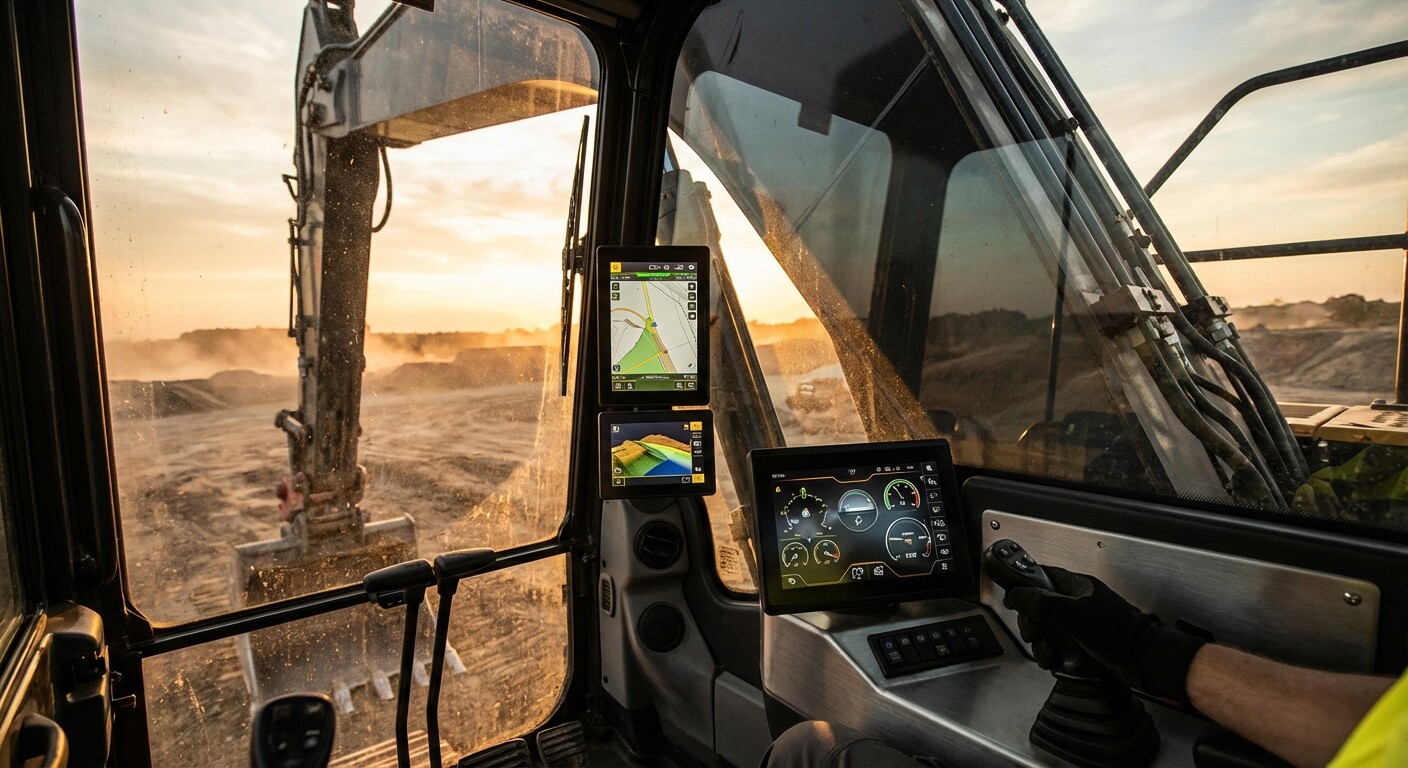
The new Cat Rentals platform integrates with VisionLink telematics, giving renters the same machine visibility that owners get. Usage data, fuel consumption, idle time, location — all accessible through the rental dashboard. That’s a direct shot at the argument that renting means flying blind on your equipment.
Why Small Contractors Are Leading the Shift
The rental trend isn’t being driven by the big GCs — those companies have been renting for years. The real change is happening with small and mid-size contractors who are rethinking their relationship with equipment.
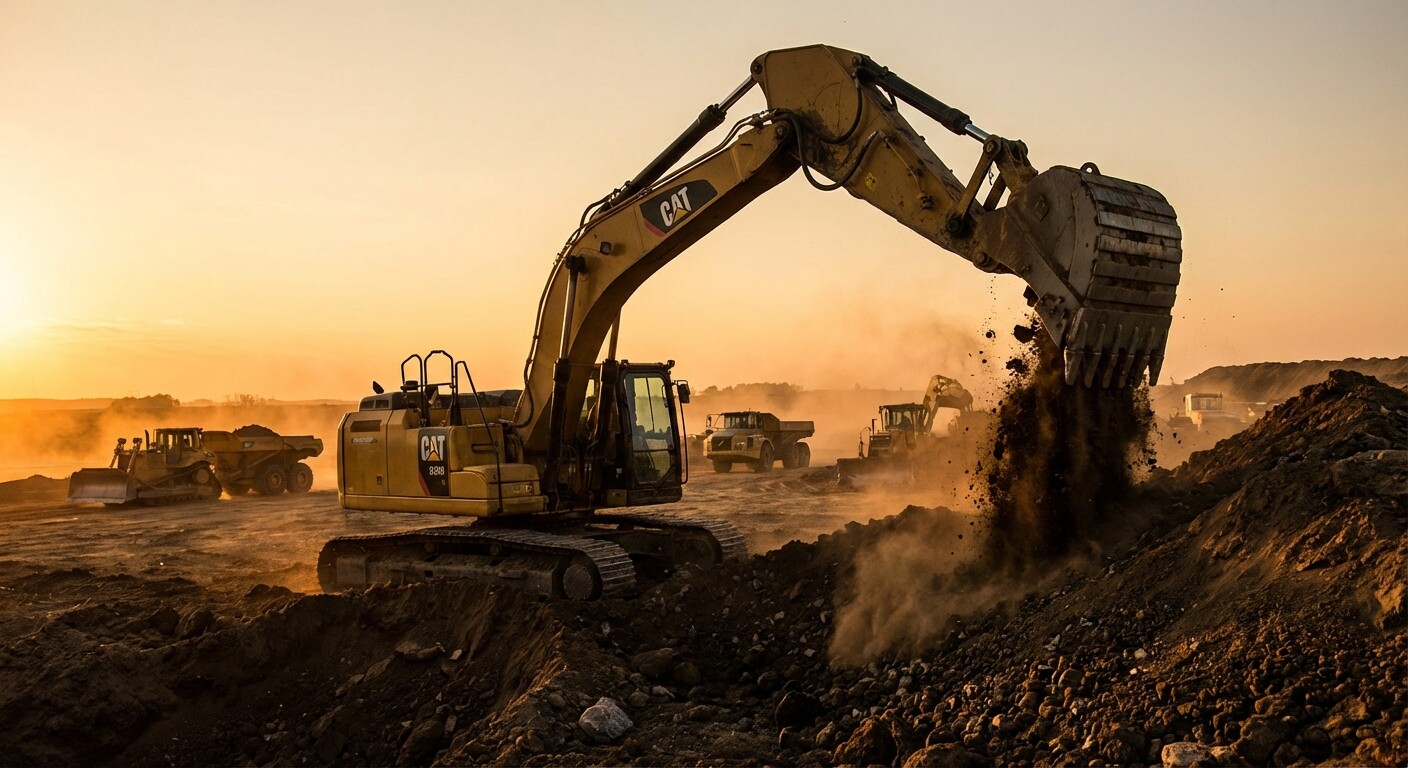
A land clearing contractor running two or three machines used to have a simple playbook: buy used, maintain it yourself, run it until it dies. That still works if you have the shop space, the mechanical skills, and the tolerance for downtime. But increasingly, owners are looking at the rental option for surge capacity. Got a big job that needs a third machine for two months? Rent it. Need a specialty attachment you’ll use three times a year? Rent it.
The shift isn’t all-or-nothing. Most small contractors still own their primary machines — the ones they run every day. But they’re supplementing with rentals for everything else. That hybrid model reduces capital exposure while keeping capacity flexible.
The Used Equipment Wrinkle
Here’s an interesting dynamic: the rental boom is actually reshaping the used equipment market.
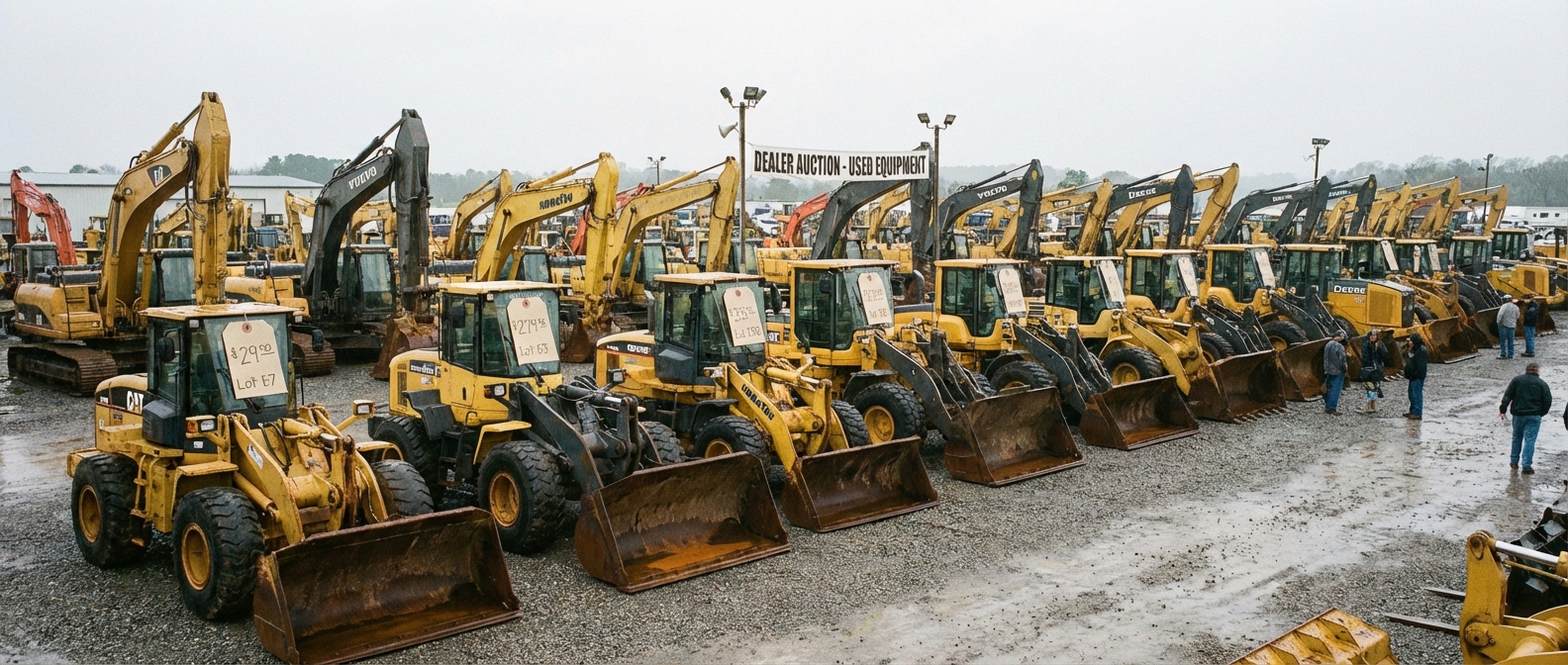
Rental companies turn over their fleets regularly. United Rentals, Sunbelt, and the major OEM rental programs cycle machines out after a set number of hours or years, flooding the secondary market with well-maintained, relatively low-hour equipment. That creates opportunities for buyers — but it also puts downward pressure on residual values for everyone who owns.
If you bought a new excavator in 2023 expecting to get 60% of its value back in five years, the math might not work out the way you planned. Rental fleet dispositions are adding supply to a market that’s already feeling the effects of slowing new equipment orders.
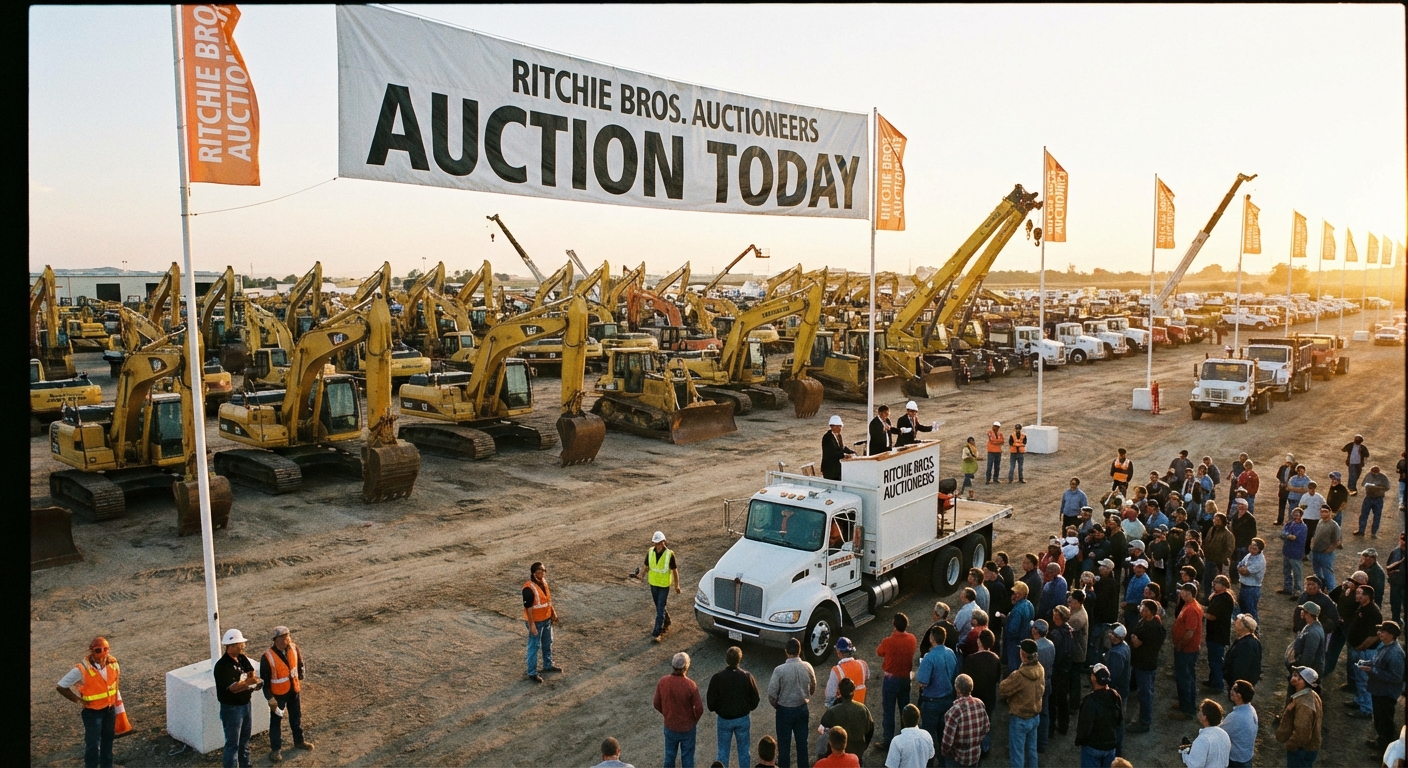
For rental companies, this is a feature, not a bug. They buy at fleet pricing, rent the machine at rates that cover the capital cost within two to three years, and then sell at auction. The residual value is gravy. For individual owners, that same depreciation curve hits different when it’s your only machine.
The Digital Gap
One of the less-discussed advantages of renting from a major national provider is the technology stack that comes with it.
United Rentals’ digital platform lets contractors manage their entire rental fleet from a phone. Delivery scheduling, swap requests, billing, utilization reports — all digital, all real-time. Sunbelt has similar capabilities. And now Cat is building the same thing directly into its OEM rental channel.
Compare that to the owner-operator experience. You buy a machine, and unless you’re paying for a third-party telematics subscription and fleet management software, you’re tracking utilization in a spreadsheet — if you’re tracking it at all.
The irony is that rental companies often have better data on your equipment usage than you do on the machines you own. They know exactly how many hours each machine ran, what the idle time was, when it needs service, and what it’s costing per hour. That data advantage compounds over time.
What This Means for Equipment Dealers
The rental shift creates a complicated dynamic for dealers. On one hand, OEM rental programs drive volume — dealers still sell machines into rental fleets, and they service those machines under warranty. On the other hand, every machine that goes into a rental fleet instead of a contractor’s yard is a retail sale that didn’t happen.
Some dealers have adapted by building their own rental operations. A Cat or John Deere dealer with a strong local rental program can capture revenue from both camps — selling to buyers and renting to everyone else. But that requires significant capital investment in rental fleet, and not every dealer has the balance sheet or the appetite for it.
The dealers that are struggling are the ones in the middle: too small to compete with United Rentals on rental fleet size and technology, but watching their traditional buyer base increasingly turn to rental for supplemental and specialty equipment.
The Numbers That Matter
If you’re trying to decide between buying and renting, here’s what actually matters:
Utilization rate. If you’re running a machine more than 60% of available hours, owning usually wins on a per-hour basis. Below 40%, renting is almost always cheaper. Between 40% and 60% is the gray zone where your maintenance costs, financing terms, and local rental rates determine the answer.
Job pipeline visibility. If you have 12 months of backlog, buying makes sense because you know the machine will be working. If your pipeline is three months or less, renting keeps you from getting stuck with a payment on idle iron.
Maintenance capability. Owners who can do their own maintenance save $30 to $80 per hour compared to dealer shop rates. If you’re paying dealer or independent shop rates for everything, the ownership cost advantage shrinks fast.
Capital cost. Money tied up in equipment is money that’s not earning returns elsewhere. A $300,000 excavator is $300,000 that’s not in your operating account, not invested, not available for that big job that needs a larger retainer.
Where This Goes Next
The rental market isn’t going to replace ownership. Heavy equipment is still an asset class that builds wealth for contractors who use it consistently, maintain it properly, and sell it at the right time.
But the split is shifting. Ten years ago, something like 45% to 50% of equipment was rented in North America. Today, estimates put that figure closer to 55% and climbing. By 2030, it could be 60%.
The contractors who do best will be the ones who treat it as a financial decision, not an identity one. Own the machines that run every day. Rent the ones that fill gaps. Track the numbers on both so you know which side of the line each piece of iron falls on.
The $160 billion rental market isn’t going away. The question isn’t whether rental is the future — part of it clearly is. The question is whether you’re making the own-vs-rent call based on data or pride.
Have questions about tracking your equipment costs? Visit FieldFix for free fleet management tools that work whether you own, rent, or both.