Construction Equipment Market Poised to Hit $186.62 Billion by 2030: What Operators Need to Know
New market research reveals the global construction equipment industry will grow at 3.9% CAGR through 2030, driven by infrastructure spending, electrification, and Asia Pacific demand.
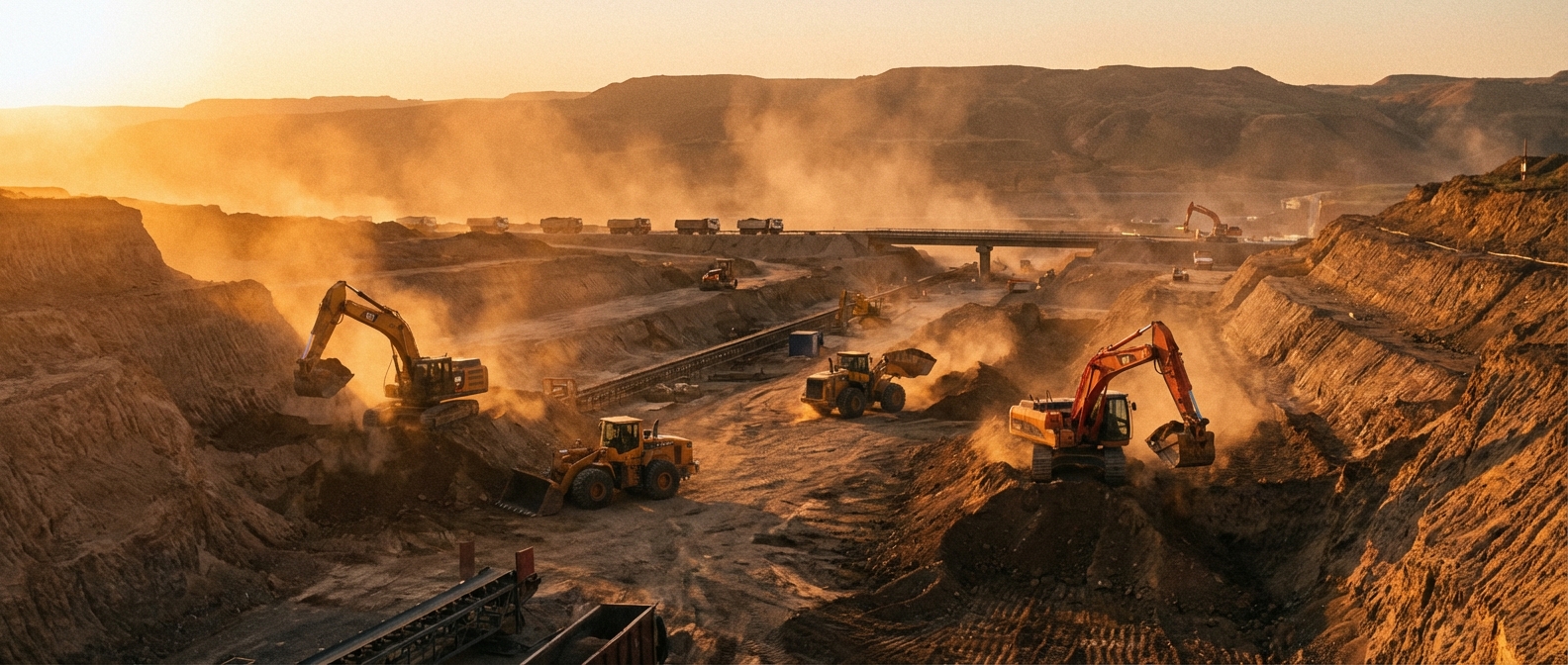
The construction equipment industry is on a steady growth trajectory, with new market research projecting the global market will expand from $148.02 billion in 2024 to $186.62 billion by 2030. That’s a compound annual growth rate of 3.9%—not explosive, but consistent and reliable.
For fleet managers, equipment dealers, and contractors, this forecast signals sustained demand across virtually every equipment category. But the real story isn’t just the topline numbers—it’s where that growth is coming from and what it means for operations on the ground.
Editor’s Note: Tracking equipment costs becomes critical in a growing market where residual values and utilization rates directly impact profitability. FieldFix helps operators monitor cost-per-hour across their fleet, ensuring they’re capturing the full picture of equipment economics as the market evolves.
The Infrastructure Engine Keeps Running
In the United States, the Infrastructure Investment and Jobs Act continues to pump money into projects across the country. According to Equipment Finance News, roughly half of the $1.2 trillion federal infrastructure bill had been spent as of late 2024, with the remainder continuing to flow into highways, bridges, water systems, and broadband projects through 2026 and beyond.
The construction industry trade press has been tracking this closely. Construction Dive reports that “infrastructure construction should remain strong through most of 2026, supported by funding already authorized” under previous legislation.
But there’s a catch. The Congressional Budget Office now projects a $33 billion shortfall in the Highway Trust Fund for 2026 alone. Congress will need to act to prevent disruptions to ongoing projects—a reality that contractors and equipment providers should be monitoring closely.
Crawler Excavators Lead the Pack
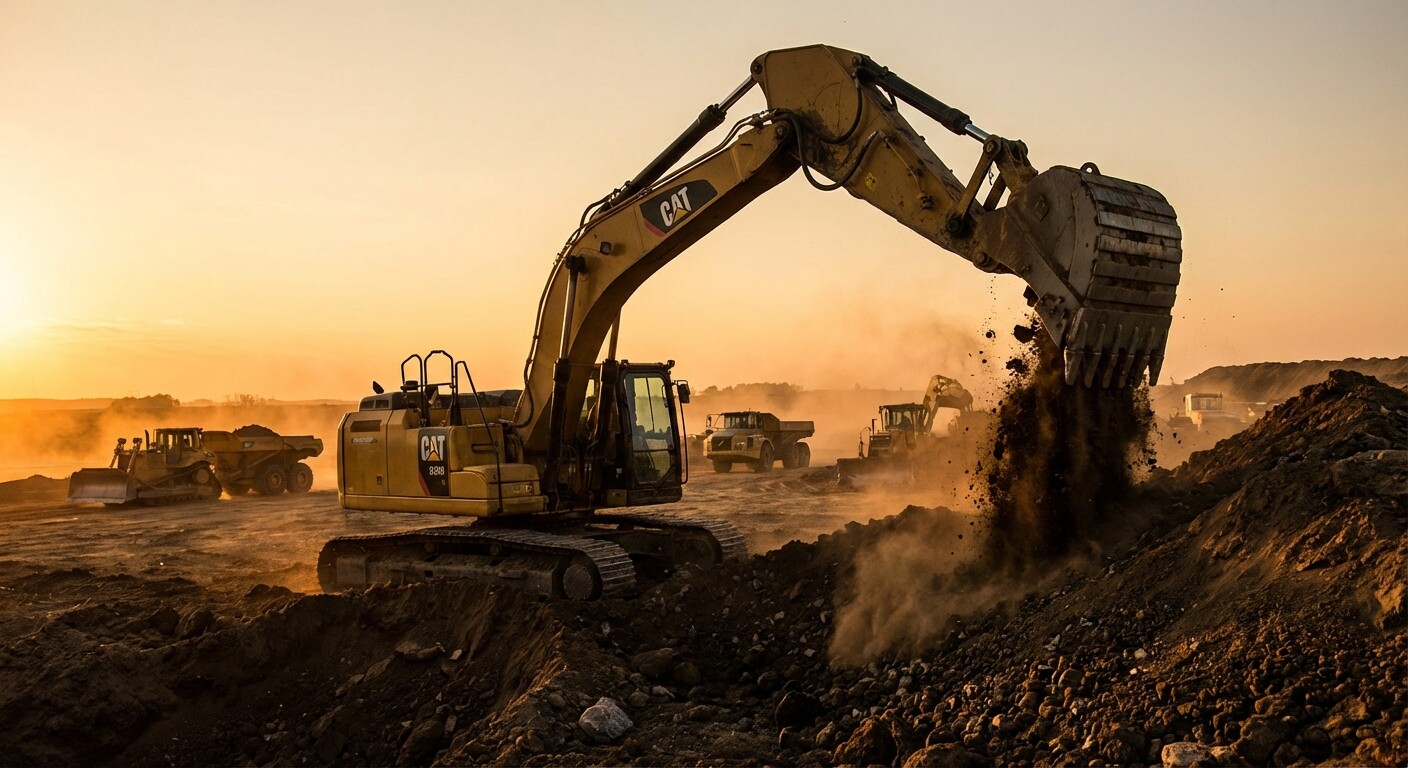
Not all equipment categories are created equal. According to the MarketsandMarkets research, crawler excavators remain the single largest segment of the construction equipment market in 2025. Their versatility across earthmoving, demolition, material handling, and utility applications makes them indispensable on virtually every jobsite.
The fastest-growing segment? Equipment with engine capacities exceeding 10 liters. These larger machines—think 40-ton-plus excavators, large dozers, and heavy wheel loaders—are being driven by mega-project demand in mining, infrastructure, and large-scale commercial development.
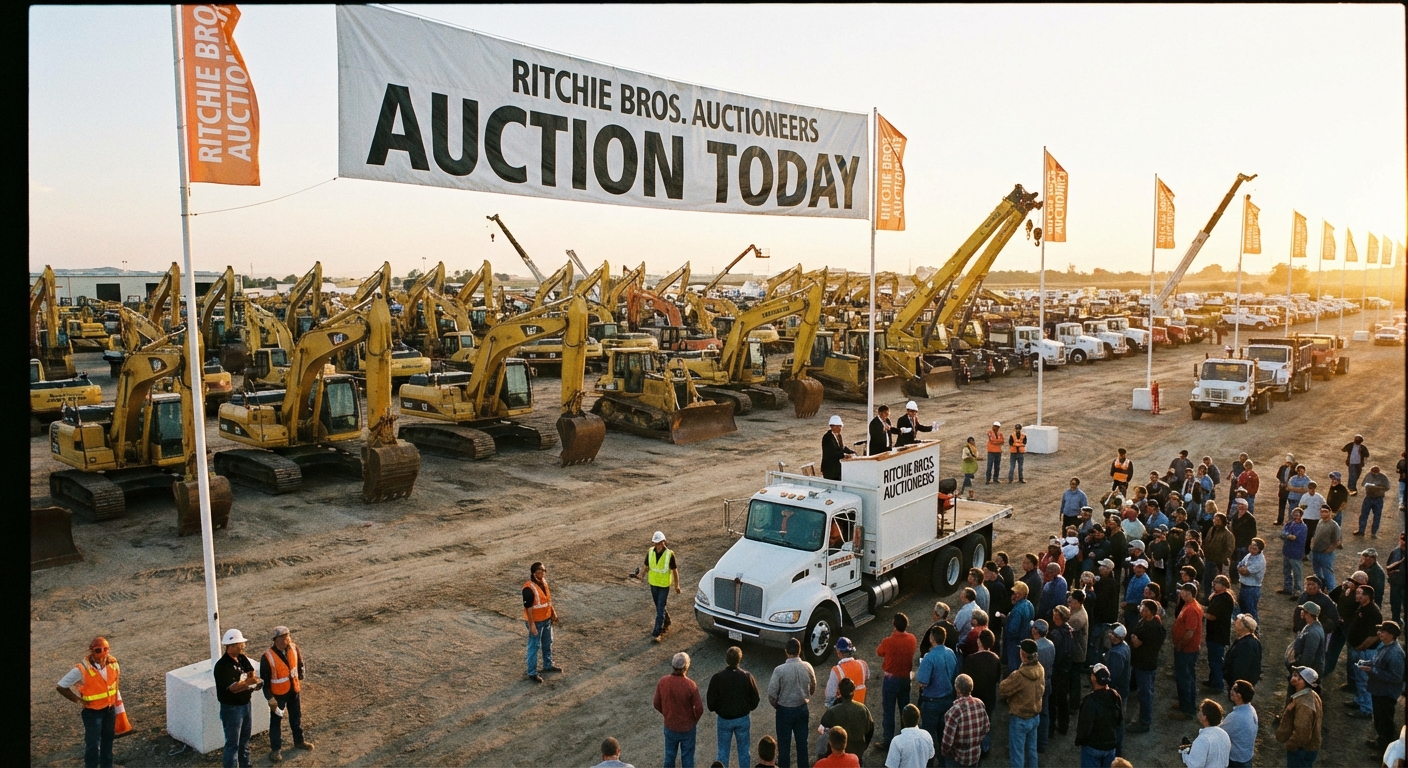
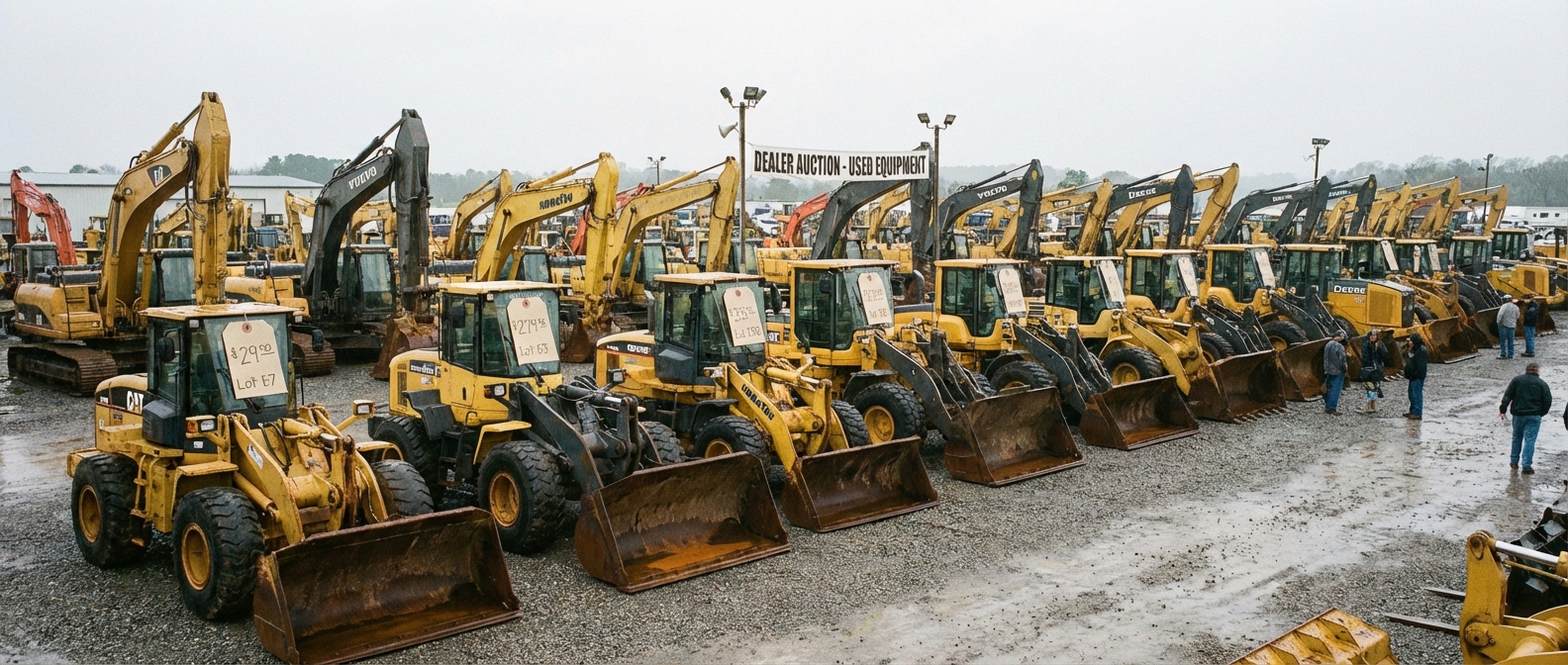
For smaller contractors, this trend has implications for the used equipment market. As large contractors upgrade to bigger iron for infrastructure projects, mid-sized machines with good hours often become available at attractive prices.
Asia Pacific Dominates—But North America Holds Strong
The research makes clear that Asia Pacific is the dominant regional market for construction equipment, holding an estimated $77.42 billion market share in 2026. China, Japan, and India lead the region, driven by massive infrastructure programs including airport expansions, high-speed rail, and urban development.
Major projects fueling demand include the Beijing New International Airport, China’s South to North Water Transfer Project, the Songdo International Business District in South Korea, and the China-Pakistan Economic Corridor. International equipment manufacturers have responded by establishing manufacturing plants throughout Asia to serve local demand.
But North American contractors shouldn’t feel left out. The U.S. market benefits from several tailwinds:
- Data center construction: Tech giants continue pledging billions to expand data center footprints, creating sustained demand for excavation, concrete, and site development equipment.
- Manufacturing reshoring: The combination of supply chain concerns and federal incentives has sparked a wave of domestic manufacturing facility construction.
- Energy infrastructure: Grid modernization, renewable energy installations, and battery storage facilities all require heavy equipment support.
The Electric Equipment Transition Accelerates
One of the most significant shifts in the market is the accelerating transition to electric and hybrid construction equipment. Stringent emissions regulations—particularly Tier 4/Stage V compliance requirements—are pushing manufacturers and operators toward zero-emission alternatives.
The MarketsandMarkets research notes that advances in lithium battery chemistry are making electric equipment increasingly practical. Compact SCR modules now enable emissions compliance in tighter packaging, while electric drivetrains offer benefits beyond just emissions:
- Reduced noise: Critical for urban jobsites and indoor applications
- Fewer moving parts: Lower maintenance requirements and longer service intervals
- Smaller footprint: Electric machines don’t require the same engine setup, reducing overall machine complexity
For contractors, the message is clear: electric equipment is no longer a future consideration—it’s a present reality. Major manufacturers are expanding their electric lineups, and early adopters are gaining experience that will prove valuable as the transition accelerates.
The Labor Shortage Complicates Everything
No discussion of construction equipment market dynamics is complete without addressing the labor shortage. Industry economists estimate that a 430,000-worker deficit could drain more than $10.8 billion in productivity annually through missed deadlines and cost overruns.
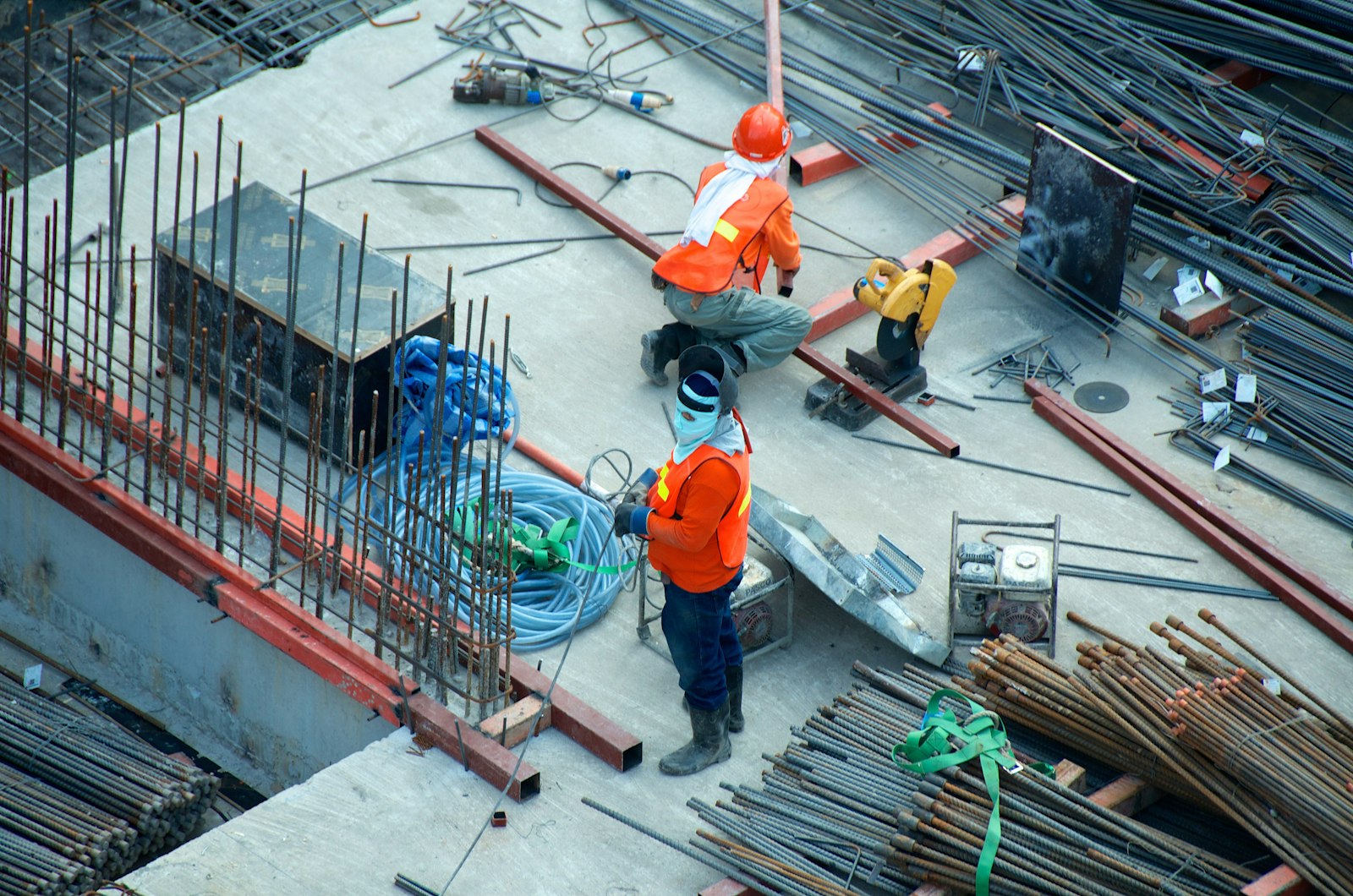
The shortage hits particularly hard in specialized roles. Rural regions struggle to find certified equipment operators and civil engineers, while urban areas face competition from other industries for skilled trades.
This labor constraint is actually a driver for equipment investment in two ways. First, contractors are investing in more productive equipment to maximize output from available workers. Second, technology adoption—including telematics, automation assists, and remote monitoring—helps operators work more efficiently.
What This Means for Equipment Decisions
For contractors and fleet managers evaluating equipment decisions in 2026 and beyond, the market research suggests several strategic considerations:
1. Utilization will matter more than ever. In a growing market with labor constraints, maximizing equipment utilization becomes critical. Every hour a machine sits idle is lost productivity in an environment where finding operators is already challenging.
2. Total cost of ownership is the right metric. The 3.9% annual market growth suggests steady—not explosive—expansion. This isn’t an environment where you can make mistakes on equipment economics and rely on market appreciation to bail you out. Understanding true cost-per-hour, including fuel, maintenance, and operator costs, is essential.
3. Electric equipment deserves serious evaluation. The transition is happening faster than many anticipated. For applications where electric machines are already viable—compact equipment, wheel loaders in controlled environments, material handling—the total cost of ownership argument increasingly favors electric.
4. The used equipment market offers opportunities. As larger contractors upgrade to bigger iron for infrastructure projects, quality used equipment in the mid-size range should become more available. For contractors who can accept machines with higher hours, deals are there to be found.
5. Telematics and data capabilities are table stakes. The research emphasizes automation, AI, and 5G connectivity as growth drivers. Equipment without robust telematics capabilities will increasingly be at a disadvantage for both operations and resale value.
The Bottom Line
The construction equipment market’s trajectory through 2030 suggests an industry in transition but not turmoil. Steady growth, infrastructure tailwinds, and technological advancement create an environment where well-run operations can thrive.
The winners will be those who understand their equipment economics, embrace appropriate technology adoption, and position themselves to capture productivity gains from both new equipment and skilled operators.
The $186.62 billion market projection isn’t just a number—it’s a signal that construction activity will remain robust. The question isn’t whether there’s opportunity; it’s whether individual operations are positioned to capture their share.
Sources: MarketsandMarkets Construction Equipment Market Report (February 2026), Equipment Finance News, Construction Dive, U.S. Chamber of Commerce, Fortune Business Insights, Urban Institute.