Caterpillar and NVIDIA Are Building the AI-Powered Jobsite. Here's What It Actually Looks Like.
From autonomous dozers to an AI assistant that talks back, Cat's NVIDIA partnership is moving fast. We break down what's real, what's coming, and what it means for operators.
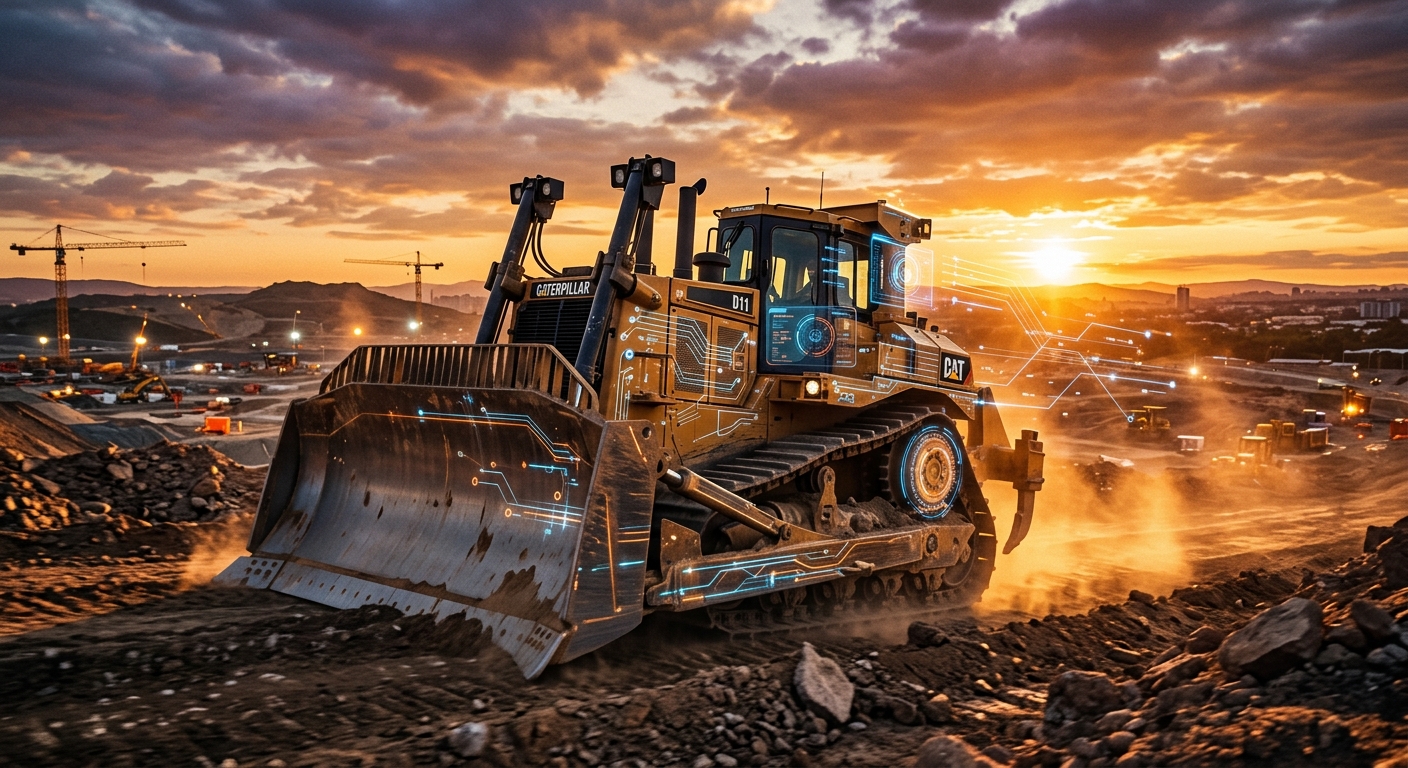
Caterpillar isn’t just talking about AI anymore. They’re shipping it.
Over the past few months, the world’s largest construction equipment manufacturer has rolled out a string of announcements that, taken together, paint a clear picture: Cat is betting hard on artificial intelligence as the future of construction. And their dance partner is NVIDIA, the chip company that’s become synonymous with the AI boom.
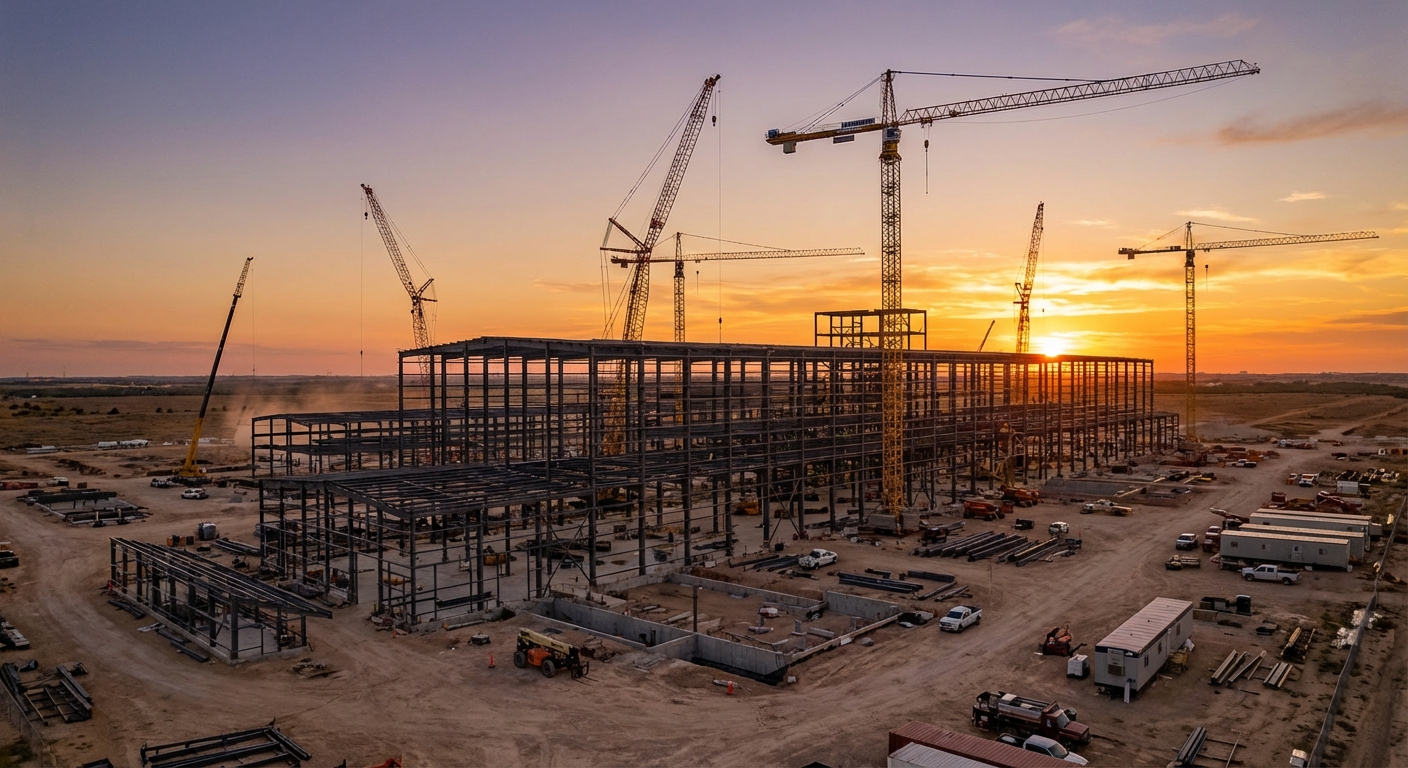
At CES 2026 in January, Cat previewed an AI-powered mini excavator that responds to natural language commands. At CONEXPO-CON/AGG in March, they went bigger — five autonomous construction machines, an AI virtual assistant, and a $25 million workforce investment. These aren’t concept sketches. Several of these products are heading to jobsites this year.
Let’s break down what’s actually happening, what it means for the industry, and where the hype ends and reality begins.
FieldFix Editor’s Note
When your machines start generating AI-driven data, you need somewhere to put it. FieldFix gives owner-operators and fleet managers a simple way to track maintenance, log service hours, and calculate true cost-per-hour — no AI degree required.
Five Autonomous Machines, Not Just One
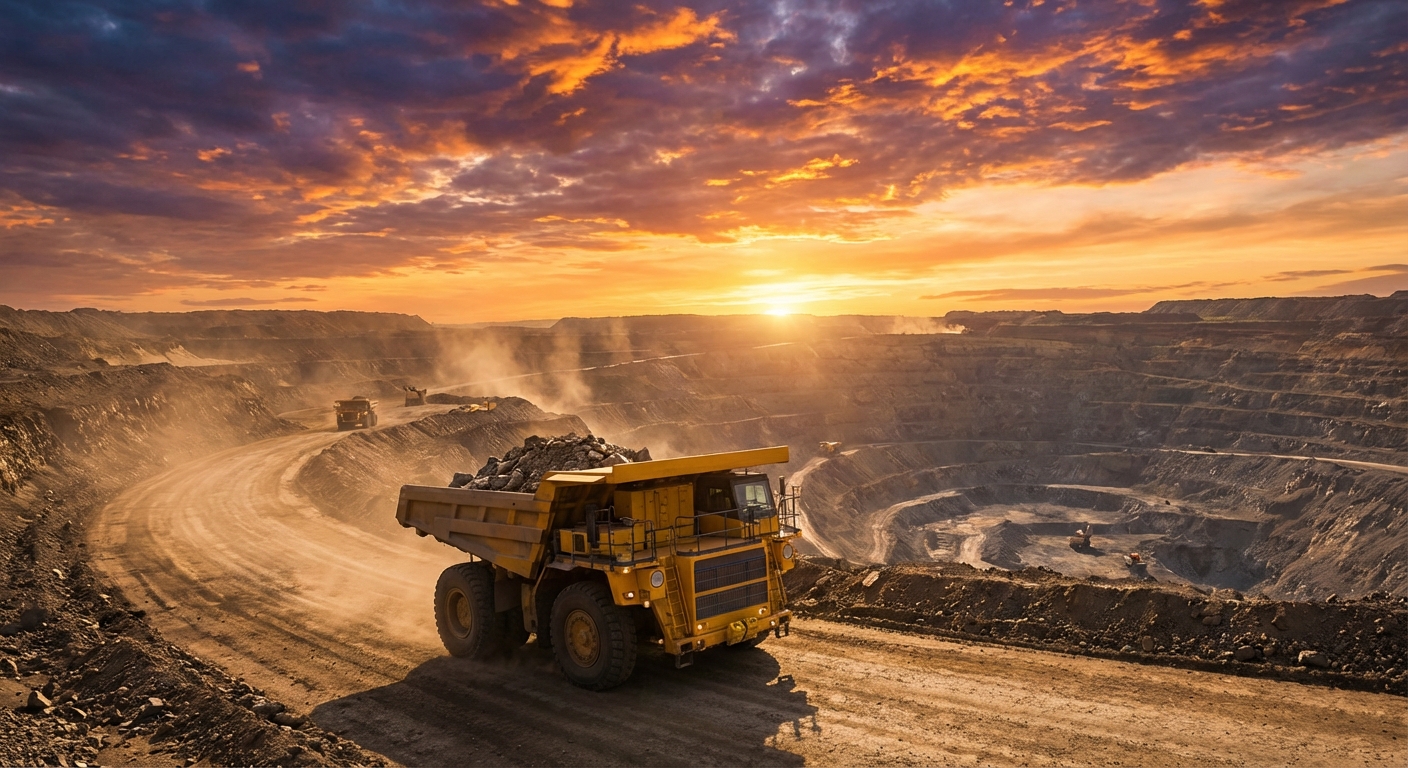
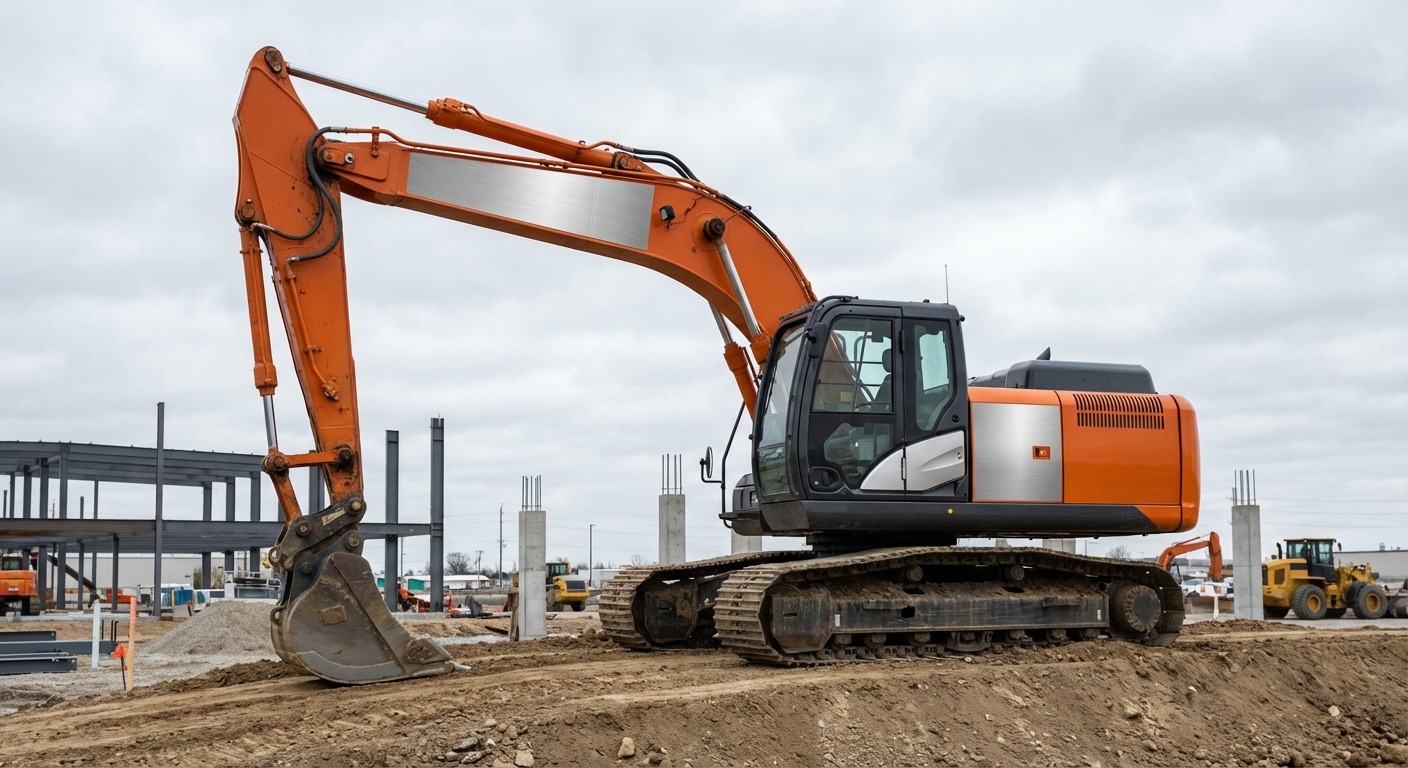
The headline number from CONEXPO was five. Cat announced autonomous versions of a bulldozer, wheel loader, haul truck, excavator, and soil compactor. That’s not a single proof-of-concept demo — it’s a lineup.
The Cat CS12 autonomous soil compactor is the most production-ready of the bunch. It’s designed to operate with minimal human intervention on compaction tasks, which are repetitive and well-suited to automation. The others are at various stages of development, but Cat is clearly pushing toward a future where entire fleets can run with fewer operators on the ground.
This matters because construction has a labor problem that isn’t going away. The industry needs hundreds of thousands of additional workers over the next few years just to keep up with demand. Autonomous machines don’t solve that overnight, but they change the math.
The Cat AI Assistant Is the Sleeper Hit
The autonomous machines get the headlines, but the Cat AI Assistant might be the product that touches more people sooner.
Built on NVIDIA’s Riva speech models and Nemotron language models, the assistant works as a real-time advisor for fleet managers, technicians, and operators. Think of it as a co-pilot that actually knows your equipment.
For fleet managers, it pulls real-time data and surfaces actionable insights — which machines need service, where utilization is dropping, what’s costing you money. For technicians, it helps with diagnostics. For operators, it provides in-cab coaching: productivity tips, safety alerts, and personalized recommendations based on how they’re actually running the machine.
Cat’s machines already send roughly 2,000 messages per second back to the company. The AI assistant turns that firehose of data into something useful without requiring a data scientist on staff.
NVIDIA’s Role: The Brains Behind the Iron
NVIDIA isn’t building bulldozers. They’re providing the computing platform that makes all of this possible.
The partnership uses NVIDIA’s Jetson Thor AI platform for edge computing on the machines themselves. That means the AI processing happens on-board, not in some distant data center. When an autonomous dozer needs to make a decision about an obstacle, it can’t wait for a round trip to the cloud.
Beyond the hardware, NVIDIA’s software stack is everywhere in this partnership. Riva handles speech recognition for the AI assistant. Nemotron powers the natural language understanding. And NVIDIA’s Omniverse platform enables digital twins of both construction sites and Cat’s own factories.
The digital twin angle is worth paying attention to. Cat is piloting virtual replicas of jobsites where they can simulate operations before a single machine rolls in. They’re doing the same thing in their factories — modeling production changes digitally before implementing them on the floor. It’s the kind of technology that sounds like science fiction until you realize it saves real money by catching problems before they happen.
What This Means for Small and Mid-Size Contractors
Here’s where it gets complicated.
If you’re running a $500 million earthmoving operation, autonomous equipment and AI fleet management are genuinely exciting. You’ve got the scale, the IT staff, and the capital to integrate this stuff. You’ll probably see real ROI.
If you’re a three-truck operation in rural Ohio, the calculus is different. These technologies will trickle down eventually, but the first generation is going to be priced for enterprise customers. The AI assistant could be the exception — if Cat bundles it with their existing telematics platform, smaller operators could get access to useful AI insights without a massive upfront cost.
The bigger impact for smaller contractors might be indirect. As large operations adopt automation, they’ll potentially take on bigger projects with fewer people. That could either squeeze smaller competitors or open up niches that the big guys are too automated to care about. It’s too early to know which way it breaks.
The Labor Question Nobody Wants to Answer
Cat pledged $25 million to support workforce development alongside these AI announcements. That’s a smart PR move, but it also acknowledges an uncomfortable truth: autonomy means fewer operators per machine.
The industry pitch is that automation handles the repetitive, dangerous tasks while humans move into supervisory and technical roles. There’s truth to that — someone has to manage fleets of autonomous machines, maintain the AI systems, and handle the work that automation can’t. But those are different jobs requiring different skills than operating a dozer.
The construction workforce is aging. The average operator is well into their 40s. Many will retire before full autonomy arrives. For younger workers entering the field, the message is clear: learn the technology side. The path from operator to fleet technology manager is going to become a real career track.
Digital Twins and the Factory Floor
Cat isn’t just using AI on construction sites. They’re applying it to their own manufacturing.
Using NVIDIA’s Omniverse, Cat has built digital twins of their production facilities. These virtual factories let engineers simulate changes to production lines, optimize material flow, and identify bottlenecks before they cause real delays. Cat’s digital data platform uses NVIDIA AI libraries to automate and speed up production processes.
This is the kind of unglamorous AI application that actually saves companies money right now. It’s not as exciting as an autonomous excavator, but it’s probably generating better returns today.
Where Does This Leave Everyone Else?
Cat isn’t alone in the AI race. John Deere has been pushing autonomous technology in agriculture for years and is bringing those capabilities to construction. Komatsu has its own automation programs. Volvo CE (when it’s not shutting down brands) has invested in electric and autonomous technology.
But Cat’s NVIDIA partnership gives them a significant platform advantage. NVIDIA’s AI ecosystem is the most mature in the industry. Having access to their latest hardware, software, and research pipeline means Cat can move faster than competitors trying to build AI capabilities in-house or with smaller technology partners.
The risk for Cat is execution. They’re making big promises across a wide front — autonomous machines, AI assistants, digital twins, smart manufacturing. Delivering on all of it simultaneously is a massive engineering and organizational challenge. History is full of technology partnerships that announced grand visions and then quietly scaled back.
The Bottom Line
Caterpillar’s AI push with NVIDIA is the most aggressive technology play in construction equipment right now. The autonomous machines are impressive but will take years to reach widespread adoption. The AI assistant has more near-term potential to change how people interact with their equipment daily. And the digital twin work is already paying off behind the scenes.
For the average contractor, the practical impact in 2026 is limited. But the direction is unmistakable. AI is coming to the jobsite — not someday, but in phases that have already started. The smart move is to pay attention, understand what’s coming, and start thinking about how your operation fits into an increasingly automated industry.
The machines are getting smarter. The question is whether the rest of the industry can keep up.