Cat Just Entered the Mini Skid Steer Market — And the Toro Dingo Should Be Nervous
Caterpillar unveiled the TUL100 at CONEXPO 2026, marking its first-ever stand-on compact utility loader. Here's what it means for landscapers, contractors, and the companies that have owned this segment for decades.
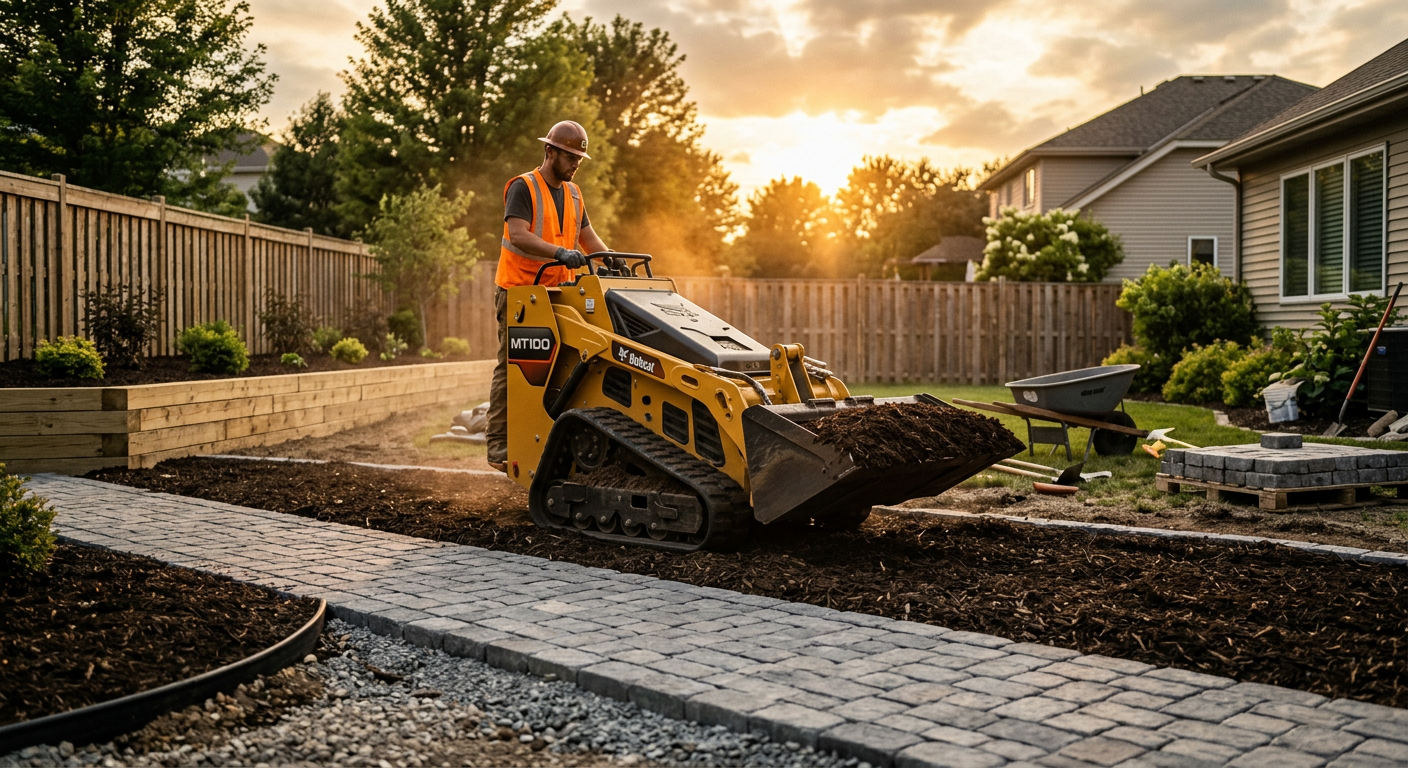
Caterpillar has been building track loaders, excavators, and dozers for a century. But the company has never made a stand-on compact utility loader — the small, nimble machines landscapers and fence contractors rely on daily.
That changed at CONEXPO 2026 last week.
The Cat TUL100 is Caterpillar’s first entry into the mini skid steer segment, and it’s not a half-hearted attempt. The machine packs a 24-hp Cat C1.1 turbo diesel, a 1,000-lb operating capacity, and 7 feet of lift height into a package that weighs about 3,600 pounds. North American availability is planned for early 2027.
For an equipment segment that’s been dominated by Toro, Vermeer, and Ditch Witch for years, this is a big deal.
Editor’s Note: Managing a mixed fleet that includes compact utility loaders? FieldFix tracks maintenance, costs, and service history across all your equipment — from mini skid steers to 50-ton excavators. Free for up to 3 machines.
Why This Matters More Than Another Product Launch
The compact utility loader market isn’t small. Industry analysts value the global compact loader segment at roughly $5.6 billion in 2026, with North America accounting for the largest share. Unit sales hit nearly 148,000 globally in 2024, and the segment is growing at about 3% annually.
But here’s the thing: the stand-on compact utility loader niche has been a different world from the rest of the equipment industry. The buyers are mostly landscapers, hardscapers, fence installers, and small general contractors. They’re not the same people buying $400,000 excavators. Many of them have never owned a piece of Cat equipment in their lives.
Caterpillar knows this. The TUL100 launch was part of a bigger push at CONEXPO called Cat Compact — a program designed to simplify how smaller contractors buy, rent, and service compact equipment. The company is pairing digital research tools with in-person dealer expertise, trying to reduce friction for buyers who aren’t used to the traditional dealer experience.
In other words, Cat isn’t just launching a machine. They’re building a pipeline to reach customers they’ve historically ignored.
What the TUL100 Actually Brings to the Table
Let’s talk specs.
Engine: 24 hp (17.9 kW) Cat C1.1 turbo diesel. This is a purpose-built compact engine, not a repurposed generator motor. Cat’s advantage here is parts availability — if you already run Cat equipment, your dealer stocks the filters and fluids.
Operating capacity: 1,000 lb (454 kg). That’s competitive with the upper end of the Toro Dingo TX 1000 and the Vermeer CTX100, which also sit in the 1,000-lb class.
Lift height: 7 feet (2.1 m). Adequate for loading into most pickup beds and small dump trailers.
Operating weight: Approximately 3,600 lb (1.6 tonnes). Heavy enough for stability, light enough to trailer behind a half-ton truck.
Track width options: 36-inch and 42-inch. The narrower option can fit through standard fence gates, which is a must for backyard work.
Attachments: Compatible with augers, trenchers, power box rakes, buckets, and forks. Cat hasn’t confirmed whether it uses a universal coupler or a proprietary system — that detail will matter to contractors who already own attachments for other brands.
Technology: VisionLink compatibility for fleet tracking. This is where Cat’s dealer network could be a real differentiator. If you’re running a mixed fleet through VisionLink, having your compact utility loader show up in the same dashboard as your excavator and skid steer is genuinely useful.
The Competitive Landscape Cat Is Walking Into
The stand-on compact utility loader market has a clear hierarchy, and it’s worth understanding who Cat is trying to unseat.
Toro Dingo has been the default choice for landscapers for years. The TX 1000 and TX 525 are workhorses with huge install bases. Toro’s parent company reported $824 million in Professional segment net sales in Q1 2026 — up 7.2% year-over-year. They’re not struggling.
Vermeer makes the CTX50 and CTX100 and has a loyal following among hardscaping and utility contractors. Their dealer network in rural and suburban markets is strong.
Ditch Witch (owned by Charles Machine Works, now part of Toro) dominates in utility and underground work. Their SK-series mini skid steers are built specifically for trenching and boring contractors.
Boxer (also part of Toro’s portfolio since 2019) covers the entry-level end of the market.
Notice the pattern? Toro owns or controls three of the four major brands in this space. That kind of market concentration is exactly what attracts a company like Caterpillar.
What Cat’s Dealer Network Changes
This is the part most people will overlook, and it might be the most important factor.
Toro, Vermeer, and Ditch Witch sell through outdoor power equipment dealers and specialty equipment houses. These are often smaller operations — they know landscaping, they know turf care, but they’re not full-service heavy equipment dealerships.
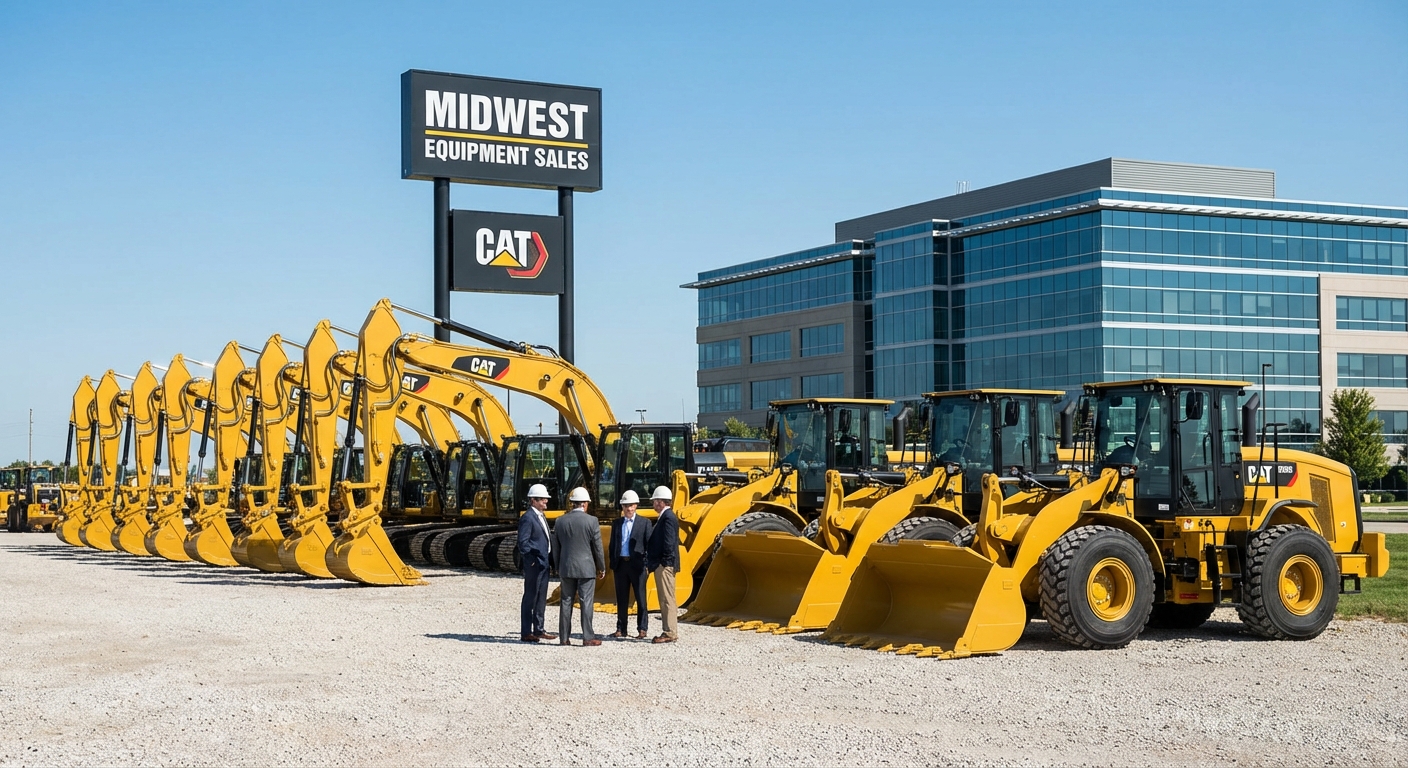
Cat dealers are a different animal. There are roughly 160 Cat dealer locations across North America, and they carry everything from the 1-ton 301 CR mini excavator to 400-ton mining trucks. They have dedicated service bays, parts warehouses, and — critically — financing arms.
For a landscaping company that’s growing into hardscaping and small excavation work, Cat’s dealer network offers a one-stop shop. Buy a TUL100 for your fence crew, a 305 mini excavator for your hardscape crew, and a 259 CTL for your big grading jobs — all from the same dealer, all on the same service contract, all visible in VisionLink.
That kind of consolidation has real value. It reduces the number of vendor relationships you have to manage, simplifies parts ordering, and gives you leverage on service terms.
The Questions Cat Still Needs to Answer
The TUL100 looks promising on paper, but several unknowns will determine whether it actually takes market share.
Attachment compatibility. If the TUL100 uses a proprietary coupler, contractors who already own Toro or Vermeer attachments face a switching cost. Cat needs to either adopt a universal mount or offer an adapter — otherwise, the installed base of existing attachments becomes a moat for competitors.
Price point. Cat hasn’t announced pricing. Compact utility loaders in this class typically run $25,000 to $45,000 depending on configuration. If Cat prices the TUL100 at a premium (which they usually do), the value proposition needs to be clear. A $5,000 premium over a Toro Dingo TX 1000 is a tough sell unless the total cost of ownership math works out.
Dealer buy-in. Not all Cat dealers are equally enthusiastic about compact equipment. Some are focused on the heavy iron that generates six-figure invoices. Cat’s Compact program is supposed to address this, but execution will vary by market. A landscaper walking into a Cat dealer that primarily sells dozers and haul trucks might not get the same experience as walking into a Toro power equipment shop.
Parts and service speed. Landscaping companies can’t afford multi-day downtime on a compact utility loader — these machines run every day during the season. Cat’s promise under its updated Services Commitment includes next-day parts and two-day repairs. If they deliver on that for the TUL100, it’s a meaningful advantage. If they don’t, contractors will stick with what they know.
The Bigger Picture: Cat Compact and the Small Contractor Strategy
The TUL100 is one piece of a larger shift at Caterpillar. At CONEXPO, the company also unveiled:
- The Cat 253 Compact Track Loader, building on the 259D3 platform
- The Cat 301 CR updated 1-ton micro excavator
- The Cat 319 Compact Radius Excavator for tight-access work
- Cat Rentals, a refreshed brand and digital platform
- Cat Rewards and the Cat Commercial Account for repeat buyers
All of these target the same customer: the contractor doing $500K to $5M in annual revenue who needs reliable, versatile equipment but doesn’t have a dedicated fleet manager.
This is the segment where fleet management software like FieldFix is growing fastest, too. Contractors in this range often track maintenance on spreadsheets or not at all. They’re buying their first telematics-equipped machines and trying to figure out how to use the data. Cat’s integration of VisionLink across its compact lineup, combined with the Geotab partnership for mixed-fleet visibility, makes the data accessible in a way it hasn’t been before.
Will Contractors Actually Switch?
Brand loyalty in compact utility loaders is strong. Landscapers who’ve run Toro Dingos for a decade know every quirk, have all the attachments, and trust their dealer. That’s hard to break.
But Cat has a few things working in its favor:
Growth buyers. The landscaper who’s growing from a one-truck operation to a three-crew company is the perfect TUL100 customer. They’re making new equipment purchases anyway, and Cat’s financing and bundling options could sway the decision.
Fleet consolidation. Contractors who already run Cat compact track loaders or mini excavators have a reason to add the TUL100 — same dealer, same service plan, same telematics platform.
Rental channel. Cat Rentals gives contractors a low-risk way to try the TUL100 before buying. If the machine performs well on a two-week rental, the conversion to purchase gets easier.
The early 2027 availability date means we won’t see real market impact for at least a year. But the announcement alone puts pressure on Toro and Vermeer to respond — whether that’s through pricing, new features, or accelerated product development.
The Bottom Line
Caterpillar entering the stand-on compact utility loader market is the biggest competitive shakeup this segment has seen in years. The TUL100 is a serious machine backed by the largest dealer network in heavy equipment.
Whether it actually dents Toro’s dominance depends on pricing, attachment compatibility, and how well Cat dealers serve a customer base they haven’t traditionally catered to. But the fact that Cat is building an entire ecosystem — Cat Compact, VisionLink integration, streamlined financing — suggests they’re not treating this as a side project.
If you’re a landscaping or hardscaping contractor, the TUL100 probably won’t change your buying decision today. But by early 2027, you’ll have a new option worth taking seriously. And if you’re running Toro or Vermeer equipment, your dealer is about to get a lot more competitive on pricing and service.
That’s good news no matter which brand you buy.