California CARB Off-Road Equipment Regulations: 2025 Compliance Requirements
The California Air Resources Board's In-Use Off-Road Diesel-Fueled Fleets Regulation imposes strict requirements that extend beyond federal standards, affecting contractors operating in the nation's largest construction market.
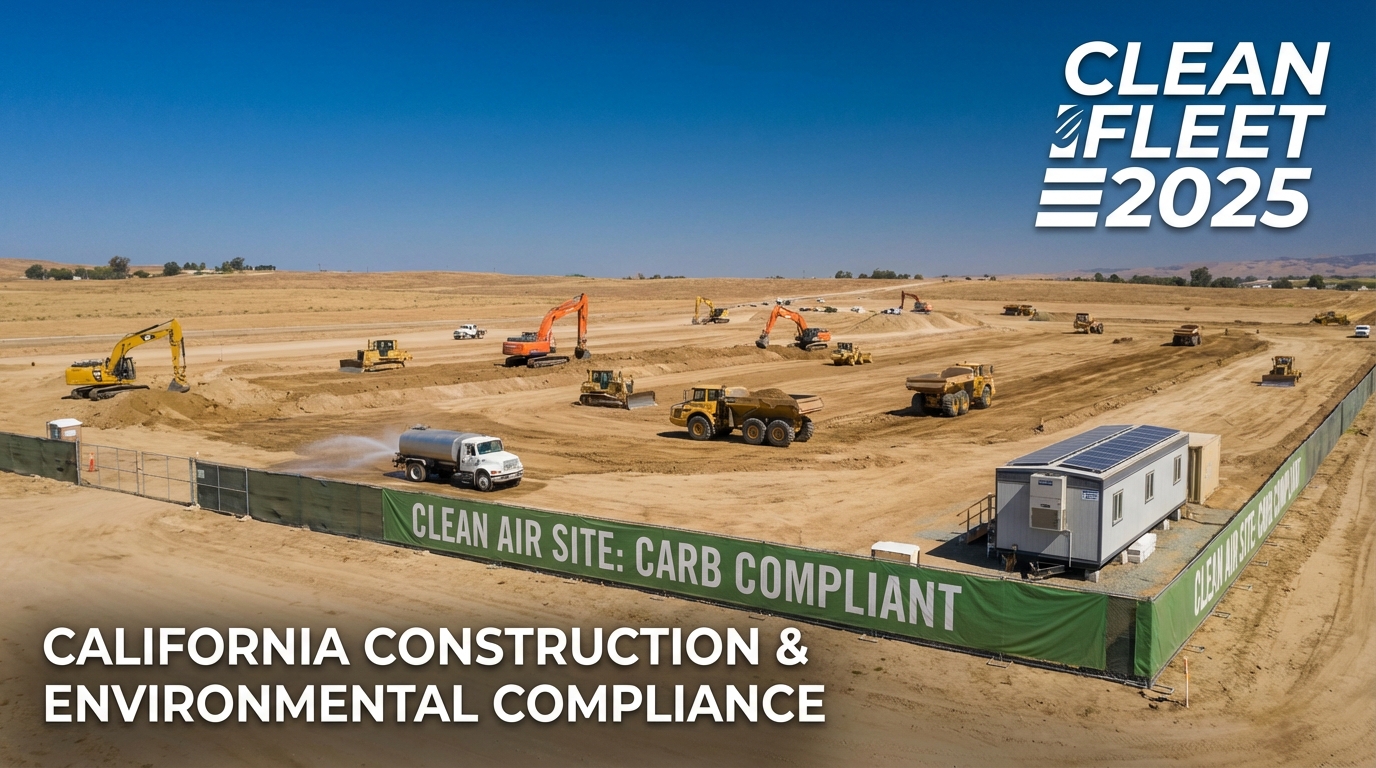
California’s Air Resources Board (CARB) maintains the nation’s most stringent air quality regulations, and contractors operating in the Golden State face compliance obligations that significantly exceed federal requirements. The In-Use Off-Road Diesel-Fueled Fleets Regulation continues evolving, with 2025 bringing important compliance milestones that fleet operators must address.
For contractors based outside California but bidding on California projects, understanding these requirements is equally critical—CARB regulations apply to all equipment operating in the state, regardless of where it’s registered.
Understanding the Regulatory Framework
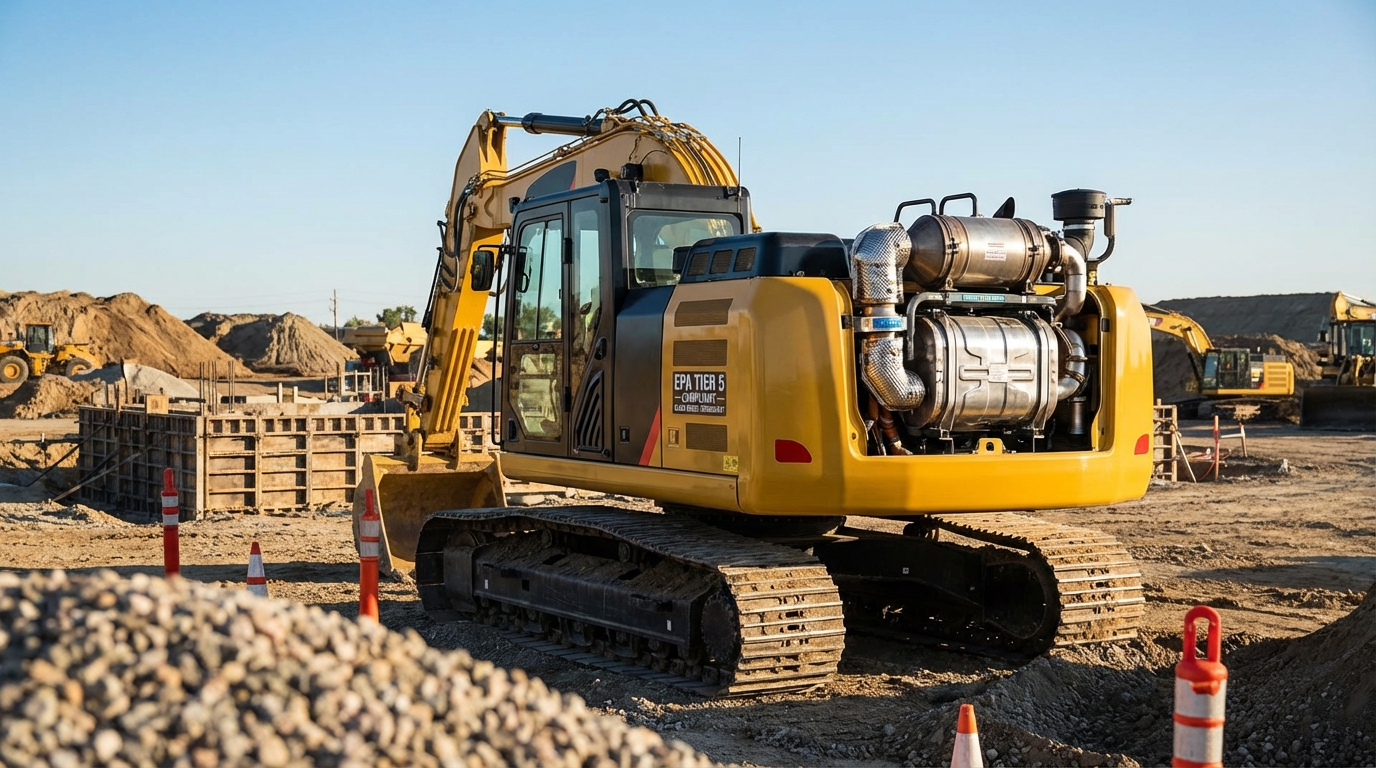
The In-Use Off-Road Diesel-Fueled Fleets Regulation targets emissions from existing construction, mining, and industrial equipment. Unlike federal standards that regulate new engine manufacturing, CARB’s in-use rule addresses the equipment already operating in California.
Fleet Size Thresholds
The regulation applies differently based on fleet size:
Large fleets (over 5,000 total horsepower): Face the most stringent requirements, including mandatory turnover schedules and fleet average targets.
Medium fleets (2,501-5,000 horsepower): Have somewhat relaxed timelines but must still meet fleet average targets.
Small fleets (under 2,500 horsepower): Receive the most flexibility, though still subject to BACT (Best Available Control Technology) requirements.
Total horsepower calculations include all off-road diesel vehicles with engines 25 horsepower and greater, including equipment that doesn’t regularly operate in California.
Fleet Average Requirements
The regulation establishes fleet average targets based on the weighted horsepower of equipment multiplied by tier-based emission indices. Lower fleet averages indicate cleaner equipment compositions.
For 2025, large fleets must achieve fleet averages that effectively require substantial Tier 4 representation in their equipment mix. Continuing to operate primarily Tier 2 or older equipment is no longer mathematically possible while maintaining compliance.
2025 Compliance Milestones
Several important deadlines and requirements apply in 2025:
Annual Reporting
All fleets must submit annual reports to CARB documenting their equipment inventory, hours of operation in California, and fleet average calculations. Reports are due by March 1 each year covering the previous calendar year.
Accurate reporting requires detailed record-keeping throughout the year, including:
- Equipment acquisitions and dispositions
- Hours of operation by vehicle
- Engine tier designations and horsepower ratings
- Verification of compliance pathway elections
Adding Equipment
When adding equipment to a fleet, the regulation restricts what tier levels can be introduced:
Large and medium fleets: Can only add Tier 4 Final or cleaner equipment with limited exceptions.
Small fleets: Have more flexibility but must still meet overall BACT requirements.
Purchasing used equipment from out-of-state requires careful verification that the equipment meets addition restrictions based on your fleet category.
Low-Use Exemptions
Equipment operating fewer than 200 hours annually in California may qualify for low-use exemptions, allowing older equipment to remain in fleets without affecting fleet averages. However, exempted equipment still requires registration and tracking.
For contractors bidding occasional California work with out-of-state fleets, low-use exemptions can provide compliance pathways without requiring fleet modernization.
Verification and Labels
CARB requires physical equipment identification:
Equipment Identification Numbers (EINs)
Every vehicle in a regulated fleet must display an Equipment Identification Number (EIN) label. These labels include:
- Fleet designation
- Unique vehicle identifier
- Engine tier information
- CARB registration status
Missing or illegible labels generate violations during inspections, which CARB conducts both at jobsites and through document audits.
DOORS Reporting System
The Diesel Off-Road Online Reporting System (DOORS) serves as the central platform for compliance reporting. Fleet operators must maintain current accounts, update equipment inventories promptly, and generate required reports through this system.
Familiarity with DOORS is essential for compliance management. CARB provides training resources, and many fleet management software platforms offer DOORS integration.
Compliance Pathways
The regulation offers multiple pathways to demonstrate compliance:
Fleet Average Pathway
Most large fleets use the fleet average pathway, which calculates an overall emissions index based on the weighted mix of equipment in the fleet. Meeting the required target allows operational flexibility in how individual equipment is composed.
This pathway rewards fleet modernization with Tier 4 equipment while allowing some retention of older machines if the overall average is achieved.
BACT Pathway
Smaller fleets can use the BACT pathway, which requires equipment meet specific tier requirements based on horsepower category and model year but doesn’t require fleet average calculations.
Designated Compliance Schedules
Fleets that previously elected designated compliance schedules have specific turnover requirements based on their elected pathways. These schedules lock in specific equipment replacement dates that can’t be modified without penalty.
Penalties and Enforcement
CARB enforces the off-road regulation through field inspections, document audits, and complaint investigations:
Penalty Structure
Violations can generate substantial penalties:
- Reporting violations: Up to $1,000 per day
- Operating non-compliant equipment: Up to $10,000 per vehicle per day
- Labeling violations: Up to $500 per vehicle
For fleets with multiple violations, penalties accumulate rapidly. CARB has pursued enforcement actions resulting in six-figure penalty totals for serious non-compliance.
Inspection Protocols
CARB inspectors visit construction sites unannounced to verify equipment compliance. Inspections include:
- Verification of EIN labels
- Cross-checking equipment against DOORS records
- Confirmation of engine tier claims through visual inspection or database queries
- Documentation of operating conditions
Self-Reporting
Fleets that discover compliance issues can self-report to CARB, which may result in reduced penalties compared to violations discovered through inspections. Prompt corrective action and demonstrated good-faith compliance efforts support favorable enforcement outcomes.
Interstate Contractor Considerations
Contractors based outside California face unique compliance challenges:
Temporary Equipment Registration
Equipment entering California temporarily can register for short-term operation without full fleet enrollment. However, this requires advance registration and limits annual operating hours in the state.
Rental Equipment
Equipment rented from California-based rental companies typically carries compliance responsibility with the rental company, not the renter. However, contractors should verify compliance documentation before operating rented equipment.
Subcontractor Compliance
Prime contractors can face liability for subcontractor equipment operating on their projects. Contract provisions should address CARB compliance requirements and verification procedures.
Future Regulatory Direction
CARB continues advancing emission requirements:
Zero-Emission Requirements
The Advanced Clean Fleets regulation, while primarily targeting on-road vehicles, signals CARB’s direction toward zero-emission requirements. Future off-road regulations will likely incorporate similar zero-emission mandates.
Enhanced Reporting
CARB is developing more sophisticated reporting requirements that may include telematics integration for real-time emission monitoring.
Expanded Coverage
Regulatory expansion to additional equipment categories and lower horsepower thresholds is under consideration, which would bring more equipment under compliance requirements.
Practical Compliance Management
Successful CARB compliance requires systematic approaches:
Designate compliance responsibility: Assign specific personnel to track CARB requirements, manage DOORS reporting, and coordinate equipment labeling. Shared or unclear responsibility leads to gaps.
Integrate with procurement: Equipment purchasing decisions must consider CARB compliance implications. Finance teams need to understand that “saving money” on Tier 2 equipment creates compliance liability.
Maintain documentation: Thorough records of equipment hours, California operations, and maintenance history support accurate reporting and audit responses.
Plan California work strategically: Understanding how California projects affect fleet averages helps optimize which equipment operates in-state.
Monitor regulatory developments: CARB actively amends regulations, and staying current avoids compliance surprises.
Looking Ahead
California’s regulatory approach continues influencing national standards. Several Northeastern states have adopted or are considering CARB-style off-road regulations, expanding the geographic relevance of these requirements.
Contractors viewing CARB compliance as a California-only concern may find similar requirements appearing in other markets. Early investment in modern, compliant equipment positions fleets advantageously as regulations tighten nationwide.
For related coverage, see our analysis of EPA Tier 5 emissions standards and environmental compliance requirements.