EPA Tier 5 Emissions Standards: What Construction Contractors Must Know
As the EPA finalizes its next generation of emission standards for non-road diesel engines, construction contractors face significant decisions about equipment acquisition, fleet modernization, and long-term operational planning.
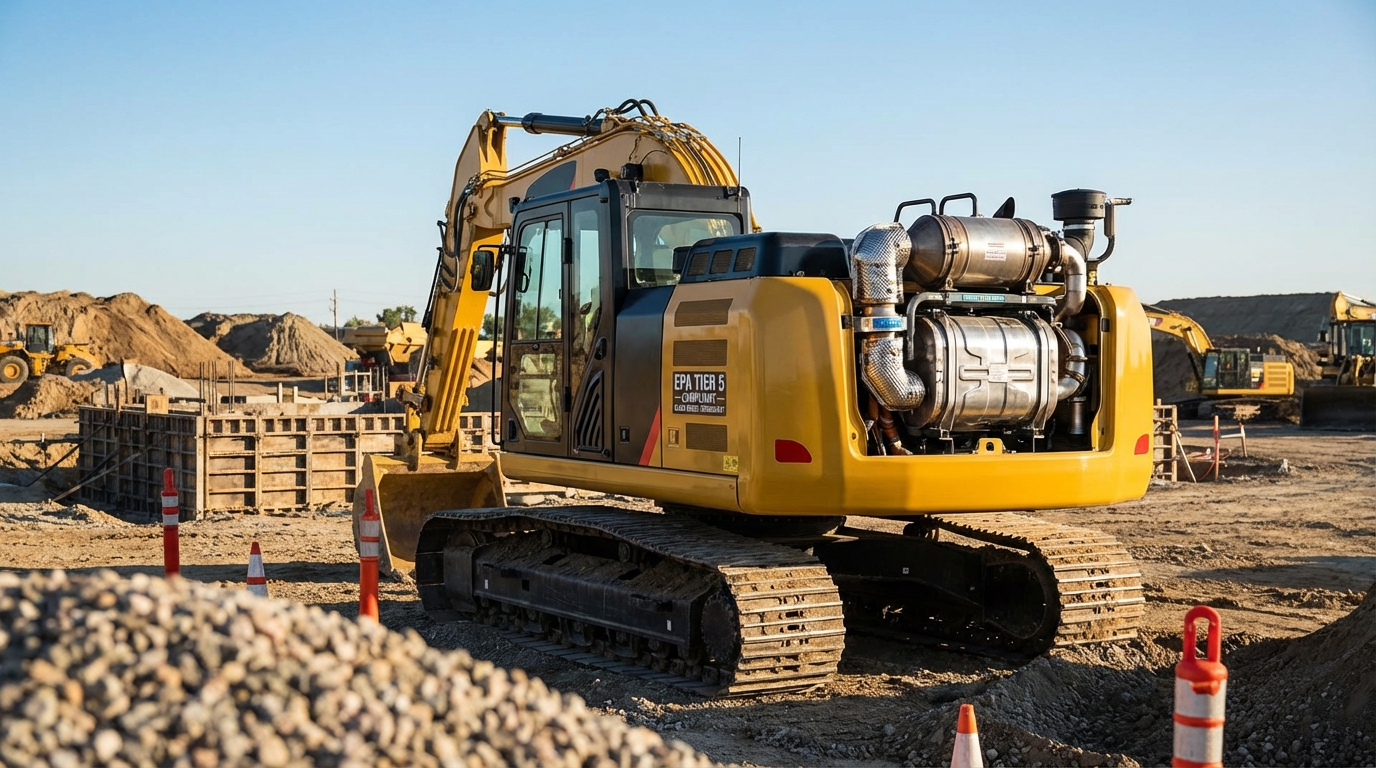
The Environmental Protection Agency’s proposed Tier 5 emission standards represent the most significant regulatory shift for construction equipment since the Tier 4 Final rules took effect a decade ago. For contractors, equipment dealers, and fleet managers, understanding these changes is critical for making informed purchasing decisions and developing compliant operational strategies.
While the final rule is still being developed, the trajectory is clear: tighter limits on nitrogen oxides (NOx), particulate matter (PM), and greenhouse gas emissions will reshape the construction equipment landscape over the coming years.
Understanding the Regulatory Landscape
The EPA’s non-road diesel engine emission standards have evolved substantially since the first Tier 1 requirements were introduced in 1996. Each subsequent tier has demanded significant reductions in harmful emissions:
Tier 1 (1996-2003): Initial controls focused primarily on hydrocarbons and carbon monoxide.
Tier 2 (2001-2006): Added more stringent NOx requirements.
Tier 3 (2006-2008): Further tightened NOx and PM limits without requiring aftertreatment.
Tier 4 Interim (2008-2012): Introduced diesel particulate filters (DPF) and began requiring aftertreatment systems.
Tier 4 Final (2014-present): Mandated selective catalytic reduction (SCR) systems and achieved roughly 90% reductions from Tier 1 levels.
The proposed Tier 5 standards continue this trajectory, targeting additional reductions that will require new engine technologies and potentially alternative powertrains for some equipment classes.
Key Provisions of Proposed Tier 5 Standards
Based on EPA rulemaking activities and industry discussions, the proposed Tier 5 framework includes several significant changes:
Tighter NOx Limits
The most substantial change involves nitrogen oxide emissions. Current Tier 4 Final engines are certified to 0.30-0.40 g/kWh depending on power category. Proposed Tier 5 limits would reduce this to 0.02-0.05 g/kWh—a reduction of approximately 85-95% from current standards.
Achieving these limits will require advanced aftertreatment systems, improved combustion technologies, and potentially new engine architectures.
Particulate Matter Reductions
While Tier 4 Final already achieved significant PM reductions, Tier 5 targets would push limits even lower. More importantly, the new standards are expected to address ultrafine particles and particle number counts, not just mass-based measurements.
This shift means contractors should expect more sophisticated filtration systems and potentially more frequent maintenance requirements for aftertreatment components.
Greenhouse Gas Provisions
For the first time, non-road diesel standards would incorporate carbon dioxide and fuel efficiency requirements. This reflects the broader regulatory push toward decarbonization and aligns with European Stage VI standards that already include CO2 limits.
For contractors, this means equipment efficiency will become a compliance matter, not just an operational preference.
Implementation Timeline
The proposed phase-in schedule would begin with larger engines (above 560 kW) in 2028, with smaller power categories following through 2031. This staggered approach mirrors previous tier implementations and provides some planning flexibility.
Impact on Equipment Manufacturers
Original equipment manufacturers (OEMs) have been preparing for Tier 5 for several years, but the investment required is substantial:
Engine redesign: Meeting the proposed NOx limits likely requires new combustion systems, advanced turbocharging, and improved fuel injection technology. Many manufacturers will need to develop entirely new engine platforms rather than modifying existing designs.
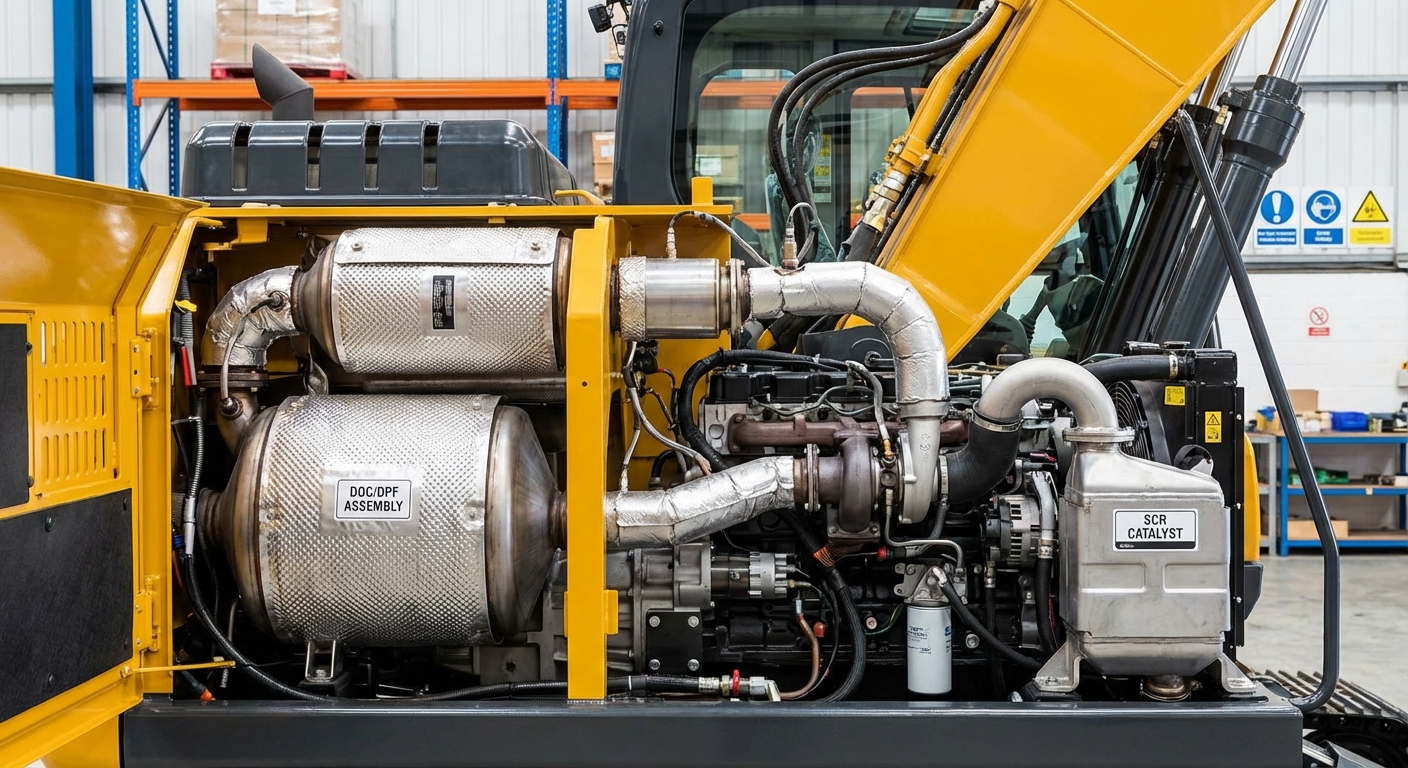
Aftertreatment complexity: Current SCR and DPF systems will need enhancement. Some manufacturers are exploring close-coupled aftertreatment configurations that package components closer to the engine for improved thermal management and faster light-off.
Alternative powertrains: The stringent emissions requirements are accelerating development of battery-electric and hydrogen fuel cell equipment as alternatives to diesel for certain applications. Some manufacturers view Tier 5 as a natural transition point for expanding electric equipment offerings.
Cost implications: Industry estimates suggest Tier 5-compliant engines could add 8-15% to equipment prices compared to equivalent Tier 4 Final machines. These costs will ultimately flow through to contractors.
Operational Considerations for Contractors
Beyond equipment acquisition costs, Tier 5 compliance will affect day-to-day operations in several ways:
Maintenance Requirements
More sophisticated aftertreatment systems typically require more attention. Contractors should expect:
- Increased diesel exhaust fluid (DEF) consumption due to higher injection rates needed for advanced SCR systems
- More sensitive diagnostics that may trigger derates with smaller deviations from optimal operating parameters
- Potential for more frequent regeneration cycles on DPF systems
- Need for specialized training for maintenance technicians
Fuel Quality Sensitivity
Advanced combustion and aftertreatment systems are less tolerant of fuel contamination and off-spec fuel. Contractors will need robust fuel management practices to avoid costly repairs and downtime.
Operating Temperature Considerations
Achieving optimal aftertreatment performance requires sustained operating temperatures. For contractors with applications involving frequent starts/stops or extended idle periods, this could present challenges.
Telematics and Diagnostics
Tier 5-compliant equipment will likely feature enhanced telematics capabilities for emissions monitoring and reporting. While this adds value for fleet management, it also creates new data management and privacy considerations.
Fleet Transition Strategies
Contractors should begin planning fleet transition strategies now, even though Tier 5 requirements are several years away:
Assess Current Fleet Composition
Understanding your current equipment age, utilization, and remaining useful life helps identify natural replacement timing that can align with Tier 5 implementation.
Evaluate Application Requirements
Some applications may be better suited for electric alternatives, which would avoid Tier 5 diesel complexity entirely. Battery-electric compact equipment is already viable for many indoor and urban applications.
Consider Total Cost of Ownership
Higher acquisition costs for Tier 5 equipment may be offset by fuel efficiency improvements and potentially lower long-term maintenance costs as technology matures.
Monitor State-Level Regulations
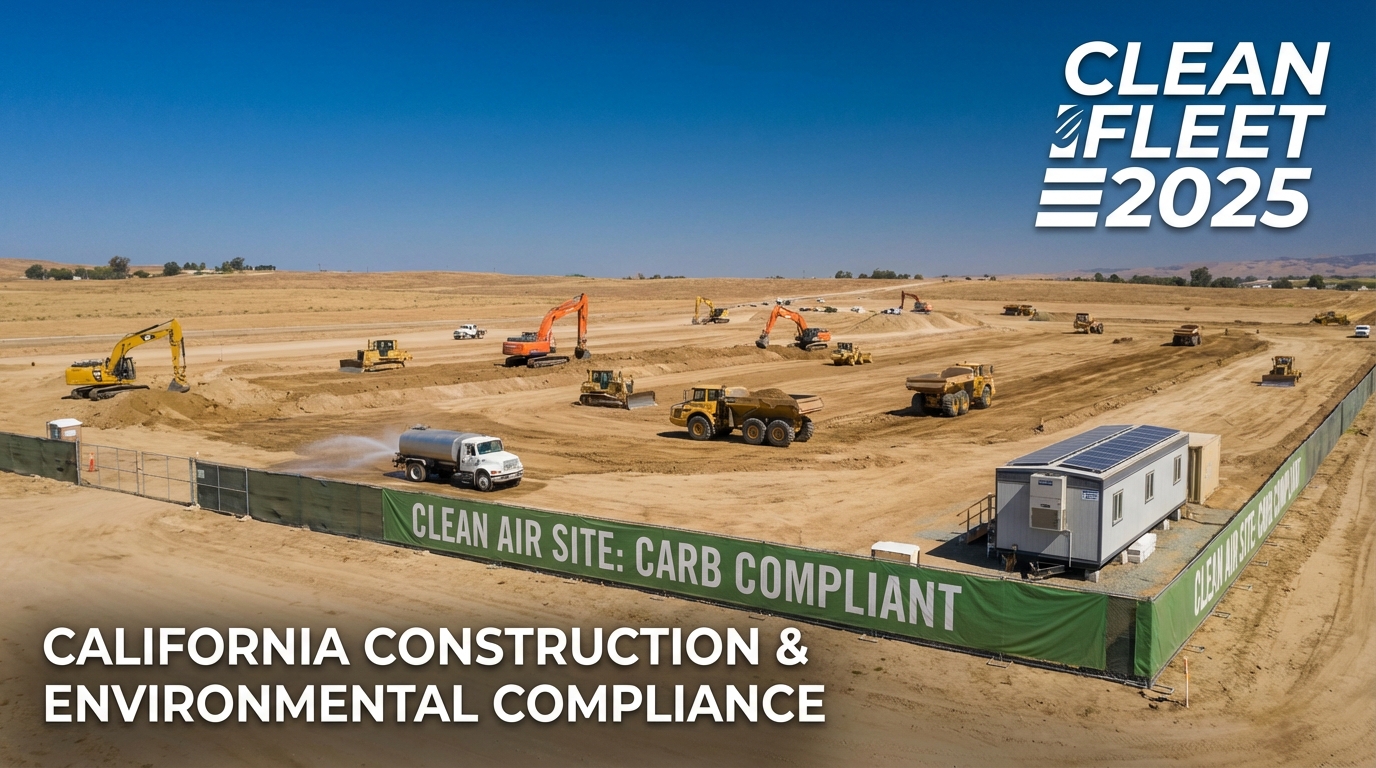
California’s Air Resources Board (CARB) and several Northeastern states often implement stricter timelines or additional requirements. Contractors operating in these jurisdictions should track state-level rulemaking closely.
Maintain Flexibility
Given regulatory uncertainty and rapid technology evolution, avoiding over-commitment to any single approach provides valuable optionality.
State and Local Considerations
Federal EPA standards set the floor for emission requirements, but contractors must also navigate state and local regulations that may impose additional obligations:
California: CARB’s In-Use Off-Road Diesel-Fueled Fleets Regulation already requires fleet-wide emission reductions beyond federal new engine standards. The state is actively developing regulations that would likely align with or exceed Tier 5 requirements.
Northeast States: Several states have adopted California standards or are developing their own off-road equipment requirements, particularly for public contracts.
Low-Emission Zones: Some municipalities are implementing low-emission zones that restrict high-emitting equipment, regardless of federal standards.
Green Contract Requirements: Public agencies and some private developers increasingly specify equipment emission standards in contract documents.
Looking Ahead
The transition to Tier 5 emission standards represents both a challenge and an opportunity for construction contractors. While compliance will require investment and operational adjustments, the regulatory push is driving innovation that may ultimately benefit the industry through improved equipment efficiency, reduced fuel consumption, and new technology options.
Contractors who begin planning now—assessing their fleets, monitoring regulatory developments, and evaluating emerging technologies—will be best positioned to navigate this transition successfully.
The equipment industry has successfully adapted to previous emission tier transitions, and Tier 5 will follow a similar pattern. The key is early preparation and informed decision-making rather than reactive compliance.
For related coverage, see our analysis of environmental compliance requirements and equipment technology trends.