DOT Commercial Vehicle Compliance Changes for 2026: Heavy Equipment Haulers Take Note
The Federal Motor Carrier Safety Administration has implemented several regulatory changes affecting commercial vehicle operations that directly impact how contractors move heavy equipment between jobsites.
Commercial vehicle regulations continue evolving, and 2026 brings several changes that directly affect how construction contractors transport heavy equipment. From updated hours of service provisions to revised weight tolerances and enhanced electronic logging requirements, fleet managers and owner-operators need to understand the new compliance landscape.
The Federal Motor Carrier Safety Administration (FMCSA) has been particularly active in modernizing regulations while maintaining safety standards. These changes reflect lessons learned from enforcement data and industry feedback over recent years.
Hours of Service Updates
The hours of service (HOS) regulations governing commercial motor vehicle drivers have seen targeted modifications:
Short-Haul Exemption Expansion
The short-haul exemption, which allows drivers to operate without maintaining detailed logs, has been slightly expanded. Drivers operating within a 150 air-mile radius of their normal work reporting location and completing their workday within 14 hours now qualify for this exemption, up from the previous 100-mile limit for non-CDL short-haul.
For contractors moving equipment within regional areas, this provides operational flexibility while reducing administrative burden. However, drivers must still comply with the 14-hour duty limit and 11-hour driving limit.
Adverse Driving Conditions Exception
The adverse driving conditions exception now provides up to two additional hours of driving time when drivers encounter unexpected conditions such as weather, traffic, or road emergencies. Importantly, this exception cannot be used to extend the 14-hour on-duty window—only the driving limit within that window.
This change acknowledges the unpredictable nature of equipment transport, where delays at pickup or delivery sites can compress available driving time.
Split Sleeper Berth Provision
The split sleeper berth provision offers more flexibility for drivers using sleeper berths. Drivers can now split their required 10-hour off-duty time into two periods: one of at least 7 hours in the sleeper berth and another of at least 2 hours either in the sleeper berth, off-duty, or any combination.
For equipment haulers making overnight trips, this allows better alignment of rest periods with natural sleep patterns and operational needs.
Electronic Logging Device Compliance
Electronic logging device (ELD) requirements continue expanding:
Agricultural Equipment Transport
Previously, the agricultural commodity exemption provided broad relief from ELD requirements. New rules have narrowed this exemption, requiring ELDs for vehicles transporting farm equipment over extended distances or outside traditional agricultural zones.
Contractors who transport agricultural equipment as part of diversified operations should review whether their operations still qualify for exemptions.
Malfunction Reporting Requirements
FMCSA has implemented stricter requirements for ELD malfunction documentation and reporting. When an ELD fails, drivers must now document the malfunction within 24 hours and carriers must address the issue within 8 days. Persistent or repeated malfunctions trigger additional scrutiny.
Data Transfer Protocols
Updated data transfer requirements mandate that ELDs support the latest telematics interface standards, ensuring consistent data formats for roadside inspections. Carriers using older ELD systems should verify their devices meet current specifications.
Weight and Dimension Regulations
Heavy equipment transport often involves oversize and overweight loads, making understanding current regulations critical:
Bridge Formula Adjustments
Certain interstate routes now accommodate heavier loads under revised bridge formula applications. The adjustments recognize advances in vehicle technology and infrastructure improvements while maintaining structural safety margins.
However, these provisions vary significantly by route and jurisdiction, requiring careful route planning for loads approaching federal weight limits.
Oversize Load Permitting Harmonization
Multi-state efforts to harmonize oversize/overweight permitting continue progressing. The Western Regional Permit Agreement and similar programs now cover additional routes, simplifying permit acquisition for equipment moving across state lines.
Contractors regularly transporting oversize equipment should investigate regional permit programs that could streamline operations.
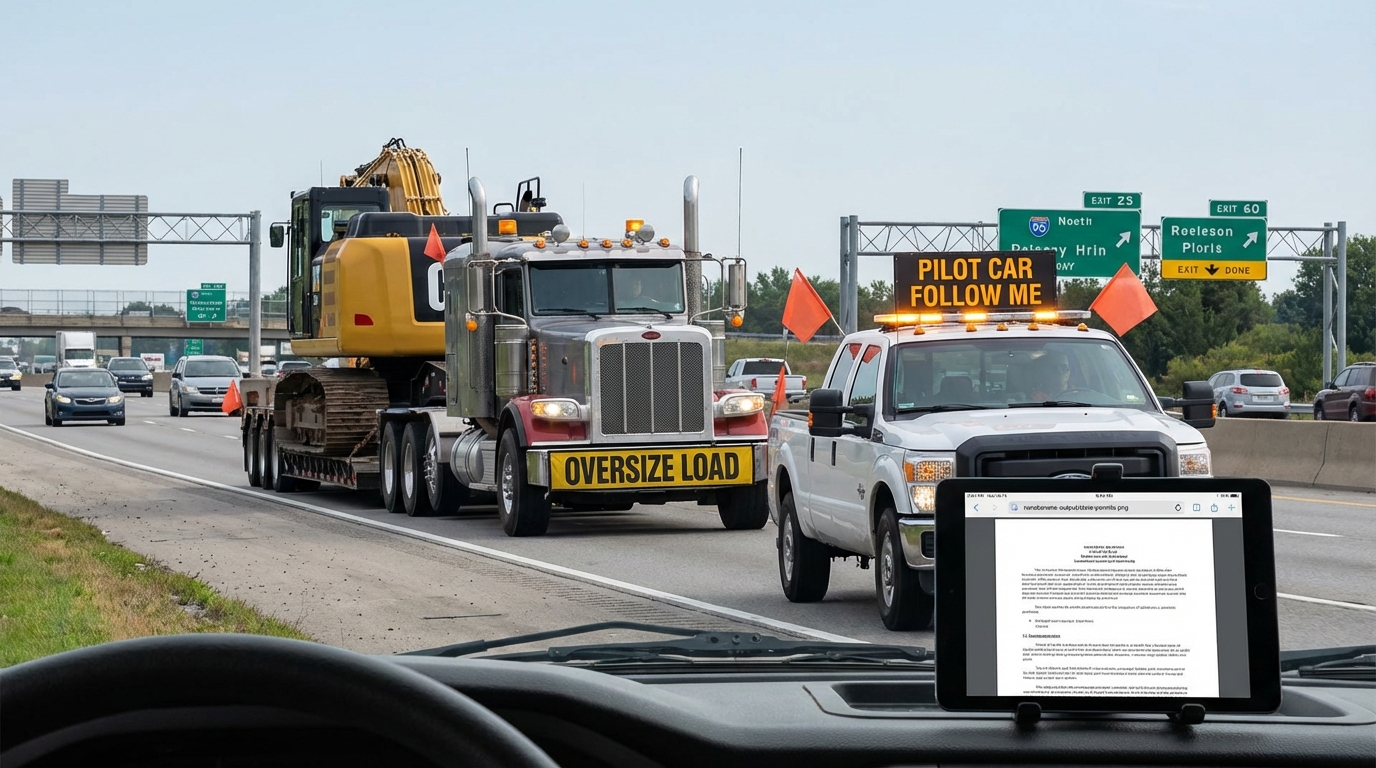
Escort Vehicle Requirements
Several states have updated escort vehicle requirements for oversize loads. Common changes include:
- Revised distance requirements between escort and load vehicles
- Updated communication equipment specifications
- Enhanced training requirements for escort vehicle operators
- New lighting and signage standards
Contractors should verify current requirements for each state in their operating territory.
Drug and Alcohol Testing Updates
The Drug and Alcohol Clearinghouse requirements have matured since initial implementation:
Pre-Employment Query Requirements
Employers must now query the Clearinghouse for all driver applicants before allowing them to operate commercial motor vehicles. This full query requirement, which replaced the limited query option for initial checks, ensures complete visibility into driver violation histories.
Annual Query Timing
The annual query requirement has been clarified to require queries at least once every 12 months for each driver, with specific documentation requirements for query timing and results.
Return-to-Duty Process
The return-to-duty process for drivers with drug and alcohol violations has been formalized with specific requirements for substance abuse professional evaluations, follow-up testing, and clearinghouse reporting.
Enforcement Focus Areas
Understanding FMCSA enforcement priorities helps contractors target compliance efforts:
Brake System Violations
Brake violations remain a leading cause of out-of-service orders. For equipment haulers, trailer brake systems deserve particular attention given the heavy loads involved. Regular brake inspections and immediate repair of deficiencies are essential.
Cargo Securement
Improper cargo securement generates significant violations, especially for equipment that doesn’t fit standard tie-down configurations. Contractors should ensure drivers understand and apply appropriate securement methods for various equipment types.
Driver Qualification Files
Incomplete driver qualification files continue generating violations during audits. Electronic document management can help maintain complete records, including medical certificates, license documentation, and training records.
Insurance and Liability Considerations
Regulatory compliance intersects with insurance requirements:
Minimum Insurance Levels
FMCSA minimum insurance requirements remain unchanged, but insurers increasingly tie coverage terms and pricing to safety performance data. Carriers with poor Compliance, Safety, Accountability (CSA) scores may face higher premiums or coverage restrictions.
Cargo Insurance
Cargo insurance requirements for equipment transport should reflect current equipment values, which have increased substantially in recent years. Contractors should verify coverage limits remain adequate for the equipment being transported.
Compliance Technology
Technology continues transforming compliance management:
Integrated Fleet Management
Modern fleet management platforms integrate ELD data, driver qualification management, vehicle inspection records, and permit tracking. This integration reduces administrative burden while improving compliance visibility.
Automated Alerts
Automated systems can now monitor driver hours in real-time, alerting dispatchers before violations occur. Similar automation applies to medical certificate expirations, license renewals, and inspection scheduling.
Digital Inspection Reports
Driver vehicle inspection reports (DVIRs) are increasingly submitted electronically, creating searchable records and enabling trend analysis to identify recurring maintenance issues.
Practical Compliance Strategies
For contractors managing equipment transport operations, several strategies support effective compliance:
Designate compliance responsibility: Assign specific personnel to monitor regulatory changes and ensure organizational compliance. This function shouldn’t be an afterthought buried in other responsibilities.
Invest in training: Regular training for drivers, dispatchers, and maintenance personnel on current regulations reduces violations and supports safety. Many industry associations offer updated training programs.
Conduct internal audits: Periodic self-audits of driver files, vehicle maintenance records, and operational practices identify issues before regulatory inspections reveal them.
Maintain relationships with enforcement: Professional, cooperative interactions with DOT inspectors during roadside encounters and audits produce better outcomes than adversarial approaches.
Document everything: Thorough documentation of compliance efforts, training activities, and corrective actions demonstrates good-faith commitment to regulatory compliance.
Looking Ahead
The regulatory landscape for commercial vehicle operations continues evolving. FMCSA is actively considering additional rule changes related to driver training, safety technology mandates, and enforcement modernization.
Contractors who stay informed, invest in compliance infrastructure, and treat safety as a core operational value will navigate these changes most effectively. The cost of compliance is predictable; the cost of serious accidents or enforcement actions is not.
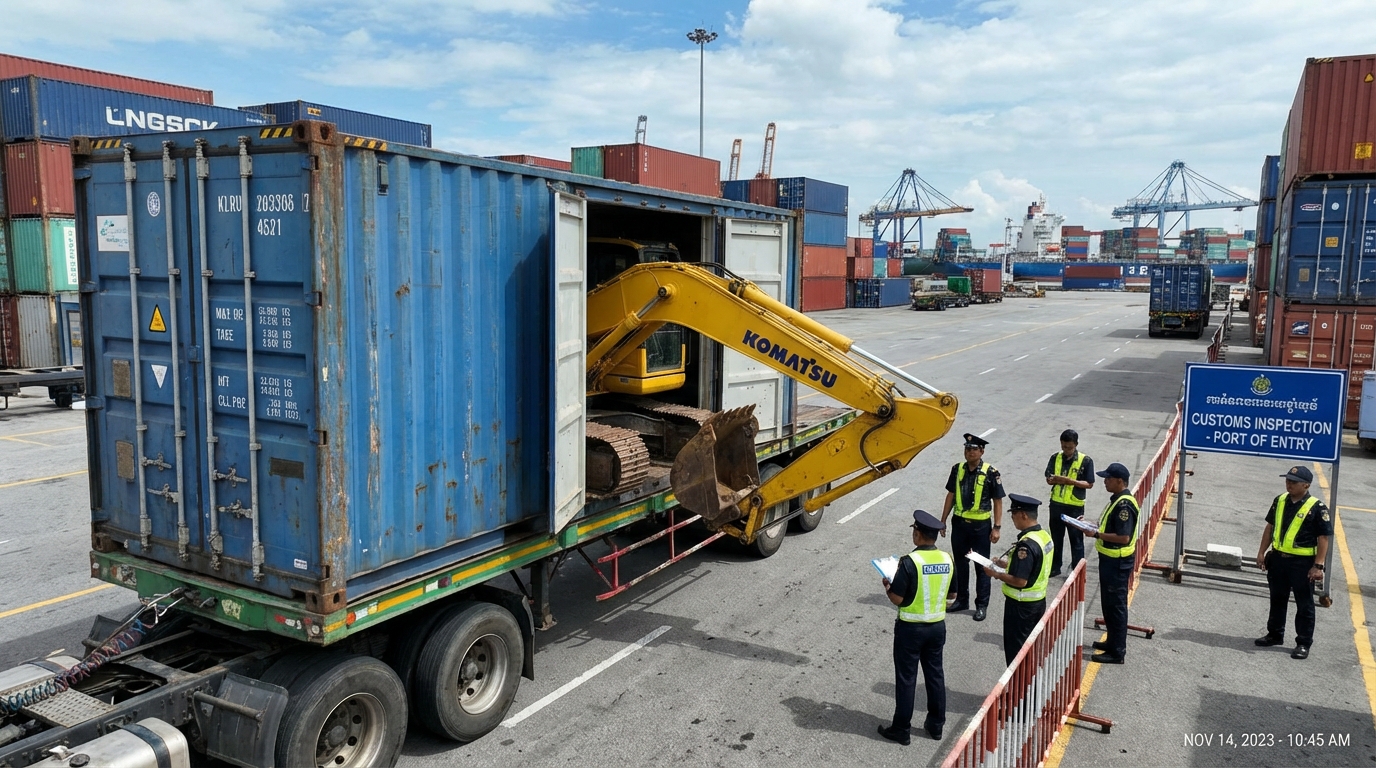
For related coverage, see our analysis of cross-border equipment transport and fleet management technology.