Green Roots Tree: Master Arborist Building Middle Tennessee's Premier Tree Care Operation
Profile of Green Roots Tree - A Board Certified Master Arborist combines education, certification, and equipment expertise to serve Nashville and Middle Tennessee
In the rolling hills and fertile valleys of Middle Tennessee, where ancient oaks shade historic properties and towering tulip poplars line suburban streets, one company has established itself as the region’s trusted authority in professional tree care. Green Roots Tree, headquartered in Lafayette, Tennessee, represents a new generation of arboriculture operations—one where scientific expertise meets boots-on-the-ground equipment knowledge, and where a Board Certified Master Arborist leads crews equipped with the tools to handle everything from delicate pruning to complex removals.
What sets Green Roots Tree apart in an industry often dominated by fly-by-night operators and undertrained crews? The answer lies in the unique combination of academic credentials, professional certification, and an equipment philosophy that prioritizes both capability and sustainability.
FieldFix Editor’s Note: Board Certified Master Arborist (BCMA) is the highest level of certification offered by the International Society of Arboriculture (ISA). To achieve this designation, arborists must pass rigorous examinations covering advanced tree biology, risk assessment, and management practices. Only a small percentage of working arborists hold this credential, making companies led by BCMAs relatively rare in the industry. This certification directly impacts equipment selection and operational practices, as BCMAs are trained to assess which tools and techniques minimize stress and damage to trees while maximizing safety for crews and property owners.
From Classroom to Canopy: The Green Roots Story
The Green Roots Tree story begins not in a truck yard or equipment dealership, but in the classrooms and greenhouses of BYU-Idaho, where the company’s founder pursued a bachelor’s degree with a minor in horticulture. This academic foundation proved crucial in understanding the biological systems that govern tree health—knowledge that directly informs equipment selection and operational protocols.
“My journey in this industry is fueled by a deep appreciation for the role trees and plants play in our environment and our lives,” the founder explains on the company’s website. This isn’t mere marketing copy; it reflects an approach to tree care that considers the long-term health of each specimen rather than simply completing a job and moving on.
After completing formal education, the founder pursued professional certifications that would translate academic knowledge into practical expertise. The crown jewel of these credentials is the Board Certified Master Arborist designation (WE-12662B) from the International Society of Arboriculture—a certification that requires demonstrated mastery of advanced arboricultural concepts and practical experience in the field.
Headquartered in Lafayette, in Macon County, Green Roots Tree has expanded its service area to cover a significant portion of Middle Tennessee. The company now serves communities including Nashville, Clarksville, Murfreesboro, Westmoreland, Mt. Juliet, Springfield, Smyrna, Red Boiling Springs, Portland, Lebanon, and Franklin. This geographic reach requires not just qualified personnel, but a fleet of equipment capable of responding to diverse job requirements across varying terrain and property types.
Service Offerings and the Equipment Behind Them
Green Roots Tree’s service menu reflects the comprehensive approach expected from a BCMA-led operation. Each service category demands specific equipment and expertise, and the company has invested accordingly.
Tree Pruning and Structural Maintenance
Professional tree pruning remains the cornerstone of Green Roots Tree’s operations. Unlike amateur “topping” or indiscriminate cutting, scientific pruning requires an understanding of tree biology and the right tools to execute cuts that promote healing rather than decay.
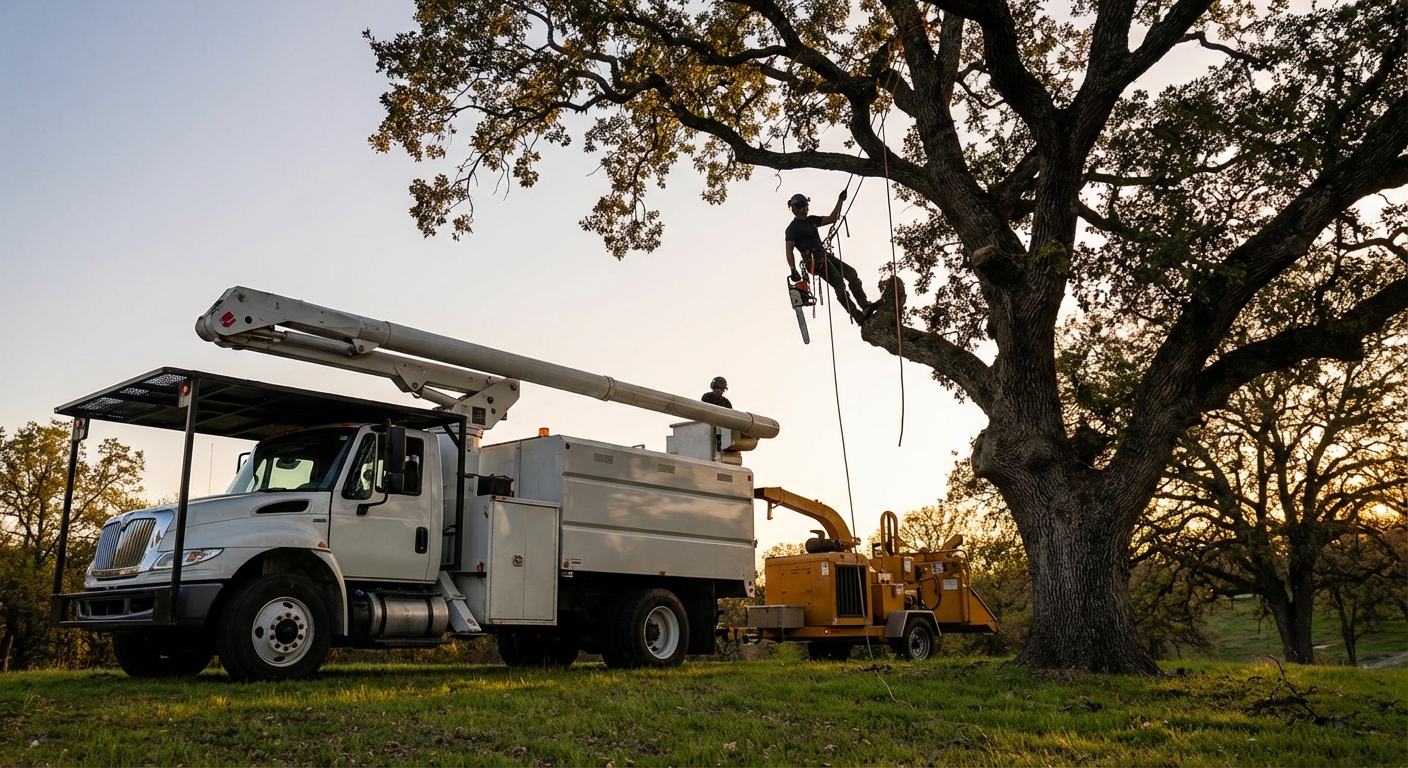
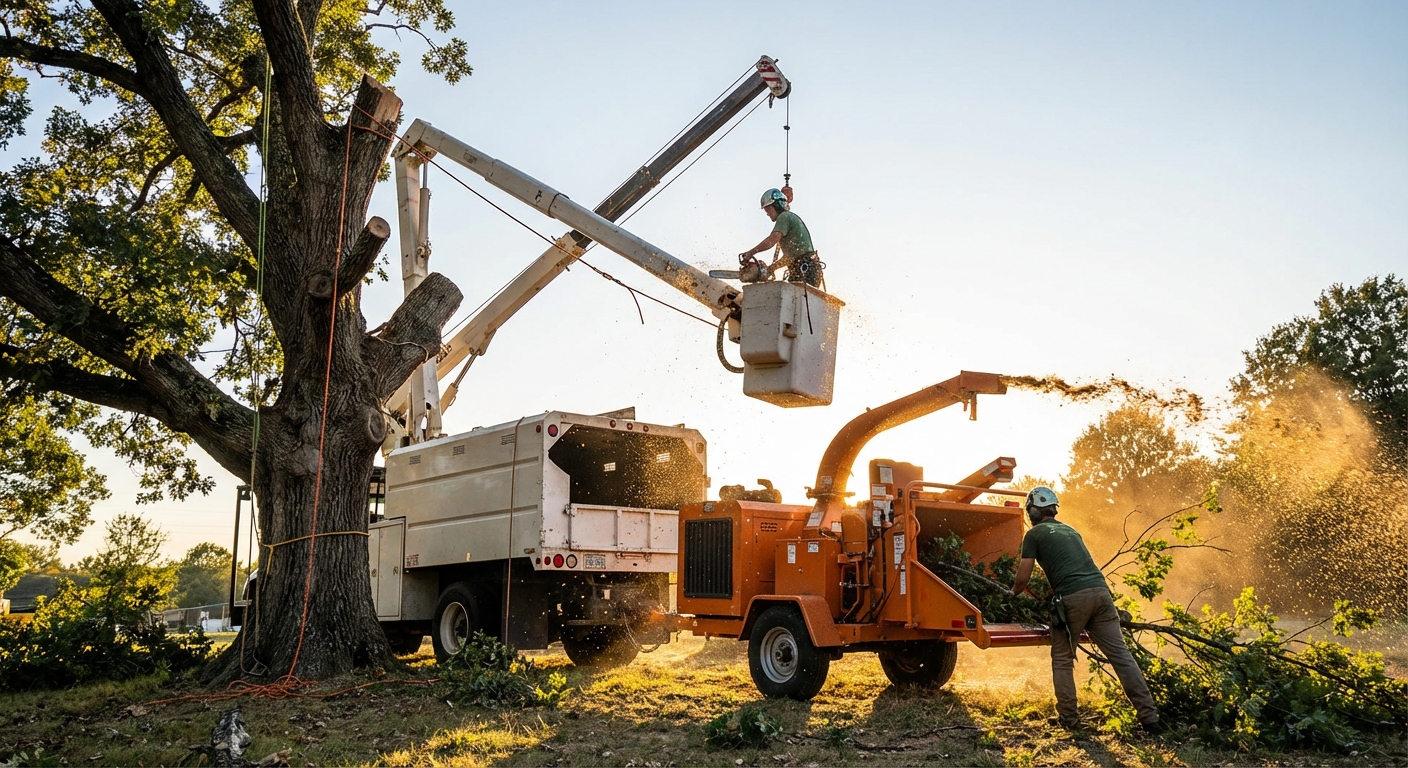
For canopy access, bucket trucks are essential equipment in any professional tree service operation. These aerial lift platforms allow arborists to reach heights of 60 feet or more while maintaining stable footing for precise cutting work. The articulating booms found on modern bucket trucks enable operators to navigate around obstacles and position themselves at optimal cutting angles—critical when executing the three-cut method on larger limbs to prevent bark tearing.
At the cutting edge, literally, are the chainsaws and hand tools that define quality pruning work. Professional-grade chainsaws from manufacturers like Stihl and Husqvarna form the backbone of most tree service fleets. For finer work, hand saws, pole pruners, and loppers allow for the surgical precision that BCMA-trained arborists bring to structural pruning jobs.
“We specialize in enhancing the shape, health, and safety of your trees, ensuring they grow strong and beautiful,” the company states. This language reflects an understanding that proper pruning isn’t about removing wood—it’s about directing future growth while preserving the tree’s structural integrity.
Plant Healthcare and Diagnostic Services
Beyond the mechanical aspects of tree care, Green Roots Tree offers comprehensive plant healthcare services that address the biological needs of landscape plants. This service category requires a different equipment set: soil testing equipment, injection systems for targeted treatments, and application equipment for nutritional supplements.
The company’s approach to plant healthcare emphasizes “targeted soil treatments” and “nutritional support”—interventions that require both diagnostic capability and precise application equipment. Modern arboriculture increasingly relies on trunk injection systems that deliver treatments directly to a tree’s vascular system, bypassing soil conditions that might interfere with root uptake.
For a BCMA, the diagnostic process is as important as the treatment itself. Understanding why a tree is declining requires systematic assessment of soil conditions, pest presence, structural defects, and environmental stressors. Only after proper diagnosis can appropriate treatments—and the equipment to deliver them—be selected.
Lawn Fertilization: Completing the Landscape Equation
Green Roots Tree’s lawn fertilization services might seem tangential to tree care, but they represent an understanding that landscape health is holistic. Trees don’t exist in isolation; they share soil ecosystems with turf, ornamental plantings, and other vegetation. The company’s fertilization programs are designed with this interconnection in mind.
Commercial fertilization requires spreaders capable of consistent application rates, tank sprayers for liquid treatments, and the measurement equipment necessary to calibrate applications to specific soil conditions and turf types. The company emphasizes customized treatment plans based on “local soil and climate conditions”—an approach that requires ongoing soil analysis and adjustment of treatment protocols.
The Equipment Philosophy: Matching Tools to Mission
What distinguishes equipment-conscious tree service operations from their competitors isn’t simply owning expensive machinery—it’s understanding how to match equipment capabilities to job requirements while maintaining the flexibility to handle unexpected challenges.
For tree service operations serving diverse geographic areas like Middle Tennessee, equipment selection must account for varying conditions. Urban properties in Nashville present different access challenges than rural acreages in Macon County. Historic properties in Franklin may have sensitive landscapes that require careful equipment positioning, while commercial properties in Clarksville might prioritize speed and efficiency.
Chipper selection exemplifies this balance. Modern brush chippers range from compact units suitable for residential work to large-capacity drum and disc chippers that can process substantial volumes of material. The choice between chipper types involves trade-offs between capacity, noise levels, fuel efficiency, and the quality of the resulting mulch product.
Stump grinding equipment presents similar considerations. Residential stump grinders offer maneuverability and can fit through standard gates, while larger commercial grinders tackle substantial stumps more efficiently but require wider access. Many operations maintain multiple grinder sizes to match equipment to job requirements rather than forcing a one-size-fits-all approach.
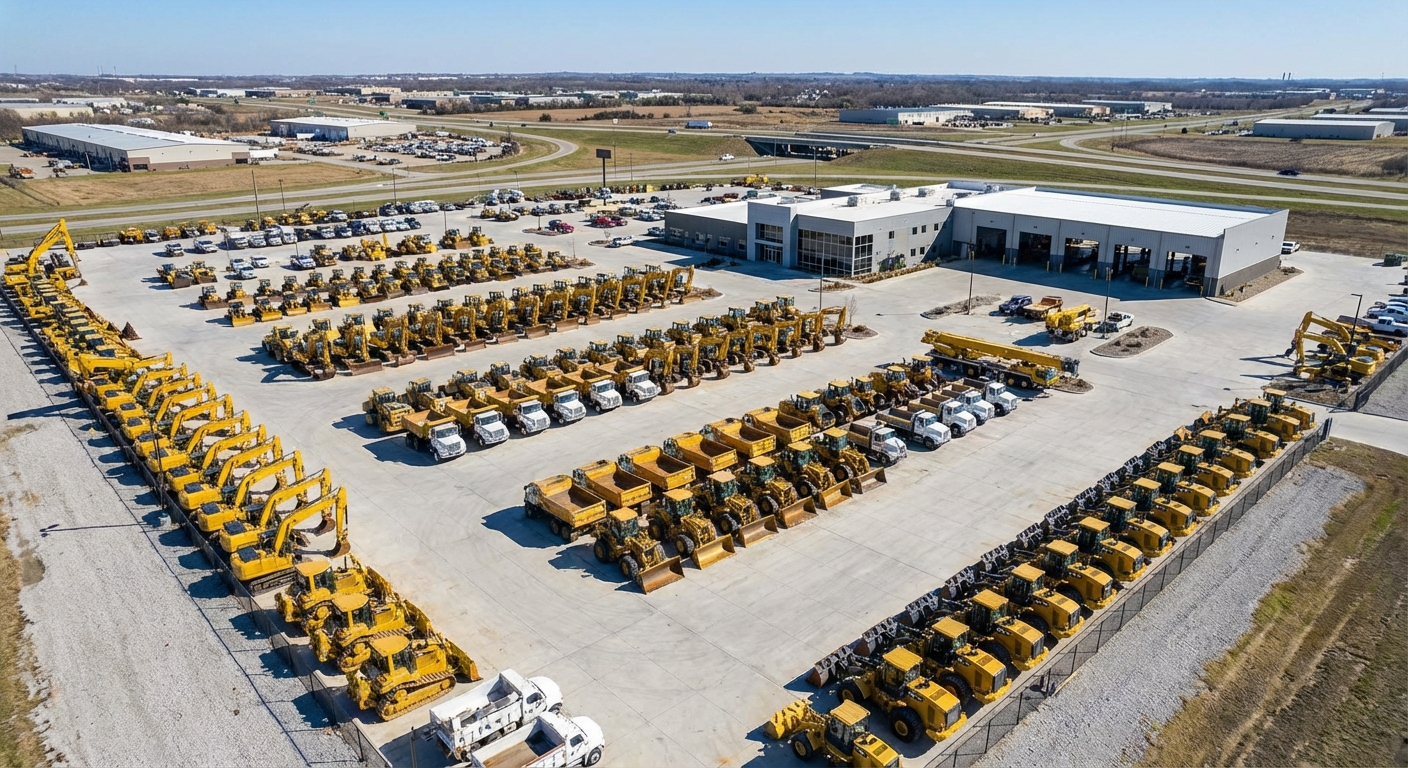
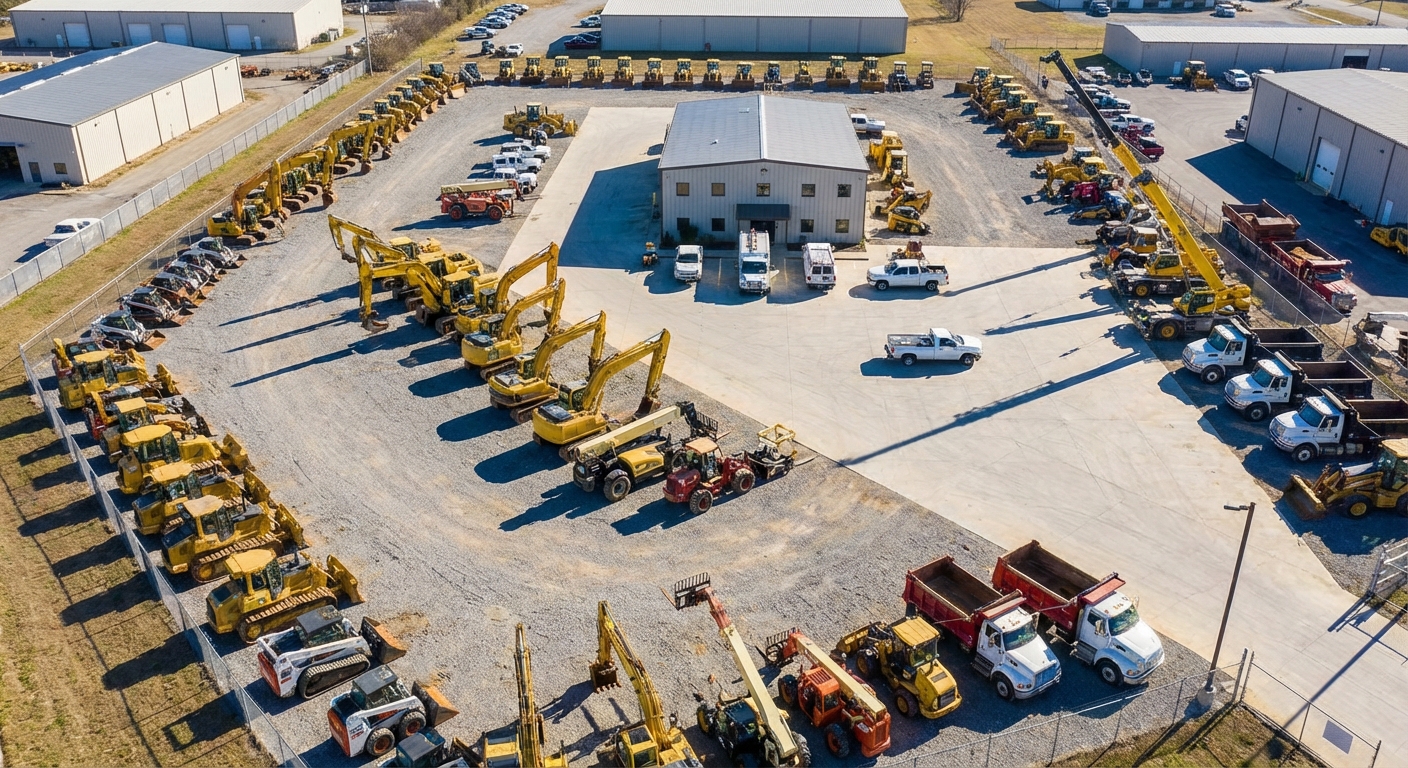
Bucket trucks themselves vary significantly in specifications. Reach, weight capacity, terrain capability, and boom articulation all factor into purchasing decisions. For operations covering territory as varied as Green Roots Tree’s service area, trucks capable of navigating both paved suburban driveways and unpaved rural access roads provide the versatility necessary for consistent service delivery.
The Middle Tennessee Market: Challenges and Opportunities
Middle Tennessee presents unique challenges for tree service operations. The region’s tree population includes species ranging from native hardwoods like oak, hickory, and maple to introduced ornamentals and evergreens. Each species has different pruning requirements, disease susceptibilities, and growth characteristics that trained arborists must understand.
The region’s weather patterns add complexity to operational planning. Tennessee’s climate produces ice storms that load branches beyond their structural capacity, summer storms with damaging winds, and periodic droughts that stress trees and increase disease susceptibility. Emergency response capability—having equipment and personnel ready to deploy after weather events—is essential for any serious tree service operation in the region.
Urban expansion throughout Middle Tennessee creates ongoing demand for tree services. New development often requires tree removal and site clearing, while established properties need ongoing maintenance. The population growth that has made Nashville one of the nation’s fastest-growing metropolitan areas translates directly into demand for professional tree care services.
Certification Matters: The BCMA Difference
The International Society of Arboriculture’s certification programs establish standards that distinguish trained professionals from hobbyists and untrained operators. The Board Certified Master Arborist designation represents the pinnacle of this credential hierarchy, requiring not just passing examinations but demonstrating practical experience and ongoing professional development.
For equipment selection and operational practices, BCMA training provides frameworks that less-trained operators might lack. Understanding tree biology informs decisions about when to remove versus when to treat, how to make cuts that promote compartmentalization of decay, and which equipment choices minimize long-term damage to trees and soil.
This expertise becomes particularly valuable in consulting situations. Green Roots Tree offers “arboriculture consulting” services—professional assessments that help property owners and developers make informed decisions about tree preservation, removal, and planting. This consulting capability is supported by the credibility that BCMA certification provides in legal and regulatory contexts where tree-related disputes require expert testimony.
Looking Forward: Sustainable Growth in a Growing Market
Green Roots Tree’s mission—to be “stewards of your landscape” while “preserving the natural beauty of Middle Tennessee”—suggests an operational philosophy that looks beyond individual jobs to long-term environmental impact. This perspective increasingly influences equipment decisions throughout the industry, with operators considering fuel efficiency, emissions, noise levels, and the sustainability of operational practices.
The company’s emphasis on “innovative, sustainable solutions” aligns with broader industry trends toward reduced environmental impact. Electric chainsaws, while still developing, offer quiet operation for noise-sensitive environments. Battery-powered hand tools reduce emissions and fuel costs. Even fleet vehicles increasingly include hybrid and electric options for companies prioritizing sustainability.
For Green Roots Tree, the foundation of education, certification, and customer focus positions the company to grow alongside Middle Tennessee’s expanding demand for professional tree care. The combination of a Board Certified Master Arborist’s expertise with appropriate equipment investment creates a service delivery model that can scale while maintaining quality standards.
Property owners throughout the company’s service area—from Lafayette to Nashville, from Clarksville to Franklin—can reach Green Roots Tree at (931) 999-0417 or through their website at greenrootstree.com. The company also maintains an active presence on social media, including the X platform where they can be found at @RealPlantBrah.
In an industry where equipment capability and operator expertise must align to deliver safe, effective, and sustainable tree care, Green Roots Tree demonstrates how academic foundations, professional certification, and strategic equipment investment combine to build a company worthy of stewardship responsibilities. For Middle Tennessee’s urban forests and private landscapes, that combination represents exactly the kind of care these valuable natural resources deserve.