Diamond Mowers: How a South Dakota Manufacturer Became a Force in Heavy-Duty Land Clearing Attachments
From Sioux Falls to job sites across North America, Diamond Mowers has carved out a reputation for building some of the toughest forestry and vegetation management attachments in the industry.
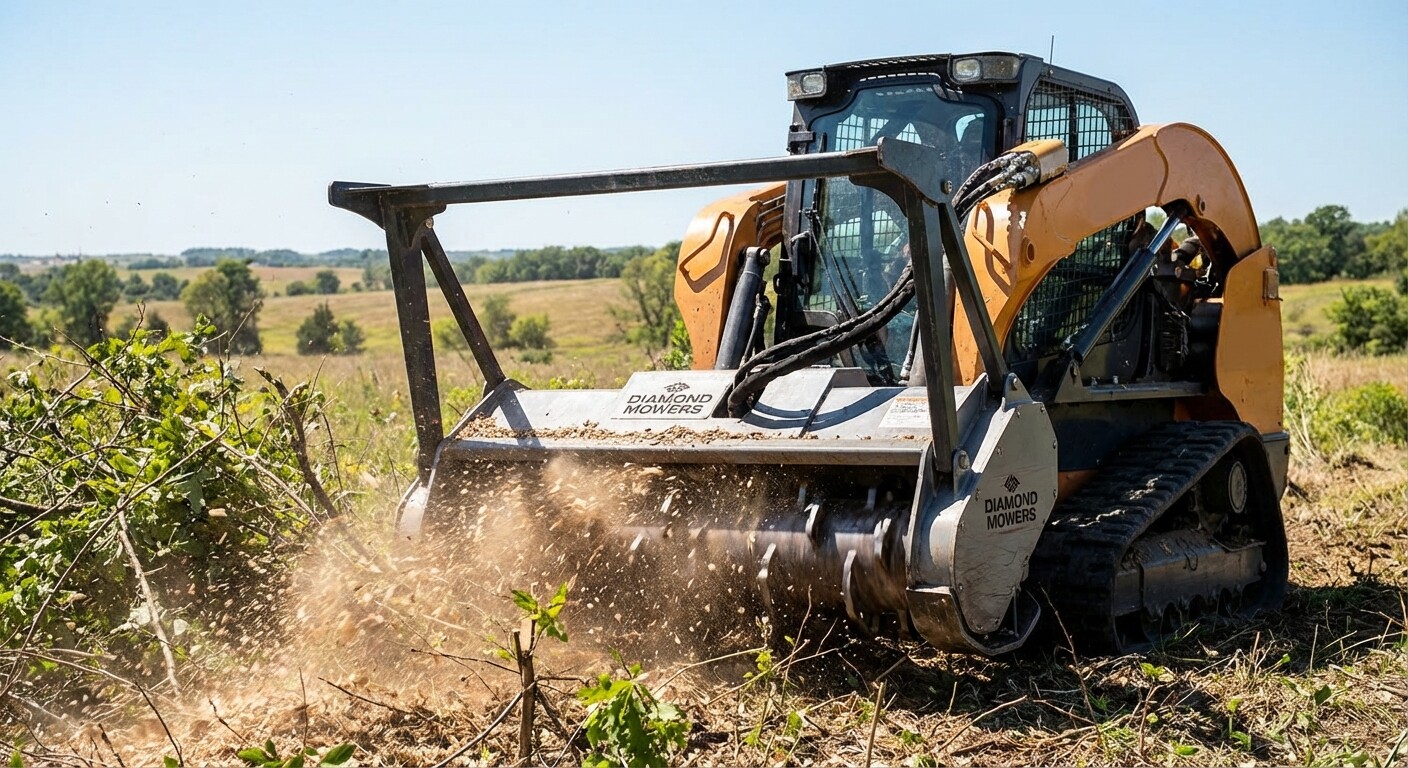
In the heart of South Dakota’s largest city, a manufacturing company has been quietly building a reputation that extends far beyond the Great Plains. Diamond Mowers, headquartered in Sioux Falls, has spent more than two decades developing industrial mowing, mulching, and brush cutting attachments that have become go-to tools for land clearing professionals, municipalities, and agricultural operations across North America.
Founded in 2000, the company represents a particular breed of American manufacturing success story—one built on engineering innovation, responsiveness to customer needs, and a willingness to tackle the most demanding vegetation management challenges in the industry.
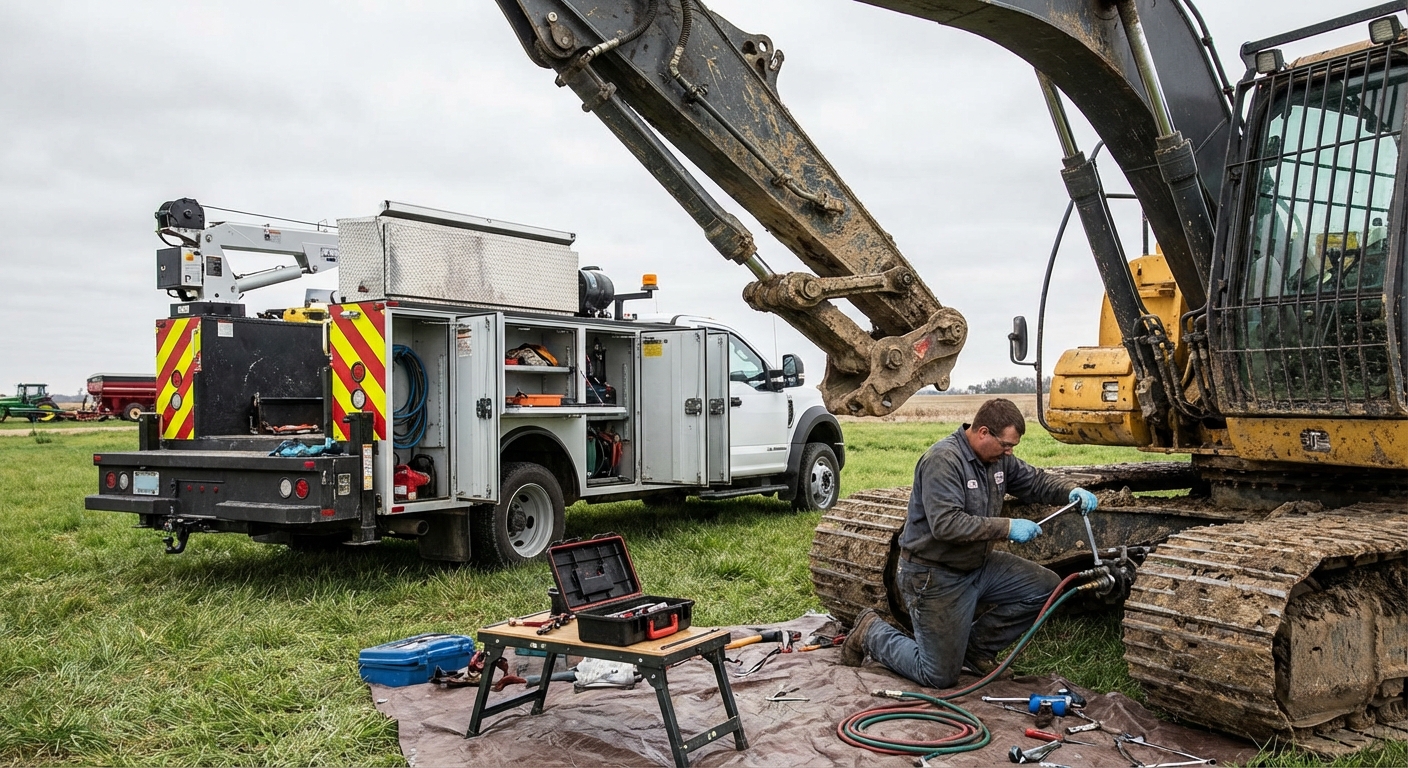
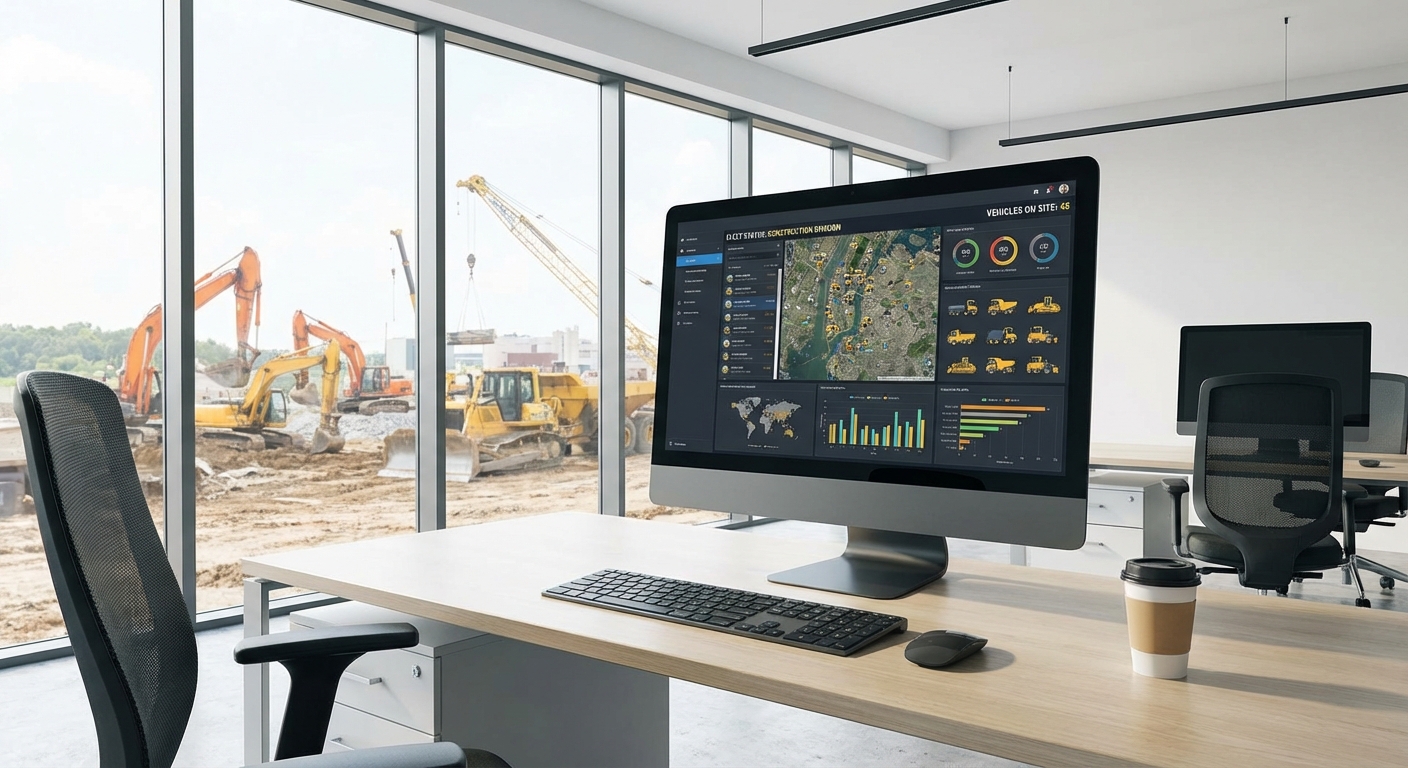
Editor’s Note: Managing equipment fleets in land clearing operations requires tracking maintenance, fuel costs, and utilization across multiple machines and attachments. FieldFix helps forestry mulching and vegetation management contractors monitor their equipment health and costs in real-time—essential for operations that push their attachments to the limit.
From Tractor Attachments to Multi-Platform Powerhouse
Diamond Mowers’ origin story begins with tractor-mounted mowing equipment, but the company’s trajectory changed significantly in 2013 when it made a strategic push into the skid-steer and excavator attachment markets. That decision positioned Diamond Mowers at the intersection of several converging industry trends: the growing popularity of compact equipment, increasing demand for land clearing services, and contractors’ appetite for attachments that could transform a single machine into a multi-purpose tool.
The timing proved fortuitous. The past decade has seen explosive growth in the forestry mulching and vegetation management sector, driven by wildfire mitigation programs, infrastructure development, residential land clearing, and agricultural applications. Contractors who once viewed mulching as a niche service have found it becoming a core revenue stream, and they’ve needed attachments capable of handling punishing workloads.
Diamond Mowers has responded by developing a product line that spans multiple equipment platforms and vegetation management applications. Today, the company manufactures attachments for skid steers, excavators, tractors, and wheel loaders—giving contractors flexibility in how they approach different job types and terrain challenges.
Engineering Philosophy: Built for the Worst Conditions
What sets Diamond Mowers apart in a crowded attachment market isn’t any single feature but rather an engineering philosophy that prioritizes durability under extreme conditions. The company’s design approach assumes that operators will push equipment to its limits—and often beyond.
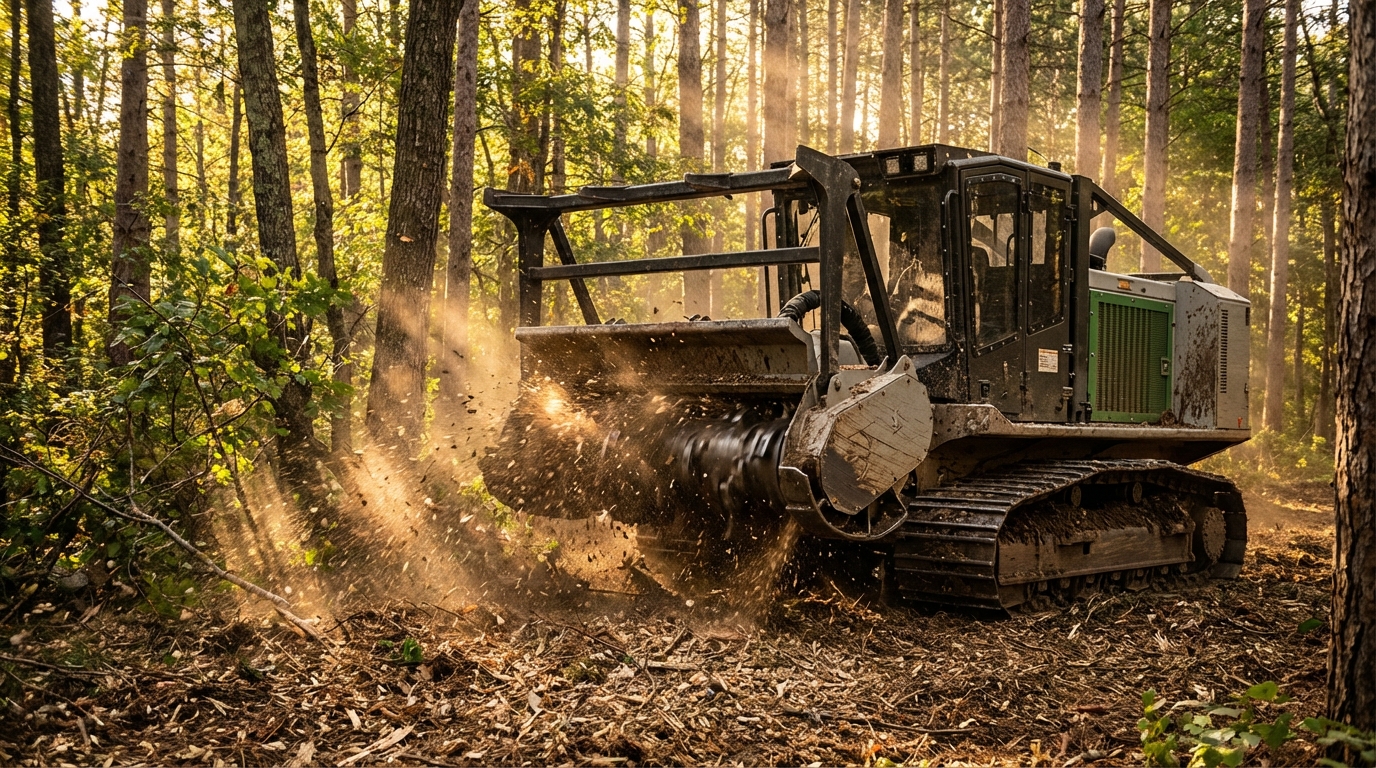
This philosophy manifests in several ways across the product line. The company’s drum mulchers, for instance, feature heavy-gauge steel construction, reinforced bearing housings, and hydraulic systems designed to handle the stress of continuous high-torque operation. The goal isn’t just to build attachments that work; it’s to build attachments that keep working after thousands of hours in conditions that would destroy lesser equipment.
The Drum Mulcher Pro X2, launched in May 2025, represents the latest iteration of this design philosophy. The attachment incorporates lessons learned from years of field feedback, with improvements to the cutting chamber geometry, enhanced debris management, and refined hydraulic flow characteristics. For contractors running these attachments day after day, such incremental improvements compound into meaningful differences in productivity and maintenance costs.
Product Line Deep Dive
Diamond Mowers’ current product lineup addresses the full spectrum of vegetation management challenges, from light brush clearing to heavy forestry work.
Drum Mulchers
The drum mulcher category represents Diamond Mowers’ core strength. The company offers several variants tailored to different applications:
Drum Mulcher DC Pro X: Designed for depth control applications, this attachment excels at processing trees and brush up to 9 inches in diameter while producing fine mulch. The depth control capability allows operators to manage exactly how much material they remove, making it suitable for applications where ground disturbance must be minimized.
Drum Mulcher OD Pro X: A hybrid design that combines characteristics of both depth control and open drum mulchers. This versatility makes it attractive to contractors who need to handle diverse job types without switching attachments constantly.
Brush Cutters
The Brush Cutter Pro X targets a different segment of the market—operators dealing primarily with smaller diameter material like thick grass, brush, branches, and trees up to 10 inches. It’s positioned for rural property maintenance, agricultural applications, and recreational land management where the material being processed doesn’t require the heavy-duty mulching capability of the drum units.
Forestry Disc Mulcher
For large-scale mulching and brush management applications, Diamond Mowers offers a forestry disc mulcher design. The disc configuration acts like a flywheel, storing rotational energy that helps maintain cutting momentum when the attachment encounters particularly tough material. This makes it well-suited for clearing operations where operators are processing significant volumes of heavy brush and trees.
Rotary Mowers
Diamond Mowers’ rotary mower lineup features the company’s proprietary Tri-Hex Disc design, which the company claims provides greater inertia in tough mowing conditions. These attachments target roadside maintenance, agricultural mowing, and property management applications where the primary need is cutting grass and light brush rather than mulching woody material.
Boom Mowers
In October 2025, Diamond Mowers unveiled a redesigned Mid-Mount Boom Mower aimed at roadside maintenance professionals. The redesign focused on improving operator control, visibility, and overall performance—addressing pain points that operators had identified with previous generations of boom-mounted equipment.
Market Position and Competition
Diamond Mowers operates in a competitive landscape that includes both established players and newer entrants attracted by the growth in forestry mulching applications. Companies like Fecon, FAE, Denis Cimaf, and various regional manufacturers all compete for the attention of land clearing contractors.
What Diamond Mowers brings to this competitive environment is a combination of mid-market positioning and engineering credibility. The company isn’t trying to be the cheapest option—that’s a race to the bottom that compromises quality. But it also isn’t positioning itself as an ultra-premium brand accessible only to the largest operations. Instead, Diamond Mowers targets the growing segment of professional contractors who need serious attachments without enterprise-level pricing.
This positioning resonates particularly well with the independent and small-fleet operators who make up a substantial portion of the land clearing market. These contractors often can’t justify the capital expenditure required for top-tier European attachments, but they also can’t afford the downtime and maintenance headaches that come with bargain-basement equipment.
Manufacturing and Support Infrastructure
Operating from Sioux Falls gives Diamond Mowers certain advantages that coastal manufacturers often struggle to replicate. Labor costs are more manageable than in major metropolitan areas, and the Midwest manufacturing culture emphasizes practical problem-solving and quality craftsmanship.
The company has invested in its manufacturing capabilities over the years, building out production facilities that can handle both the precision machining required for hydraulic components and the heavy fabrication work needed for attachment frames and cutting chambers. This vertical integration gives Diamond Mowers more control over quality and enables faster response to design changes and customer requests.
Parts availability and technical support represent another competitive advantage. For contractors whose business depends on attachment uptime, knowing they can get replacement components quickly matters enormously. Diamond Mowers has built out a dealer network and parts distribution system designed to minimize the time between a breakdown and getting back to work.
Industry Trends Favoring Attachment Specialists
Several macro trends in the equipment industry work in Diamond Mowers’ favor. The ongoing shift toward attachment-based versatility continues as contractors discover that a good attachment can transform their existing equipment rather than requiring them to purchase dedicated machines. This “attachment economy” benefits manufacturers who specialize in building best-in-class implements rather than trying to be equipment generalists.
Wildfire mitigation represents another growth driver. Western states have dramatically increased funding for vegetation management around communities and infrastructure, creating sustained demand for forestry mulching services. This isn’t a one-time boom but rather a fundamental shift in how governments and utilities approach fire risk—meaning steady work for contractors equipped to handle it.
Infrastructure development under various federal programs continues creating land clearing opportunities. Solar farms, data centers, transmission lines, and traditional construction projects all require site preparation that often involves removing brush and trees. For contractors with capable mulching attachments, these projects represent reliable revenue streams.
Challenges and Opportunities Ahead
Diamond Mowers faces the same challenges confronting most mid-size American manufacturers: supply chain complexity, skilled labor availability, and the constant pressure to innovate while maintaining production quality. Steel prices, component availability, and logistics costs all affect the company’s ability to deliver attachments at competitive prices.
The company’s opportunities, however, appear substantial. The forestry mulching and vegetation management market shows no signs of slowing, and Diamond Mowers’ reputation for building durable attachments positions it well to capture a growing share of that market. International expansion represents another avenue—while the company’s primary focus has been North America, demand for quality vegetation management equipment exists globally.
Technology integration presents both opportunities and challenges. As equipment becomes increasingly connected and data-driven, attachment manufacturers face pressure to incorporate sensors, telematics, and other smart features. Diamond Mowers will need to balance these demands against its core value proposition of building tough, reliable equipment that works in conditions where electronic components often struggle.
The Bottom Line
Diamond Mowers represents a particular kind of American manufacturing success: a company that found a market need, developed genuine expertise in addressing it, and built a reputation through consistent quality rather than marketing hype. From its Sioux Falls headquarters, the company has grown from a regional tractor attachment manufacturer into a nationally recognized name in forestry and vegetation management equipment.
For land clearing contractors evaluating attachment options, Diamond Mowers merits serious consideration. The company’s product line addresses multiple equipment platforms and application types, its engineering philosophy prioritizes durability over feature lists, and its support infrastructure provides the backup that professional operations require.
The vegetation management industry continues evolving, and Diamond Mowers appears well-positioned to evolve with it. Whether the future brings increased electrification, greater connectivity, or simply sustained demand for proven mechanical solutions, the company’s foundation of practical engineering and customer responsiveness should serve it well.
In an industry where equipment gets pushed hard every day, that foundation matters more than marketing claims ever could.