Tigercat: How a Canadian Family Business Built a Forestry Equipment Empire
From a small Ontario operation to a global force in purpose-built logging machinery, Tigercat has spent three decades proving that specialization beats diversification in forestry equipment manufacturing.
In the world of forestry equipment, there’s a stark divide between manufacturers who build logging machines as a sideline and those who wake up every day thinking about nothing else. Tigercat, the Brantford, Ontario-based manufacturer, has spent more than three decades firmly planted in the latter category—and that singular focus has transformed what started as a small Canadian operation into one of the most respected names in professional logging equipment worldwide.
Walk into any serious timber operation across North America, Scandinavia, or increasingly in South America and Australia, and you’re likely to spot the distinctive orange and black livery of Tigercat machines. Feller bunchers, skidders, forwarders, harvesters, loaders—the company builds equipment for virtually every step of the timber harvesting process, and they do so with an engineering philosophy that prioritizes the unique demands of forestry work over everything else.
Editor’s Note: For forestry contractors and equipment operators managing fleets of specialized machinery, tracking maintenance across multiple machines becomes critical for maximizing uptime. FieldFix helps logging operations log service records, monitor operating hours, and predict maintenance needs—because in the woods, a machine sitting idle costs money every hour.
The Origins: Purpose-Built From Day One
Tigercat’s founding story begins in 1992 when Ken MacDonald, drawing on experience in the forestry equipment industry, set out to build machines designed specifically for professional logging operations. The company’s headquarters in Brantford, Ontario—a city with a rich manufacturing heritage—became the base for what would become a methodical expansion into virtually every category of forestry equipment.
The timing proved fortuitous. The early 1990s saw significant changes in how timber was harvested, with mechanized logging operations becoming increasingly sophisticated. Loggers were demanding equipment that could handle the specific rigors of forestry work—machines that could operate on steep slopes, in extreme temperatures, and under conditions that would destroy equipment designed primarily for construction or agricultural applications.
Rather than adapting existing designs from other industries, Tigercat committed to purpose-built engineering from the start. Every machine the company produces is designed from the ground up for forestry applications, with structural components, hydraulic systems, and operator interfaces all optimized for the unique demands of timber harvesting.
The Product Philosophy: Specialization Over Diversification
Visit Tigercat’s manufacturing facilities and you’ll notice something conspicuously absent: product lines for construction, agriculture, or mining applications. While many equipment manufacturers treat forestry as one segment among many—often adapting existing machines with forestry-specific attachments—Tigercat has maintained an almost monastic focus on logging equipment alone.
This specialization extends to how the company approaches product development. Rather than designing machines that can handle a broad range of applications adequately, Tigercat engineers work to create equipment that excels specifically at forestry tasks. The result is a lineup that addresses the complete timber harvesting cycle:
Feller Bunchers: Tigercat’s tracked feller bunchers have become industry standards in many logging operations. The machines combine the cutting power needed for harvesting with the stability required for working on uneven forest terrain. Multiple models address different operation sizes and timber conditions.
Skidders: Both grapple skidders and clambunk skidders feature in the Tigercat lineup, offering loggers options for different extraction methods and terrain conditions. The machines are built to handle the constant stress of dragging timber across rough ground—a task that quickly exposes weaknesses in equipment not designed specifically for the purpose.
Harvesters: For cut-to-length operations, Tigercat’s harvesters deliver the precision cutting and processing capabilities that modern forestry demands. These machines must operate with surgical accuracy while withstanding the vibration, debris, and environmental extremes common to logging sites.
Forwarders: Moving processed timber from the stump to the roadside requires equipment that can navigate challenging terrain while carrying substantial loads. Tigercat’s forwarders are designed for this specific task, with frames, axles, and hydraulic systems all sized for forestry work.
Loaders: Knuckleboom loaders for log handling round out the product line, providing the lifting capacity and reach needed for loading operations at landing sites.
Engineering for Extremes
Forestry equipment operates under conditions that would be considered abusive in almost any other industry. Machines work year-round in environments ranging from sweltering southern pine plantations to frozen boreal forests. They’re subjected to constant impacts from logs, debris, and terrain. They operate far from service facilities, where downtime translates directly into lost revenue.
Tigercat’s engineering approach addresses these realities through design decisions that prioritize durability and serviceability. Frames are built heavier than might be strictly necessary for the rated loads, providing reserve strength for the inevitable abuse of daily logging operations. Hydraulic systems use components sized for reliability rather than minimum cost. Critical wear points are designed for easy replacement in the field.
The company also invests heavily in in-house manufacturing capabilities. Rather than relying entirely on outside suppliers for major components, Tigercat produces many critical parts at its own facilities. This vertical integration allows for tighter quality control and faster iteration when engineering improvements are identified.
The Dealer Network: Service in Remote Locations
Building durable forestry equipment addresses only part of the operational equation. Equally important is the ability to service and support those machines in locations that are often far from major population centers. A feller buncher breaking down in a remote timber harvest can cost thousands of dollars daily in lost production—making responsive service support a critical factor in equipment purchasing decisions.
Tigercat has built its dealer network with this reality in mind. Authorized dealers maintain parts inventories and field service capabilities positioned to serve logging operations across their territories. The company works to ensure that dealers understand the urgency inherent in forestry work, where harvest windows and contract deadlines create intense pressure to maximize uptime.
Training programs keep dealer technicians current on the latest equipment and service procedures. Parts distribution systems are designed to get critical components to job sites quickly. And Tigercat’s engineering team maintains direct relationships with the dealer network, enabling rapid communication when technical issues arise.
Global Expansion: Canadian Roots, International Reach
While Tigercat’s home base remains firmly in Ontario, the company’s customer base has expanded well beyond North American borders. Forestry operations around the world have discovered equipment that was originally designed for Canadian logging conditions performs well in a variety of timber environments.
Scandinavian markets, with their sophisticated mechanized logging traditions, have proven receptive to Tigercat equipment. South American forestry operations, particularly in the rapidly growing plantation sectors of Brazil and Chile, have become increasingly important customers. Australian eucalyptus plantations present another growth market where purpose-built forestry equipment delivers advantages over adapted construction machinery.
This international expansion has proceeded without sacrificing the company’s focus on forestry. Unlike some manufacturers who use global growth as an opportunity to diversify into new product categories, Tigercat has channeled international success back into its core logging equipment business.
Innovation: Technology Meets Traditional Logging
The timber industry’s relationship with technology has historically been cautious. Logging operations tend to favor proven equipment and well-understood processes over cutting-edge innovations that might introduce new failure modes. Yet productivity pressures and evolving regulatory requirements have created openings for thoughtful technological advancement.
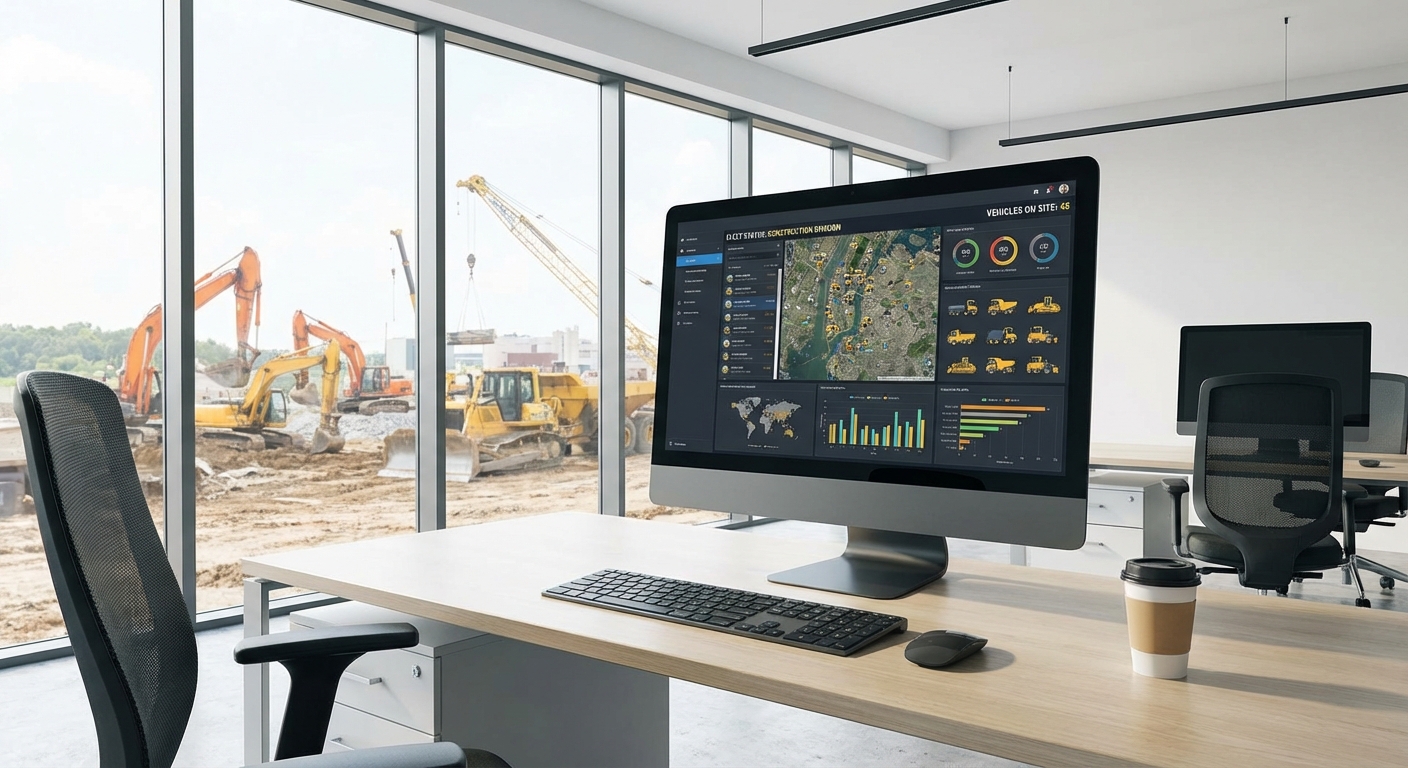
Tigercat has navigated this balance by introducing technology that addresses practical operational needs rather than innovation for its own sake. Telematics systems provide fleet managers with remote visibility into machine location, operating hours, and maintenance needs. Engine and hydraulic system monitoring helps identify potential problems before they cause unplanned downtime.
Operator interface improvements have focused on reducing fatigue and improving productivity during long shifts. Modern forestry equipment operators may spend ten or more hours daily in their machines—making ergonomics and control design critical factors in both productivity and operator health.
Emission compliance has presented particular challenges for forestry equipment, which typically operates at high power levels for extended periods in dusty environments. Tigercat has worked to meet evolving emission standards while maintaining the reliability that logging operations demand—a balance that requires careful engineering attention to engine systems, cooling, and filtration.
The Competitive Landscape
Tigercat operates in a competitive market that includes both specialized forestry equipment manufacturers and large diversified equipment companies. John Deere’s forestry division represents perhaps the most significant competition, bringing the resources of one of the world’s largest equipment manufacturers to the logging equipment market. Ponsse and Komatsu Forest round out the major global players, each with their own technological approaches and geographic strengths.
Against this competition, Tigercat has carved out a position based on its specialization and its engineering philosophy. The company doesn’t try to be all things to all customers. Instead, it focuses on professional logging operations that prioritize equipment designed specifically for their needs over machines adapted from other applications.
This positioning has proven particularly effective in segments like feller buncher production, where Tigercat has built a strong reputation among contractors who operate in challenging timber and terrain conditions. The company’s tracked machines have developed followings among loggers working in steep terrain, soft ground, and other difficult operating environments.
Family Business, Professional Management
Tigercat has maintained its character as a family business while growing into an international equipment manufacturer. This structure has allowed the company to maintain a long-term perspective on product development and market positioning—avoiding the quarterly pressure that can push publicly-traded companies toward short-term decision making.
The benefits of this structure extend to customer relationships. Loggers and dealers who have worked with Tigercat often cite the company’s consistency and reliability over time. Equipment designs evolve methodically rather than changing dramatically with each model year. Service and parts support maintains continuity as machines age. The company’s leadership remains accessible to major customers and dealers in ways that larger corporations often cannot match.
At the same time, Tigercat has invested in the professional management capabilities needed to operate at international scale. Manufacturing operations incorporate modern quality systems and production methods. Engineering teams use contemporary design tools and testing procedures. The dealer network receives the training and support infrastructure needed to represent the brand effectively across diverse markets.
Looking Forward: Growth Without Losing Focus
The forestry equipment market continues to evolve, presenting both opportunities and challenges for specialized manufacturers. Consolidation among timber companies has created larger customers with more sophisticated procurement processes. Environmental regulations increasingly influence how timber is harvested and what equipment can operate in sensitive areas. Labor availability in many regions makes operator comfort and machine automation increasingly important purchase factors.
Tigercat’s response to these trends has been consistent with its historical approach: focus on what the company does best while evolving to meet legitimate operational needs. The product line has expanded methodically over the years, adding new machine categories and size classes based on demonstrated market demand rather than speculative diversification.
Recent developments have seen the company exploring hybrid and electric drive systems that could address both emission regulations and operational costs in certain applications. These technologies are being developed specifically for forestry applications, with the same purpose-built philosophy that characterizes Tigercat’s conventional equipment.
The Bottom Line
In an equipment industry that often rewards scale and diversification, Tigercat represents a different model: prove that specialization and focus can build a durable competitive position. The company has grown from a small Canadian operation to an international player not by trying to be everything to everyone, but by excelling at one thing—building equipment for professional forestry operations.
For loggers evaluating equipment purchases, Tigercat’s appeal lies in this focus. The orange and black machines on a job site signal equipment designed by people who understand logging work, supported by a dealer network that recognizes the urgency of forestry operations, and backed by a company whose future depends entirely on earning the continued trust of timber industry customers.
That’s a proposition that has served Tigercat well for more than thirty years. And in an industry where equipment must perform reliably in harsh conditions far from easy service access, it’s a proposition that continues to resonate with professional logging operations worldwide.
Equipment Insider covers the heavy equipment industry with in-depth profiles, market analysis, and breaking news. Subscribe to our newsletter for weekly updates.