Stellar Industries Completes Acquisition of Elliott Equipment Company in Landmark ESOP-Powered Deal
Iowa's 100% employee-owned Stellar Industries finalizes acquisition of aerial work platform pioneer Elliott Equipment Company, creating a Midwest manufacturing powerhouse.
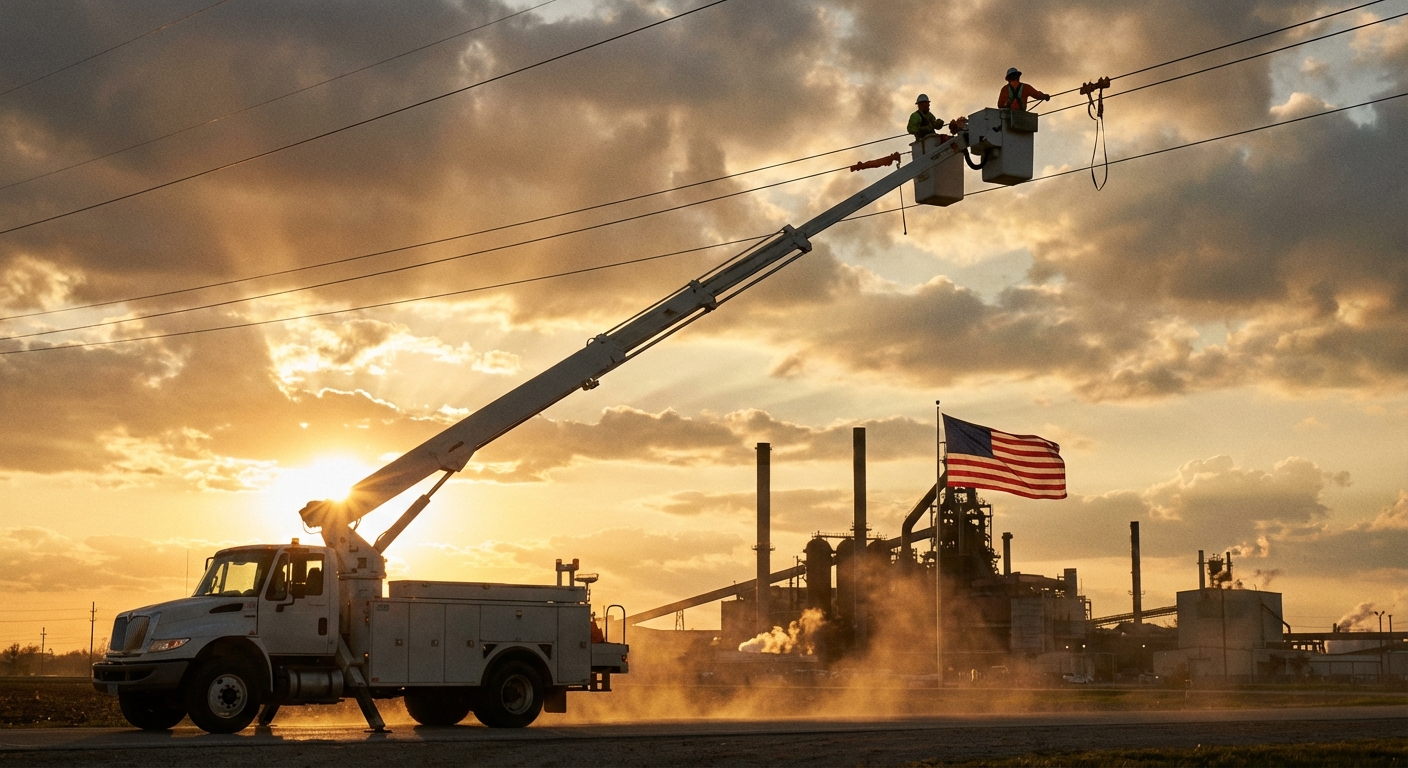
The equipment manufacturing landscape in the American Midwest just got significantly more interesting. Stellar Industries, the 100% employee-owned manufacturer based in Garner, Iowa, has completed its acquisition of Elliott Equipment Company, the Omaha-based pioneer in truck-mounted aerial work platforms, digger derricks, and cranes. The deal, first announced in December 2025, closed in Q1 2026 and represents one of the most significant employee-owned acquisitions in the vocational equipment sector.
This isn’t just another corporate consolidation story. It’s a case study in how employee ownership can drive strategic growth while preserving the identity and culture of both organizations involved.
FieldFix Editor’s Note
For fleet managers tracking equipment across multiple manufacturers and platforms, acquisitions like this one can complicate maintenance scheduling and parts sourcing. FieldFix helps you maintain comprehensive service logs regardless of brand consolidation, ensuring your maintenance history stays organized even as OEM relationships evolve. Track your aerial equipment, cranes, and work trucks in one unified platform.
Two Midwest Manufacturing Legacies Unite
Stellar Industries began in 1990 when three entrepreneurs—Francis Zrostlik, Jim Vlaanderen, and Gary Bomstad—set out to build something different in Garner, Iowa. They became the first U.S. corporation to design and manufacture a domestic hydraulic hooklift hoist, carving out a niche in a market dominated by European designs.
What made Stellar truly distinctive, however, wasn’t just their products—it was their ownership model. The company established an Employee Stock Ownership Plan (ESOP) in 1991, just one year after founding. By January 2023, Stellar had transitioned to 100% employee ownership, making every worker a direct stakeholder in the company’s success.
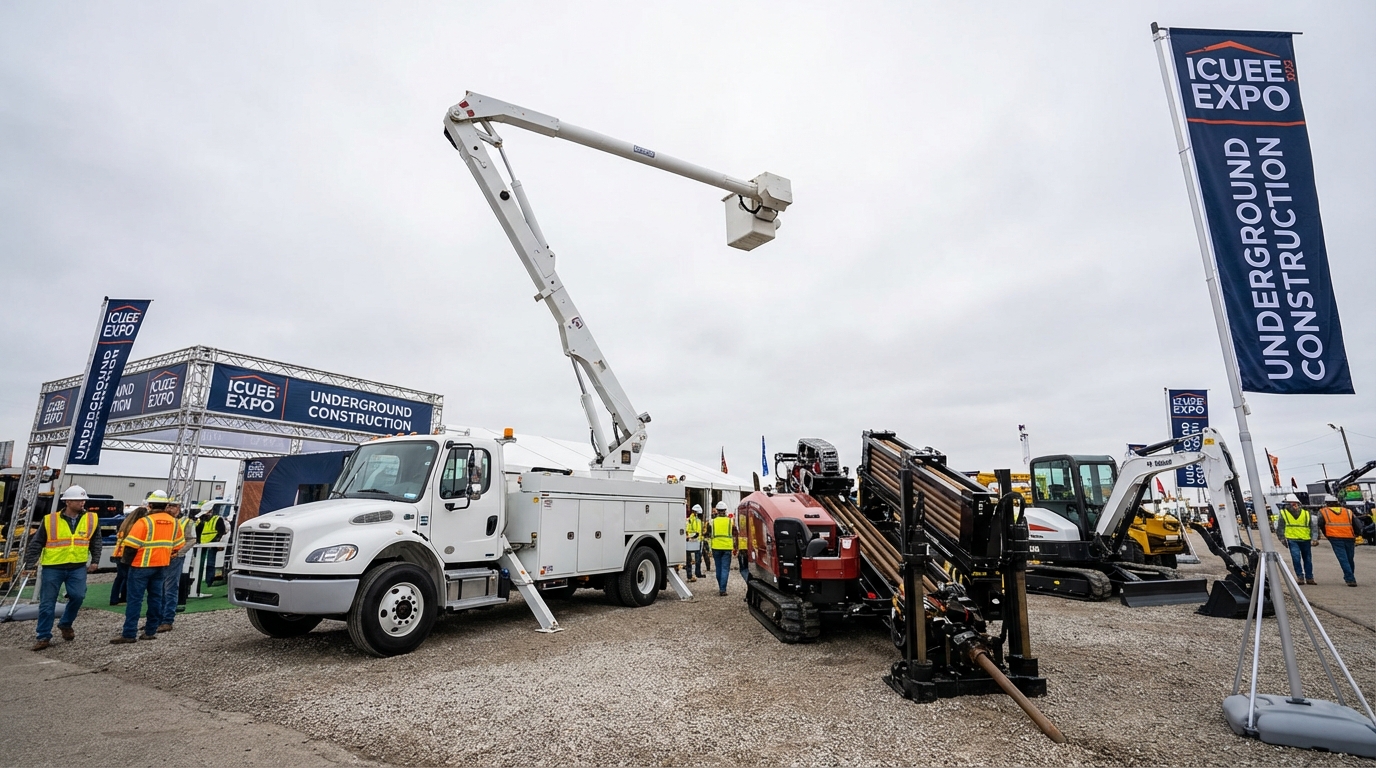
Elliott Equipment Company brings an even longer heritage to the partnership. Founded in 1948 in Omaha, Nebraska, Elliott pioneered the first truck-mounted telescoping aerial platform—an innovation that transformed how utilities, municipalities, and construction crews work at height. Nearly eight decades later, Elliott remains the gold standard for aerial work platforms, with their E-LINE transmission aerials reaching up to 240 feet, the tallest fully-powered material-handling transmission aerials on the market.
The Strategic Logic: Complementary Products, Shared Values
The acquisition makes sense on multiple levels. Stellar’s core product portfolio—work trucks, trailers, and service truck accessories—complements Elliott’s aerial work platforms, digger derricks, and BoomTruck cranes without significant overlap. Both companies serve the utility infrastructure, municipal, and construction markets, but from different angles.
For Stellar’s 800+ employee-owners, the acquisition opens new revenue streams and market opportunities. For Elliott’s team, joining an ESOP structure provides long-term wealth-building potential that few traditional corporate structures can match.
Jim Glazer, President of Elliott Equipment Company, will continue leading the organization as it operates as a distinct business unit within Stellar. Elliott will maintain its current employees, facilities in Omaha, brand identity, and dealer relationships—a structure that preserves institutional knowledge while gaining the backing of a larger, employee-owned parent company.
Dave Zrostlik, Stellar’s President and son of co-founder Francis Zrostlik, emphasized cultural alignment as a key factor in the deal’s success. Both organizations share commitments to U.S. manufacturing, product integrity, and community-focused values that often get sacrificed in private equity-driven consolidations.
What This Means for the Market
The combined entity creates a more formidable competitor in the vocational equipment space. Dealers who previously had relationships with one company now have access to a broader portfolio. Customers can potentially source work trucks, hooklift hoists, aerial platforms, and cranes through a more integrated supply chain.
For the utility and municipal markets specifically, this consolidation could streamline procurement. A fleet manager spec’ing out equipment for pole setting, overhead line work, and general maintenance can now work with organizations under a common ownership umbrella.
The timing is notable. The utility infrastructure sector faces enormous demand driven by grid modernization, renewable energy integration, and storm hardening investments. Elliott’s aerial work platforms and digger derricks are precisely the equipment needed for transmission line work, substation maintenance, and distribution upgrades.
ESOP Acquisitions: A Growing Trend
Stellar’s acquisition of Elliott highlights a broader trend in American manufacturing: employee-owned companies using their unique structure to pursue strategic growth. ESOPs offer several advantages in M&A situations:
Patient Capital: Unlike private equity, which typically seeks exits within 3-7 years, ESOP-owned companies can take longer views on integration and growth.
Cultural Preservation: Employee ownership creates strong incentives to maintain workplace culture, institutional knowledge, and community ties—factors that often erode in traditional acquisitions.
Retention: Target company employees who become ESOP participants have strong incentives to stay, reducing the brain drain that plagues many post-acquisition integrations.
Tax Advantages: ESOP structures provide significant tax benefits that can make acquisitions more financially viable while keeping proceeds within the employee-owner base.
Stellar isn’t alone in this approach. Employee-owned companies across manufacturing, engineering, and construction have increasingly used acquisitions to grow while extending ownership benefits to acquired workforces.
The Iowa-Nebraska Manufacturing Corridor
The Stellar-Elliott combination reinforces the strength of Midwest manufacturing. Both Garner, Iowa and Omaha, Nebraska sit within a corridor of heavy equipment production that often gets overlooked in favor of coasts and Sun Belt narratives.
This region offers several advantages: a skilled manufacturing workforce, lower operating costs, central logistics positioning for national distribution, and communities where manufacturing jobs remain prestigious and sought-after. Stellar’s success in building an 800-employee operation in a town of roughly 3,000 people demonstrates what’s possible when companies invest in smaller communities.
The acquisition also positions both companies well for CONEXPO 2026, where Stellar has already announced plans to showcase updated models and demonstrate how their equipment maximizes uptime for construction professionals.
Looking Forward
For equipment buyers and fleet managers, the key question is whether this acquisition will affect product availability, pricing, or service. In the near term, continuity seems assured—Elliott maintains its own operations, brand, and dealer network. The integration will likely focus on back-office functions, purchasing synergies, and gradual cross-selling opportunities rather than dramatic changes to either product line.
Longer term, the combined company’s engineering resources could accelerate product development. Imagine aerial platforms integrated with Stellar’s hooklift and crane technologies, or service trucks purpose-built for utility fleet maintenance with Elliott-designed lift capabilities.
The equipment industry will be watching closely. If Stellar successfully integrates Elliott while preserving what makes both companies valuable—and extends meaningful employee ownership to the acquired workforce—it could provide a template for how equipment manufacturers consolidate in ways that benefit workers, customers, and communities rather than just financial sponsors.
In an industry that’s seen its share of roll-ups driven by short-term financial engineering, the Stellar-Elliott deal offers a reminder that there’s more than one way to build a manufacturing powerhouse. Sometimes the best path forward is one where every employee has skin in the game.
Stellar Industries is headquartered in Garner, Iowa with additional facilities across the Midwest. Elliott Equipment Company operates from Omaha, Nebraska. For more information, visit stellarindustries.com and elliottequip.com.