McClung-Logan Equipment Is Quietly Building a Mid-Atlantic Empire
While national dealer consolidation grabs headlines, this Virginia-based Volvo and Takeuchi distributor has opened two new branches in under a year and shows no signs of slowing down.
Most of the noise in equipment distribution right now is about the mega-deals. Toromont buying into new territory. Caterpillar reshuffling dealer maps. Private equity rolling up independents from coast to coast.
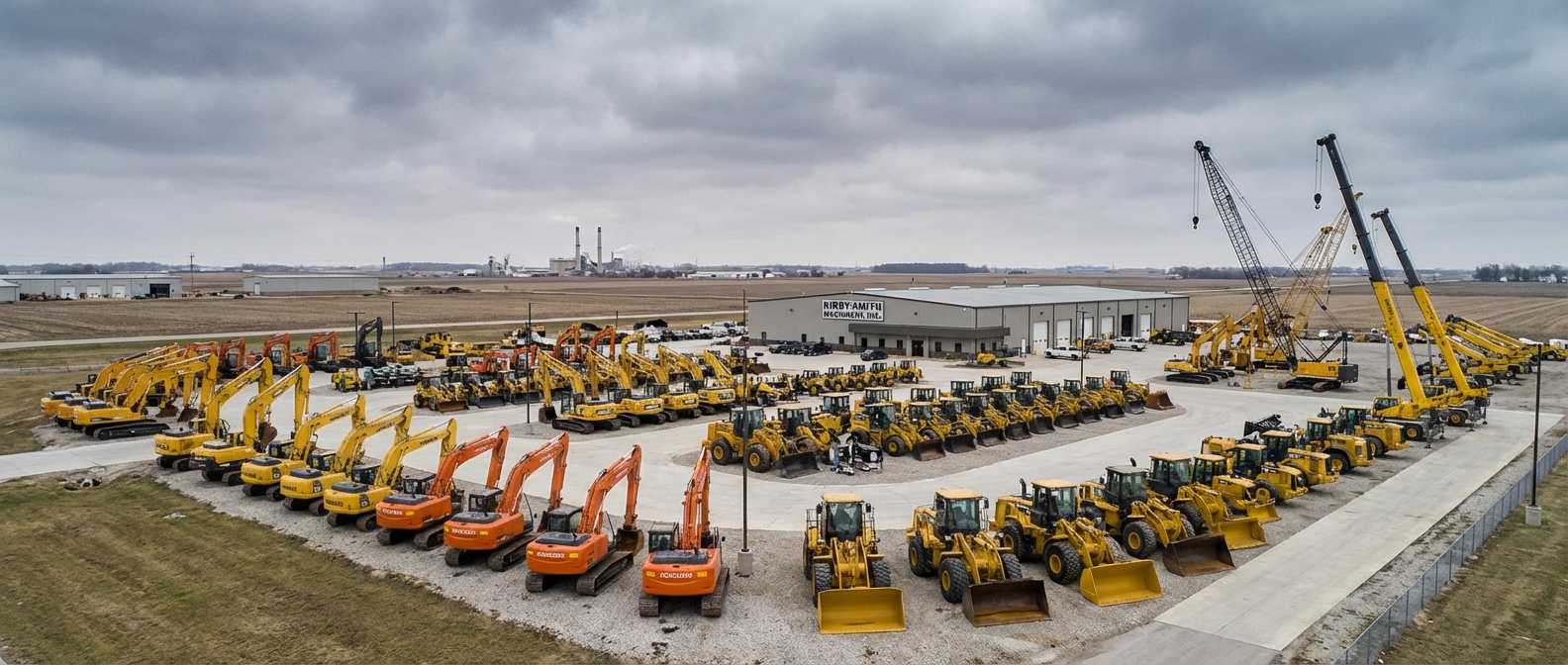
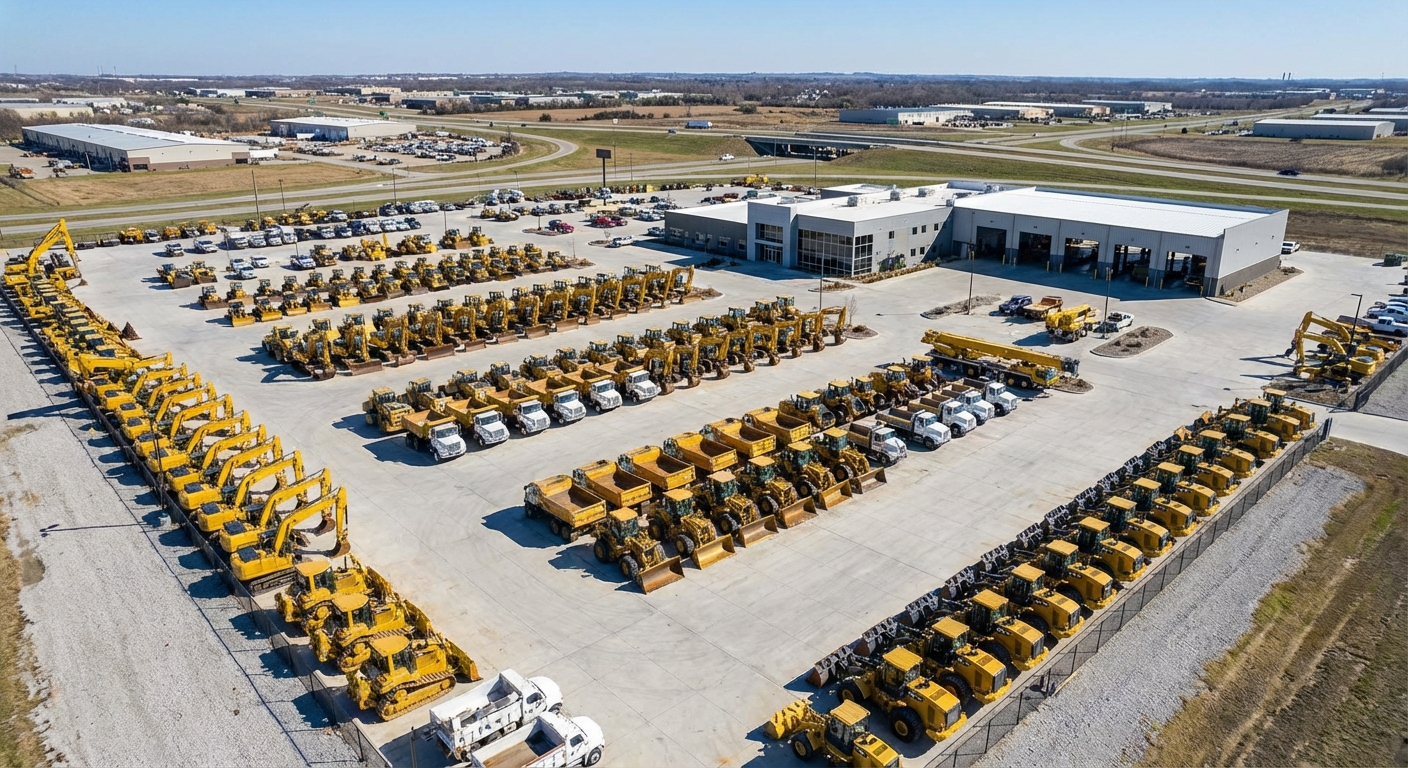
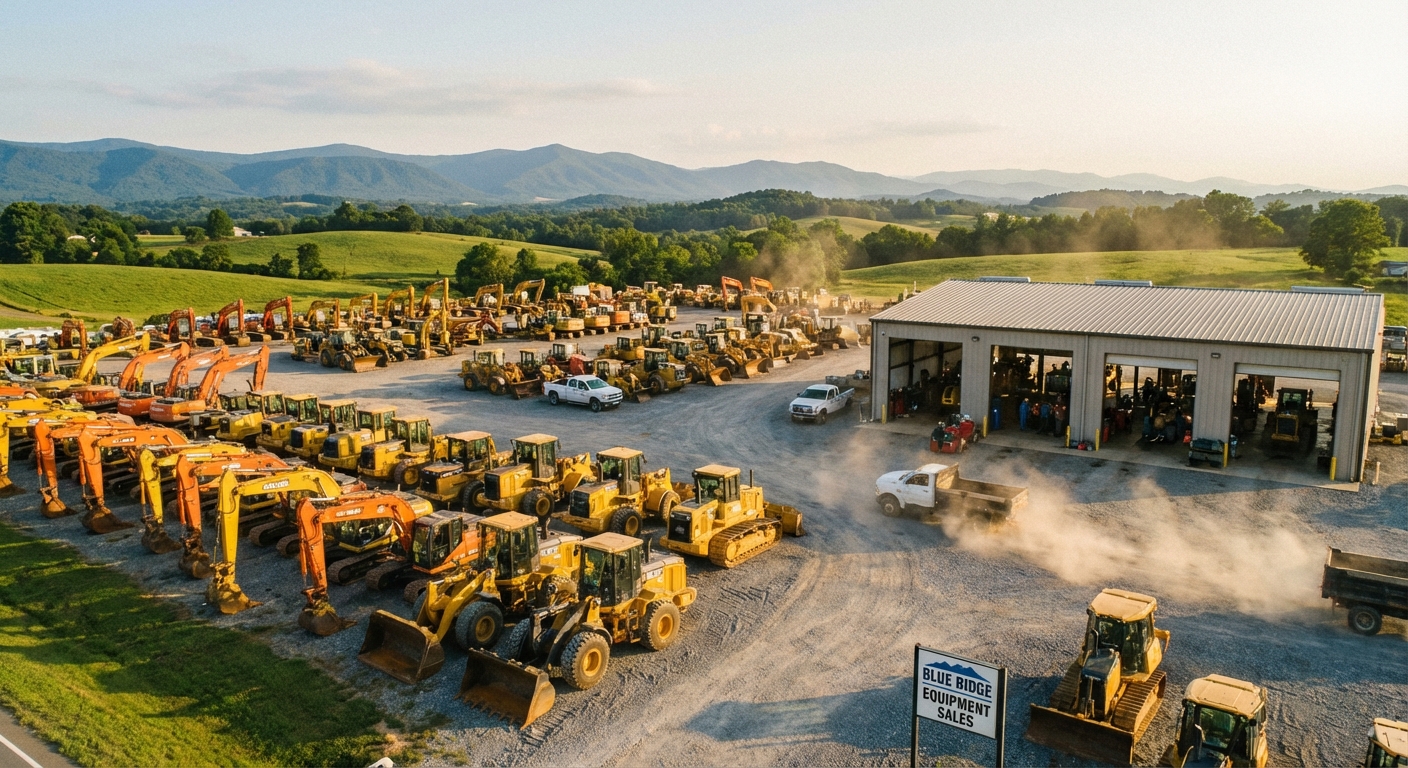
But some of the most interesting growth in the dealer world is happening without a press release on the Wall Street Journal. McClung-Logan Equipment Company, a heavy construction equipment distributor headquartered in Lynchburg, Virginia, opened two full-service branches in the back half of 2025 — one in Fishersville, Virginia, and another in Aberdeen, Maryland — bringing its total footprint to 12 locations across the Mid-Atlantic.
That’s the kind of quiet, deliberate expansion that tells you more about where the industry is headed than any quarterly earnings call.
📊 Manage Your Fleet Like the Pros
Tracking equipment hours, maintenance schedules, and operating costs shouldn’t require a spreadsheet nightmare. FieldFix gives contractors the fleet management tools that dealerships use — without the enterprise price tag. Start your free trial today.
A Dealer That Grows From the Inside Out
McClung-Logan isn’t a startup. The company has been in business for decades, distributing heavy iron across Virginia, Maryland, and surrounding states. Its primary lines — Volvo Construction Equipment and Takeuchi — cover a wide range of the market, from 50-ton excavators down to compact track loaders that fit through a backyard gate.
What makes the recent expansion worth paying attention to is how it’s happening. These aren’t acquisitions stitched together with debt and optimism. They’re greenfield branches, purpose-built to serve specific gaps in the company’s coverage area.
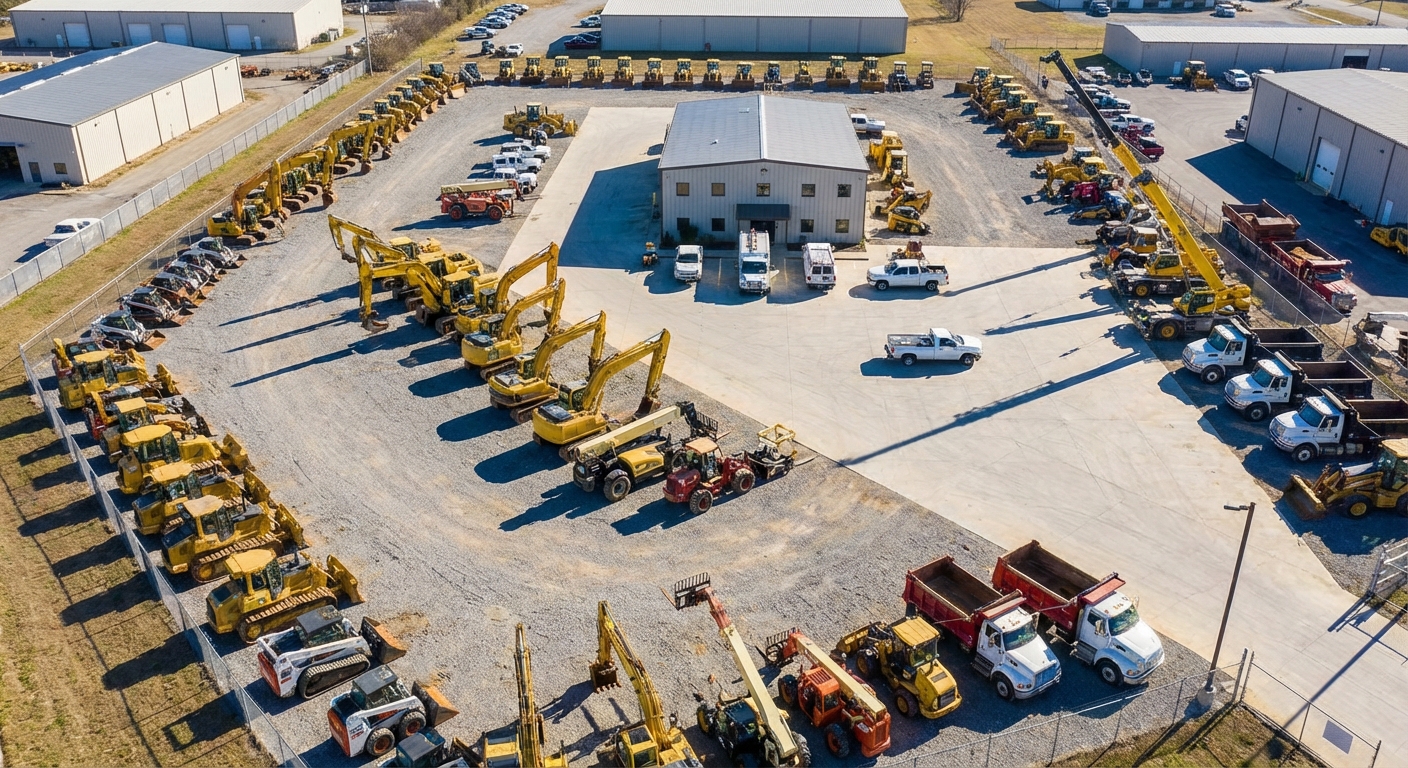
The Fishersville branch, which opened in May 2025, sits on 6.5 acres in Virginia’s Shenandoah Valley. It’s an 8,500-square-foot facility with three service bays, a parts warehouse, a customer-facing parts counter, and a full equipment yard. The location fills a hole between McClung-Logan’s existing branches in Staunton and Charlottesville, giving customers in the central valley a closer option for service and parts.
The Aberdeen branch followed in November 2025. That one’s smaller — 9,360 square feet on 3 acres — but it punches above its weight with four service bays and a climate-controlled shop. And it’s not done: McClung-Logan has plans for a 5,100-square-foot addition that will add four more service bays and a 7.5-ton overhead crane. When that expansion wraps up, it’ll be one of the more capable branch facilities in northern Maryland.
Why the Mid-Atlantic Matters Right Now
The timing of this expansion isn’t accidental. The Mid-Atlantic corridor — stretching from Richmond through Baltimore and up toward Philadelphia — has been a hotbed for infrastructure and commercial construction spending. Federal infrastructure dollars are hitting the ground. Data center construction in Northern Virginia keeps accelerating. And the Maryland DOT has a pipeline of bridge and highway projects that stretches well into the decade.
For a dealer like McClung-Logan, that translates to demand for both heavy iron (Volvo excavators, wheel loaders, articulated haulers) and compact equipment (Takeuchi track loaders, mini excavators) on a wide variety of job sites.
The company’s territory also benefits from a relatively fragmented dealer landscape. The Mid-Atlantic doesn’t have the kind of dominant single-dealer coverage you see in parts of the Midwest or Southeast. That fragmentation creates room for a well-run regional player to grow by simply being better at the basics: faster parts delivery, shorter service turnaround, more convenient branch locations.
The White Oak Playbook
McClung-Logan showed it can grow through acquisition too. In 2019, the company bought White Oak Equipment, a Virginia-based compact equipment specialist. The deal added territory coverage, expanded the product lineup, and brought compact equipment expertise into the fold.
The integration involved merging overlapping locations in Manassas, Chesapeake/Suffolk, and Glen Allen, while keeping the White Oak branch in Fredericksburg as a new McClung-Logan location. It was a clean deal — no drama, no layoffs making the trade press.
That acquisition gave McClung-Logan a template for disciplined growth: buy where it fills a gap, build where the economics justify it, and invest in service capacity everywhere.
The Service-First Model
Walk into any successful equipment dealer and you’ll notice the same thing: the service department is where the money lives. Equipment sales are lumpy, cyclical, and increasingly competitive on price. But a contractor with a machine down on a jobsite doesn’t shop around for the cheapest wrench rate. They call whoever can get them running again fastest.
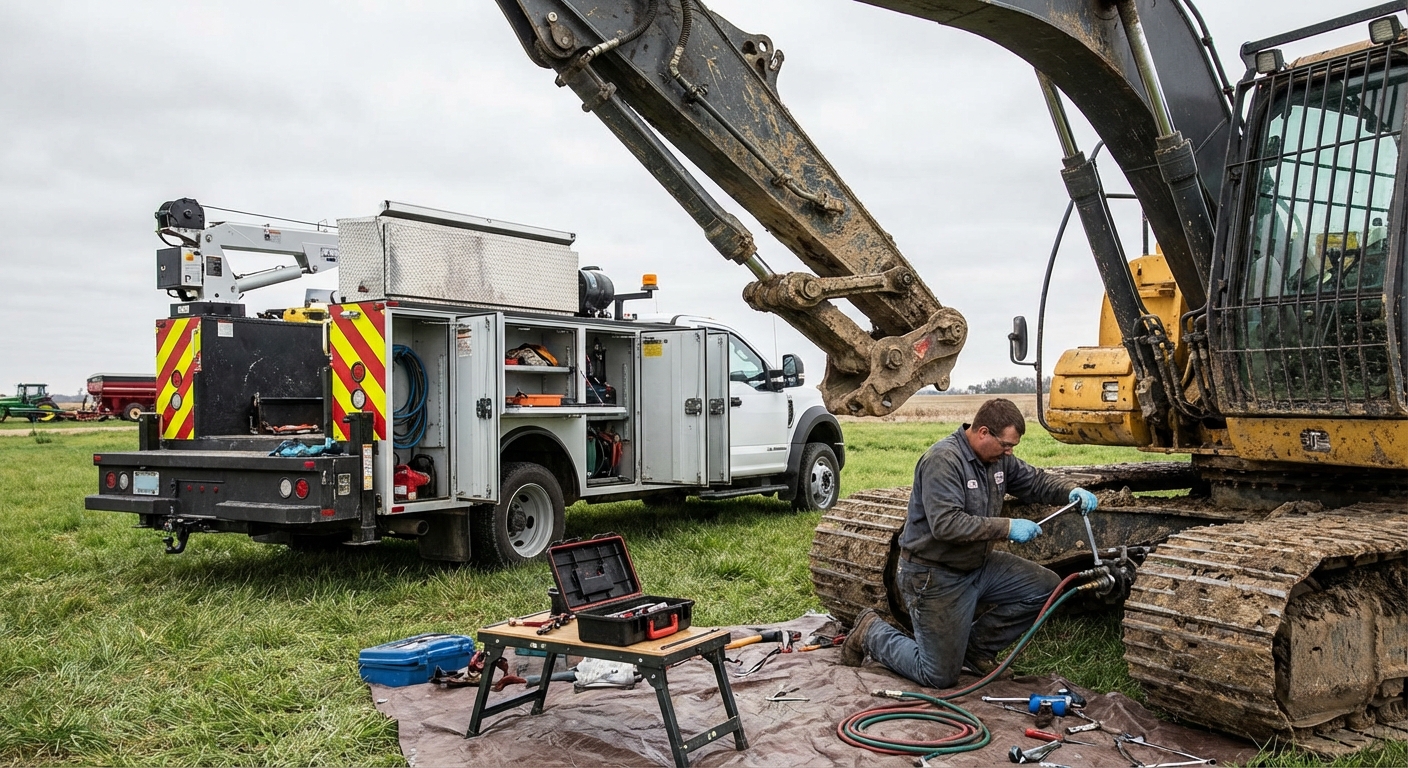
McClung-Logan has clearly internalized this. Both new branches lead with service capacity. The Fishersville location was designed around its three service bays and parts counter. The Aberdeen branch is investing in a major expansion specifically to add more service bays and a crane for heavy component work.
That focus tracks with broader industry trends. The American Rental Association’s latest data shows that equipment uptime — not purchase price — is the primary driver of dealer loyalty among contractors. A dealer that can turn a hydraulic pump repair in 48 hours instead of two weeks earns a customer for life.
The ML Utilities Division
One often-overlooked part of the McClung-Logan operation is its utilities division. In September 2023, the company absorbed the field service operations of ML Utilities, creating a dedicated division focused on repair and maintenance of utility vehicles — bucket trucks, digger derricks, and related equipment used by power companies and telecom contractors.
It’s a smart adjacent play. The utility sector has its own equipment maintenance demands, and the customer base — electric co-ops, municipal utilities, telecom contractors — tends to be sticky and less price-sensitive than general construction. Adding that capability under the McClung-Logan umbrella means the company can spread its fixed costs across a wider revenue base.
How McClung-Logan Stacks Up
In a dealer landscape increasingly defined by scale, McClung-Logan occupies an interesting middle ground. It’s big enough to carry major OEM lines and staff real service departments at a dozen locations. But it’s small enough to stay close to its customers and make decisions without running them through three layers of corporate approval.
That size matters right now. The big multi-state dealer groups are dealing with integration complexity, cultural mismatches from rapid acquisitions, and the challenge of maintaining service quality across sprawling territories. Meanwhile, the smallest independents are struggling with succession planning, rising technology costs, and OEM pressure to invest in facilities and training.
McClung-Logan threads the needle. Twelve branches across two states, two major OEM lines, a utilities division for diversification, and a track record of investing in service infrastructure. It’s not trying to be the biggest. It’s trying to be the best in its backyard.
What to Watch
The obvious question is whether McClung-Logan continues expanding through 2026. The Aberdeen branch’s planned addition suggests the company isn’t pulling back on capital investment. And with CONEXPO-CON/AGG happening in March 2026, there will likely be conversations between OEMs and their dealer networks about territory coverage and facility standards.
For contractors in the Mid-Atlantic, the practical takeaway is straightforward: there’s a dealer in the region that’s investing heavily in getting closer to jobsites and turning wrenches faster. In an industry where downtime costs hundreds or thousands of dollars per hour, that counts for a lot more than a flashy corporate brand.
McClung-Logan isn’t trying to make headlines. It’s trying to make sure your excavator is running by Monday morning. In the dealer world, that’s the kind of ambition that actually pays off.