Volvo CE Is Betting $1.2 Billion That North America Needs Its Own Iron
The Swedish equipment maker is bringing excavator and wheel loader production to Shippensburg, Pennsylvania — and reshoring more than half its North American machine supply in the process.
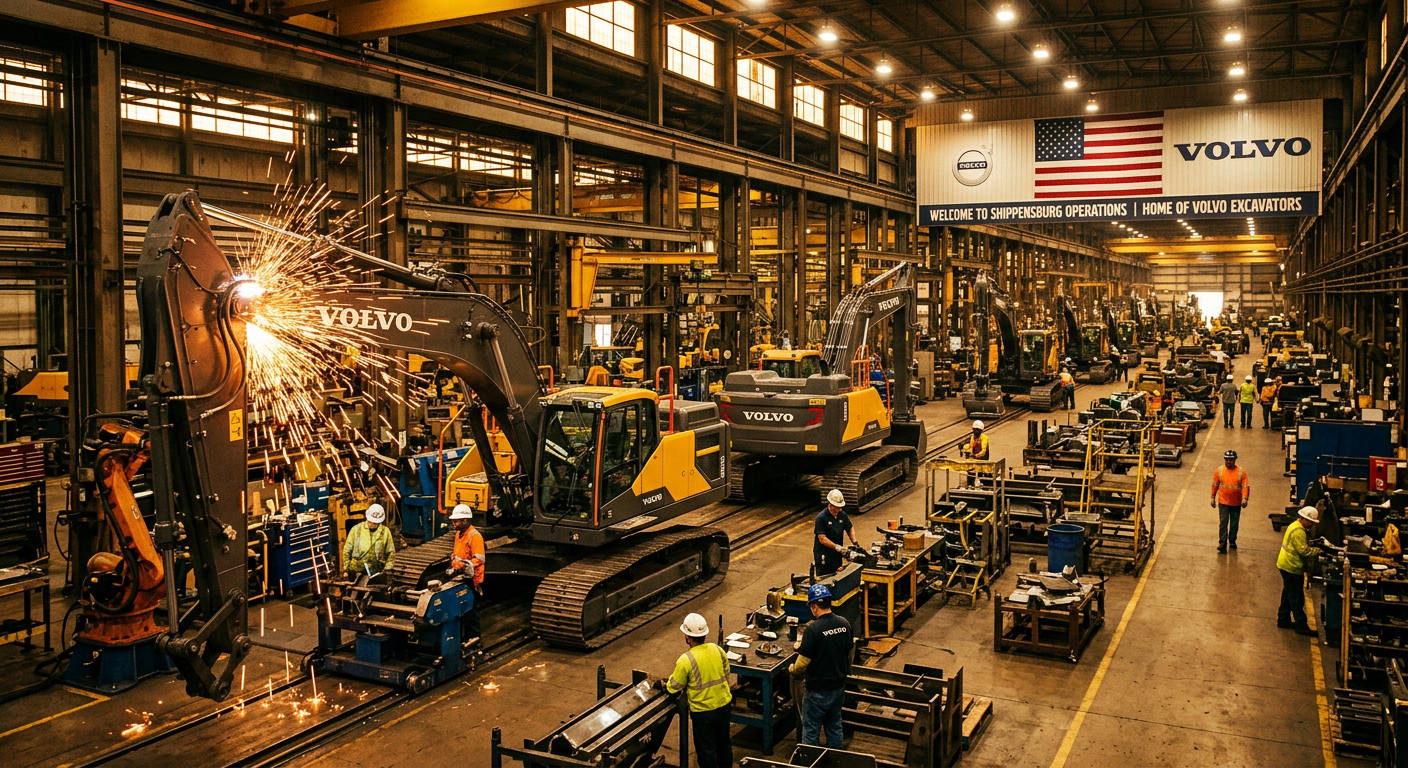
Volvo Construction Equipment just made the most expensive bet on American manufacturing in its history. The company is investing $1.2 billion across its North American operations, with a centerpiece $40 million expansion at its Shippensburg, Pennsylvania facility. When the dust settles in 2026, more than half of every Volvo CE machine sold on this continent will be built right here.
That’s not a press release platitude. That’s a fundamental shift in how one of the world’s largest equipment OEMs does business.
FieldFix Editor’s Note: Whether you’re running Volvo iron or mixed fleet, tracking cost-per-hour across machines from different manufacturers is the only way to compare real-world value. FieldFix logs service history, fuel, and expenses for your entire fleet — no matter who built it.
What’s Actually Happening in Shippensburg
The Shippensburg plant has been making Volvo compactors and mid-size wheel loaders for years. That’s about to change in a big way.
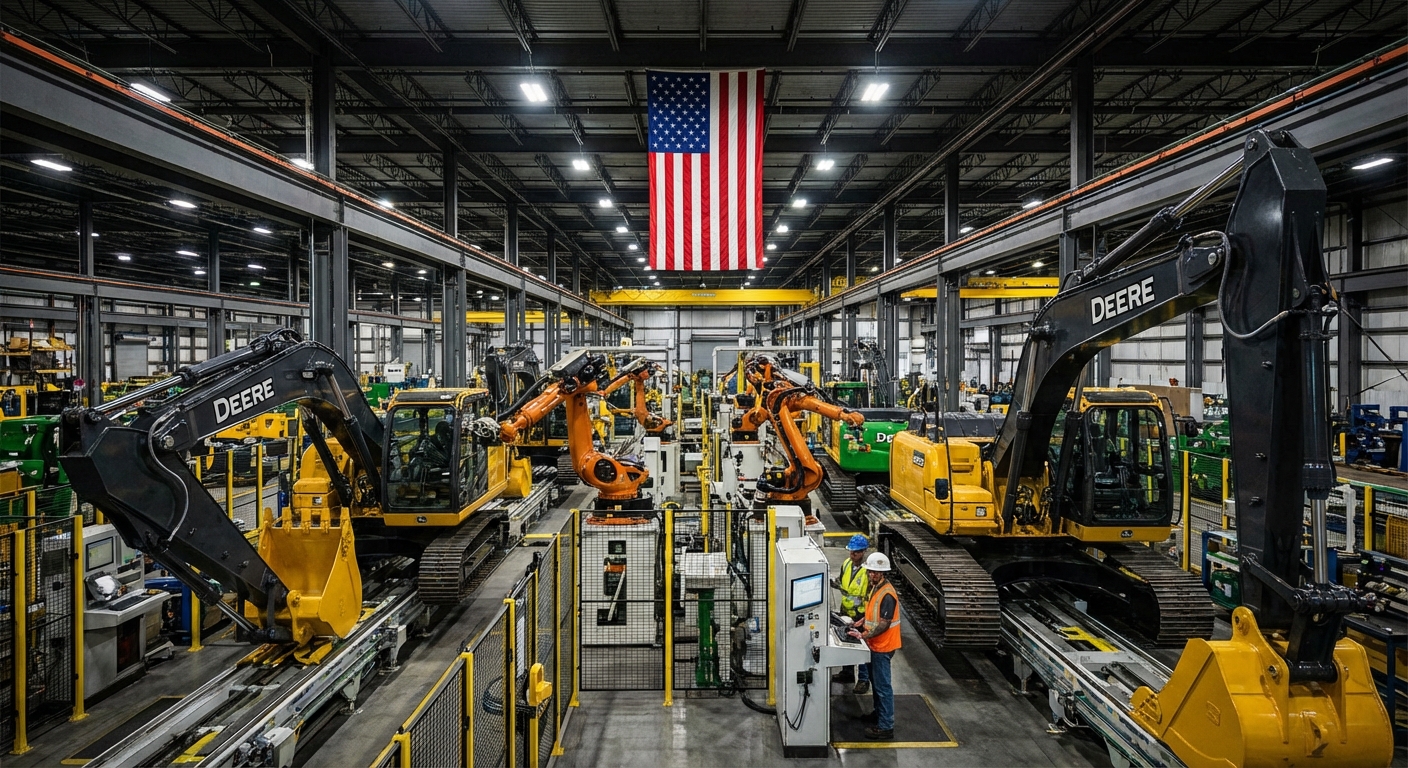
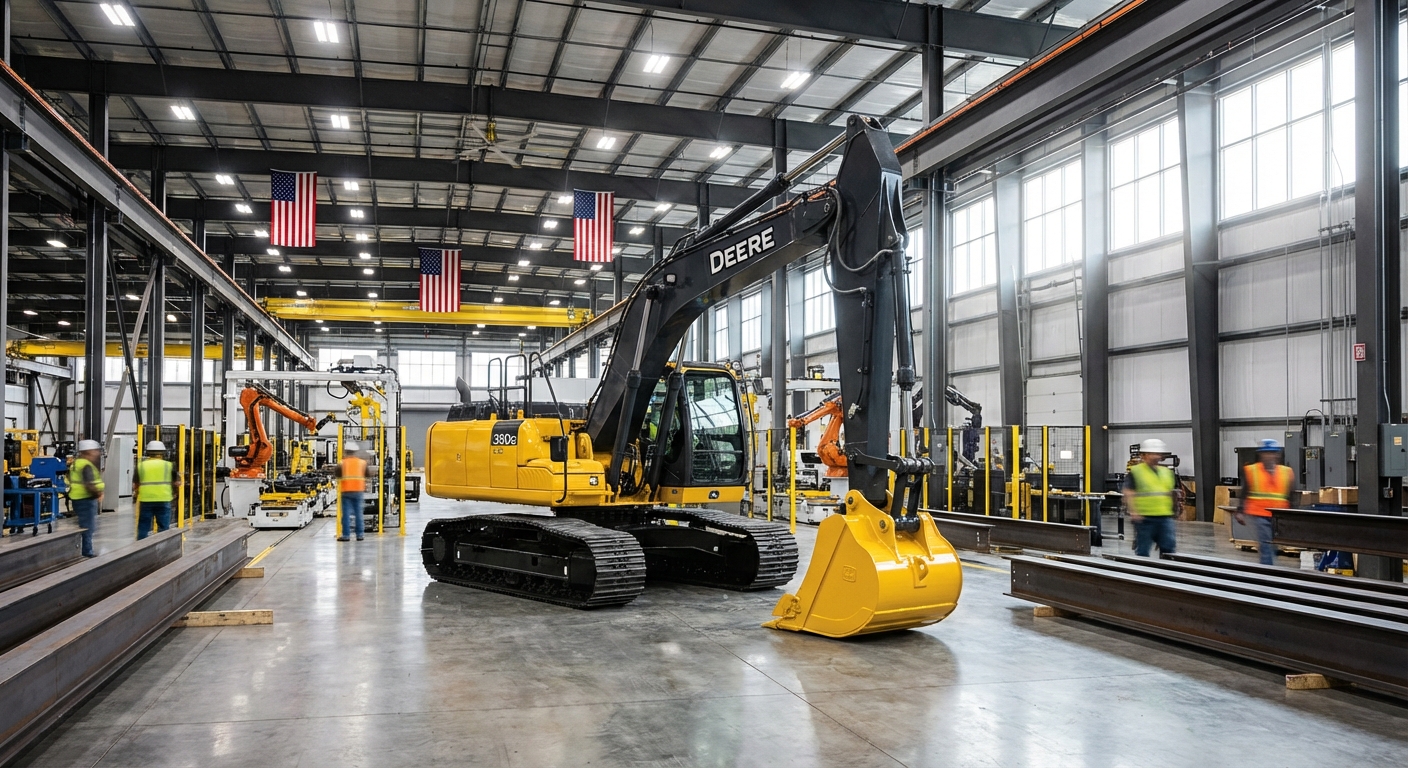
Volvo CE is retrofitting the facility with new assembly lines and automation technology to produce mid- to large-size crawler excavators and four additional large wheel loader models. This is production that was previously happening in South Korea and Sweden. Now it’s coming to central Pennsylvania.
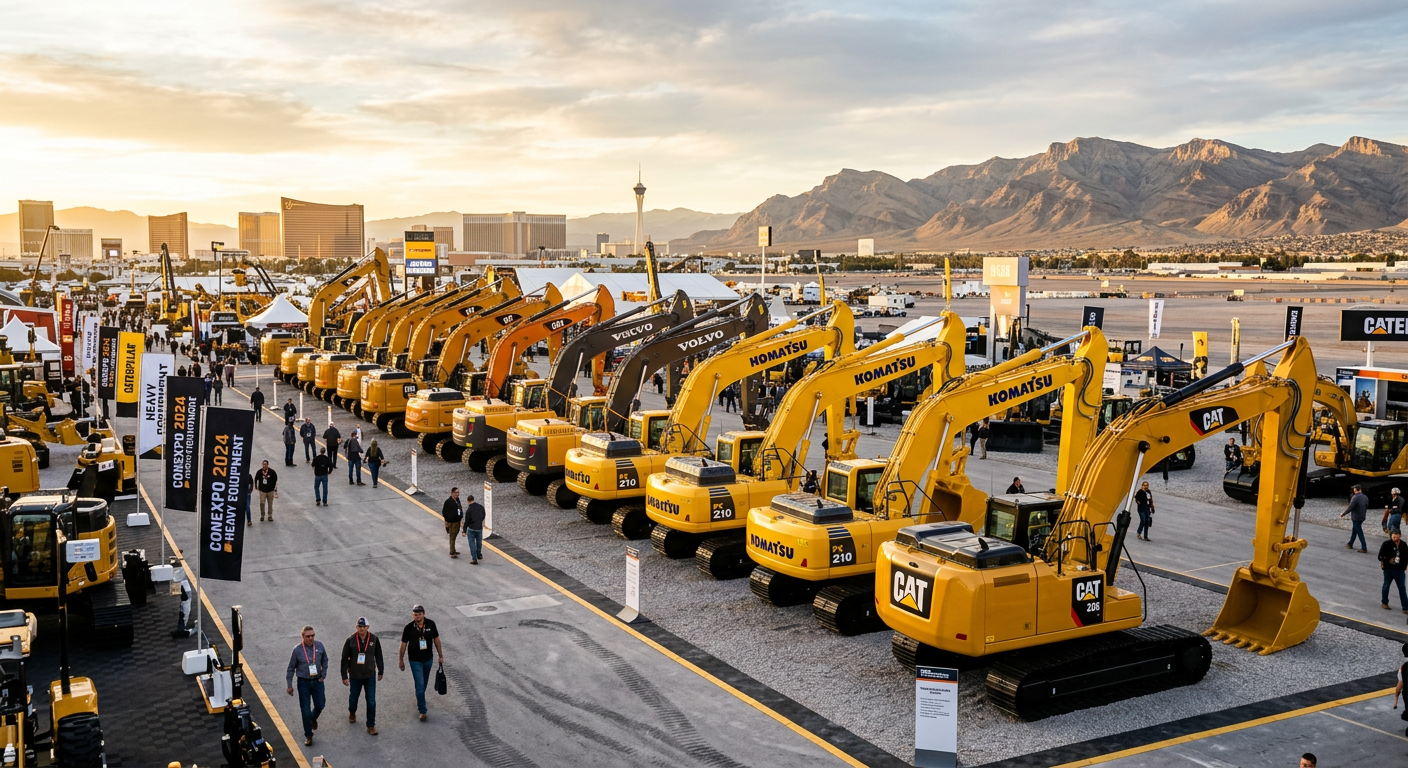
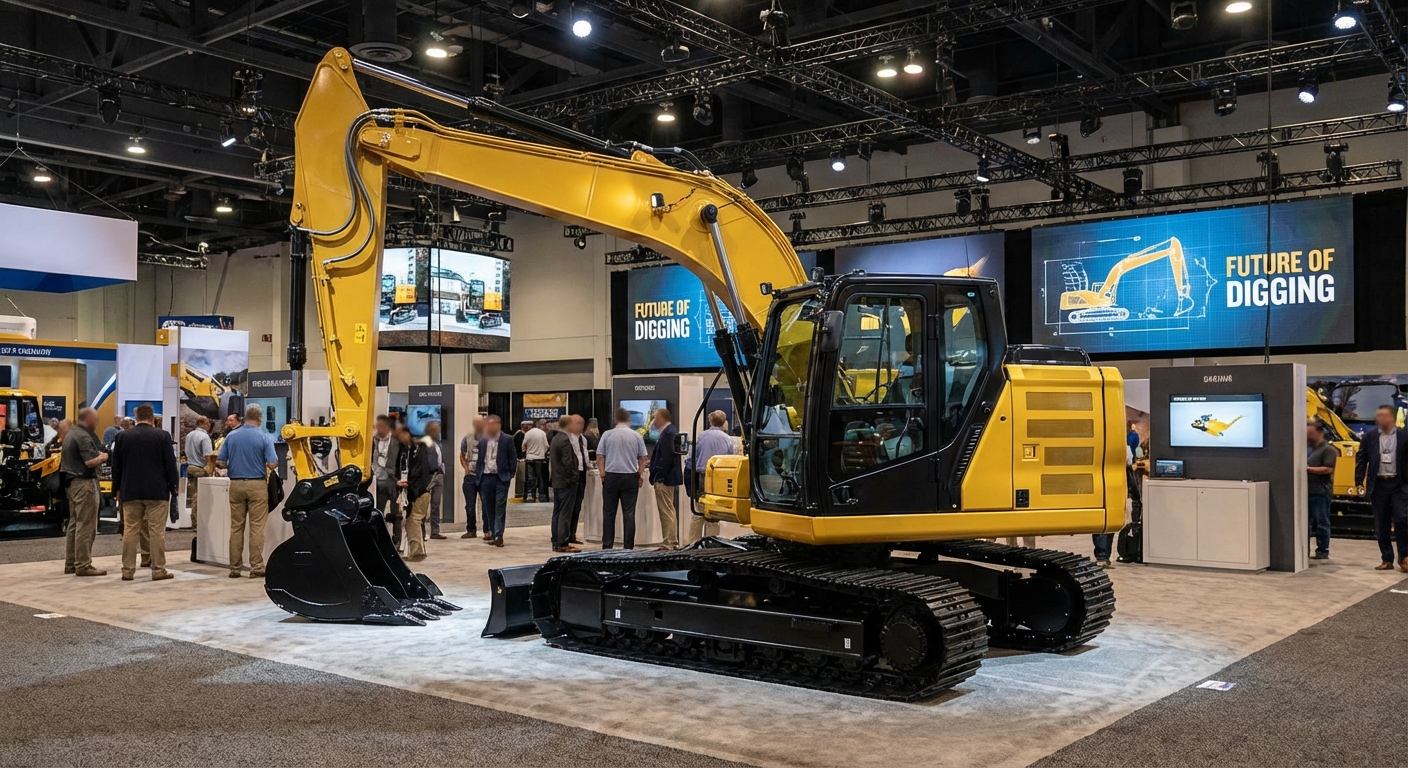
The timeline is aggressive. Production of the new lines was scheduled to begin in the first half of 2026, and Volvo showed off the results at CONEXPO-CON/AGG this week in Las Vegas. The new EC560 crawler excavator — designed for heavy infrastructure and large-scale earthmoving — was front and center at their booth, alongside updates to their wheel loader lineup including the L120 Electric.
This isn’t just about adding a product line. Volvo is rebuilding its entire supply chain architecture for the North American market. The $1.2 billion total investment covers manufacturing upgrades, supply chain regionalization, and what the company calls “sustainable technology” development.
Why Now?
Three things are driving this, and none of them are complicated.
Tariffs and trade risk. Shipping heavy equipment across oceans was already expensive. With ongoing trade tensions and tariff uncertainty, having your main production facilities 5,000 miles from your biggest customers is a liability. Building in Pennsylvania eliminates that risk entirely for over half their North American volume.
Lead times were killing dealers. Ask any Volvo dealer what the last few years have been like for machine availability. Global supply chains got stretched thin during COVID, and they never fully recovered. Ocean freight delays, port congestion, parts shortages — all of it added weeks or months to delivery timelines. Local production fixes that.
The infrastructure money is real. The $1.2 trillion Infrastructure Investment and Jobs Act is sending unprecedented amounts of federal money into roads, bridges, utilities, and broadband. That money is turning into equipment orders right now. Volvo doesn’t want to watch from across the Atlantic while Caterpillar and Deere eat that demand from their domestic factories.
The Bigger Investment Picture
The $40 million Shippensburg expansion is the headline, but it sits inside a much larger global strategy. Volvo CE announced $261 million in total manufacturing investments spread across three facilities: Shippensburg, Changwon (South Korea), and a facility in Sweden.
The logic is straightforward: build machines closer to where they’re sold. For North America, that means Shippensburg becomes the hub. For Asia-Pacific, that’s Changwon. For Europe, Sweden.
But North America is getting special attention. Beyond the plant upgrades, Volvo CE is committing an additional $40 million to the central Pennsylvania region over the next five years for workforce development, supplier partnerships, and community investment. They’re not just building machines — they’re trying to build an ecosystem.
The broader Volvo Group (which includes Volvo Trucks, Mack, and other divisions) has announced $1.2 billion in total North American investments. That gives Volvo CE access to shared infrastructure, supply chain resources, and talent pipelines that a standalone investment wouldn’t.
What This Means for the Market
Here’s what matters if you’re buying equipment.
Better availability. Volvo excavators and large wheel loaders have been hard to get in some regions. Domestic production should cut lead times from months to weeks for many models. If you’ve been waiting on a Volvo excavator and getting pushed back, that should start changing.
Parts and service implications. Domestic manufacturing usually means a domestic parts supply chain follows. Shippensburg becoming a production hub for excavators means more parts inventory stateside. That’s good news for uptime.
Pricing is the open question. American manufacturing costs more than South Korean manufacturing. Period. Volvo hasn’t said whether the move will affect machine pricing. The tariff math might make it a wash — or even cheaper than importing. But if domestic labor and materials costs push prices up, dealers and customers will feel it.
Competitive pressure on Cat and Deere. Caterpillar and John Deere have had a structural advantage in North America for years because they build here. They can promise faster delivery, better parts availability, and “Made in America” credibility. Volvo just neutralized a big chunk of that advantage. Expect Cat and Deere to respond — probably with their own capacity investments.
The CONEXPO Reveal
Volvo’s CONEXPO 2026 booth was essentially a showcase for this strategy. More than 20 machines on display, 14 of them new or first-look models. The standouts:
The EC560 crawler excavator is the kind of machine that justifies a factory expansion. It’s built for mass excavation, heavy infrastructure, and large-scale construction. This is Volvo going head-to-head with the Cat 352 and Deere 470 in the 50-ton class, and now they can build it in Pennsylvania instead of shipping it from Korea.
The L120 Electric wheeled loader is Volvo continuing to push electrification into larger machine classes. It’s not going to replace diesel L120s tomorrow, but it signals where Volvo thinks the market is heading.
Updated models across the wheel loader and excavator lineup round out the picture. Volvo isn’t just bringing production stateside — they’re updating the machines being produced.
The Workforce Question
Here’s the part nobody talks about enough: who’s going to run these new assembly lines?
Shippensburg isn’t exactly a major metro area. It’s a town of about 6,000 people in south-central Pennsylvania. The Volvo plant is already one of the largest employers in the area. Adding excavator and large wheel loader production means significantly more jobs — assembly workers, quality inspectors, logistics staff, maintenance technicians.
Volvo’s $40 million community investment commitment is partly aimed at this problem. Training programs, partnerships with local technical colleges, and recruitment efforts are all part of the plan. But finding skilled manufacturing workers in rural Pennsylvania is the same challenge every manufacturer in America faces right now.
The company hasn’t disclosed specific job creation numbers for the expansion. That’s worth watching. The difference between 50 new jobs and 500 new jobs tells you a lot about how much production volume is actually moving.
What It Doesn’t Solve
Reshoring is real, and it matters. But it’s not magic.
Volvo CE still builds machines in South Korea and Sweden. Those facilities aren’t closing. The global supply chain still exists — it’s just getting supplemented with domestic capacity. If a parts shortage hits a supplier in Asia, Shippensburg-built machines could still be affected.
And building in America doesn’t automatically make Volvo more competitive. Cat has decades of domestic manufacturing experience, dealer network depth, and customer loyalty that Volvo can’t buy with a factory expansion. Deere has the same. Volvo is closing a gap, not erasing it.
The electric push is also still early. The L120 Electric is impressive engineering, but battery-electric machines in the 20-ton-plus class are years away from mainstream adoption. The infrastructure investment is smart long-term positioning, but it won’t move the sales needle in 2026.
The Bottom Line
Volvo CE is doing what every smart global manufacturer should be doing right now: building where it sells. The $1.2 billion North American investment and Shippensburg expansion put them in a fundamentally stronger position for the next decade.
For contractors, this means better Volvo availability, probably better parts supply, and one more manufacturer with skin in the American market game. For the industry, it’s another signal that the reshoring trend in heavy equipment is real and accelerating.
The machines Volvo showed at CONEXPO this week weren’t just new models. They were proof that the factory investment is already producing results. Now the question is whether Volvo can execute — ramp production, hire workers, build the supply chain — fast enough to capture the infrastructure boom while it’s still booming.
Pennsylvania is about to get a lot louder.