Luby Equipment: 50 Years of Selling Iron in the Midwest
A family-owned dealer in Missouri and Illinois just added Hitachi to a lineup that already includes CASE and Takeuchi. Here's how Luby Equipment has stayed independent for half a century.
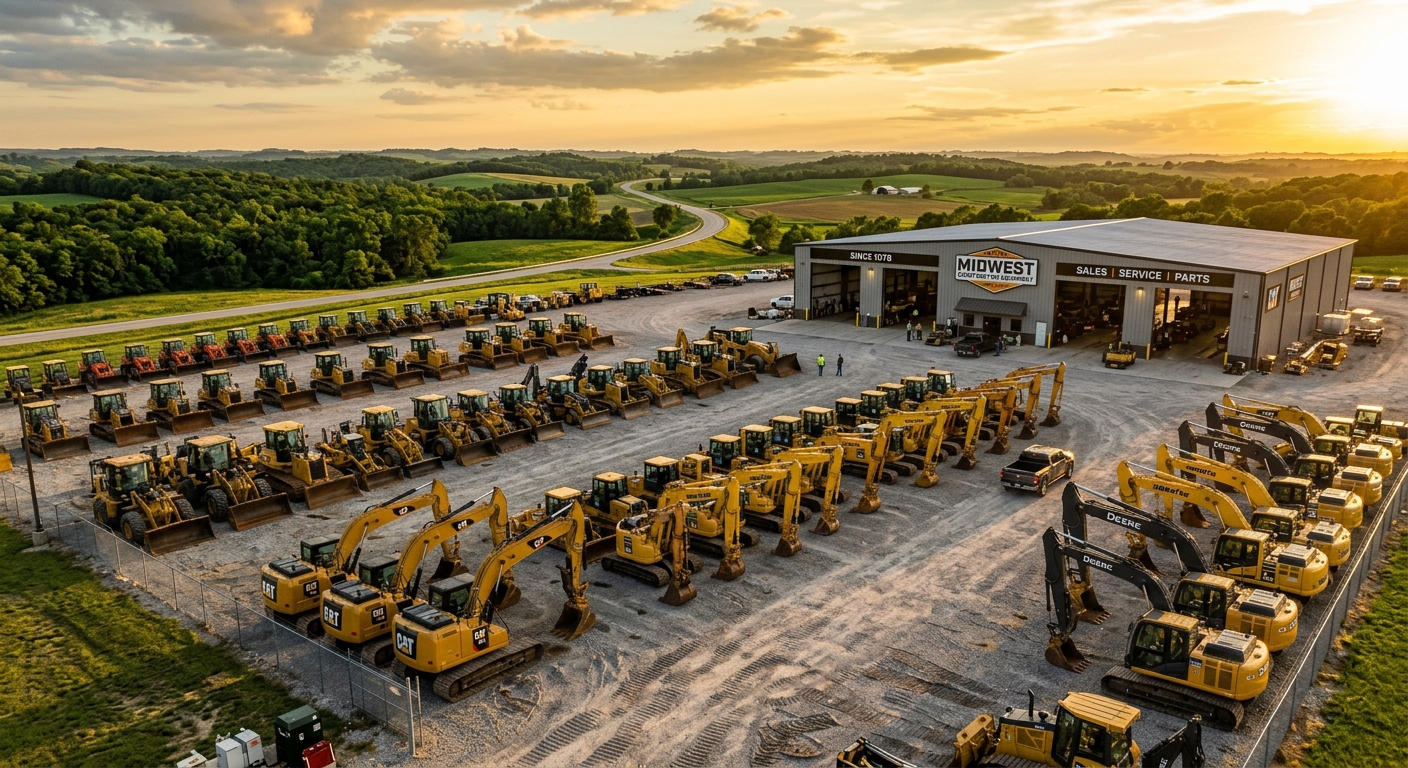
If you’re buying equipment in Missouri or Illinois, you’ve probably walked a Luby Equipment lot. The family-owned dealership has been selling, renting, and servicing construction equipment across the Midwest since the mid-1970s. They’ve outlasted recessions, manufacturer shake-ups, and the constant pressure from mega-dealers that keeps swallowing independent shops.
And they just made a move that says a lot about where they’re headed.
In March 2026, Luby Equipment announced a new partnership with Hitachi Construction Equipment, adding Hitachi excavators and construction equipment to their lineup across all locations. It’s a significant brand addition for a dealer that already carries CASE Construction and Takeuchi, and it signals that Luby isn’t content to just hold steady — they’re building something bigger.
FieldFix Editor’s Note: Whether you’re running a single skid steer or managing a mixed fleet across multiple brands, keeping track of maintenance schedules and cost-per-hour gets complicated fast. FieldFix makes it simple — log service, track expenses, and get AI-powered diagnostics for every machine you own.
The Luby Story
Luby Equipment Services started in the St. Louis area in the 1970s and has been family-run ever since. Their headquarters sits in Fenton, Missouri, just south of St. Louis, and they’ve expanded to seven locations spanning both sides of the Mississippi.
That kind of longevity is rare in equipment dealing. The industry has been through waves of consolidation over the past two decades. Private equity firms and publicly traded dealer groups have been buying up independent shops at a steady clip, and plenty of family-owned operations have either sold out or shut down. Luby has done neither.
The reason, at least from the outside looking in, is straightforward: they run a tight operation with a heavy focus on customer relationships and service. Their Google reviews average 4.4 stars across locations, and the comments consistently mention the same things — knowledgeable sales staff, responsive service departments, and the kind of personal attention that’s hard to find at a corporate dealership.
Seven Locations, Two States
Luby’s footprint covers a big chunk of Missouri and Illinois:
Missouri: Fenton (HQ), O’Fallon, Cape Girardeau, and Springfield
Illinois: Fairmont City, Springfield, and Quincy
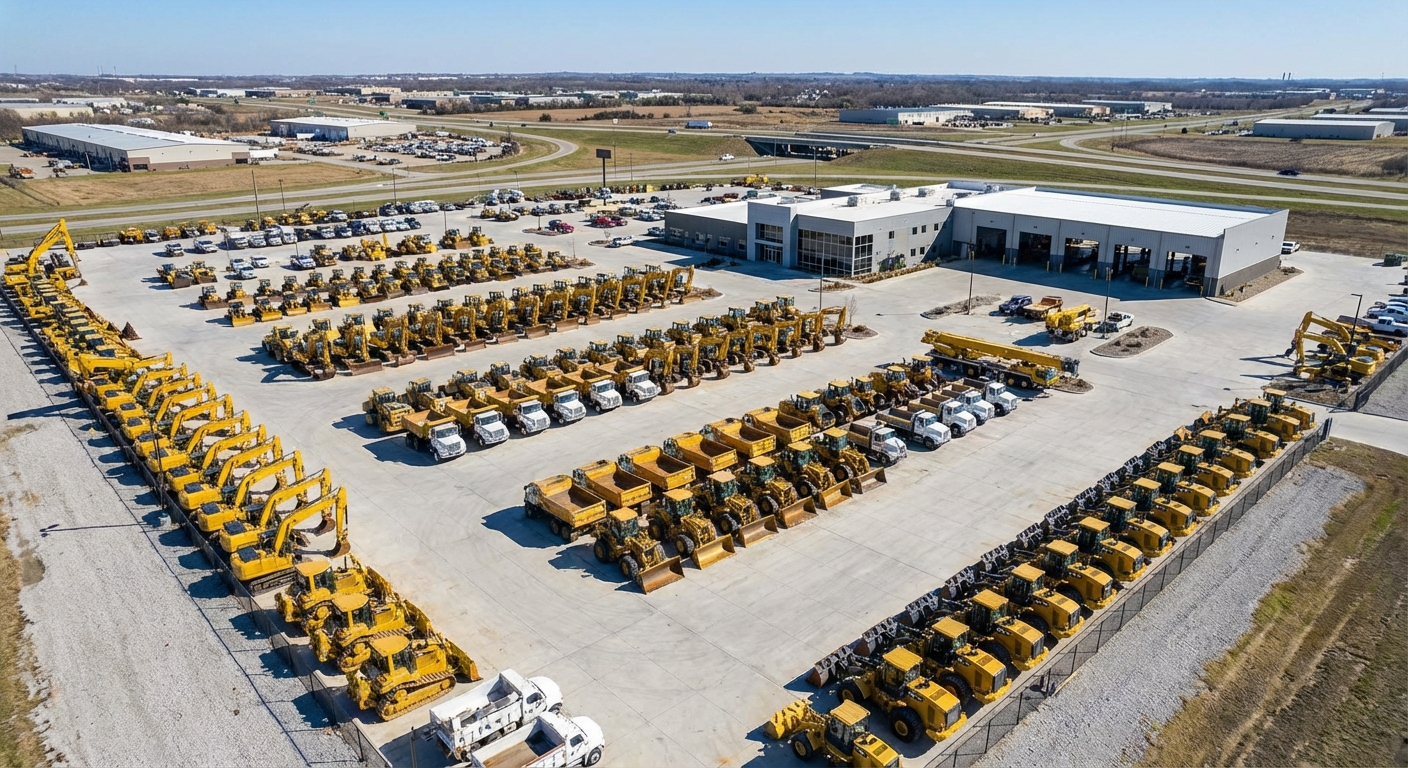
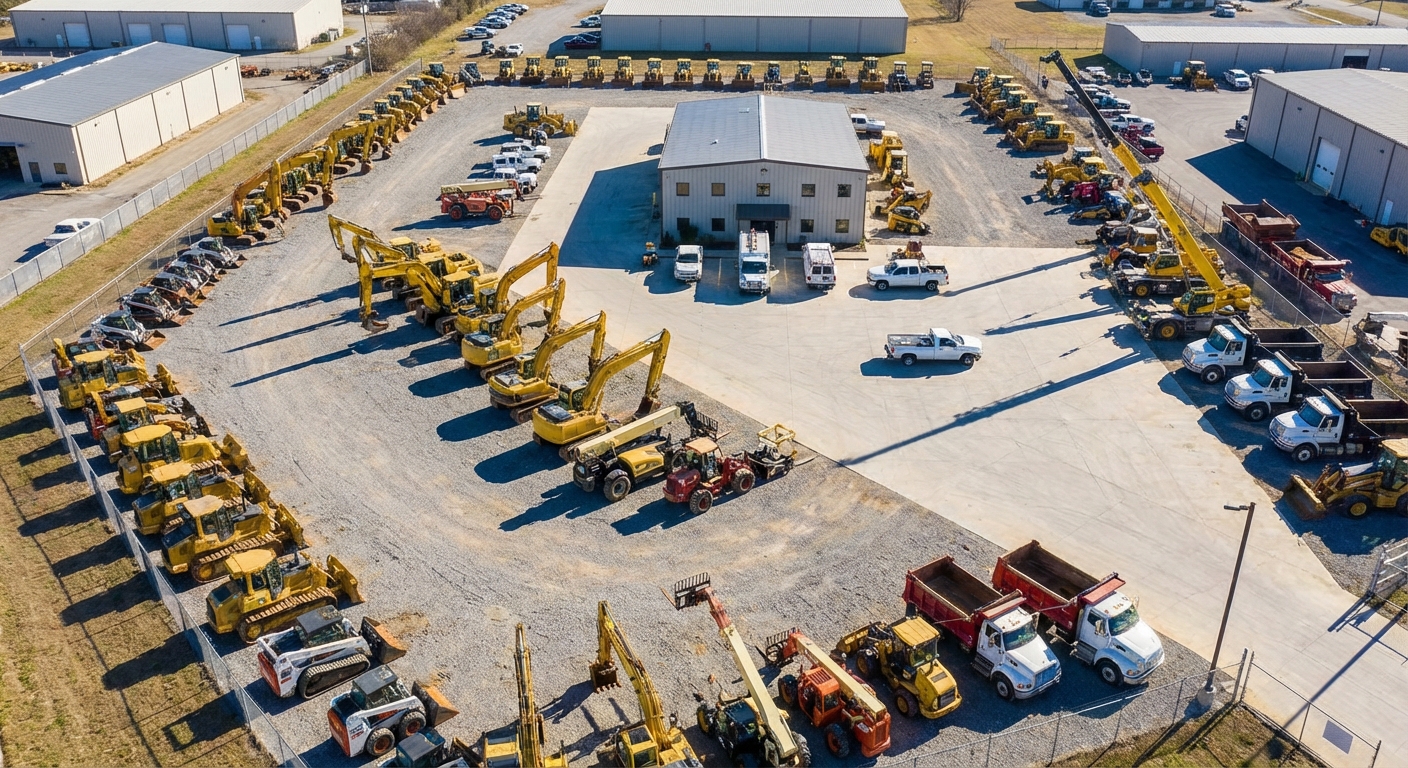
Every location carries the full brand lineup and offers sales, rentals, parts, and service. That consistency matters for contractors who work across the region. If you buy a machine at the Fenton location but need warranty work done near a jobsite in Cape Girardeau, you’re covered.
The geographic spread also tells you something about how Luby thinks about growth. Rather than clustering locations in metro St. Louis, they’ve pushed into secondary markets like Quincy and Cape Girardeau — smaller cities where the nearest major dealer might be an hour or more away. For a contractor in those areas, having a full-service dealer 15 minutes down the road instead of a half-day trip changes the equation on parts availability and machine uptime.
A Three-Brand Strategy
The Hitachi partnership is interesting because of what it does to Luby’s overall offering. Their brand lineup now looks like this:
CASE Construction Equipment — Long their anchor brand. CASE makes everything from skid steers and compact track loaders to full-size dozers and excavators. It’s a complete line, which means Luby can outfit a contractor from the ground up with CASE iron if that’s what they want.
Takeuchi — A Japanese manufacturer known for compact equipment — mini excavators, track loaders, and wheel loaders. Takeuchi machines have a reputation for build quality and resale value, and they fill the compact equipment niche where CASE has historically had some gaps.
Hitachi Construction Equipment — This is the new one. Hitachi is best known for excavators, and they’re a serious player in the mid-size and large excavator market. Adding Hitachi gives Luby a strong second option in the excavator category and brings a globally recognized brand to their lots.
The combination covers a lot of ground. A general contractor doing site work can find dozers, excavators, loaders, and compact equipment all under one roof, and they’ve got multiple brand options at different price points. For Luby, it reduces the risk of being too dependent on any single manufacturer’s product decisions or pricing changes.
They also carry attachments and specialty equipment from Fecon (forestry mulching), Virnig (skid steer attachments), Vail (undercarriage), Indeco (hydraulic breakers), and Leica Geosystems (GPS and surveying). That attachment selection is another differentiator — a lot of dealers treat attachments as an afterthought, but for operators who need a specific tool for a specific job, having those options available locally is a real advantage.
The Service Side
Equipment dealerships make money in two places: selling machines and servicing them. The service side is often the more profitable and more reliable revenue stream, and it’s where Luby appears to put a lot of emphasis.
Their careers page is telling. The company is actively hiring service technicians across multiple locations, and the messaging leans hard on the family culture. Employee testimonials talk about being treated as individuals rather than numbers — one service tech at the Fairmont City location was quoted saying that the owner, Steve Luby, knows him by name.
That might sound like generic employer branding, but in the equipment service world, it matters. Good technicians are incredibly hard to find and even harder to keep. The industry has been dealing with a technician shortage for years, and dealerships that can attract and retain skilled mechanics have a real competitive advantage. A family-run operation where the owner knows every tech by name has a better shot at keeping people than a corporate chain where technicians are employee numbers.
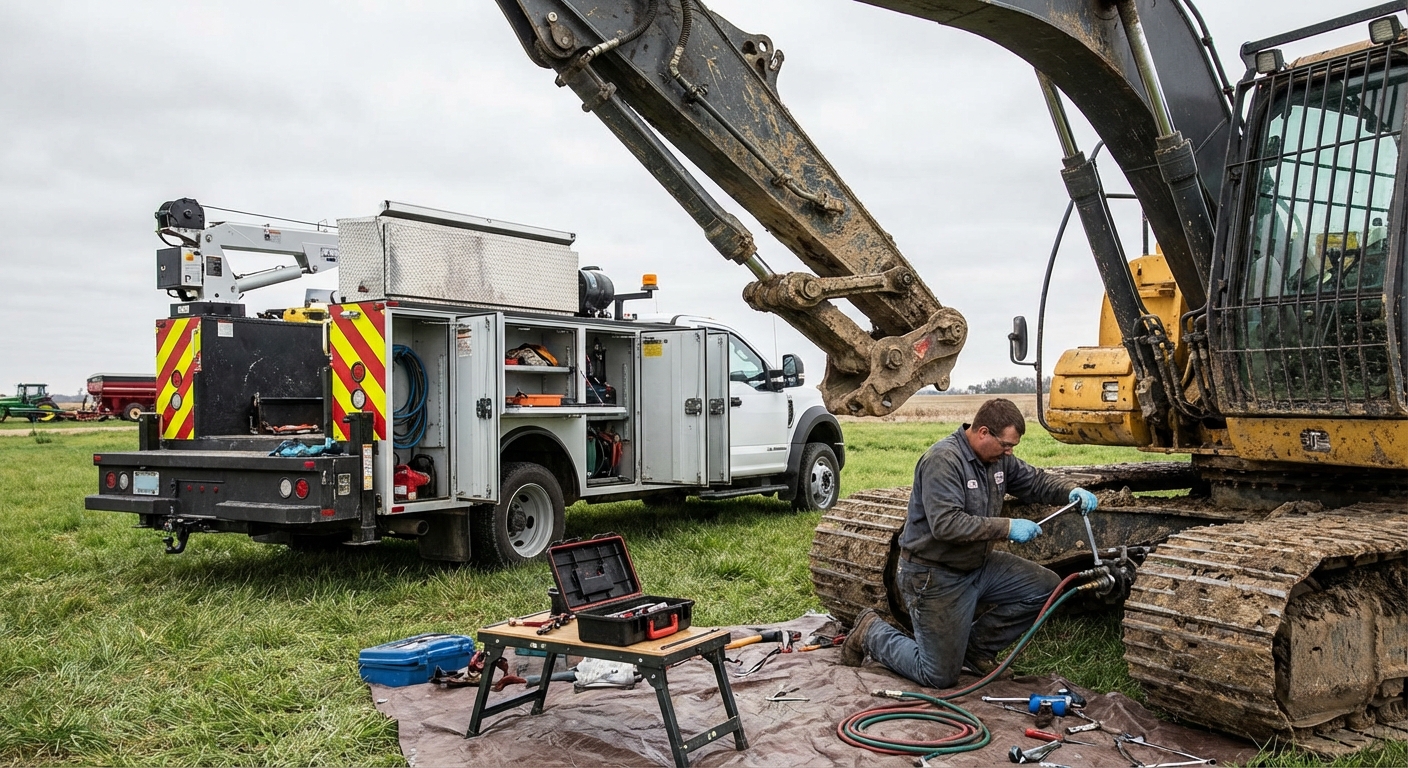
The practical effect for customers is that when your machine goes down, there’s a trained tech available to fix it. In the middle of a busy construction season, the difference between a two-day turnaround and a two-week wait for service can make or break a project schedule.
Why Independent Dealers Still Matter
The trend in equipment dealing has been clear for years: consolidation. Large dealer groups like Titan Machinery, Alta Equipment, and others have been on acquisition sprees, rolling up independent dealerships across the country. The pitch to independents is usually some version of “join us and get access to better purchasing power, more resources, and a larger support network.”
And it works — for some. But the flip side of consolidation is that decisions move farther from the customer. A locally owned dealer can make a call on a trade-in value or a service priority that day. A corporate dealer might need three levels of approval.
Luby’s continued independence after 50 years suggests they’ve found a formula that works. They’re big enough to carry three major equipment brands and support seven locations, but small enough to maintain the relationships that keep customers coming back. It’s the sweet spot that a lot of mid-size dealers try to hit but few actually sustain for decades.
The Hitachi addition is the kind of move that shows confidence. Taking on a new major brand means committing to inventory, training technicians, building out parts supply chains, and marketing a new product line. You don’t do that if you’re just trying to keep the lights on. You do it because you think there’s growth ahead and you want to be positioned for it.
What to Watch
Luby Equipment doesn’t make a lot of noise in the trade press. They don’t do flashy marketing campaigns or chase social media engagement. They sell equipment, fix equipment, and take care of customers in Missouri and Illinois.
But the Hitachi partnership is worth paying attention to. Hitachi has been rebuilding its North American dealer network after splitting from Deere’s distribution agreement, and the dealers they’re signing up say a lot about where they think their growth will come from. Picking family-owned operations with strong regional footholds and existing multi-brand experience is a smart approach.
For Luby, the next chapter looks like more of what got them this far — staying close to customers, keeping the service bays full, and adding the right brands at the right time. Fifty years in, they’re still growing. In an industry where independence is increasingly rare, that’s worth noticing.
Luby Equipment Services is headquartered in Fenton, Missouri. Learn more at lubyequipment.com.