Alta Equipment Shows What Dealer Consolidation Looks Like After the Deal Closes
Alta Equipment Group has built one of the bigger dealer platforms in North America by stacking local equipment businesses into a broader sales, rental, parts, and service network. The interesting part is not the acquisition count. It is what happens after the logos get folded into one operating model.
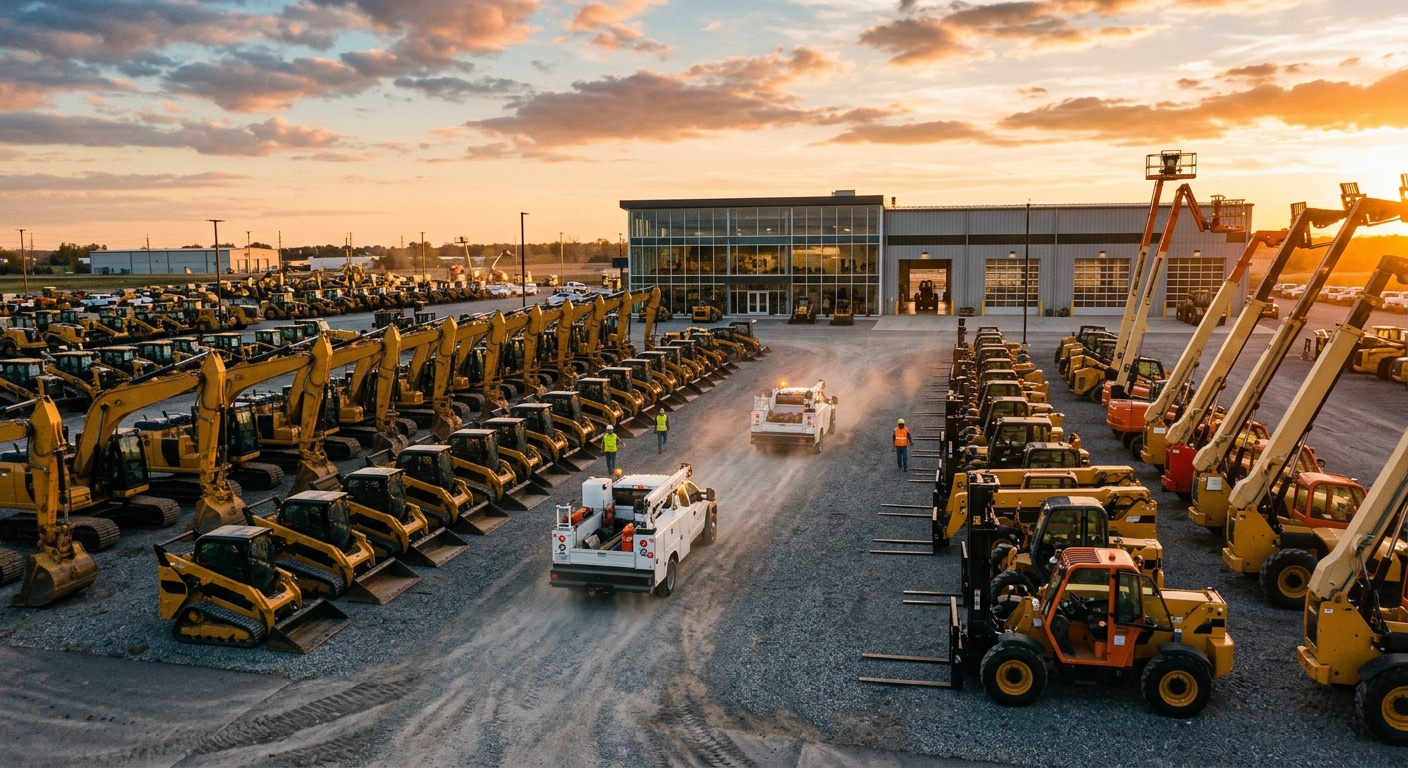
Equipment dealer consolidation sounds clean when it is drawn on a slide.
Buy good local dealers. Keep the relationships. Add capital, systems, rental fleet, parts support, and a bigger manufacturer lineup. Repeat until the map starts to look less like a patchwork of family businesses and more like a regional platform.
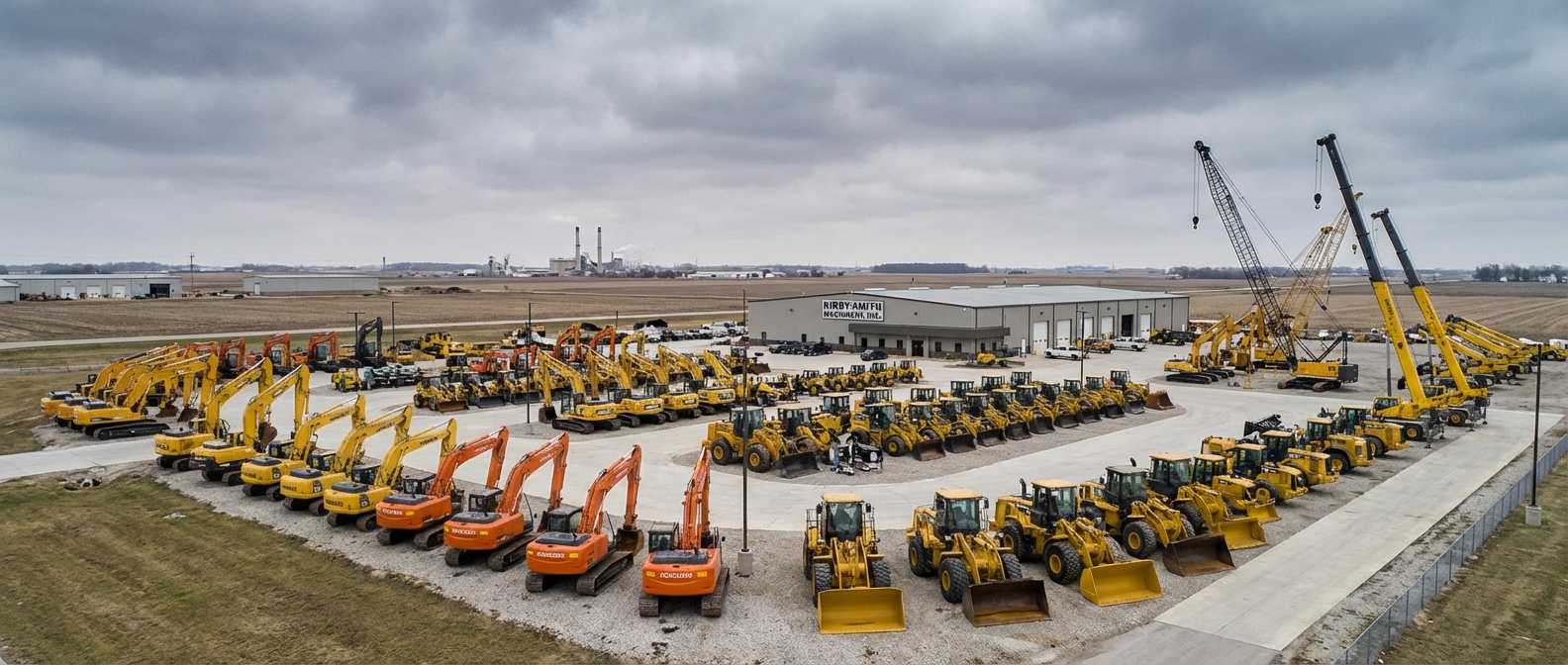
Alta Equipment Group is one of the better public examples of that model in North America. The Livonia, Michigan company has grown from a material handling dealer into a multi-state equipment platform with construction, material handling, environmental processing, cranes, aerial work platforms, paving, and warehouse automation under the same roof.
That does not make Alta a perfect model. It does make the company useful to study. If you want to understand where the dealer business is going, Alta shows both sides of the trade: the upside of scale and the operational burden that comes with it.
FieldFix Editor’s Note: Consolidated dealer groups live and die on service quality. The bigger the footprint, the harder it gets to keep equipment history, parts demand, PM intervals, and machine costs clean across locations. FieldFix was built for operators who want that same discipline inside their own fleet, without turning maintenance into a spreadsheet mess.
The basic profile
Alta traces its roots to 1984, when Steve Greenawalt founded Yale Material Handling in the Detroit area. The company later expanded through a long run of acquisitions, including forklift dealers, construction equipment businesses, and specialty equipment companies. Alta went public in 2020 and now trades on the New York Stock Exchange under the ticker ALTG.
The company’s own history page says it has more than 80 locations and operates across Michigan, Illinois, Indiana, Ohio, Pennsylvania, Massachusetts, Maine, Connecticut, New Hampshire, Vermont, Rhode Island, New York, Virginia, Nevada, Florida, and parts of Canada. Its current brand mix includes names like Hyster-Yale, Volvo, JCB, CNH, Takeuchi, McCloskey, Kubota, Doppstadt, and Backers, according to Alta’s 2025 annual filing with the SEC.
That is a lot of territory, and more importantly, a lot of different customer behavior under one company. A forklift customer in a warehouse, a road contractor renting a paver, and an aggregate producer buying crushing equipment are not the same buyer. They may all need machines, parts, financing, and service, but the operating rhythm is different.
That is why Alta is interesting. It is not just a dealer roll-up. It is a test of whether a dealer can scale while still acting local enough to keep trust.
Why dealers are consolidating
The short version: the dealer business has gotten harder.
Manufacturers want stronger partners with better coverage, more professional systems, more capital, and the ability to support increasingly complex machines. Customers want faster parts, better field service, rental options, telematics help, financing, uptime planning, and one person who can fix the problem when a job is already sideways.
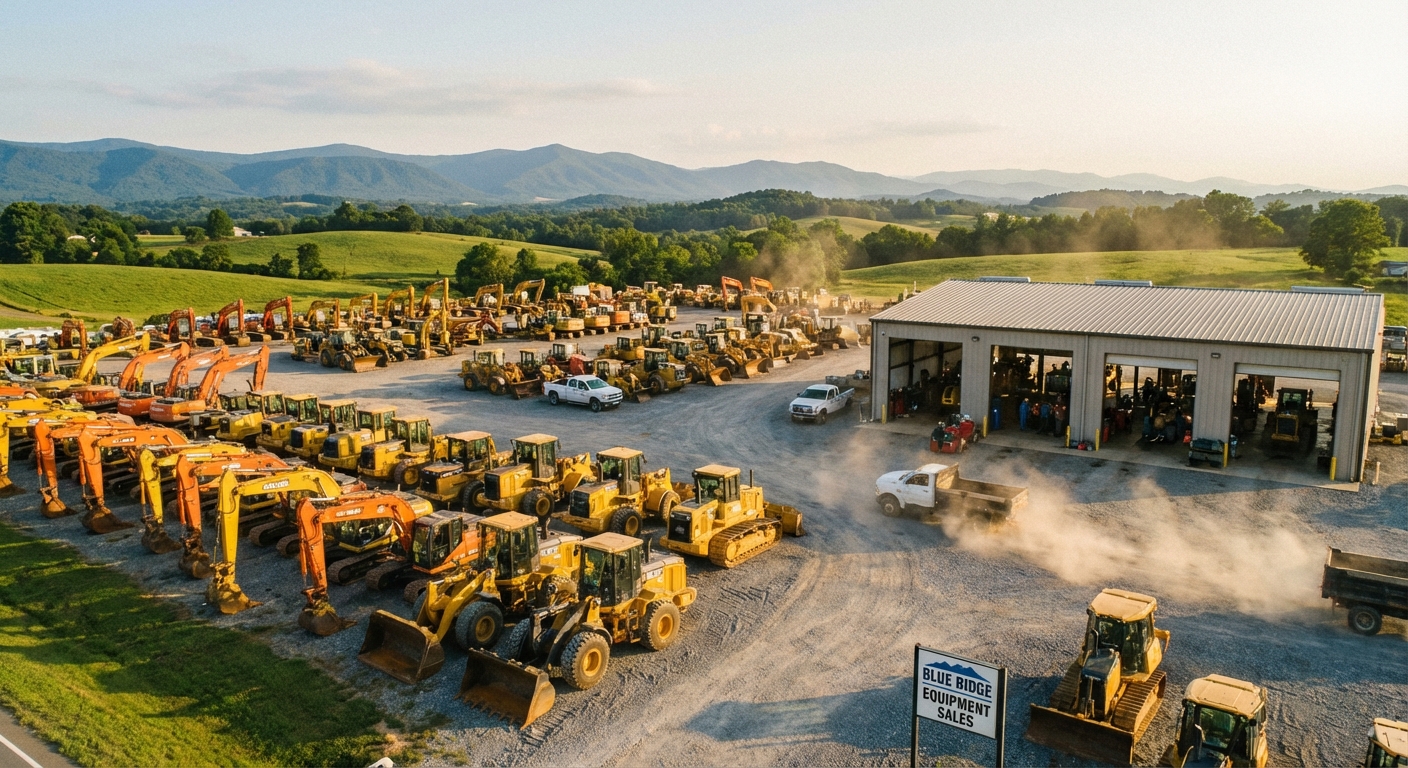
Small independent dealers can still win, especially when ownership is close to the customer. But the pressure is real. Carrying inventory is expensive. Rental fleets tie up capital. Technicians are hard to hire. Parts availability can decide whether a customer buys again. Digital systems are no longer optional, even if plenty of the industry still runs on phone calls and tribal knowledge.
Alta’s 2025 Form 10-K says OEMs have pushed for consolidation in their dealership networks and describes Alta as one of the few consolidators in the industry. That line matters because it says the quiet part plainly. Consolidation is not just coming from private equity or public market ambition. Manufacturers also have reasons to prefer fewer, stronger dealers in major territories.
For OEMs, a larger dealer can be easier to manage and may have the balance sheet to carry inventory, invest in facilities, and support product launches. For customers, the promise is better coverage and more consistent service. The risk is that the local feel gets sanded off.
That is the knife edge.
The money says service matters
Alta’s 2025 results make the business mix clear. In its annual filing, the company reported total revenue of $1.84 billion for 2025, down 2.2 percent from $1.88 billion in 2024. New and used equipment sales were $999.3 million. Parts sales were $291.0 million. Service revenue was $256.7 million. Rental revenue was $179.8 million, and rental equipment sales were $109.1 million.
Those numbers tell a more useful story than a simple revenue headline.
Equipment sales are still the biggest bucket, but parts and service are the profit engine every dealer wants more of. They are also the stickiest part of the relationship. A contractor might shop machines between brands, but if a dealer keeps a crew running during a breakdown, that dealer gets remembered.
Alta’s filing also notes that rental equipment sales help create customer-owned equipment population inside its territories, which can later feed parts and service demand. That is dealer economics in plain English. Rental is not only a standalone business. It can also seed future service work.
The best dealers understand this loop. Sell or rent the machine. Support it. Keep the parts moving. Know the customer’s fleet well enough to catch problems before they become emergency calls. Then be in the right position when the next purchase comes up.
That loop is simple to describe and hard to run across 80-plus locations.
Scale helps, until it gets in the way
Scale gives a dealer group real advantages.
A larger platform can centralize some back-office work, improve purchasing, share used equipment across regions, move rental fleet where demand is stronger, and build deeper manufacturer relationships. It can also offer employees more career paths than a single-location dealer can.
There is another benefit that does not get discussed enough: specialization. A bigger dealer can afford people who know rental, parts, credit, major accounts, used equipment, product support, and fleet logistics as full-time jobs. In a small shop, one person often wears five hats and somehow still has to answer the phone.
But scale creates its own drag.
Local dealer businesses are relationship businesses. Contractors know which service manager answers. Warehouse managers know which tech understands their lift trucks. Rental customers know whether the counter person is going to solve the problem or read from a script. Those details do not show up neatly in an investor presentation, but they are the business.
When a company buys a local dealer, it is buying that trust. The danger is thinking the trust automatically transfers to the parent brand. It does not. Customers give the new owner a short window to prove nothing got worse.
That is where many roll-ups stumble. They are good at closing deals and weaker at preserving the habits that made the acquired business valuable.
Alta has been acquiring for years, so it has had more time than most to learn that lesson. The company’s public filings still show the practical challenge: revenue can move sideways even when the platform is large, and some categories are more cyclical than others. Rental revenue and rental equipment sales were both down in 2025. That does not mean the strategy is broken. It means scale does not eliminate the cycle.
The construction side is only part of the story
A lot of readers will focus on Alta’s construction equipment business because of the Volvo, JCB, Takeuchi, paving, crane, and crushing names. That is fair. Construction equipment is visible, expensive, and easy to picture.
But Alta’s material handling side matters just as much to the model.
Material handling gives the company exposure to warehouses, manufacturing, distribution, food and beverage, medical, logistics, and e-commerce customers. Those customers often run fleets differently from construction contractors. Utilization, maintenance windows, uptime expectations, and financing needs can be more structured. That can create steadier service demand, even when one part of the economy slows.
Construction, by contrast, can bring larger-ticket machines, rental demand, and used equipment movement, but it is tied more directly to project timing, interest rates, infrastructure spending, and local market cycles.
The mix is the point. Alta is not betting on one narrow category. It is building a dealer platform across several equipment markets that rhyme but do not move in perfect sync.
That can be powerful if managed well. It can also become complicated fast.
What smaller dealers should take from Alta
The lesson is not that every dealer needs to become Alta. Most will not, and many should not try.
The real lesson is that the dealer value proposition is changing. Customers still care about price, but they are increasingly buying the whole support system around the machine. Parts access, rental availability, technician quality, financing help, machine history, and product knowledge matter more than a polished showroom.
A smaller dealer can compete with a larger platform by being sharper where scale gets clumsy. Faster decisions. Better customer memory. More direct ownership involvement. Less bureaucracy. More honest advice. Those advantages are real.
But small dealers cannot ignore the parts of the business where scale is raising customer expectations. If a contractor can get fleet visibility, online parts access, better rental options, and faster service from a larger group, nostalgia will not save the local dealer forever.
The middle ground is probably where the best independents will live: local ownership feel, modern systems, disciplined service operations, and a clear niche.
Alta shows why the pressure exists. It also shows why consolidation is not a cheat code.
The read from here
Alta Equipment is worth watching because it sits near the center of several industry shifts: dealer consolidation, OEM territory strategy, rental growth, parts and service economics, and the slow professionalization of equipment support.
The company is big enough to show what scale can do, but still close enough to the dealer business that the old rules apply. Customers do not care how many locations are on the map if the machine is down and the part is not there.
That is the part of consolidation that never changes. The deal can close. The signs can change. The territory map can look cleaner.
Then Monday morning comes, a customer calls, and the whole strategy gets judged by whether someone can actually help.
Sources