
Kobelco's SK850LC-11 Puts More Pressure on the 85-Ton Excavator Class
Kobelco's new SK850LC-11 is not a compact-equipment story. It is a big iron signal for quarry, mass excavation, heavy civil, and contractors who need production more than flash.
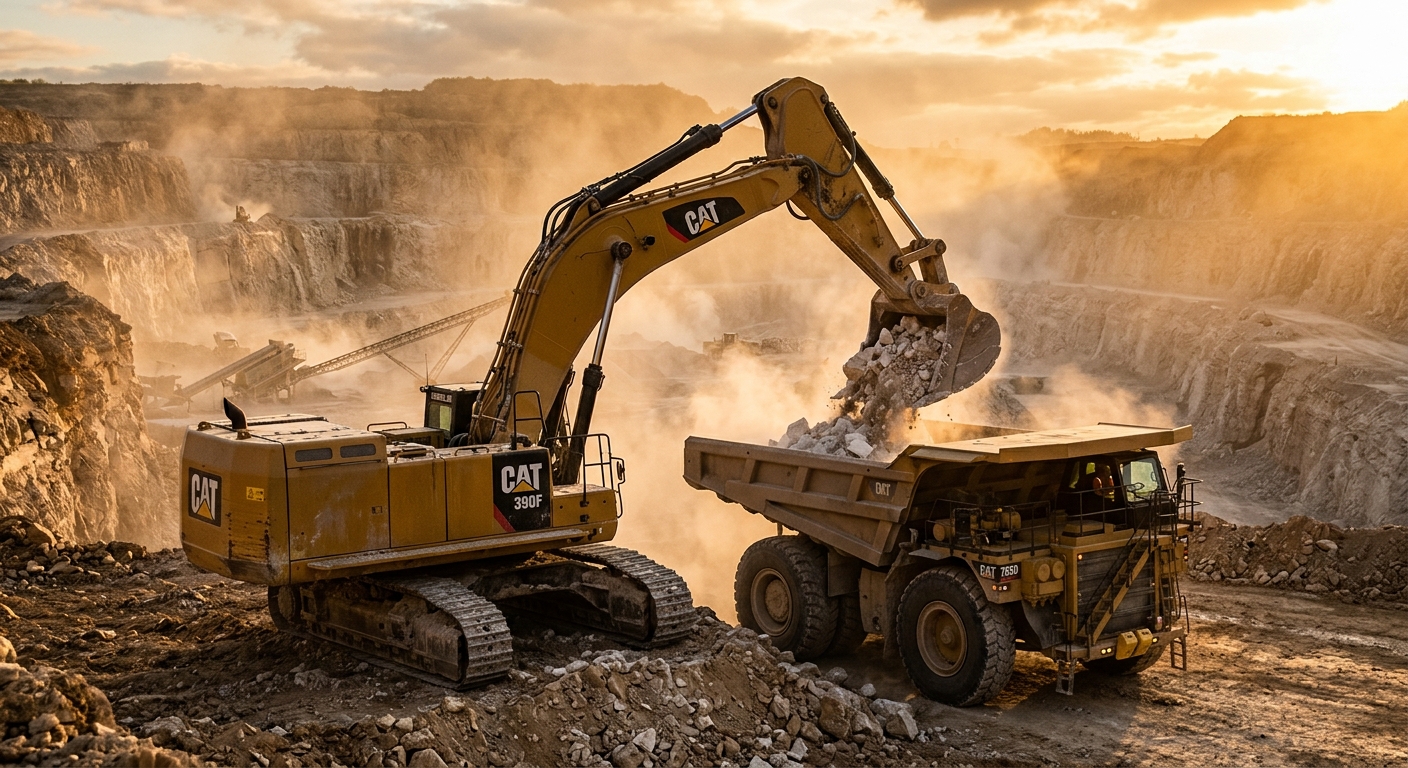
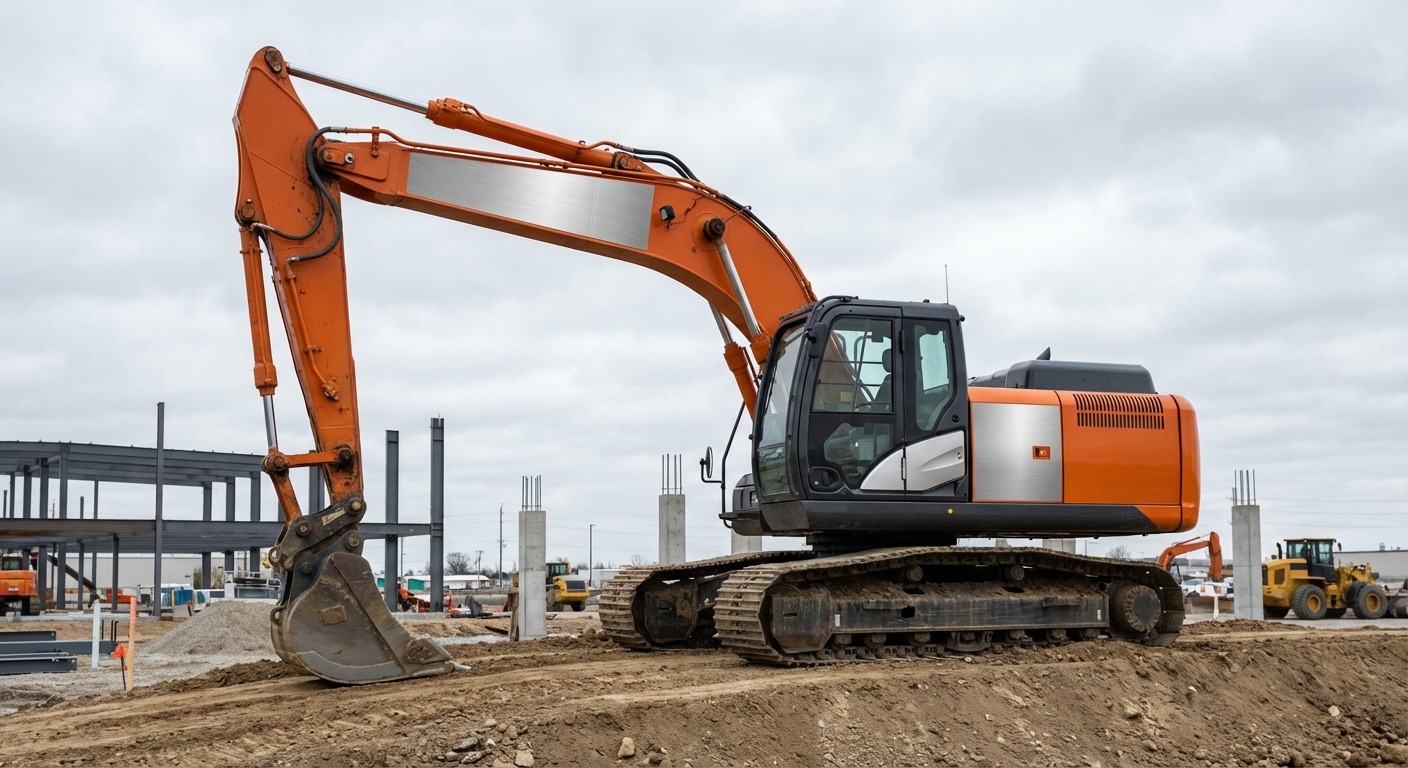
Kobelco has added the SK850LC-11 to its North American excavator lineup, giving contractors a new 85-ton-class crawler excavator built for heavy production work.
This is not a machine aimed at landscapers, small utility crews, or owner-operators chasing tight access work. The SK850LC-11 is big iron: a 512-horsepower Isuzu-powered excavator with an operating weight listed by Kobelco at 190,700 to 192,300 pounds, depending on configuration. The machine is aimed at mass excavation, quarry work, heavy civil projects, large tools, truck loading, and applications where cycle time matters because every slow pass costs real money. Kobelco USA
The launch matters because most of the equipment market conversation has been pulled toward compact machines, electrification, autonomy, and software. Those areas deserve attention. But the dirt still has to move. Big excavators still set the pace on jobs where production volume is the business model.
Kobelco is not trying to make the SK850LC-11 cute. Good. Nobody buys an 85-ton excavator because it looks good in a booth. They buy it because it can keep trucks fed, carry large buckets, handle punishing work, and give a contractor enough uptime to justify tying up this much capital.
FieldFix Editor’s Note: Large excavators are expensive to own, but the real damage usually comes from untracked downtime, missed service intervals, hydraulic issues, fuel burn, and support equipment that gets ignored until it stops production. FieldFix helps contractors track maintenance, inspections, repair spend, downtime, and cost per hour by machine before those costs disappear into the job.
The Specs Tell You Who This Machine Is For
Kobelco lists the SK850LC-11 with 512 hp, an Isuzu 6WG1 engine, a 253.6-gallon fuel tank, and a base operating weight just over 190,000 pounds. The published specs also include a 45-foot 4-inch maximum digging reach, 29-foot 2-inch maximum digging depth, 152,400 pounds of drawbar pull, and 90,600 pounds of bucket digging force. Kobelco USA
Equipment World reported the machine with the same 512 hp rating, 190,700 to 192,300 pound operating-weight range, and 66,010 pounds of lifting capacity based on the standard arm. Equipment World
Those numbers put the SK850LC-11 in the kind of class where a buyer is usually thinking about truck match, bucket strategy, ground conditions, dealer service, and fuel burn before almost anything else. A machine this size is not purchased in isolation. It has to fit the rest of the production system.
That means haul trucks, loading patterns, bench height, undercarriage selection, operator skill, site layout, maintenance windows, and service access all matter. Put the wrong bucket on it, pair it with the wrong truck count, or leave it waiting on support equipment, and the machine becomes an expensive statue.
The machine itself may be impressive. The operation around it decides whether it makes money.
Big Excavators Are a Discipline Problem
Contractors love talking about power. It is the easiest part of the conversation. Horsepower, bucket force, drawbar pull, hydraulic flow, and lifting capacity all look clean on a spec sheet.
The harder part is discipline.
An 85-ton excavator punishes loose planning. The undercarriage is not cheap. The fuel bill is not small. Transportation takes coordination. The operator needs to know what he is doing. The service plan cannot be a sticky note on the shop fridge. If a contractor buys or rents into this class without a real production plan, the monthly cost starts asking uncomfortable questions fast.
That is why Kobelco’s SK850LC-11 is interesting beyond the launch itself. It is landing in a market where heavy civil and infrastructure work remain attractive, quarry operators still need reliable production machines, and larger contractors are trying to squeeze more output from each available operator.
Labor is still tight. Good operators are hard to find. Experienced mechanics are harder. A larger excavator can help a contractor move more material with fewer machines, but only if the job can feed it. Bigger iron does not solve a weak process. It just makes the weak process more expensive.
The 85-Ton Class Is About Matching the Whole Job
At this size, “what can it lift?” is only one question. The better question is what the whole job needs to produce per hour.
For quarry work, that can mean loading haul trucks from a face, cleaning up shot rock, moving heavy material, or working with large attachments. For heavy civil work, it can mean deep cuts, mass excavation, embankment work, pipe-adjacent support, or production digging where smaller machines would need too many passes.
The SK850LC-11’s published digging and lifting numbers suggest Kobelco wants this machine taken seriously in those high-volume applications. But buyers should still do the math with their own site conditions.
How many trucks can the site run without stacking up? What bucket size fits the material and truck bodies? Can the operator keep cycle times consistent without beating up the machine? Are haul roads maintained well enough to keep the whole spread moving? Is there a backup plan if the excavator goes down? Can the dealer support a machine this large quickly, or will a major repair turn into a week of lost production?
Those are the questions that separate a productive big excavator from an expensive trophy.
Fuel And Hydraulics Are Where The Money Hides
Kobelco describes the SK850LC-11 as using hydraulic systems meant to reduce energy loss while still delivering high digging forces. Trade coverage also points to ECO mode, auto idle stop, auto engine deceleration, and hydraulic regeneration as part of the machine’s fuel-saving approach. Power Progress
That is the right area to focus on, because fuel and hydraulic efficiency matter more as machines get larger. Small improvements add up when a machine is burning fuel all day in production work.
Still, operators and fleet managers should be careful with fuel-efficiency claims from any manufacturer. The savings depend on the application, operator habits, attachment load, idle time, material, and site planning. A machine can have every fuel-saving mode available and still waste money if it sits idling between trucks or works in a poorly staged cut.
The practical takeaway is simple: big-machine fuel efficiency is partly engineering and partly management. Contractors need both.
That means watching idle time, matching the machine to the work, training operators on modes and cycle rhythm, and tracking actual fuel burn against production. A daily fuel number without production context does not tell enough. Gallons per hour matter. Tons or yards per gallon matter more.
The Cab And Telematics Matter, Even On Big Iron
It is easy to treat operator comfort as a compact-equipment talking point, but that is a mistake. On large excavators, the operator is the production system’s control center.
Equipment World noted that the SK850LC-11 has an updated cab, a 10-inch color monitor, rear and side cameras, telematics, and operator-focused updates. Equipment World
That matters because fatigue costs money. Visibility costs money. Poor information costs money. A tired operator who cannot see well or does not trust the machine’s response will run slower, make more mistakes, and beat up the equipment more than he needs to.
Telematics also matter more than some old-school owners want to admit. Not because every contractor needs a dashboard for the sake of having a dashboard, but because machines this expensive deserve real management. Hours, idle time, fault codes, fuel use, location, utilization, and service intervals should not be mysteries.
The trap is collecting the data and doing nothing with it. A contractor who ignores telematics until something breaks has not changed much. A contractor who uses the data to schedule maintenance, coach operators, spot idle waste, and compare job costs has an actual edge.
Where Kobelco Fits
Kobelco has long had a loyal following among excavation contractors who care about smooth hydraulics and digging performance. The company does not have the same North American footprint as Caterpillar or Deere, and that matters. Dealer support is part of the product.
For a compact machine, a weak dealer experience is frustrating. For an 85-ton excavator, it can wreck a week. Parts availability, field service capability, technician experience, and rental backup options should be part of the buying process from day one.
That is not a knock on Kobelco. It is how this size class works. Any buyer comparing the SK850LC-11 against competing large excavators should compare the machine and the support model together. The best excavator on paper is not the best excavator if it waits too long for service.
Kobelco’s pitch appears straightforward: give heavy-production buyers a high-output machine with strong digging numbers, updated controls, telematics, and fuel-management tools in the company’s -11 series. For contractors already comfortable with Kobelco, the SK850LC-11 gives them a larger option inside the same brand family. For buyers outside the brand, it gives Kobelco another reason to get into the conversation.
The Bigger Equipment Signal
The SK850LC-11 is worth watching because it runs against the idea that the whole market is moving small, electric, and software-first.
Some of it is. Compact machines are hot. Electric machines make sense in certain indoor, urban, and low-noise applications. Software is getting harder to ignore. But heavy production work still needs machines that can rip, lift, swing, load, and survive bad ground and long days.
That part of the market is less glamorous, but it is not going away.
Large excavators are tied to work that has real physical weight: aggregates, infrastructure, site development, energy projects, industrial work, water projects, and major civil packages. When that work is active, contractors need machines that can produce. When it slows, the carrying cost of those machines gets ugly.
That is the bet behind any machine in this class. The buyer is betting on backlog, utilization, operators, service support, and the ability to price work high enough to pay for the iron. Kobelco is betting enough contractors still need that kind of production to justify another serious option in the category.
What Contractors Should Watch
The SK850LC-11 should not send every contractor shopping for a bigger excavator. Most contractors do not need one. Plenty would be better off with a smaller machine that stays busy more often.
But for the contractors already working in quarry, mass excavation, heavy civil, and large site development, this launch is worth a look. The machine’s specs are strong. The class is serious. The ownership decision deserves the same seriousness.
Ask about dealer support before price. Ask about parts before paint. Ask about transport, bucket options, undercarriage strategy, fuel tracking, service intervals, and what happens when the machine goes down during a production window.
Then run the numbers honestly.
Big excavators do not forgive wishful thinking. If the work is there, a machine like the SK850LC-11 can become the piece that sets the pace for an entire spread. If the work is not there, the payment keeps arriving long after the production case falls apart.
Kobelco has put another heavy machine into the fight. Now the market gets to decide whether contractors want more 85-ton capacity, or whether the smarter money stays smaller, more flexible, and easier to keep busy.