Construction Equipment Rental Market Forecast 2026-2030: Growth Drivers and Regional Trends
A comprehensive market analysis projects continued strong growth in construction equipment rental, driven by infrastructure investment, contractor preferences for flexibility, and rental company technology investments that enhance customer value.
The construction equipment rental market continues evolving as contractor preferences shift and rental companies invest in capabilities and technology. New market research projects continued strong growth through 2030, though with meaningful variation by region, equipment type, and end market.
This analysis examines key findings from the 2026-2030 market forecast, exploring drivers, constraints, and emerging trends that will shape the rental landscape.
Market Size and Growth Projection
The research projects substantial market expansion:
Overall Market Sizing
Aggregate market projections:
2025 market size: Approximately $65 billion in North American construction equipment rental revenue.
2030 projected size: $84 billion, representing 29% total growth over the forecast period.
Compound annual growth rate: 5.2% CAGR, moderating from higher recent growth rates but still substantially outpacing GDP.
Rental penetration: Expected to increase from approximately 54% to 59% of equipment deployment by 2030.
Growth Drivers
Factors supporting growth:
Infrastructure investment: Federal infrastructure legislation and state programs driving sustained demand.
Contractor flexibility preference: Increasing contractor preference for fleet flexibility over fixed equipment ownership.
Technology requirements: Rapidly evolving technology creating incentive to access newest equipment through rental.
Capital efficiency: Interest rate environment and capital costs favoring rental over ownership for variable workloads.
Growth Constraints
Factors potentially limiting growth:
Rental rate pressure: Competitive dynamics and customer negotiating power limiting rate expansion.
Fleet acquisition costs: Higher equipment costs affecting rental company profitability and fleet growth.
Labor constraints: Technician shortages affecting rental company service capacity.
Economic uncertainty: Recession risk potentially affecting construction activity and equipment demand.
Regional Analysis
Significant regional variation exists within the forecast:
Southern United States
Southern markets show strongest growth:
Projected CAGR: 6.1%, above national average.
Drivers: Population growth, manufacturing investment, and infrastructure needs.
Key markets: Texas, Florida, Georgia, and North Carolina leading regional growth.
Constraints: Labor availability affecting construction activity more than equipment demand.
Western United States
Western markets show solid growth:
Projected CAGR: 5.4%, slightly above national average.
Drivers: Infrastructure investment, particularly transportation and water projects.
Key markets: California, Arizona, Colorado, and Pacific Northwest.
Constraints: Environmental regulations affecting project timelines and equipment requirements.
Midwest
Midwest shows moderate growth:
Projected CAGR: 4.5%, below national average.
Drivers: Manufacturing investment and infrastructure replacement.
Key markets: Ohio, Indiana, and Michigan industrial regions.
Constraints: Population stability limiting residential and commercial construction.
Northeast
Northeast shows slower but stable growth:
Projected CAGR: 3.8%, below national average.
Drivers: Infrastructure rehabilitation and urban development.
Key markets: Major metropolitan areas and transportation corridors.
Constraints: Mature market with higher rental penetration already achieved.
Equipment Category Dynamics
Growth varies significantly by equipment type:
Earthmoving Equipment
Core earthmoving categories:
Excavators: 5.8% CAGR, driven by versatility and infrastructure project demand.
Wheel loaders: 4.2% CAGR, mature category with stable demand.
Dozers and graders: 4.5% CAGR, infrastructure-driven demand.
Compact equipment: 6.2% CAGR, benefiting from residential and commercial activity plus versatility.
Aerial Equipment
Aerial categories show strong growth:
Boom lifts: 5.6% CAGR, driven by commercial construction and maintenance.
Scissor lifts: 5.2% CAGR, steady commercial and industrial demand.
Telehandlers: 5.9% CAGR, growing role in construction logistics.
Specialty Equipment
Specialty categories vary:
Compaction equipment: 4.8% CAGR, tied to earthwork and infrastructure.
Concrete equipment: 4.1% CAGR, mature category with stable demand.
Utility equipment: 5.4% CAGR, infrastructure investment driving demand.
Emerging Categories
Emerging equipment types:
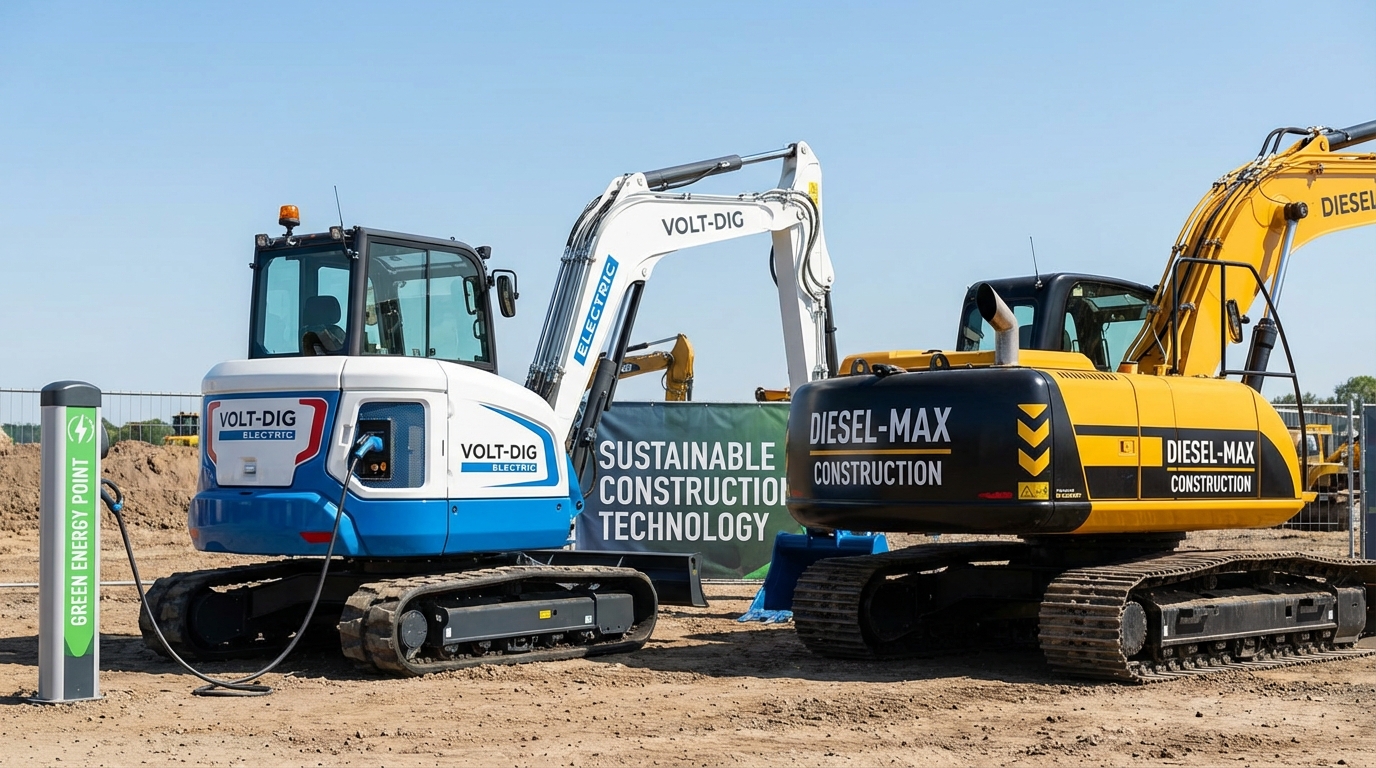
Electric equipment: Growing from small base with projections of 15%+ CAGR as product availability expands.
Autonomous/semi-autonomous: Early stage but expected to enter rental mainstream during forecast period.
Rental Company Strategy Trends
Research identified strategic directions among rental providers:
Fleet Management Technology
Technology investment priorities:
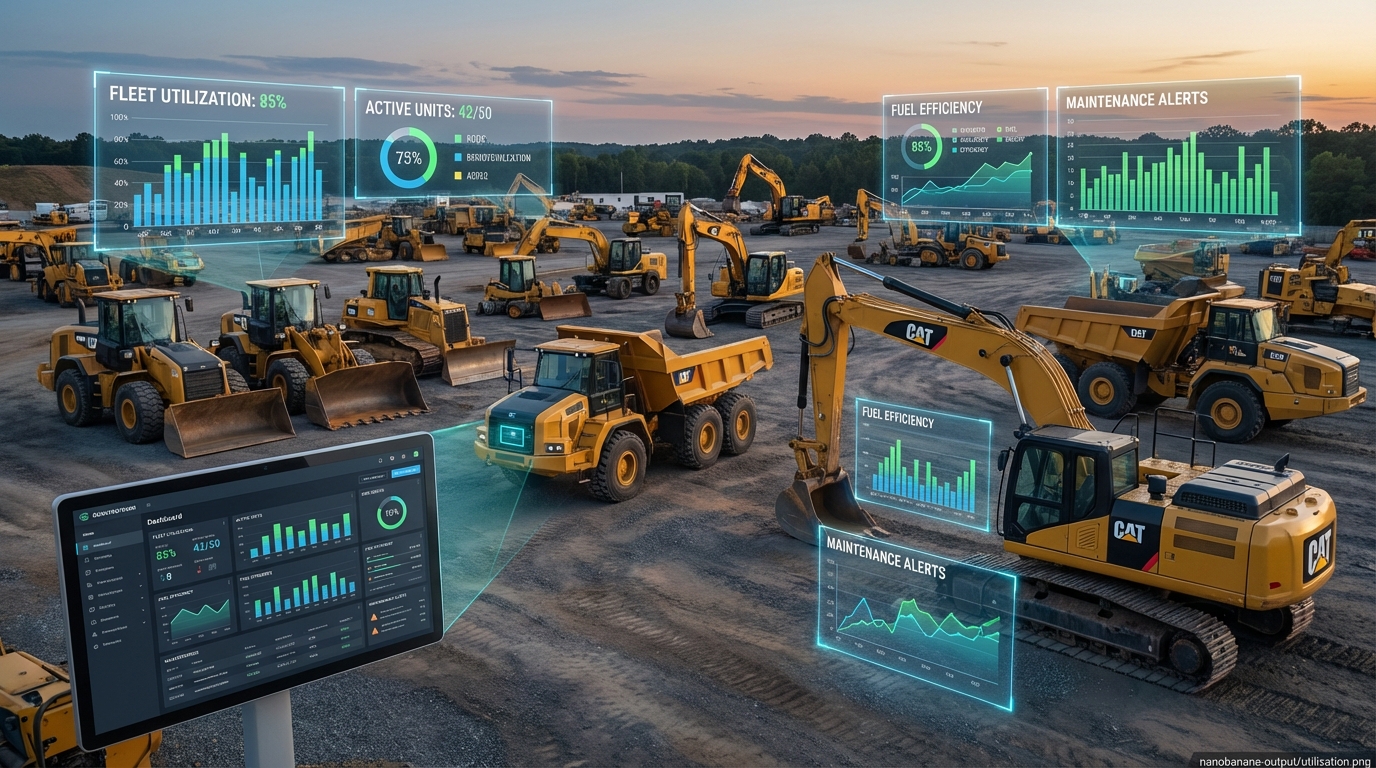
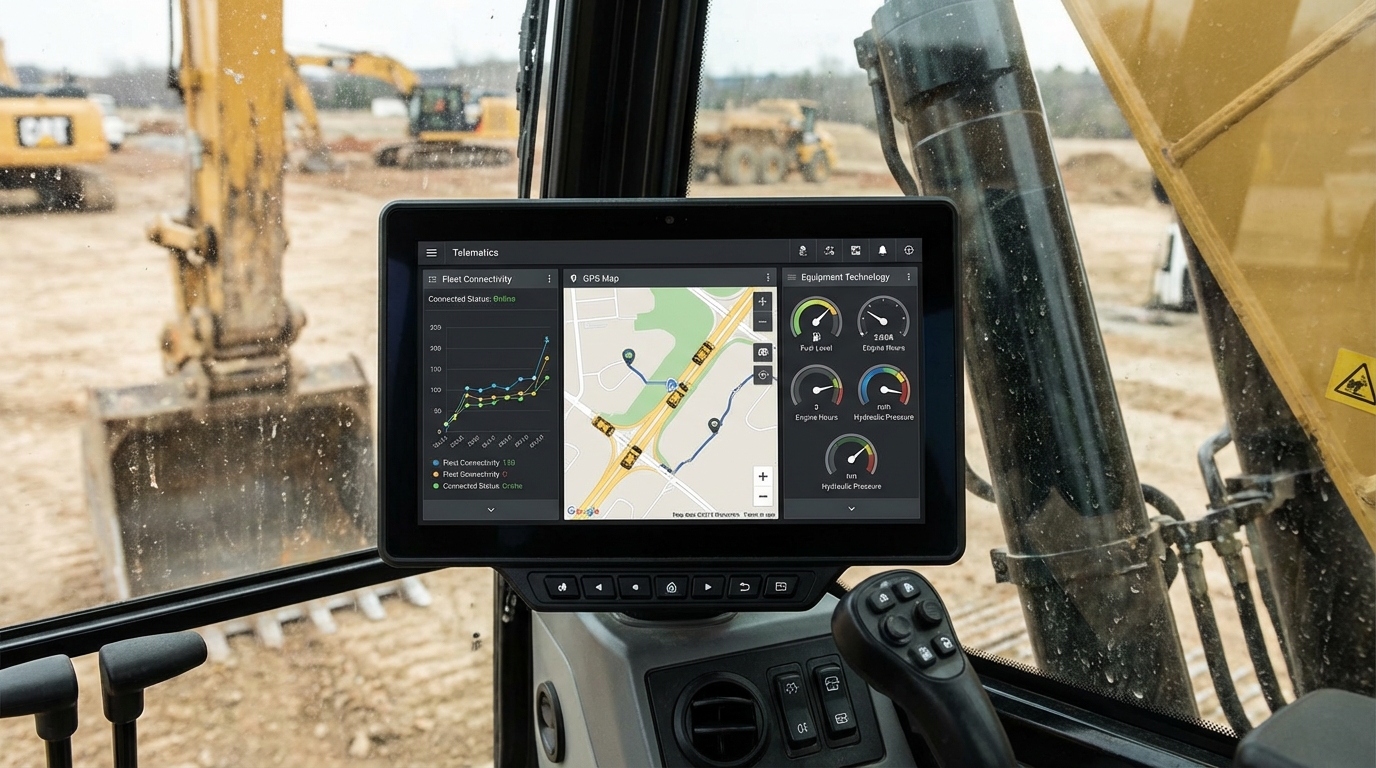
Telematics deployment: Universal telematics on rental fleets enabling utilization optimization.
Customer-facing technology: Digital platforms for ordering, tracking, and management.
Predictive maintenance: Technology reducing downtime and improving asset utilization.
Specialty and Solutions Focus
Differentiation strategies:
Specialty equipment: Investment in specialty categories with higher margins and customer loyalty.
Bundled solutions: Combining equipment with services, operators, and project support.
Vertical specialization: Focused expertise in specific end markets or applications.
Geographic Strategy
Market coverage approaches:
Branch density: Investment in branch network for service and delivery capability.
Regional strength: Some providers prioritizing regional dominance over national footprint.
Metropolitan focus: Concentration in metropolitan markets with dense demand.
Sustainability Investment
Environmental positioning:
Electric equipment: Investment in electric equipment meeting customer sustainability requirements.
Emission standards: Fleet investments maintaining newest, cleanest equipment.
Carbon reporting: Capability to support customer environmental reporting requirements.
Contractor Behavior Trends
Research examined how contractor behavior is evolving:
Rental Preference Factors
Factors driving rental choice:
Project variability: Contractors with variable project mix prefer rental flexibility.
Technology access: Rental provides access to newest equipment and technology.
Maintenance avoidance: Avoiding ownership maintenance burden increasingly valued.
Balance sheet management: Preference for operating expenses over capital investments.
Contractor-Rental Company Relationships
Relationship dynamics:
National accounts: Large contractors consolidating rental relationships for leverage and consistency.
Local relationships: Smaller contractors often prefer local rental providers for service responsiveness.
Strategic partnerships: Some contractors developing preferred partnerships with selected rental providers.
Digital Engagement
Technology adoption:
Online ordering: Growing adoption of digital ordering platforms.
Digital documentation: Electronic rental agreements and documentation.
Mobile access: Expectation for mobile-friendly interaction with rental providers.
Competitive Dynamics
Market competition analysis:
Market Concentration
Industry structure:
Top 10 share: Approximately 45% of market held by ten largest rental companies.
Consolidation trend: Ongoing consolidation through acquisition and organic growth.
Local competition: Significant local and regional competition remains despite consolidation.
Competitive Strategies
Differentiation approaches:
Service quality: Delivery response time, equipment condition, and customer support.
Equipment availability: Fleet depth and availability for immediate needs.
Geographic coverage: Branch network enabling broad project support.
Specialty capability: Expertise in specific equipment or application areas.
Margin Dynamics
Profitability trends:
Rate pressure: Competitive pressure limiting rate increases despite higher equipment costs.
Utilization focus: Emphasis on utilization optimization to maintain margins.
Efficiency investment: Technology and process investment to reduce operating costs.
Implications for Contractors
Research suggests contractor considerations:
Evaluate total cost: Compare true cost of rental versus ownership for specific situations.
Consider flexibility value: Account for value of fleet flexibility in uncertain conditions.
Invest in relationships: Strong rental relationships provide advantage in tight markets.
Leverage technology: Adopt rental company digital tools for efficiency.
Monitor market conditions: Rental rates and availability vary with market conditions.
Looking Ahead
The equipment rental market forecast through 2030 indicates continued strong growth, though with meaningful variation by region and equipment type. For contractors, understanding rental market dynamics helps optimize equipment sourcing strategies.
Rental will continue growing as a share of equipment deployment, driven by contractor preference for flexibility and rental company investments in customer value. The most successful contractors will thoughtfully integrate rental into their equipment strategies based on project requirements, utilization expectations, and total cost analysis.
For related coverage, see our analysis of rent vs. buy decisions and equipment financing trends.