Beyond Initial Cost: Maximizing Equipment Value with TCO
In an industry where initial purchase prices often dominate procurement discussions, a strategic pivot towards Total Cost of Ownership (TCO) is proving cruci...
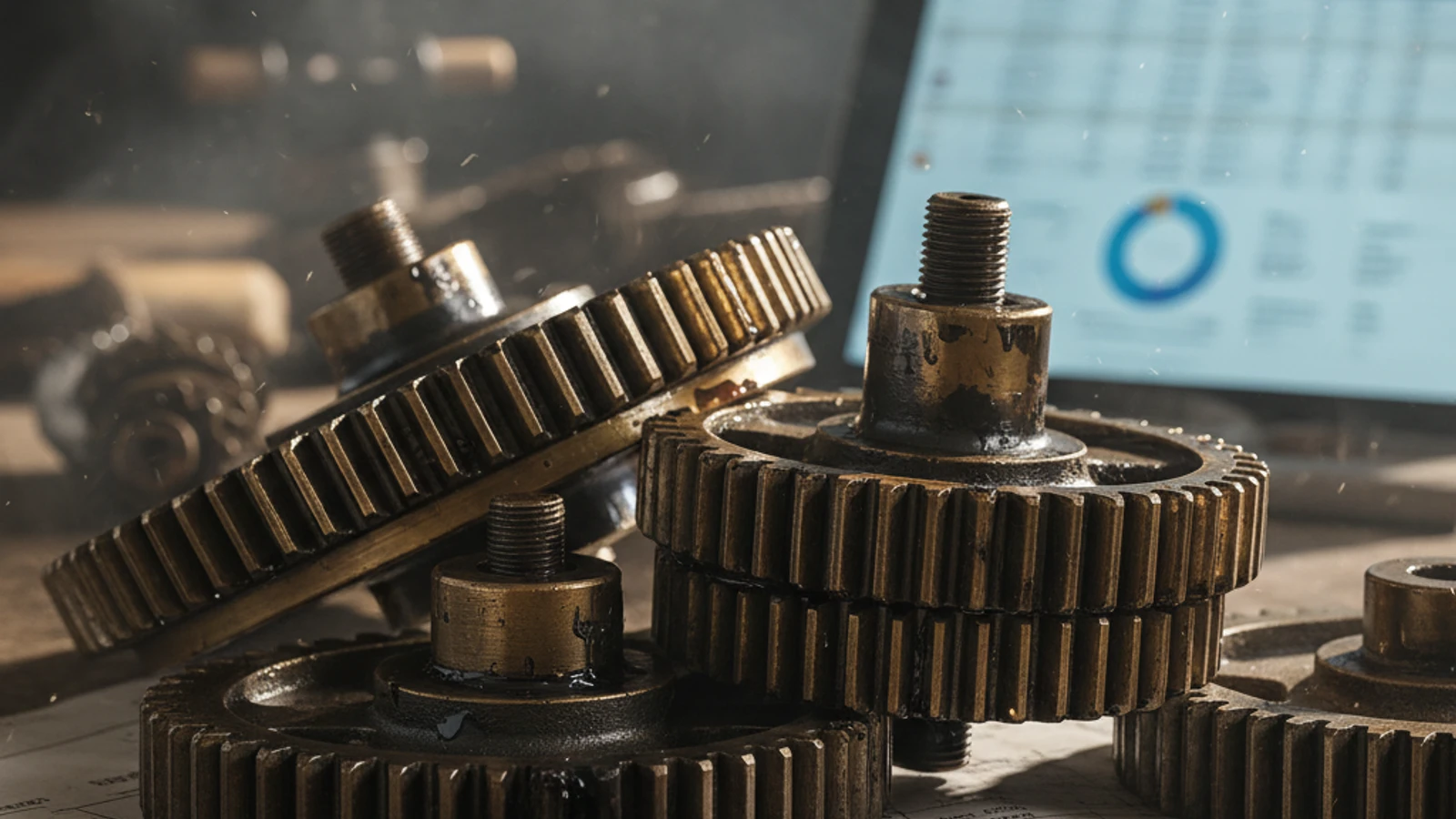
For decades, the initial purchase price of heavy equipment served as the primary yardstick for acquisition decisions. While seemingly straightforward, this singular focus often obscured the true financial burden and long-term value of a machine. Today, an increasing number of businesses recognize this myopic view’s shortcomings, shifting their focus to a more holistic metric: Total Cost of Ownership (TCO).
TCO moves beyond the sticker price, providing a comprehensive financial picture of owning and operating a piece of equipment over its entire lifecycle 3. This strategic shift allows construction firms and industrial operators to make more informed purchasing decisions, develop accurate investment projections, and evaluate long-term costs against returns 10.
Defining Total Cost of Ownership
Total Cost of Ownership (TCO) is not just a buzzword; it’s a critical financial evaluation tool used in the construction and industrial sectors to assess the complete lifecycle costs of assets 2. It acknowledges that the true cost of equipment extends far beyond the initial capital outlay 6. A robust TCO analysis accounts for various expenses incurred throughout a machine’s operational life, from its acquisition to eventual resale or disposal 7.
Core Components of TCO Calculation
Calculating TCO for heavy equipment involves a summation of several key financial categories. A commonly used formula is: Initial purchase price + operating costs + maintenance costs – resale value = TCO 5. However, a more detailed breakdown includes:
- Acquisition Costs: This encompasses the initial purchase price and any related expenses, such as financing, taxes, and delivery 1 9.
- Operating Costs: These are the ongoing expenses associated with running the equipment. Key elements include fuel consumption, lubricants, and operator wages 8.
- Maintenance and Repair Costs: Covering both scheduled preventative maintenance and unexpected repairs, these costs are crucial for ensuring uptime and extending equipment life 1.
- Downtime Costs: Although not always a direct expenditure, the financial impact of equipment being out of service can be significant, affecting project timelines and profitability 1.
- Insurance and Licensing: Required coverage and regulatory fees contribute to the overall cost of ownership 1.
- Depreciation and Resale Value: While depreciation is a cost, the potential resale value at the end of the equipment’s useful life can offset a portion of the TCO 5 8.
Leveraging TCO for Strategic Procurement
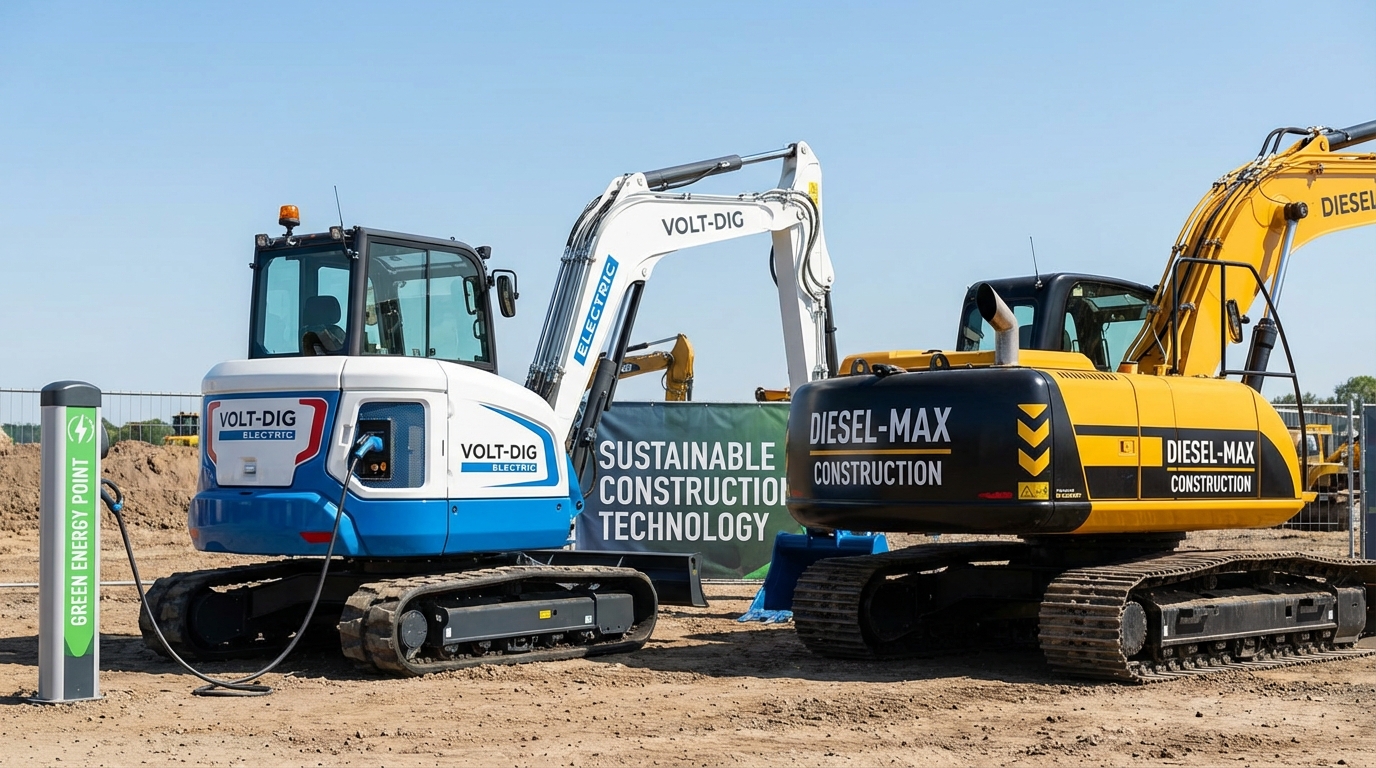
Focusing on TCO transforms procurement from a transactional decision into a strategic one. Instead of simply seeking the lowest upfront price, firms can evaluate equipment based on its expected performance, reliability, and long-term cost-effectiveness 7. Equipment that provides reliable service for an extended period, perhaps eight to ten years, generally delivers a superior return on investment compared to alternatives with lower initial costs but higher operational or maintenance burdens 10.
This approach has demonstrated tangible benefits. Some manufacturers, by emphasizing TCO in their procurement strategies and focusing on lifecycle costs, have reported reductions in total ownership costs by up to 25% 9. This underscores the power of informed decision-making over solely upfront expenses.
Signals to Watch
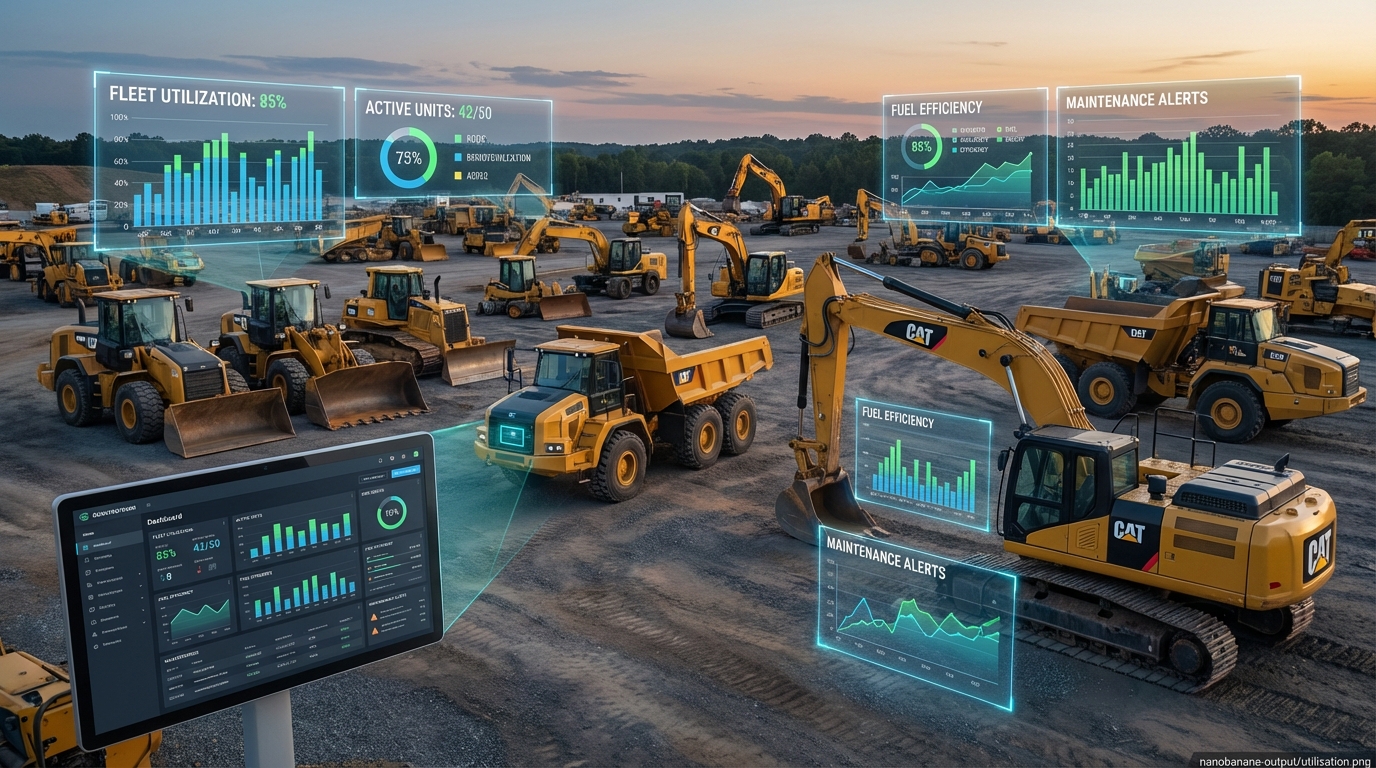
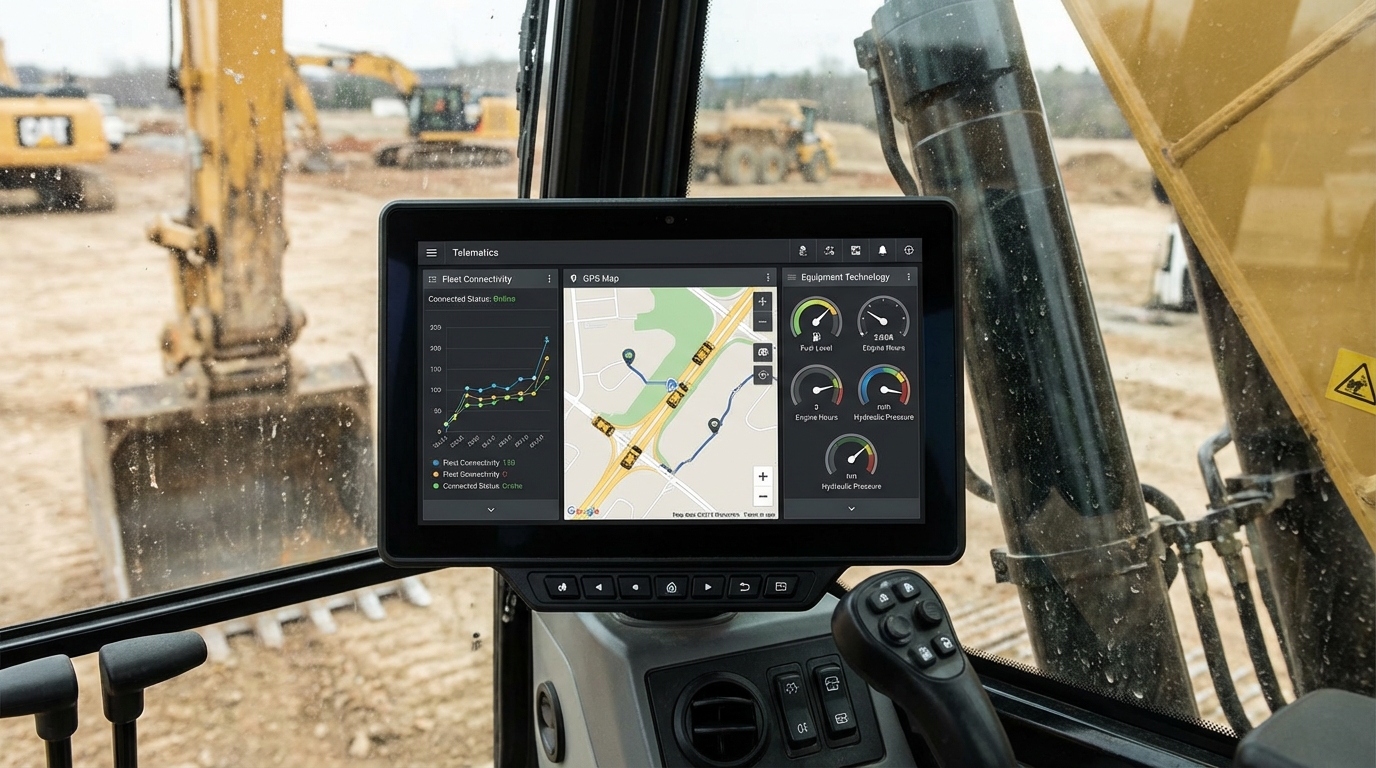
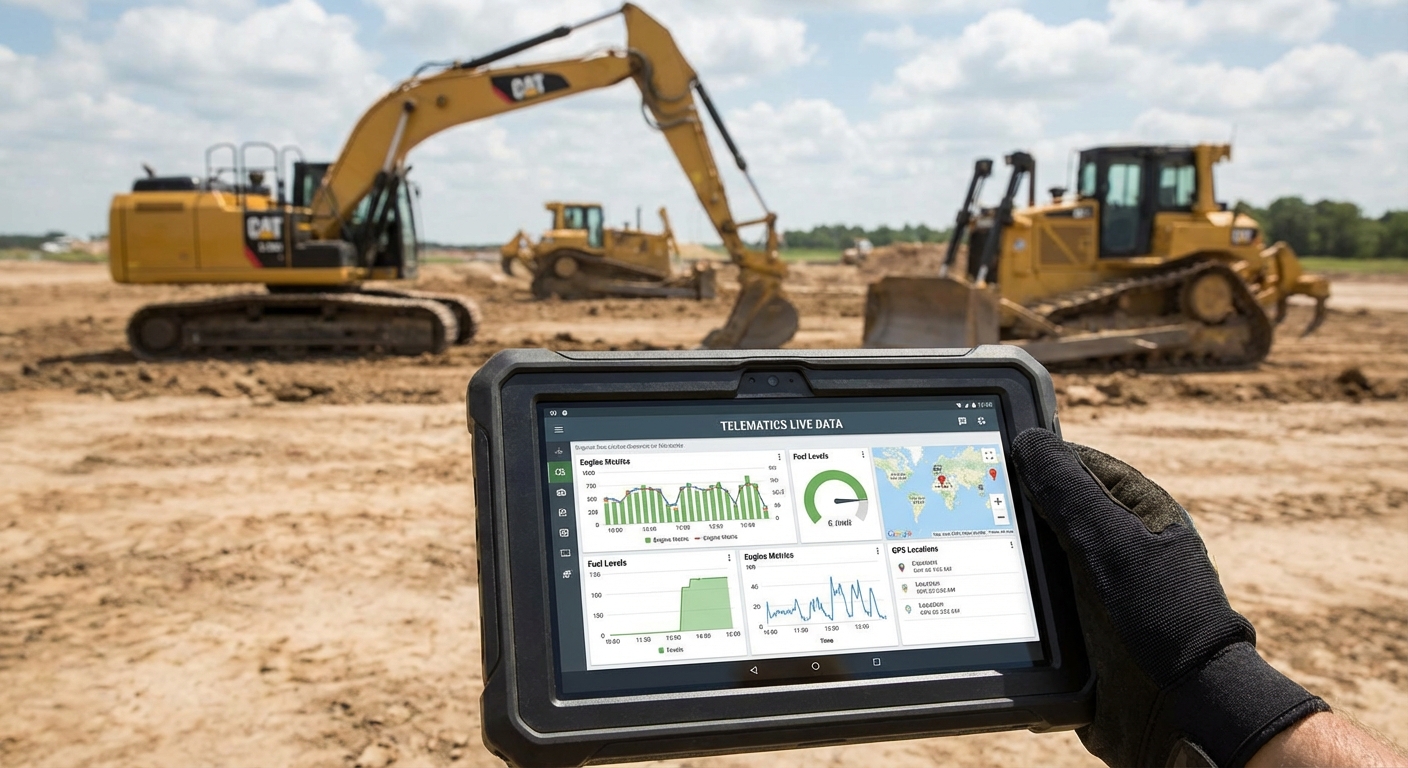
To effectively implement and benefit from a TCO-driven purchasing model, owners must be attuned to several key indicators. High operational costs, frequent unexpected breakdowns, or consistently missing project deadlines due to equipment issues are strong signals that the current purchasing strategy may not be adequately considering lifecycle costs. Declining asset utilization or lower-than-anticipated resale values can also point to a disconnect between initial investment and long-term value 10. By leveraging fleet data and maintenance intelligence, teams can improve uptime and better control costs, ensuring smoother jobsites and a more favorable TCO 1.
Sources
- How to Calculate the Total Cost of Ownership (TCO) of Heavy …
- Total Cost of Ownership (TCO) | eCapital
- Calculating the Total Cost of Ownership (TCO) for Your Construction …
- Is total cost of ownership now the real measure of equipment value?
- How to Calculate Total Cost of Ownership of Your Equipment
- Evaluating Total Cost of Ownership for Used Equipment - The Scoop
- Total Cost of Ownership: The Most Overlooked Factor in Equipment …
- Understanding Total Cost of Ownership for Heavy Equipment
- Procurement 101: Total Cost of Ownership (TCO) - CADDi
- A Guide to Calculating Total Cost of Ownership for Heavy Equipment