Yellowstone Auction: Billings, Montana's Equipment Marketplace
How Yellowstone Auction connects buyers and sellers across the Northern Rockies equipment market from their Billings, Montana base.
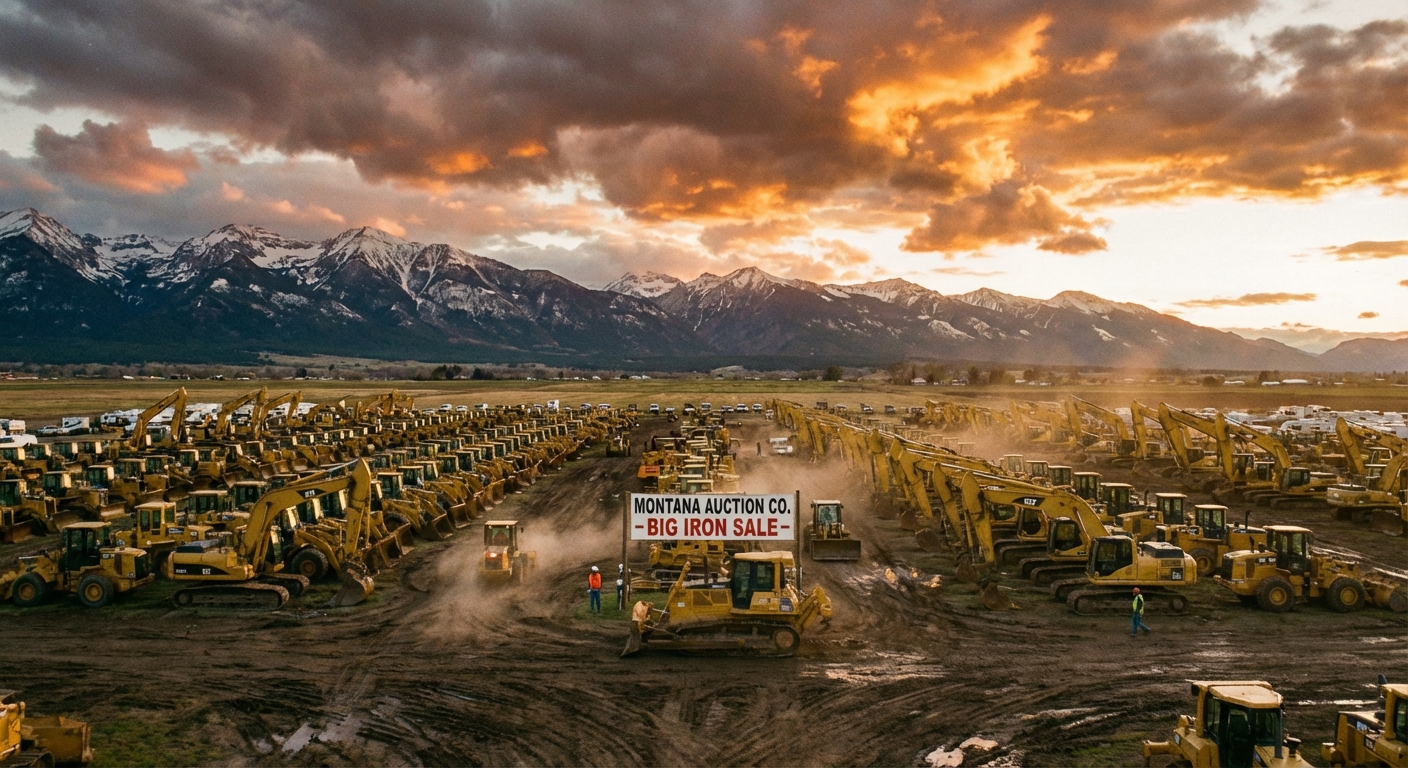
In the equipment business, the biggest deals don’t always happen at the biggest auction houses. Across the Northern Rockies, contractors, farmers, and mining operators have long relied on regional auctioneers who understand local markets, know the equipment, and can move iron efficiently between buyers and sellers. Yellowstone Auction, based in Billings, Montana, is one of those operations—a regional auction house with deep roots in the equipment trade and a reach that extends well beyond state lines.
Operated by Alan A. Armstrong, Yellowstone Auction has built a reputation for honest, well-organized auctions with quality lots. With over 34 years of auction experience and more than 1,700 auctions conducted across the country, Armstrong brings a level of expertise to the Billings market that’s difficult to match. His background—which includes service in the United States Marine Corps and an education at Boise State University—reflects the kind of discipline and work ethic that defines the best operators in the auction industry.
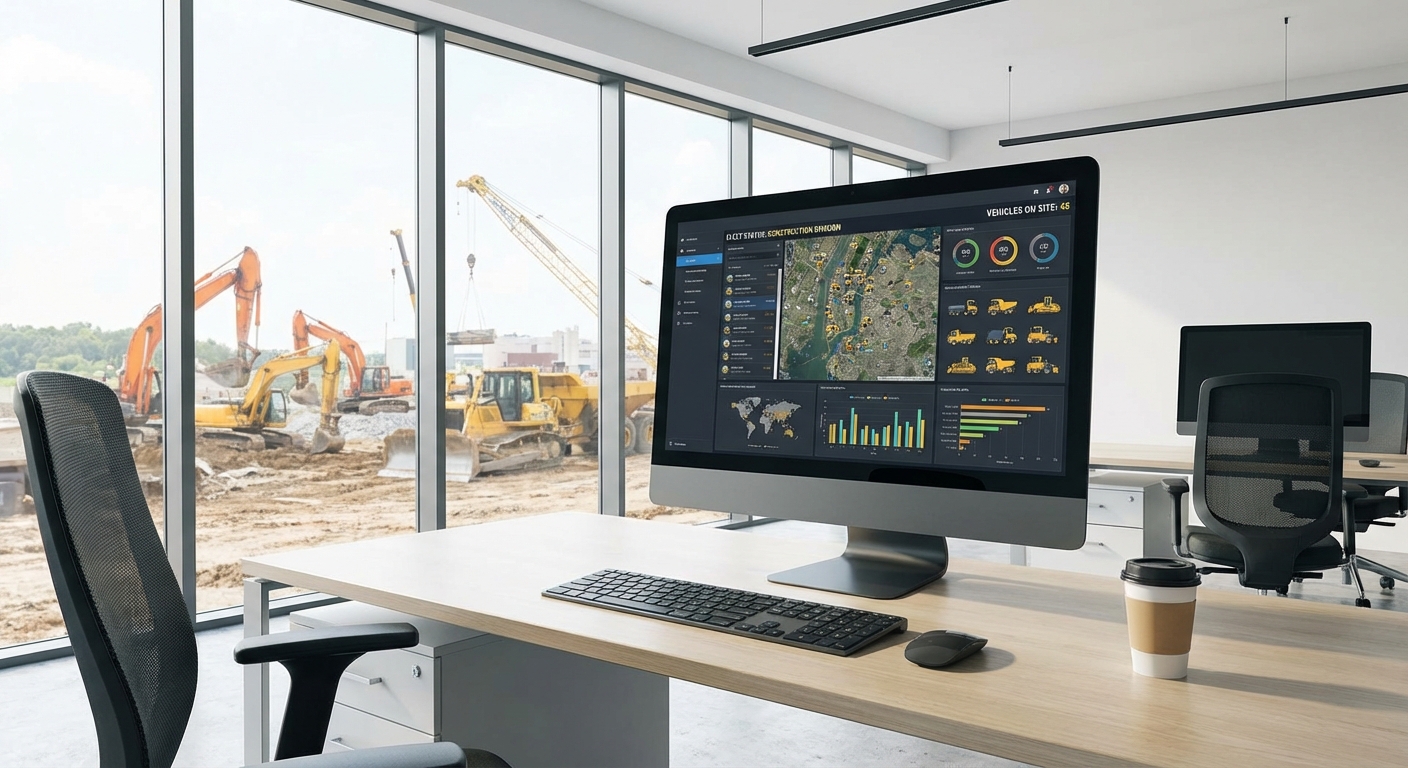
Editor’s Note: Managing equipment costs doesn’t stop at the auction. Whether you’re buying, selling, or running a fleet, tracking cost-per-hour, maintenance intervals, and total operating expenses is what separates profitable operators from everyone else. That’s why we built FieldFix, our free fleet management tool. Know your numbers before your next bid.
Why Regional Auction Houses Still Matter
The equipment auction landscape has changed dramatically over the past two decades. Global platforms like Ritchie Bros. and IronPlanet (now part of the same company) have consolidated significant market share, and digital-first marketplaces continue to emerge. Yet regional auction houses remain a critical part of the equipment ecosystem—and in many cases, they offer advantages that the largest players cannot.
Regional auctioneers like Yellowstone Auction serve as trusted intermediaries in markets where relationships matter. In Montana, a handshake still carries weight. Buyers want to inspect equipment in person before committing tens or hundreds of thousands of dollars. Sellers want to work with someone who understands the local market dynamics—what equipment is in demand, what it’s worth, and who’s looking for it.
There’s also the matter of economics. Consigning equipment to a major national auction often means transporting it to a distant yard, paying higher commission rates, and competing against a global pool of inventory. Regional auctions allow sellers to keep equipment local, reduce transportation costs, and reach buyers who are specifically looking for machines in their area.
For buyers, regional auctions offer the opportunity to inspect equipment firsthand, often in a setting where the auctioneer can provide background on the machine’s history and condition. The personal touch—knowing the auctioneer, understanding the local market, having a direct line of communication—is something that a website listing can’t replicate.
Billings: A Crossroads for Equipment
Yellowstone Auction’s location in Billings, Montana is strategic in ways that might not be immediately obvious to those unfamiliar with the region. Billings is Montana’s largest city and serves as the commercial hub for a vast territory that spans eastern Montana, northern Wyoming, and western North Dakota. It sits at the intersection of Interstate 90 and Interstate 94, making it one of the most accessible cities in the Northern Rockies and Great Plains.
More importantly for the equipment market, Billings sits at the convergence of three major industries that drive equipment demand: agriculture, mining, and construction.
Agriculture is Montana’s economic backbone. The state ranks in the top ten nationally for wheat production, cattle ranching, and hay production. Agricultural operations across eastern Montana and northern Wyoming require a constant flow of equipment—tractors, combines, hay equipment, grain handling systems, livestock equipment, and the trucks and trailers that move it all. When operators upgrade or downsize, that equipment needs to find new owners, and auctions are the most efficient mechanism for making that happen.
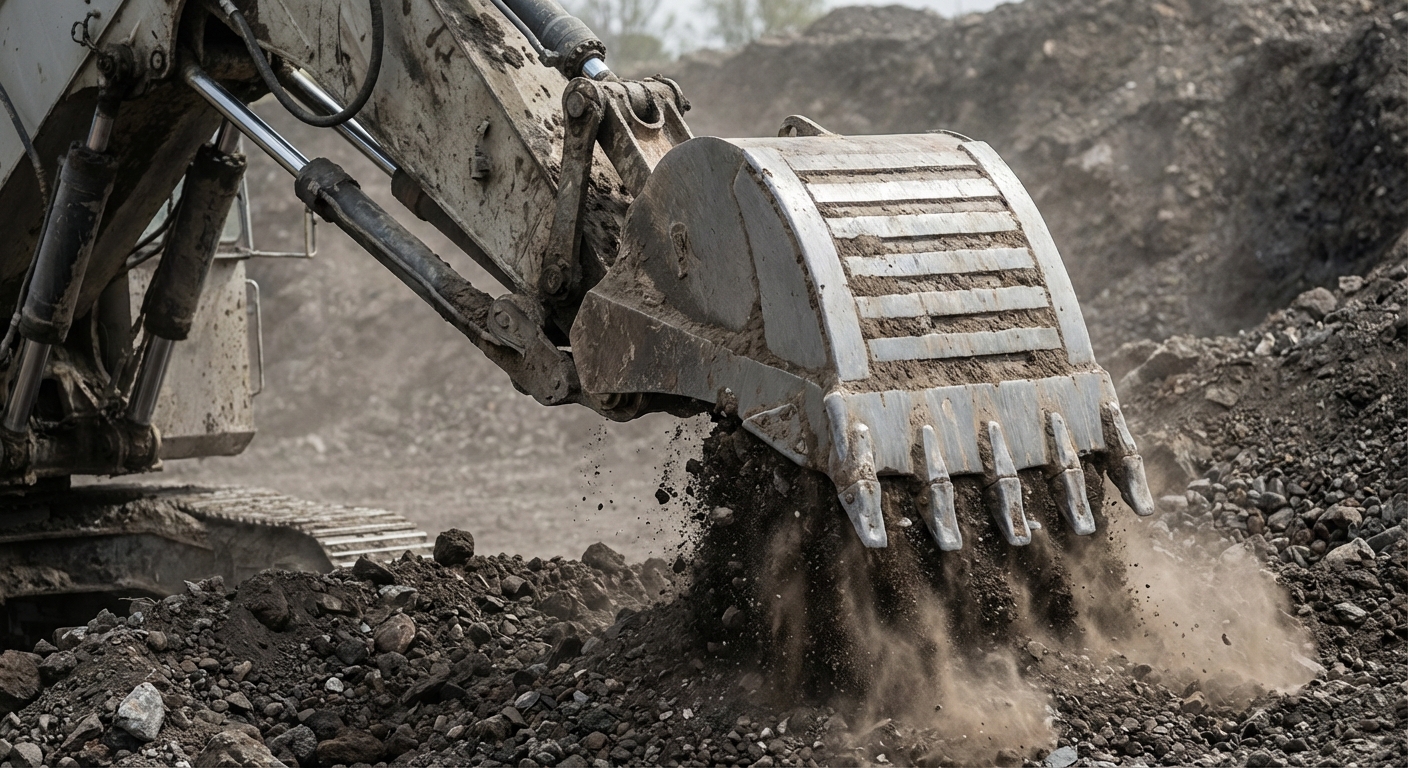
Mining and energy production are major economic drivers across the Bakken Formation in eastern Montana and western North Dakota, as well as Wyoming’s Powder River Basin coal region. These industries consume enormous quantities of heavy equipment—excavators, dozers, haul trucks, crushing and screening plants, and support equipment. When energy markets cycle (as they inevitably do), surplus equipment flows into the auction channel. Billings is the natural staging point for this equipment.
Construction in the Northern Rockies has seen steady growth, driven by population increases in cities like Billings, Bozeman, and Missoula, along with ongoing infrastructure investment. Highway construction, residential development, and commercial building all generate demand for excavators, loaders, skid steers, and the full spectrum of construction machinery. Montana’s construction season is compressed by winter weather, which means contractors need reliable equipment that can perform during the months when conditions allow work—and auctions are where much of that equipment changes hands.
This three-way crossover between agriculture, mining, and construction creates a uniquely diverse equipment market. A single auction in Billings might feature a John Deere combine alongside a Caterpillar excavator and a Komatsu dozer. That diversity attracts a wide range of buyers—and a diverse buyer pool drives better outcomes for sellers.
The Equipment Categories
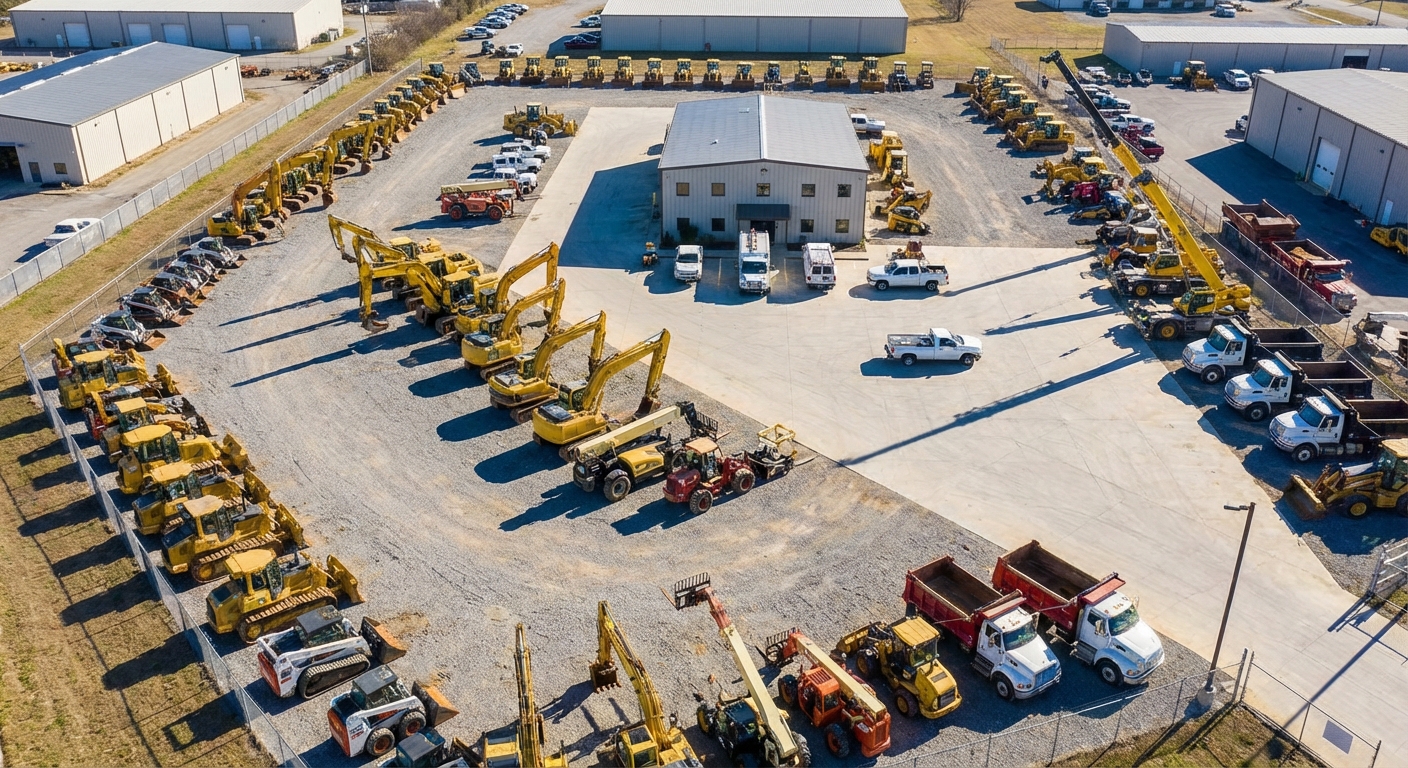
Yellowstone Auction handles the range of equipment categories you’d expect from a regional auction house serving the Northern Rockies market. Based on publicly available auction records and the company’s listing history, their sales typically span several major categories:
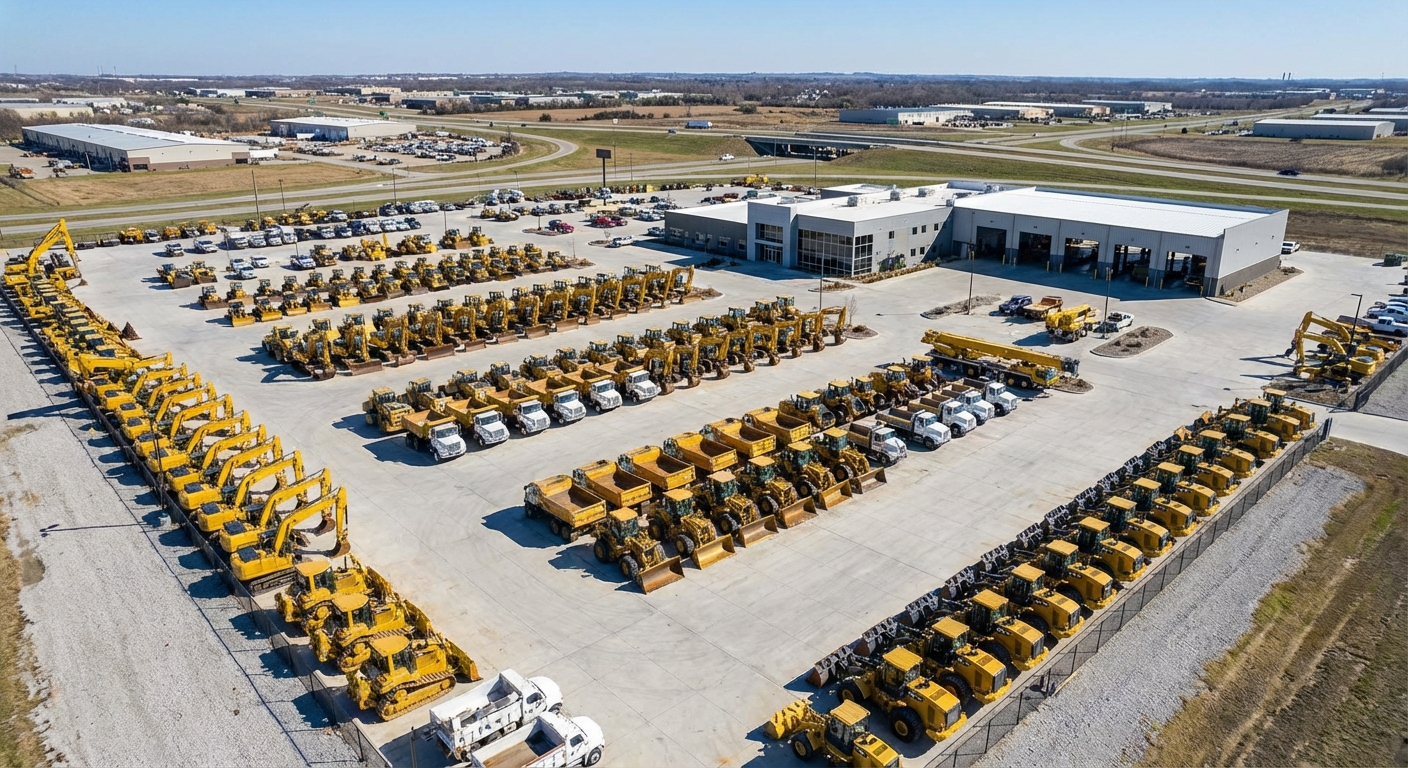
Construction equipment forms a significant portion of auction inventory. Excavators, wheel loaders, skid steer loaders, track loaders, backhoes, and dozers are staples of the construction equipment market in any region, and Montana is no exception. The state’s infrastructure needs—highway maintenance, bridge construction, utility installation—ensure consistent demand for earthmoving and material handling equipment.
Agricultural equipment reflects Montana’s farming and ranching economy. Tractors of all sizes, hay equipment (swathers, balers, rakes), tillage implements, grain handling equipment, and livestock-related machinery regularly appear at regional auctions. Montana’s agricultural operations tend to be large-scale, which means equipment is often commercial-grade and well-suited for resale.
Attachments and implements represent an increasingly important auction category. Buckets, hydraulic hammers, grapples, augers, mower attachments, and specialized implements often sell alongside the base machines they serve. For buyers, auctions are one of the best places to find attachments at competitive prices.
Trucks and trailers are essential in any equipment market, but particularly so in a state as geographically vast as Montana. Flatbed trailers, lowboys, dump trucks, service trucks, and pickup trucks are regular features at regional equipment auctions.
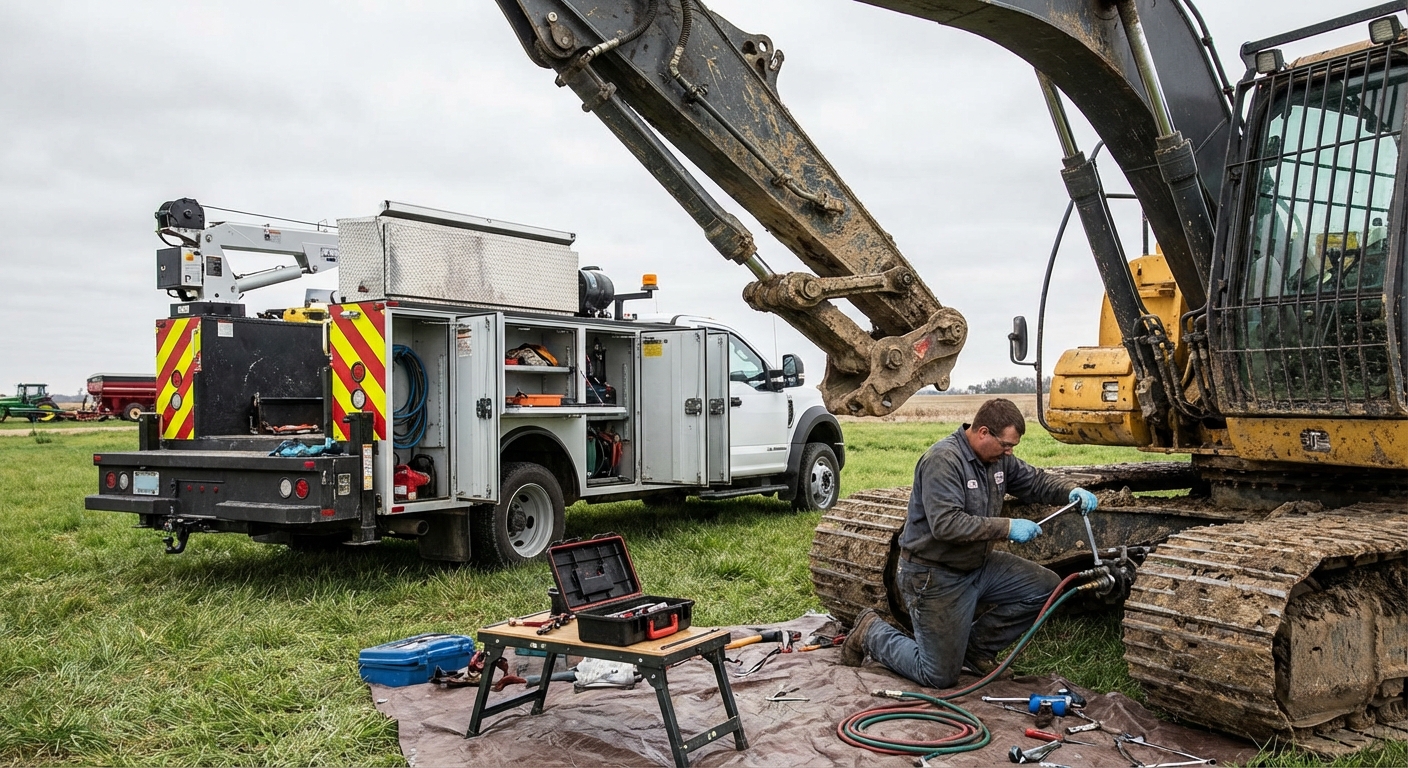
Tools and support equipment round out typical auction offerings. Generators, welders, air compressors, light towers, and shop equipment serve both as standalone lots and as complements to larger equipment purchases.
Online Auction Platforms: Expanding Regional Reach
One of the most significant developments in the auction industry over the past decade has been the adoption of online bidding platforms by regional auctioneers. Yellowstone Auction’s website is powered by AuctionMethod.com, one of the leading auction software platforms serving the industry.
Platforms like AuctionMethod have been transformative for regional auction houses. Before online bidding, a Billings-based auction was limited to buyers who could physically attend—essentially restricting the market to a few hundred miles’ radius. Today, a contractor in Texas or a dealer in Oregon can browse lots, review detailed photographs and descriptions, and place bids without ever setting foot in Montana.
This expanded reach benefits both buyers and sellers:
For sellers, online bidding means more potential buyers competing for their equipment, which generally drives prices higher. A piece of equipment that might attract five local bidders can now draw interest from dozens of buyers across multiple states.
For buyers, online platforms provide access to equipment that would otherwise require extensive travel to find. A farmer in the Dakotas looking for a specific model of tractor can search Yellowstone Auction’s listings from home and bid with confidence, knowing that the auctioneer has provided detailed descriptions and photographs.
For the auctioneer, online platforms provide tools for marketing, lot management, bidder registration, and payment processing that streamline operations and reduce administrative burden. Targeted marketing campaigns can reach buyers who have expressed interest in specific equipment categories, ensuring that the right people see the right lots.
Yellowstone Auction has embraced this approach, building a reputation for detailed photography, comprehensive equipment descriptions, and targeted marketing that reaches buyers beyond the immediate Billings area. In an industry where trust is paramount—buyers are often committing significant capital based on photographs and descriptions—the quality of lot presentation matters enormously.
The Auctioneer’s Role in Equipment Valuation
One aspect of regional auction houses that deserves more attention is the auctioneer’s role in equipment valuation. National platforms often rely on algorithmic pricing models and historical sales data to guide expectations. Regional auctioneers like Alan Armstrong bring something different: direct market knowledge built over decades of handling equipment in a specific region.
An experienced auctioneer knows what a 2018 Cat 320 is worth in the Montana market—not just what the national data says, but what local contractors are actually willing to pay given regional conditions, seasonal demand, and the specific configuration of the machine. This knowledge helps sellers set appropriate reserves and helps buyers understand fair market value.
Over 34 years and more than 1,700 auctions, Armstrong has developed the kind of market intuition that only comes from being in the business—watching thousands of lots cross the block, observing bidding patterns, and understanding the factors that drive equipment values in the Northern Rockies market.
Montana’s Equipment Market Outlook
The equipment market in Montana and the broader Northern Rockies region faces several tailwinds heading into 2026 and beyond:
Infrastructure investment continues to flow from federal programs, with Montana receiving significant allocations for highway, bridge, and broadband infrastructure. These projects require equipment, and much of that equipment will eventually cycle through the auction market.
Agricultural equipment replacement cycles are ongoing, as farmers and ranchers continue to upgrade aging fleets. The average age of farm tractors in the United States continues to climb, suggesting pent-up demand for replacement equipment—both new and used.
Energy market activity in the Bakken and Powder River Basin regions fluctuates with commodity prices, but the long-term trend toward energy development (including both traditional and renewable sources) supports equipment demand in the region.
Population growth in Montana’s urban centers drives construction activity, which in turn drives equipment demand. Bozeman, in particular, has seen explosive growth that shows no signs of slowing.
These factors suggest a healthy market for equipment auctions in the region, with steady supply from equipment turnover and strong demand from active industries.
Connecting with Yellowstone Auction
For equipment buyers and sellers in the Northern Rockies region, Yellowstone Auction offers a direct connection to the Billings equipment market. Their online platform allows prospective buyers to browse upcoming auctions, review lot details, and register for bidding from anywhere in the country.
The company’s Billings location at 6426 Olive Branch Way provides a physical base for equipment inspection and local transactions. For consignment inquiries or general questions, Yellowstone Auction can be reached at 406-451-3579 or by email at sold@yellowstoneauction.com.
In an equipment market that increasingly favors scale and consolidation, regional auction houses like Yellowstone Auction serve a vital function. They provide the local market knowledge, personal service, and community connection that larger platforms struggle to replicate—while leveraging modern technology to extend their reach far beyond the traditional auction floor.
For contractors, farmers, and equipment dealers across Montana, Wyoming, and the Dakotas, Yellowstone Auction represents exactly what the equipment market needs: a trusted, experienced auctioneer who knows the territory, knows the equipment, and knows how to connect buyers and sellers efficiently.
This profile is part of Equipment Insider’s ongoing coverage of regional equipment companies across North America. Company profiles are developed using publicly available information. For corrections or updates, contact our editorial team at editor@equipmentinsiderhq.com.