
Autonomous Equipment Is Finding Its First Real Job in Solar Construction
The early market for autonomous heavy equipment is not a fully robotic jobsite. It is repetitive, high-volume work like solar pile driving, where labor pressure and project scale make the math easier.
The heavy equipment autonomy story has been oversold for years.
We were supposed to have driverless dozers, robotic excavators, and fully automated jobsites by now. Instead, most contractors still spend their mornings chasing operators, juggling dispatch, and trying to keep machines out of the mud long enough to finish the week.
That does not mean autonomy failed. It means the first real market is narrower, rougher, and more useful than the pitch decks made it sound.
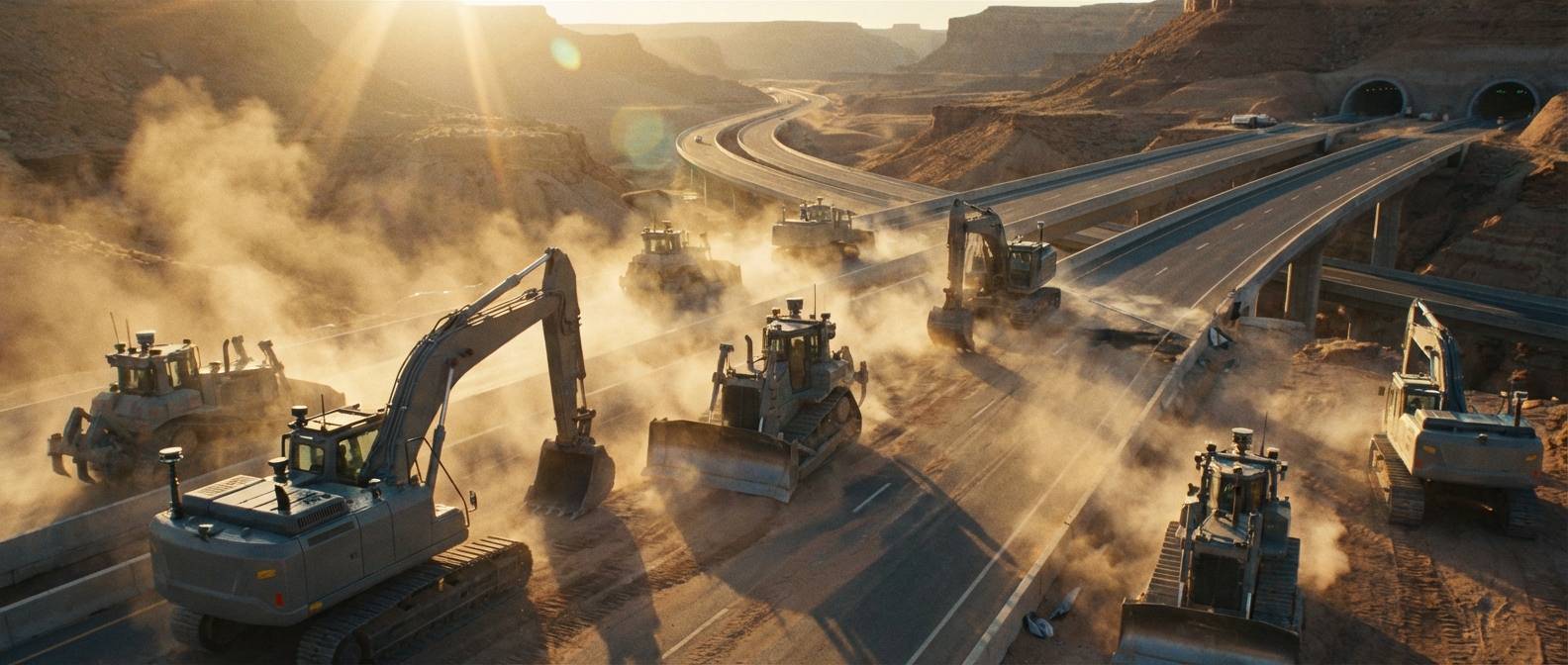
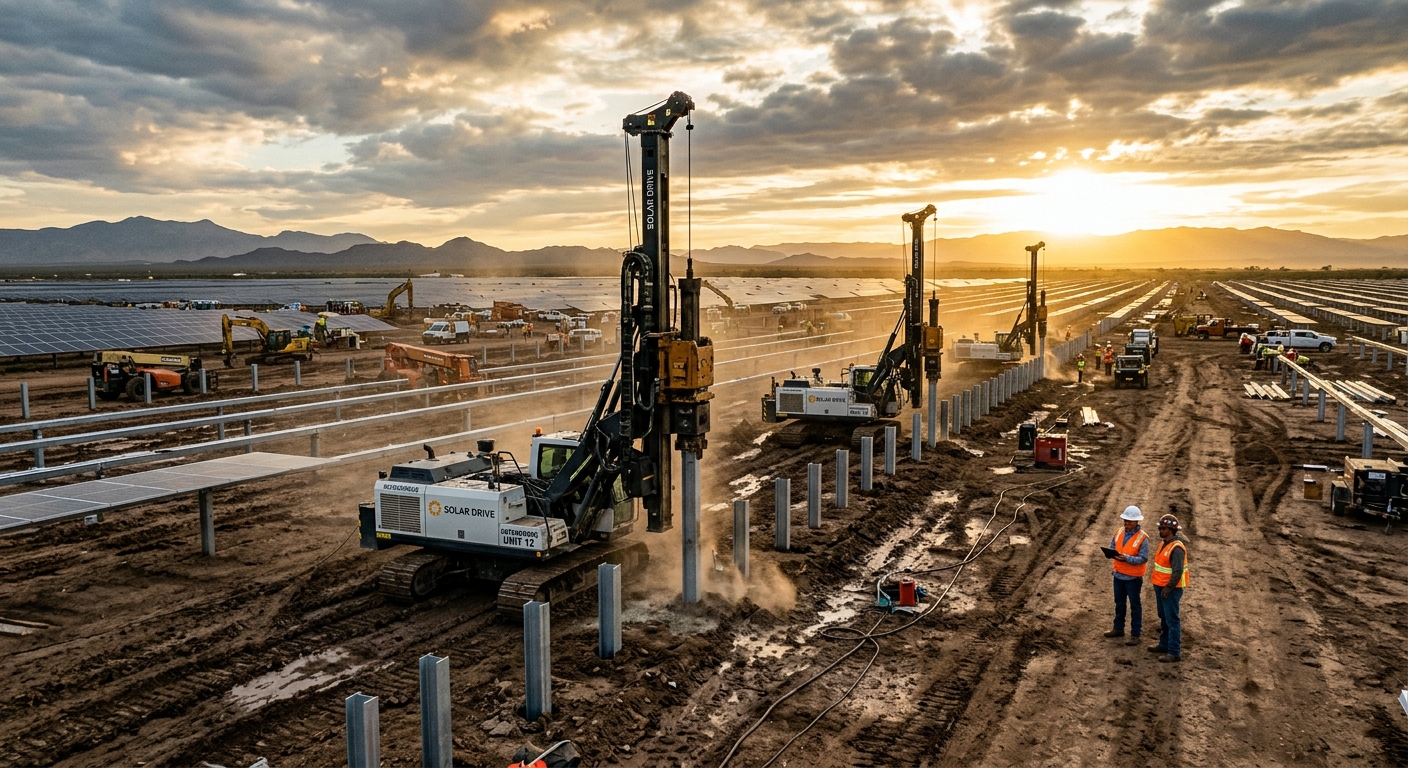
The best example right now is utility-scale solar construction. Built Robotics has been putting autonomous machines into repetitive solar foundation work, and a recent Business Insider report described a Louisiana solar project tied to Meta’s Hyperion data center where robotic machines are handling pile-driving work in wet, difficult ground. The report said the machines are 72-ton units, supervised by people, and are being used for repetitive tasks such as pile driving, trenching, and pre-drilling.
That matters because it cuts through the fantasy version of construction robotics. The job is not a robot replacing a foreman, an operator, a surveyor, and a superintendent all at once. The job is narrower: take a repeatable field task, put it inside a controlled work zone, feed the machine material, monitor it, and measure production.
That is where autonomy starts to make sense.
Solar is a cleaner test bed than a normal construction site
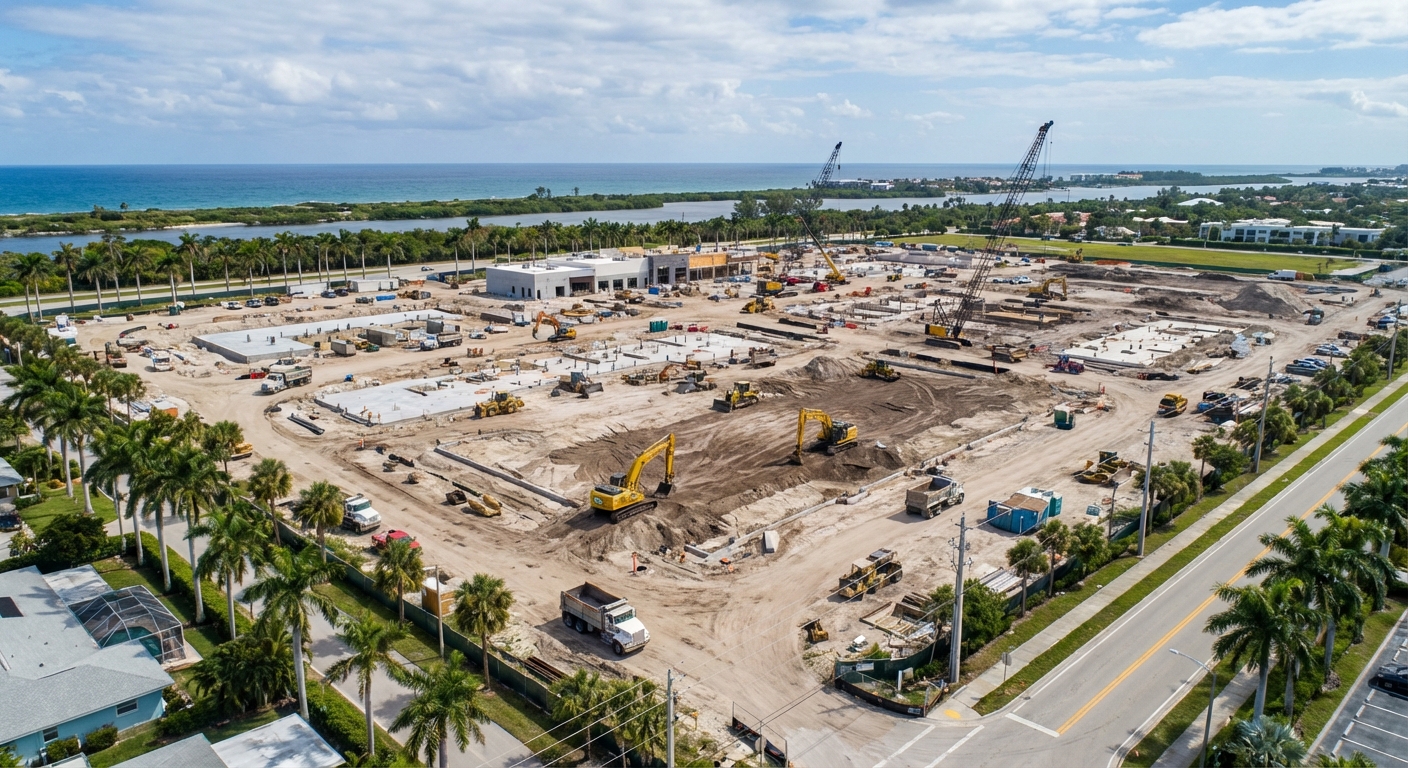
A typical dirt job is chaos. Utilities move. Trucks come and go. Grade changes. Weather breaks the plan. Operators make dozens of judgment calls every hour. Even a simple residential or commercial site has enough variation to make full autonomy hard.
Solar pile installation is different. It is still hard work, but it is more repetitive. Thousands of piles need to be placed across a defined site. The equipment follows a planned sequence. The task has clear tolerances. Production can be measured by installed piles, time, rework, and crew exposure.
Built Robotics describes its RPD 35 system as an autonomous robotic pile driver that combines surveying, pile distribution, pile driving, and data collection into one machine. The company lists a 40,000-pound hammer impulse force and a maximum pile capacity of 224 piles for the system.
The exact machine mix varies by project, but the market logic is the same: autonomy works best when the job gives the machine fewer surprises and a lot of repeated cycles.
FieldFix Editor’s Note: Autonomy does not remove the need to track machine hours, maintenance, fuel, downtime, and utilization. It makes those numbers more important. If a machine is supposed to turn labor pressure into production, owners need clean equipment records to know whether the technology is actually paying for itself.
The labor problem is real, but it is not the whole story
Labor shortage talk can get lazy. Every new technology gets framed as a response to “nobody wants to work,” which is a poor way to understand the equipment business.
The better way to say it is this: certain construction tasks need more labor consistency than the market can reliably provide.
Associated Builders and Contractors said in January that the U.S. construction industry would need to attract an estimated 349,000 net new workers in 2026 to meet demand. That is a broad labor number, not a solar-specific one, but it explains why contractors are willing to look at machines differently.
Solar foundation work is physically repetitive. Sites are often remote. Conditions can be hot, muddy, or both. Crews still matter, but the industry has an obvious incentive to take the worst repeatable work and make it more machine-led.
The Business Insider report said the Louisiana project used about 10 robots and that the robotic fleet was handling more than half of the pile-driving workload. That is not a tiny lab demo. It is not full replacement either. It is closer to a new crew structure, where people supervise, stage materials, fuel machines, troubleshoot, and keep the production flow moving.
That is probably the near-term model for autonomous heavy equipment. Fewer people doing the most repetitive physical task by hand. More people managing machine productivity, safety zones, material flow, and data.
For contractors, the question is not “will robots take every operator job?” That framing is mostly noise. The useful question is whether one well-run autonomous work cell can produce more predictable output than a conventional crew on a narrow task.
The Blattner deal points to a repeat-customer test
One reason the Built Robotics story is worth watching is that it has moved beyond one-off demos.
Blattner, a renewable energy contractor and Quanta Services company, announced a three-year agreement with Built Robotics in September 2025. The announcement said Blattner would deploy dozens of Built’s AI-powered robots on solar projects across the United States. It also listed pile driving, surveying, material handling, drilling, and trenching as the types of work the robots would assist with.
That kind of repeat deployment matters more than a splashy prototype. Construction technology earns credibility when a serious contractor keeps using it after the first project.
The reported $75 million expansion with Blattner, covered in the July Business Insider story, suggests the market is not just buying a gadget. It is buying a production method.
There is a big difference.
A gadget gets tested by an innovation team. A production method gets judged by whether the project hits schedule, whether rework drops, whether crews stay safer, and whether the superintendent wants the system back on the next job.
That is the bar autonomous equipment has to clear.
Data centers are quietly pulling the equipment market toward power work
The solar angle also connects to a larger equipment trend: data centers are putting new pressure on power infrastructure.
AI campuses need electricity, and grid constraints are pushing developers toward dedicated power projects, faster interconnect work, and more aggressive construction schedules. That is good for certain equipment categories: pile drivers, excavators, trenchers, telehandlers, haul trucks, access equipment, compaction gear, and support fleets.
It is also good for contractors who can scale repeatable infrastructure work without betting everything on the availability of traditional crews.
Solar is one of the easiest places to see that pressure. A utility-scale project may need thousands of foundations installed before panels, racking, electrical work, and commissioning can move forward. If pile installation slows down, the whole schedule feels it.
That makes pile driving a bottleneck worth attacking. It is not glamorous. It is not the kind of autonomy that makes for clean demo videos on a perfect jobsite. But it is exactly the type of work where contractors can measure whether robotics earns its keep.
If the machine installs more piles per shift, reduces crew exposure in poor conditions, and creates better installation records, the business case gets real fast.
The equipment dealer angle is coming
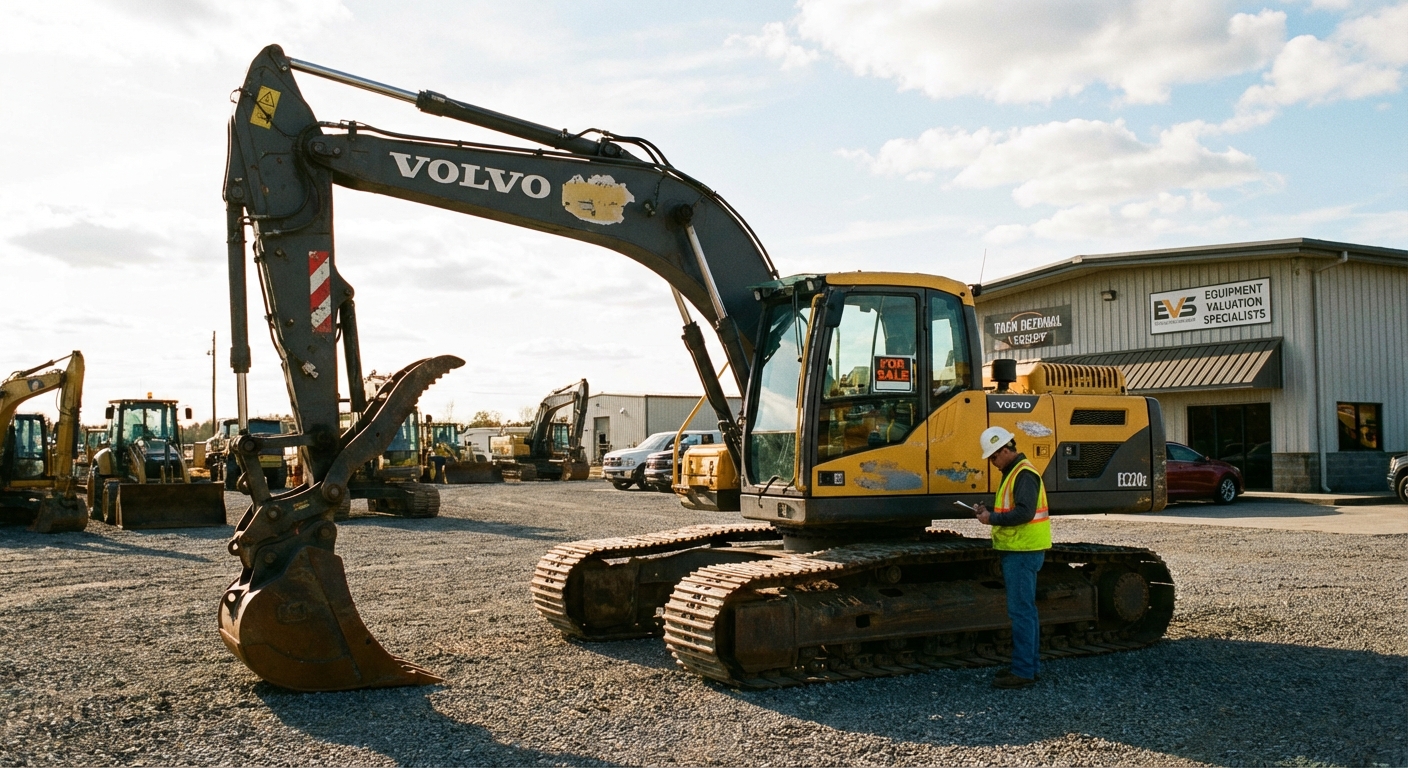
Autonomous systems also raise a harder question for equipment dealers and rental companies: who supports these machines when they break?
Traditional equipment support is already stretched. Dealers are short on technicians. Contractors are waiting on parts. Rental houses are trying to keep fleet utilization high while maintaining machines that have more electronics than ever.
Now add autonomy hardware, sensors, software updates, site calibration, connectivity, and remote support.
That creates a new support layer. Contractors will still need iron, parts, hydraulics, undercarriage service, and field mechanics. But they will also need people who understand machine control systems, perception hardware, telemetry, and jobsite networking. The winning support model may not look like old equipment service with a laptop added. It may look like a mix of dealer service, OEM support, software monitoring, and contractor-owned tech staff.
That is uncomfortable, but it is where the business is going.
The first rental companies that understand autonomous work cells could have an advantage, especially in repeatable segments like solar, renewables, industrial site work, and large civil packages. But they will need to price risk correctly. A machine that loses a sensor, drops connection, or needs recalibration at the wrong time is not just another down unit. It can interrupt an entire production rhythm.
Why this will not spread evenly
Autonomous equipment will not hit the whole market at once.
Solar pile driving is a fit because the task is repetitive, the site is large, and the production target is clear. Mining has similar reasons for using autonomy in controlled haulage environments. Some quarry, port, and industrial yard applications also make sense.
Small earthmoving, residential excavation, utility repair, landscaping, and one-off commercial work are harder. The jobs are too variable. The sites are crowded. The work changes quickly. The operator is not just moving a machine; he is interpreting the job.
That matters for small contractors reading autonomy headlines. A robot pile driver on a solar farm does not mean your grading crew is obsolete. It means the top end of the market is figuring out where machines can take over repeatable work first.
The trickle-down may come through assisted operation before full autonomy. Better grade control. Safer proximity systems. Remote operation. Automated repeat cycles. Smarter documentation. Those features may reach everyday contractors faster than fully autonomous machines.
In other words, the future may arrive as a set of practical assists before it arrives as a machine with nobody in the seat.
What to watch next
The real test is repeatability.
Watch whether Built Robotics and similar companies keep winning repeat deployments with large contractors. Watch whether solar EPCs start budgeting autonomous systems as a normal part of project planning. Watch whether insurance carriers and safety teams become comfortable with these work zones. Watch whether dealers, rental companies, and service networks build support plans around the technology.
Also watch the data. Contractors do not need more vague claims about innovation. They need production numbers, downtime numbers, rework numbers, safety records, and cost-per-installed-unit comparisons.
If autonomous pile-driving systems can consistently install solar foundations faster, safer, and with cleaner records, the market will not need much convincing. Contractors are practical. They may roll their eyes at hype, but they understand production.
The first real chapter of autonomous heavy equipment is not a sci-fi jobsite. It is a muddy field, a repetitive task, a production bottleneck, and a contractor trying to finish a power project on schedule.
That is less flashy. It is also a lot more believable.