
Bosch Rexroth and Kawasaki Sign Deal to Build the Next Generation of Excavator Power Systems
The two industrial giants signed an MoU at CONEXPO 2026 to co-develop hybrid hydraulic-electric systems, hydrogen solutions, and autonomous machine functions for construction equipment.
On March 2, just days before CONEXPO 2026 opened its doors in Las Vegas, Bosch Rexroth AG and Kawasaki Heavy Industries signed a Memorandum of Understanding that could reshape how excavators and other off-highway machines are powered and controlled over the next decade.
The deal pairs Bosch Rexroth’s electronics, software, and electrification capabilities with Kawasaki’s precision hydraulic components and deep experience in excavator system design. Their stated goal: build integrated hydraulic-electric-digital power systems that make machines more efficient, more autonomous, and less dependent on diesel.
FieldFix Editor’s Note: Hybrid and electric power systems are coming to heavy equipment faster than most fleet owners expected. If you’re tracking maintenance costs and fuel burn across your fleet, FieldFix gives you the cost-per-hour data you’ll need when it’s time to compare a new hybrid machine against your current iron. Worth setting up now so you have a real baseline when these machines hit dealer lots.
What the Partnership Actually Covers
The MoU lays out four focus areas, according to Bosch Rexroth’s official announcement:
1. Software-defined machine functions. Both companies want to develop cross-domain software that lets machine behavior be updated and optimized digitally — think over-the-air updates for excavator control logic, not just truck infotainment systems.
2. Autonomous operation and protection functions. This goes beyond basic telematics. They’re targeting operational autonomy features that improve worksite safety and reduce the need for skilled operators on repetitive tasks.
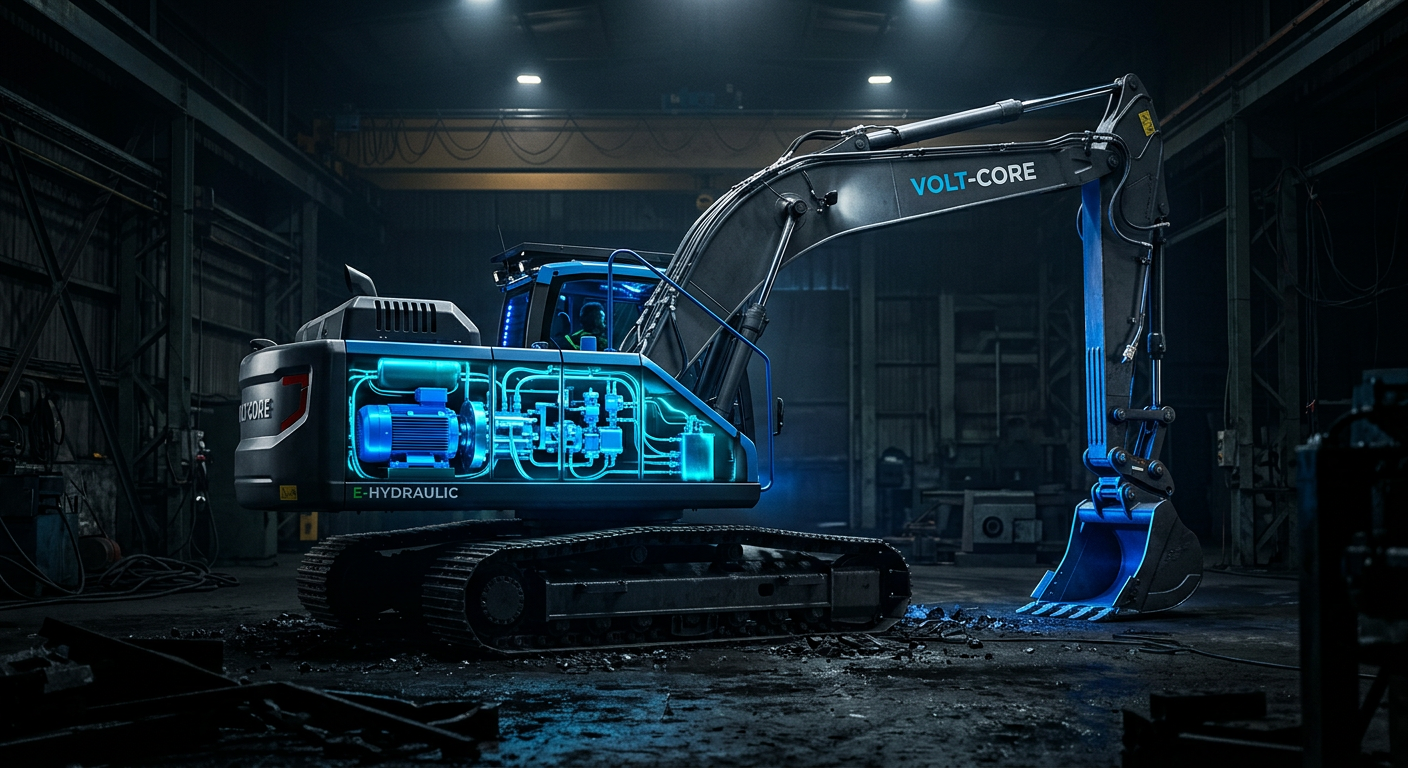
3. Hybrid and electric drivetrain efficiency. The core technical work: combining hydraulic and electric systems in ways that cut fuel consumption without sacrificing the digging force and cycle times operators expect.
4. Hydrogen solutions. This is the wildcard. The partnership specifically mentions cooperation on hydrogen filling station technology — not just hydrogen-powered machines, but the refueling infrastructure needed to make them practical on remote jobsites.
Why These Two Companies
This partnership makes a lot of sense when you look at what each company brings to the table.
Bosch Rexroth is one of the biggest names in industrial hydraulics, but they’ve been investing heavily in electrification and software. They make drive and control systems for everything from factory automation to mobile machinery. Their weakness in construction? They don’t build machines. They’re a component and systems supplier that needs an OEM partner to test and validate complete machine architectures.
Kawasaki Heavy Industries makes hydraulic pumps and motors that end up in excavators from multiple OEMs. Their Precision Machinery & Robot Company division has decades of experience designing the hydraulic guts of excavators. But they don’t have the electronics and software bench depth that a company like Bosch Rexroth carries.
Put simply: Bosch Rexroth knows electrons and code, Kawasaki knows fluid power and excavator dynamics. Neither can build the next generation of hybrid excavator systems alone.
The Bigger Picture: Why This Matters Now
The timing isn’t random. CONEXPO 2026 has been dominated by electrification announcements. Volvo CE brought the EC560 excavator and L120 Electric loader. Caterpillar doubled down on AI and autonomy. The entire show floor tells the same story: the diesel-hydraulic excavator that hasn’t fundamentally changed in 40 years is finally evolving.
But here’s the thing most of those announcements miss — the transition from pure hydraulic to hybrid or electric isn’t just about swapping a diesel engine for a battery pack. Hydraulic systems and electric systems interact in complex ways. The control software that manages power flow between them is arguably harder to get right than the hardware itself.
That’s what makes this partnership interesting. Instead of one company trying to figure out the whole stack, you’ve got two specialists tackling it together. Bosch Rexroth handles the electronics, sensors, and control algorithms. Kawasaki handles the hydraulic architecture and mechanical integration. The software-defined machine concept ties it all together.
The Hydrogen Question
The hydrogen piece caught our attention. Most equipment electrification discussions center on batteries, and for good reason — battery-electric machines are already in production and working on jobsites. Hydrogen fuel cells for construction equipment remain largely experimental.
But batteries have real limitations for heavy equipment. A 30-ton excavator doing production digging burns through enormous amounts of energy. Battery packs big enough to run a full shift are heavy, expensive, and slow to charge. Hydrogen fuel cells offer higher energy density and faster refueling, which is why they keep coming up in conversations about machines that need to run hard for 8-10 hours straight.
The catch has always been infrastructure. You can plug a battery-electric machine into the grid. You can’t just pull up to a gas station for hydrogen. By including hydrogen filling station cooperation in their MoU, Bosch Rexroth and Kawasaki are acknowledging that the machine and the refueling system have to be developed together.
Whether hydrogen actually wins in construction equipment is still an open question. But the fact that two major players are putting resources behind it means the industry isn’t ready to bet everything on batteries alone.
What This Means for Equipment Owners
If you’re running a fleet today, this partnership won’t change anything for you in 2026. The MoU is still subject to antitrust review, and the actual product development will take years. Nobody should delay an equipment purchase waiting for hybrid Kawasaki-Rexroth excavators.
But this is one more signal that the machines you buy in 2030 will look very different from what’s on dealer lots today. The operating costs, maintenance requirements, and operator training will all shift.
Fleet owners who are tracking their current fuel and maintenance costs carefully will be in the best position to evaluate whether a hybrid or electric machine makes financial sense when it’s time. Those who are guessing at their cost-per-hour will be making six-figure purchase decisions blind.
Who Else Is Playing This Game
Bosch Rexroth and Kawasaki aren’t the only ones combining forces to crack the hybrid power system challenge:
Cummins and Daimler Truck formed their Amplify Cell Technologies joint venture to develop next-generation battery cells for commercial vehicles and off-highway applications.
Dana Incorporated has been building out its own electrification portfolio, acquiring SME Group and Modine’s auto thermal business to offer complete e-drivetrain solutions for construction equipment.
Parker Hannifin — another hydraulics giant — has been investing in electro-hydraulic systems that blend electric actuation with hydraulic power on a per-function basis.
The pattern is clear. The companies that make the components inside construction equipment are partnering up and investing billions to figure out what replaces the diesel-hydraulic standard. Nobody thinks they can do it alone.
The Bottom Line
This Bosch Rexroth-Kawasaki deal is a component supplier story, not an end-user story — at least not yet. You won’t see machines with “Powered by Bosch Rexroth x Kawasaki” stickers at your local dealer next year.
But the work happening in partnerships like this one is what determines whether the excavators and loaders of 2030-2035 are truly better machines or just the same machines with a battery bolted on. Getting the hydraulic-electric integration right, building practical autonomous functions, and solving the hydrogen infrastructure problem — that’s the hard work that matters.
CONEXPO 2026 had plenty of flashy product reveals. This MoU signing, tucked into a press release the day before the show opened, might end up being more important than any of them.