
OPINION: Everyone Says They Can't Find Good Operators. Most Aren't Worth Working For
The labor shortage in heavy equipment is real, but a lot of owners make it worse with bad pay, bad training, and chaotic jobsites. If you want dependable operators, build a company a dependable operator would actually stay with.
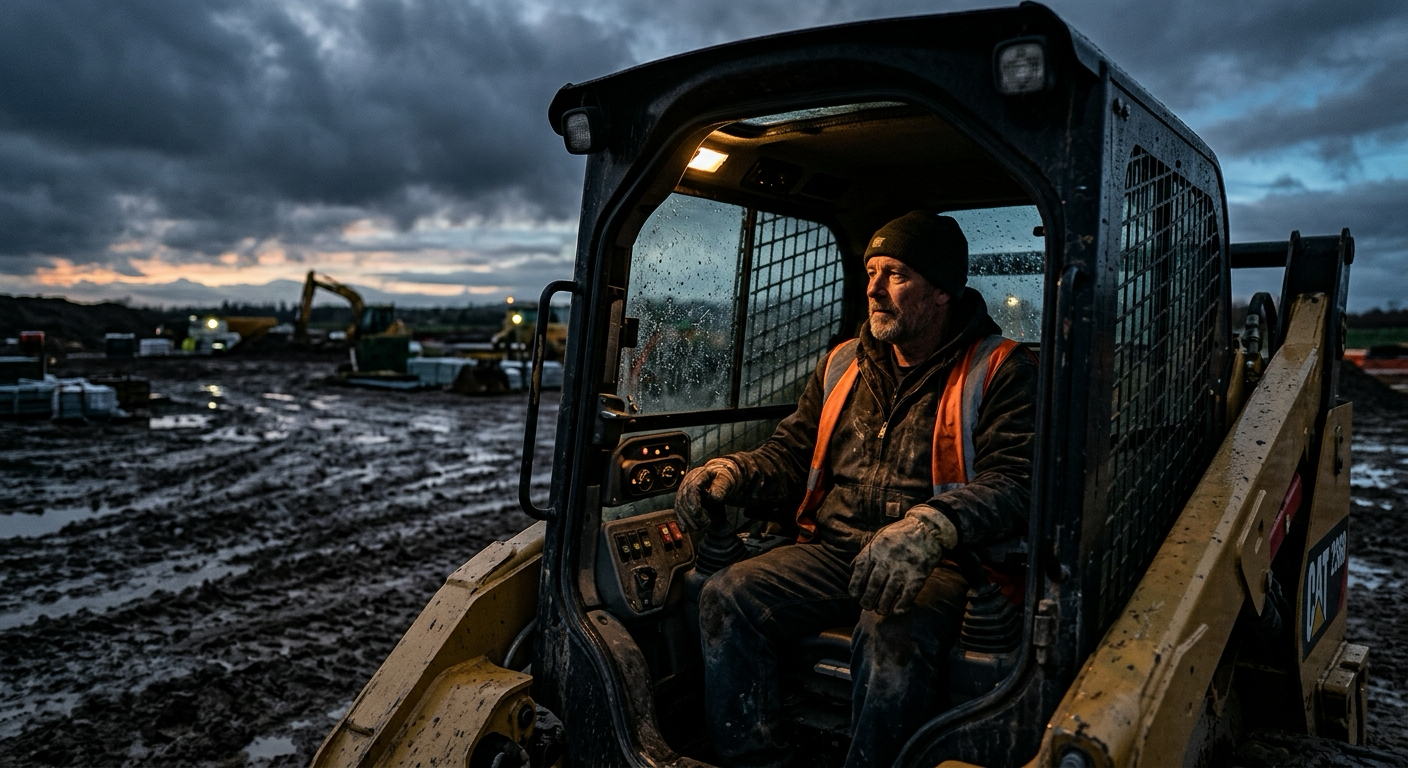
I hear equipment owners say the same thing all the time.
“Nobody wants to work.”
I don’t buy it.
Nobody wants to work for a mess.
That is different.
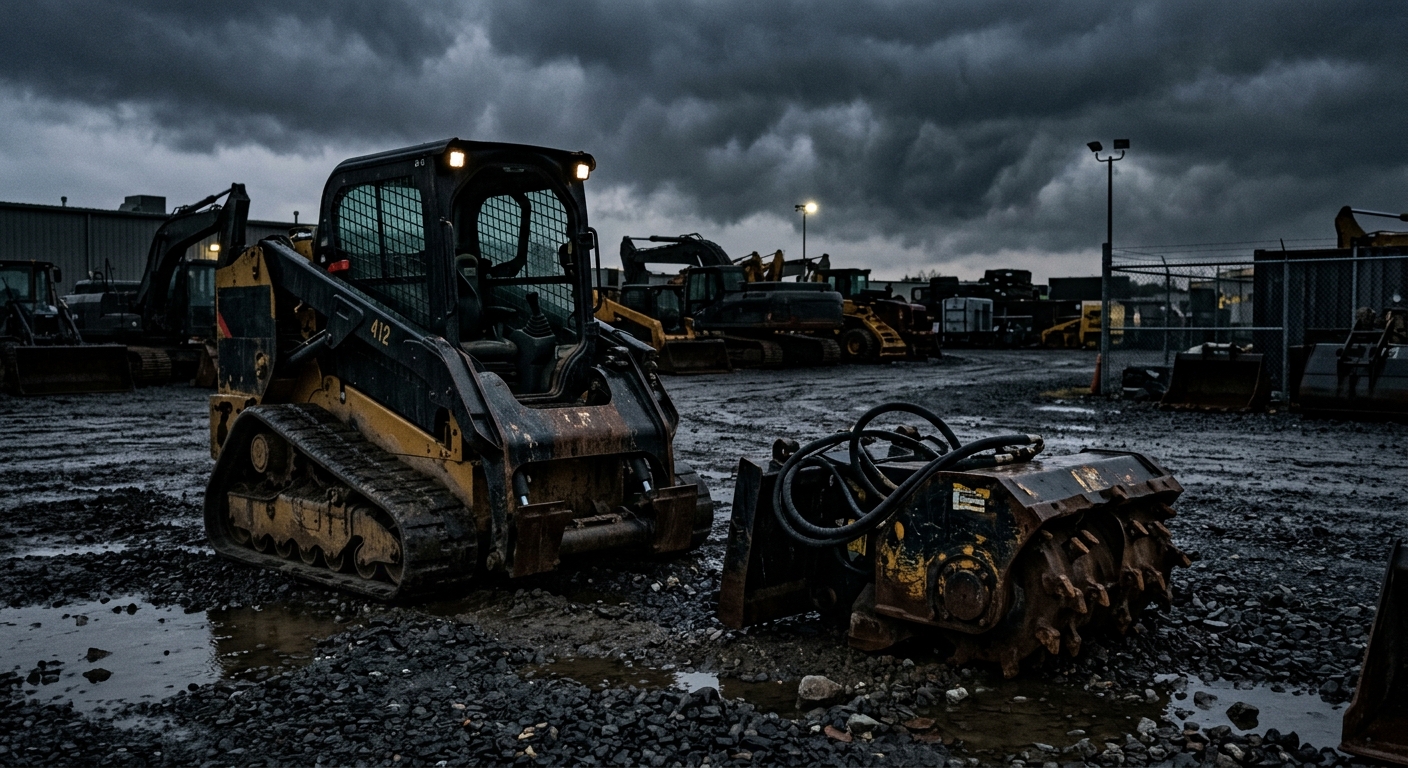
I run a land clearing company in Ohio. We run skid steers, track loaders, mulchers, trucks, trailers, and all the expensive headaches that come with them. We have had good operators, average operators, and a few guys who made me wonder if they were trying to destroy equipment on purpose. Finding dependable people is hard.
But I think a lot of owners are telling themselves a comforting lie. They say there are no good operators left when the truth is uglier: good operators still exist, they just have options, and most small contractors are not giving them a very good reason to stay.
That pisses people off. Fine. It is still true.
everybody wants the finished product
Everybody wants the guy who shows up early, checks fluids without being asked, talks to customers like an adult, keeps the machine clean enough to spot a leak, and can feel when something is off before it becomes a five-thousand-dollar problem.
That guy is valuable because he makes money in a dozen ways that never show up on one clean line item.
He loads faster. He tears up less stuff. He does not get stuck in stupid places. He does not roast an undercarriage because he ignored what the machine was telling him. He saves time on the job, saves wear on the iron, and saves you from spending your evening apologizing to a customer.
Then I watch owners try to hire that guy for twenty-six bucks an hour, no clear schedule, no real training plan, junk equipment, and a boss who only talks to him when something went wrong.
Come on.
We will spend $160,000 on a machine package without blinking, then act like paying a sharp operator another four or five dollars an hour is reckless. That math is backwards.
the machine gets pampered, the operator gets blamed
This is one of the dumbest habits in our industry.
We treat iron like an asset and labor like a problem.
The machine gets financed, insured, washed, serviced, tracked, and parked under cover. The operator gets vague instructions, a rushed handoff, and a phone call when production is off.
I have seen owners know their payment down to the cent and not know why their best guy quit.
That should embarrass people.
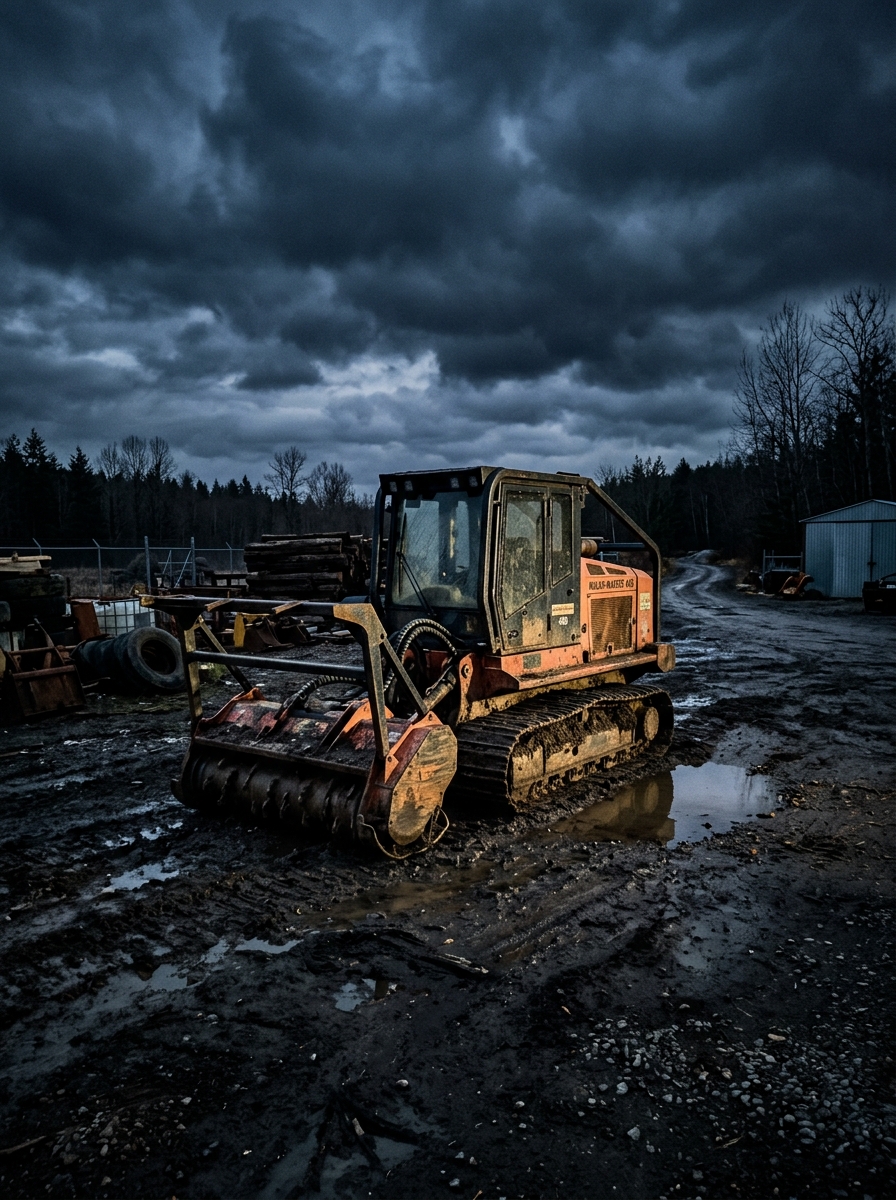
If you own an equipment business, your operators are not some annoying line on the expense sheet. They are the only reason the machine turns into revenue. A mulcher sitting in the yard is a very expensive lawn ornament. A loader with nobody dependable in the seat is a monthly payment with tracks.
You cannot say labor matters and then build your company like labor is disposable.
good operators can smell chaos fast
A lot of hiring problems are really culture problems, but “culture” gets used so much it barely means anything anymore. Here is what I mean in plain English.
Does your week make sense?
Do guys know where they are going tomorrow?
Do they have the right attachment, fuel, grease, and trailer before daylight?
Do customers get told the truth when schedules move?
When a job goes sideways, do you solve it, or do you start barking?
Good operators notice this stuff in about three days.
They know if the schedule is fake. They know if the machine maintenance is getting kicked down the road. They know if every “rush job” is really just poor planning. They know if the owner is calm under pressure or turns into a toddler when a hose blows.
And once they see the pattern, they start looking.
Owners love to act shocked when somebody leaves after ninety days. I usually am not shocked at all. Half the time the employee did not leave for more money. He left because the place felt unstable.
A steady $30 an hour with decent planning beats a chaotic $33 all day long.
stop pretending training is a waste
Another opinion people may not like: most owners are way too lazy about training.
They want experience, but they do not want to create it.
They say, “I need somebody who can already run everything.” Sure. Everybody wants that. But if every contractor is waiting on some fully formed operator to appear out of thin air, then we are all fishing in the same tiny pond and whining when it is crowded.
At some point you have to grow your own people.
That does not mean hand the keys to anybody with a pulse and hope for the best. It means having an actual process. Ride with them. Give them one machine first. Teach them what good looks like. Explain why you load it that way, why you approach that slope from this side, why you grease that pivot every day, why customer communication matters, why you do not bury yourself just to save thirty seconds.
Most of this industry trains by frustration. The new guy screws something up, the owner gets mad, everybody acts like the lesson taught itself.
That is not training. That is just expensive irritation.
A real operator is not built in one heroic Saturday. It takes reps. It takes correction. It takes patience on the front end so you do not spend the next two years paying for dumb mistakes.
your best guy is not a free training department
Here is another place owners screw this up.
They finally get one strong operator, then load him up with everything.
Run the machine. Train the new guy. Handle the customer when I am late. Keep an eye on the truck. Tell me what parts we need. Oh, and by the way, why are labor hours high?
Because you turned your best operator into the backup owner.
I have made this mistake myself in smaller ways. When somebody is capable, it is tempting to keep piling on because they can handle it. Until they can’t. Then you act surprised that the one adult in the room got tired of carrying the room.
Good people do not only leave bad companies. Sometimes they leave companies that lean on them too hard.
If your best guy is solving every problem, you do not have depth. You have one overloaded person and a future problem.
the real cost of turnover is uglier than payroll
Owners complain about wages because wages are obvious. Turnover is sneakier, so they underestimate it.
Let’s say you lose a decent operator making $31 an hour. Most guys only compare that to hiring the replacement at $33 and decide the market is crazy.
That is amateur math.
The real bill is bigger.
You lose production while the seat is empty. You lose time interviewing. You lose time onboarding. You lose fuel while the new guy learns bad habits the slow way. You risk damage on trailers, gates, tracks, hoses, or finished grade. Your foreman loses productive time babysitting. You may lose a customer if quality slips. And if the replacement flames out in six weeks, you get to buy the whole problem twice.
I would rather pay more for a dependable operator than keep “saving money” my way into churn.
People talk about labor like it is static. It is not. Cheap labor that turns over is often more expensive than higher-paid labor that sticks and performs.
That should be obvious, but apparently we need to keep saying it.
money matters, but it is not the only thing
I am not going to do that fake noble thing where I say pay does not matter. Of course it matters. If you want someone who can safely run expensive equipment, represent your company well, and make sound decisions in the field, pay him like a professional.
But money is not the whole deal.
Reliable operators also want a life that feels livable.
They want to know whether Saturday is actually optional or just “optional” until Friday night. They want equipment maintained well enough that every day does not feel like a gamble. They want an owner who does not promise insane timelines to customers and then dump the stress downhill. They want clarity. They want respect. They want to work somewhere that feels like it might still be standing in three years.
I know plenty of owners who think they are easy to work for because they are personally friendly. That is not the same thing. Friendly chaos is still chaos.
if you want loyalty, give people something to be loyal to
This is where the old-school crowd usually starts grumbling about how employees are not loyal anymore.
Maybe. But loyalty is not a starter pack you get for issuing a hoodie and a company hat.
People get loyal to places that make their lives better.
If a man can make good money, get enough hours, use decent equipment, keep learning, and not dread every phone call from his boss, he is a lot more likely to stay. Not forever. But longer.
That matters.
In equipment businesses, continuity is a cheat code. The operator who knows your standards, your customers, your machines, and your pace is worth far more in year three than he was in month three. He sees problems sooner. He moves faster. He needs less supervision. He protects your reputation without having to be reminded.
Owners say they want that, then run their companies in a way that resets the roster every season.
You cannot build consistency with a revolving door.
what I think owners need to hear
Here is the blunt version.
If you cannot keep good operators, stop blaming TikTok, the economy, the younger generation, or “people these days” for five minutes and look in the mirror.
Look at your wages.
Look at your schedule.
Look at your training.
Look at how often your crew gets surprised by bad planning.
Look at whether your best people feel supported or used.
Look at whether your equipment is helping them win or making them fight stupid battles every week.
Most labor problems are not solved by posting another help-wanted ad with a vague pay range and the phrase “must be motivated.”
Motivated to do what? Walk into a circus?
A lot of businesses are trying to hire their way out of management problems.
That never works for long.
what we have tried in my world
I am not pretending I have this solved perfectly. Anybody running crews full time knows better than to brag too hard. One tough month can humble you fast.
But I do know what has worked better for us.
Clear expectations beat motivational speeches.
Simple systems beat daily chaos.
Better communication the day before beats angry communication the day of.
Paying for reliability beats constantly replacing cheap labor.
And if somebody shows the kind of ownership that makes the whole operation better, I think you should reward it before another company does.
That last part matters. Owners are often late to notice value. They wait until a good operator has one foot out the door, then suddenly want to talk about raises or more responsibility. That conversation should have happened earlier.
You do not keep strong people by making them prove their worth forever.
the takeaway
Yes, there is a labor shortage in heavy equipment.
No, that does not let owners off the hook.
Good operators are hard to find because they are useful, and useful people do not stay in bad situations unless they have no choice. More of them have choices now.
Good.
That pressure is healthy. It is forcing owners to face a question a lot of them have avoided for years: if I were a dependable operator, would I actually want to work here?
Answer that honestly.
If the answer is no, fix that before you complain about the labor market again.