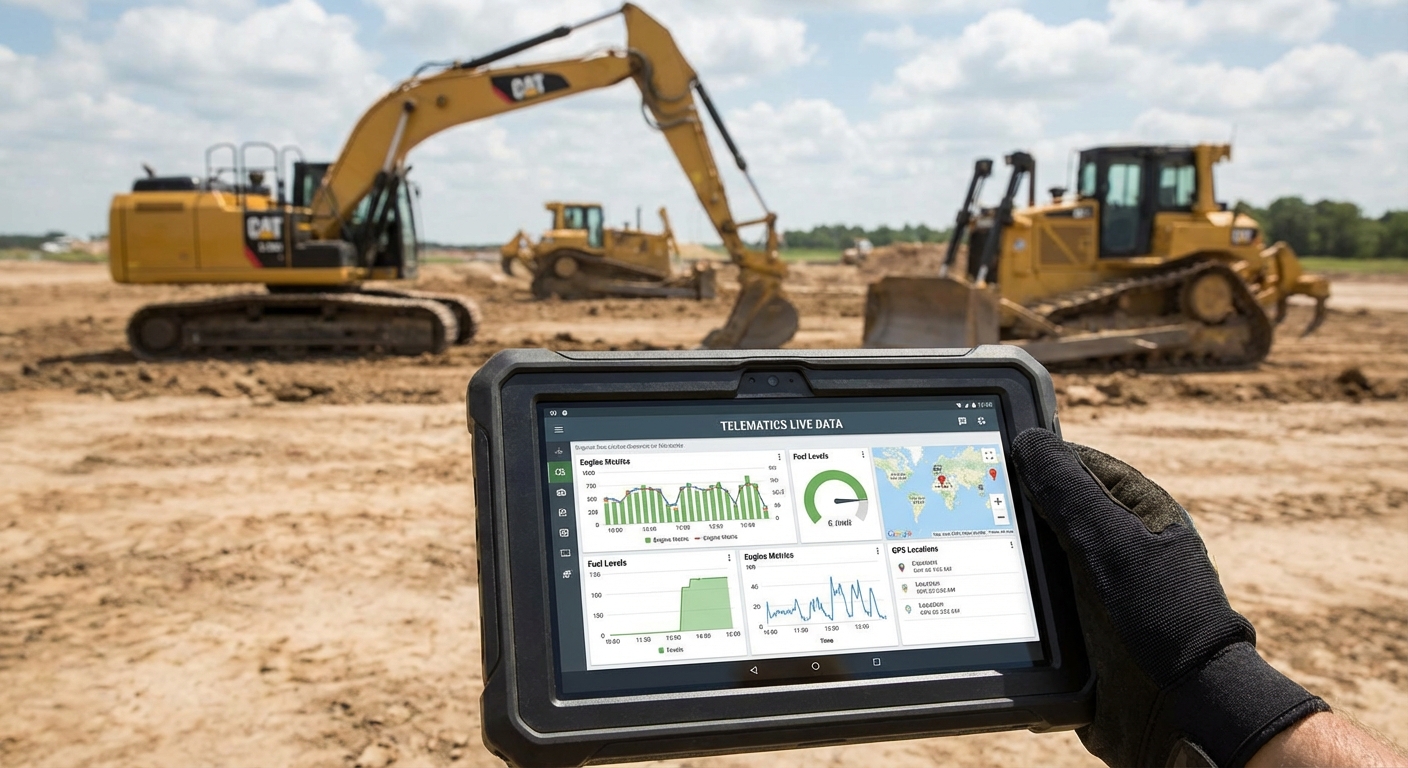

Electronic Hydraulics Are Coming for Excavators. The Service Department Better Be Ready.
DEVELON's -9 Series heavy excavators put full electronic hydraulic controls, AI-assisted safety, machine guidance, and health monitoring into the core machine. That is not just a cab upgrade. It changes how fleets buy, train, maintain, and troubleshoot excavators.
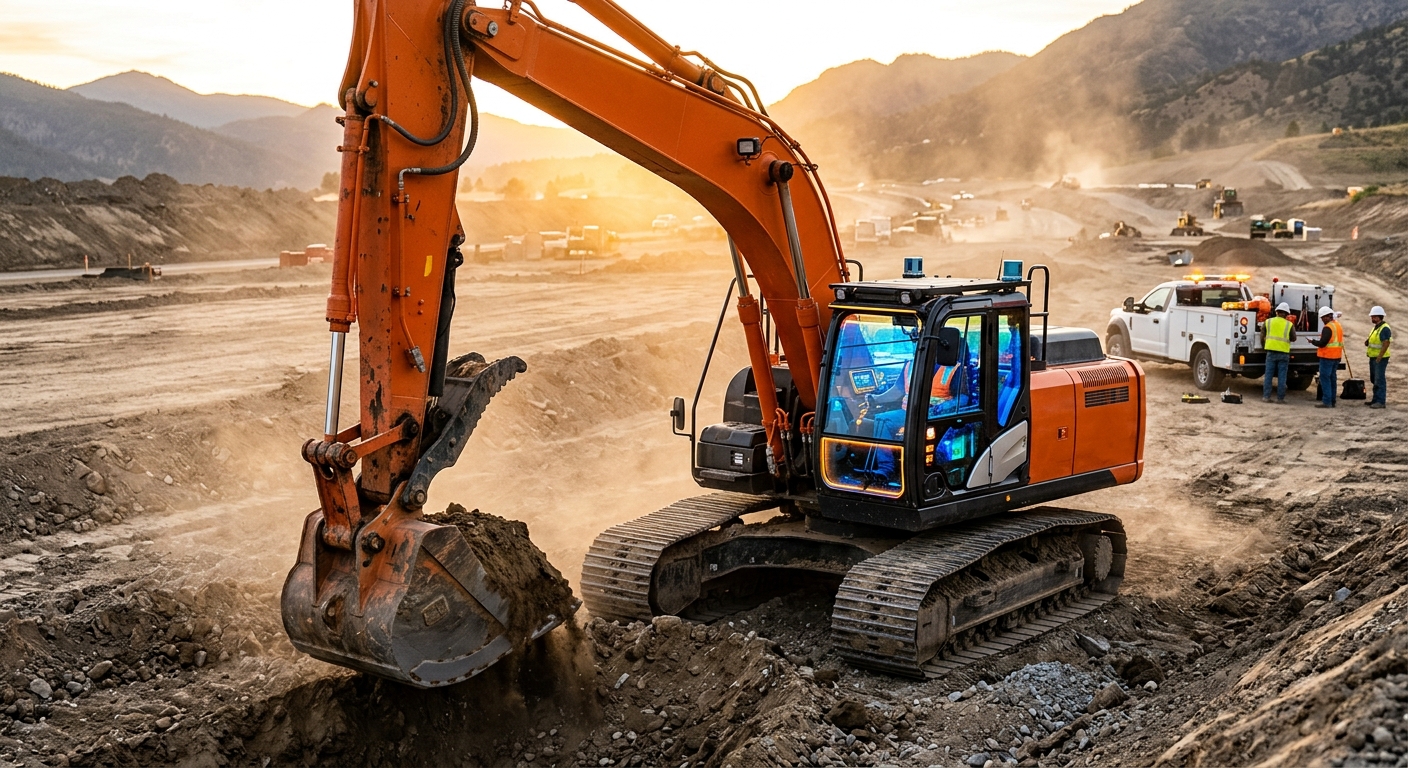
The excavator is becoming a computer with a boom, and that is going to make a lot of owners uncomfortable before it makes them money.
DEVELON’s new -9 Series heavy excavators are a clean example of where the market is headed. The lineup, introduced in North America at CONEXPO-CON/AGG 2026, moves the machine platform onto full electronic hydraulic controls and adds AI-assisted safety systems, smart-ready grading, a 12-inch touchscreen, Bluetooth key access, lift assistance, breaker protection, and health monitoring for major components. The first models named for North America include the DX230LC-9, DX260LC-9, DX360LC-9, and DX400LC-9, according to RER and On-Site Magazine.
This is not a gimmick layer bolted onto the cab. It is a shift in the machine’s nervous system. Pilot hydraulics made the operator’s hand movement feel directly tied to oil movement. Electronic hydraulics put software between the operator and the valve. That gives the OEM far more control over feel, response, assistance, safety limits, data capture, and future automation.
It also means the shop has to change.
FieldFix Editor’s Note: More sensors and software do not make maintenance easier by default. They make bad recordkeeping more expensive. FieldFix helps equipment owners track service history, repair costs, downtime, fault notes, and true cost per hour so technology-heavy machines can be managed with real numbers instead of memory and guesswork.
The excavator control stack is moving inside the OEM
The important part of the -9 Series is not one feature. It is the way the features depend on the same electronic base.
DEVELON says its -9 Series platform uses full electronic hydraulic technology. Trade coverage from CONEXPO described the machines as using EH controls for precision, customization, and easier integration with safety and grade systems. The company also lists a dedicated -9 Series excavator page, although the public page is light on detail compared with the launch coverage.
That matters because electronic hydraulics turn control feel into a software setting. Owners can expect more machines where operators can adjust response profiles, flow behavior, attachment modes, and assistance features from a screen. For a great operator, that can make the machine feel better matched to the task. For a weak operator, it can cover some gaps. For a fleet manager, it creates a new problem: the machine may not behave the same way for every person who sits in it.
That sounds small until production numbers get involved. If one operator runs a soft, smooth setting for finish work and another runs a more aggressive setting for loading trucks, the same excavator can have very different cycle times, fuel burn, and wear patterns. The data coming off the machine starts to matter more than the hour meter.
Older fleets could get away with a simple maintenance rhythm: hours, grease, filters, fluids, undercarriage, pins, bushings, leaks. That does not disappear. But now the electronic layer becomes part of the maintenance picture. Sensor errors, calibration issues, software updates, camera alignment, radar blind spots, display faults, wiring damage, and communication problems all join the list.
A contractor who treats that as dealer-only wizardry is going to be slow and expensive to fix. A contractor who trains the shop to document symptoms, fault timing, operator settings, attachment use, and site conditions will have a much better shot at getting fast answers.
AI safety is useful, but it is not magic
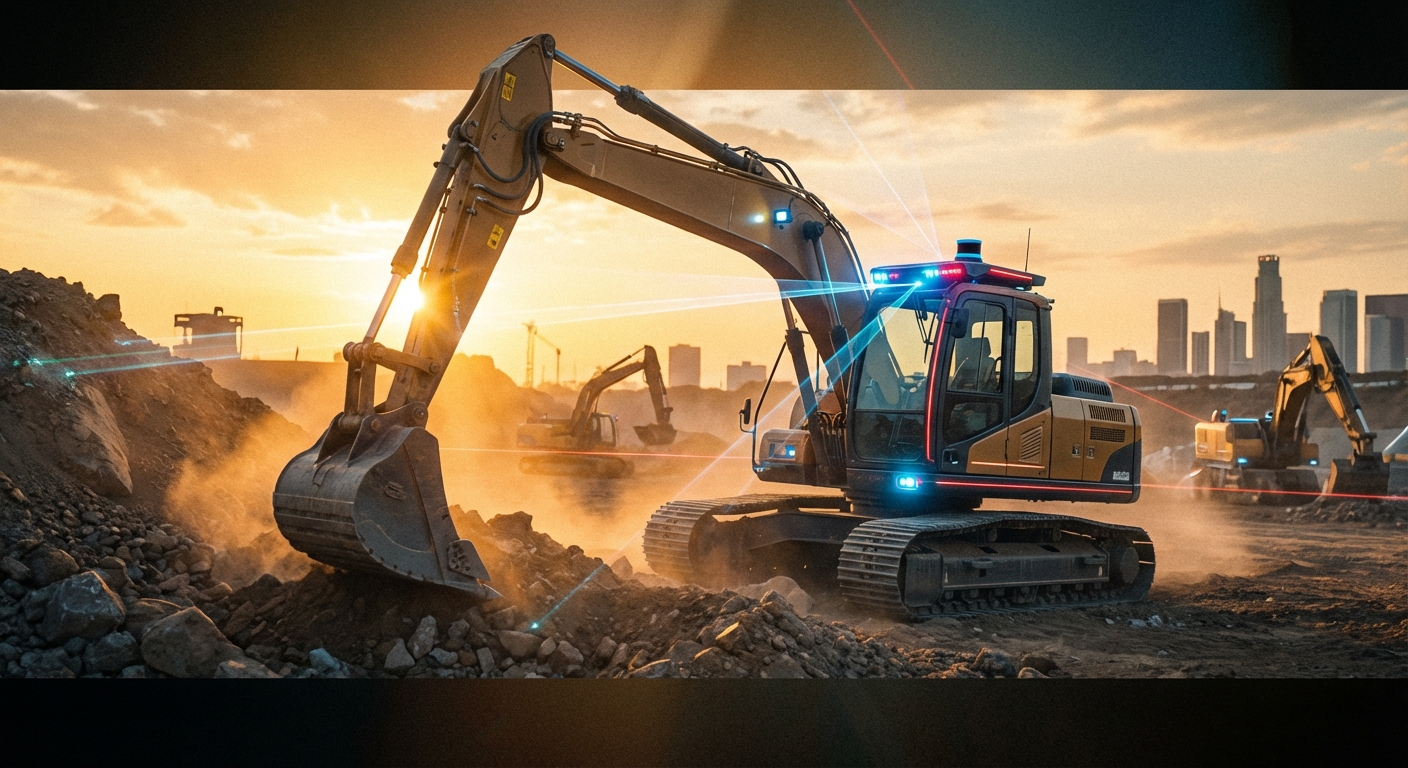
The headline feature is the safety package. Coverage from RER and On-Site says the -9 Series uses cameras, radar sensors, AI-powered human detection, a smart around-view monitor, and an active emergency stop function when someone enters a danger zone. DEVELON has also promoted virtual wall functionality that can limit machine movement around hazards.
That is good technology. It is also easy to oversell.
The best use case is not replacing the spotter or letting a messy site get sloppier. The best use case is catching the moment everyone misses: a laborer crossing behind a counterweight, a foreman stepping into the blind side, a truck driver walking where the operator does not expect him, a new hand who does not yet understand how fast an excavator can swing.
Those are exactly the moments that hurt people.
But safety systems bring their own discipline. Cameras get dirty. Radar brackets get bent. Software needs calibration. Operators learn when a system is too sensitive and start ignoring warnings. If the active stop trips too often, crews will look for ways around it. Anyone who has run equipment with annoying alarms knows how this ends.
That is why the real test will not be the launch demo. It will be month nine on a muddy civil site with a rental attachment, a tired operator, and a service truck that is already behind. If the system keeps working in that environment, owners will trust it. If it becomes another blinking light on the dash, it will get treated like one.
Machine guidance is becoming the default expectation
The -9 Series also points to another change: grade assistance is moving from optional tech package to expected equipment.
On-Site reported that the machines are smart-ready for 2D and 3D grading systems and include machine guidance features. That tracks with the rest of the market. Deere, Caterpillar, Komatsu, Hitachi, CASE, Volvo, and others are all pushing deeper machine-control integration. Contractors may still buy base machines, but the direction is obvious. Grade readiness is becoming part of the resale story.
For owners, this creates a split in the fleet. Newer machines with native guidance and rich data will hold strategic value longer. Older machines without the electrical architecture for modern control may still be mechanically sound, but they risk becoming less attractive for contractors doing production grading, road work, subdivision dirt, utility corridors, and other work where digital plans are becoming normal.
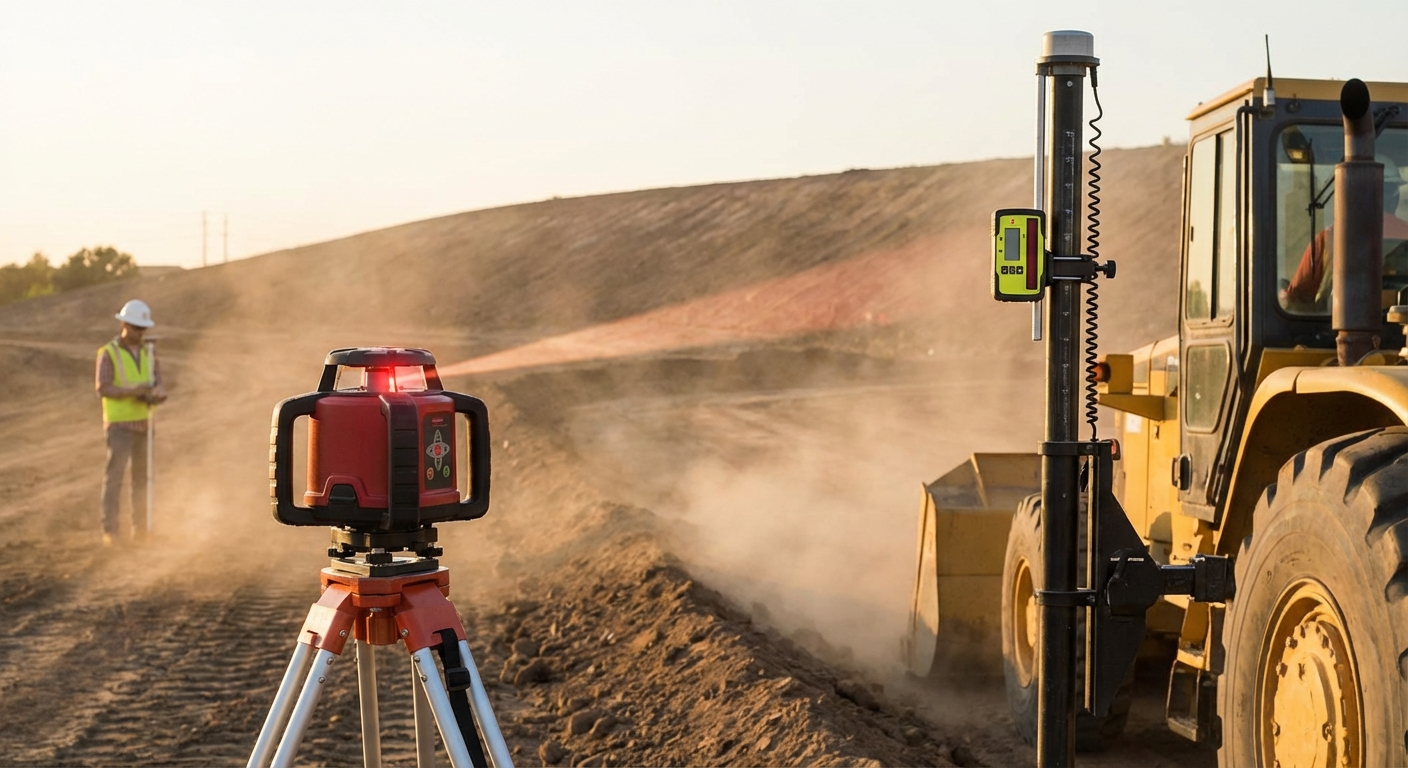
This is not a call to dump every older excavator. Plenty of profitable work still gets done with simple iron, a good operator, and a laser. But the buyer of a new 25- to 40-ton excavator should think hard about whether a cheaper spec saves money or just pushes the cost into missed production, lower resale, and harder hiring.
Younger operators expect screens. Good foremen expect quantities. Owners expect data. That pressure only moves one direction.
The mechanic’s job is getting harder
Here is the uncomfortable part: the mechanic shortage and the operator shortage are connected.
The industry talks constantly about finding operators. It talks less about the technician who has to diagnose an EH excavator with intermittent faults after three different operators, two attachments, one jump-start, and a rainstorm. That technician now needs hydraulic knowledge, electrical knowledge, software discipline, laptop confidence, and enough field sense to know when the computer is lying.
That is a higher-skill job than the industry often admits.
Electronic hydraulics also change failure modes. A mechanical linkage problem is usually visible. A leaking hose is obvious. A weak pump can be tested. A sensor or wiring issue can hide until heat, vibration, moisture, or a specific attachment mode shows up. The machine may throw codes that point in the right direction, or it may bury the real issue under symptoms.
This is where documentation becomes boring but valuable. What mode was the machine in? Which operator was running it? Which attachment was connected? Did it happen cold or hot? Did it start after a service, a wash, a battery swap, a software update, or a jobsite move? Did the fault reduce power, change control feel, stop a function, or only show a warning?
A shop with those notes saves hours. A shop without them pays the dealer to rediscover the story.
Owners should change how they buy
The buying conversation needs to get more practical. Horsepower, dig depth, reach, bucket breakout, and monthly payment still matter. So do dealer support, parts availability, and warranty. But technology-heavy excavators add a few questions owners should ask before signing.
First, who can diagnose the machine locally? Not who can sell it. Who can show up when an electronic control issue stops production?
Second, what data can the owner actually access? If the machine is collecting fault history, health data, utilization, idle time, and operator settings, the owner should know what is visible, what requires dealer access, and what can be exported.
Third, what training is included for operators and technicians? A 12-inch screen full of settings is only useful if the crew knows which ones matter and which ones should be left alone.
Fourth, what happens when software updates change machine behavior? That question sounds dramatic until a fleet has five operators complaining that a machine no longer feels right after a service visit.
Fifth, how will attachments be handled? Excavators earn money with buckets, breakers, thumbs, grapples, compactors, shears, mulchers, and specialty tools. Electronic control should help attachment performance, but only if flow settings and modes are documented instead of guessed at every time.
The practical read
DEVELON is not alone here. It is just one of the clearer examples because the -9 Series puts electronic hydraulics, AI safety, guidance readiness, and machine health monitoring into the same platform story. That combination is where excavators are going.
The upside is real. Better control, safer blind spots, smarter lift assistance, cleaner grade integration, stronger data, and fewer preventable failures are all worth caring about. The machine can help the operator more than it used to.
The downside is also real. These machines will punish sloppy ownership. They will punish crews that do not train. They will punish shops that still rely on memory, paper scraps, and the one guy who knows what happened last time.
The winners will not be the contractors who buy the most technology. They will be the ones who build the operating habits around it: clean service records, clear attachment settings, operator training, fault documentation, dealer relationships, and cost-per-hour tracking.
The excavator is getting smarter. The owner has to get smarter with it.