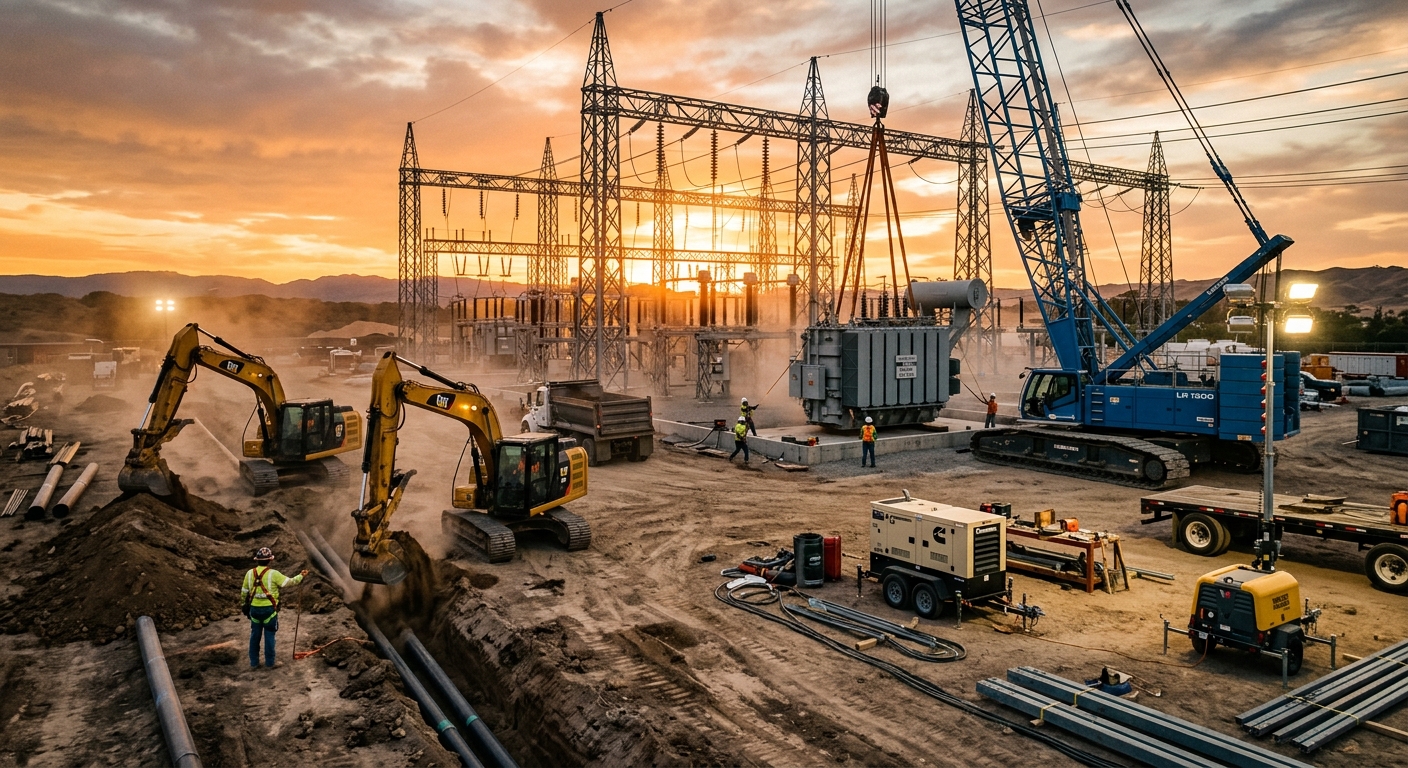
Grid Construction Is Becoming the Equipment Market Nobody Can Ignore
Data centers get the headlines, but the harder equipment story may be the substations, transmission work, temporary power, and utility crews needed to feed them.
Articles
Heavy equipment news, market analysis, and fleet strategy for contractors.
Data centers get the headlines, but the harder equipment story may be the substations, transmission work, temporary power, and utility crews needed to feed them.
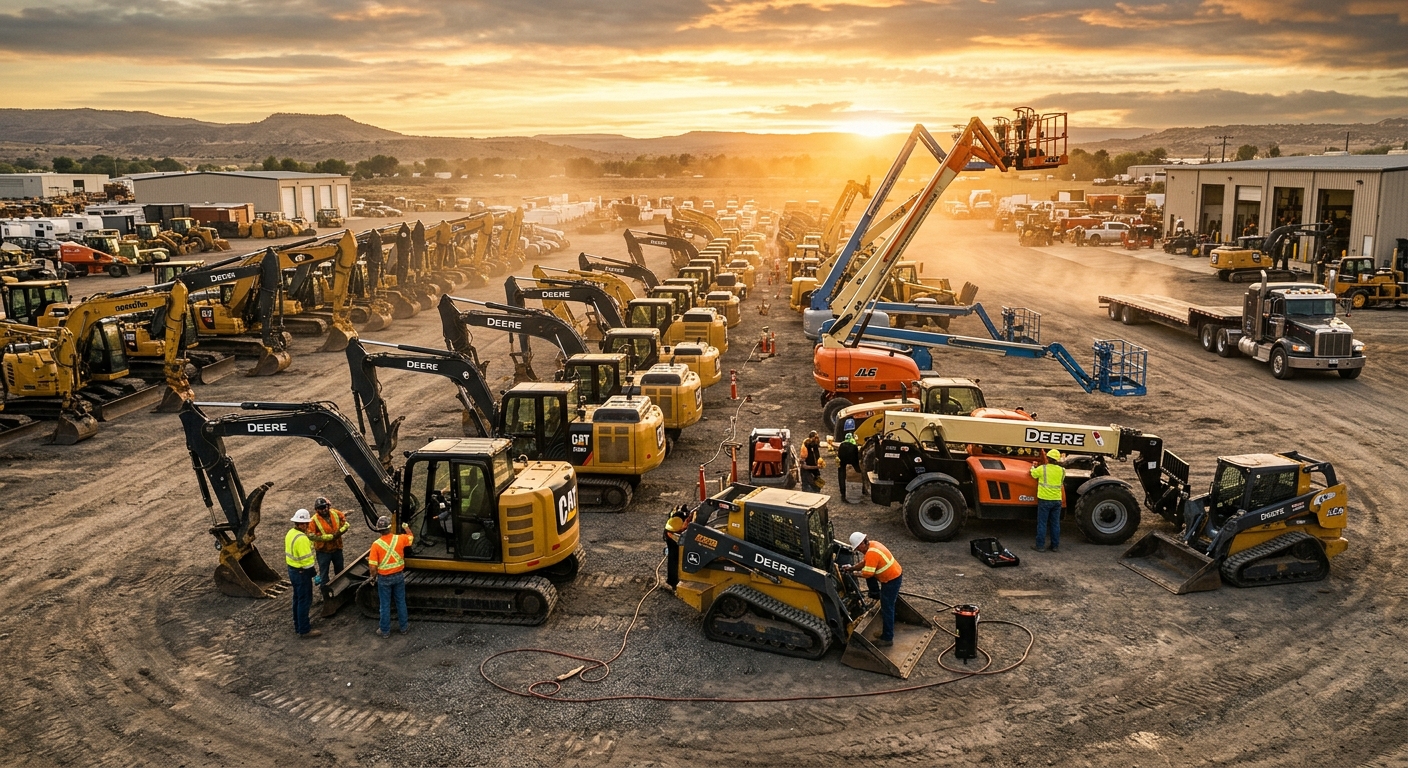
Rental demand is still moving higher in 2026, but contractors using rental as a rescue plan need to know whether they are buying flexibility or covering up weak fleet planning.
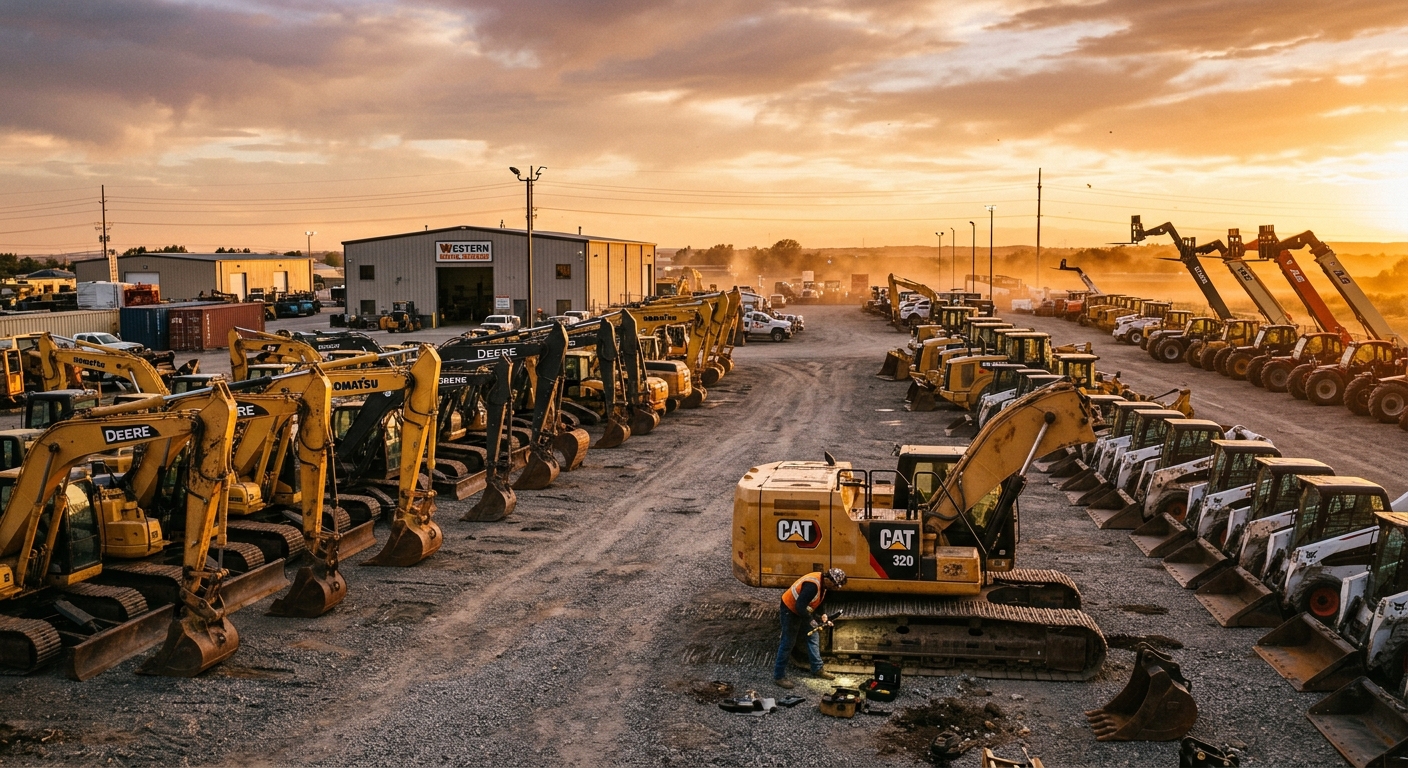
Used construction equipment values softened in May while rental demand stayed firm. That split matters for contractors deciding whether to buy used iron, rent through the busy season, or hold cash for repairs.
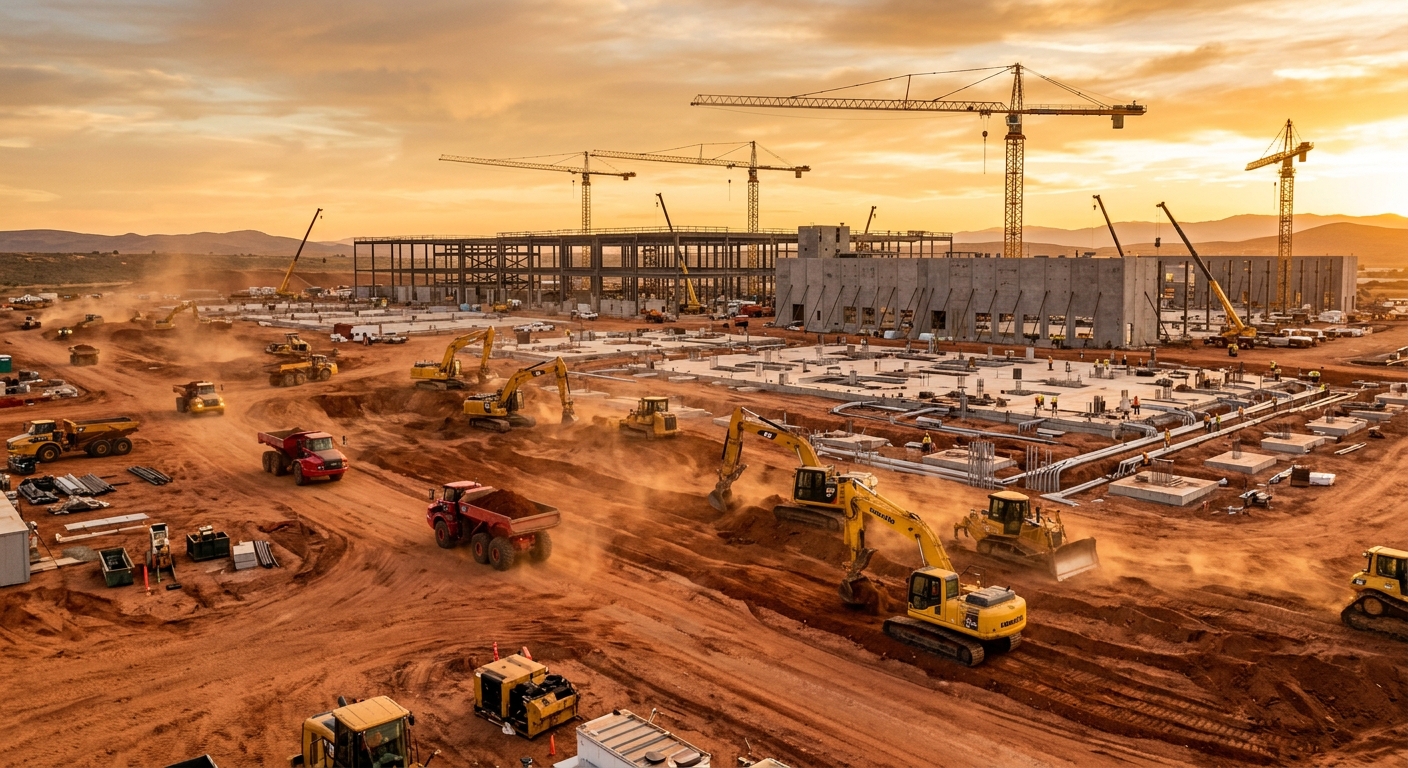
Construction backlog jumped in May, but the work is not spreading evenly. Data centers are pulling equipment, labor, and capital toward larger contractors while smaller fleets have to buy with more discipline.
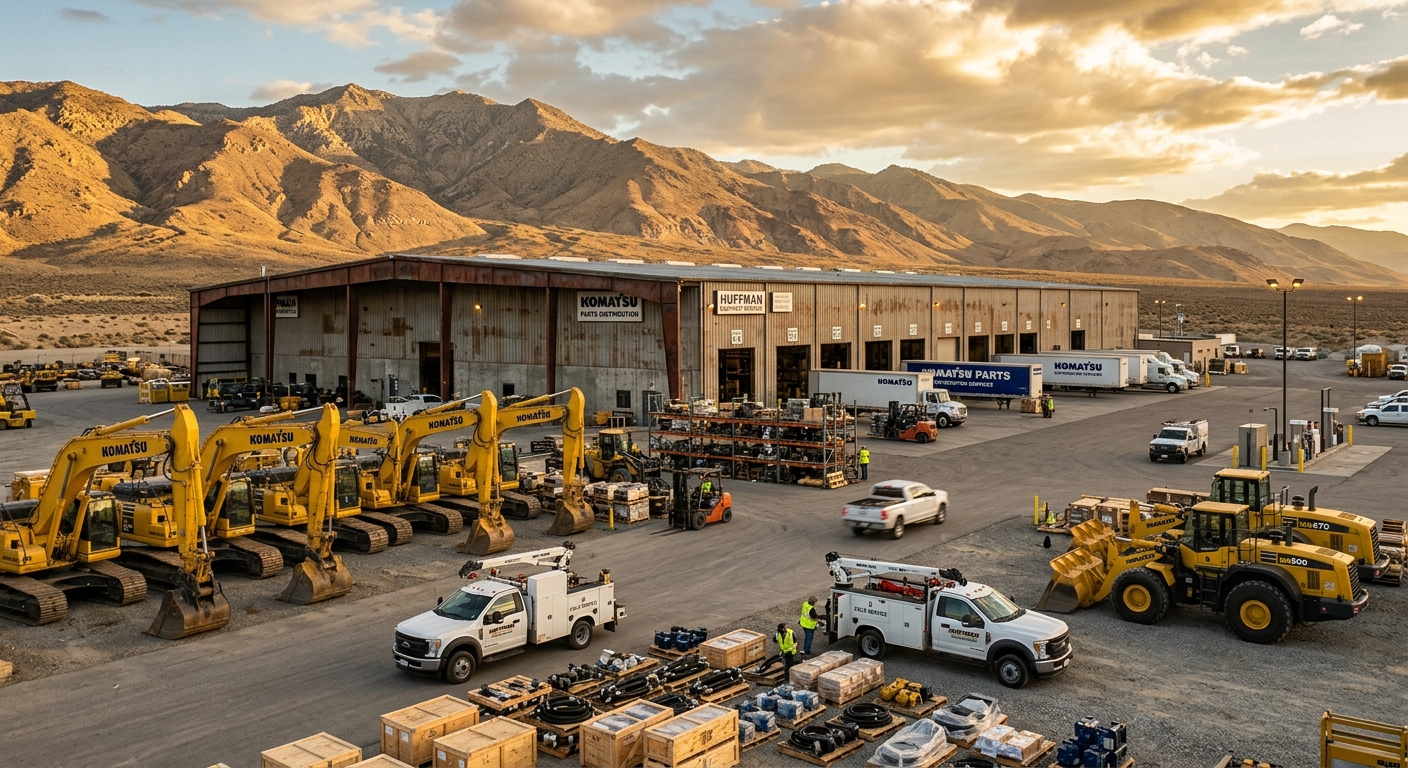
Komatsu plans to open a 270,000-square-foot parts distribution center in Mesa, Arizona by the end of 2026. The move says a lot about where equipment support is headed in the Western U.S.
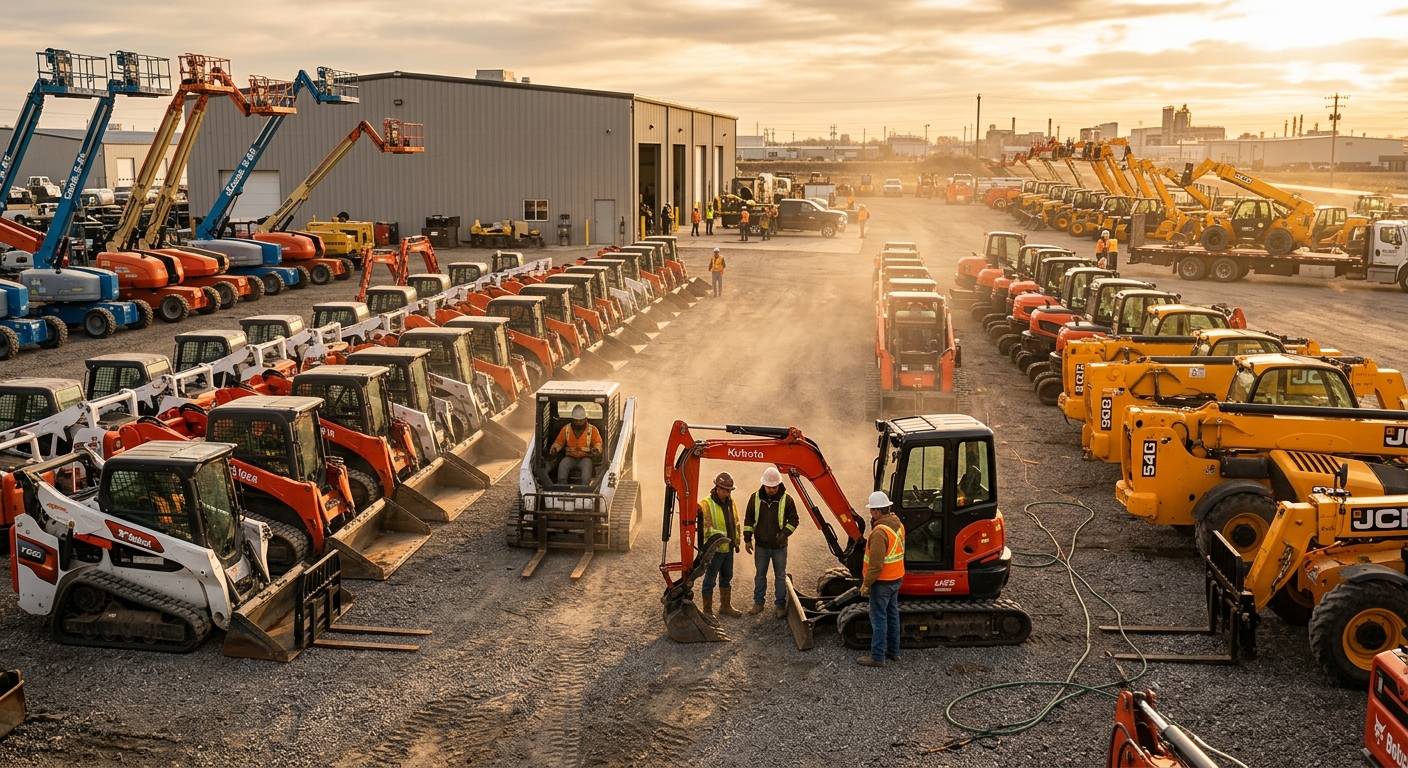
ARA's latest 2026 forecast points to a stronger rental market, but the bigger story is how contractors are using rental as a capacity strategy instead of a last resort.
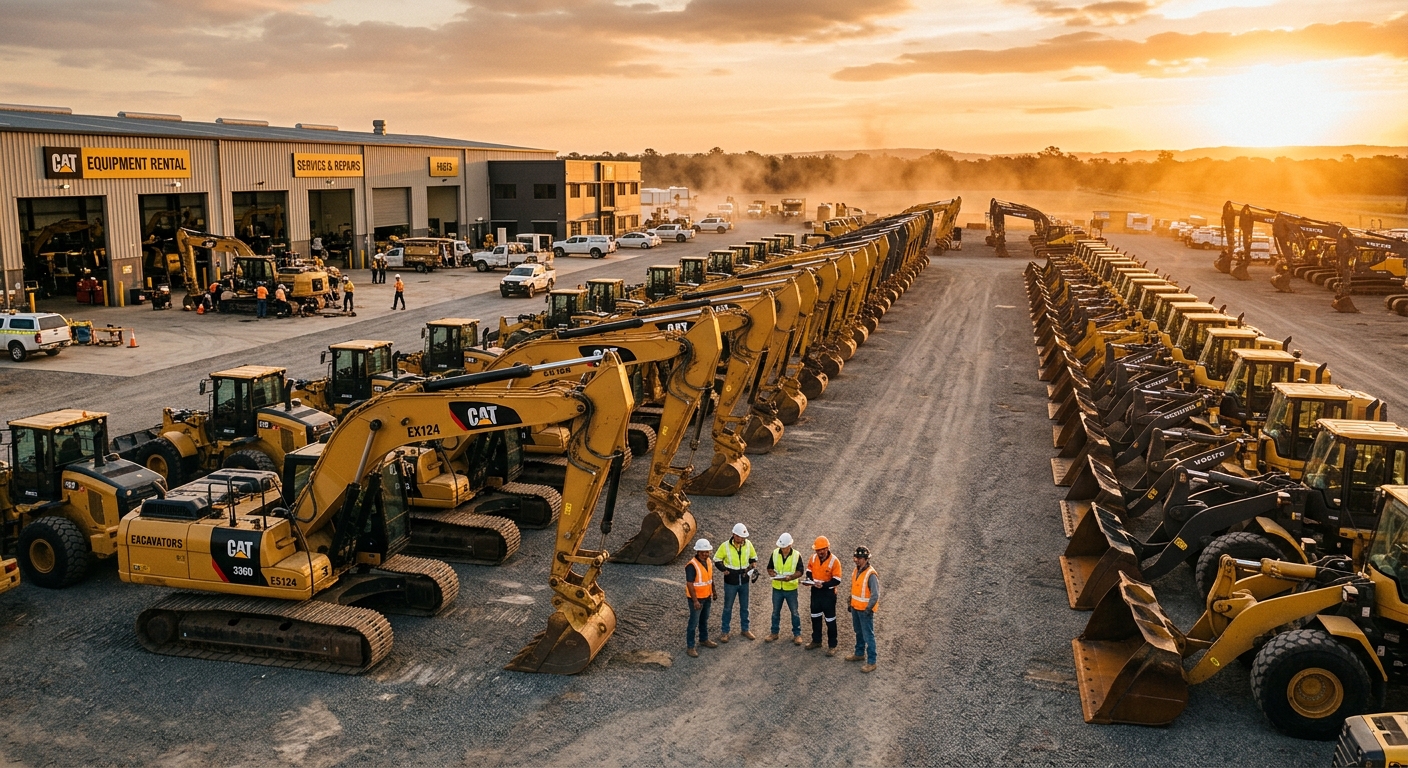
Fresh market forecasts point to growth in heavy construction equipment, but used inventory, rental demand, and capital pressure tell contractors to stay disciplined.
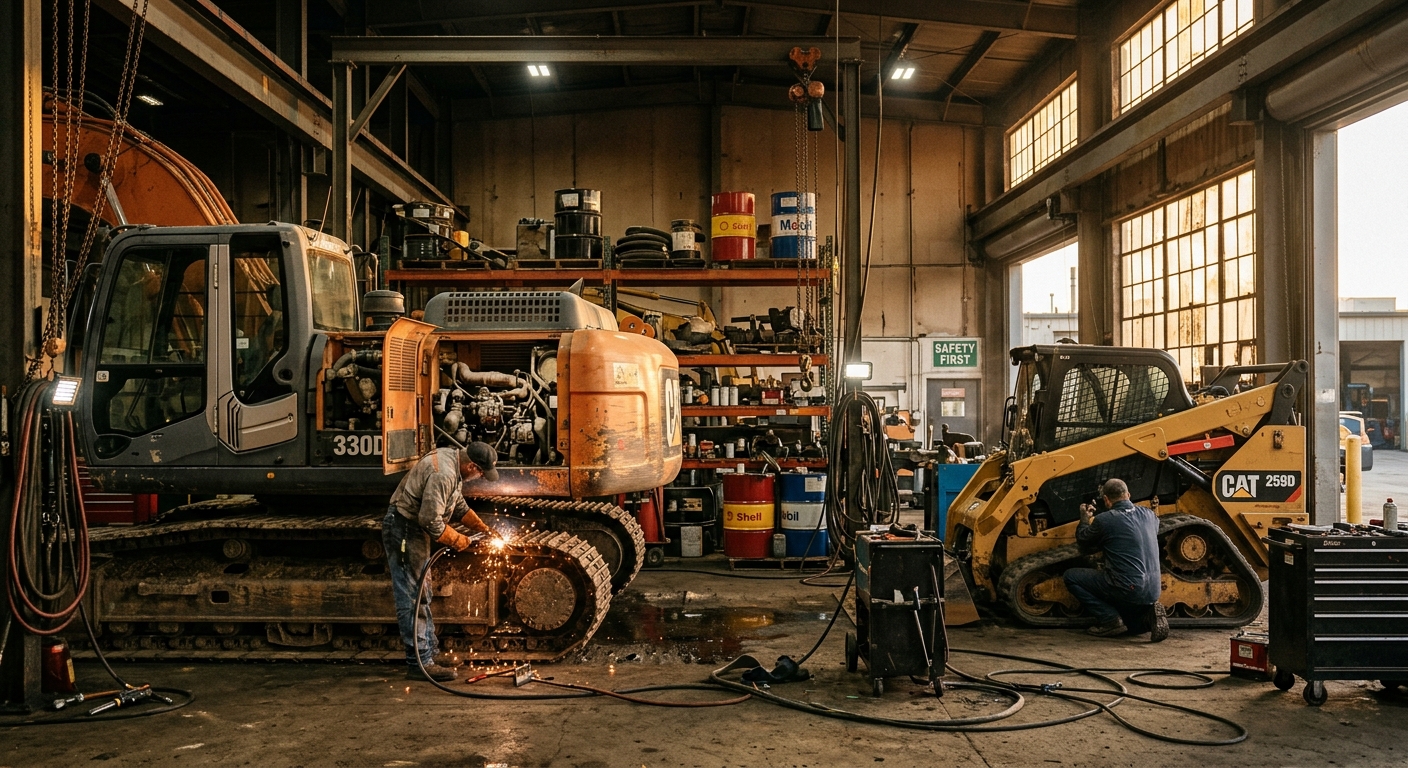
Contractors keep talking about machine prices, but the harder 2026 problem may be keeping the fleet repaired, staffed, and ready when the schedule gets tight.
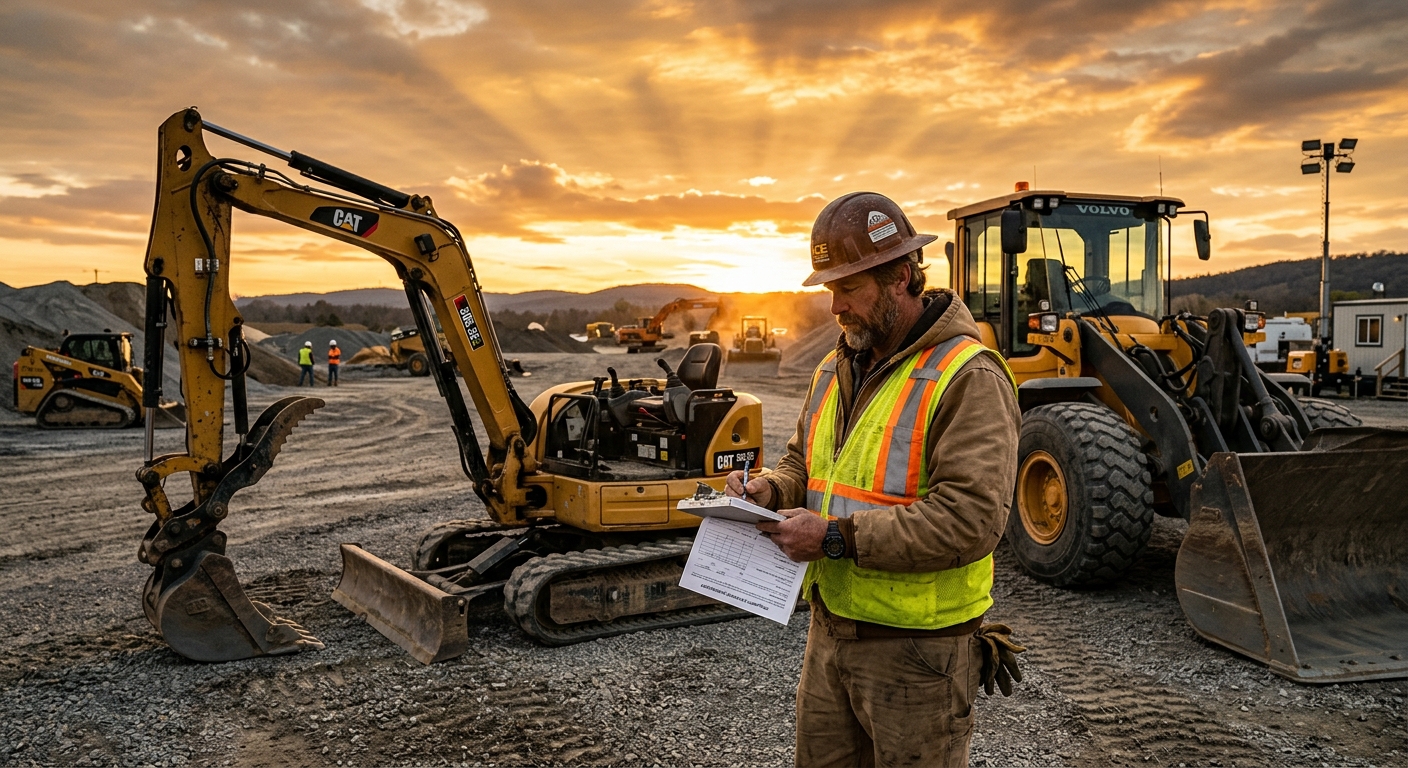
Equipment credit looks healthier in 2026, but higher payments, uneven backlogs, and soft resale risk mean contractors still need discipline before signing for another machine.
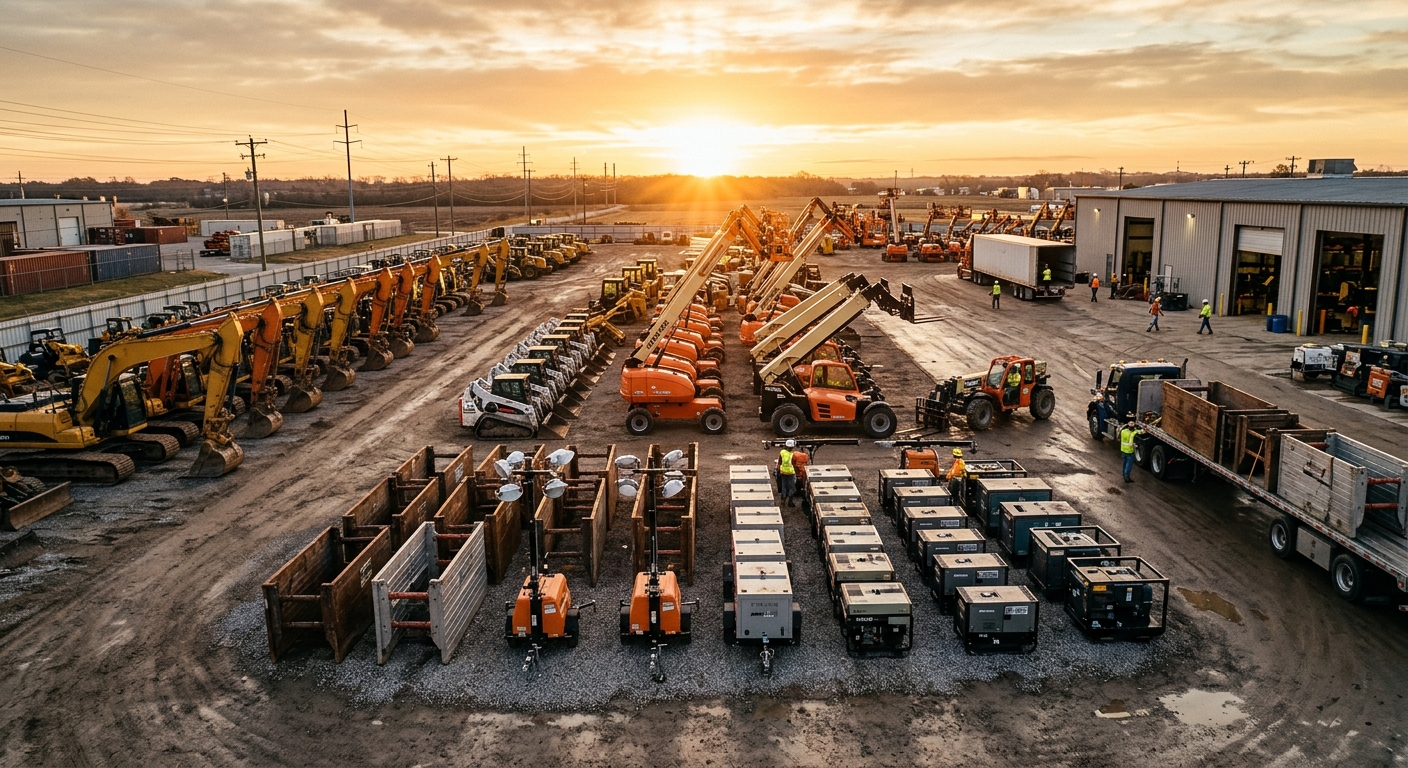
Contractors are renting more than machines in 2026. They are renting flexibility, delivery timing, specialty support, and a way to stay out of overbuying trouble.
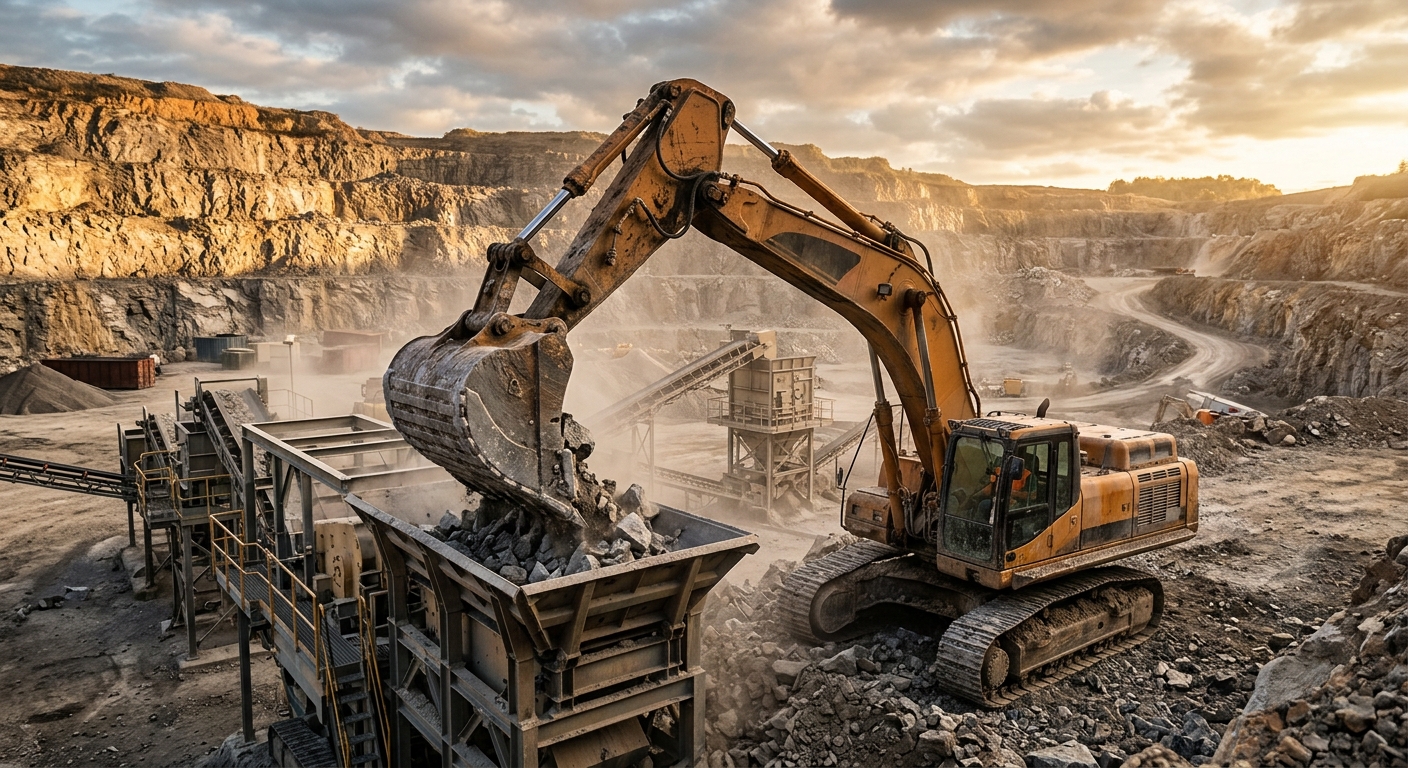
JCB has added the 520X to the top of its X-Series crawler excavator lineup. The move puts the brand into a heavier class for mass excavation, quarry work, demolition, and crusher loading.
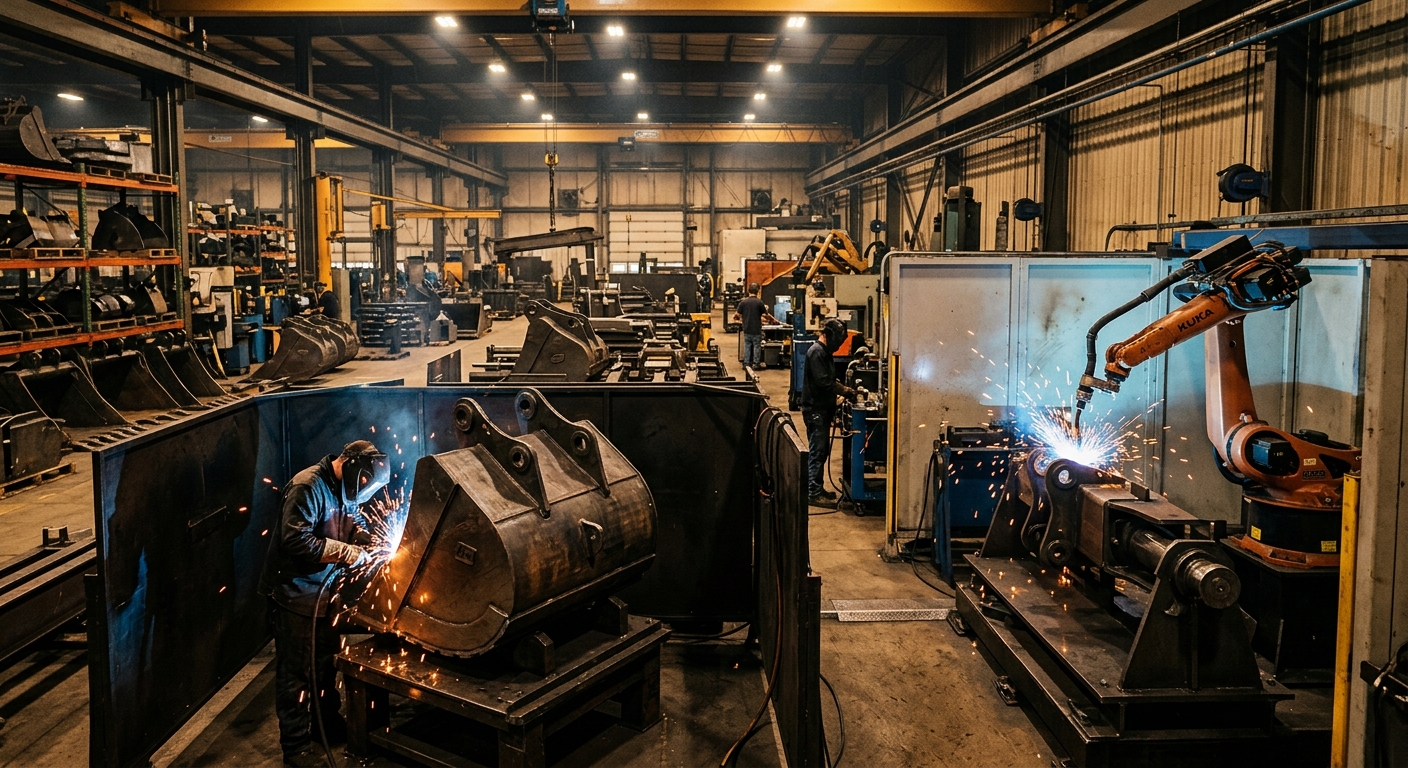
The Ontario attachment maker just opened a second facility. The move says a lot about where the excavator and wheel loader attachment market is headed.
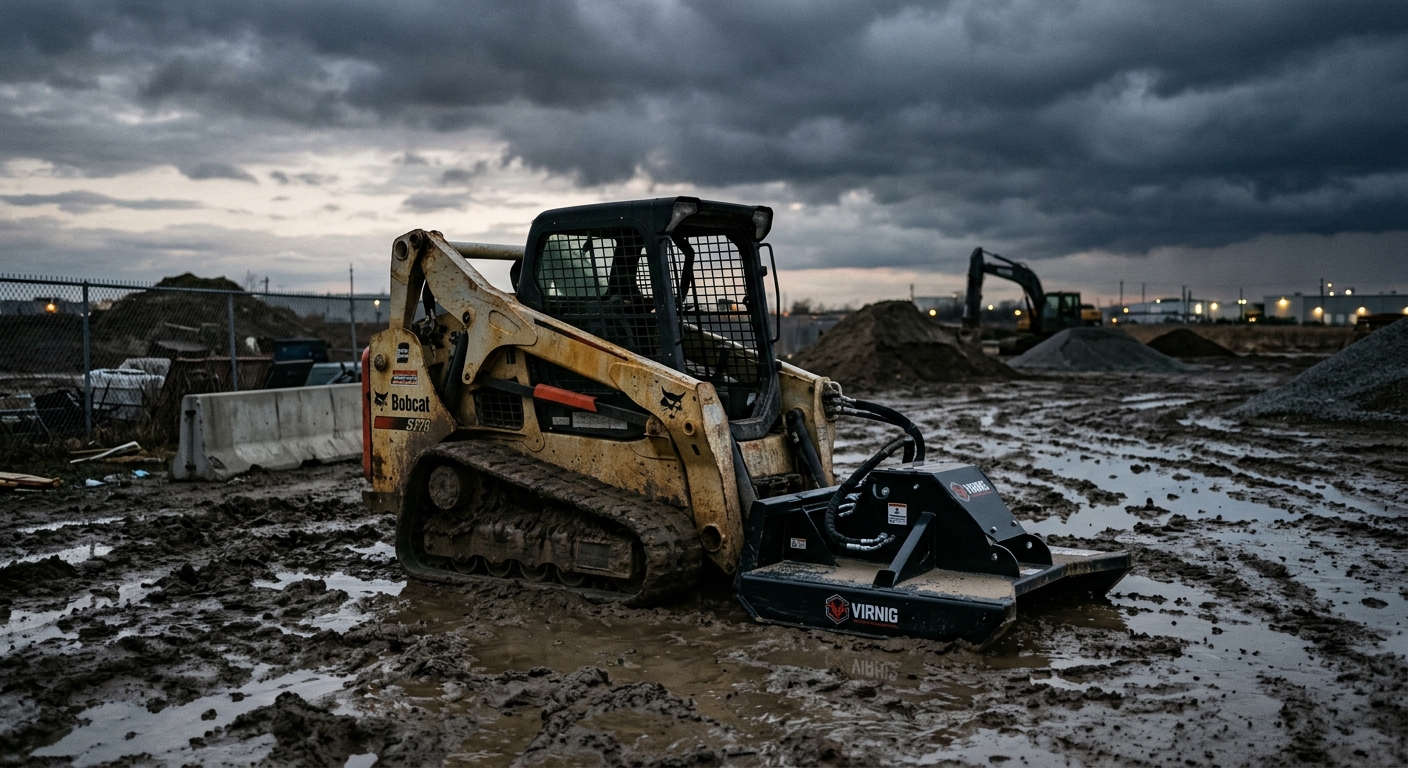
Too many contractors buy a grinder, planer, mulcher, or specialty bucket first and then go hunting for demand. That is not growth. It is trapped cash with a coupler on it.
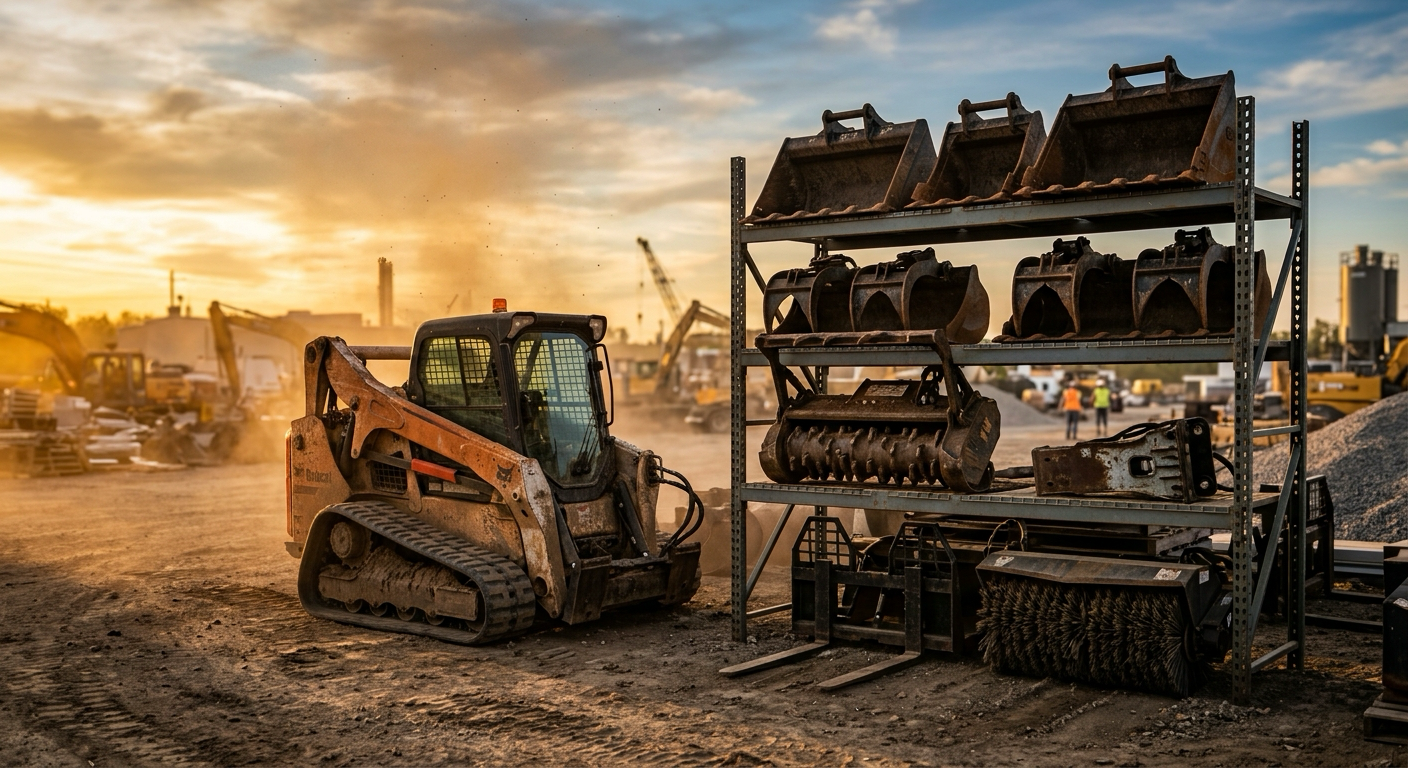
Contractors keep comparing skid steers, excavators, and loaders by horsepower and lift charts. The harder question in 2026 may be whether the right attachment is available, maintained, and matched to the work.
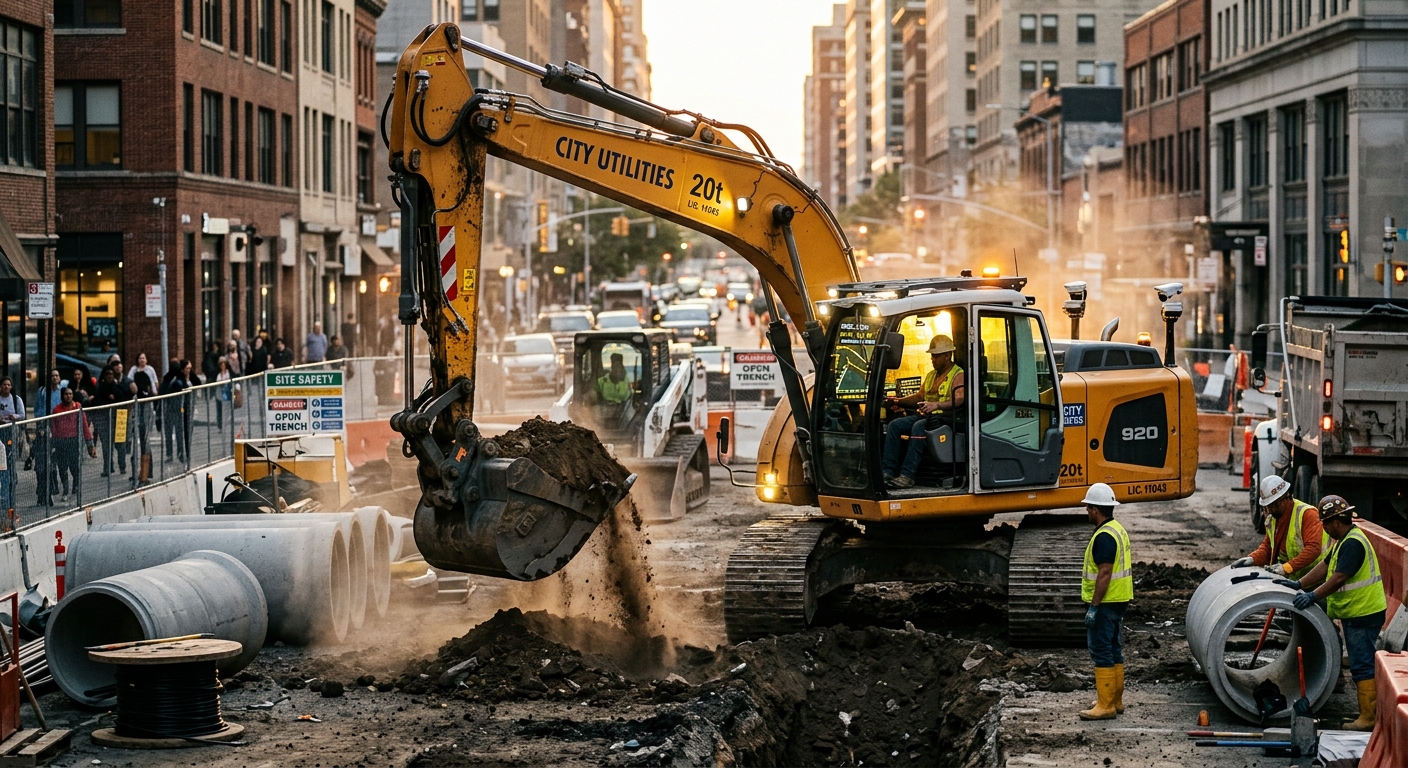
Mid-size excavators are still bought for dirt work, but the buying decision now includes grade control, camera systems, payload data, attachment flow, and operator setup. That changes how contractors should compare machines.

New compact excavator launches show a clear divide: smaller machines built for access and rental, and heavier compact models built to carry real hydraulic work.

Used machines still help contractors avoid new-machine prices, but tighter inventory, financing pressure, and higher repair risk are making the math less forgiving.
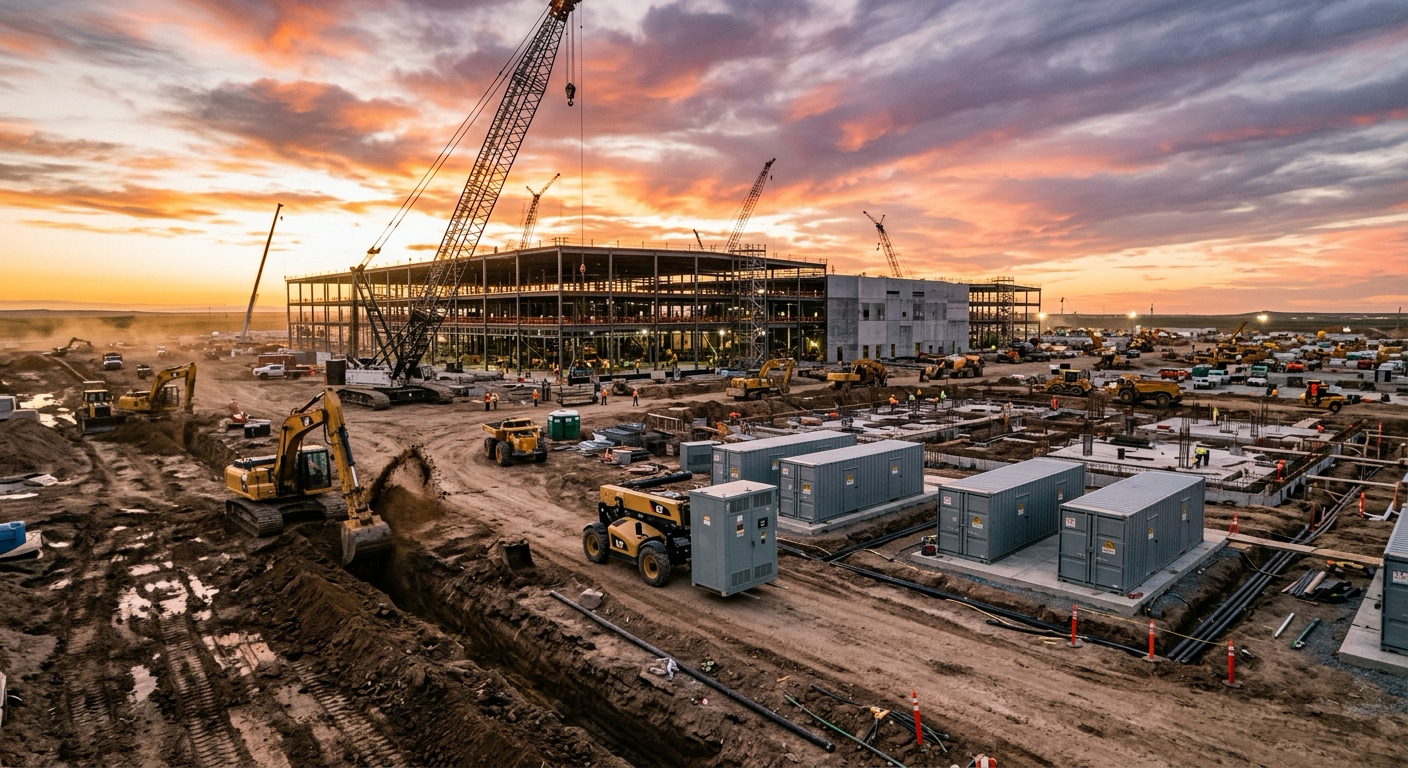
AI data centers are pulling more contractors into utility work, backup power, site prep, and uptime-driven fleet planning. The machines that support the power buildout may matter as much as the buildings themselves.
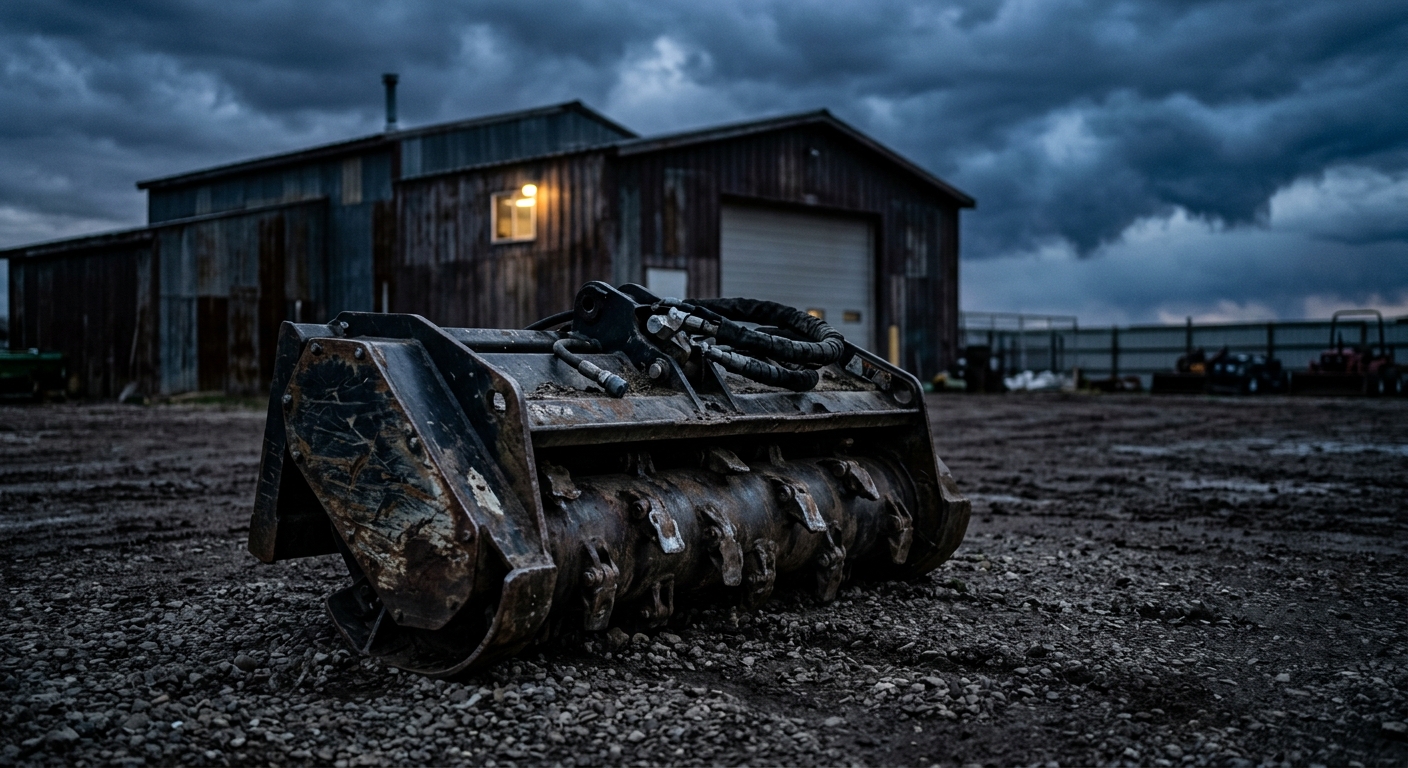
Too many contractors buy the grinder, planer, mulcher, or specialty head first and start chasing work second. That is not growth. That is tying up cash in iron and hoping the market bails you out.
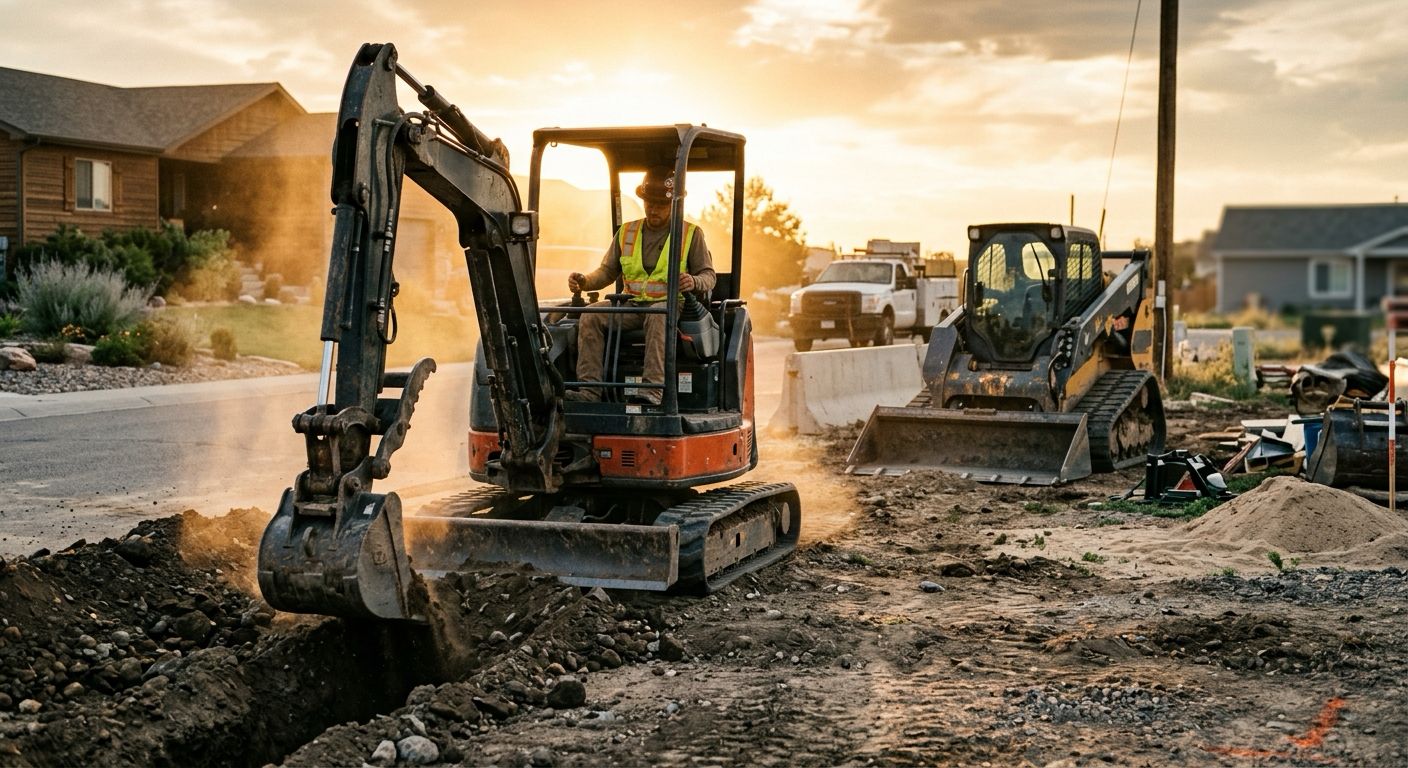
Small excavators used to be niche machines for tight spaces. Today they are turning into fleet workhorses because attachments, telematics, operator comfort, and jobsite access have changed the math.
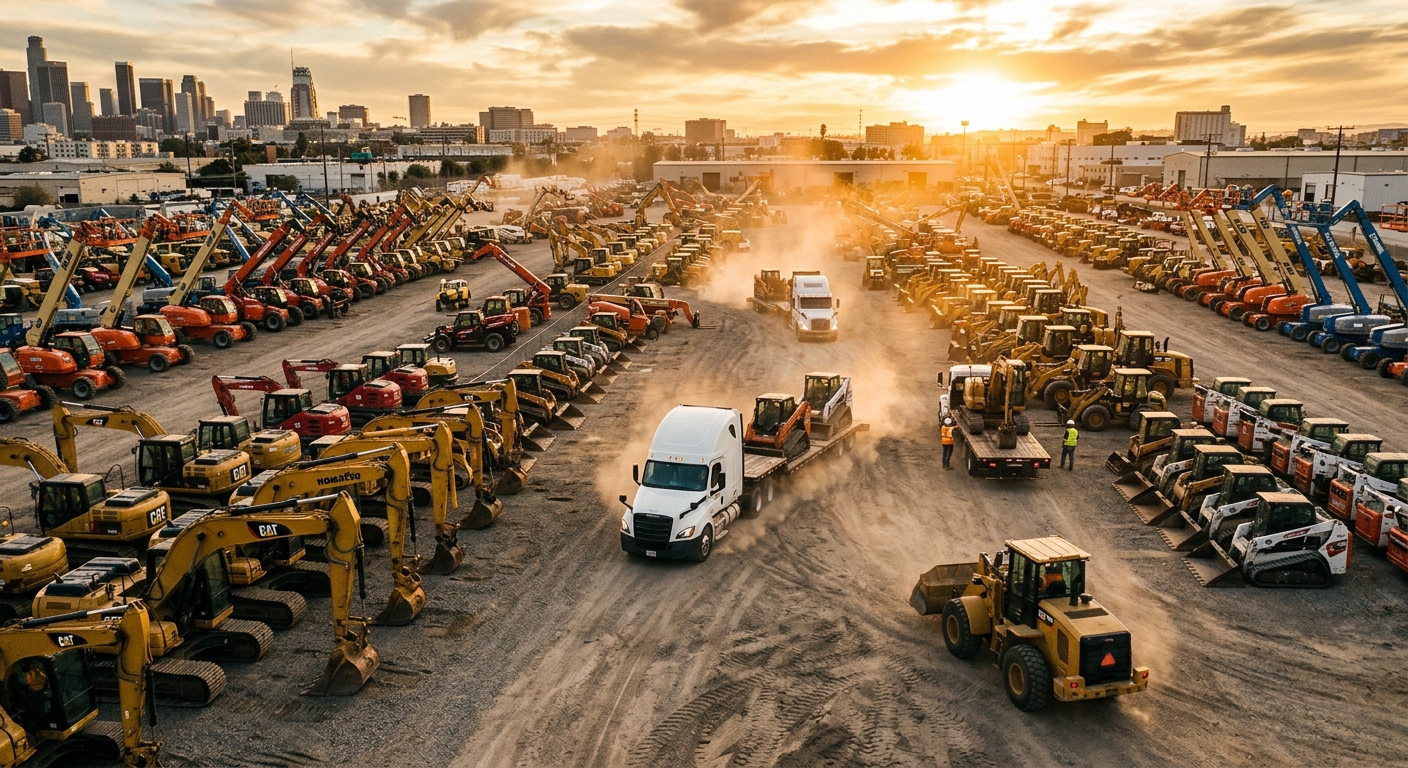
The rental market is still growing. The interesting part sits below the headline number: contractors are using rental as a hedge against uncertain backlogs, expensive machines, tighter service capacity, and faster-changing job requirements.
Too many contractors finance a grinder, planer, mulcher, or specialty head because they want to feel bigger than they are. If the work is not already showing up, that attachment is not growth. It is a monthly payment looking for a problem.
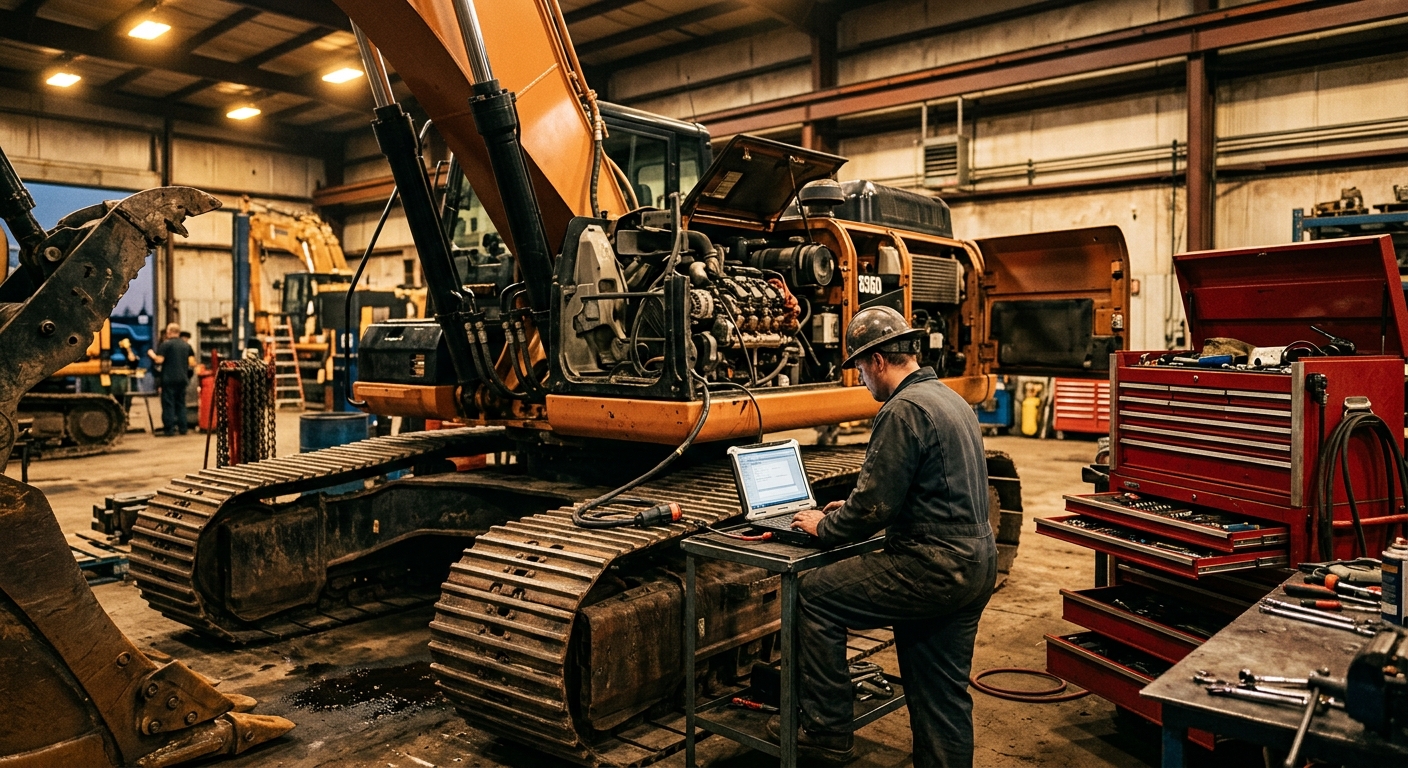
Heavy equipment owners are used to thinking about machine availability, financing, fuel, and resale. The harder constraint in 2026 may be simpler: who is qualified to keep the iron working.
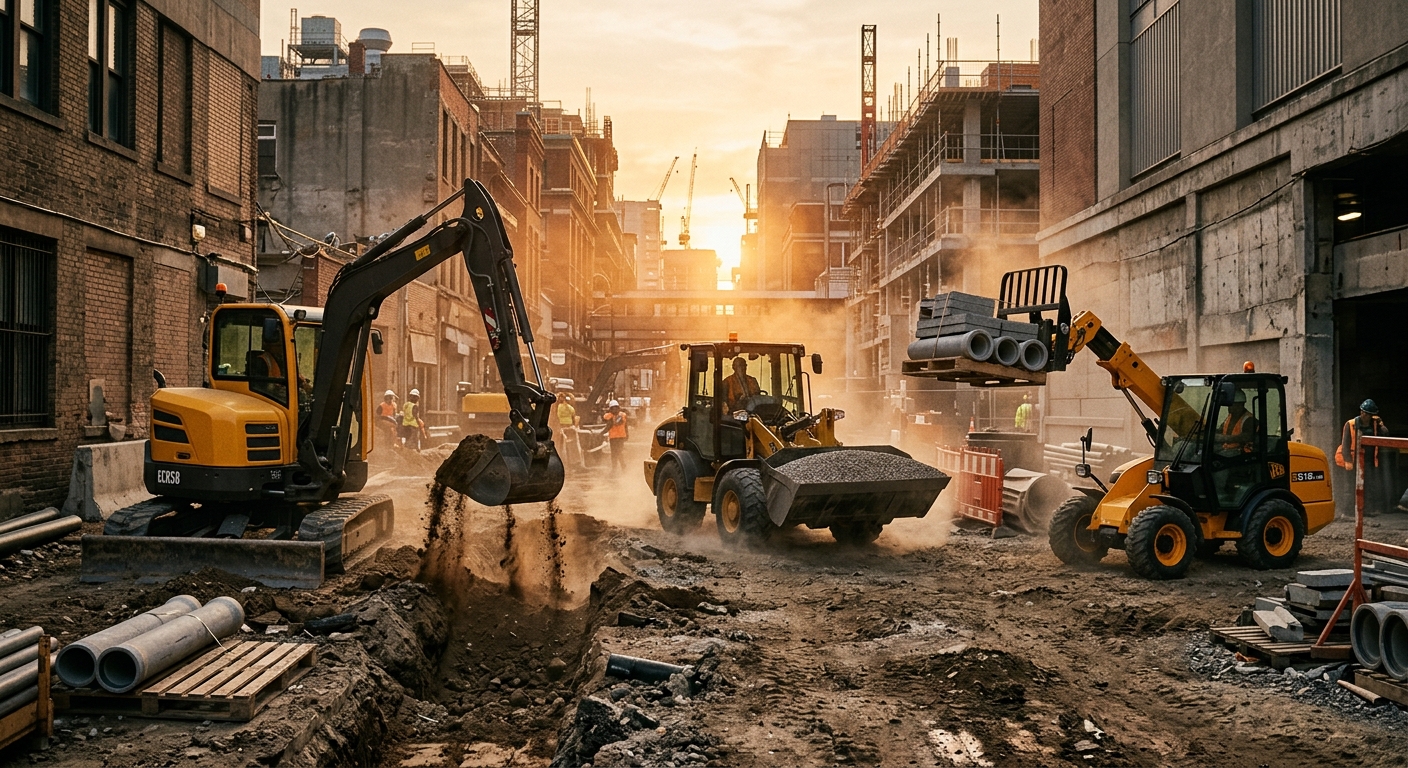
Wacker Neuson's ET40, EZ35, WL750, and TH625 launch says a lot about where compact equipment is headed: more shared platforms, easier controls, faster attachment changes, and machines that can cover more work with fewer specialized operators.

TennaCAM 2.0 HE 360 AI is the first heavy-equipment-specific aftermarket camera system that ships with on-camera AI, ECU integration, and a parking mode. With John Deere now owning Tenna, the question for contractors is not whether to add 360 safety tech. It is whether to wait for the next OEM trade-in or retrofit the iron they already own.
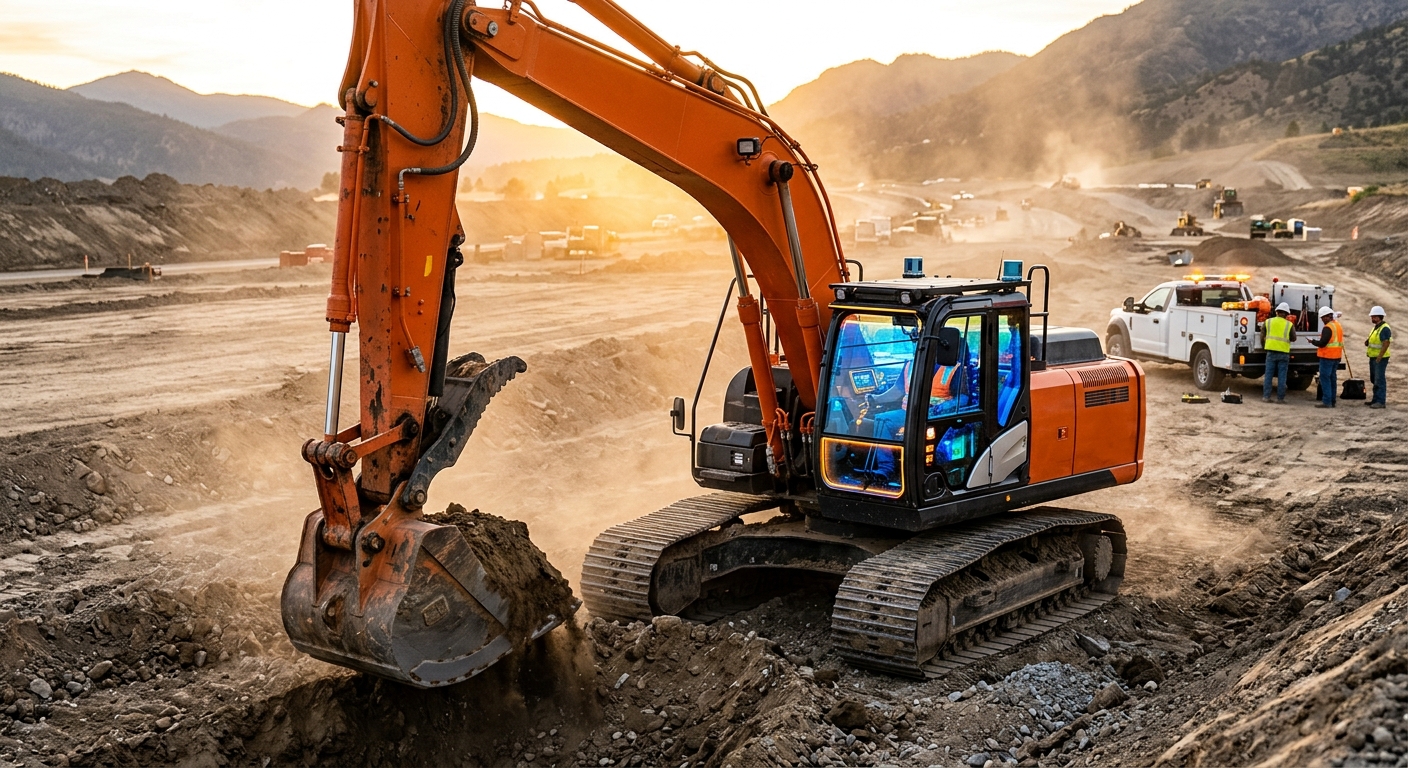
DEVELON's -9 Series heavy excavators put full electronic hydraulic controls, AI-assisted safety, machine guidance, and health monitoring into the core machine. That is not just a cab upgrade. It changes how fleets buy, train, maintain, and troubleshoot excavators.
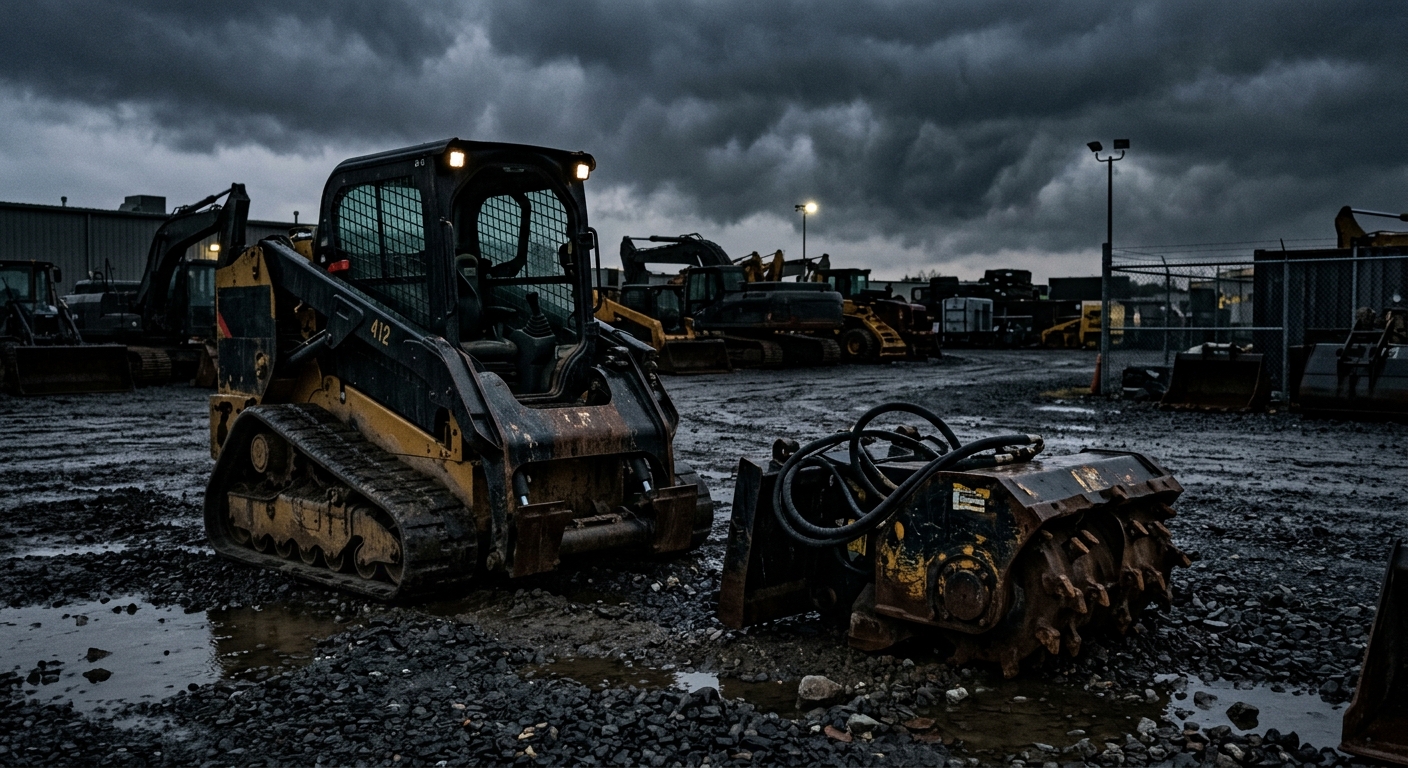
Too many contractors buy the grinder, planer, mulcher, or specialty head first and then pray the work shows up. That is not growth. That is trapping cash in iron and calling it a plan.
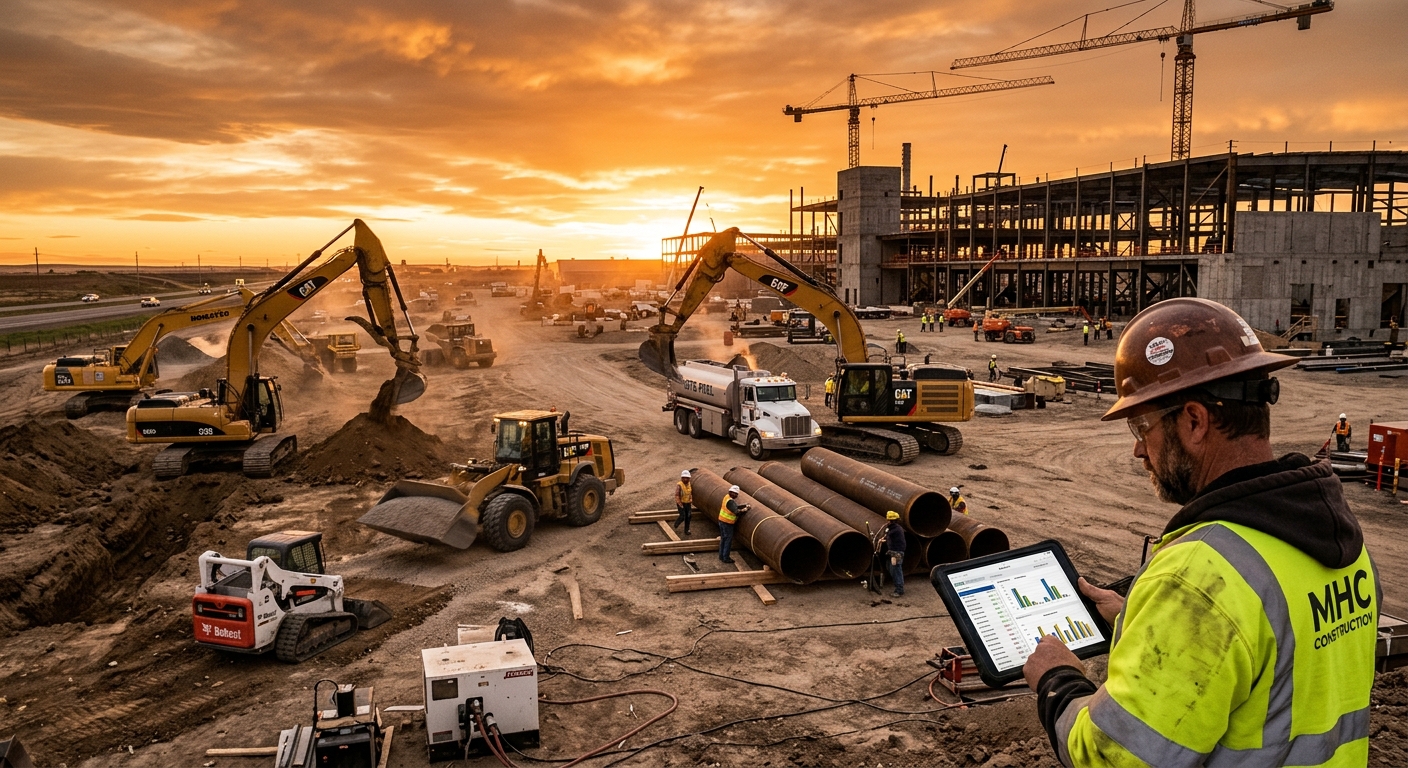
Nonresidential planning is strengthening while material, labor, and financing costs keep climbing. Contractors may have work ahead, but the next equipment purchase still needs a harder test.

Bedrock Robotics has moved more than 65,000 cubic yards on a live Sundt Construction site and just raised $270 million at a $1.75 billion valuation. Caterpillar is teaming with NVIDIA on physical AI. The conversation has shifted from 'when will autonomy be real' to 'what does it cost not to plan for it.'

ARA's updated 2026 forecast puts U.S. equipment rental revenue at $83.5 billion. The signal goes beyond rental yards. It changes how contractors should think about owning, renting, and timing fleet moves.

Too many contractors buy a grinder, planer, mulcher, or specialty attachment first and then go hunting for work to justify it. That backwards math traps cash in iron, creates weak sales pressure, and turns one slow month into a panic attack.

Standard power transformers are running 128 weeks out. Generator step-ups are at 144 weeks. Substation units have crossed 160. The data center boom built the demand, the tariff schedule built the price, and contractors who don't plan around electrical lead times are about to lose schedule on jobs they already won.
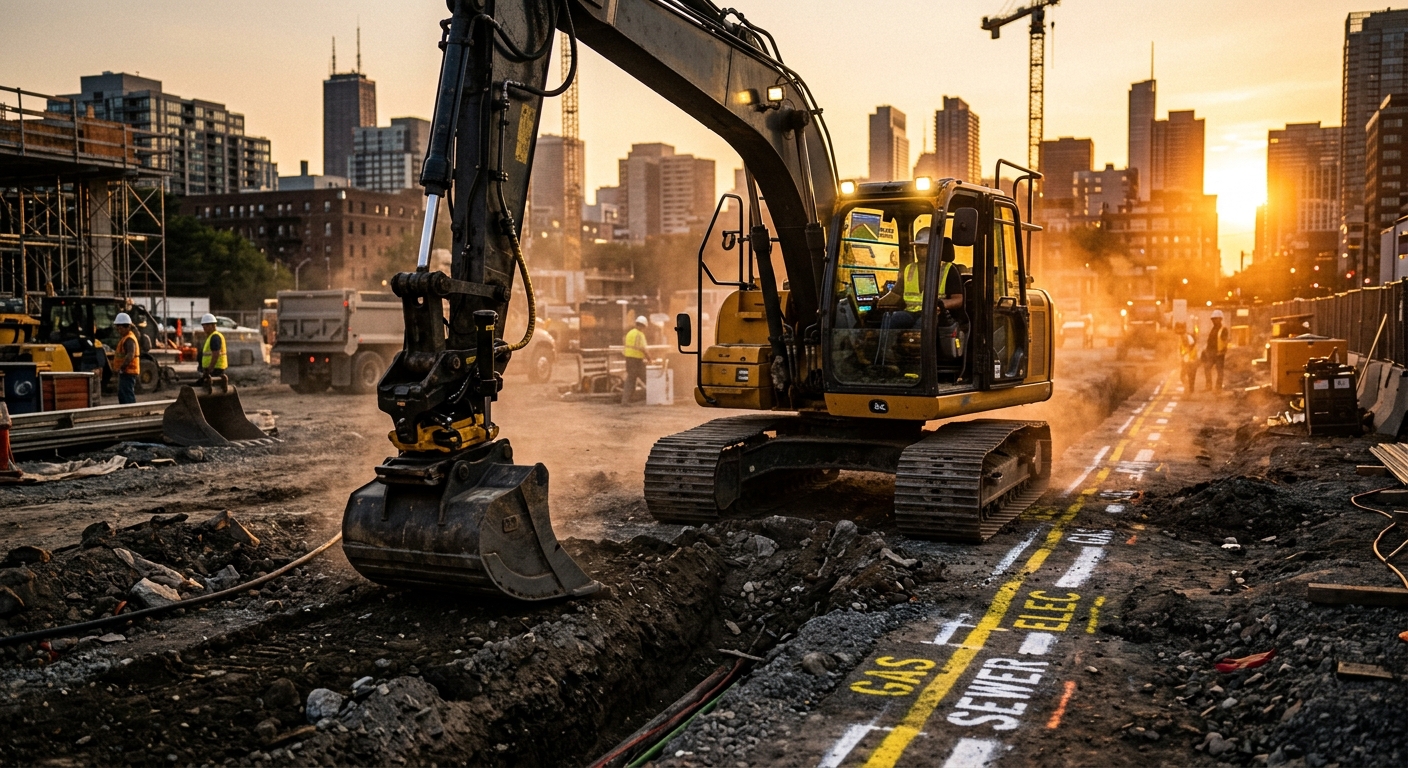
The newest excavator launches are not just about horsepower or bucket force. Volvo CE and DEVELON are pointing at a different fight: hydraulic response, operator aids, grade readiness, service data, and how much work a machine can take off the operator's plate.
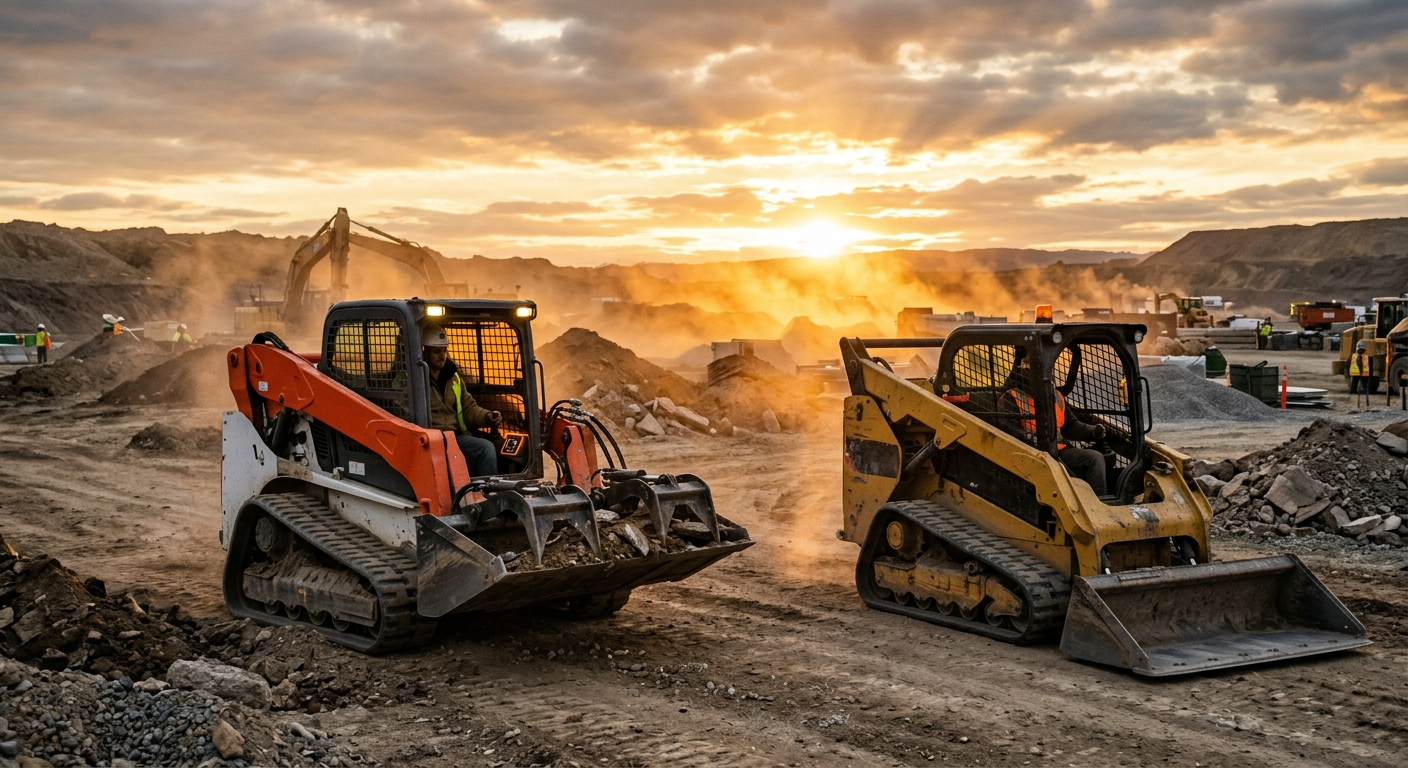
The patent fight between Doosan Bobcat and Caterpillar is not only legal noise. It shows how much value now lives in controls, hydraulics, software, and machine behavior, not just steel and horsepower.
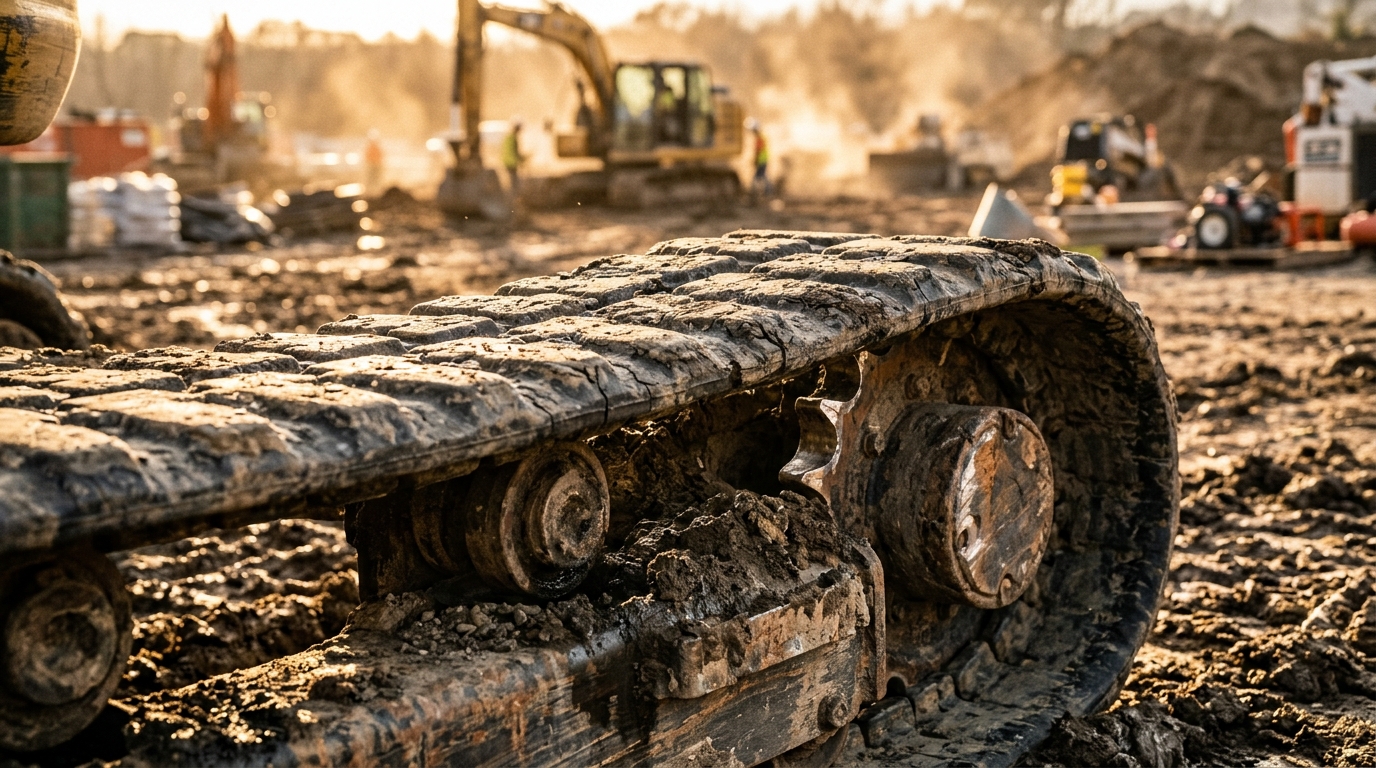
Compact track loaders carried the last cycle of small-contractor work and outsold skid steers for the fifth year running. The machines that kept that boom moving are now arriving at the hour count where undercarriage cost stops being theoretical and starts hitting P&Ls.
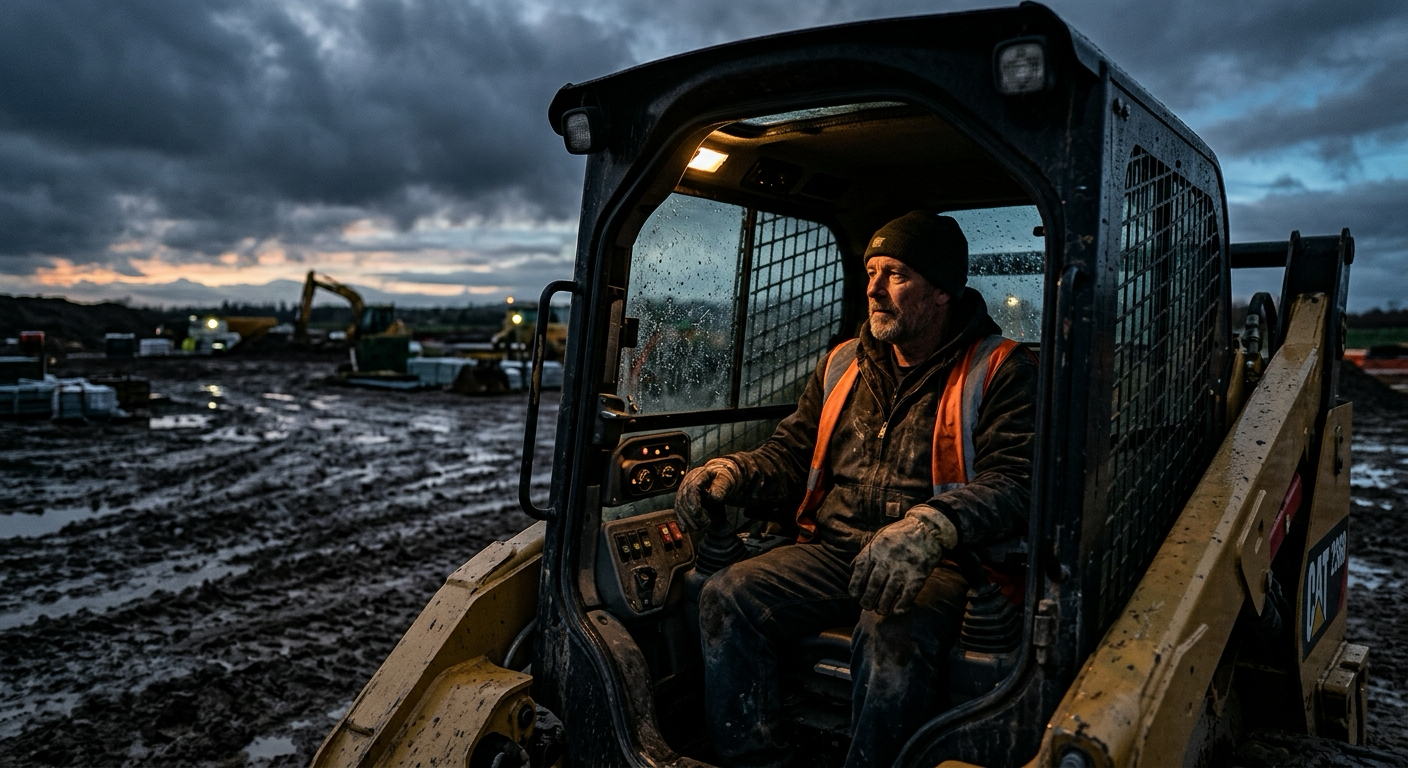
The labor shortage in heavy equipment is real, but a lot of owners make it worse with bad pay, bad training, and chaotic jobsites. If you want dependable operators, build a company a dependable operator would actually stay with.

Used construction equipment is not simply getting scarce. More of the clean iron is moving into rental fleets, which changes the math for contractors, dealers, and anyone waiting for a cheap machine to appear on the used market.
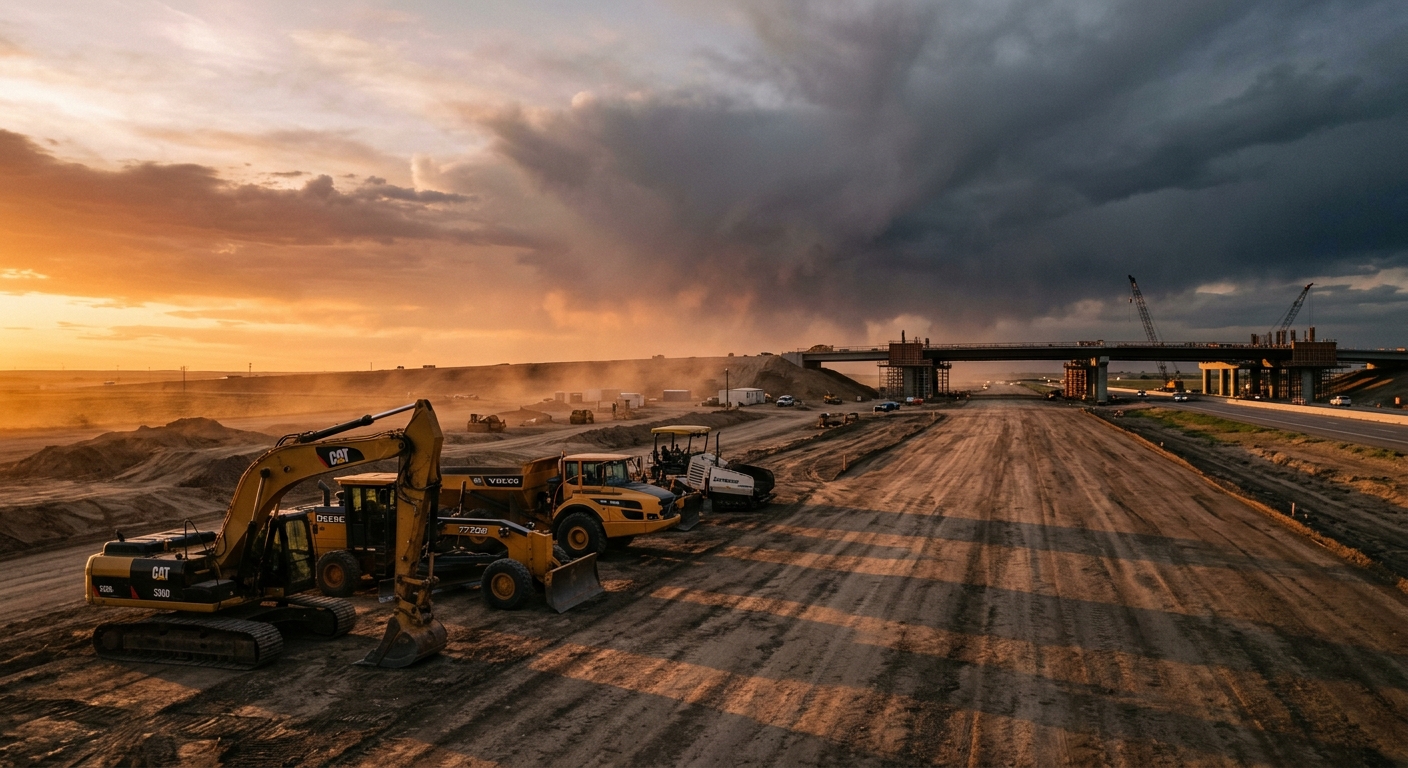
The Infrastructure Investment and Jobs Act expires on September 30, 2026. Congress has not introduced a reauthorization bill. For contractors and equipment owners, the next four and a half months are not a wait-and-see window. They are a planning window.

Komatsu has opened global availability for the PC9000-12, its largest hydraulic mining excavator. The real story is not just size. It is pass matching, electric-drive optionality, and the economics of moving more tons with fewer loading cycles.
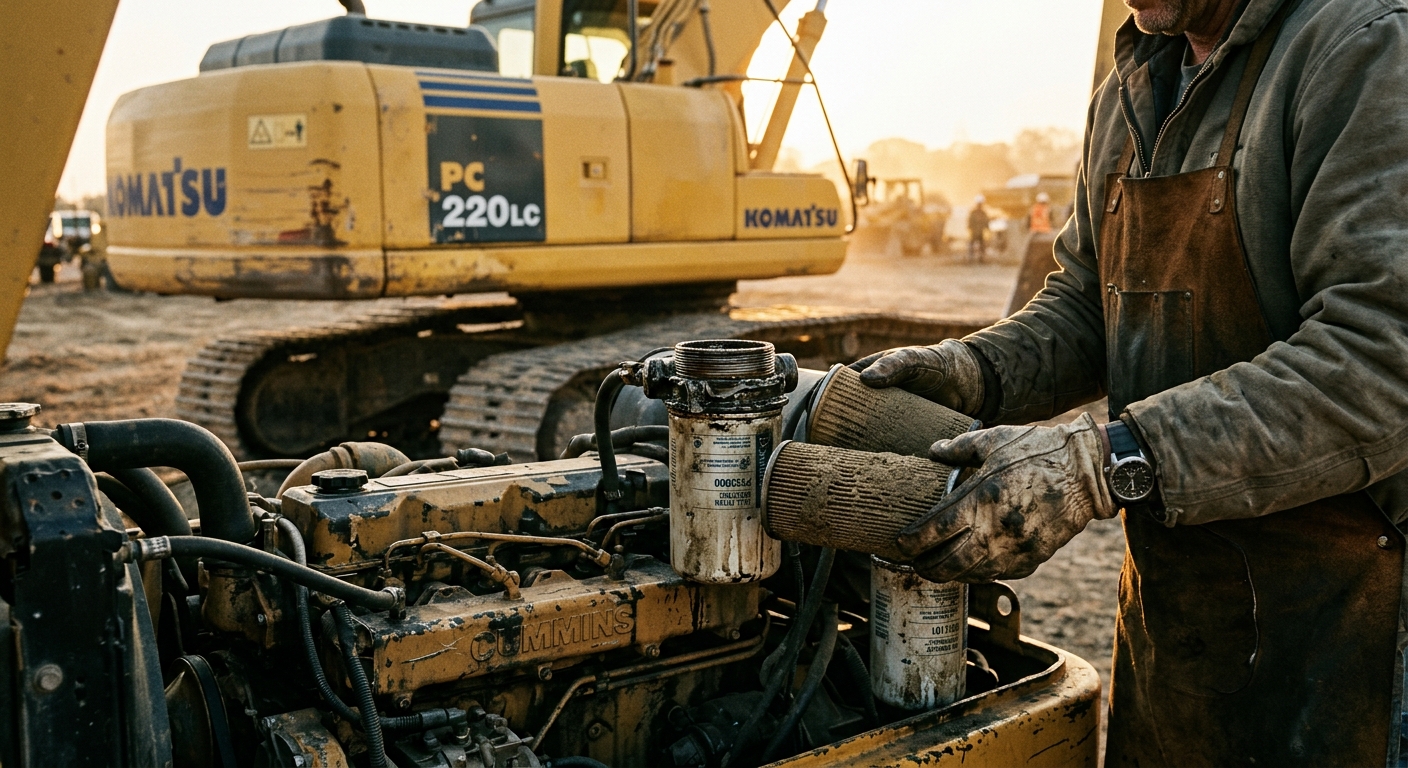
Filters are the smallest line item in any maintenance budget and one of the biggest line items in any failure. Most operators know that. Most operators still get it wrong. Here is what the field keeps proving — and what the spec sheet won't tell you.
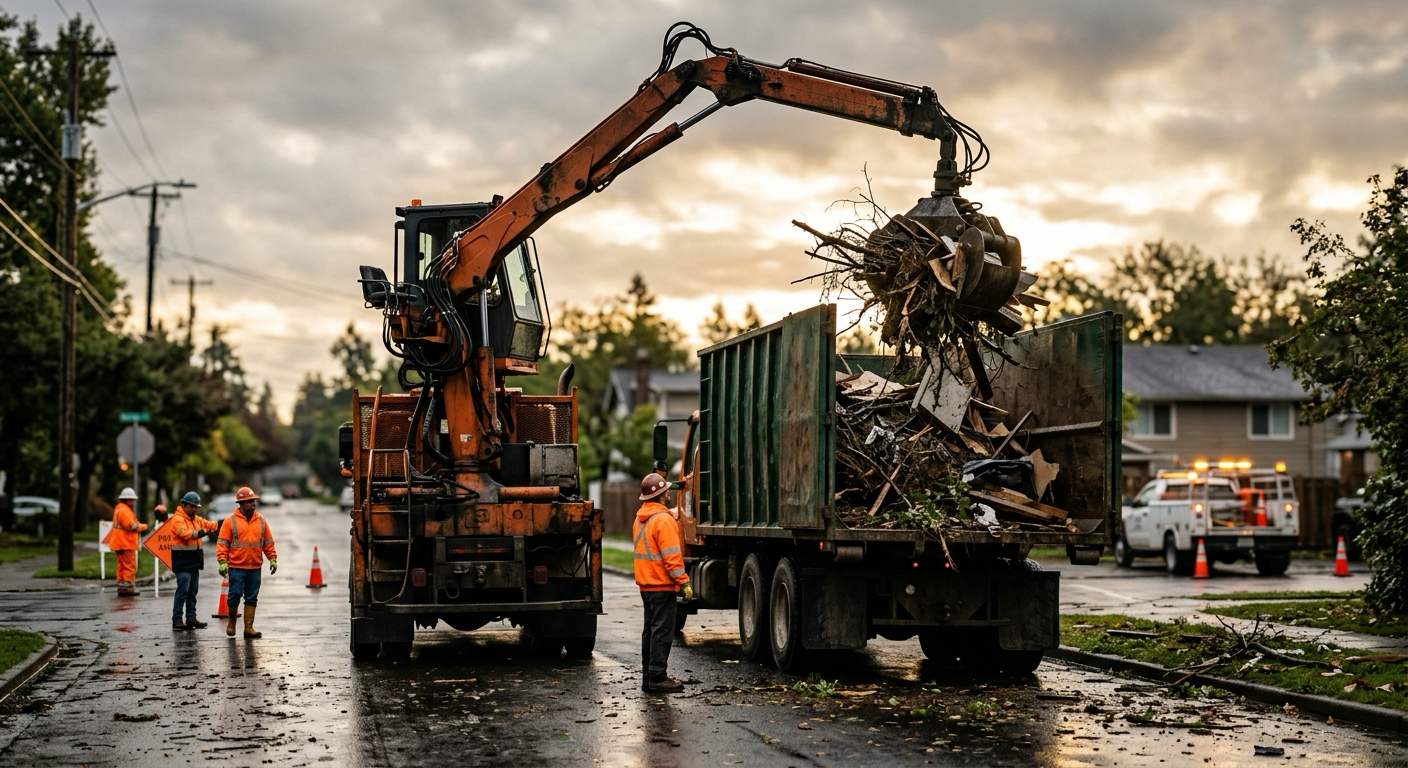
Alamo Group's acquisition of Petersen Industries is more than another tuck-in deal. It shows how public works, storm debris, and bulky waste equipment are becoming more attractive as buyers look for steady demand outside the normal construction cycle.
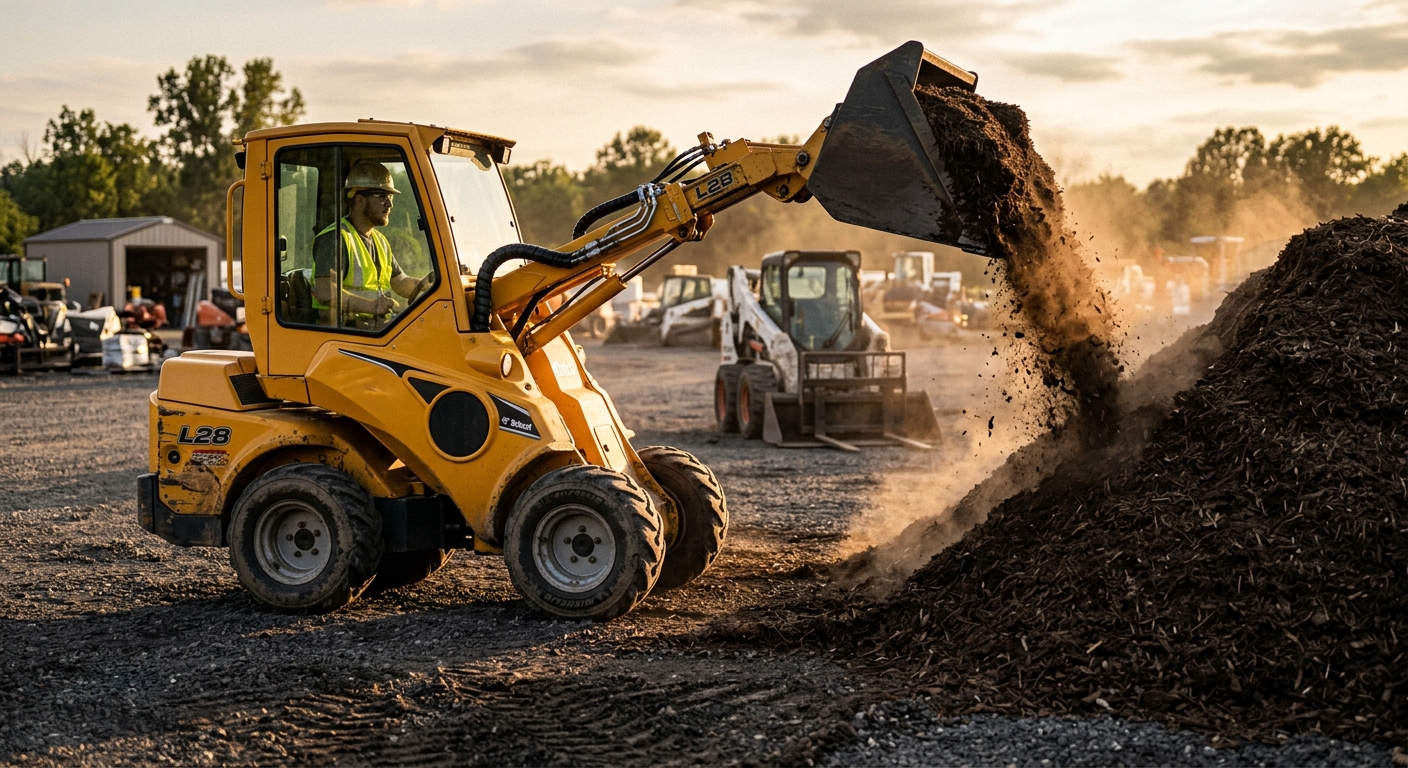
Skid steers and compact track loaders have owned the small-iron jobsite for decades. The compact wheel loader is changing that argument — and the contractors paying attention are quietly shifting fleet mix.
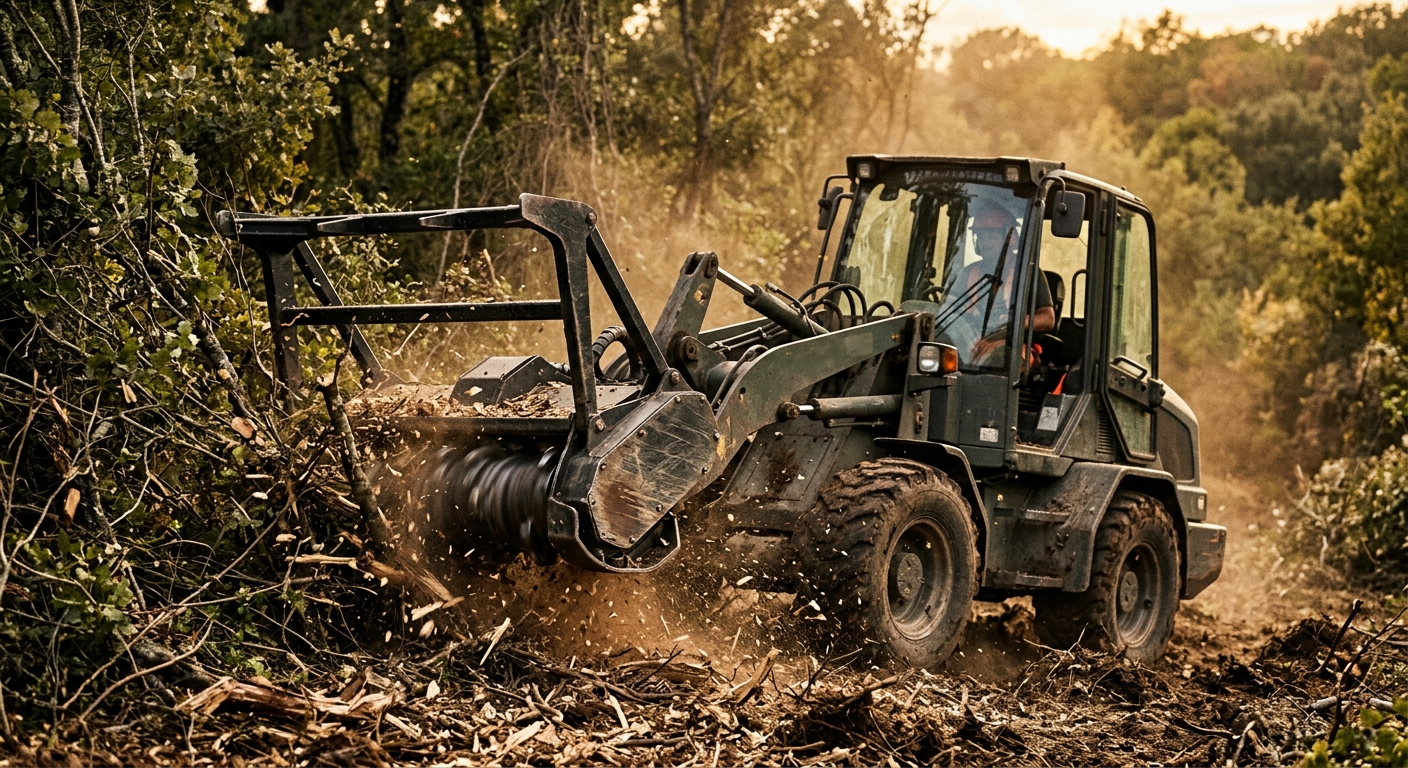
Avant Tecno just rolled out a forestry mulcher and an updated timber grab for its articulating compact wheel loaders at ConExpo 2026. The release matters less as a product story and more as a signal: forestry mulching is moving down-market into smaller carriers, and the contractors doing this work are no longer waiting for a 30,000-pound dedicated machine.
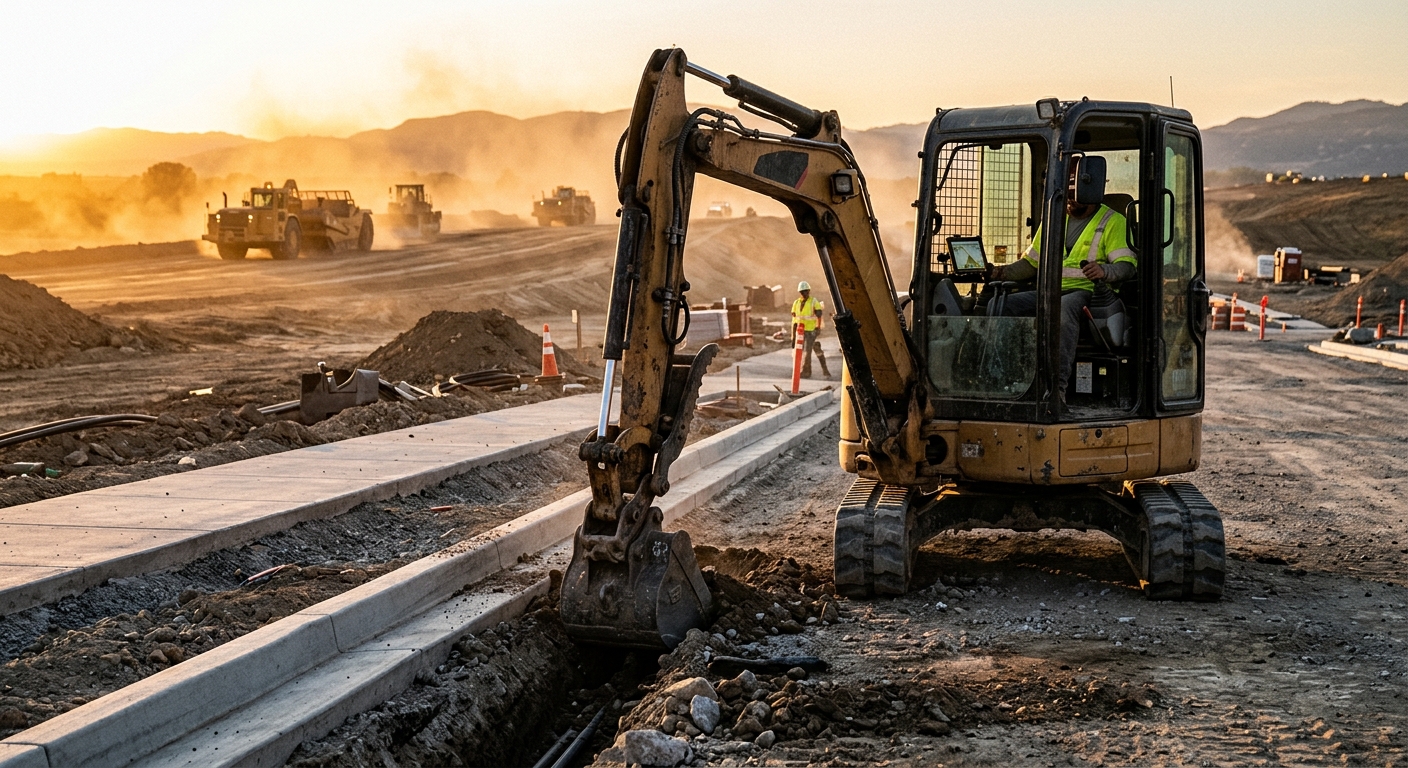
Trimble is adding Earthworks support for swing-boom excavators and scrapers. The real story is not one feature release. It is machine control moving into the smaller, messier equipment classes where many contractors actually make their money.
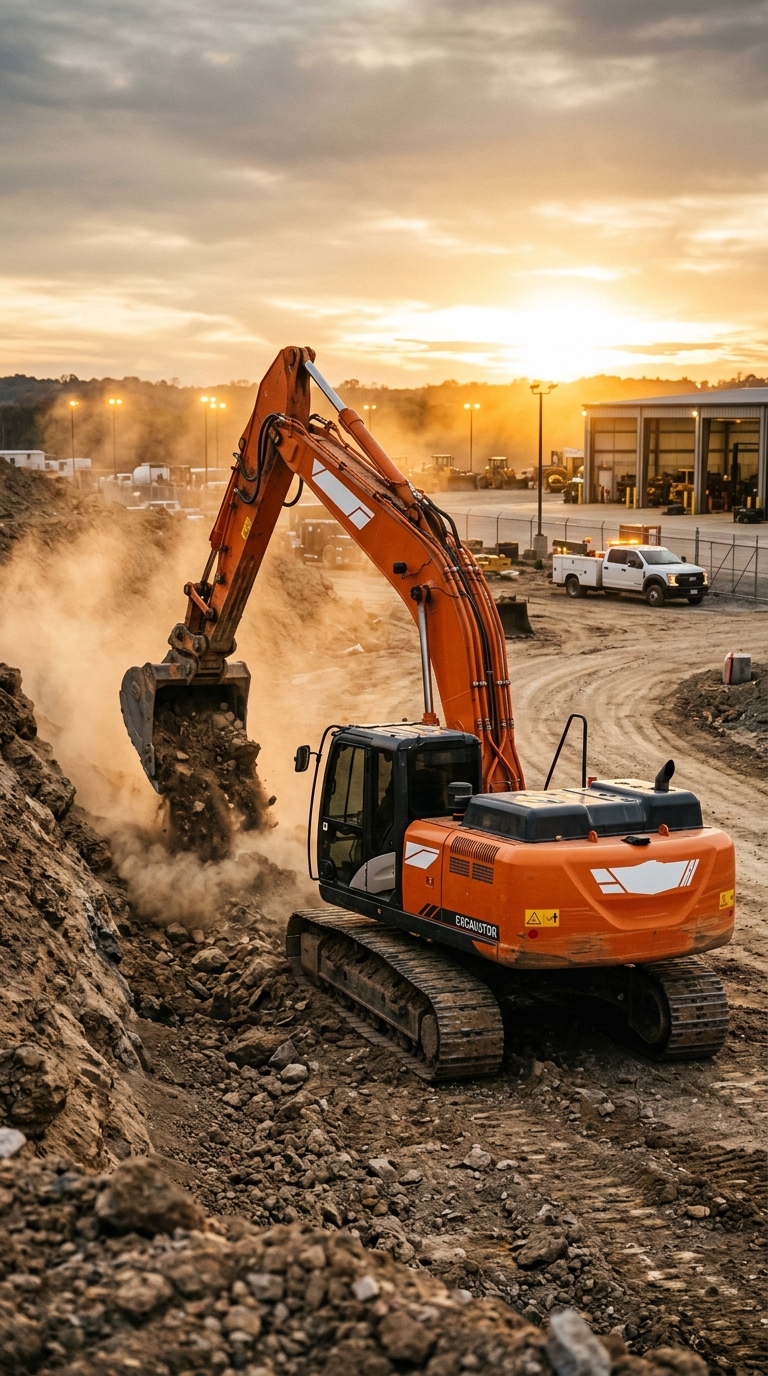
Hitachi Construction Machinery will become LANDCROS in April 2027. The name change is easy to dismiss, but the real test is whether dealers can turn the brand shift into better uptime, support, and connected-service value.
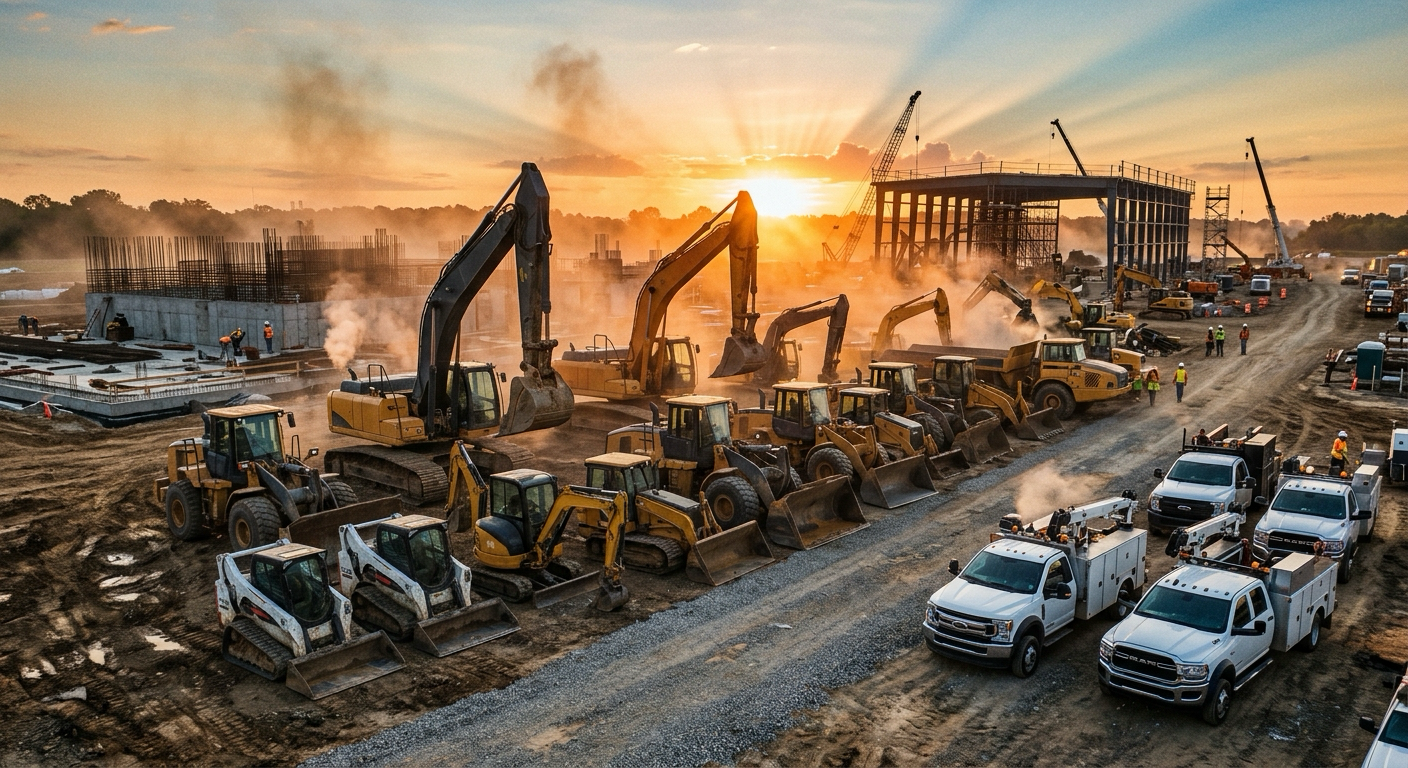
High machine prices, tight labor, cautious lenders, and steady rental demand are pushing fleet owners toward a harder question: does each machine earn enough verified hours to justify owning it?
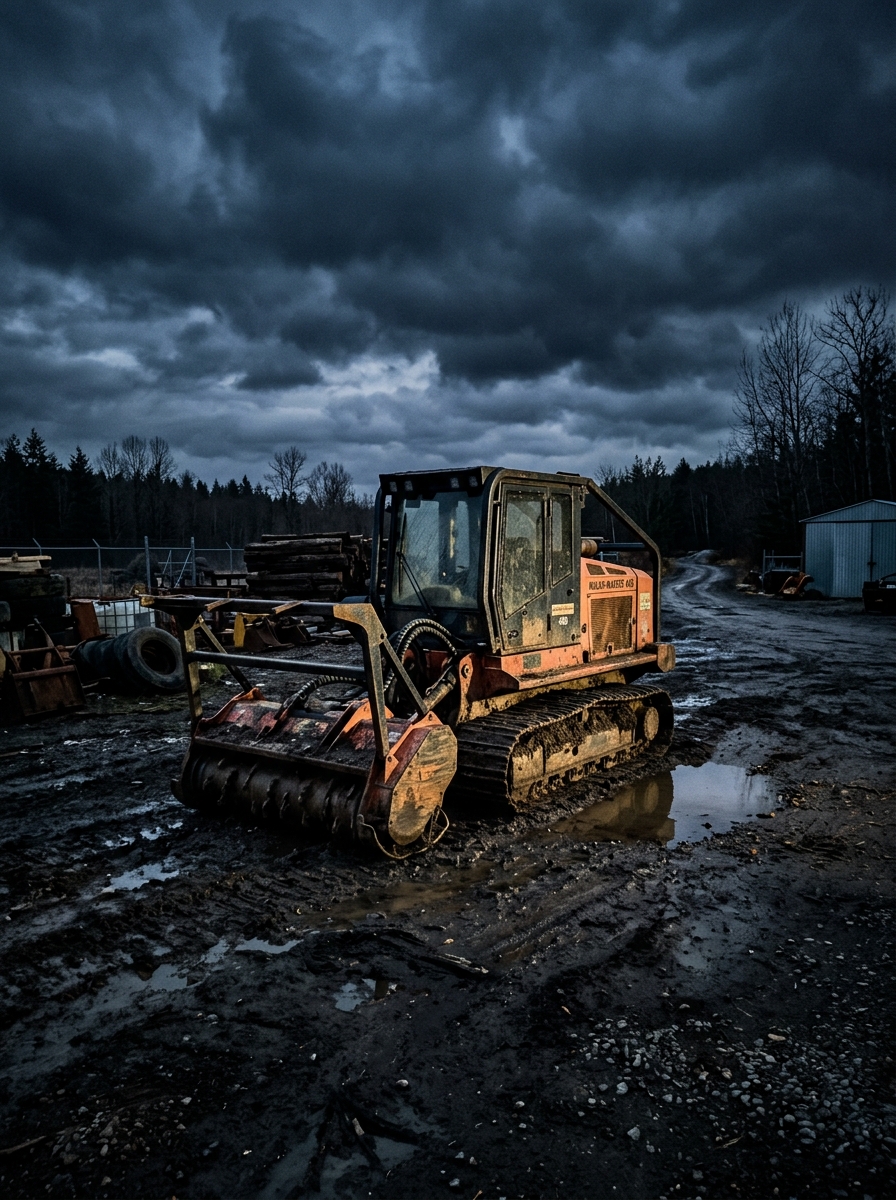
Seven-year notes are making expensive iron look cheap. The payment might fit on paper, but that does not mean your business can actually carry the machine when work slows down or repair bills stack up.
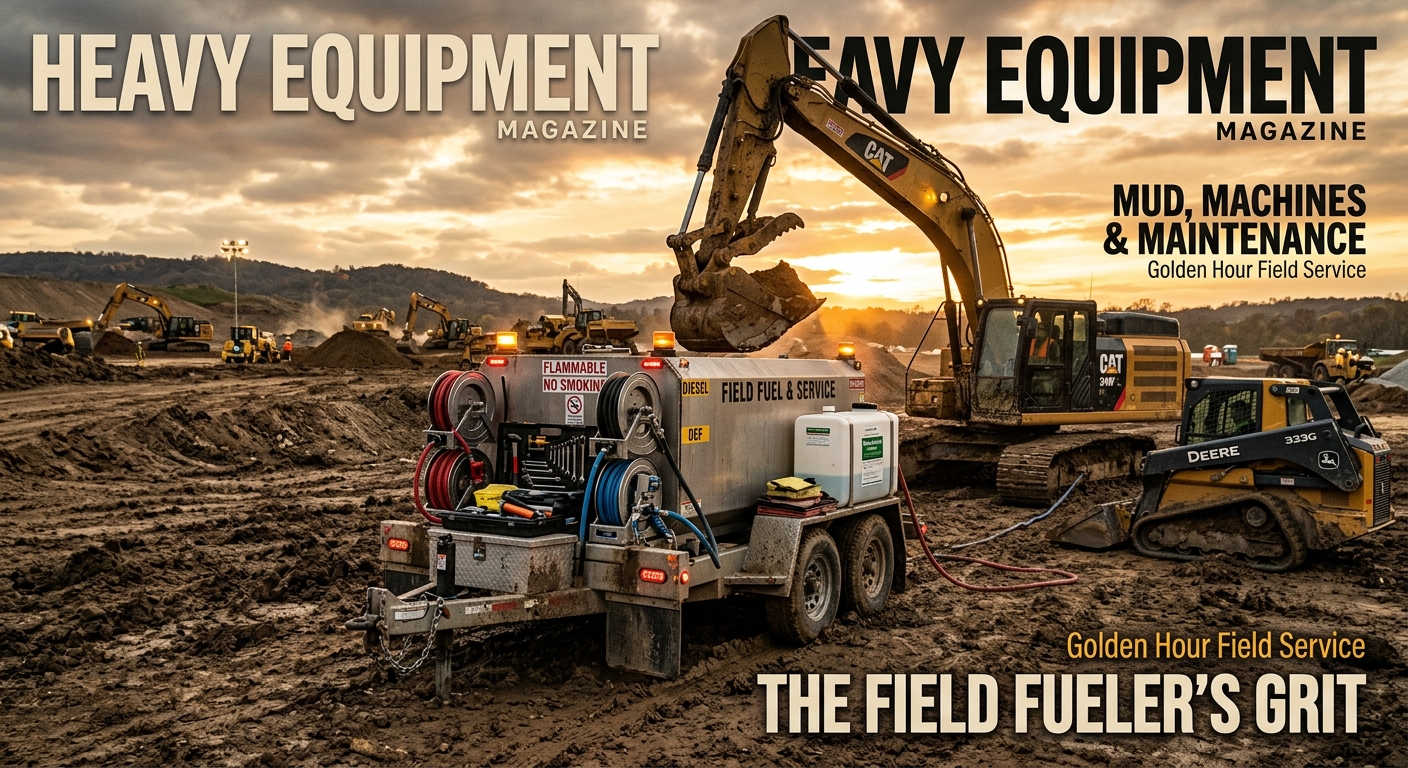
The Iowa trailer maker is not chasing the biggest iron on the job. It is focused on the support work that keeps machines from losing hours to fuel runs, oil changes, DEF handling, and field service bottlenecks.
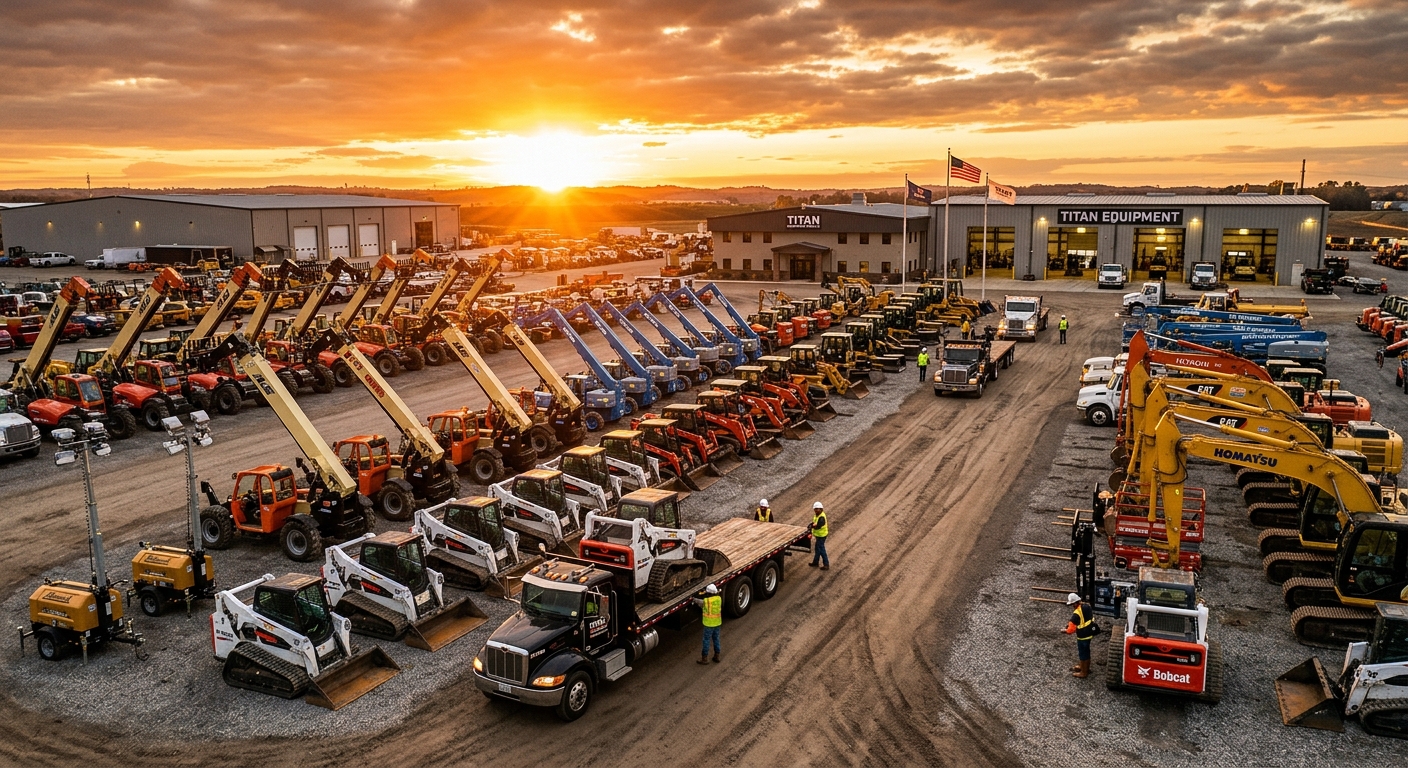
United Rentals, Herc, and the ARA forecast all point to the same rental market: demand is still there, but utilization, fleet mix, rates, and capital discipline matter more than raw fleet growth.
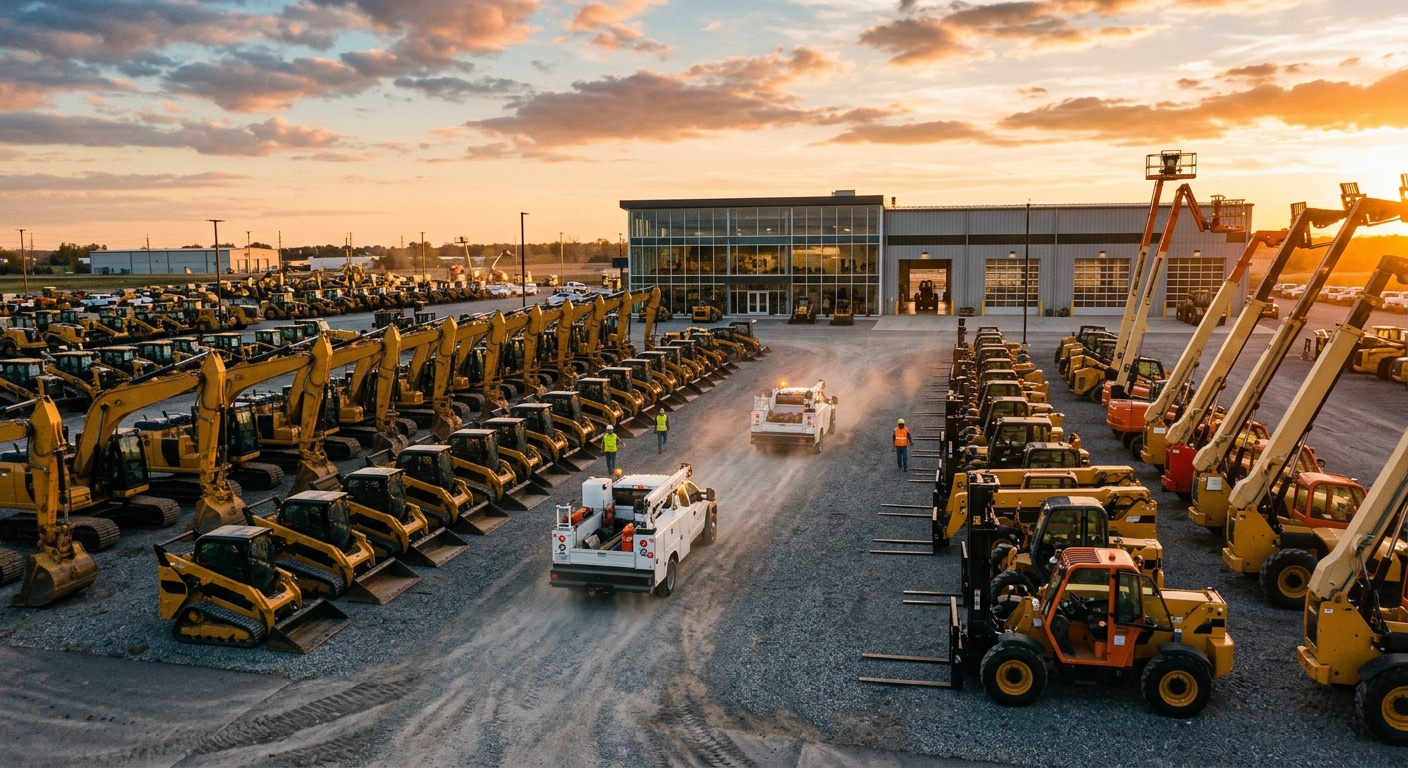
Alta Equipment Group has built one of the bigger dealer platforms in North America by stacking local equipment businesses into a broader sales, rental, parts, and service network. The interesting part is not the acquisition count. It is what happens after the logos get folded into one operating model.
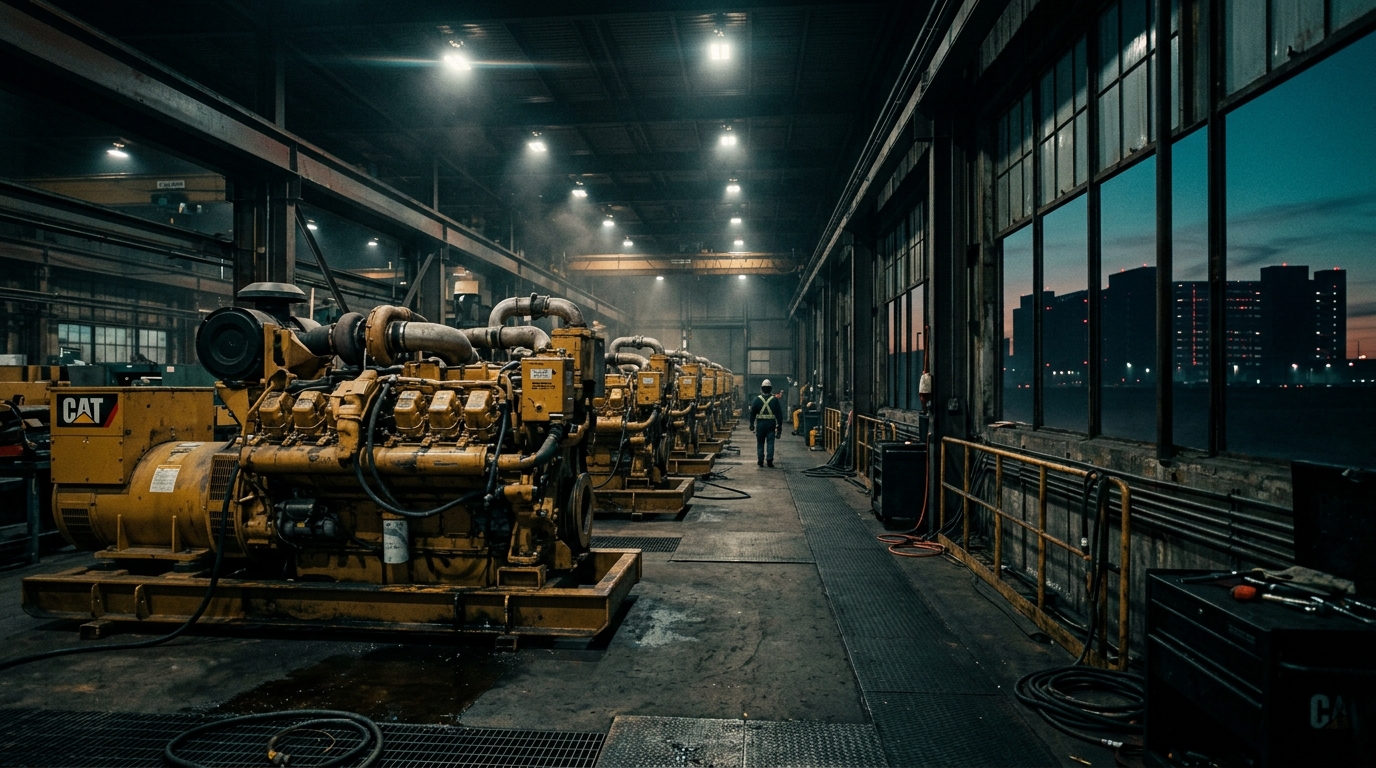
Caterpillar just printed a $17.4 billion quarter and a $63 billion backlog. Underneath the headline numbers, the mix is shifting. Power generation for data centers is pulling the company's center of gravity in a direction most contractors are not buying for.
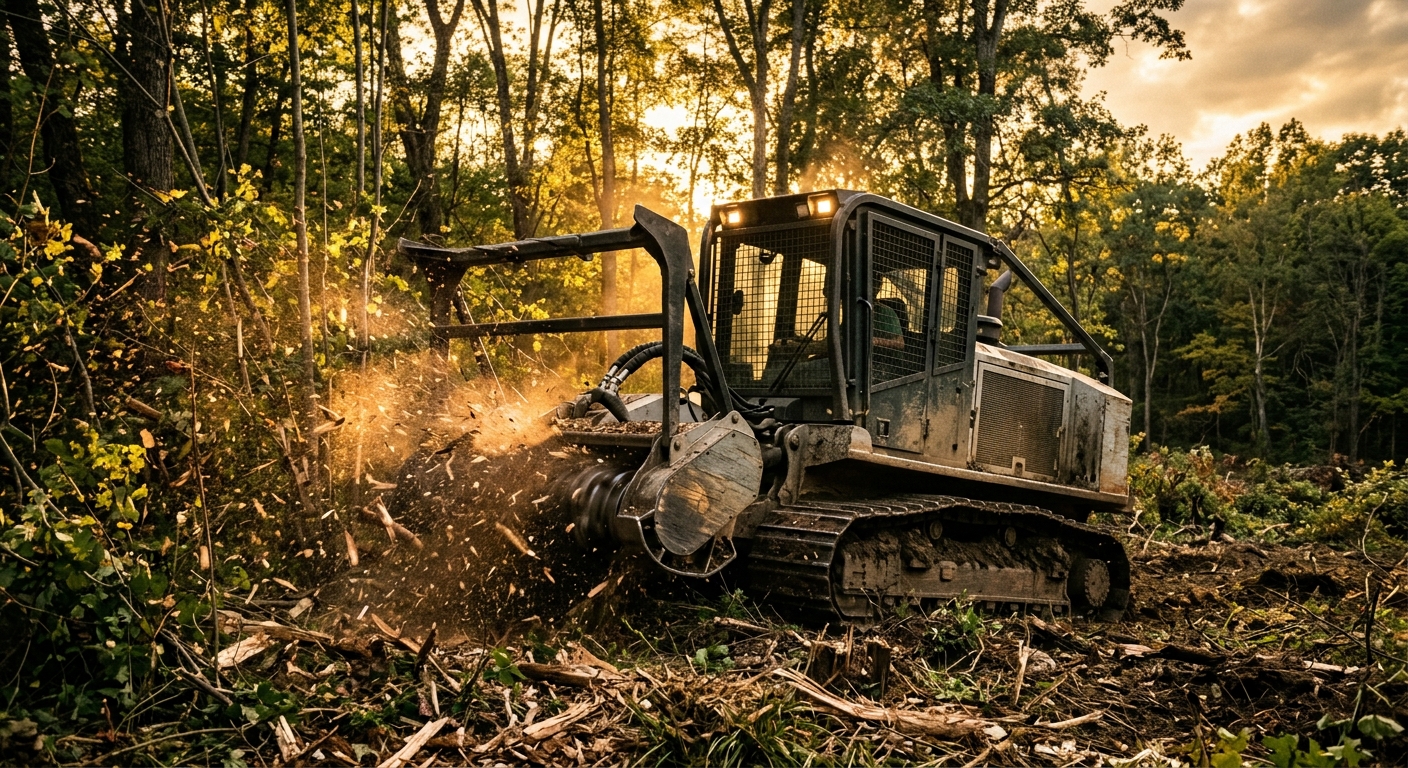
Fecon is not a general attachment brand with a forestry page tacked on. The Ohio manufacturer has spent decades around mulching heads, dedicated carriers, and the ugly applications where weak equipment gets exposed fast.
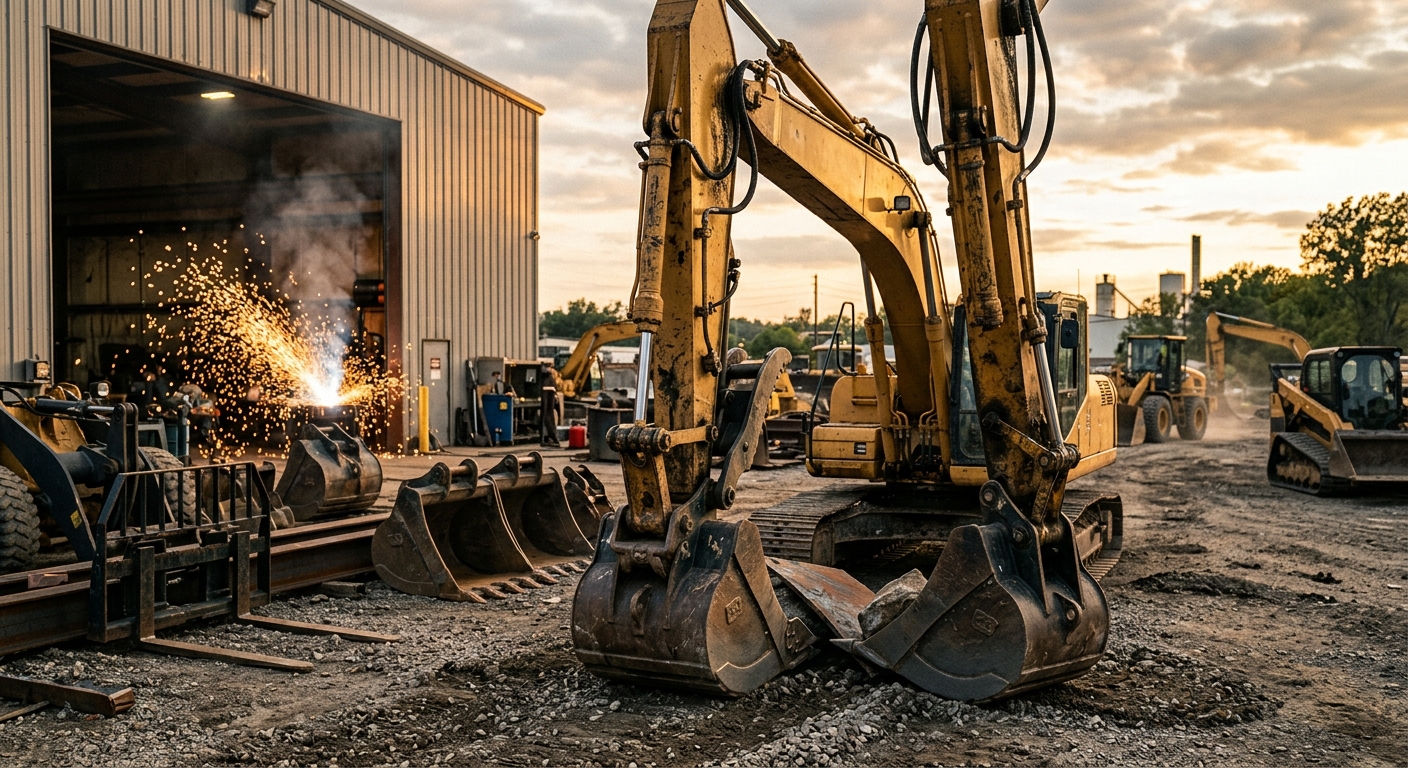
Werk-Brau is not chasing flashy iron. The Findlay, Ohio attachment maker has built its case around buckets, couplers, thumbs, forks, and the kind of dealer support that matters when a machine is waiting on the right tool.
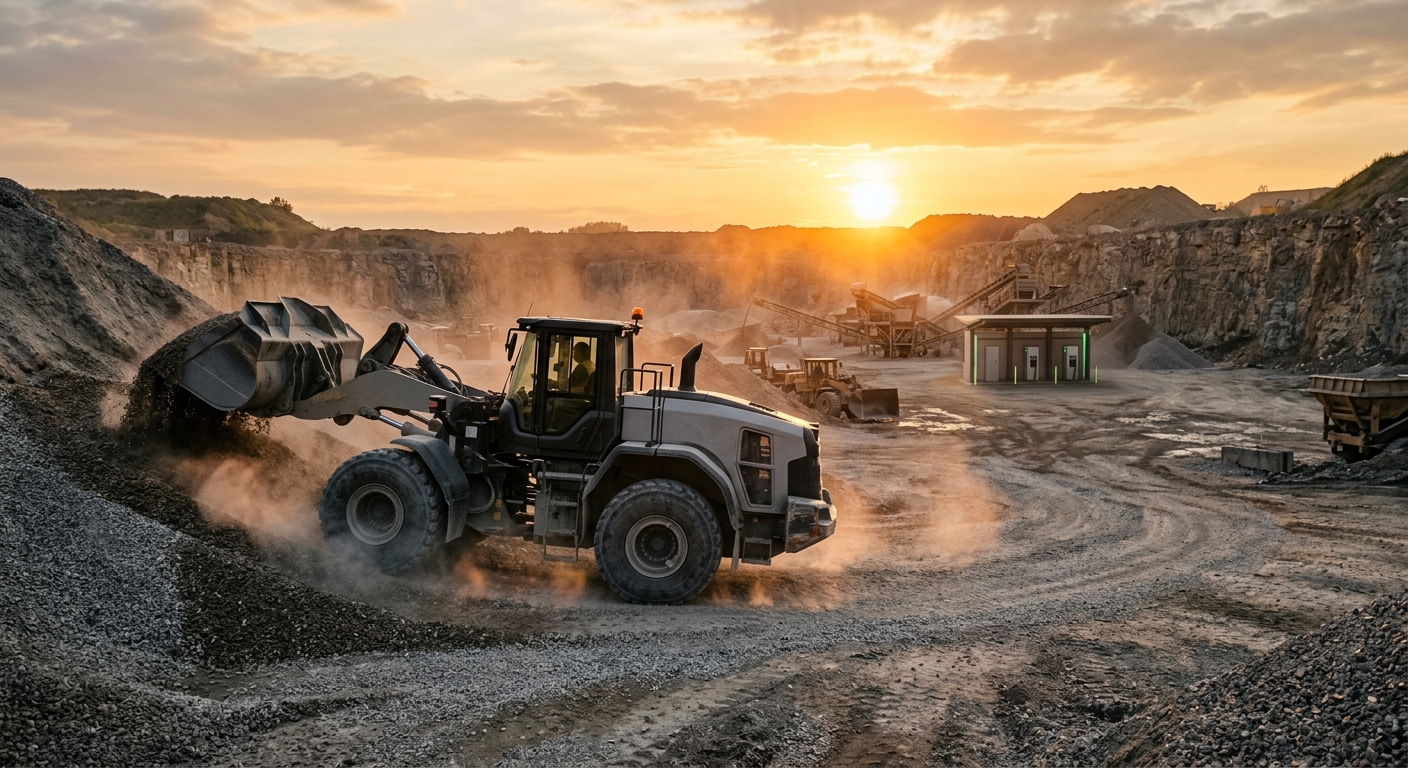
North America is still slow to adopt electric construction equipment, but the global market is not waiting for a perfect use case. Wheel loaders, compact machines, quarries, and controlled jobsites are showing where battery power actually makes sense.
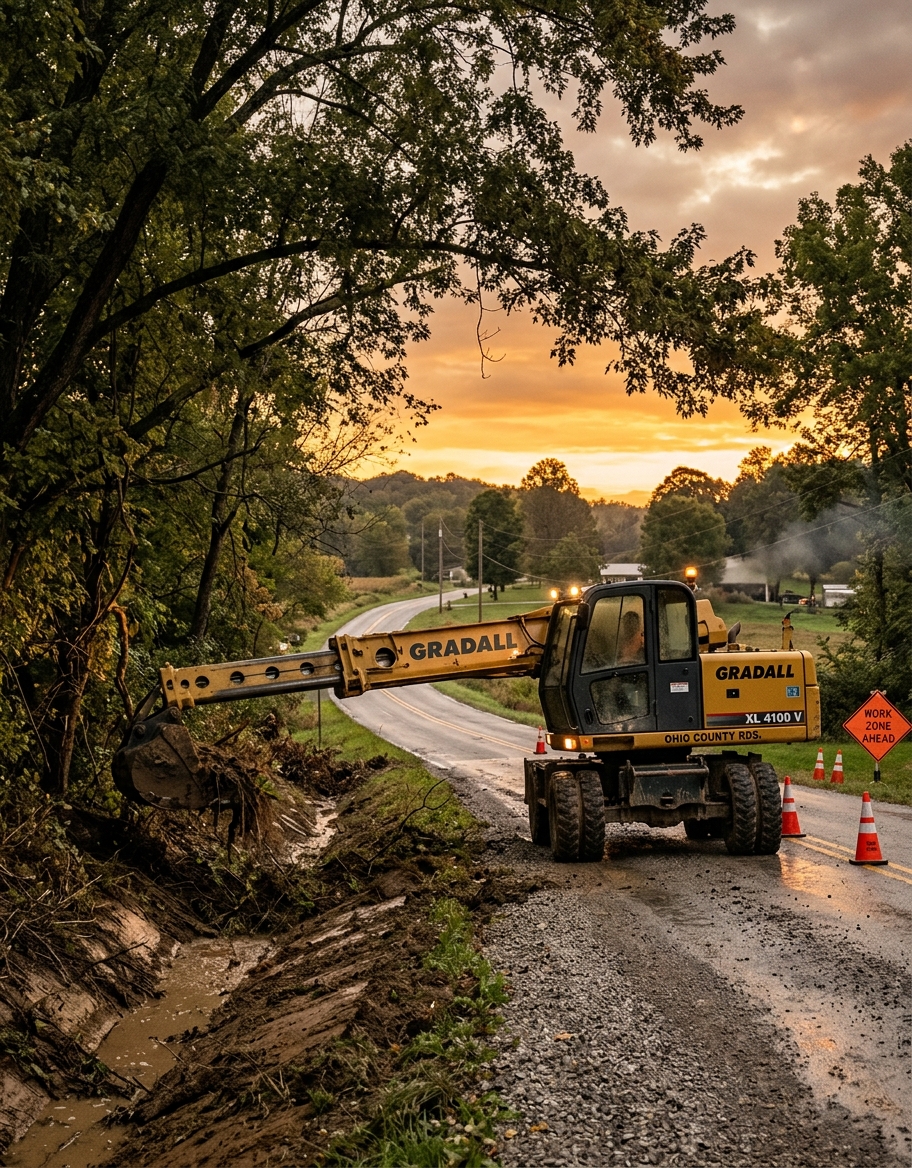
Gradall's 80th anniversary is more than an Ohio manufacturing milestone. It shows that the heavy equipment market still has room for odd, specialized machines that solve awkward jobs better than a conventional excavator.
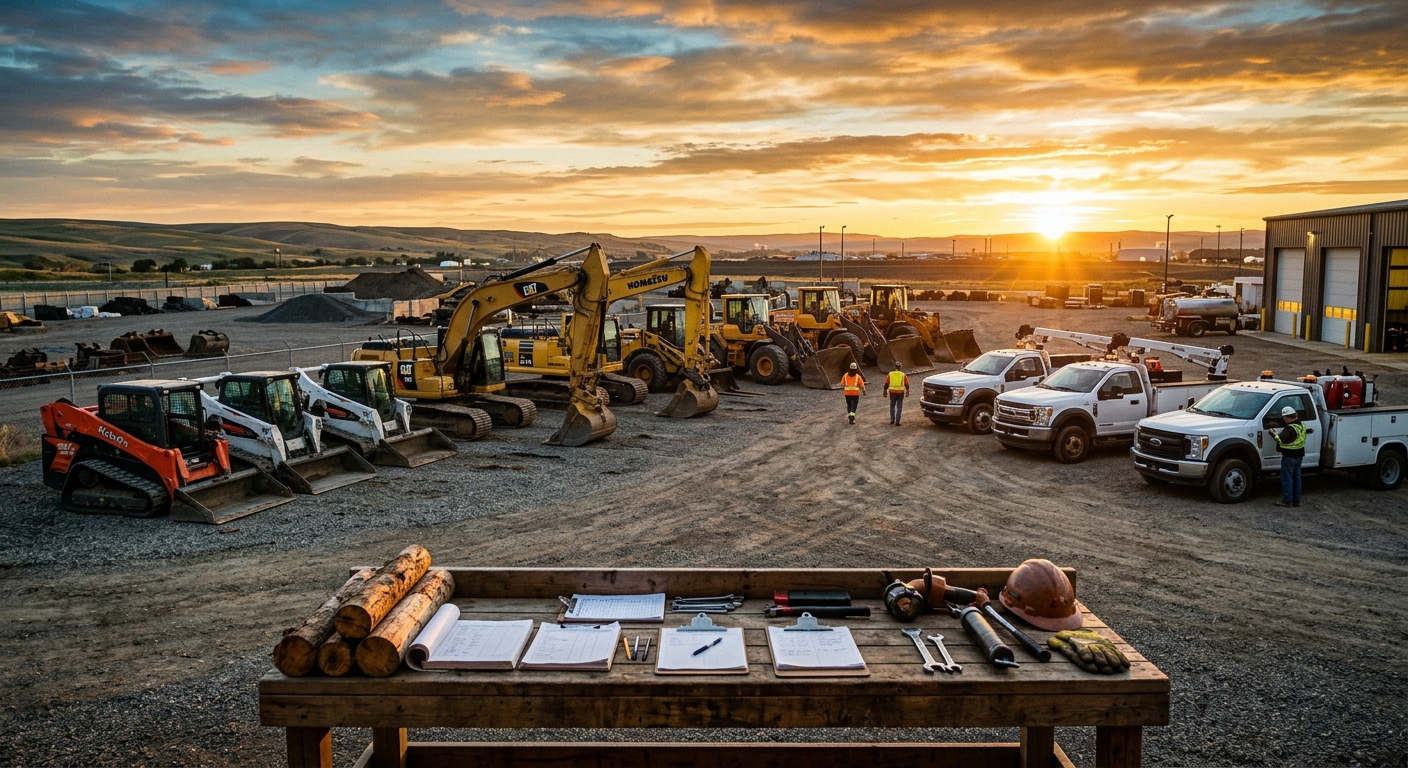
Equipment World's 2026 contractor survey shows most buyers are back in the market, but the real story is more cautious than the headline. Financing is still tight, replacement windows are longer, rental is absorbing risk, and in-house maintenance is now part of the buying decision.
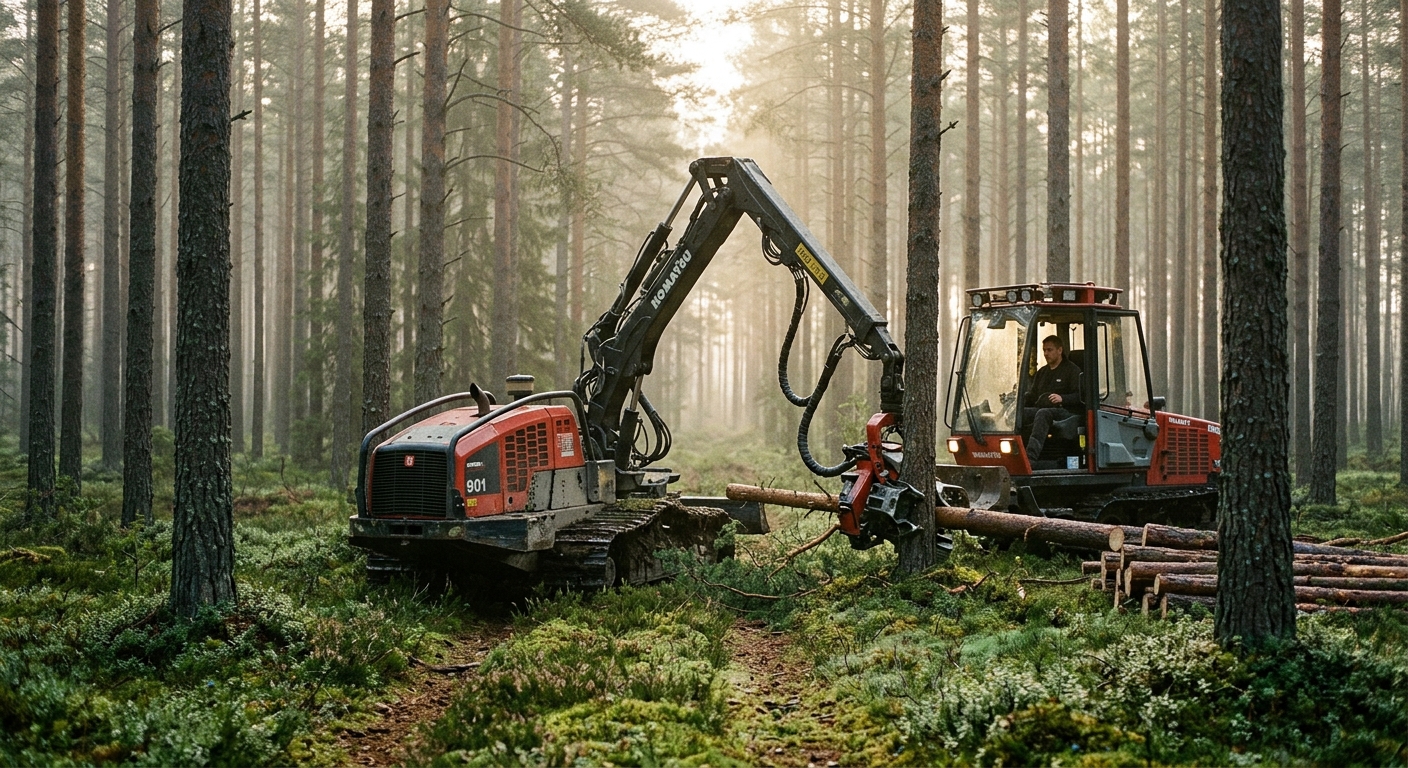
Komatsu Forest closed on Sweden's Malwa Forest AB on April 1. The deal lands lightweight, sub-2-meter cut-to-length harvesters and forwarders into Komatsu's lineup at exactly the moment thinning, fuel-load reduction, and soil-impact rules are reshaping where forestry contractors actually make money.
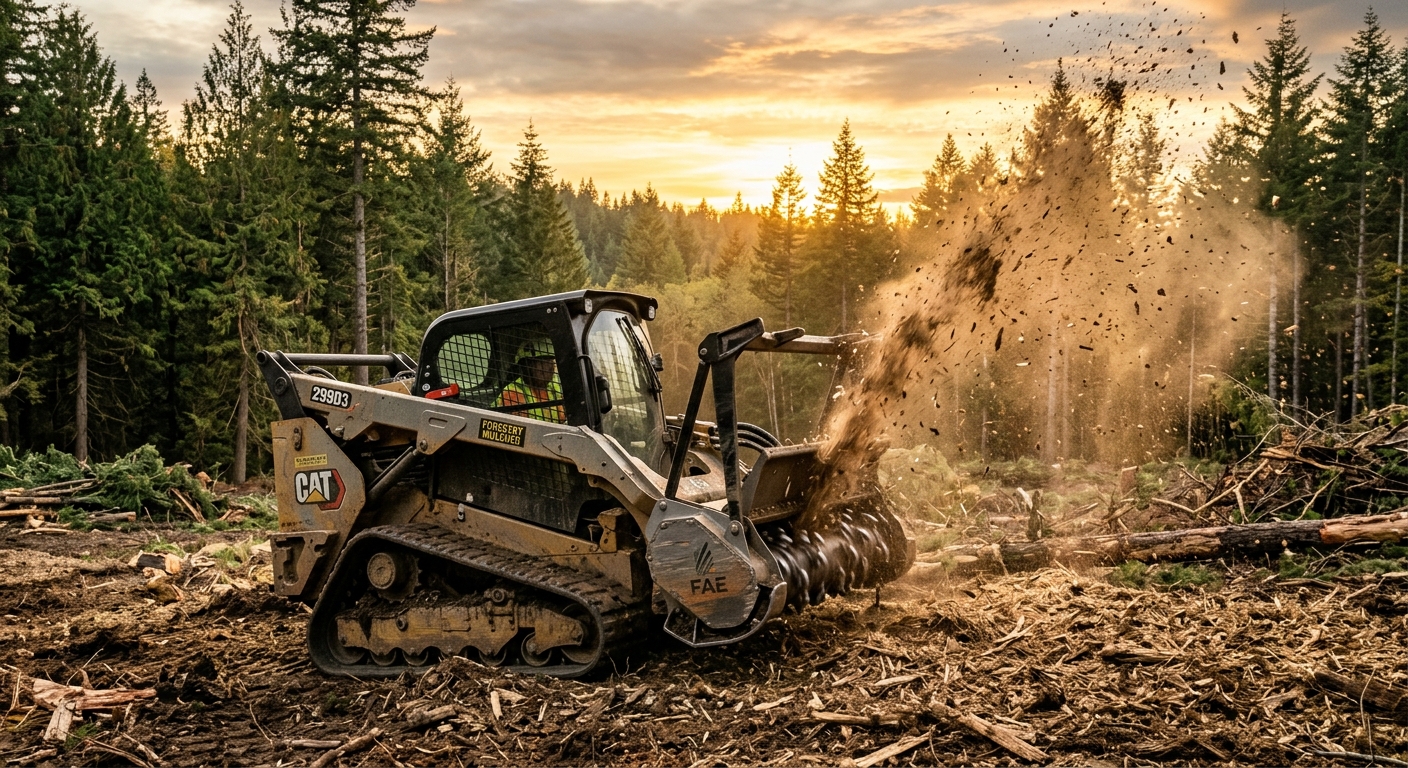
Kubota's new SVL110-3 is a 110-hp compact track loader aimed at high-flow attachment work. The bigger story is what it says about the next round of competition in land clearing, snow, milling, and material handling.
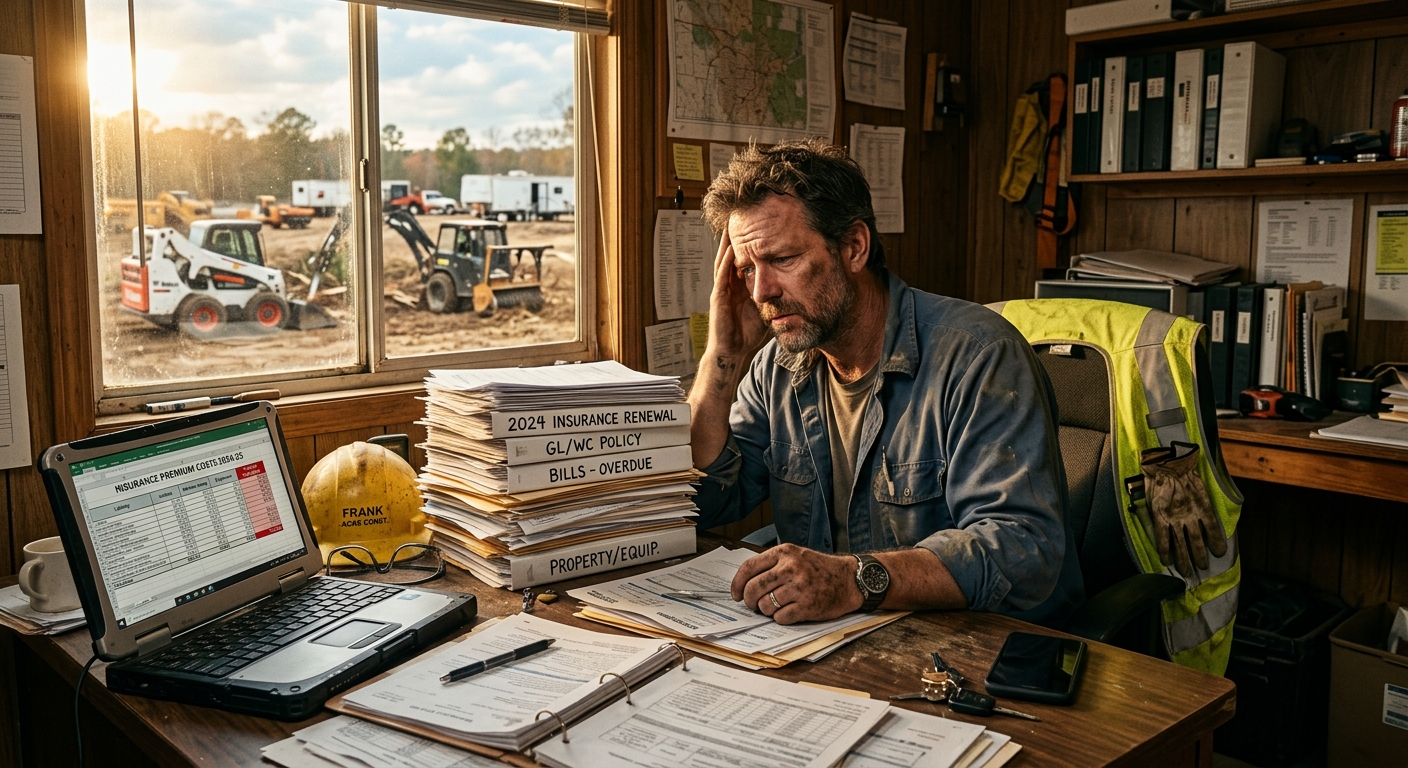
Between GL, auto, equipment, workers comp, and umbrella policies, you're probably paying more to be insured than to run your machines. Nobody talks about it, and it's quietly bankrupting small operators.
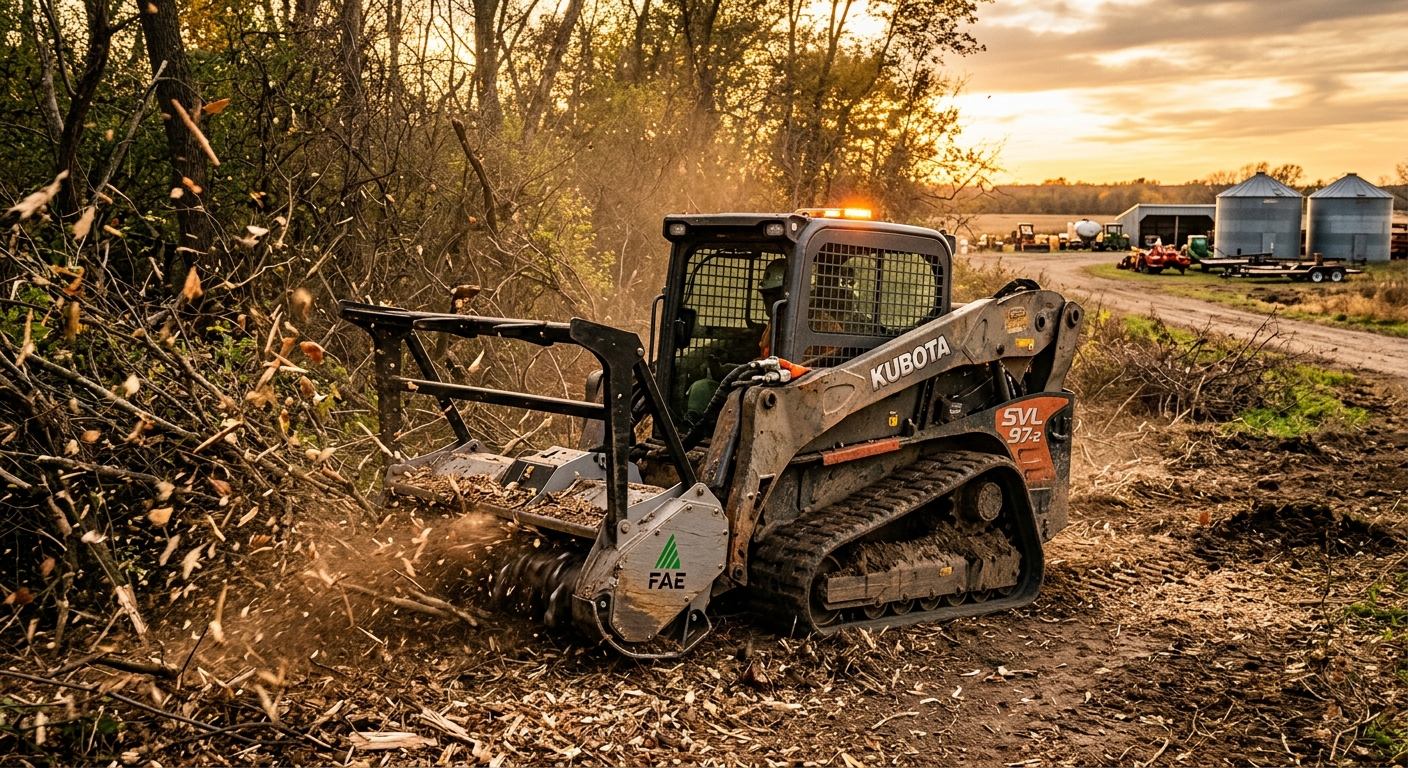
Loftness started with a farm-built snow blower in rural Minnesota and turned that idea into a long-running equipment business by diversifying hard, staying close to ugly work, and eventually becoming employee-owned.
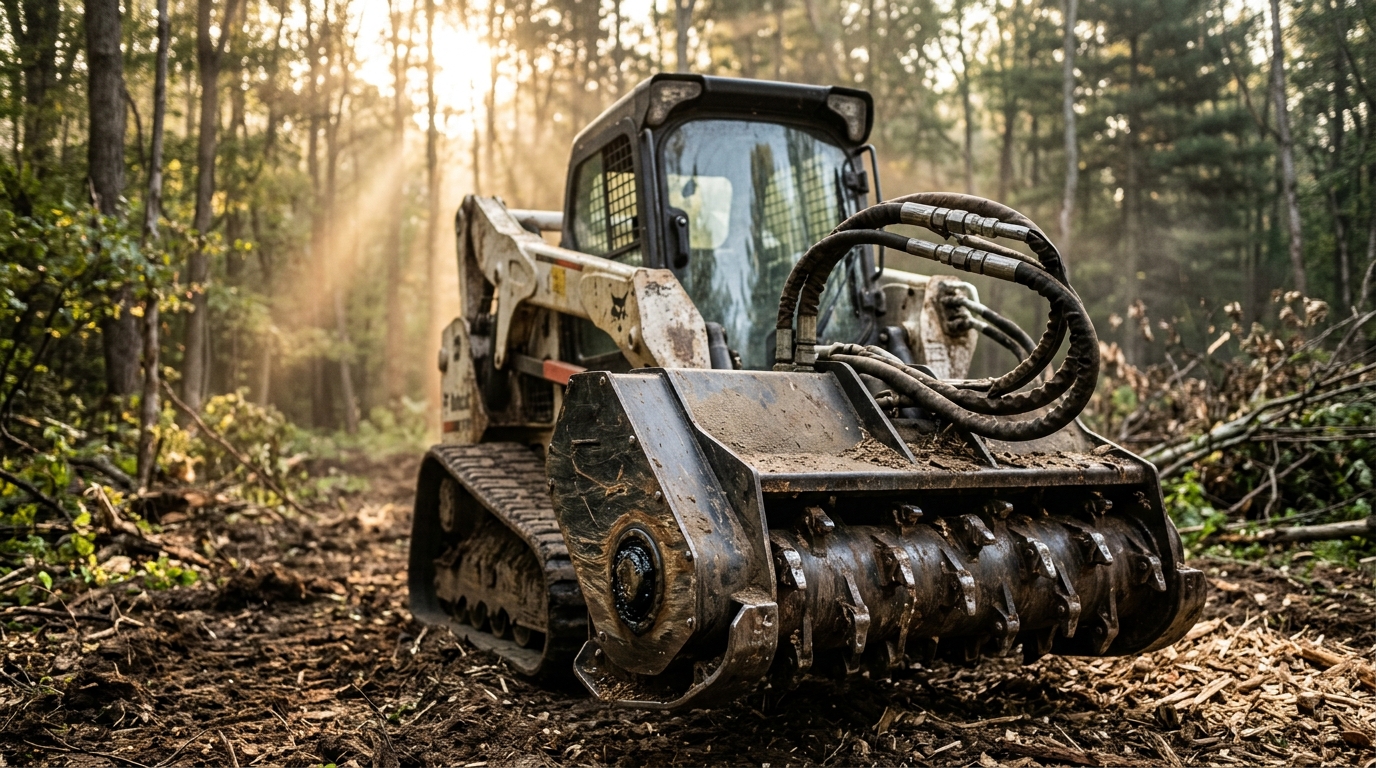
Most operators inspect the carrier and call it done. The attachment is where the money actually leaks out — through worn teeth, tired bearings, soft hoses, and a mounting interface nobody photographs at the end of the season. A real spring audit takes a few hours and saves a few thousand dollars.
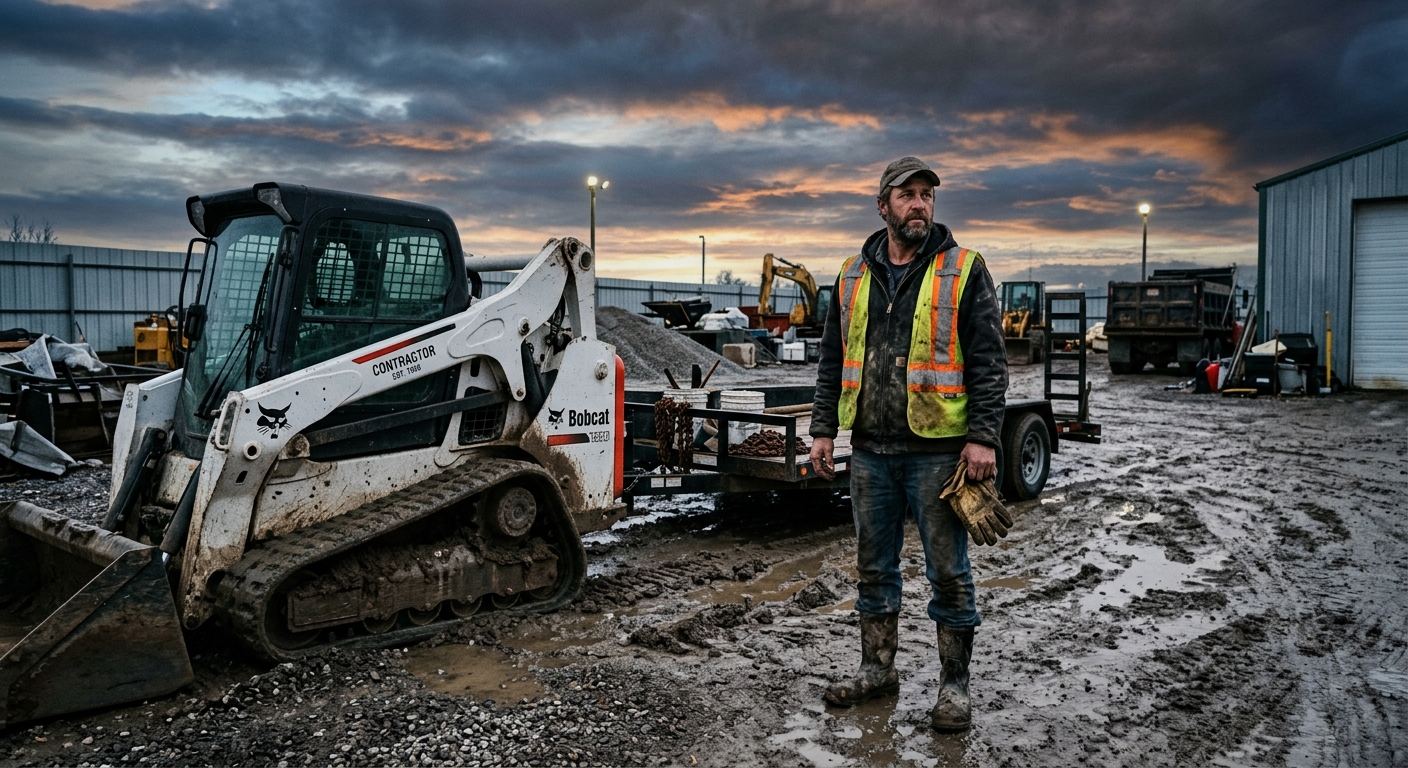
Insurance used to feel like a cost of doing business. Now it feels like a second payroll, except this one shows up every month, does nothing to help you win jobs, and still gets more expensive every year.
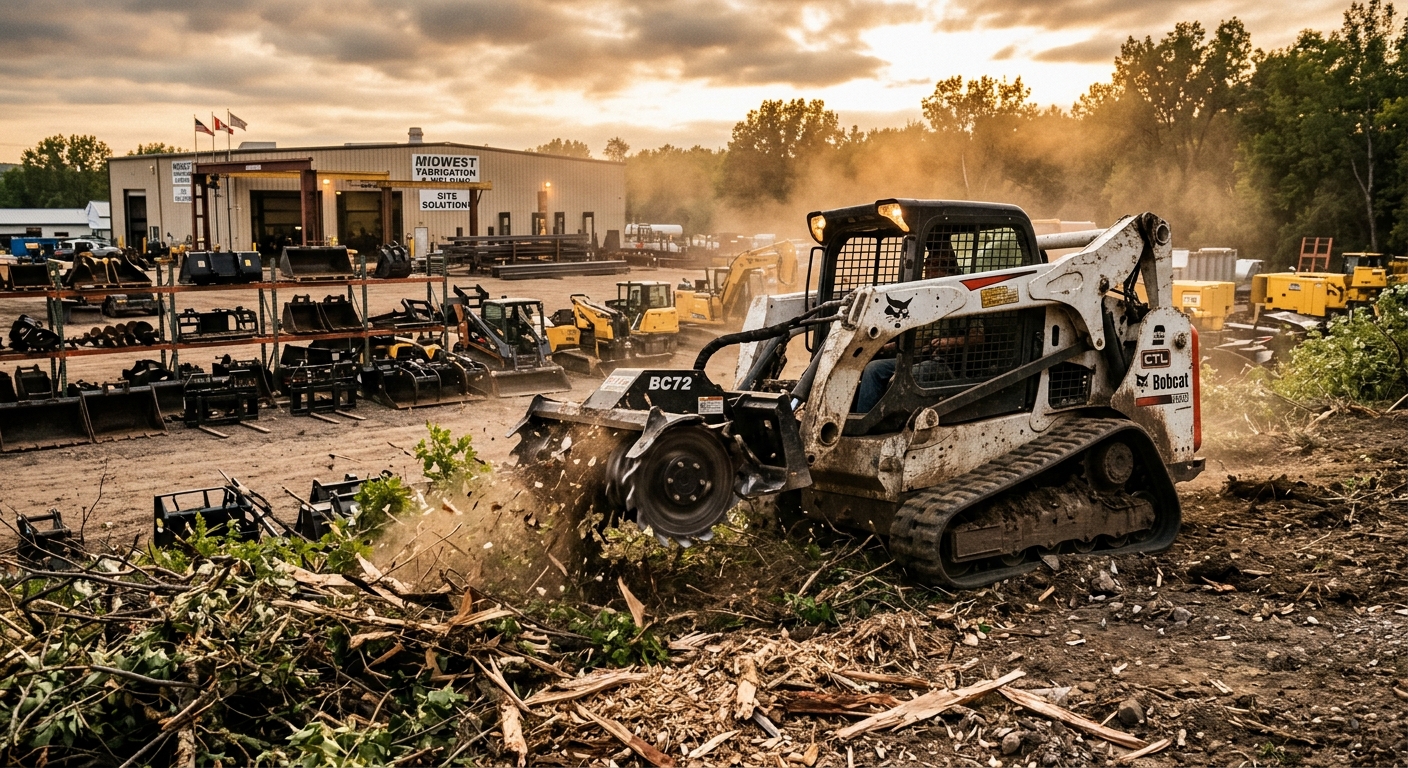
Virnig Manufacturing grew from a two-car garage in rural Minnesota into a multi-facility attachment maker by staying focused on compact equipment, in-house production, and the kind of product categories dealers can actually move.
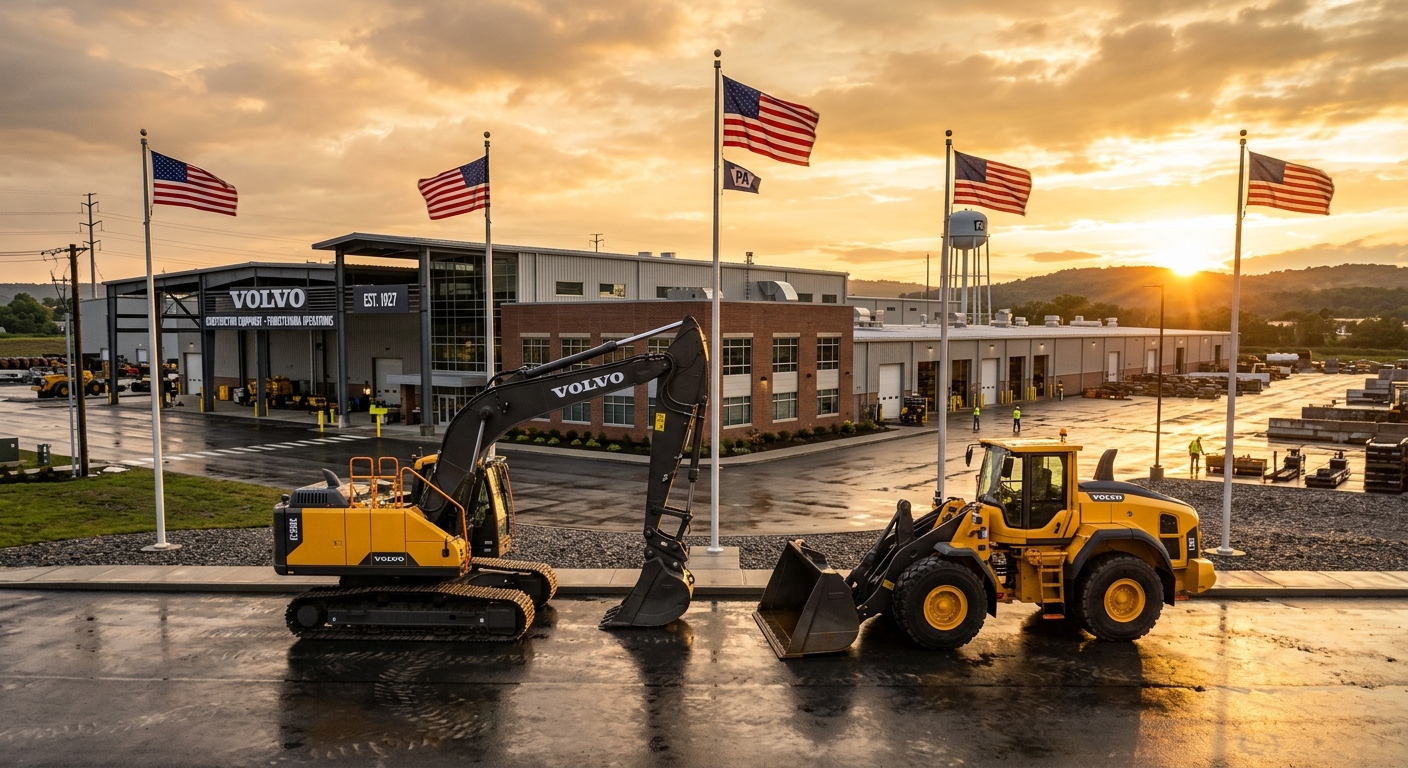
Volvo Construction Equipment plans to build crawler excavators and four additional large wheel loader models in Shippensburg, Pennsylvania, part of a $261 million global manufacturing push that could shorten lead times and shift more supply closer to North American buyers.
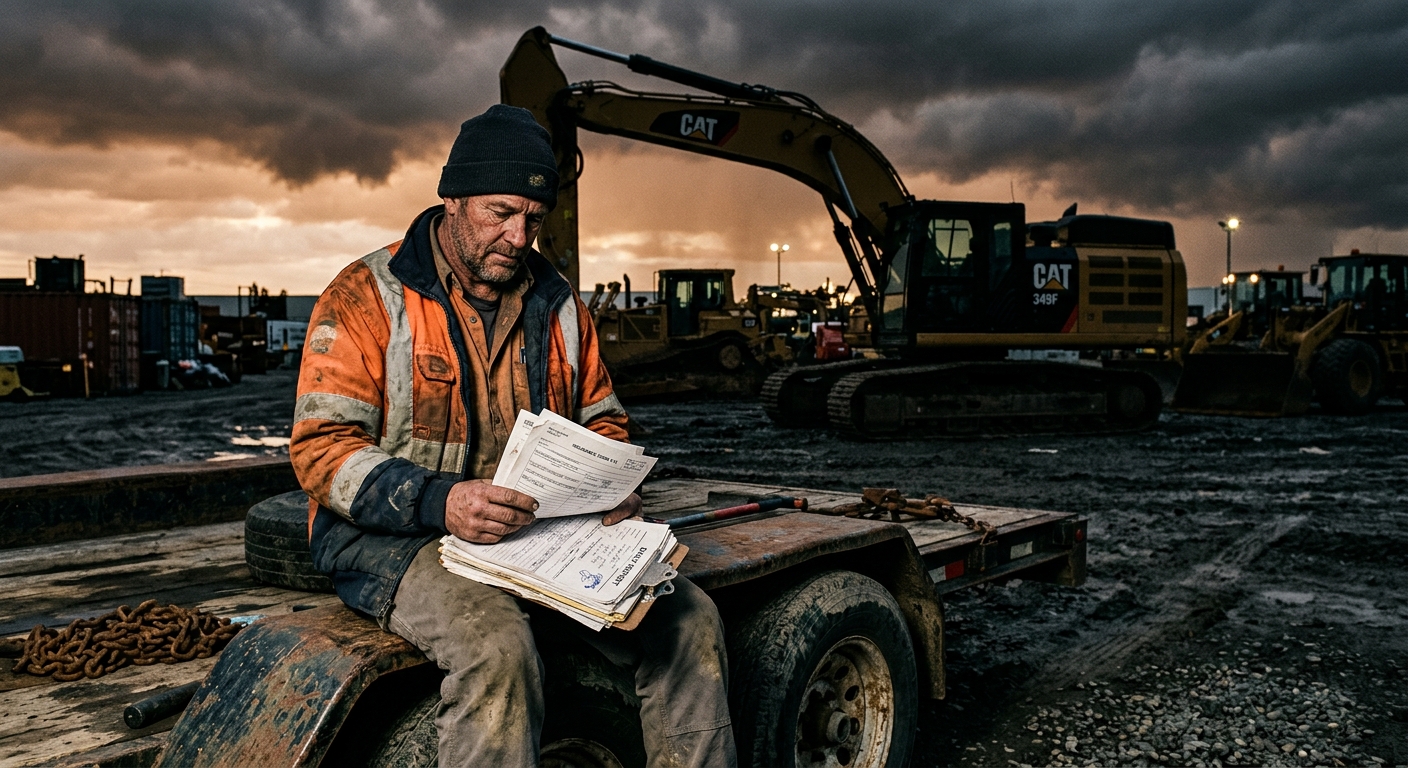
Most operators obsess over fuel, repairs, and payments while insurance drains profit in the background. I've watched premiums climb so fast they can wipe out the margin from a solid month of work.
Most operators obsess over fuel, repairs, and payments while insurance drains profit in the background. I've watched premiums climb fast enough to wipe out the margin from a solid month of work.
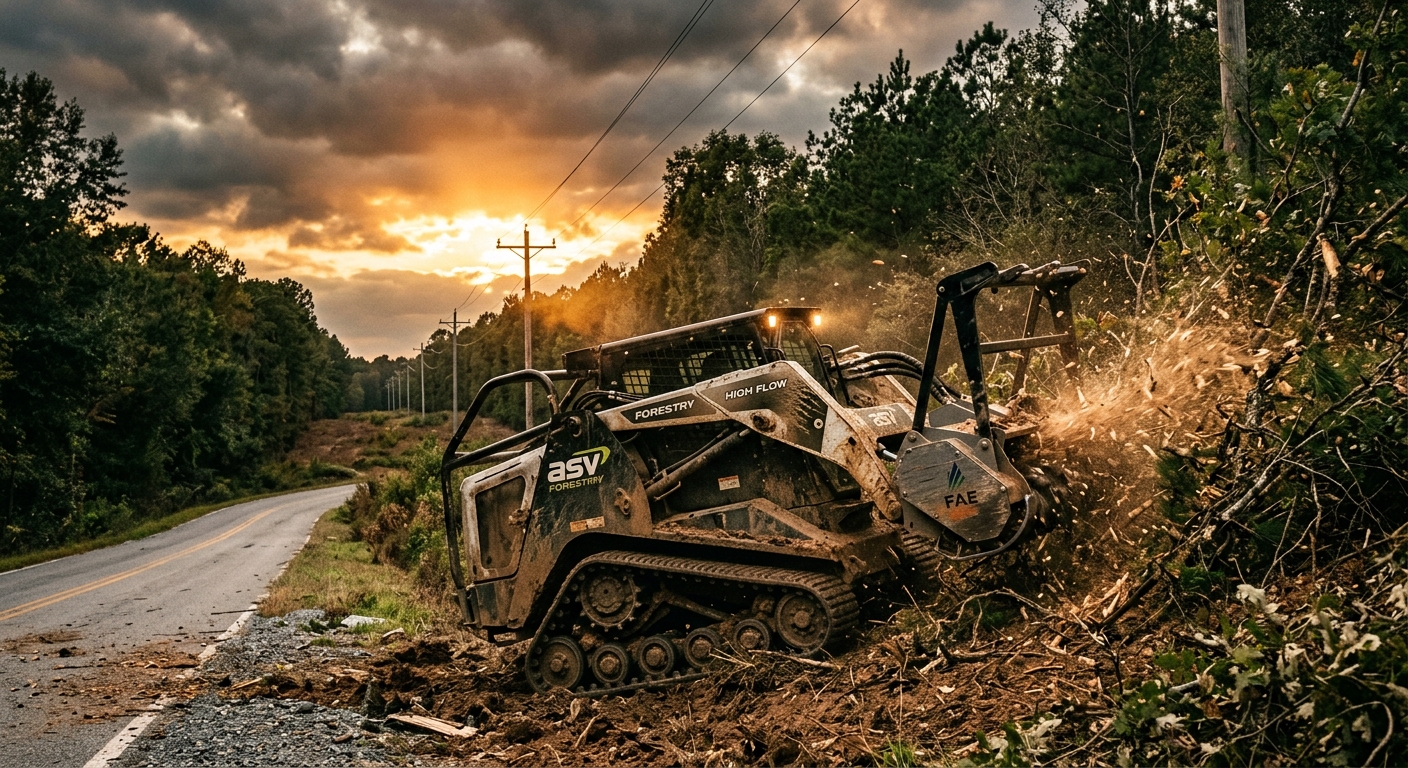
Big OEM launches get the headlines, but some of the most durable demand in equipment sits in the attachment market for mowing, mulching, stump grinding, and roadside clearing. That corner of the business keeps winning because the work never really goes away.
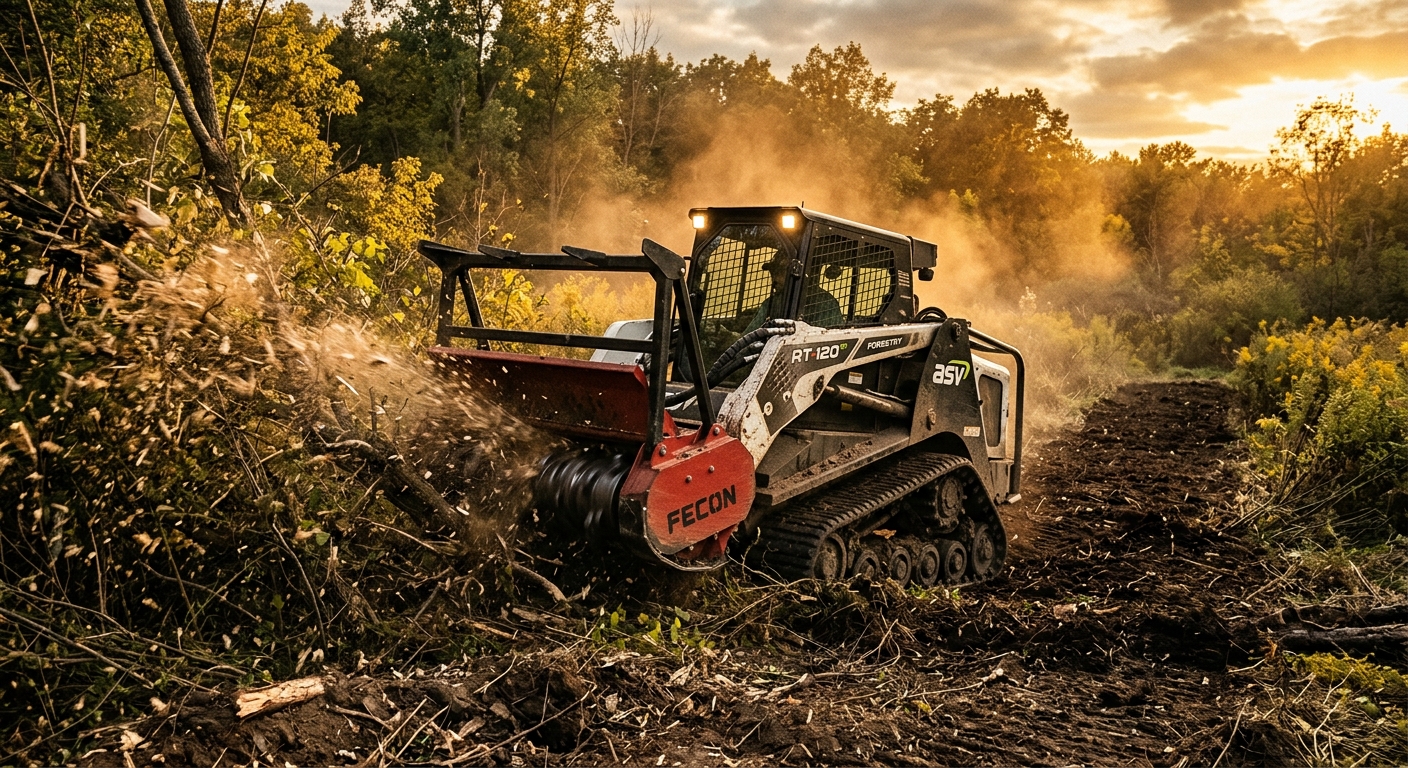
Diamond Mowers is not trying to be a giant OEM. The Sioux Falls manufacturer built its business around the harder, less glamorous side of the market: mowing, mulching, brush cutting, and the support network required to keep those tools working in the field.
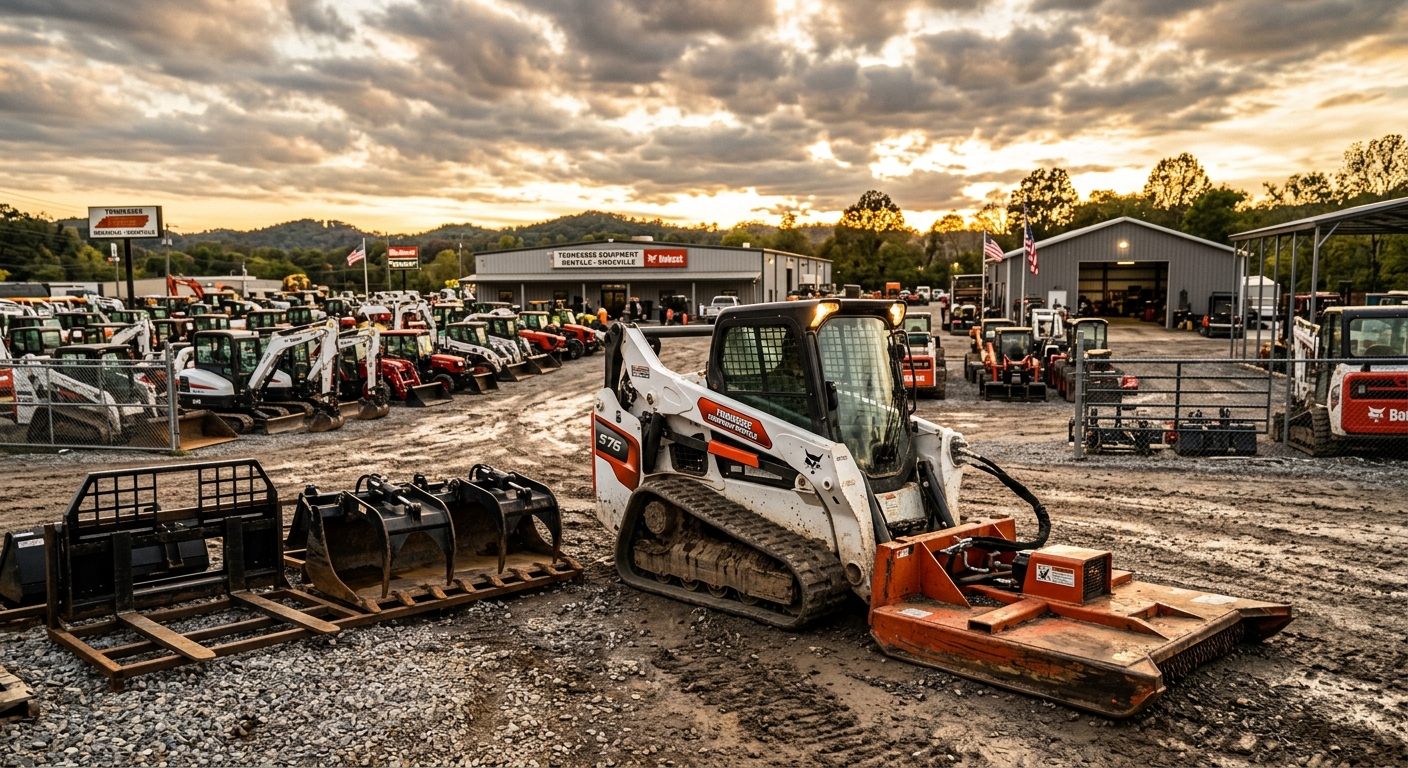
Blue Diamond Attachments is not an OEM giant, and that is exactly what makes it worth watching. The Knoxville-based company built its business around the reality that margins, uptime, and dealer relationships often hinge on the attachment, not just the carrier.
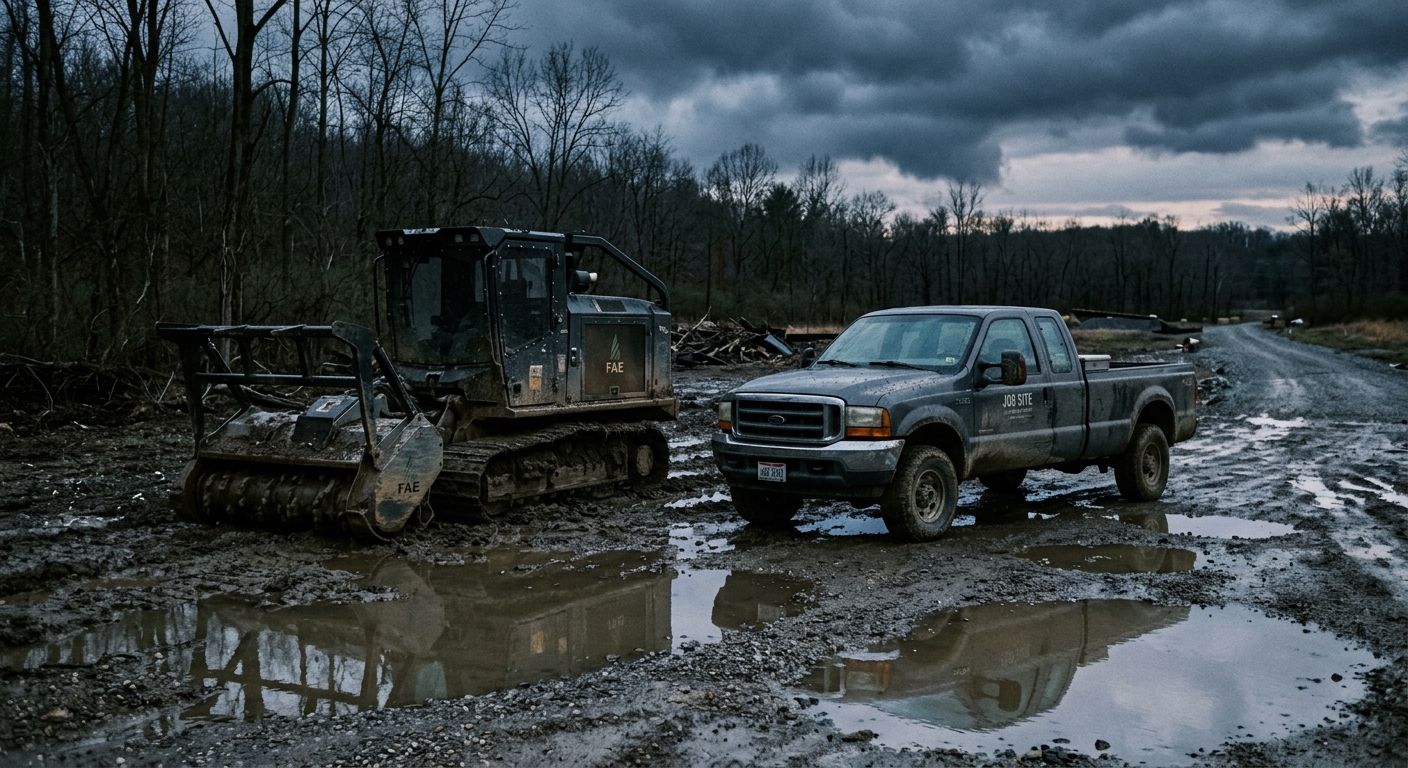
A lot of operators think fuel, repairs, or payroll are their biggest silent cost. I think it's insurance, because every year we pay more, fight harder for coverage, and somehow get less protection in return.
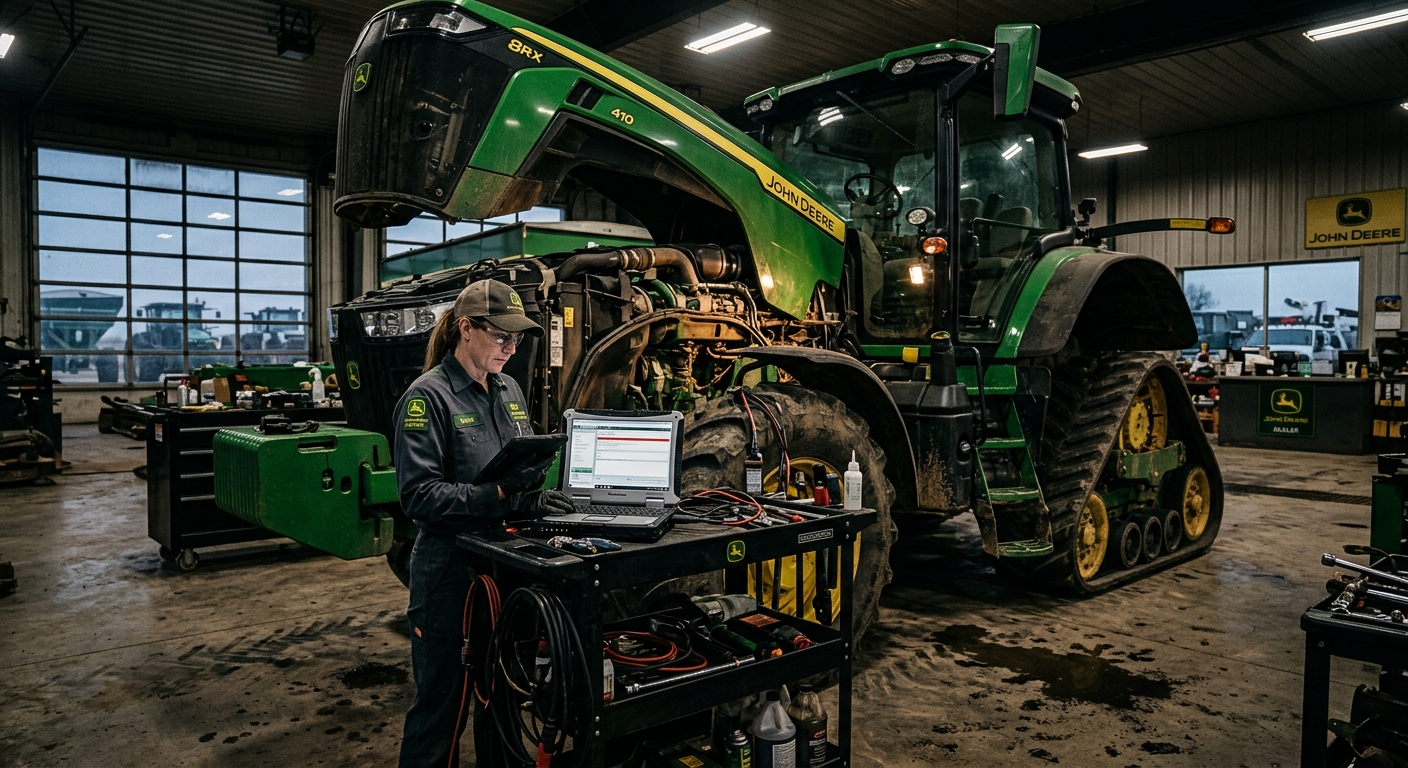
Deere says the settlement ends a closely watched repair-services lawsuit with no finding of wrongdoing. For equipment owners, the real question is what access looks like in the shop and in the field.
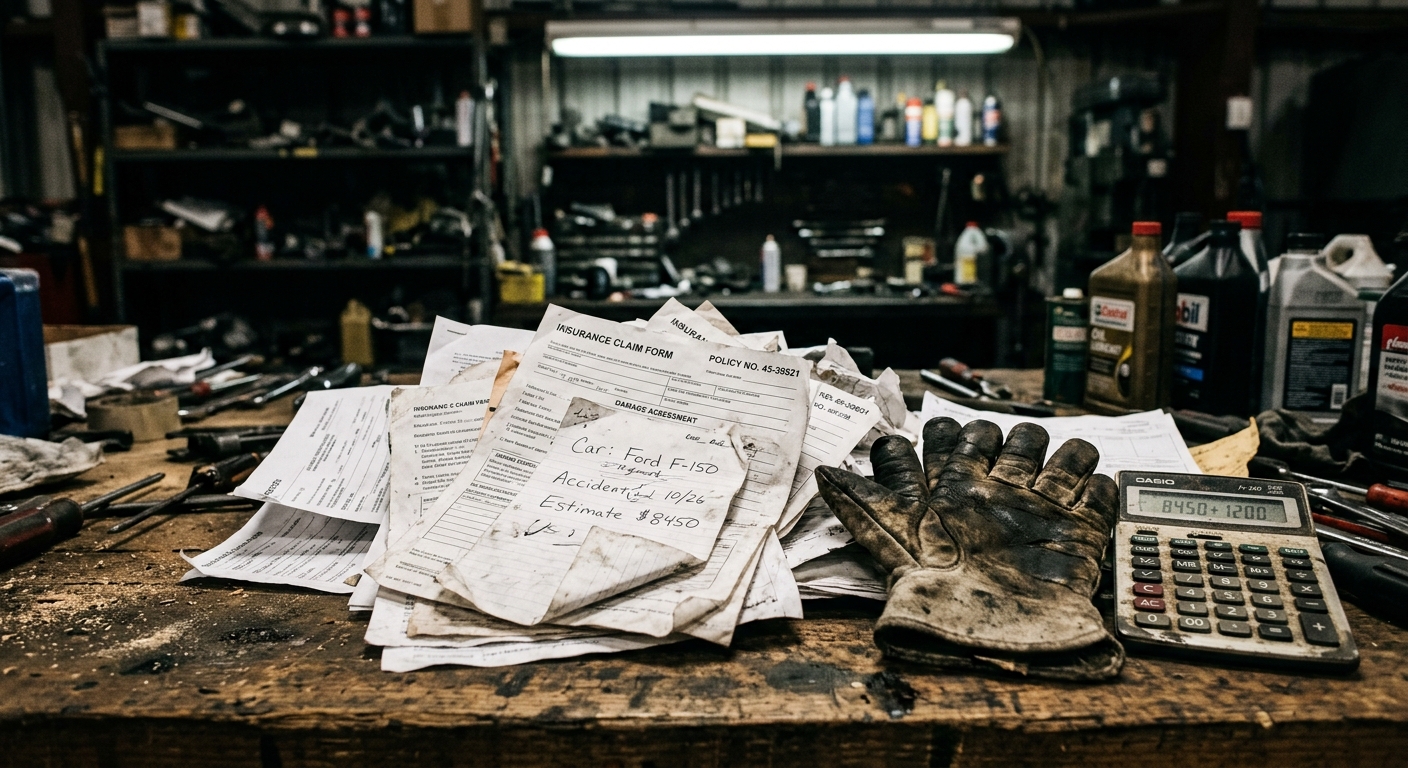
Insurance costs for equipment operators are out of control and nobody talks about it. Between GL, equipment, auto, workers comp, and umbrella policies, you're paying more to be insured than to run your machines.
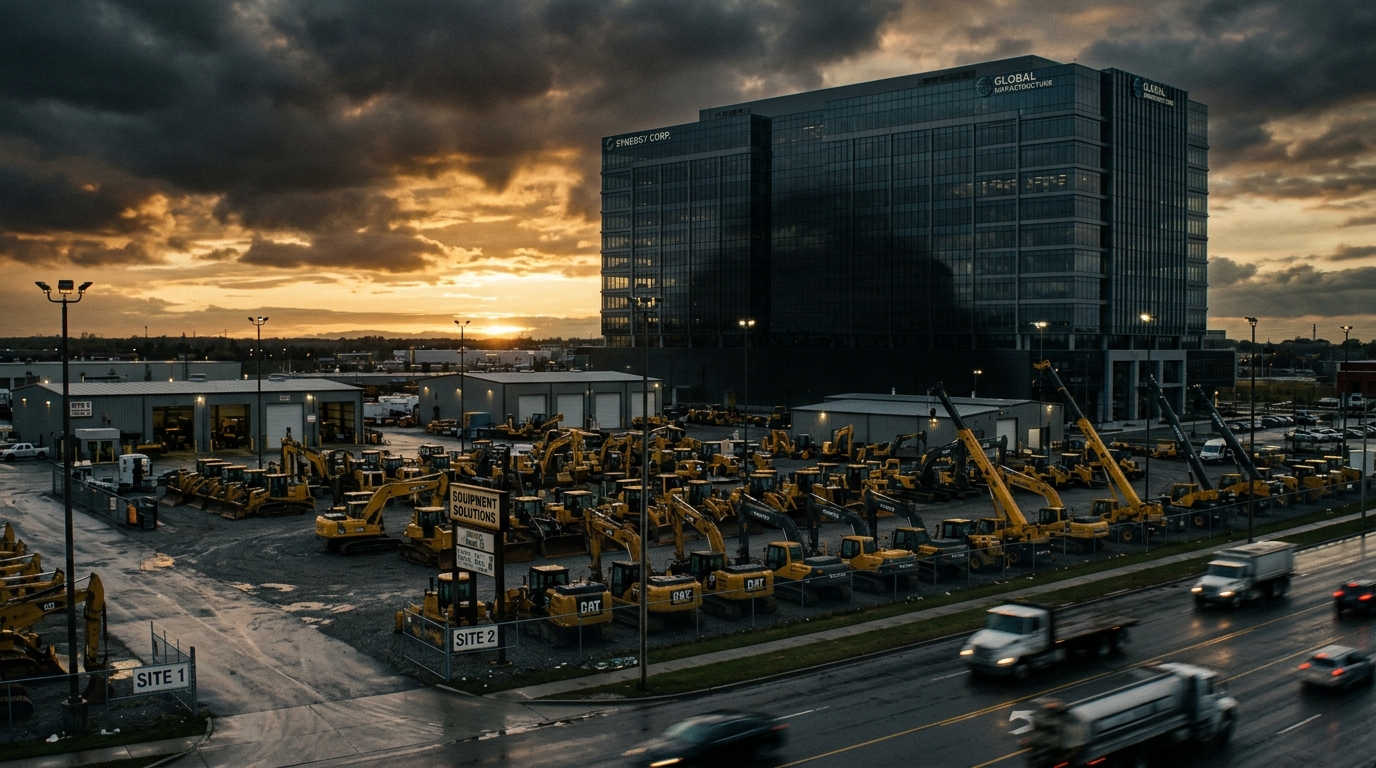
Private equity is buying up equipment dealers and rental houses at a record pace. The industry is reorganizing around scale, and contractors are about to feel the effects.
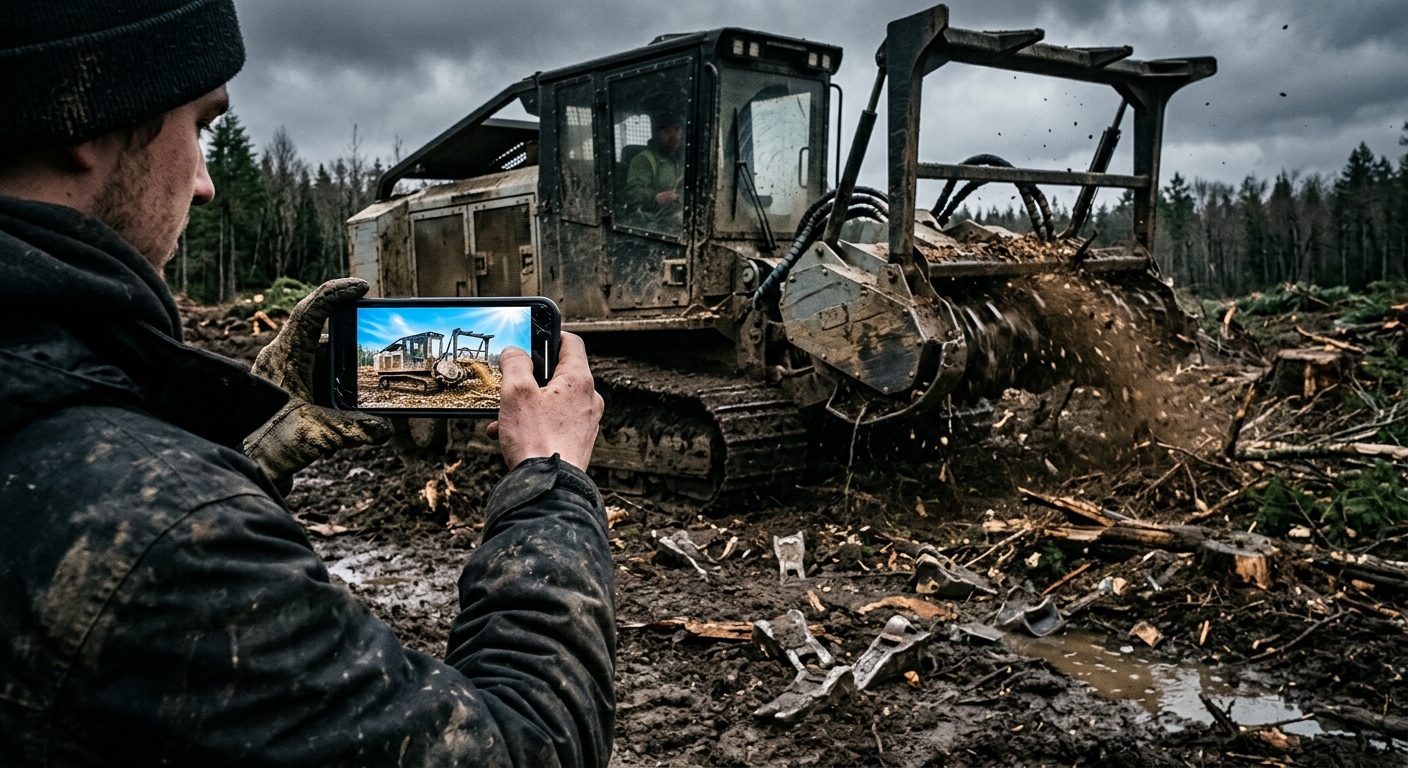
YouTube and Instagram make land clearing look like easy money. They skip the part where your hydraulic line blows at 2pm on a Friday and your whole week goes sideways.
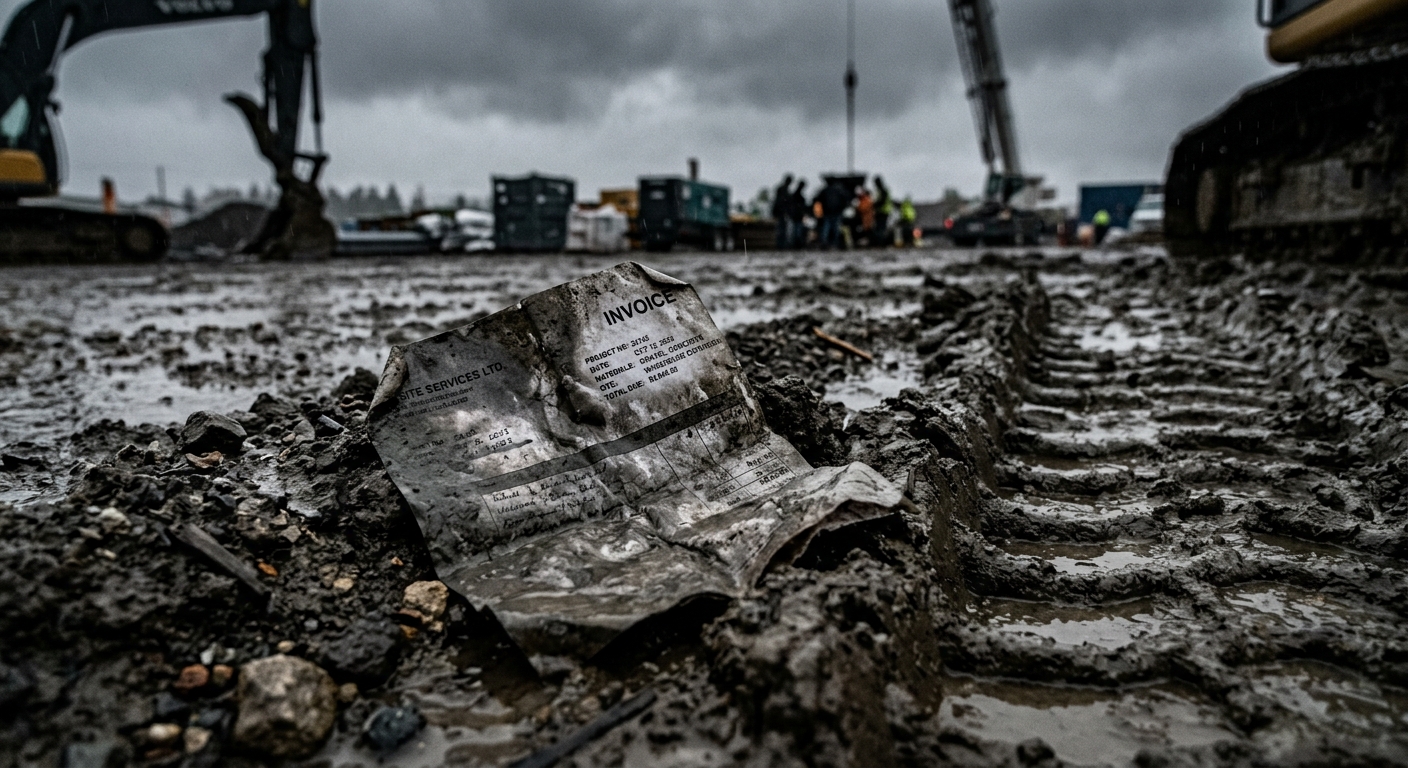
The race to the bottom on pricing is killing small operators. I've watched guys underbid jobs by thousands, work for nothing, and then sell their iron six months later. Here's why cheap work is expensive.
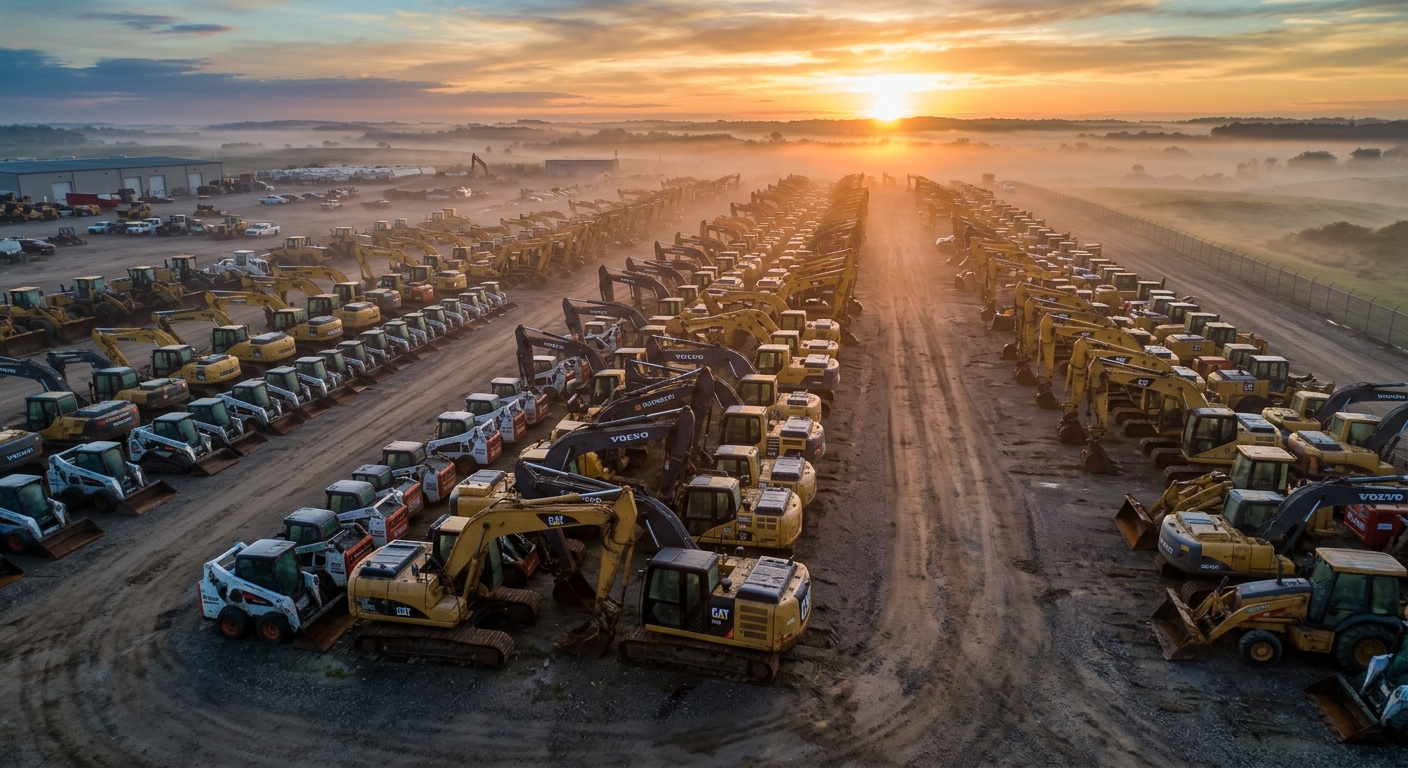
New research from Teletrac Navman surveyed 600 fleet operators and found that 40-50% of equipment is underutilized. The problem isn't a lack of data — it's that nobody can use it.
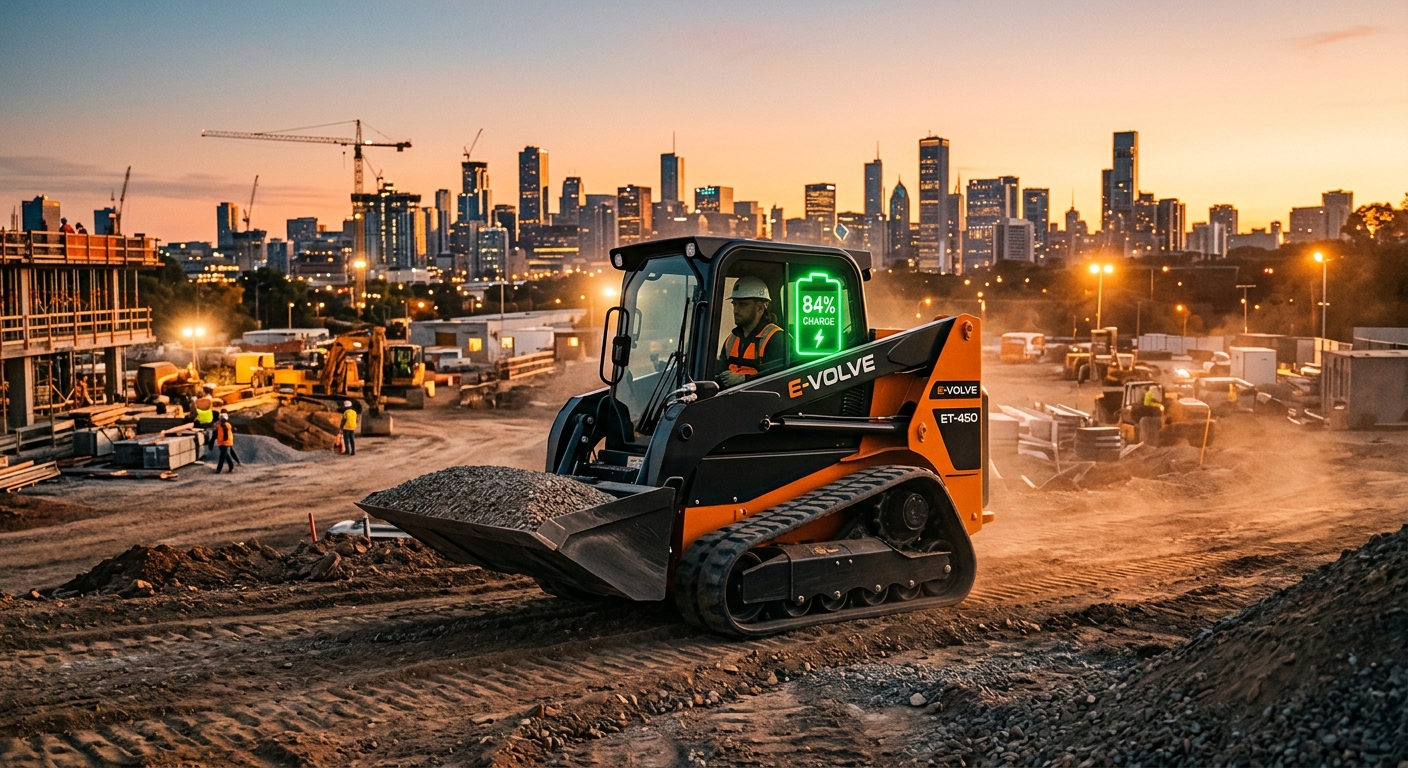
Battery costs are falling fast, every major OEM has skin in the game, and rental fleets are buying in. The electric compact equipment market isn't coming — it's here.
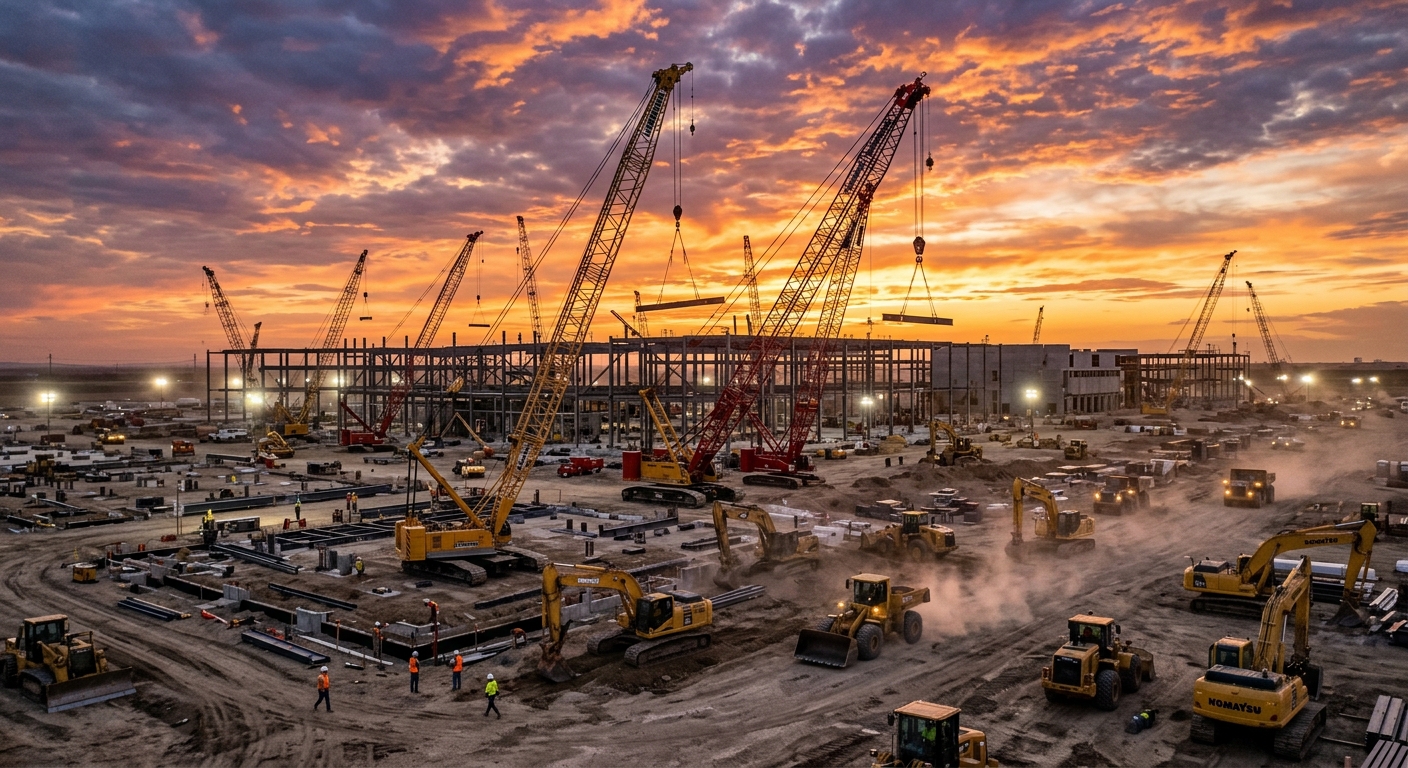
An $86 billion wave of data center construction is reshaping what heavy equipment gets built, who buys it, and where the work is. Here's what it means for the industry.
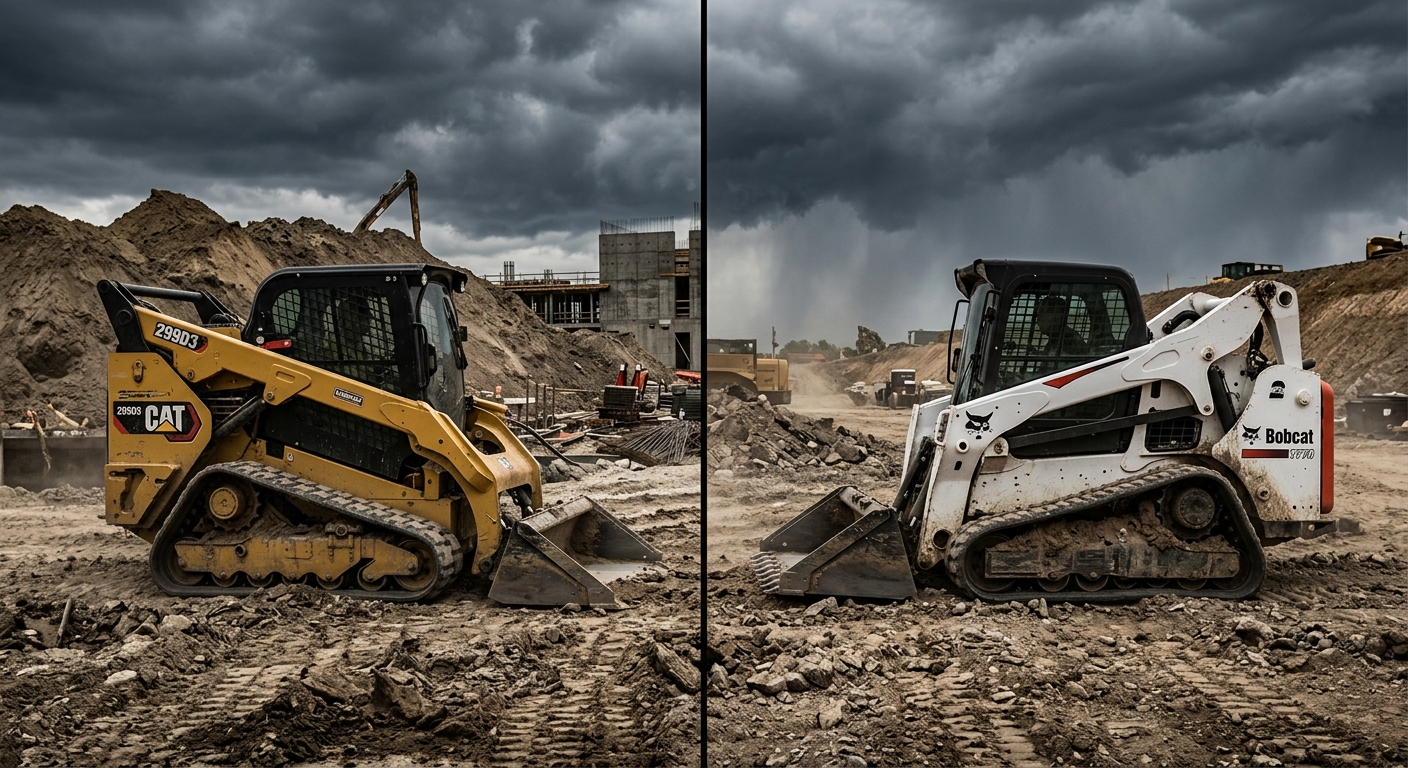
Caterpillar filed counterclaims against Doosan Bobcat on March 24, alleging infringement on six patents. The legal fight between two of construction's biggest names is getting ugly — and it could affect the equipment you buy.
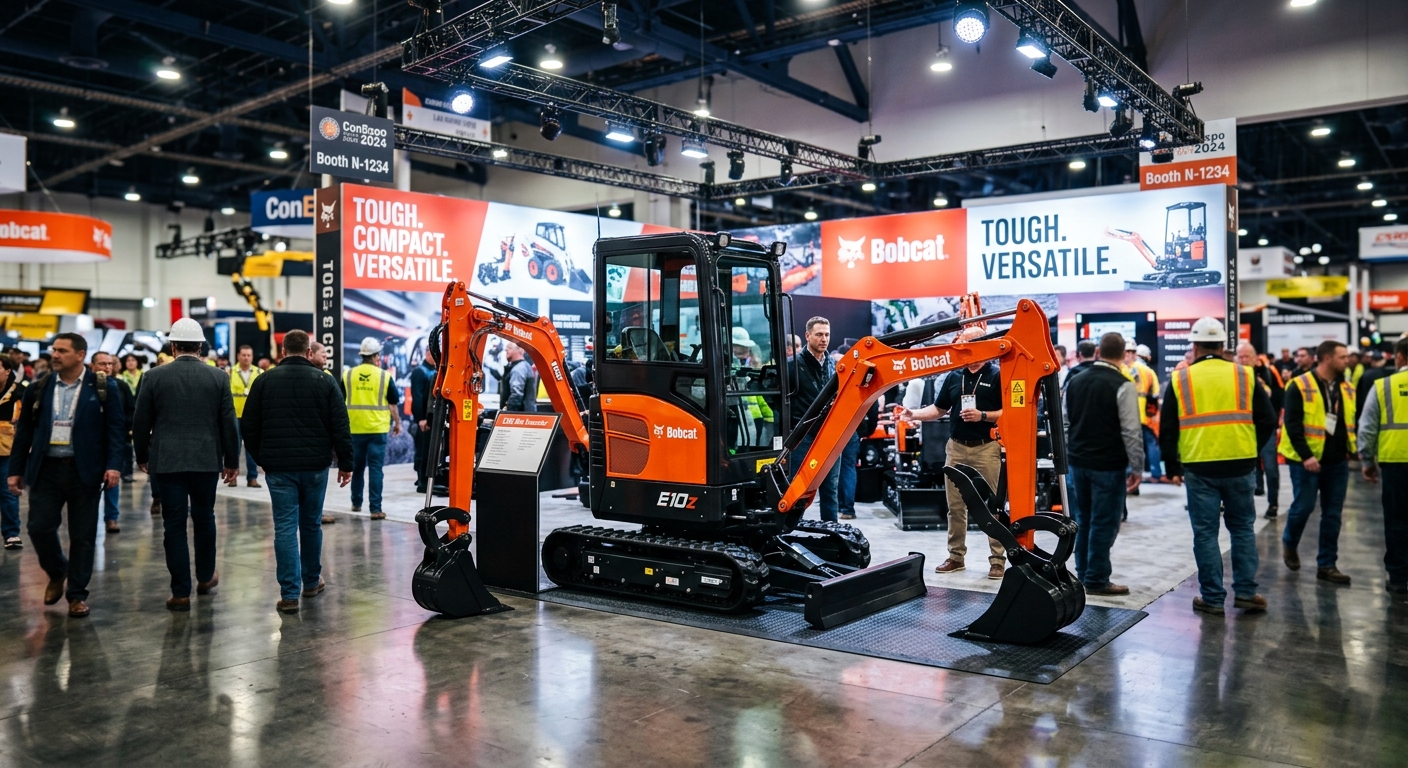
The Korean tractor maker unveiled three mini excavators at ConExpo 2026, marking its first push into the excavator segment after entering CTLs and skid steers in 2023.
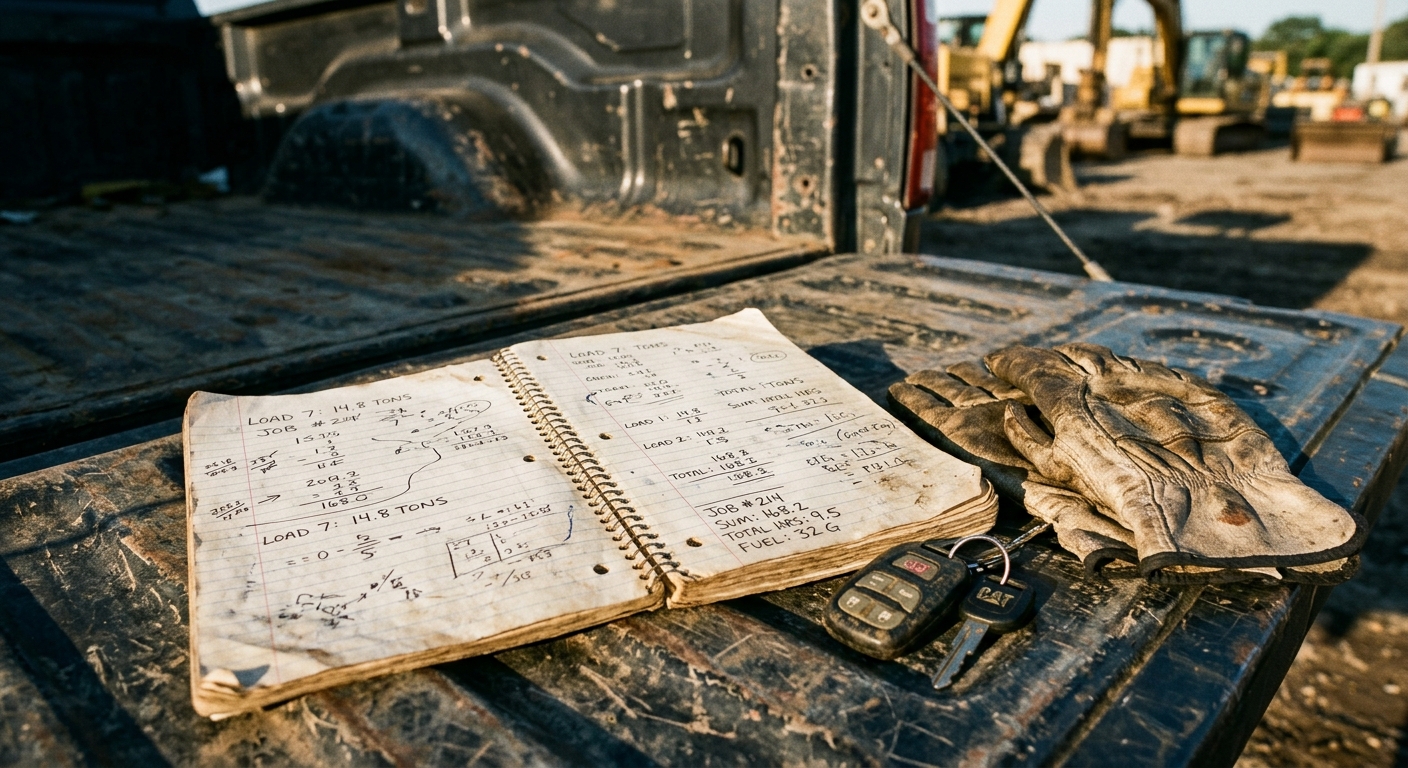
Most equipment operators have no idea what their real cost per hour is. They're self-employed with expensive toys, not business owners.
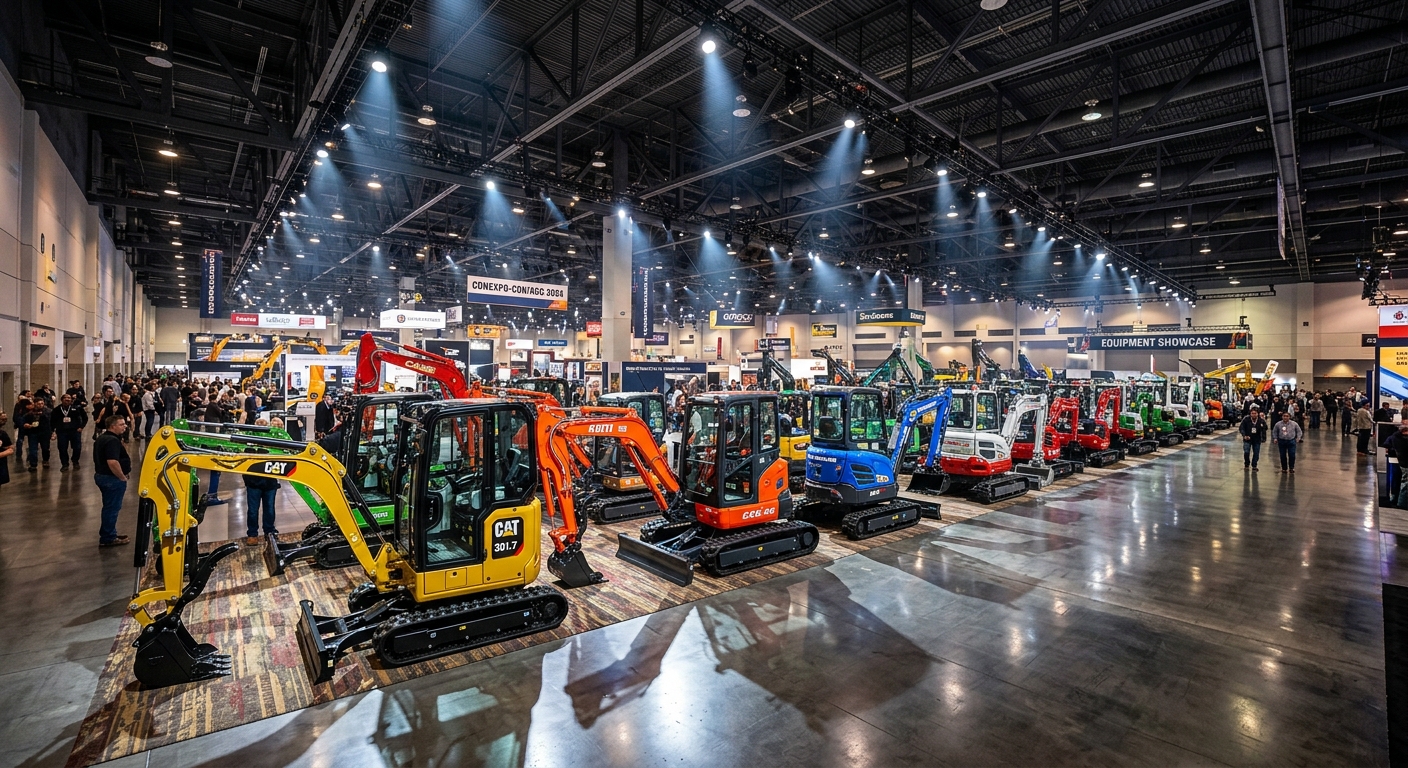
ConExpo 2026 was a coming-out party for micro and mini excavators. From Cat's 1-ton 301 CR to Kioti's surprise debut, here's why the smallest machines are driving the biggest competition.
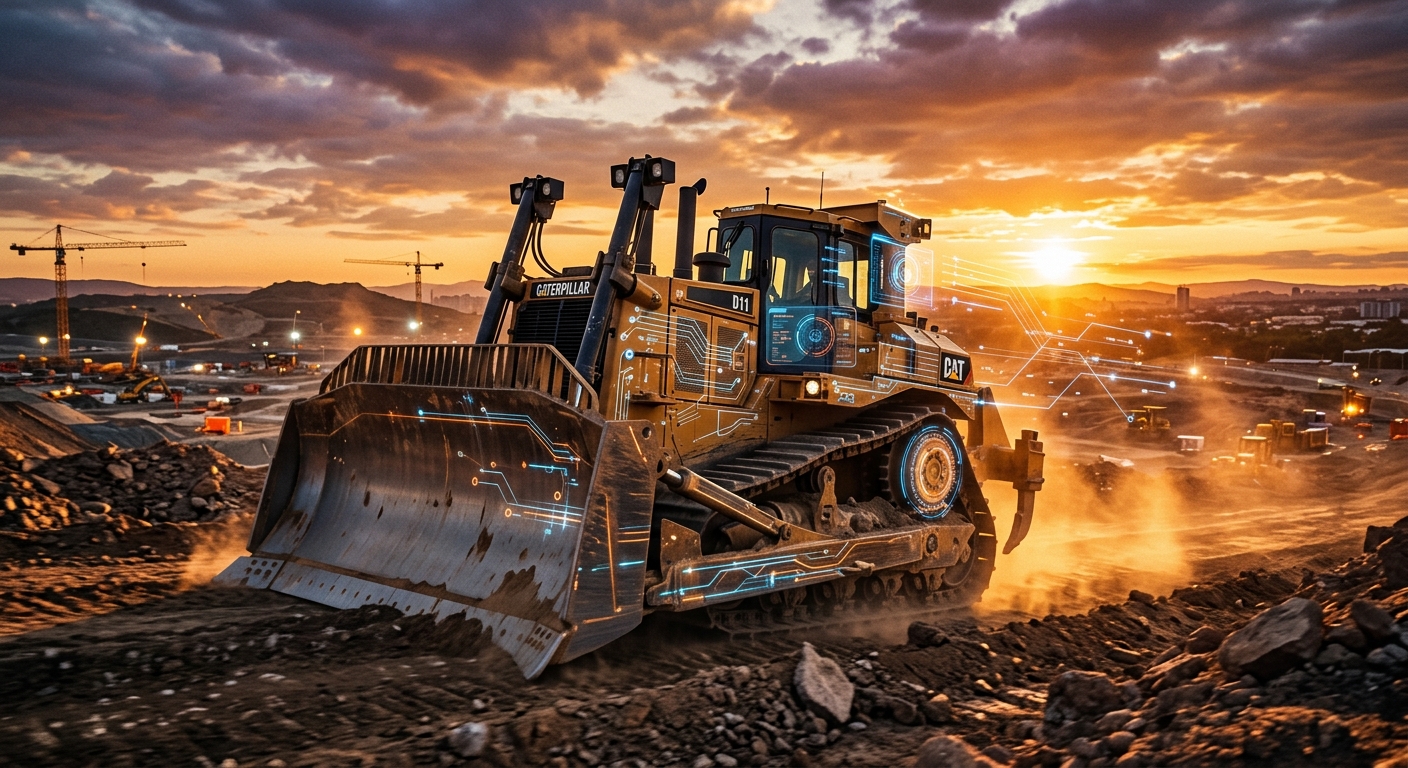
From autonomous dozers to an AI assistant that talks back, Cat's NVIDIA partnership is moving fast. We break down what's real, what's coming, and what it means for operators.
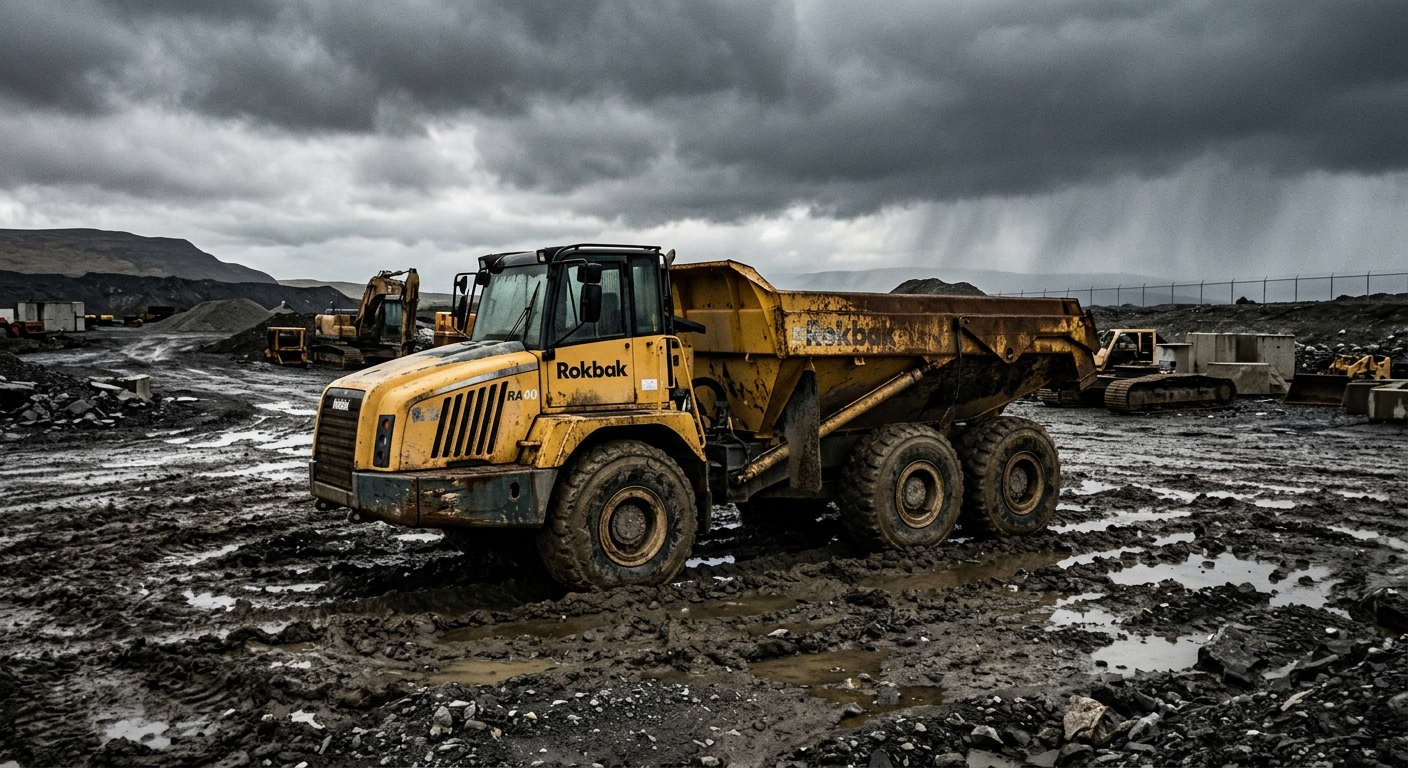
After 40+ years of building articulated haulers in Scotland, Volvo CE is shuttering the Rokbak brand by Q3 2026. Tariffs and rising costs made the math impossible.
Every equipment company owner complains about finding good help. Few of them ask why their good help keeps leaving.
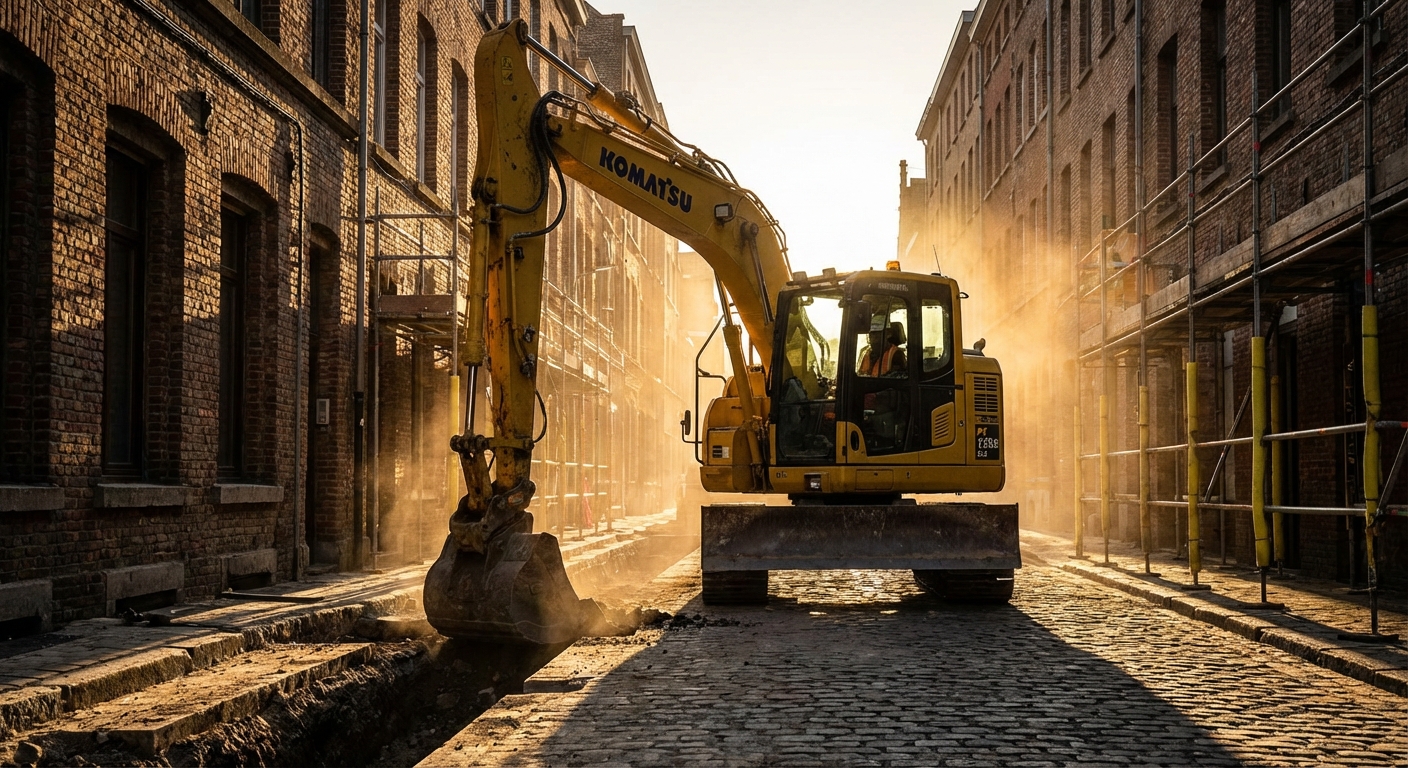
Komatsu debuted two new tight tailswing excavators at ConExpo 2026 — and the PC158USLCi-12 is the company's first compact-radius machine with factory-integrated iMC 3.0 automation.
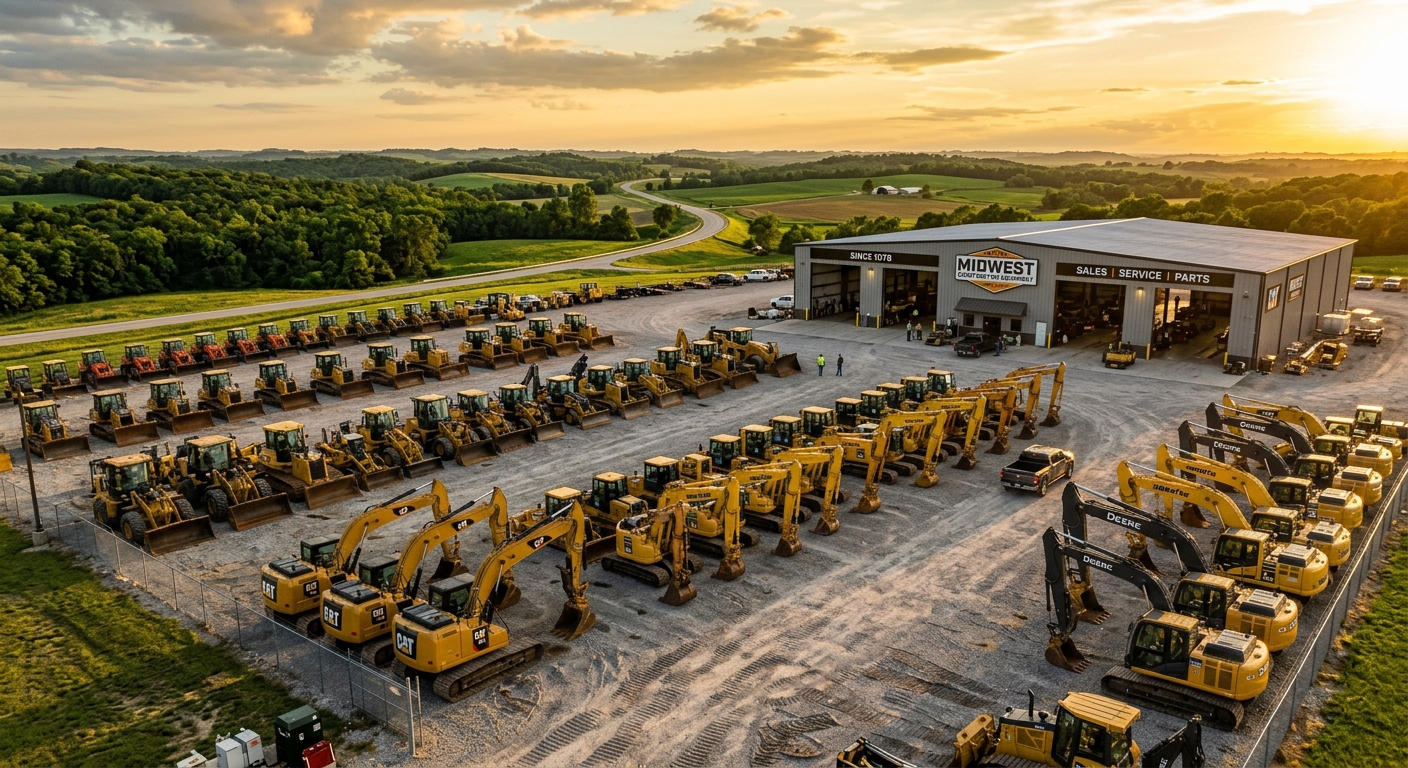
A family-owned dealer in Missouri and Illinois just added Hitachi to a lineup that already includes CASE and Takeuchi. Here's how Luby Equipment has stayed independent for half a century.
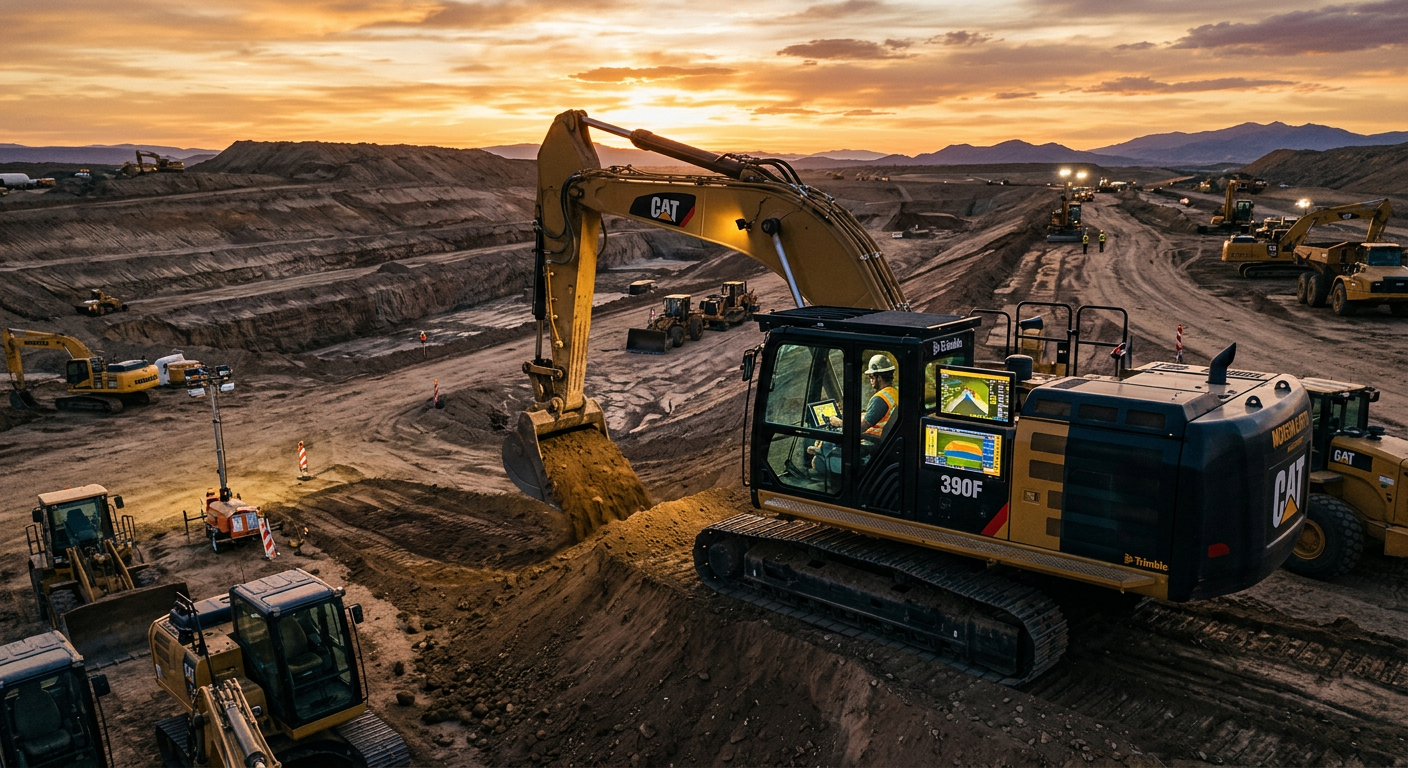
The construction industry needs nearly half a million new workers in 2026. It's not going to get them. Here's how that reality is reshaping what equipment manufacturers build and what contractors buy.
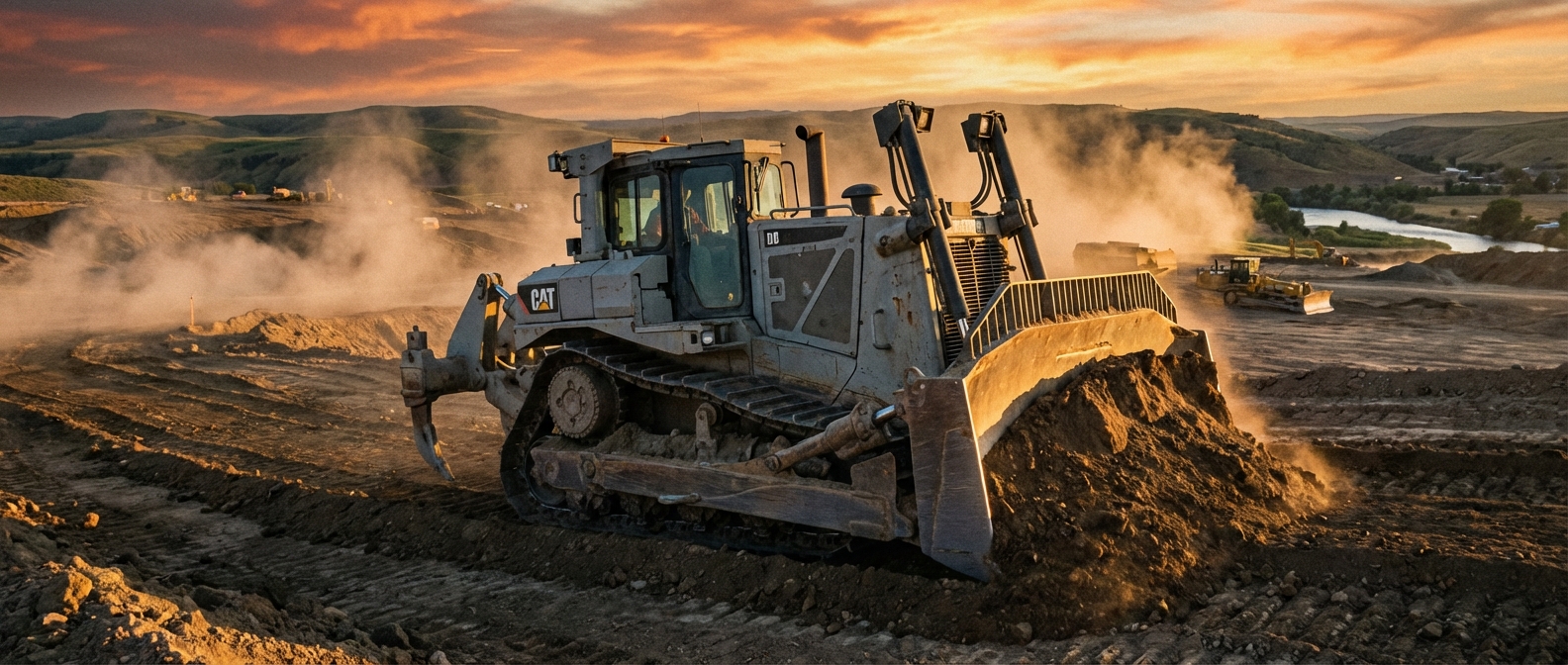
Cat's new D8 XE brings electric-drive technology to its large dozer lineup, promising 10% fuel savings and 6% more material moved per hour. Here's what it means for contractors.
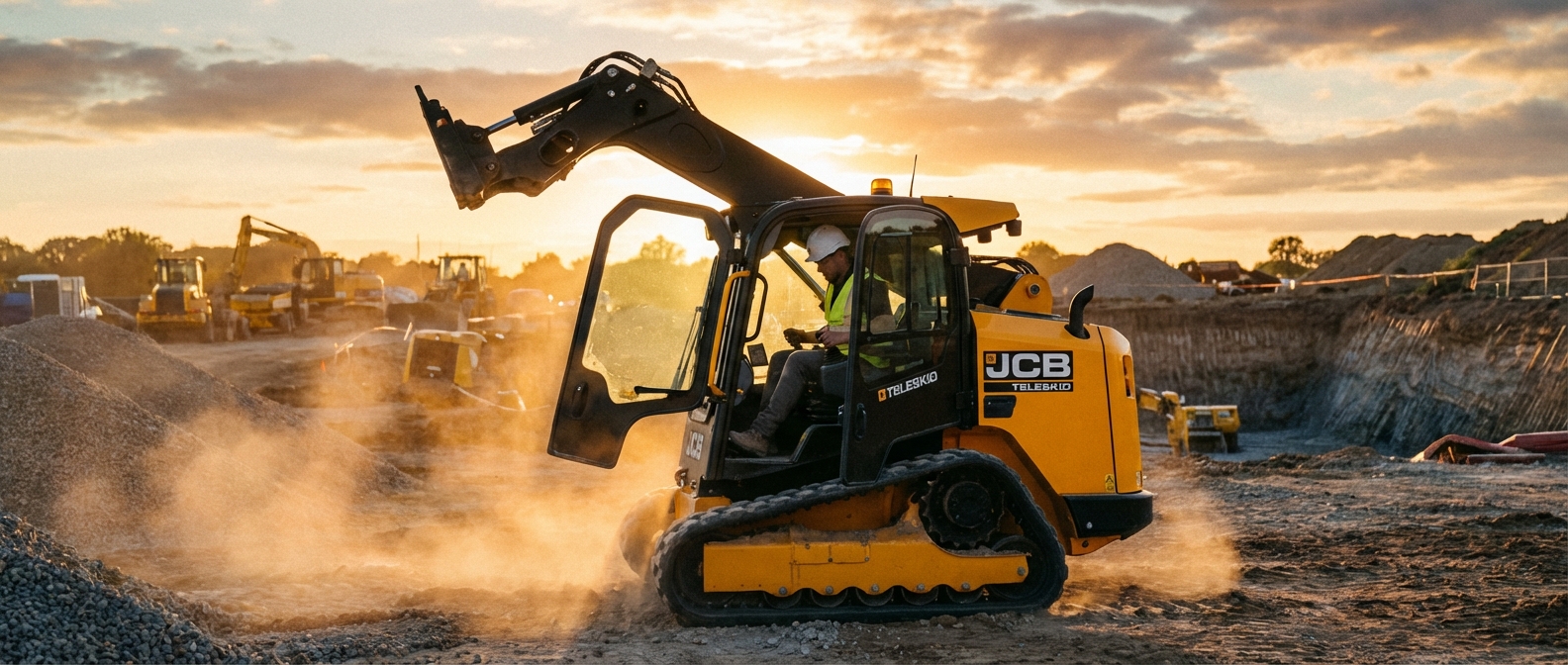
JCB brought a new 74-hp compact track loader to CONEXPO 2026 with their signature side-entry cab and single-arm boom. Here's why it matters for contractors shopping the mid-size CTL market.
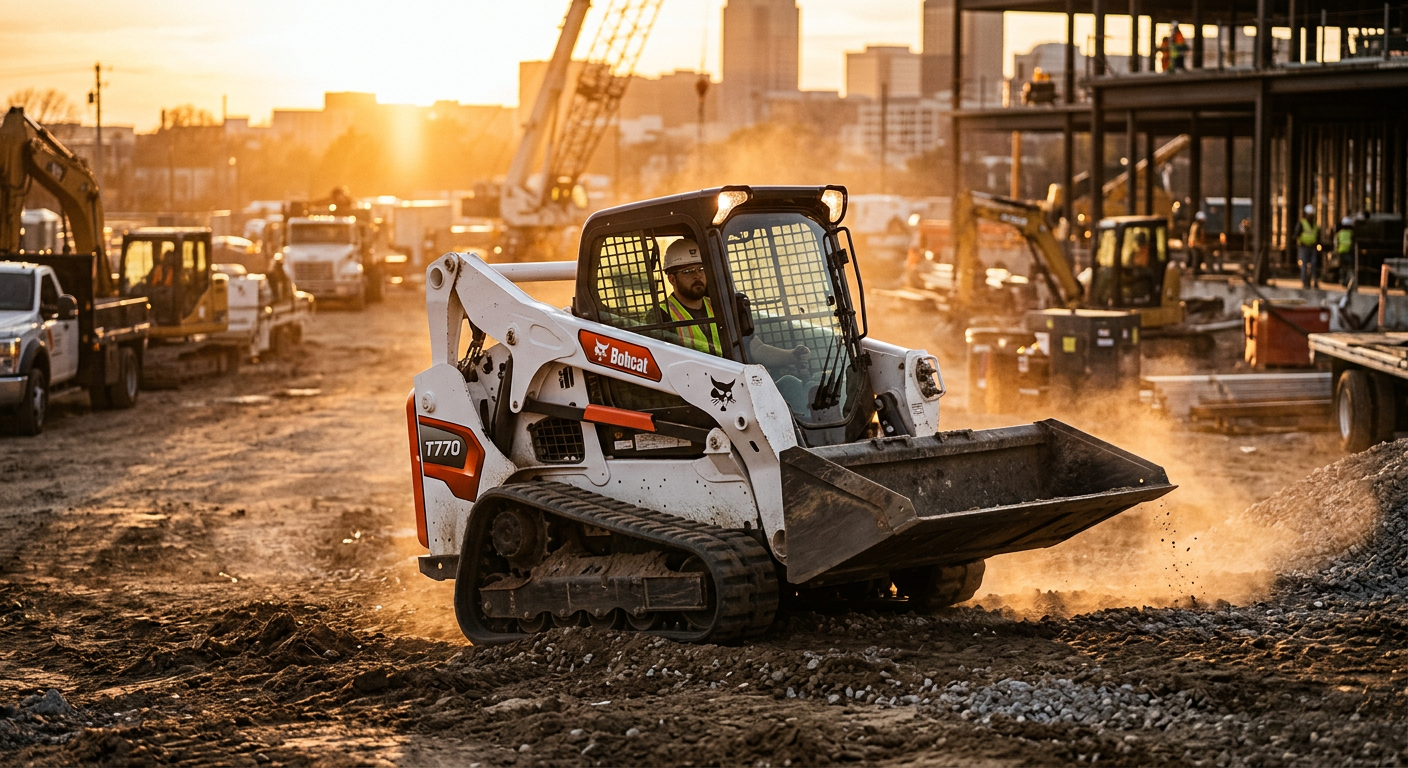
Doosan Bobcat dropped 17 new skid steers and compact track loaders at CONEXPO 2026, killing the M-Series and R-Series names in favor of a new Classic vs. Pro structure. The Pro models get AI voice commands, radar-based safety systems, and automotive-style drive modes.
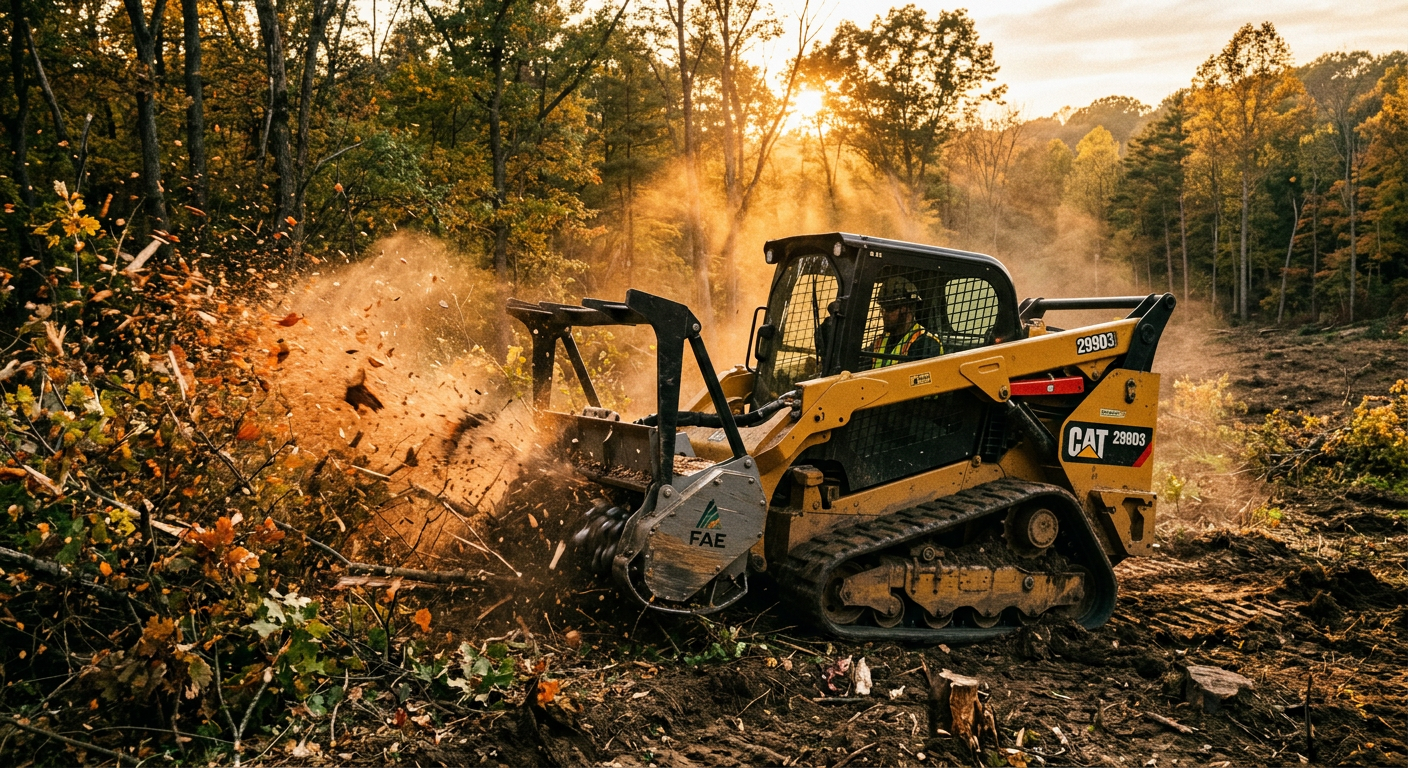
From a small Ohio shop frustrated with bad equipment to the company that bought Vermeer's forestry mulcher line, Fecon has spent 30+ years building Bull Hogs that won't quit. Here's how they got here.
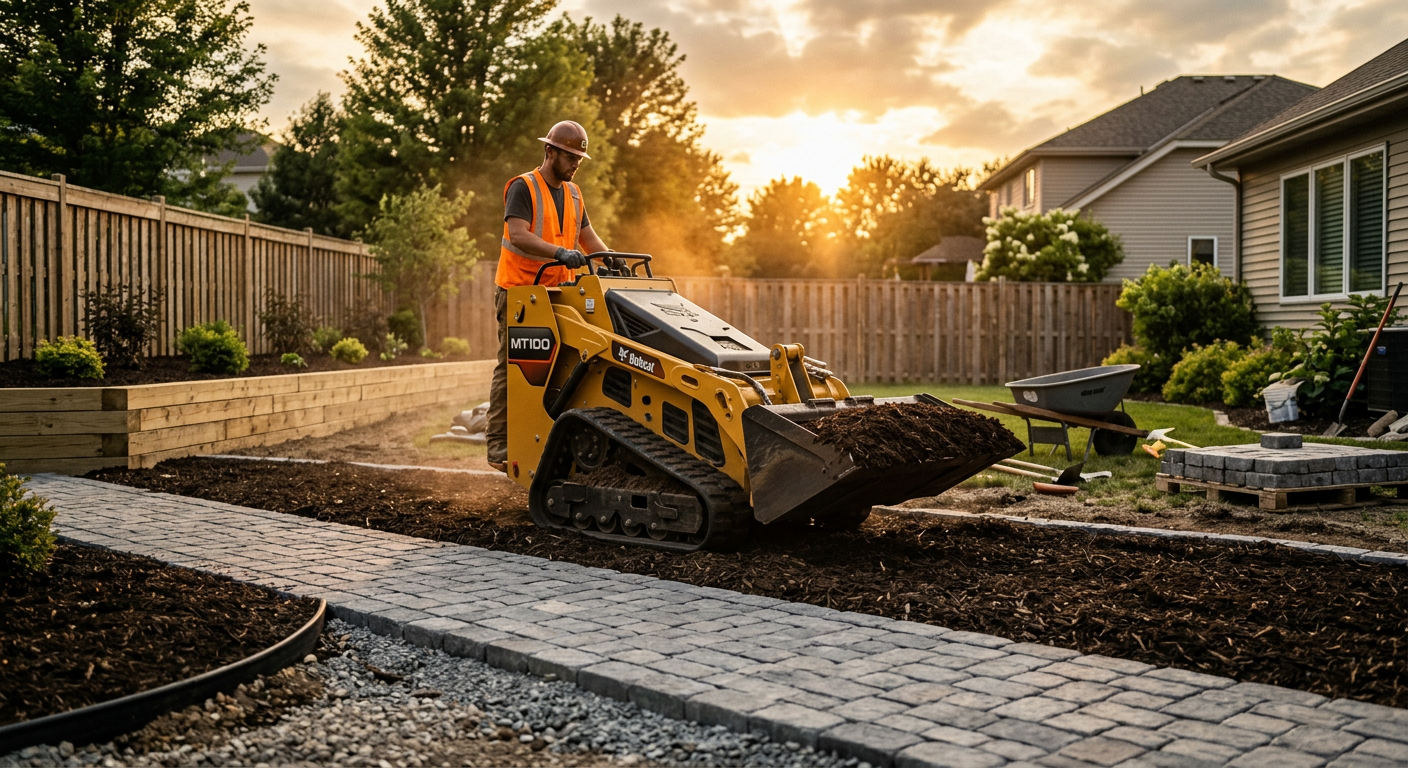
Caterpillar unveiled the TUL100 at CONEXPO 2026, marking its first-ever stand-on compact utility loader. Here's what it means for landscapers, contractors, and the companies that have owned this segment for decades.
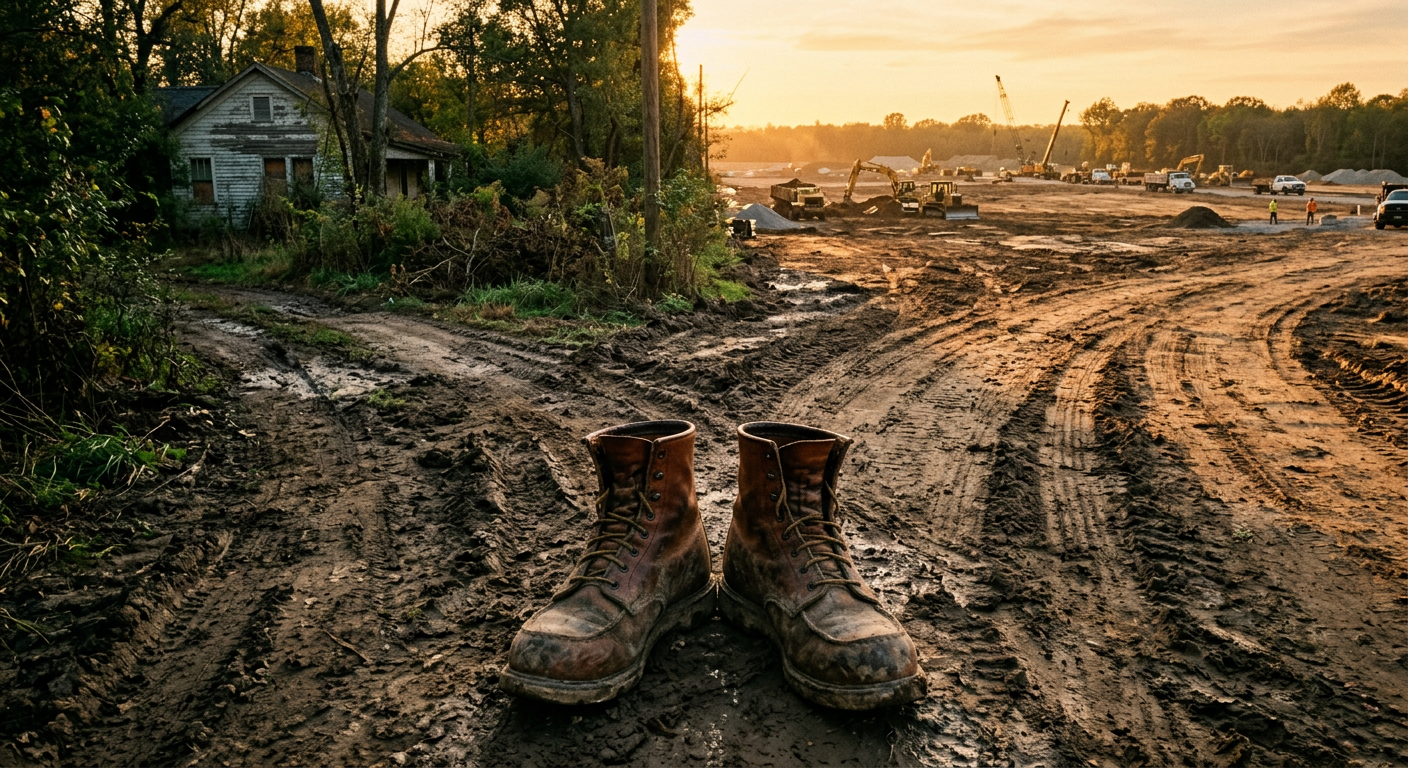
Every operator thinks more leads means more money. I did too, until I ran the numbers and realized half my jobs were costing me money.
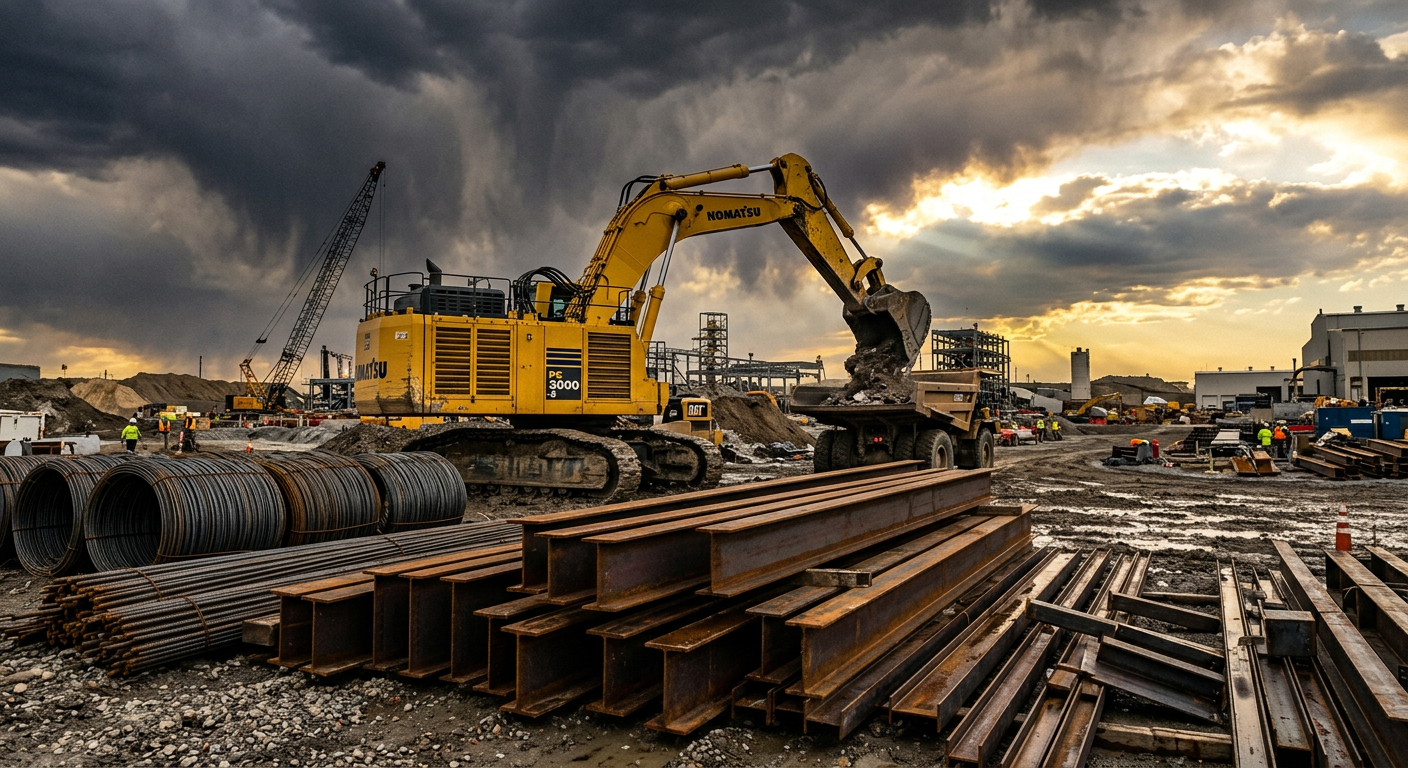
Steel tariffs hit 50% this year. We ran the numbers on what that means for the machines you buy, the parts you replace, and the bids you submit.
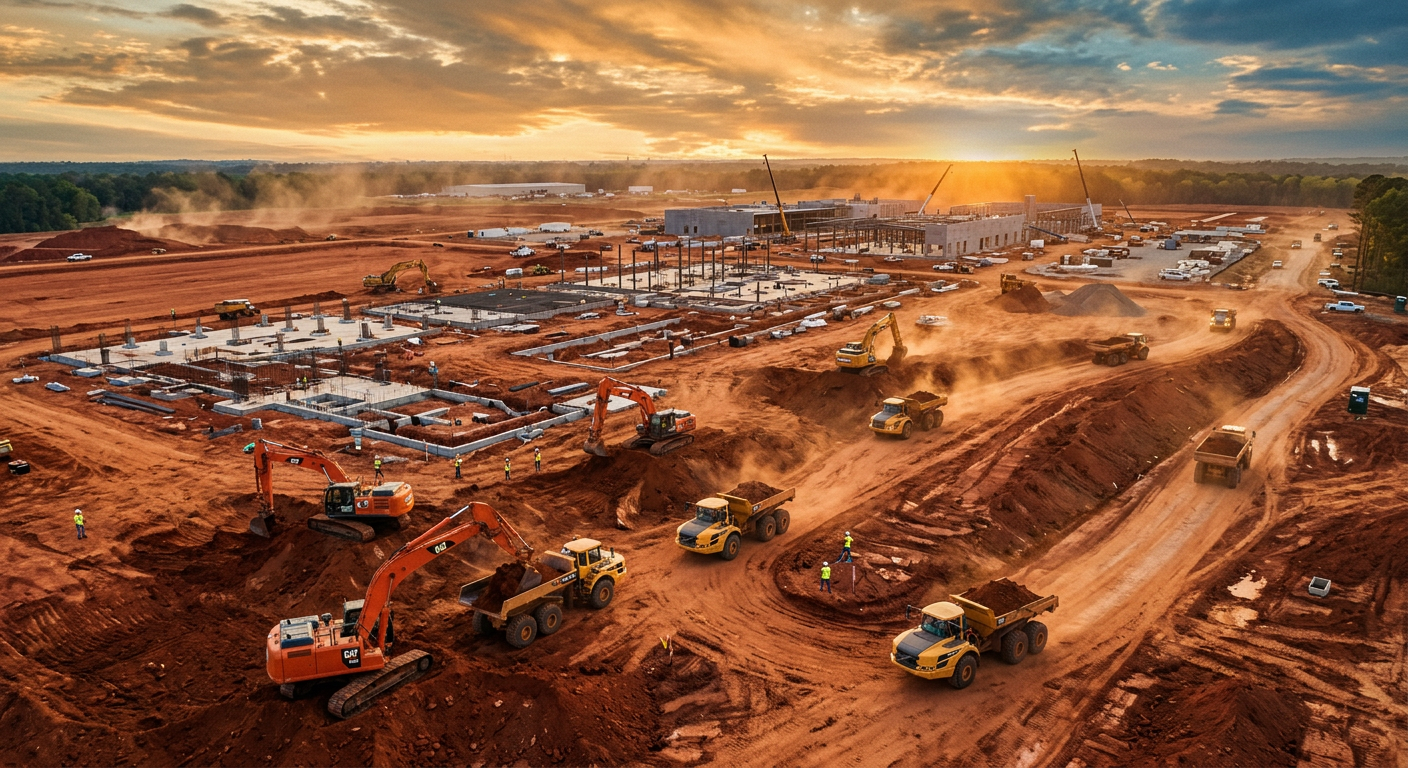
Hyperscalers are spending $600 billion this year on AI infrastructure. That money flows downhill to sitework contractors, excavation crews, and equipment operators. Here's what that means for you.
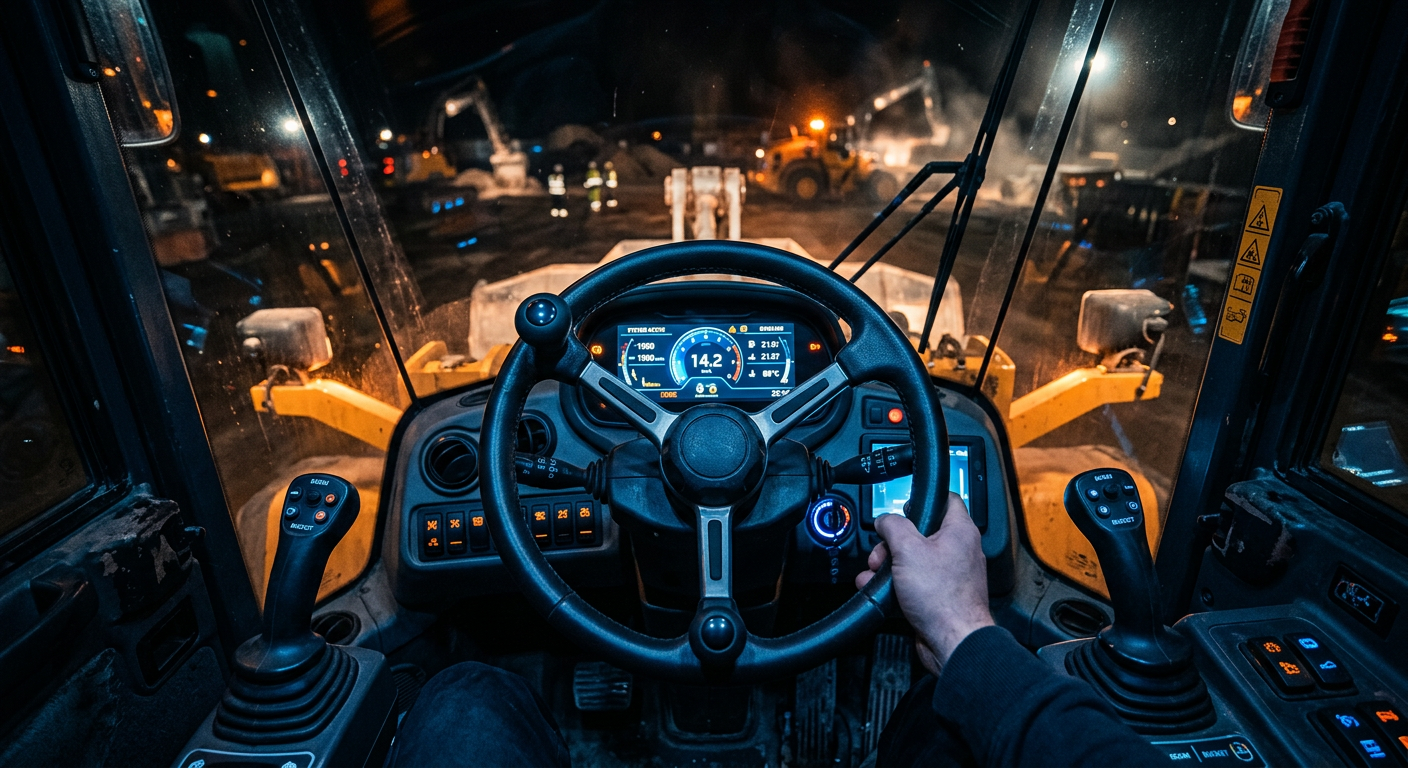
The Wisconsin hydraulics company behind the GenSteer steer-by-wire system has been building the guts of your equipment for 80 years. Now they're changing how it steers.
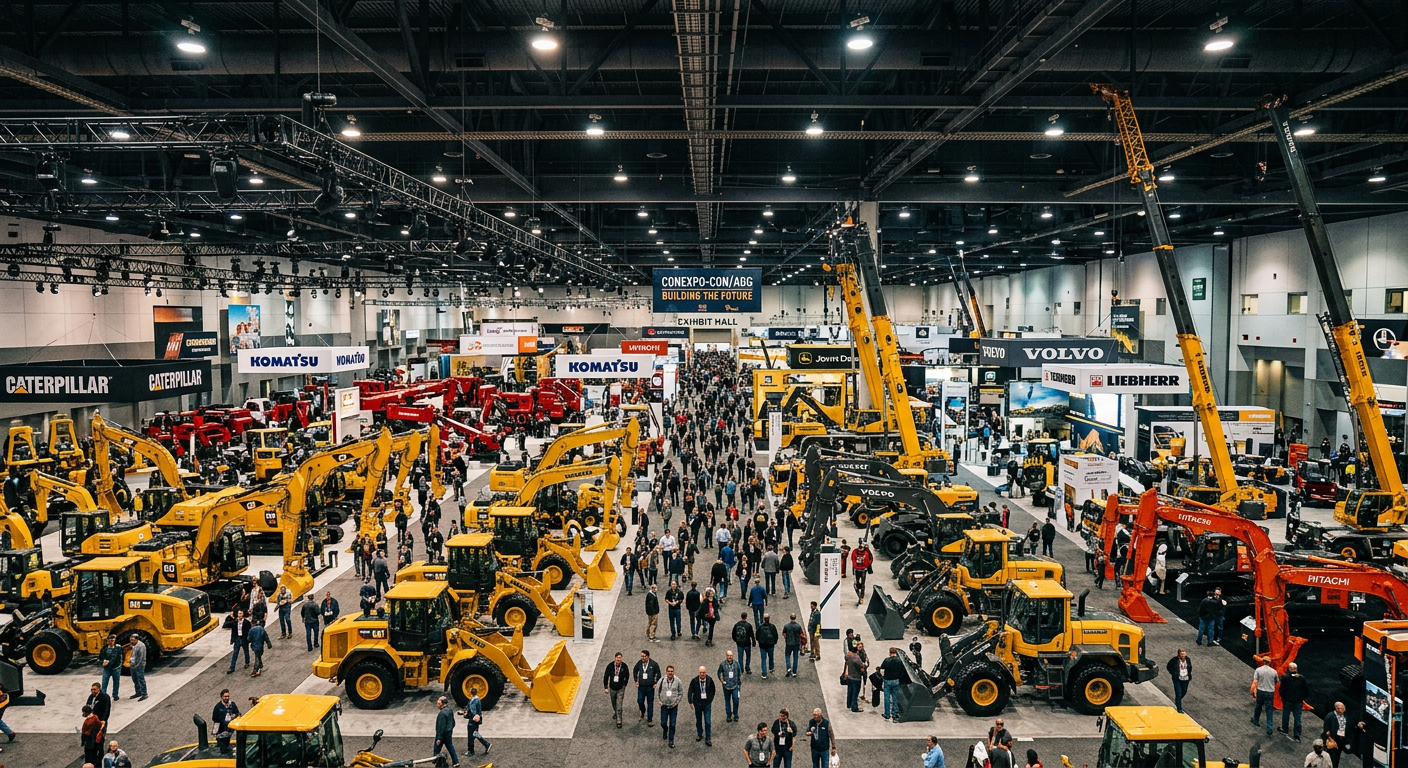
XCMG, SANY, and LiuGong brought their biggest North American lineups to CONEXPO 2026. With 140+ combined dealerships and machines built for this market, the 'cheap Chinese knockoff' era is over.
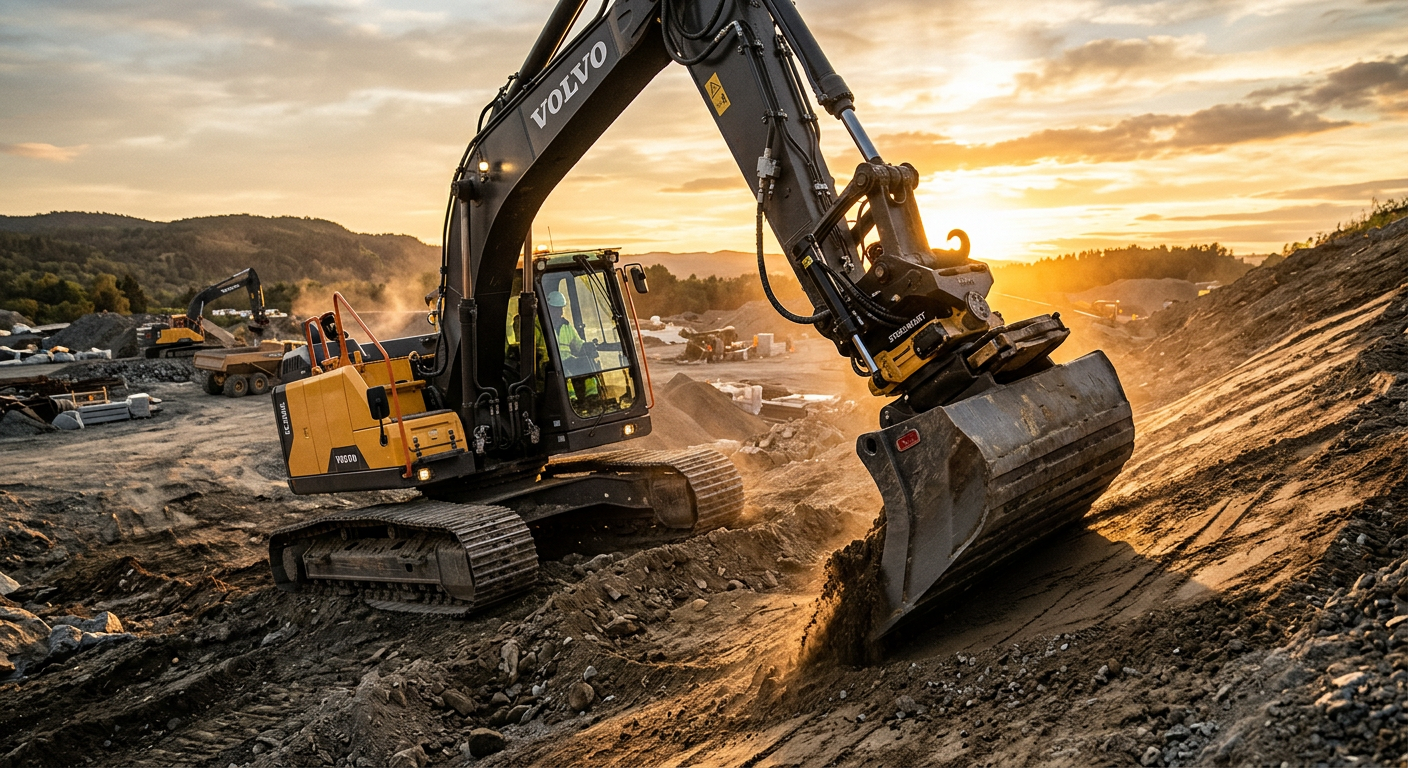
The Swedish tiltrotator maker just opened a U.S. assembly hub in Connecticut, launched new products at CONEXPO 2026, and is pushing hard to make American contractors rethink how they use their excavators.
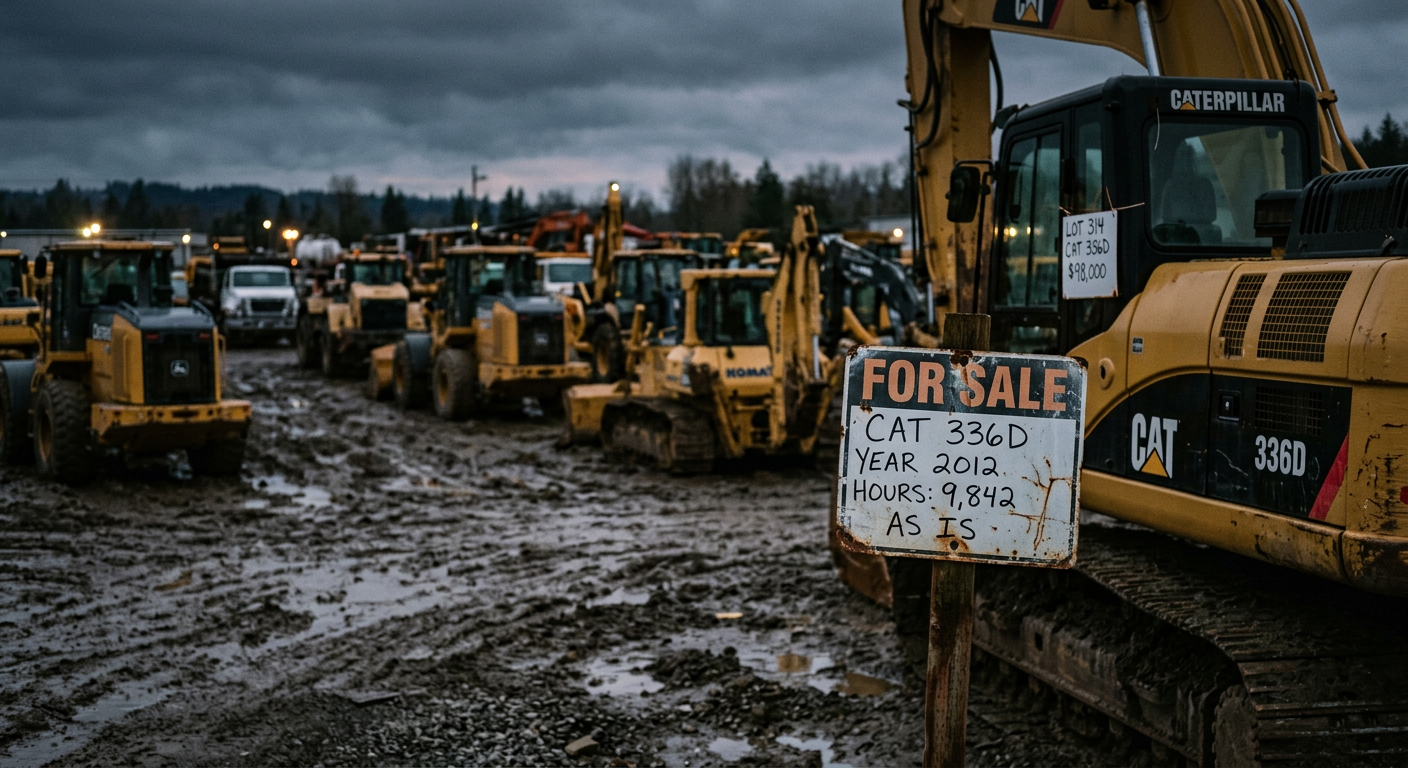
Used iron prices have lost touch with reality. When the correction comes, a lot of operators are going to be upside down on machines they overpaid for.
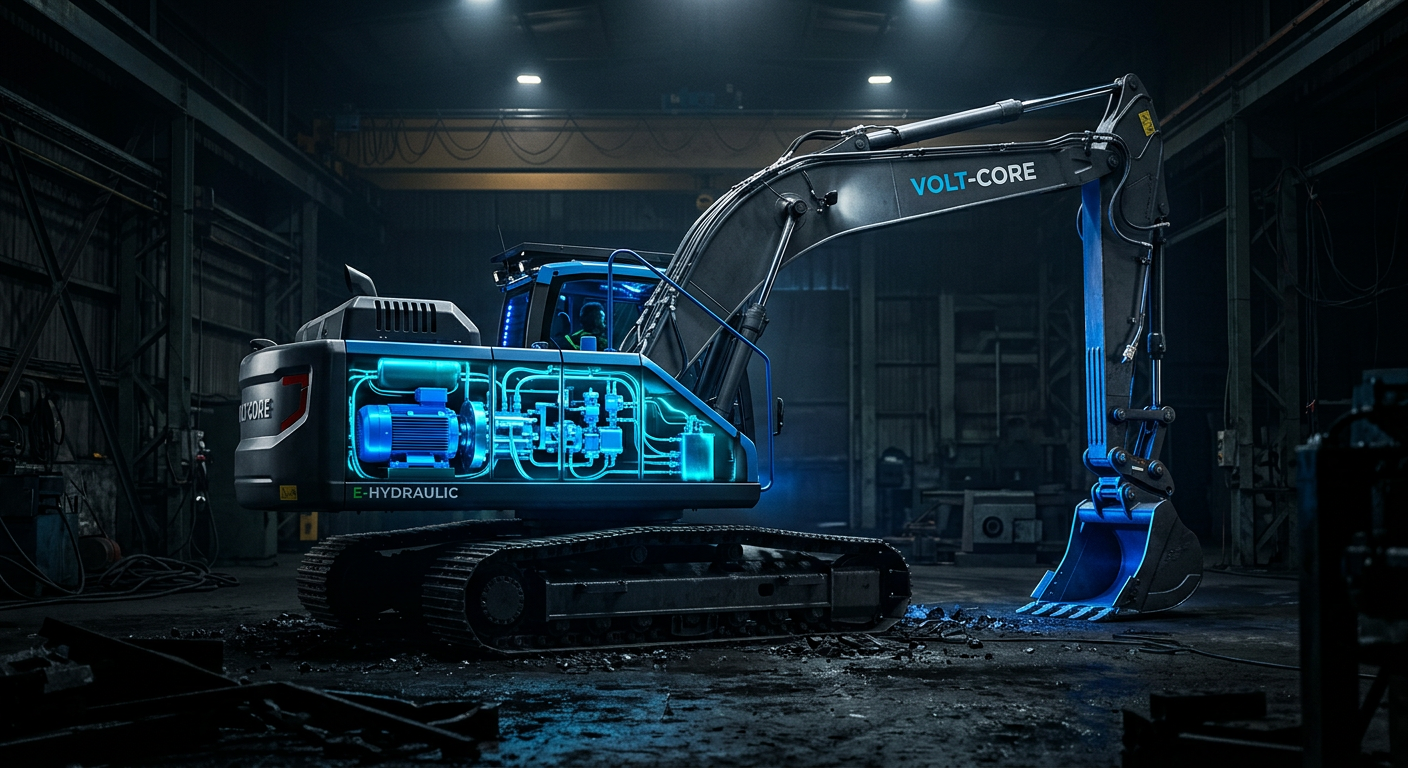
The two industrial giants signed an MoU at CONEXPO 2026 to co-develop hybrid hydraulic-electric systems, hydrogen solutions, and autonomous machine functions for construction equipment.
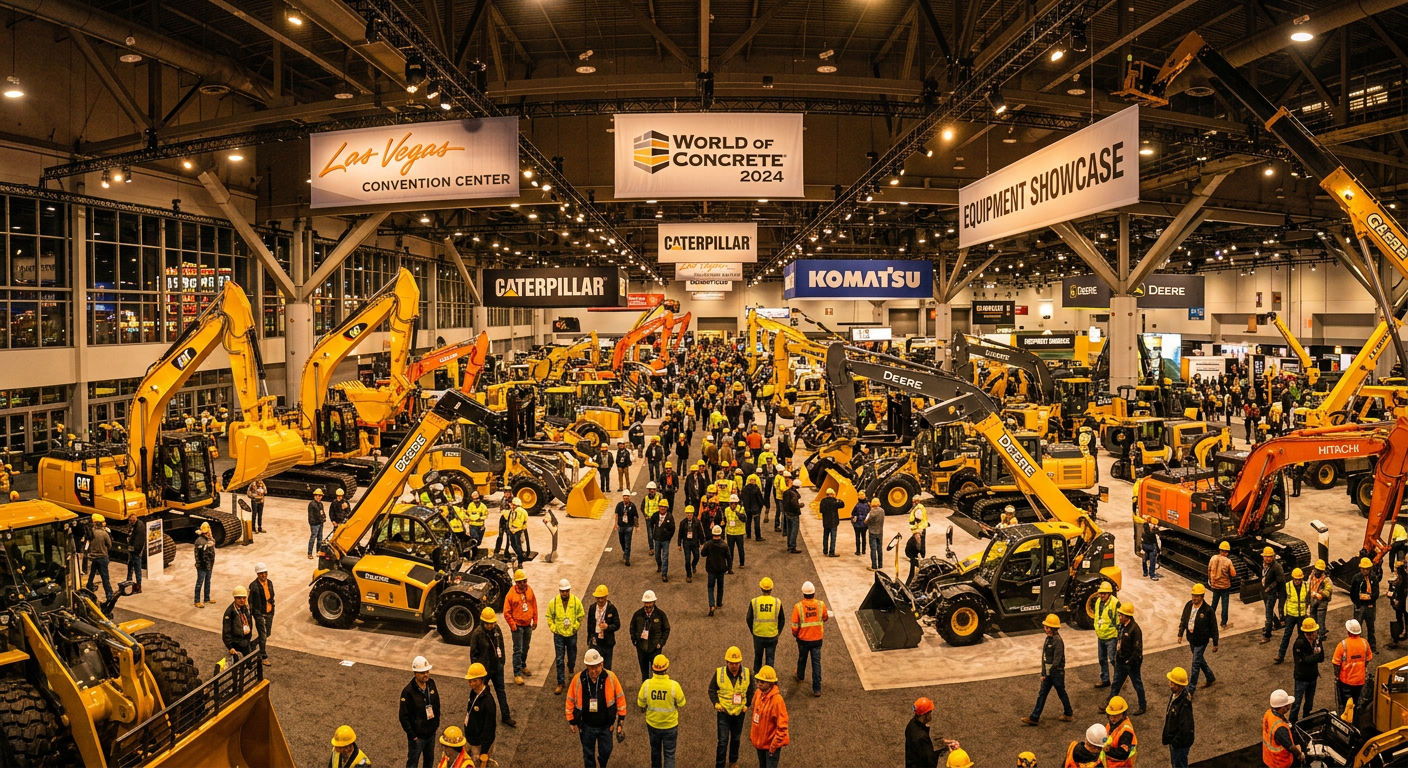
From tracked telehandlers to AI-powered cabs, ConExpo 2026 delivered some genuinely surprising product launches. Here's what actually matters.
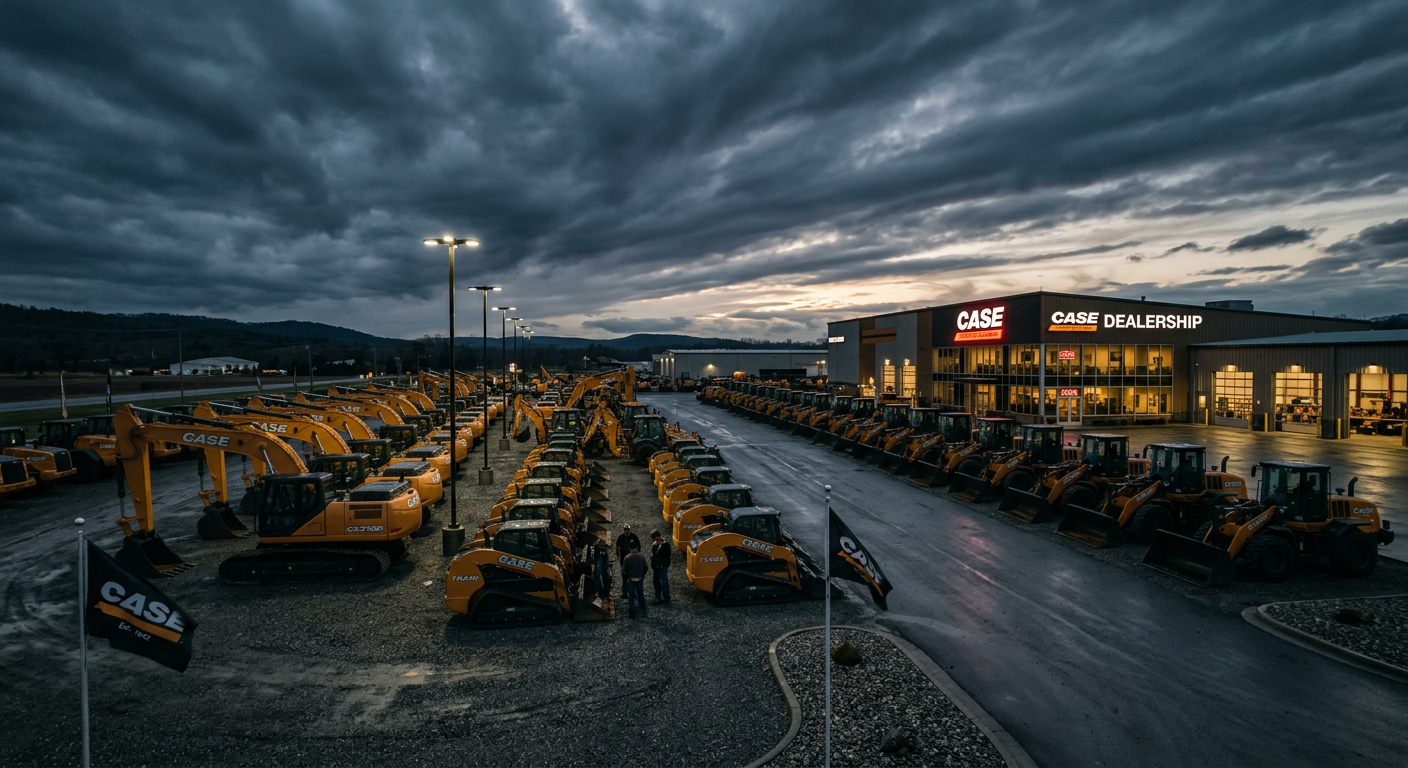
After a 60% drop in construction segment profits, CNH Industrial is openly looking for a partner to prop up the Case CE and New Holland Construction brands. The question is who bites.
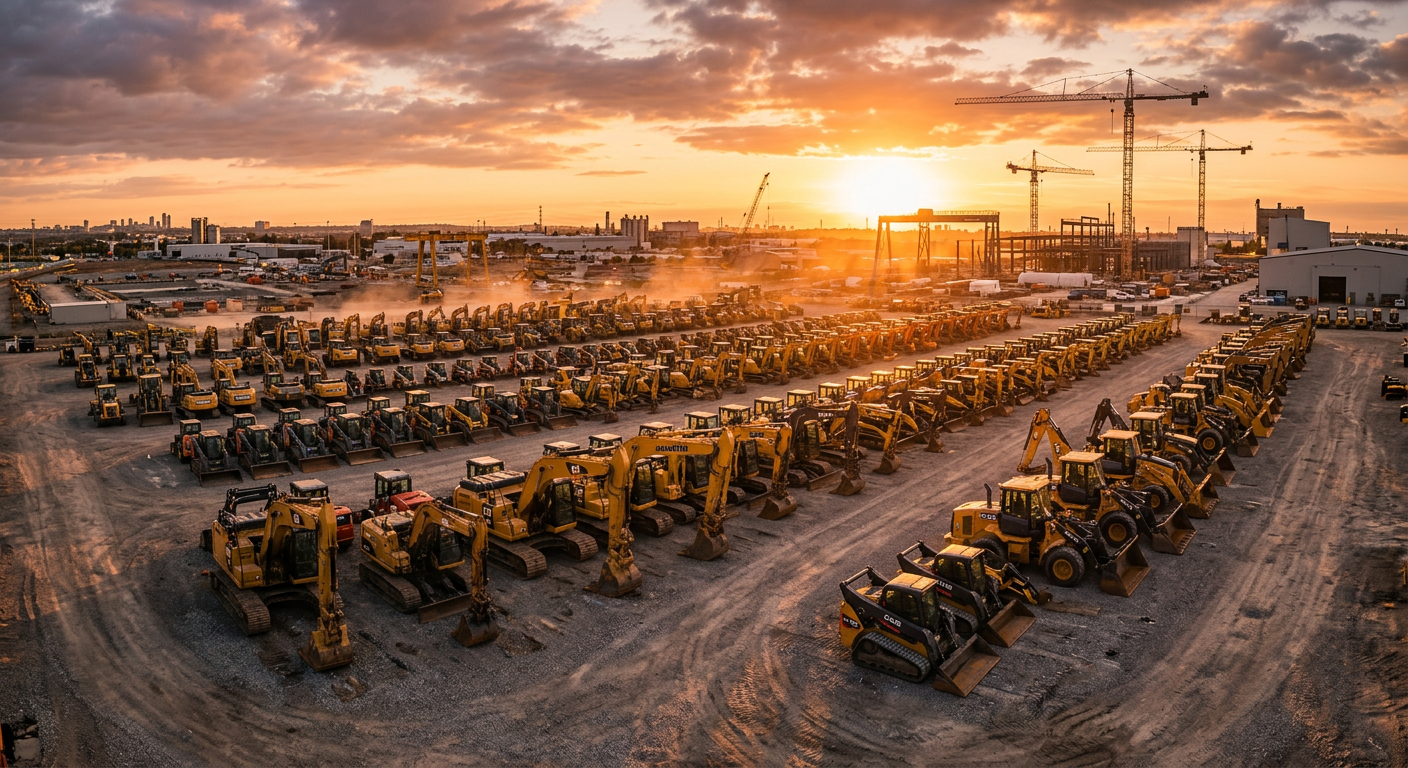
The equipment rental market is on track to hit $160 billion this year. That's not a blip — it's a structural shift in how contractors think about iron.
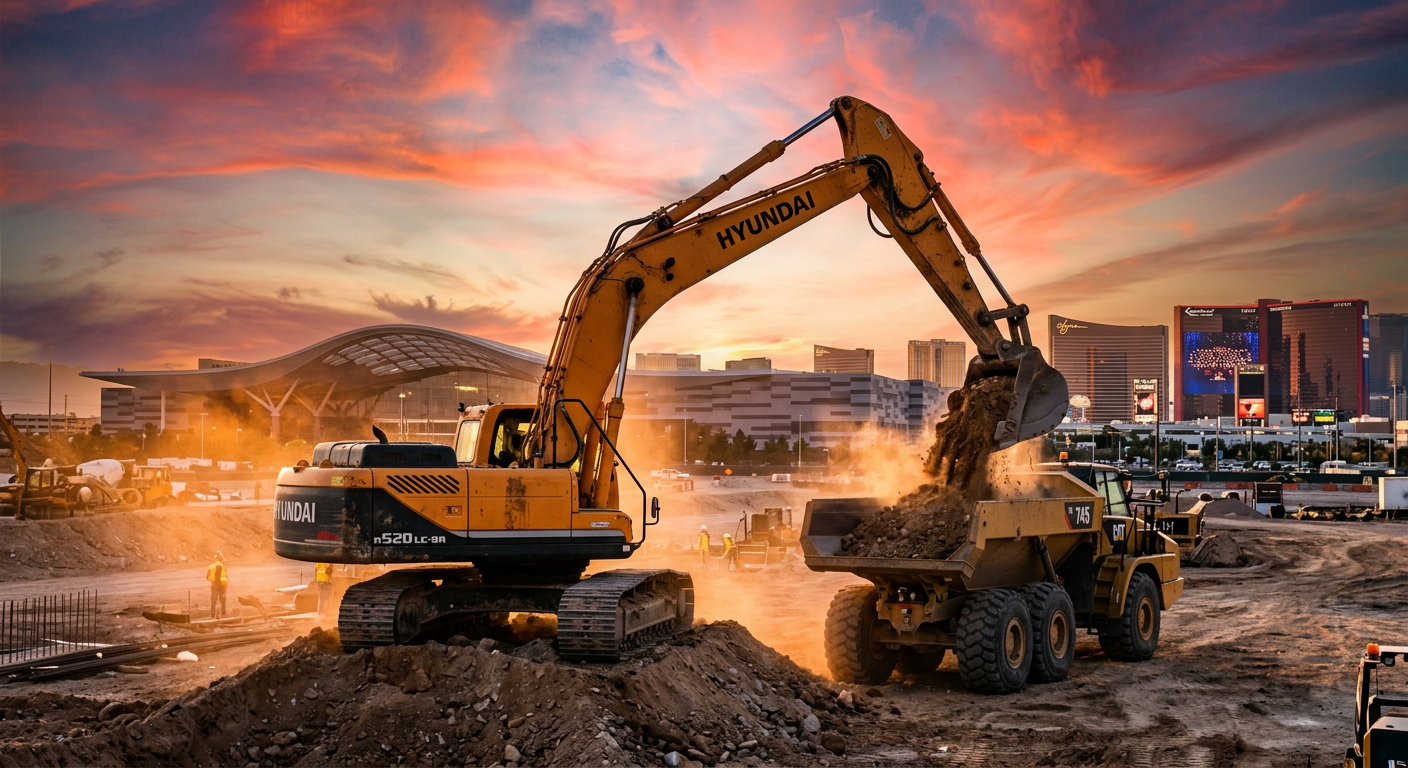
HD Construction Equipment rolled into Las Vegas with nine next-gen excavators across its Hyundai and Develon brands. The headliner? An autonomous digging system called Real-X that's no longer a concept.
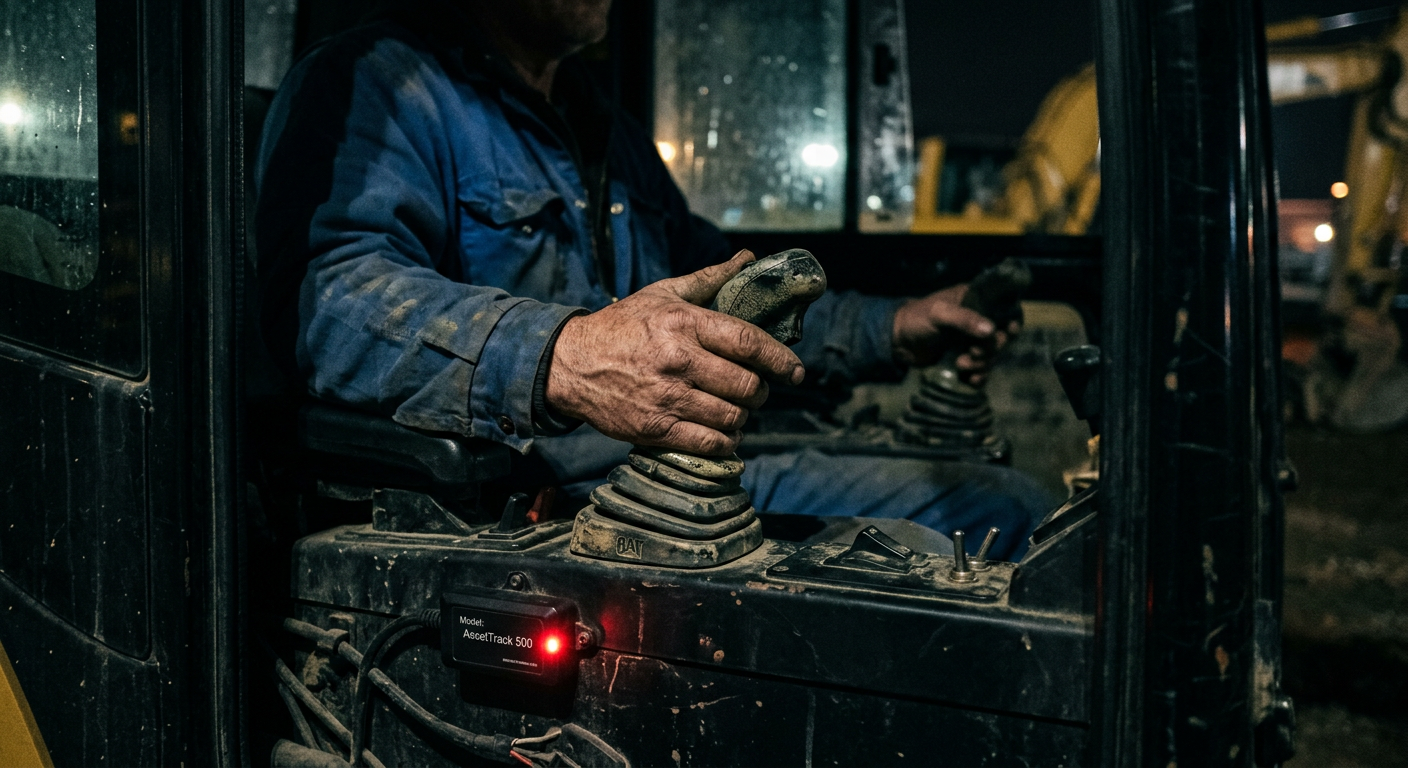
There's a difference between knowing where your machines are and watching your guys like a prison warden. Most companies picked the wrong side.
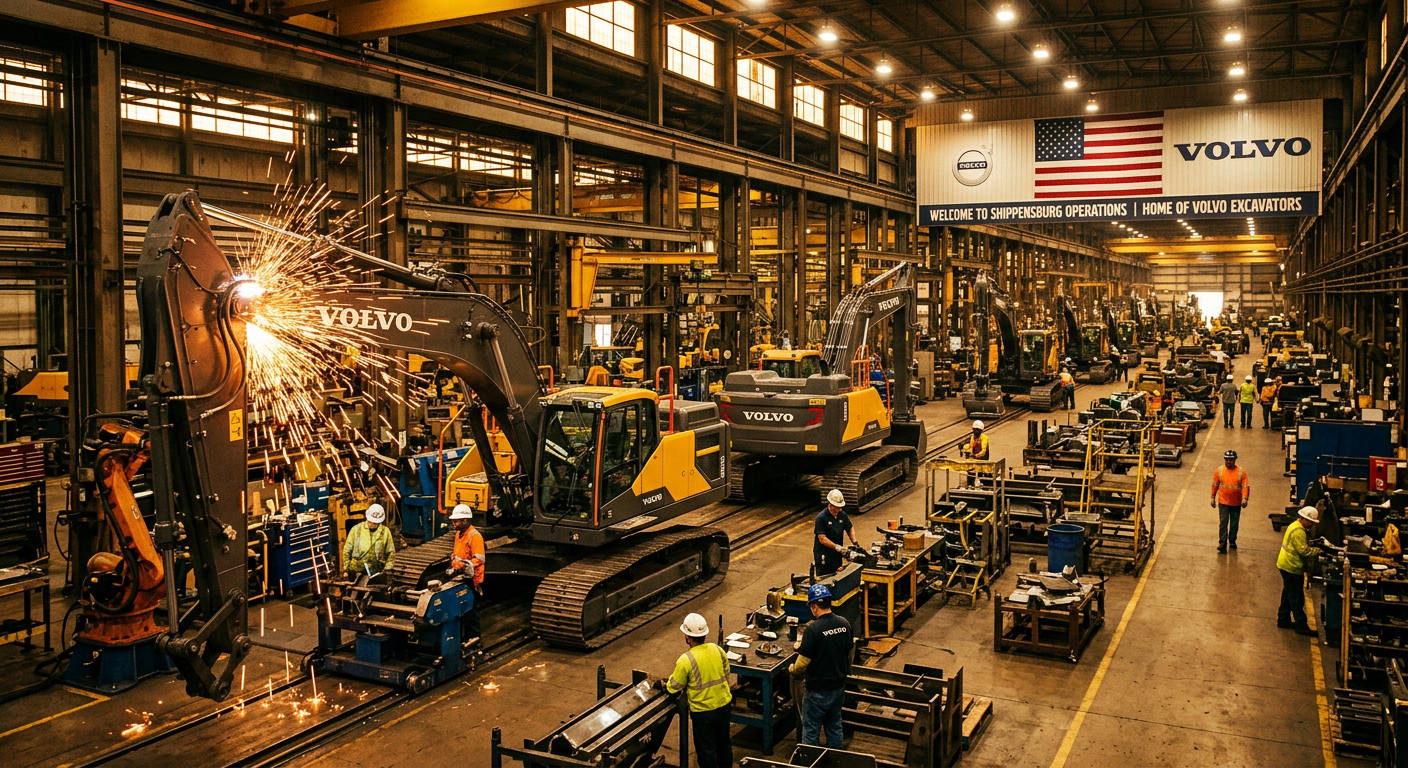
The Swedish equipment maker is bringing excavator and wheel loader production to Shippensburg, Pennsylvania — and reshoring more than half its North American machine supply in the process.
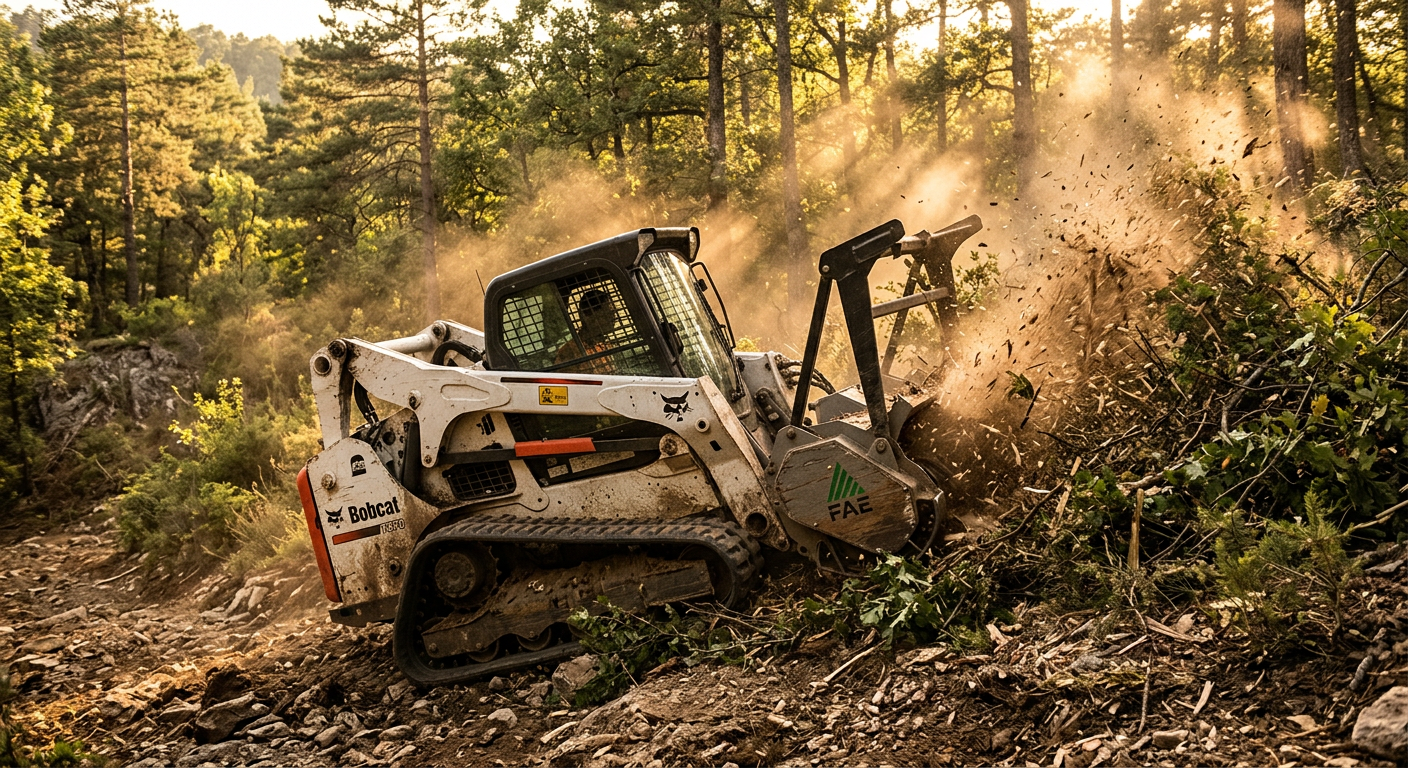
The Sioux Falls attachment maker has quietly become one of the most trusted names in land clearing. From drum mulchers to disc cutters, Diamond Mowers carved out its niche by building for the operators who actually run the iron.
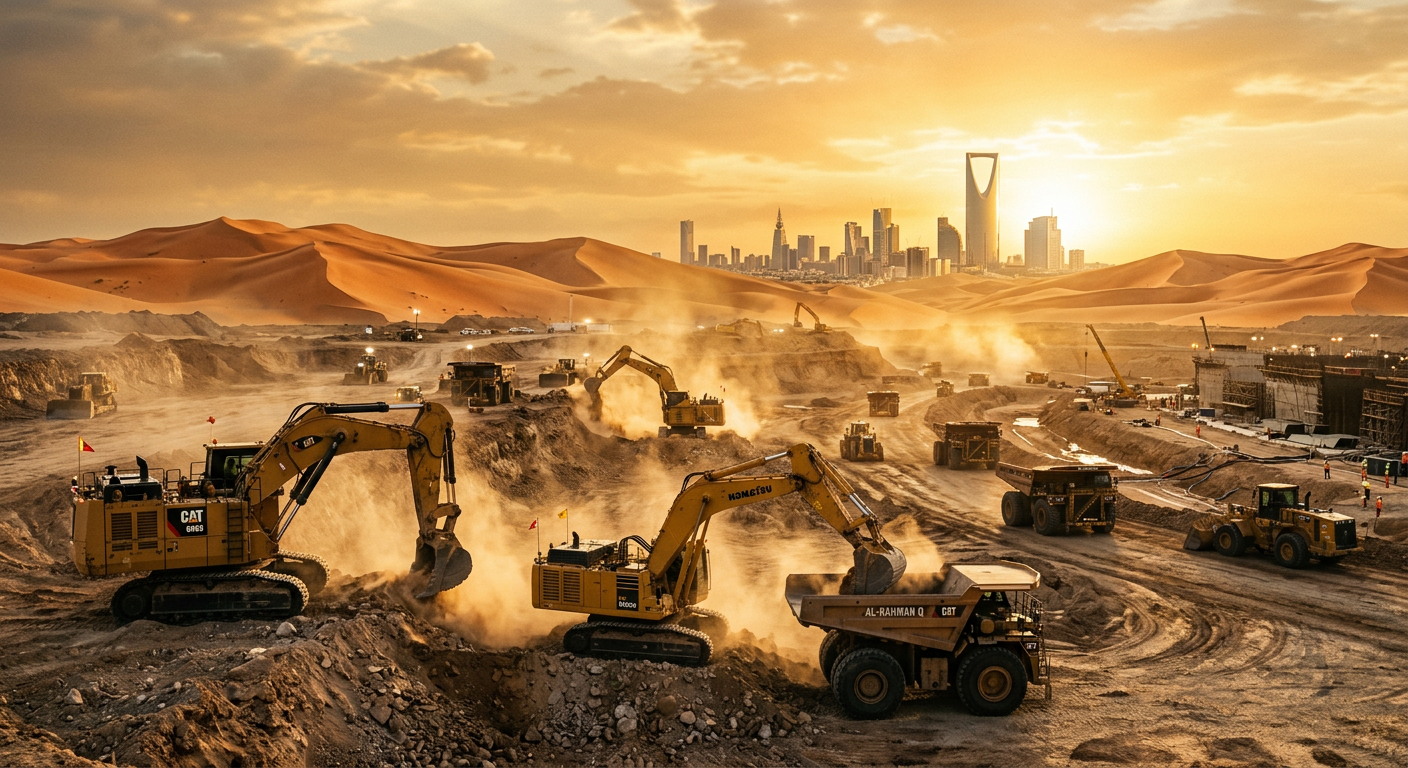
Vision 2030 has turned Saudi Arabia into the world's hungriest market for heavy equipment. With $500 billion in active infrastructure projects and a $1.9 billion equipment market growing fast, here's what operators and dealers need to know.
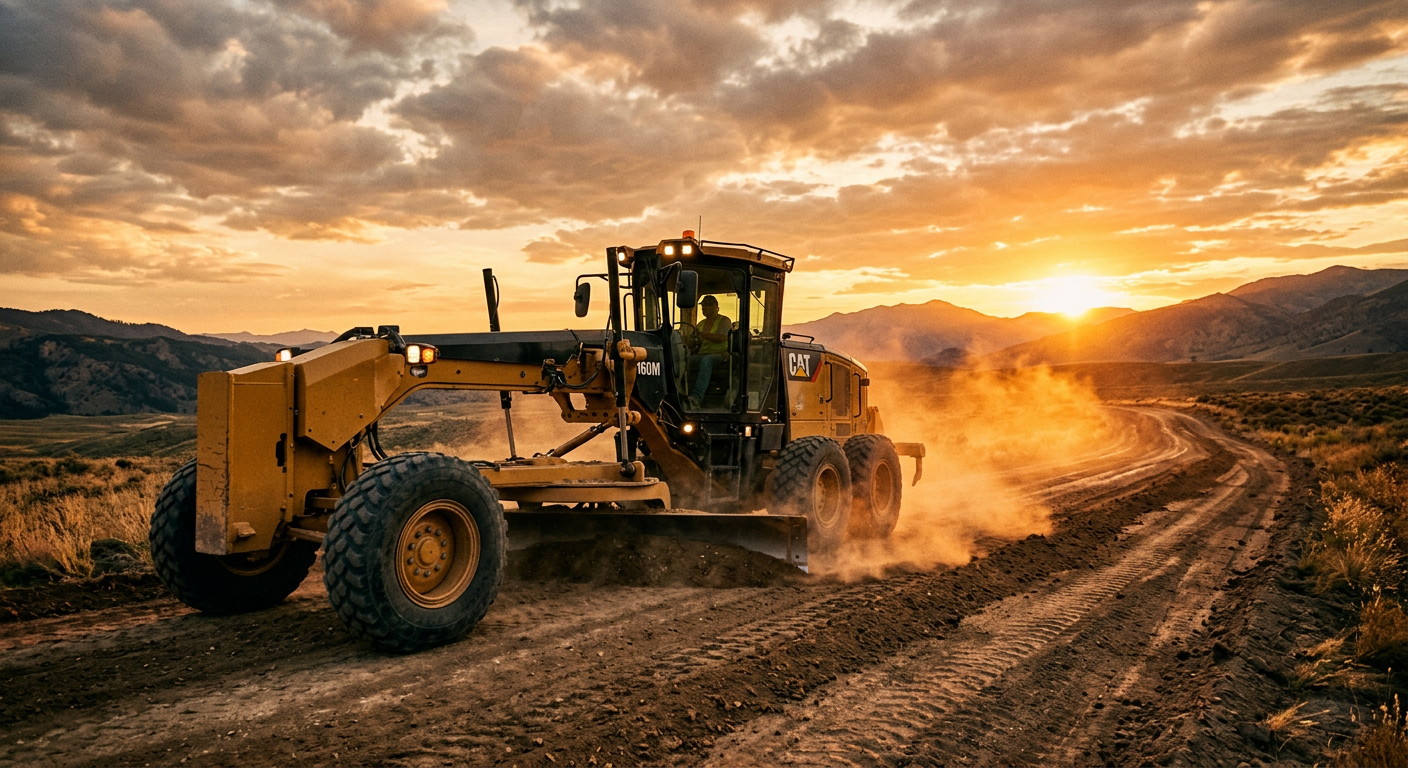
CASE Construction Equipment partnered with South Africa's Bell Equipment to launch three motor graders above 200 HP. Here's why this deal matters for the North American grader market.
The mechanic shortage isn't some mystery. We built it with low pay, terrible conditions, and an industry that treats its techs like they're replaceable. They aren't.
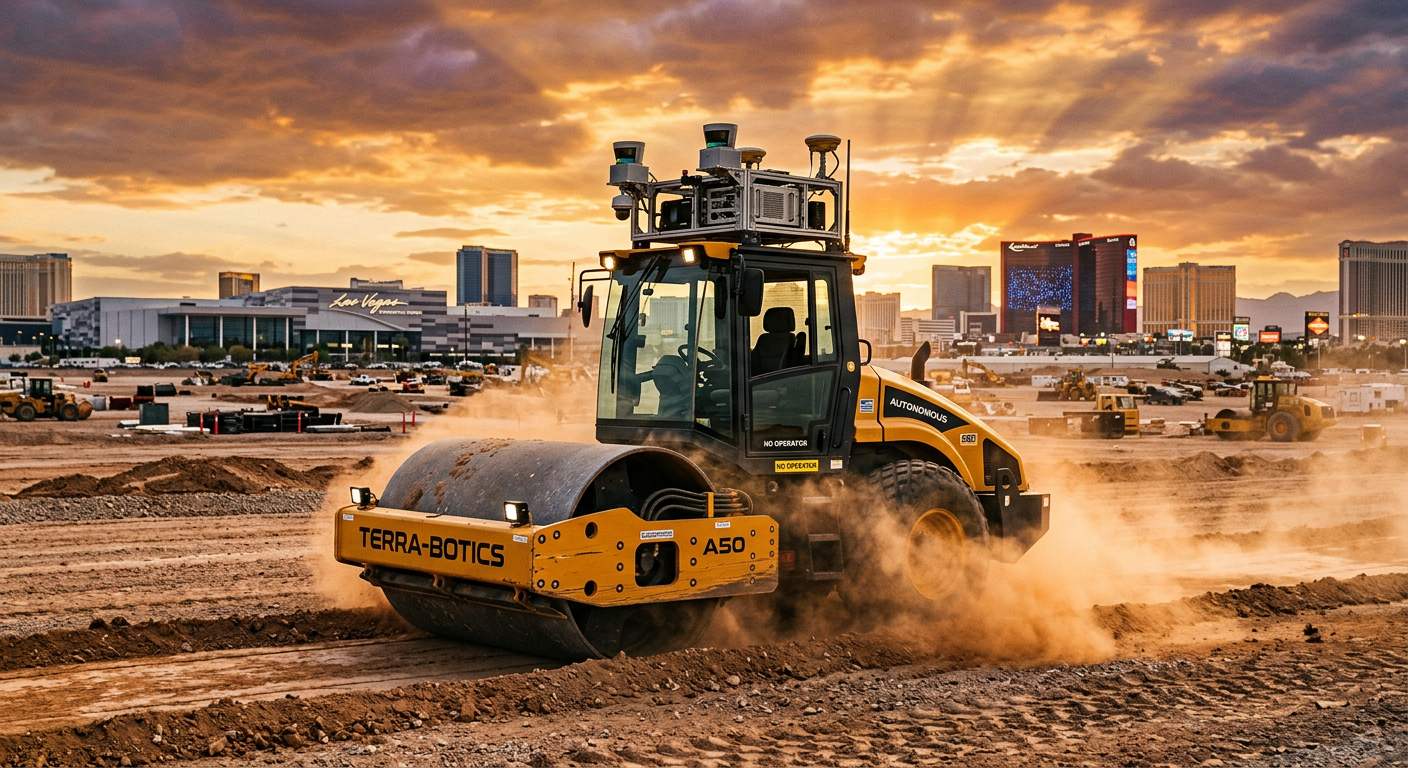
Caterpillar, Dynapac, Bobcat, and Hitachi are all bringing autonomous machines or AI-powered tools to Las Vegas this week. The technology gap between demo and deployment is closing fast.
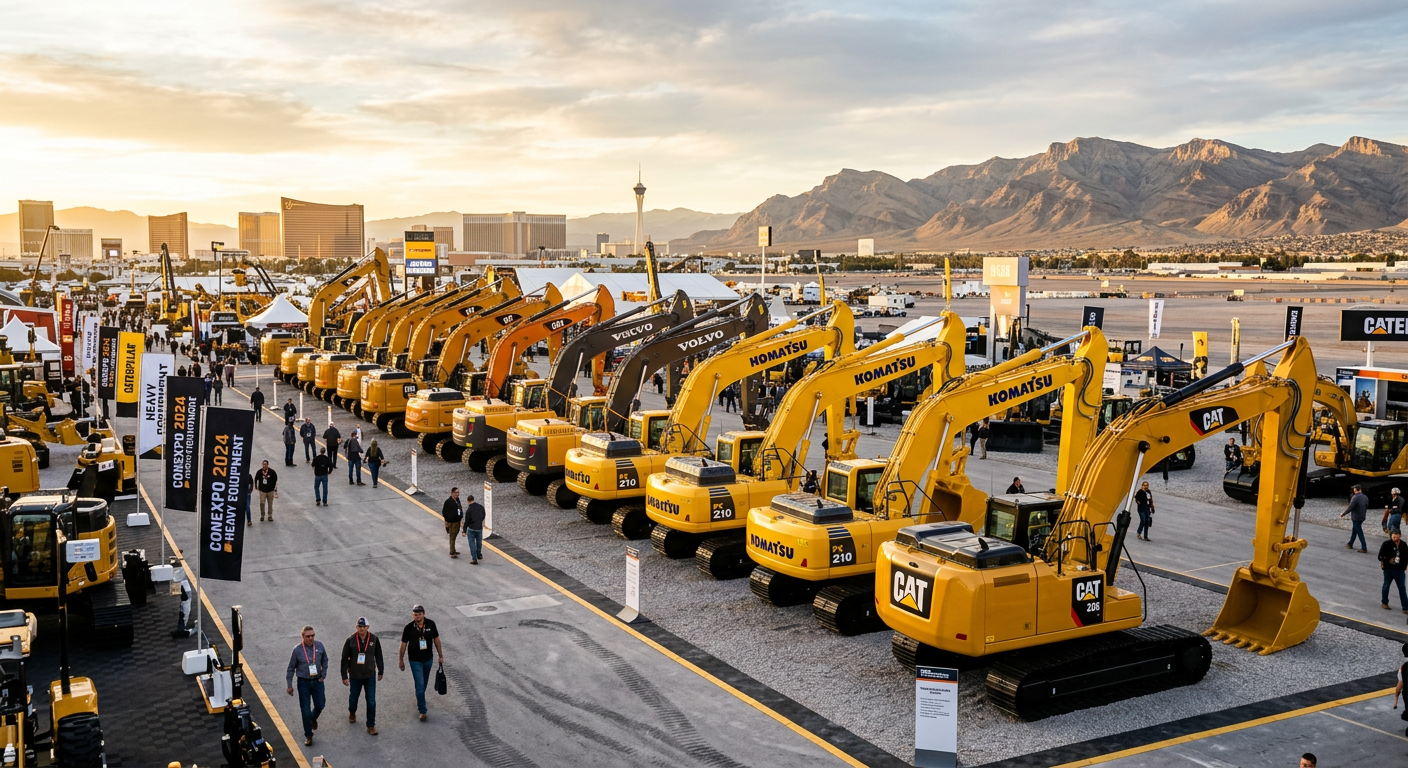
Volvo, Hyundai, Komatsu, CASE, and SANY are all bringing new or redesigned excavators to Las Vegas this week. Here's what each one is betting on.
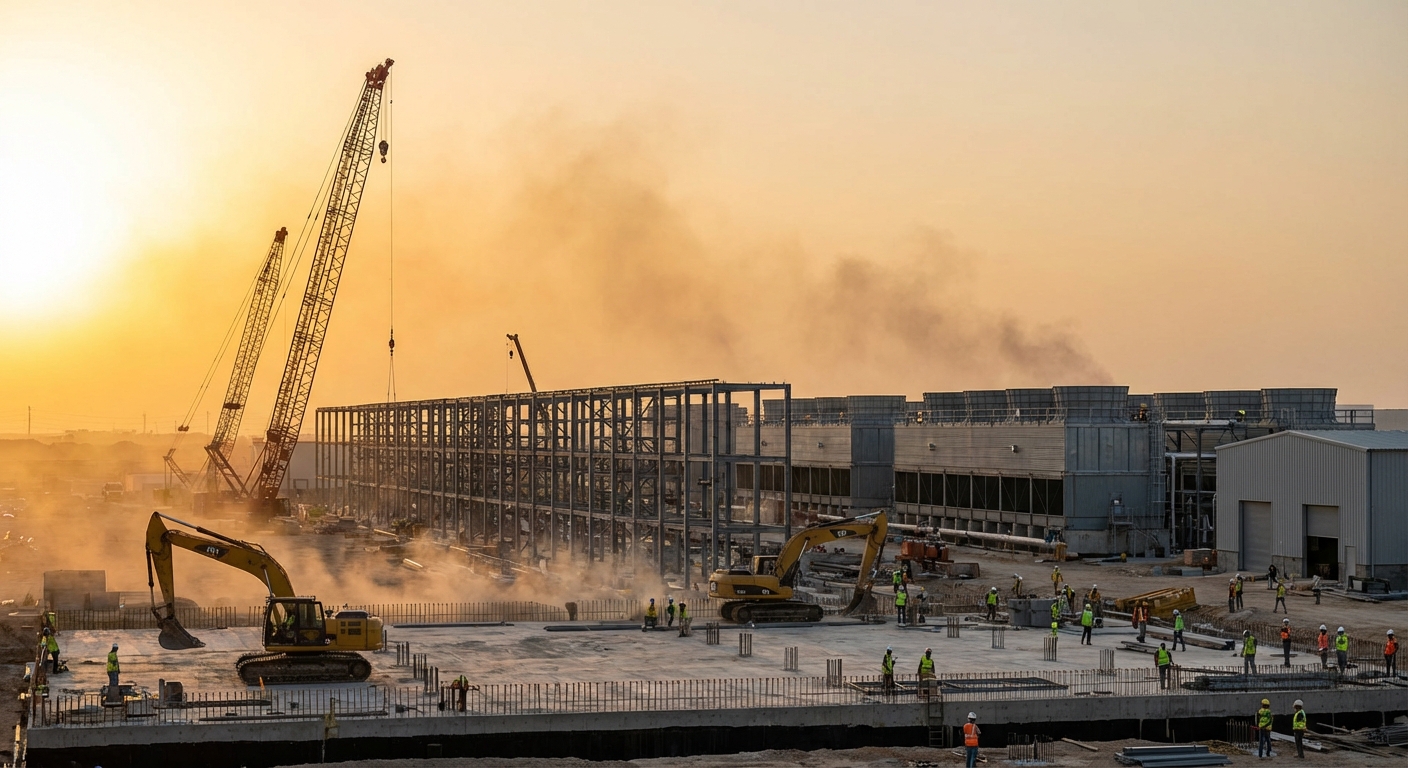
With $3 trillion in data center spending projected through 2030, heavy equipment demand is surging in ways most contractors didn't see coming.
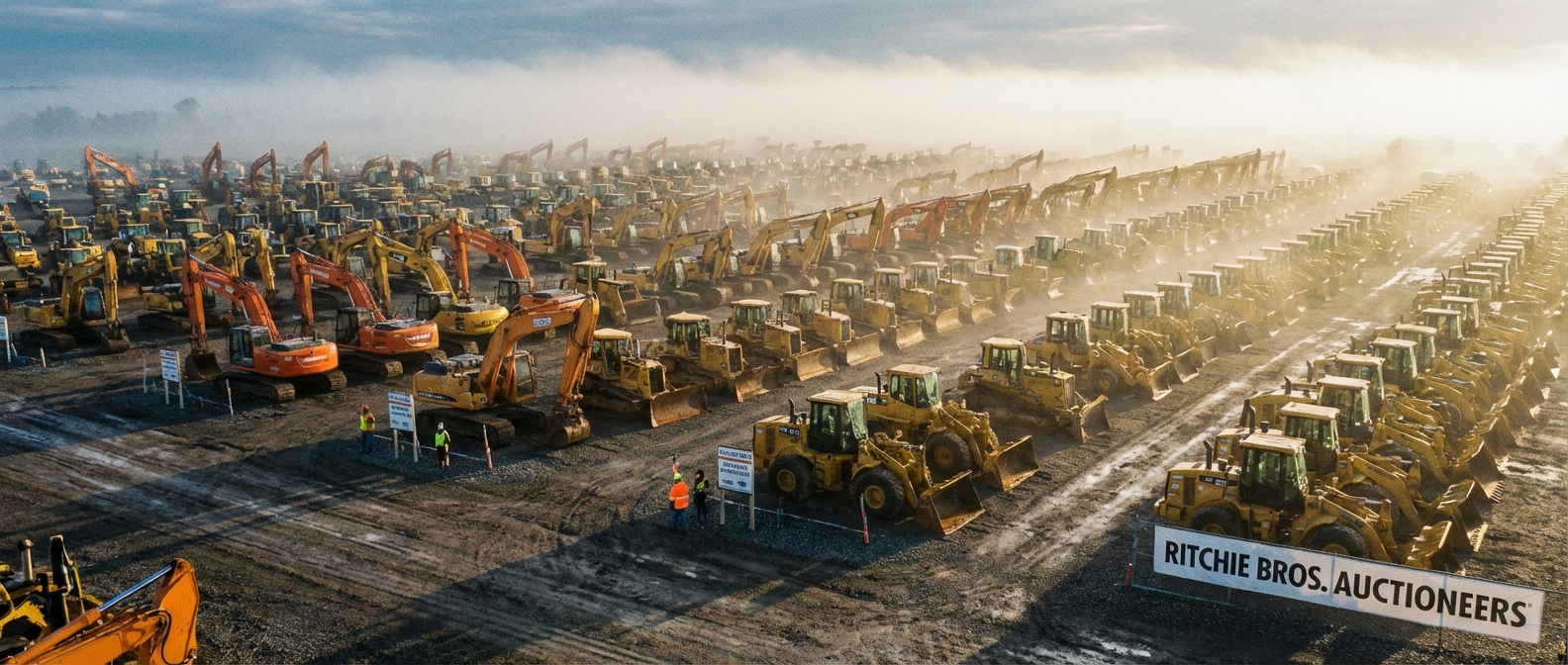
Used heavy equipment inventory dropped over 13% year-over-year while prices hold steady. For contractors shopping the secondary market, the window is closing.
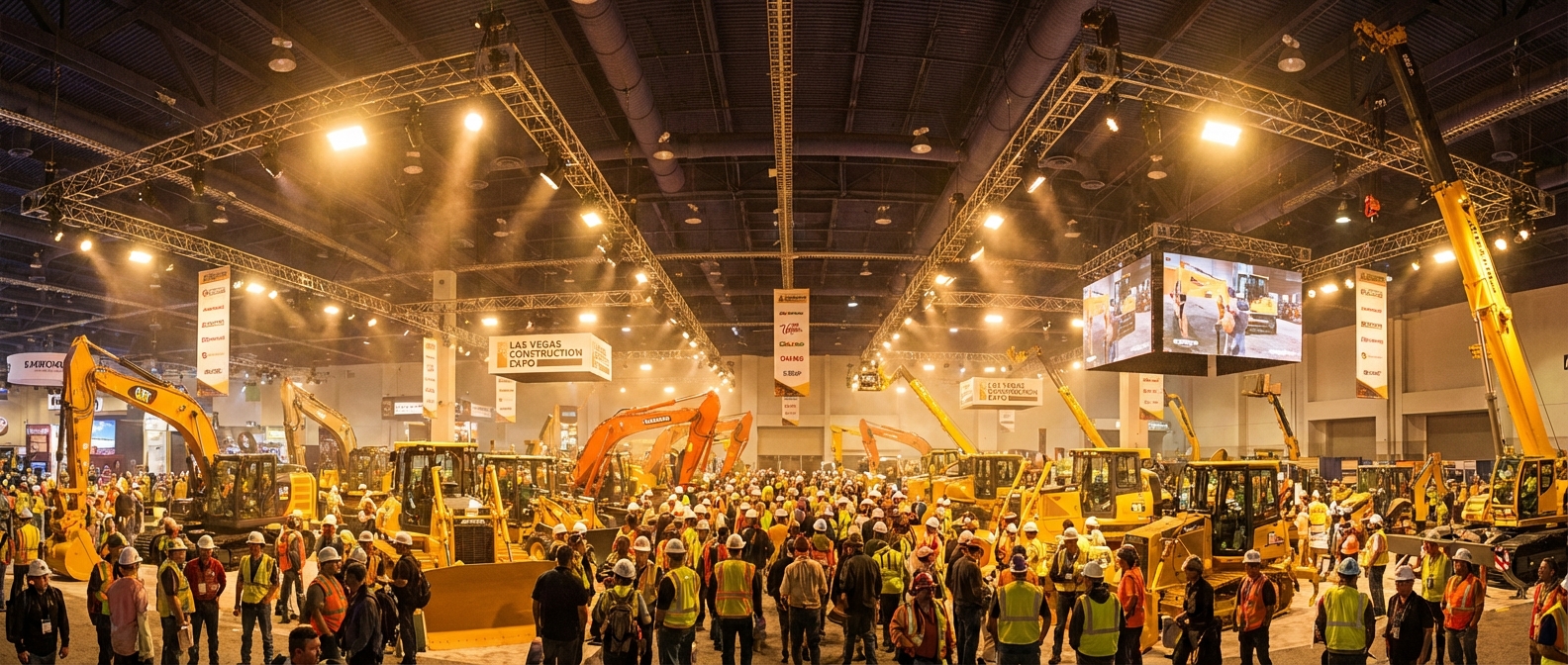
The biggest construction trade show in North America returns March 3-7 with 2,000 exhibitors, electric machines, autonomous tech, and a few surprises. Here's what to watch.
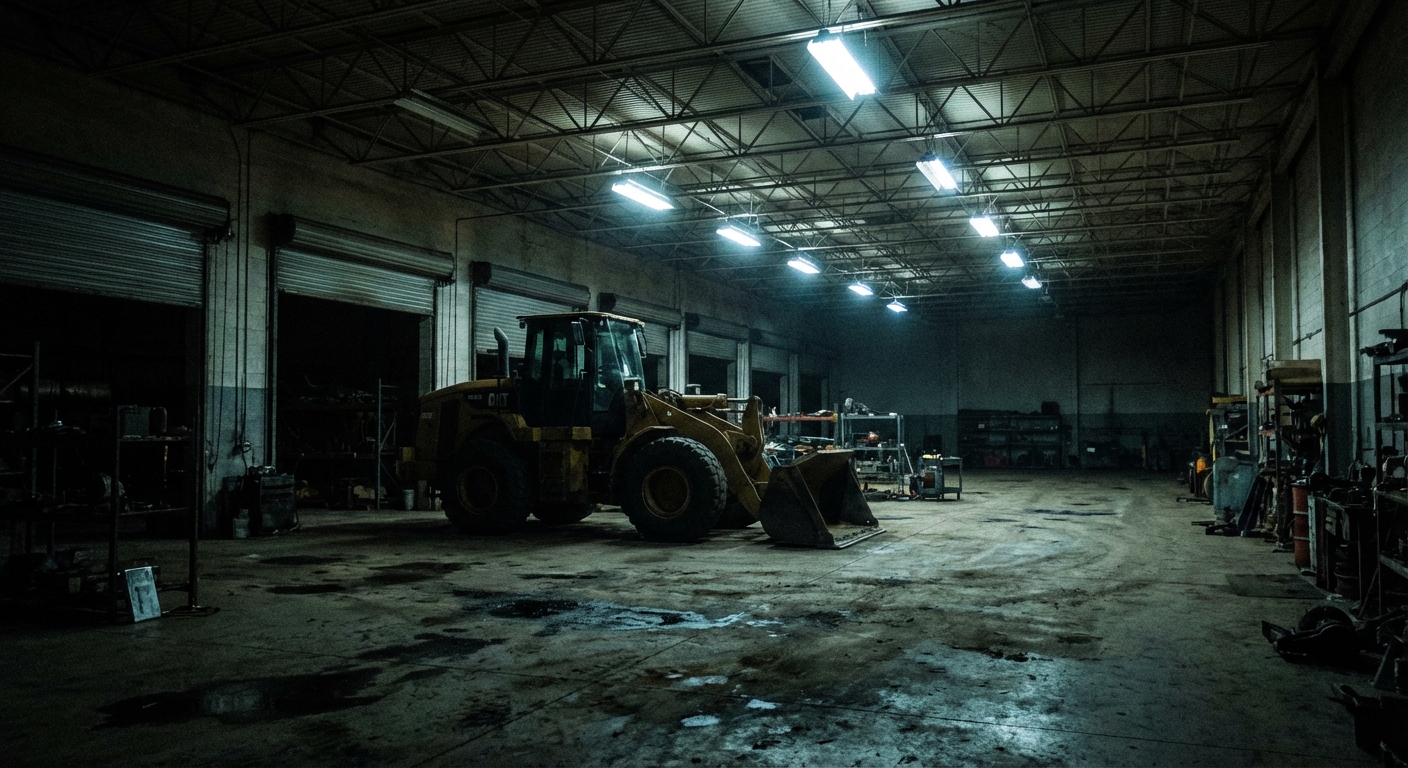
Weeks-long wait times, $200/hour shop rates, and techs who've never sat in the seat. The way dealers service equipment isn't working for operators anymore.
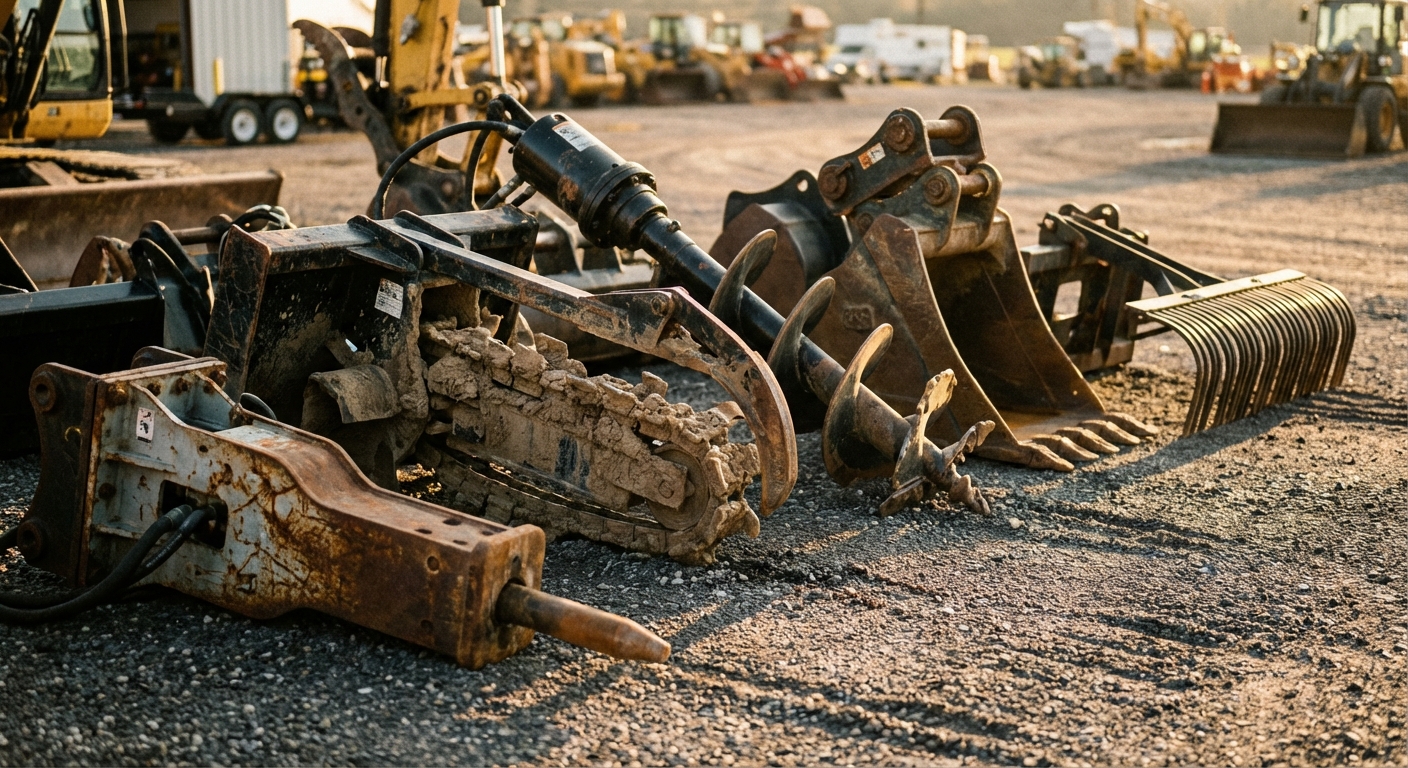
With nine brands, a Dover Corporation backing, and attachments on jobsites everywhere, Paladin is quietly one of the most important companies in construction equipment.
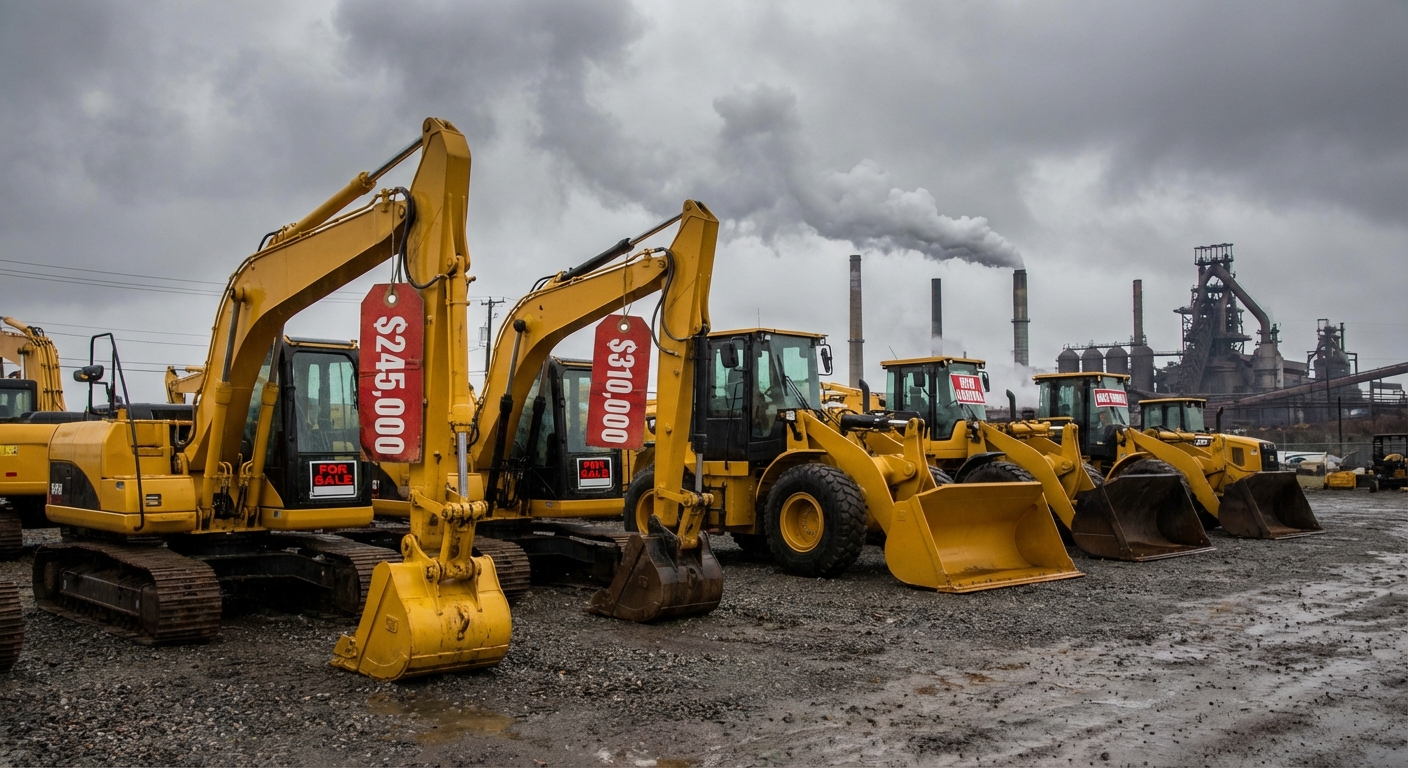
Section 232 tariffs doubled to 50% last summer. Six months later, the damage is showing up on every dealer invoice in the country.
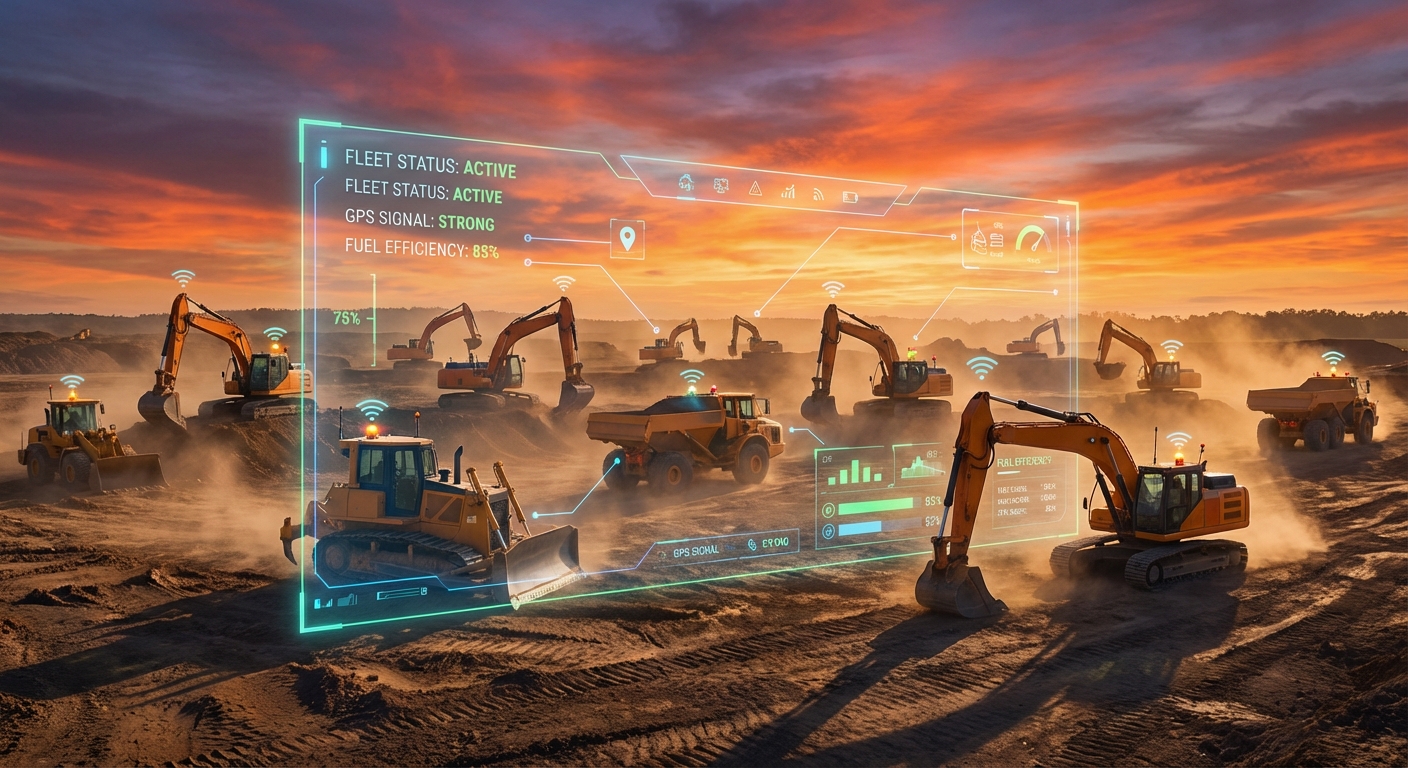
Deere just bought a mixed-fleet tracking company. That tells you everything about where construction technology is headed.
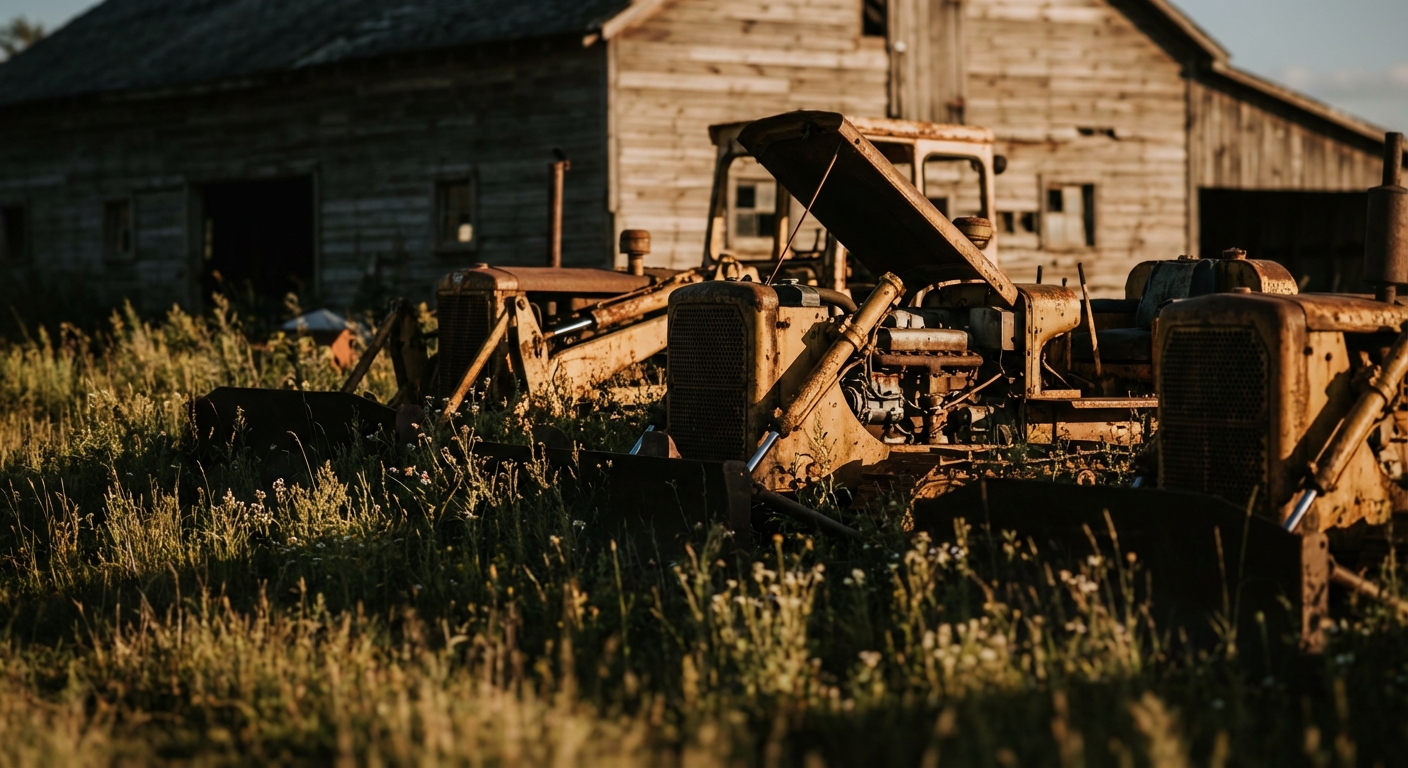
The equipment industry has a spending problem. Operators are going broke chasing new machines while their existing fleet sits broken in the yard.